
 English
  Spanish
  Portuguese
  German
  Italian
  Japanese
  French
  Polish
  Russian
  Netherlands
  Hungarian
  Turkish
  Videos
  Thedink Pickleball

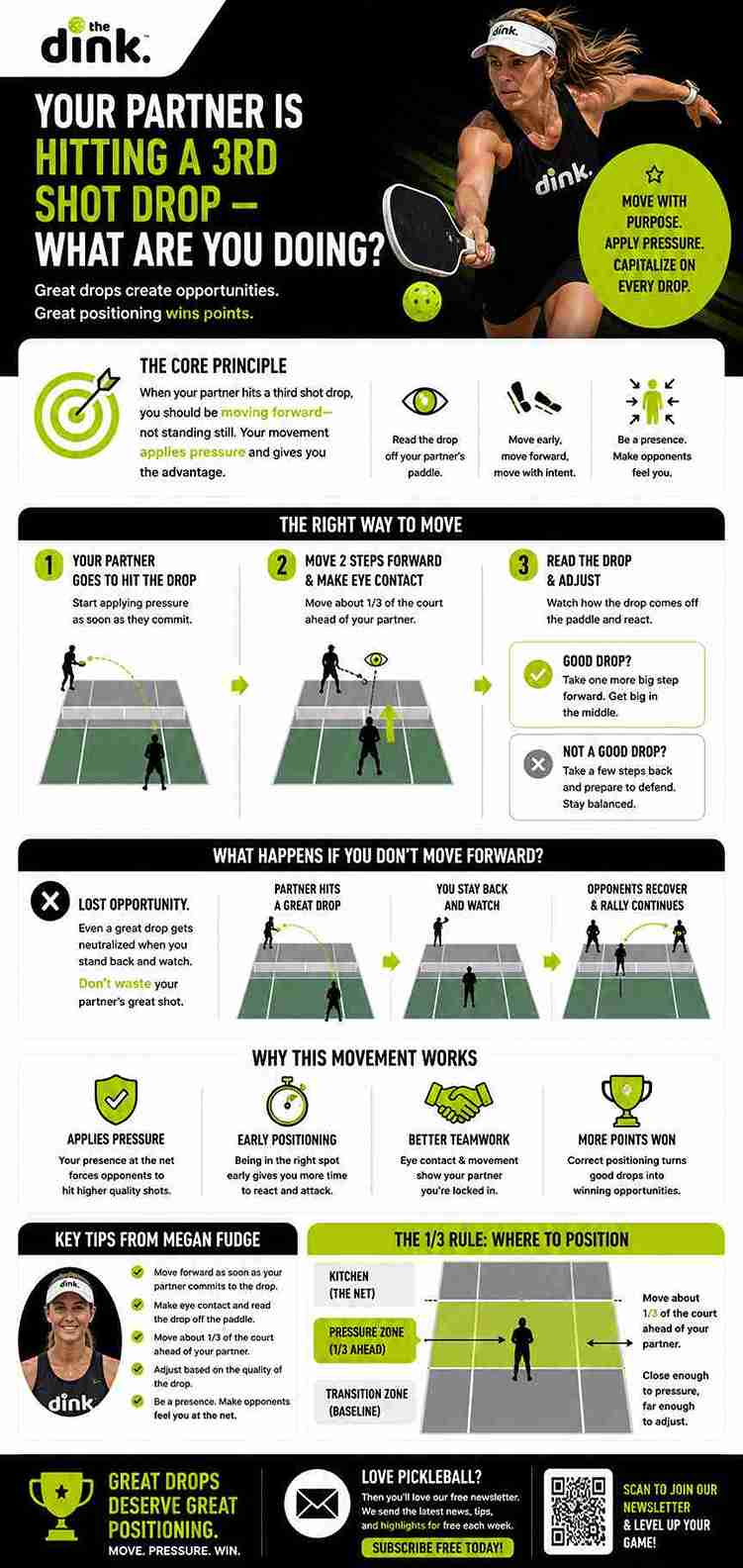
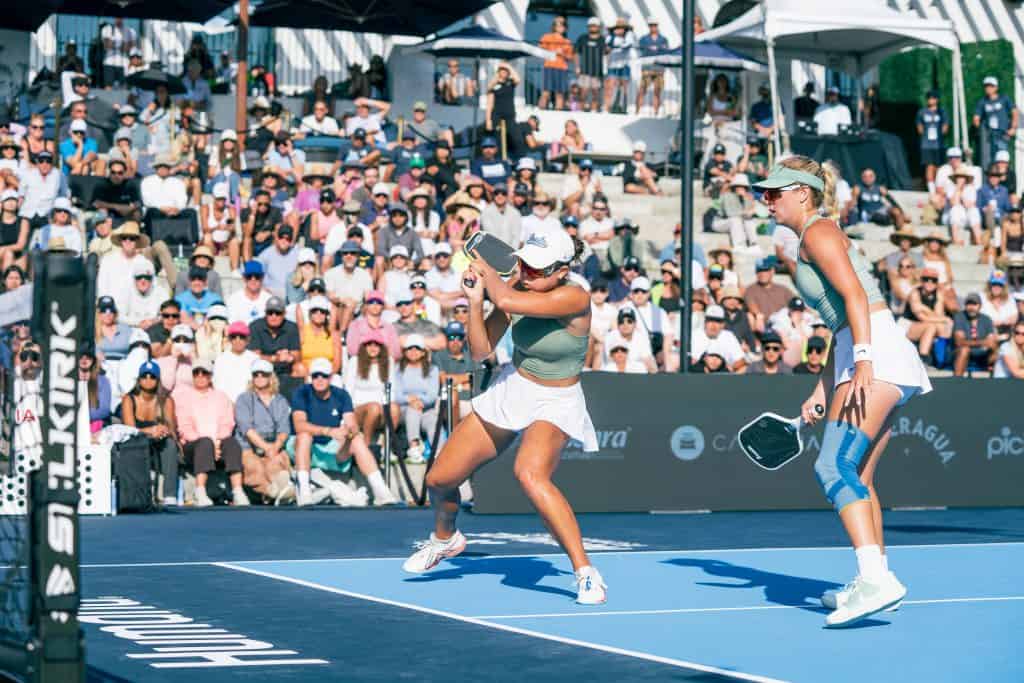
Court positioning can be the difference between winning and losing a rally in pickleball. Ranked pro Megan Fudge breaks down exactly how to move when your partner hits a third shot drop.
Most pickleball players make the same mistake when their partner hits a third shot drop: they stand there and watch.
Court positioning isn't about looking good or staying out of the way.
It's about applying pressure through your presence and capitalizing on the advantage your partner just created.
That's the lesson Megan Fudge, ranked number one on the APP Tour, teaches in a recent breakdown with Tanner Tomassi.
In under 60 seconds, she reveals the exact movements that separate pros from recreational players.
Love pickleball? Then you'll love our free newsletter. We send the latest news, tips, and highlights for free each week.
Why Does Court Positioning Matter So Much?
Court Positioning Starts the Moment Your Partner Commits
Here's the thing: a great third shot drop is only half the battle.
If your partner executes a perfect drop and you're still standing at the baseline watching, you've wasted that opportunity.
The rally becomes neutral instead of giving your team the edge you earned.
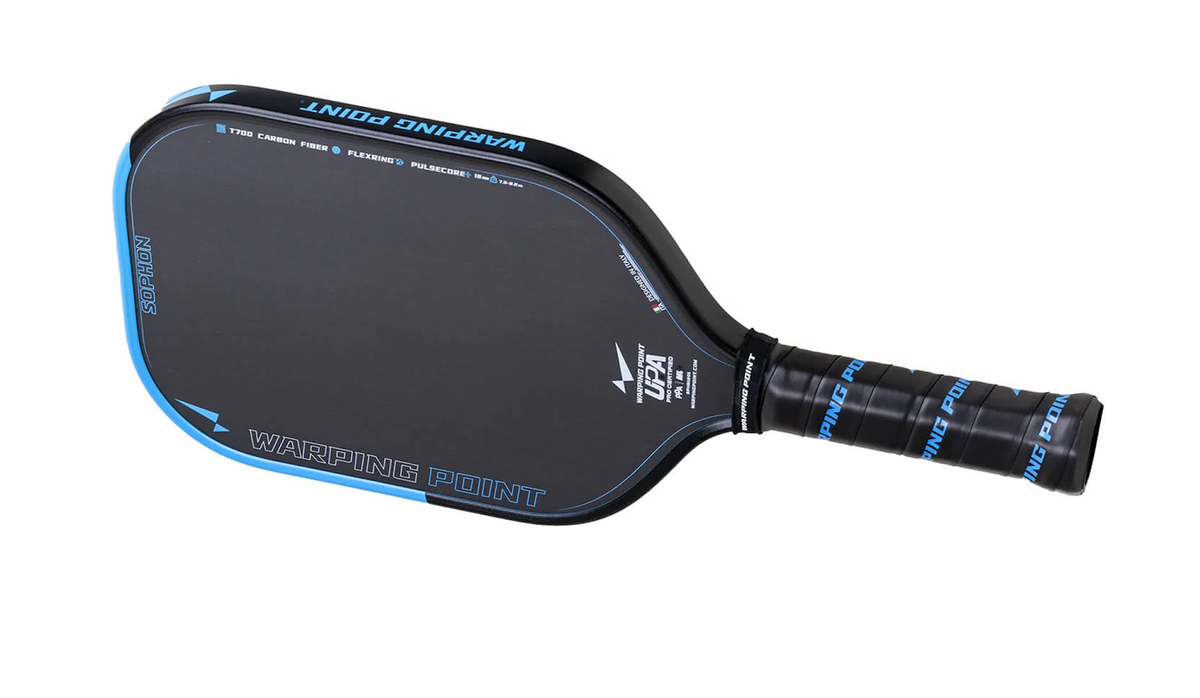
Warping Point Sophon: All-Court Feel & Durable Grit for $150
The rare blend of premium foam technology, durable grit, and high-level performance without the jaw-dropping price tag.
 The Dink PickleballAlex E. Weaver
Court positioning is about reading the situation in real time.
When your partner commits to hitting the drop, you need to be moving forward, not backward.
You're not just repositioning yourself; you're signaling to your opponents that you're a threat.
Presence matters in pickleball.Fudge explains that the goal is simple: move two steps forward while making eye contact with your partner. This accomplishes two things at once.
- First, you're getting closer to the net, which is always advantageous.
- Second, you're watching how the ball comes off your partner's paddle, which tells you whether the drop is good or whether you need to adjust your defense.
The Right Way to Move During a Third Shot Drop
Court Positioning in Two Scenarios
When your partner goes to hit the drop, you should start applying pressure immediately. This doesn't mean charging the net recklessly.
It means taking deliberate steps forward with purpose.
Megan Fudge's approach breaks down into two scenarios. If the drop looks good coming off your partner's paddle, you get big in the middle.
"Getting big" means taking up space at the net, positioning yourself to be a presence that opponents have to account for.
Your body language changes. You're ready to attack.
If the drop doesn't look clean, you adjust.You take a few steps back and prepare to defend. This flexibility is what separates players who understand court positioning from those who just react.
The key detail here is timing.
You're not waiting to see where the ball lands. You're reading it off the paddle.
That's the difference between a one-step adjustment and a three-step scramble.
💡
Need some new pickleball gear? Get 20% off select paddles, shoes, and more with code THEDINK at
Midwest Racquet SportsWhat Happens When You Don't Move Forward?
Let's look at the flip side. Fudge demonstrates what happens when a partner hits a great drop but the other player doesn't capitalize. The drop is clean.
It's exactly where it needs to be. But because the partner stayed back, watching instead of moving, the opponents have time to recover.
The rally that should have been won becomes neutral. Your team lost the advantage. In competitive pickleball, those moments add up.
Over the course of a match, failing to move forward on your partner's third shot drop costs you points, games, and matches.
This is why court positioning isn't just a nice-to-have skill. It's fundamental. It's the difference between playing pickleball and playing it well.
How to Be a Better Pickleball Partner: It’s All Mental
Your mental game in pickleball determines whether you win or lose. By focusing on what you can control, you’ll stop wasting energy on things outside your influence.
The Dink PickleballThe Dink Media Team
The One-Third Rule: How Far Forward Should You Go?
Applying Court Positioning to Distance and Depth
Fudge mentions a specific concept: moving about one-third of the court ahead of your partner. This isn't arbitrary.
It's a practical guideline that keeps you in a position to help without overcommitting.
- If you move too far forward, you're vulnerable to a hard attack.
- If you don't move far enough, you're not applying any pressure.
One-third of the court is the sweet spot. It's close enough to the net to be threatening, but far enough back to react if the drop doesn't work out.
Think of it as a pressure zone. You're not at the net yet, but you're close enough that your opponents know you're coming.
They have to hit a good third shot or face the consequences.
5 Pickleball IQ Moves to Win More Matches
Coach Jess breaks down five pickleball IQ moves designed to give you a strategic edge over your opponents. These aren’t just technical skills—they’re the mental shifts that separate winning players from the rest.
The Dink PickleballThe Dink Media Team
What Your Eyes Tell You About Court Positioning
One detail that stands out in Fudge's explanation is the emphasis on eye contact.
You're not just moving forward; you're watching your partner's paddle. This serves multiple purposes.
- First, it keeps you locked in mentally. You're not daydreaming or watching the crowd. You're engaged in the point.
- Second, it gives you real-time information. You can read the quality of the drop before it even lands.
- Third, it shows your partner that you're ready. Communication in pickleball isn't always verbal.
This is a small thing that separates casual players from serious ones.
The best players in the world are constantly reading their partners and opponents. They're not just hitting balls; they're gathering information.
8 Pickleball Doubles Strategy Tips Nobody Talks About
Pickleball doubles is a game of angles, positioning, and reading your opponent. But there’s a gap between what coaches teach and what actually wins matches.
The Dink PickleballThe Dink Media Team

How This Applies to Your Court Positioning
Making Court Positioning a Daily Habit
If you're working on your court positioning, start with this one principle: when your partner hits a third shot drop, move forward.
Not sideways. Not backward. Forward. Make it a habit.
Every single time your partner commits to a drop, you commit to moving.Two steps. Eye contact. Read the paddle. Adjust based on what you see.
You don't need to be ranked number one on the A Tour to understand this. You just need to be intentional about your movement.
Most recreational players lose points because they're not in the right place at the right time. Better court positioning fixes that.
The beauty of Fudge's teaching is that it's not complicated.
- It's not about fancy footwork or advanced tactics.
- It's about being present, being ready, and applying pressure through your positioning.
That's something every player can work on today.
💡
Heads up: hundreds of thousands of pickleballers read our free newsletter.
Subscribe herefor cutting edge strategy, insider news, pro analysis, the latest product innovations and more.
Frequently Asked Questions
What Is the Third Shot Drop in Pickleball and Why Does Court Positioning Matter?
The third shot drop is a soft shot hit by the serving team after the return of serve. It's designed to land in the opponent's kitchen (the no-volley zone) and give your team time to advance, which is precisely why your court positioning response to it determines whether you capitalize or waste the opportunity.
How Far Forward Should I Move When My Partner Hits a Drop?
According to Megan Fudge, you should move about one-third of the court ahead of your partner. This puts you in a position to apply pressure without overcommitting and keeps your court positioning balanced between offense and defense.
Why Is Eye Contact Important During Court Positioning?
Eye contact with your partner serves multiple purposes. It keeps you mentally engaged in the point, gives you real-time information about the quality of the drop, and signals to your partner that you're ready to move.
What Should I Do If My Partner's Drop Doesn't Look Good?
If the drop doesn't look clean coming off your partner's paddle, take a few steps back and prepare to defend. This flexibility is the foundation of smart court positioning, since you're reading the shot in real time and adjusting before the ball even lands.
How Does Court Positioning Affect Match Outcomes?
Court positioning directly impacts your ability to capitalize on advantages. When you move forward on your partner's third shot drop, you apply pressure and give your team a better chance to win the rally. Over the course of a match, these moments compound and can be the difference between winning and losing.
For everything else we do, visit https://linktr.ee/dinkfamlinktr.ee/dinkfam
Anuncie Aqui / Advertise Here
Sua marca para o mundo Pickleball! / Your brand for the Pickleball world!







 English (US) ·
  Portuguese (BR) ·