
 English
  Spanish
  Portuguese
  German
  Italian
  Japanese
  French
  Polish
  Russian
  Netherlands
  Hungarian
  Turkish
  Videos
  Thedink Pickleball

Watching pro pickleball and copying what you see is a recipe for stalled improvement. These 12 pro pickleball habits look smart on TV but will quietly destroy your rec game.
Watching pro pickleball and trying to copy what you see is one of the most common ways rec players accidentally hold themselves back.
The problem is not your effort.
The problem is that a pro pickleball player operates in a completely different environment, against completely different opponents, with completely different hands and reaction speeds.What works against Ben Johns or Anna Leigh Waters will get you torched in a 3.5 open play session.
These insights come directly from Zane Navratil Pickleball on YouTube, where Zane breaks down the exact habits that look correct on TV but will wreck your game at the rec level.
Love pickleball? Then you'll love our free newsletter. We send the latest news, tips, and highlights for free each week.
Why Copying a Pro Pickleball Player's Ready Position Backfires
A pro pickleball player keeps their paddle low because their opponents are accurate enough to always target net height. Your opponents are not.
Amateur speedups have far more variance in both height and pace.
If a chest-high ball comes at you and your paddle is already low, you have already lost that exchange before you even swing.Raise your ready position higher than what you see on TV. You will defend against bangers more effectively and stop popping up counters that should be winners.
Chasing Wristy Shots Before You Have the Base
Every time a 3.0 player says they want to flick like Mari Humberg, a part of every good coach dies inside.
Those shots are the tip of the iceberg, not the starting point.
The progression for developing any wristy shot works like this:
- Start with zero wrist. Generate spin by closing the paddle face and brushing up through the back of the ball.
- Once you are consistent with that, gradually introduce more wrist over time.
- Only after real consistency is established should you attempt anything close to a full flick.
Going straight to full wrist action produces wildly inconsistent results. Worse, it can injure you before you ever develop the muscle strength to support the shot.
If you want to fix your backhand flick, start simpler than you think you need to.
💡
Need some new pickleball gear? Get 20% off select paddles, shoes, and more with code THEDINK at
Midwest Racquet SportsHitting Aggressive Dinks at the Wrong Time
You watch Anna Leigh Waters roll dinks from impossible positions and think that is the standard. It is not the standard for you yet.
Before you go aggressive on any dink, three things must be true:
- You are in good balance. No balance means no consistent execution.
- You are in good position. Being off the line or off the court means even a great dink cannot be capitalized on.
- The ball is high enough to work with. You cannot do much from ankle height, no matter how good you are.
If any of those three conditions are missing, hit a conservative dink. Give yourself more net clearance, stay away from the sidelines, and wait for the right ball.
Too many amateur dink rallies turn into pissing contests where both players try to one-up each other. That is not strategy. That is ego.
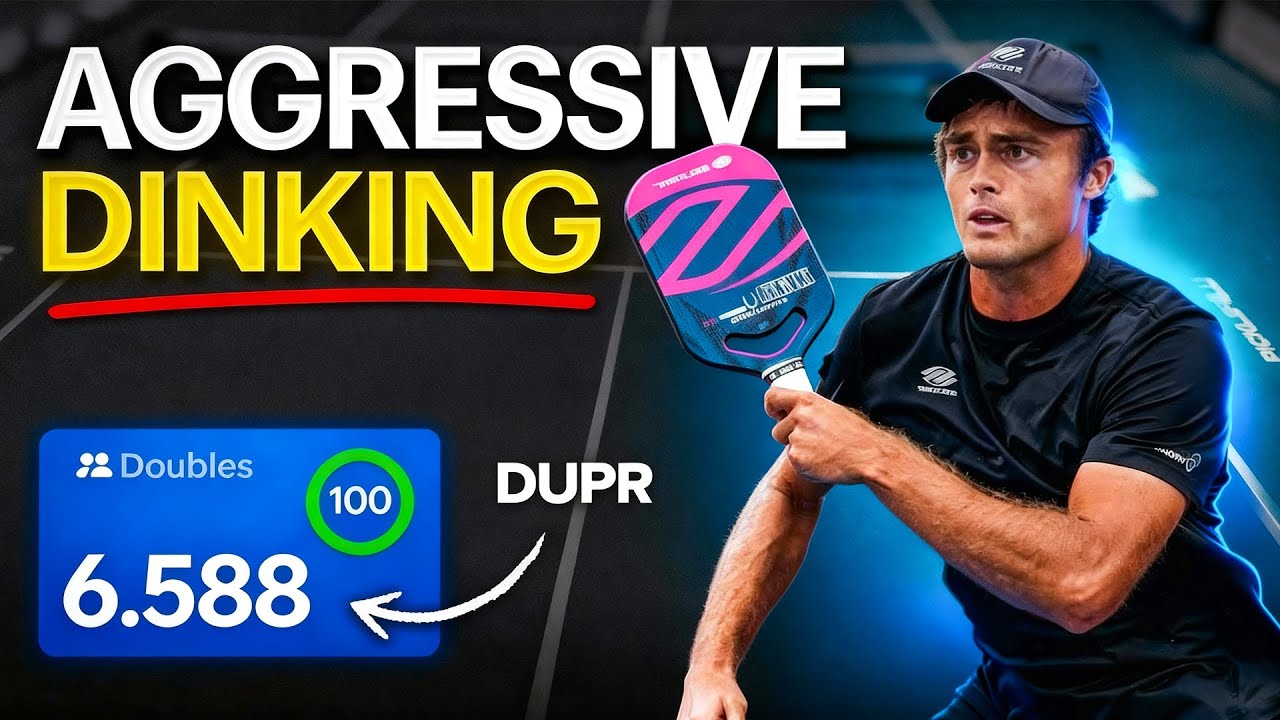
Avoid These 3 Deadly Mistakes to Master Aggressive Dinking
The aggressive dink isn’t about overpowering your opponent. It’s about creating pressure through placement, using deception to keep them guessing, and understanding when to attack versus when to reset
 The Dink PickleballAlex E. Weaver
Why Are You Using Two Hands for Everything?
The two-handed backhand is a great shot. It is not the only shot.
The biggest flaw of the two-hander is reach. You simply cannot get to as many balls with two hands as you can with one.There are four specific situations where the one-hander is the right call:
- Body defense: When a speedup jams you, dropping the left hand to defend the chicken wing is faster and more natural.
- Getting the ball down: More forward reach with one hand lets you meet the ball earlier and keep counters low.
- Flicks: If you always use two hands, you are missing flick opportunities constantly.
- Out-of-position defense: One hand reaches more balls and makes it easier to lift for a dead dink or reset.
You can read more about two-handed backhand mistakes that are costing you points right now.
If You Can’t Reach the Kitchen Line in Time, Do This
Knowing what to do when you can’t reach the kitchen line in pickleball separates streaky players from consistent ones. This guide breaks down the shot selection and footwork fixes that get you out of trouble and keep you there less often.
 The Dink PickleballThe Dink Media Team
Power Over Placement on High Balls
When the ball is low, placement wins. When the ball is high, power wins. Most rec players have this completely backwards.
Pros go for cute angles and tight sidelines on overheads because their opponents cover court at a ridiculous level.
Your opponents do not. If you try to snipe the corner on an overhead, you will miss more than you should.Find the safest spot and put another hole in the ball.
Execution beats cleverness every single time. Ben Johns is the most predictable player in the sport and it does not matter because his execution is flawless.
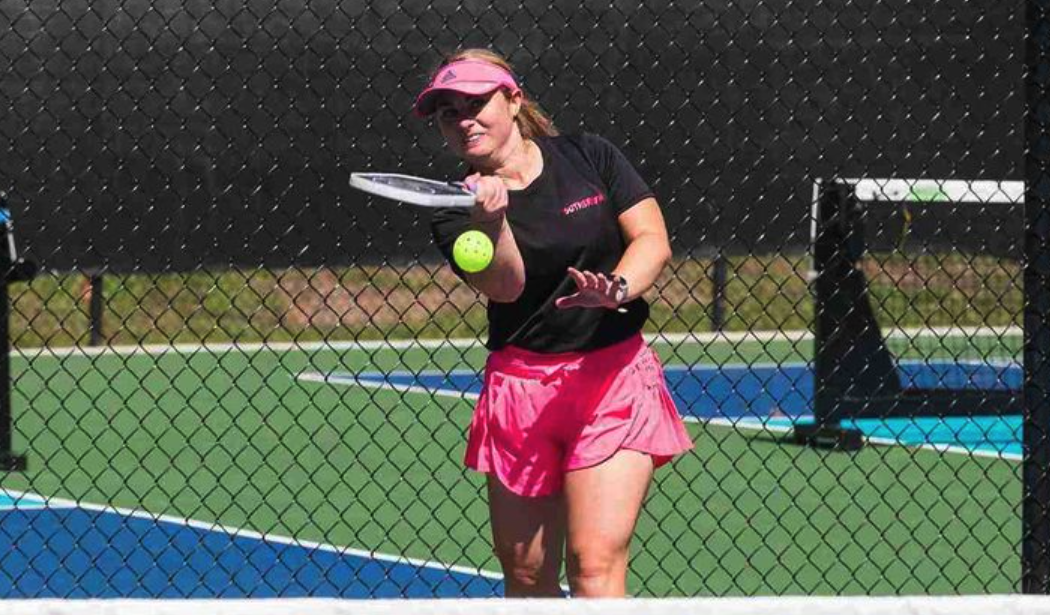
How to Survive Overhead Returns in Pickleball
Most players get destroyed by overhead returns in pickleball because they rely on one hand and lose control of the paddle. Add your second hand and the shot becomes a wall your opponent can’t power through.
 The Dink PickleballThe Dink Media Team
Should You Still Use the Slice Return?
Slice returns are nearly dead at the pro level because a good pro pickleball player will use your slice spin against you by converting it into topspin.
But you are not playing pros.
At the amateur level, many players never recognize or adjust to spin coming their way.
The slice is still a legitimate change of pace and can be an ace in the hole against opponents who struggle with it.Yes, develop a flat return as a baseline skill. But do not abandon the slice entirely just because the pros have moved on from it.
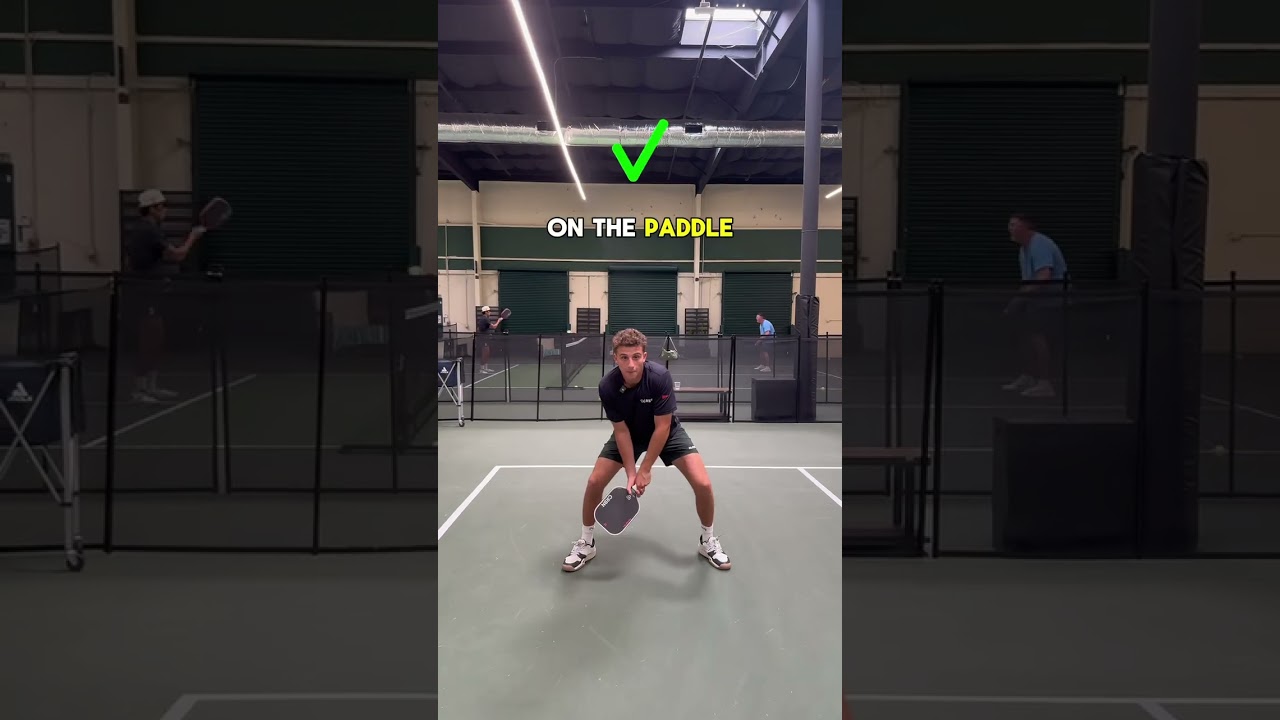
How to Hit a Slice Return Like a Pickleball Pro
Most players think a slice return needs a big wrist snap. Mari Humberg’s 6.042 DUPR slice return proves the opposite, and here’s exactly how she does it.
 The Dink PickleballThe Dink Media Team
Why a Pro Pickleball Player Drives Every Third Shot and You Shouldn't
A pro pickleball player drives more than 50 percent of their third shots. This leads a lot of rec players to think they should just drive everything.
That is a great way to never actually develop your drop.Watch pros carefully and you will notice they almost always drop the fifth shot to neutralize the returner's advantage and get to the kitchen.
The drive is not a replacement for the drop. It is part of a sequenced strategy.If you want to get to the kitchen faster with your thirds, the drop has to be in your toolkit.
You can also look at advanced third shot drive placement to understand how drives fit into a bigger plan.
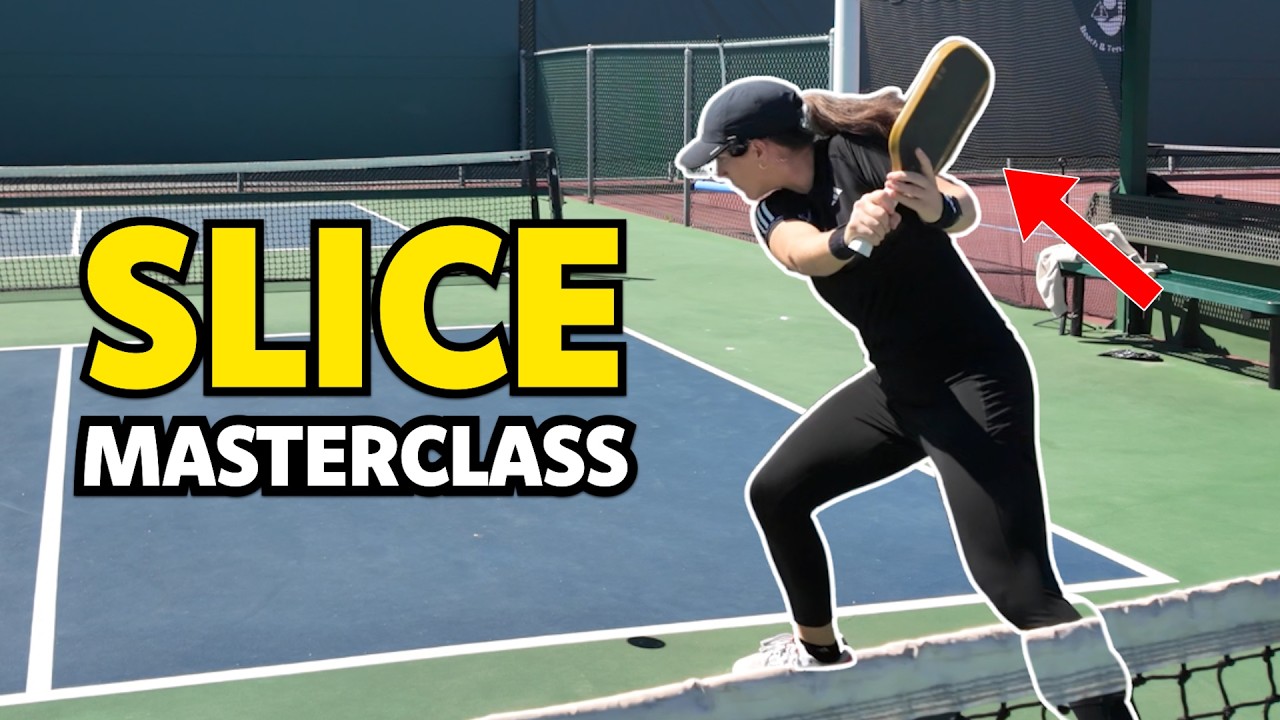
6 Third Shot Drop Situations and the Right Shot Each Time
Most players treat every third shot the same. Knowing which of these 6 return situations you are in will fix your third shot drop instantly.
 The Dink PickleballThe Dink Media Team
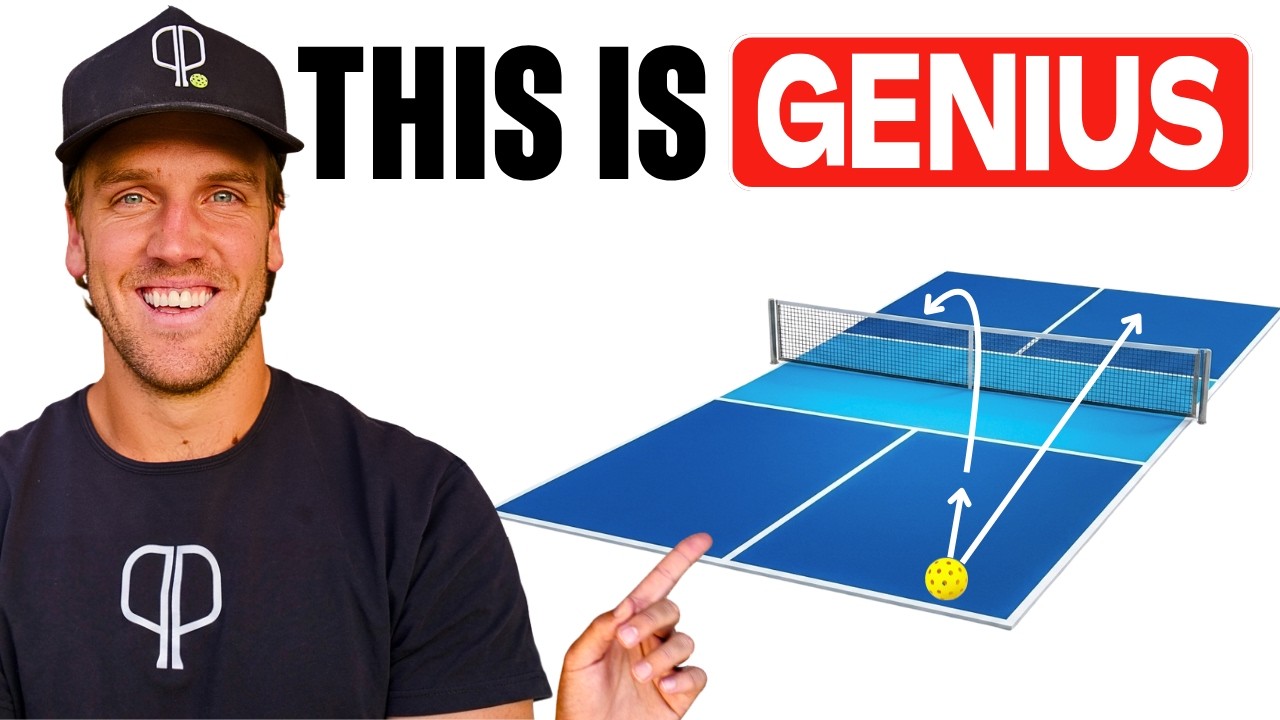
Attacking Low Balls Because Pros Do It
When pros attack from a low position, it is calculated.
They have spotted a weakness, identified that an opponent is out of position, or they are setting something up for later in the match.
It is not chaos. It is chess.
If you are a rec player attacking low balls hoping something good happens, you are playing hero ball.Wait for your opportunity where you have a real chance of winning the point. One more dink never hurt anybody.
Advanced Pickleball Attacking Strategy at the Kitchen Line
There are only three ways to attack at the kitchen line in pickleball. From speed ups off the bounce to reaching in for air attacks, here’s what separates the winners from the rest.
 The Dink PickleballThe Dink Media Team
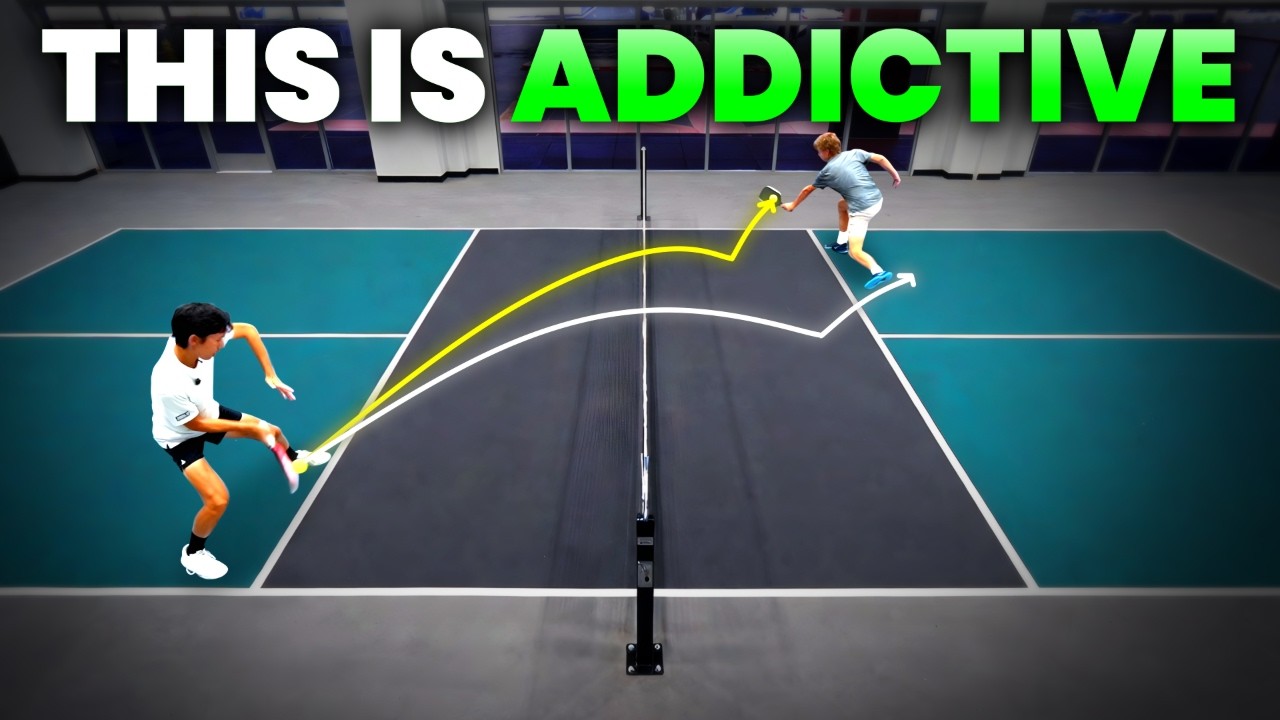
Varying Shots When What You Have Is Working
A pro pickleball player rarely hits more than two or three shots to the same spot because their opponents are consistent enough to find a rhythm and exploit it.
Your opponents are probably not Jade Kawamoto.
If grinding crosscourt backhands is working, keep grinding crosscourt backhands.Hammer that spot until your opponent proves they can adjust. At the rec level, many opponents never will.
Stop mixing it up out of boredom or habit. Make your opponent earn the adjustment.
You can learn more about winning the crosscourt dink battle by being more systematic rather than more creative.
Pickleball Shot Selection: Low Forehand, High Backhand Rule
Pickleball shot selection doesn’t have to be complicated. One rule covers most situations: slide forehand when the ball is low, sit backhand when the ball is high.
 The Dink PickleballThe Dink Media Team
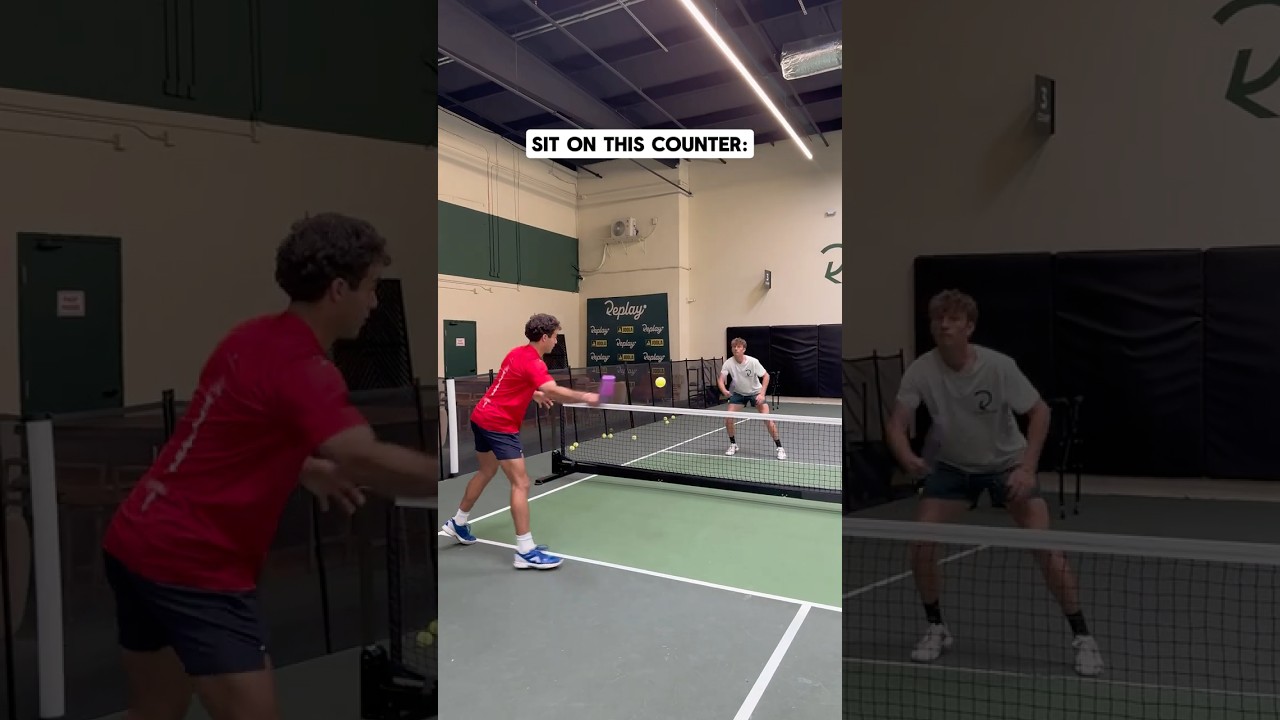
Chasing Resets Instead of Counterattacks
Here is a real secret from the pro level. Most resets at the kitchen line are accidents.
Pros standing at the kitchen are almost always trying to counterattack and punish speedups, not reset them.
The reset is the hardest shot in pickleball.
You have to react to a ball coming at 50 miles per hour from 14 feet away, take the exact right amount of pace off, clear the net, and drop it in the kitchen without floating it.That is an enormous ask.
A counterattack is actually easier and more effective. Work on your hands battle skills and your ability to punch back rather than absorbing everything.
If you keep struggling with resets, here is why your reset keeps failing and what to change.
How to Hit Pickleball Resets Under Pressure
A pickleball reset is one of the most valuable shots in the game, but executing it under pressure separates good players from great ones. This drill teaches you to master the pickleball reset by alternating between aggressive attacks and defensive resets.
 The Dink PickleballThe Dink Media Team
Being Tricky When You Should Be Executing
Deception is a product of execution, not a substitute for it. Watching Gabe Tardio or Hayden Patriquin be creative and tricky is entertaining.
Trying to copy it when you cannot execute the basics is self-defeating.
If you cannot execute consistently, the only person you are fooling is yourself. Get the basics airtight first.The trickery can come later once your opponents actually have something to worry about from your standard shots.
The 7 Pickleball Tips & Tricks That Took Me From a 3.0 Player to 3.5
Here are 7 Tips that will improve your pickleball game: 1. Drill More Than Your Play 2. Hit With Intention 3. Learn Wall Drills 4. Keep Your Eye on the Ball 5. Use the Right Grip 6. Get Your Body Low 7. Hit High Percentage Shots 1. Drill More Than
 The Dink PickleballLuke Burton
Copying Pro Paddles Blindly
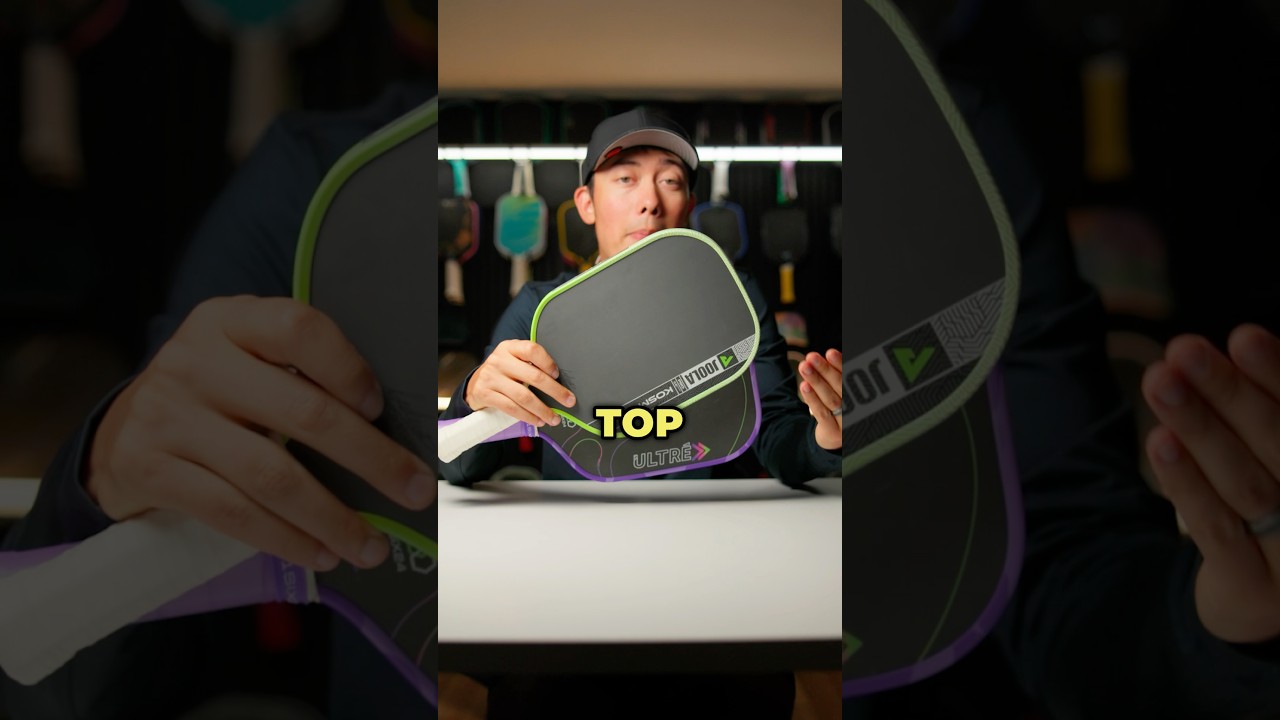
Pros generally prefer longer paddles with more power and smaller sweet spots.
That setup is optimized for athletes with elite timing, elite hands, and years of reps at the highest level.
What works for a pro pickleball player like Christian Alshon is not automatically right for a rec player who plays three times a week. Your needs from a paddle are different from a pro's needs.
You can explore whether an elongated paddle is right for you before making any purchase based on what you see the pros using.
Choose equipment for your game, not for someone else's.
💡
Heads up: hundreds of thousands of pickleballers read our free newsletter.
Subscribe herefor cutting edge strategy, insider news, pro analysis, the latest product innovations and more.
Frequently Asked Questions
Why should rec players not copy the low ready position from pro pickleball?
Pro players use a low ready position because their opponents consistently target net height with high accuracy. Recreational players face far more variance in speedup height and pace, so a higher ready position lets you defend chest-level attacks without popping the ball up.
When is it actually smart to hit an aggressive dink?
An aggressive dink is a smart play only when you are balanced, in good position at the kitchen line, and the ball is high enough to work with. If any of those three conditions are missing, a conservative dink with more net clearance is the better choice.
Is the third shot drop still important if pros drive so much?
Yes, the third shot drop is still essential even as pros drive more often. Pros typically drop the fifth shot to neutralize the point and get to the kitchen, meaning the drive and drop work together rather than one replacing the other. Skipping the drop entirely at the rec level means you never develop one of the most important shots in the game.
Why is the reset so hard and what should rec players focus on instead?
The reset requires absorbing pace from a fast ball at close range while keeping the return low enough to land in the kitchen without floating. Most pro resets at the kitchen line are unplanned reactions, not deliberate choices. Rec players are better served by working on counterattacks, which are more reliable and more effective in real match situations.
Should rec players use a two-handed backhand exclusively?
No. The two-handed backhand is a powerful shot for drives, counterattacks, and aggressive dinks, but it limits your reach significantly. You need a one-handed option for body defense, extended reach, flicks, and out-of-position situations where a single hand can bail you out.
Anuncie Aqui / Advertise Here
Sua marca para o mundo Pickleball! / Your brand for the Pickleball world!




 English (US) ·
  Portuguese (BR) ·