
 English
  Spanish
  Portuguese
  German
  Italian
  Japanese
  French
  Polish
  Russian
  Netherlands
  Hungarian
  Turkish
  Videos
  Thedink Pickleball

"You are not going to be able to hit good dinks if you don't move your feet."
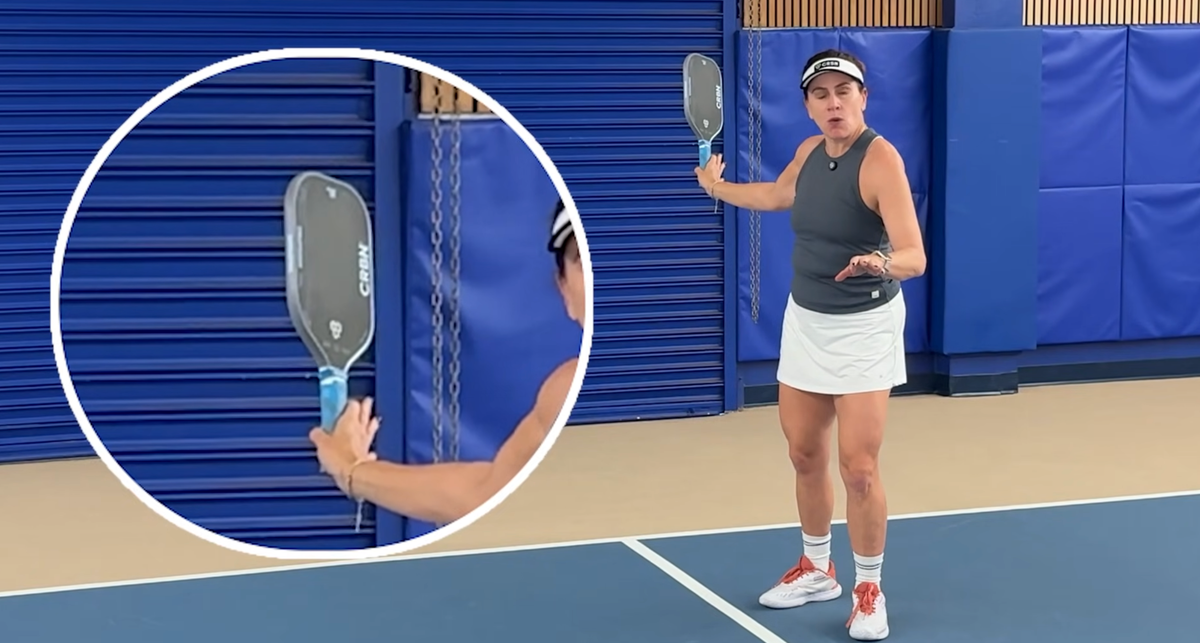
Mari Humberg has a message for pickleball players everywhere, and it's one she's tired of repeating: your footwork at the kitchen line is probably terrible, and it's holding you back more than you realize.
In a recent YouTube Short, the pickleball instructor and content creator @marihumberg breaks down two fundamental footwork principles that separate players who consistently execute at the net from those who just... stand there.
And honestly? The gap between good and mediocre pickleball often comes down to exactly this kind of foundational stuff that nobody wants to hear about.
Love pickleball? Then you'll love our free newsletter. We send the latest news, tips, and highlights for free each week.
1. The Movement Problem Nobody Wants to Admit
Here's where Humberg starts: she's exhausted watching players dink without moving their feet. Like, at all. You know the type. They're in the ready position, they're making their dinks, and they're convinced that because the ball isn't hitting the net, everything's fine. Except it's not.
"They're not good dinks," Humberg says bluntly in the video.
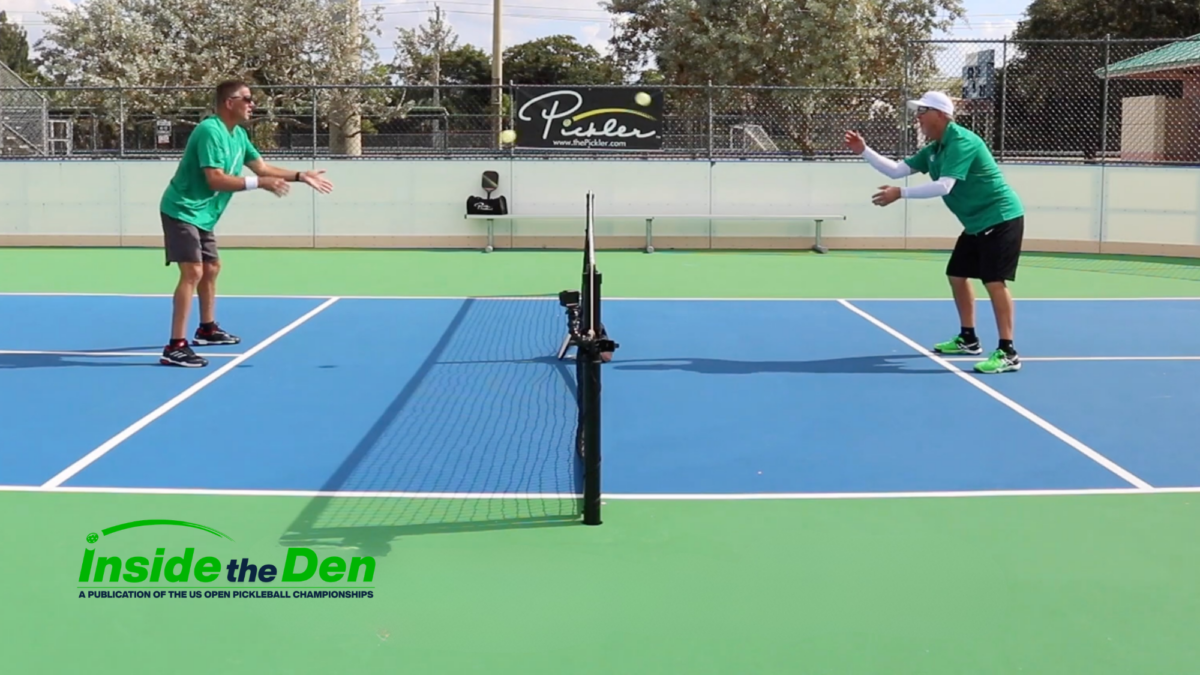
"You are not going to be able to hit good dinks if you don't move your feet."The fix sounds almost absurdly simple: two minimum steps per dink.
A split step and at least one additional step to position yourself properly. That's it. But when Humberg demonstrates the difference between static dinking and dinking with proper footwork, the quality improvement is genuinely noticeable. The dinks with movement are crisper, more controlled, and frankly, they look like they belong in a competitive match rather than a casual warm-up.
This gets at something bigger about pickleball that intermediate players often miss. The sport rewards movement and positioning in ways that aren't always obvious when you're just trying to keep the ball in play. Your feet aren't just there to keep you balanced; they're the foundation for everything else you're trying to do at the net.
Topspin in Pickleball: The Complete 3-Step Progression Guide
It’s one of those shots that looks effortless when done right, but feels impossible when you’re the one holding the paddle
 The Dink PickleballThe Dink Media Team
2. The Crossing-Over Trap
Humberg's second tip addresses a mistake that's equally common but maybe less obvious: crossing over your feet when you're at the kitchen line.
The instinct makes sense, right? You're trying to reach a ball, so you cross your feet to extend your range. Except that's exactly how you end up in a terrible position if your opponent hits a decent shot back.
"You want to try to stay in a crab formation," Humberg explains. The crab stance, for those unfamiliar, keeps your feet wider and your body more open to the court. It looks a bit awkward, sure, but it's functional.
When you cross over, you're essentially turning your body sideways, which means if the ball comes back hard or at an angle, you're going to have it behind you. And now you're scrambling instead of attacking.
Humberg demonstrates both the bad example (crossing over) and the good example (staying in that crab formation), and the difference is stark. One leaves you vulnerable; the other keeps you in control.
Try This Subtle Trick for Cleaner Passing Shots in Pickleball
It’s a simple nuance in strategy that can translate to more deceptive passing shots no matter where you are on the court.
 The Dink PickleballThe Dink Media Team
Why This Actually Matters
These two footwork principles are foundational to three different skill sets that separate competitive players from recreational ones.
- First, there's the quality of your dinks. Better footwork means better dinks, which means you're controlling the rally instead of just surviving it.
- Second, there's disguise. When you're moving properly and staying balanced, you have more options for where your next shot goes. Your opponent can't read your intentions as easily.
- Third, there's countering. When you're in a solid position with good footwork, you can react to aggressive shots instead of just getting blown off the court.
"Footwork at the kitchen line is super, super important," Humberg says, and she's not exaggerating. It's the difference between playing pickleball and playing it well.
Heads up: hundreds of thousands of pickleballers read our free newsletter. Subscribe here for cutting edge strategy, insider news, pro analysis, the latest product innovations and more.
Anuncie Aqui / Advertise Here
Sua marca para o mundo Pickleball! / Your brand for the Pickleball world!



 English (US) ·
  Portuguese (BR) ·