
 English
  Spanish
  Portuguese
  German
  Italian
  Japanese
  French
  Polish
  Russian
  Netherlands
  Hungarian
  Turkish
  Videos
  Thedink Pickleball

Your backhand dink is probably the weakest shot in your game, and you already know it. These 3 drills will fix the core problems and make your backhand dink a reliable weapon at the kitchen line.
Your backhand dink is the shot you avoid, the one you scramble around to hit a forehand instead, and the one that pops up right when you need it most.
Most players treat it like a liability rather than a weapon.
The problem is not that the backhand dink is inherently hard. The problem is that most players never actually drill it with purpose.They hit a few warm-up dinks and call it preparation.
These three steps come straight from The Prince of Pickleball on YouTube, and they break down exactly how to drill your backhand dink so the shot becomes automatic under pressure.
Love pickleball? Then you'll love our free newsletter. We send the latest news, tips, and highlights for free each week.
Why Most Players Never Actually Fix Their Backhand Dink
Most players treat drilling like a chore and dinking practice like the least exciting version of that chore.
You show up, you hit some balls back and forth, and you move on.That kind of unfocused repetition does not build a reliable shot. It reinforces whatever you are already doing, including all the bad habits.
A real backhand dink drill has structure. It targets specific problems, builds from simple to complex, and gives you clear feedback on whether you are improving.If you have ever wondered why your dinking consistency stays flat no matter how much you play, the answer is almost always a lack of deliberate practice.
This breakdown of why your pickleball drills are not helping you get better covers the problem, and these 12 pickleball drills give you a structured block to build around.
What Is a Backhand Dink, Exactly?
A backhand dink is a soft, controlled shot hit from the kitchen line off your backhand side, landing in or near the opponent's non-volley zone.
The goal is to keep the ball low and unattackable while holding your position at the net.
It is not a defensive shot. Hit well, it is one of the most effective tools for creating pressure, moving your opponent, and setting up an attack.Most players treat it like a survival shot, something to just get back over the net.
That mindset produces high, floaty dinks that opponents love to speed up on, which is exactly why dink placement decides who controls the kitchen line.
💡
Need some new pickleball gear? Get 20% off select paddles, shoes, and more with code THEDINK at
Midwest Racquet SportsStep 1: Isolate the Backhand Side With Straight-Ahead Dinking
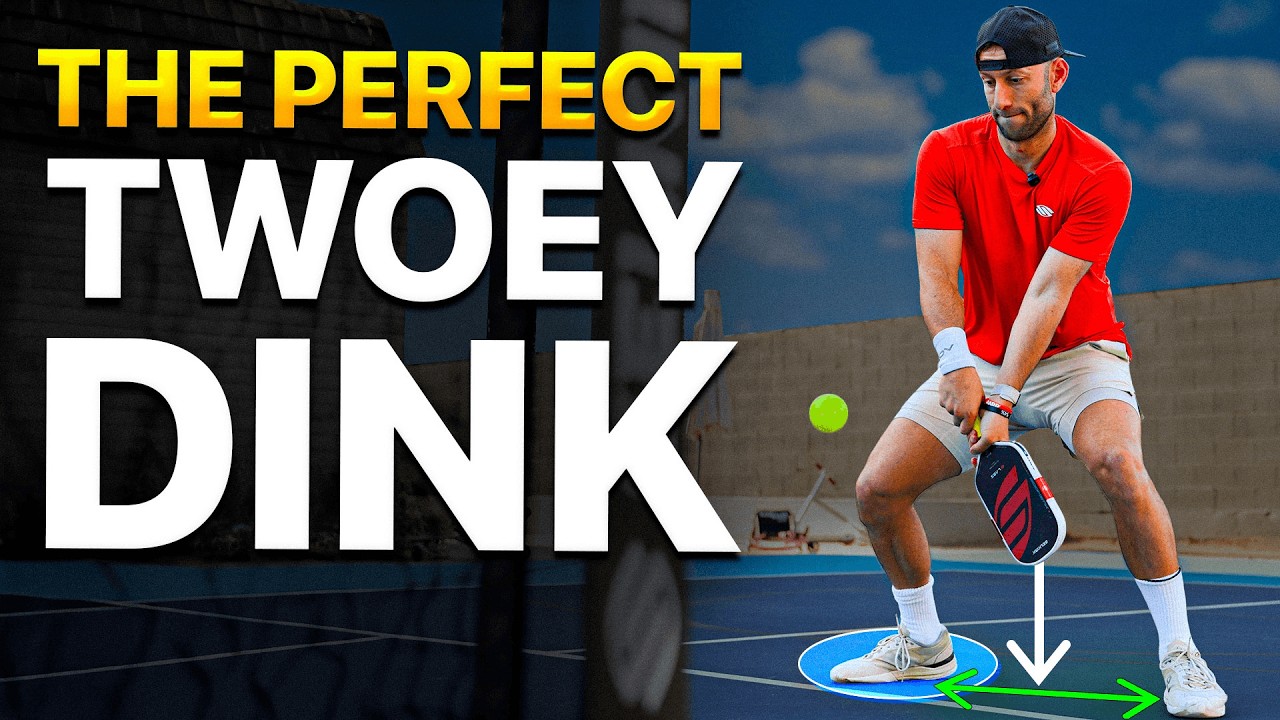
Start simple. Straight-ahead backhand dinking removes all the complexity of angle and direction so you can focus entirely on contact, paddle angle, and arc.
Stand at the kitchen line and have your partner feed you backhand dinks directly to your backhand side.
Your only job is to send the ball straight back, low, and into the kitchen.
Here is what to focus on during this phase:
- Keep your paddle face slightly open at contact to give the ball enough lift to clear the net without floating high
- Contact the ball in front of your body, not beside your hip
- Use a short, compact swing with no arm swing from the shoulder
- Bend your knees so you are getting low to the ball rather than reaching down with your arm
- Keep your wrist firm at contact, not loose or floppy
Most players pop up the backhand dink because they are reaching for the ball late or letting the wrist collapse at contact.
Straight-ahead drilling exposes this immediately because there is nowhere to hide.If pop-ups keep happening even when your technique feels right, this piece on why your dinks pop up is worth reading alongside your sessions.
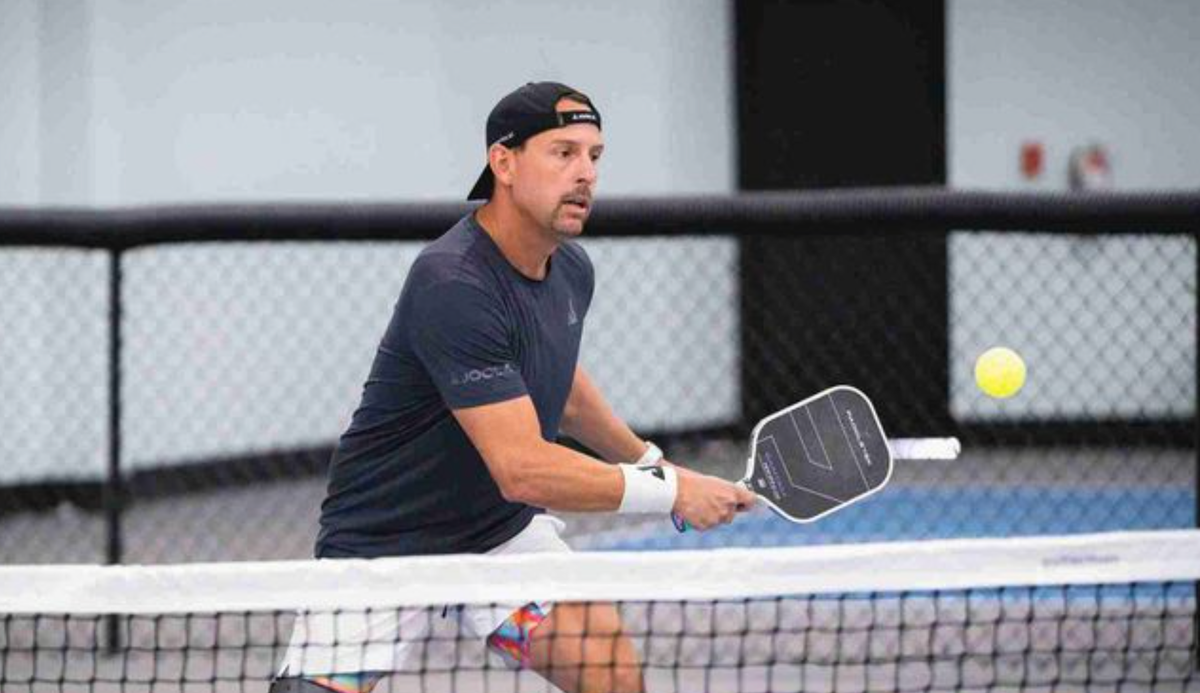
Backhand Dink in Pickleball: Elite Kitchen Play Guide
The backhand dink in pickleball is the difference between recreational and competitive play. This guide breaks down pro techniques, drills, and strategies to dominate the kitchen line.
 The Dink PickleballThe Dink Media Team
When to Move On
Do not advance until you can hit 20 consecutive straight-ahead backhand dinks into the kitchen without a pop-up or a miss.
That sounds simple. It is not as easy as it sounds. The backhand dink belongs on the short list of shots you must master before 2026 for a reason.
Step 2: Add Cross-Court Backhand Dinking
Cross-court dinking is where the backhand dink becomes genuinely useful in a match.
The cross-court angle gives you more net clearance, more kitchen to land in, and a harder read for your opponent.
Once you are solid going straight ahead, shift your target cross-court. Same contact mechanics, different direction.
The adjustment most players need here is paddle angle.
To send the ball cross-court off your backhand, open the paddle face slightly toward the target and make contact just a hair earlier than you would for the straight shot.
Here is a simple progression for this step:
- Start by feeding the ball to yourself with a soft bounce and practice the cross-court angle in isolation
- Then have a partner feed you backhand dinks from the kitchen and return them all cross-court
- Next, alternate between straight and cross-court on each dink so you are making a decision, not just grooving one pattern
- Finally, play out short dinking rallies where you stay backhand-only and direct the ball wherever feels right
The alternating step is where most players find out how thin their backhand dink actually is.
When you have to choose direction, the shot that felt grooved suddenly falls apart. That is normal.
That is the point of the drill.For more on how to create pressure with your cross-court game, this piece on cross-court dinking strategy is a strong complement to this drill work.
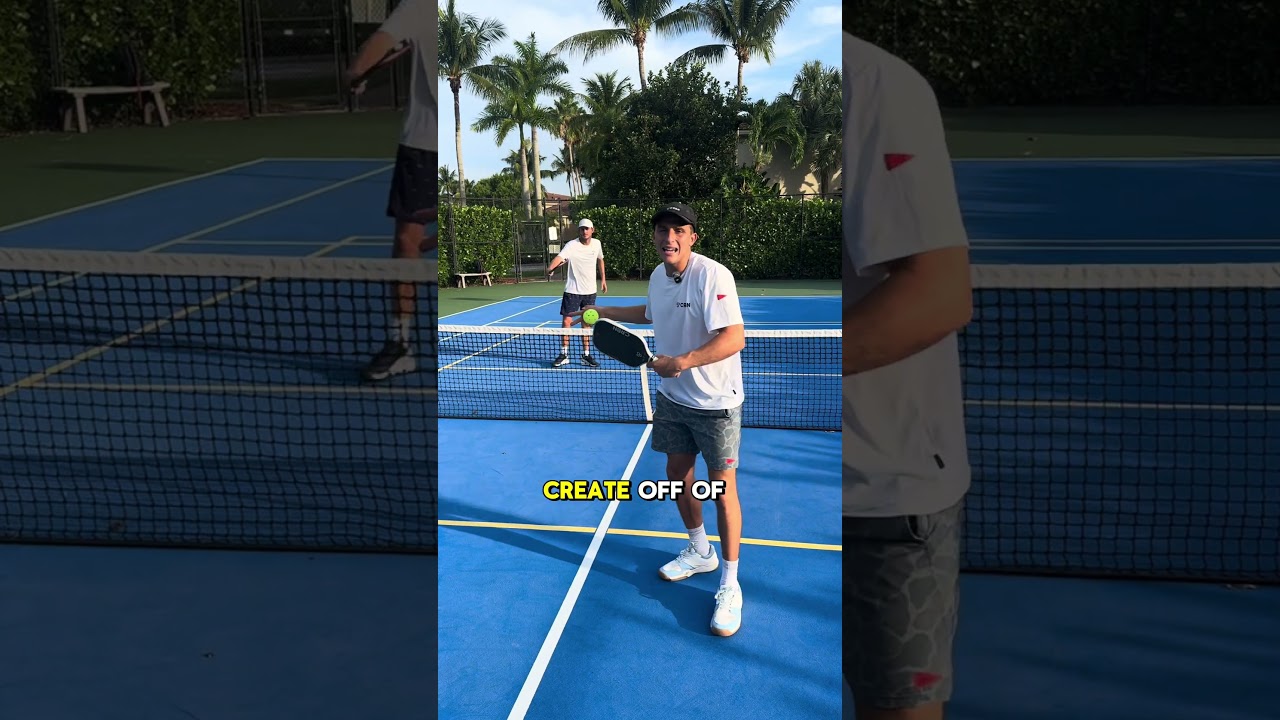
One Cross-Court Dinking Tip That Stops Opponents Cold
Most players have no idea they are handing opponents free angles every time they hit a weak cross court dink. This dinking tip fixes exactly that.
 The Dink PickleballThe Dink Media Team
Yes, and this is the part most players ignore. Footwork around the backhand dink is not about getting to the ball faster.
It is about arriving in a position where you can actually make good contact.
The most common mistake is planting your feet and reaching sideways.When you reach, your contact point moves behind your body, your paddle angle changes, and you push the ball up instead of through.
The fix is to move your feet so the ball is always in front of you at contact.
That usually means a small shuffle step to position your body behind the ball before you swing.Players like Anna Leigh Waters and Tyra Black make dinking look effortless because their feet are always in the right place.
They are not reaching. They are repositioning first, then swinging.If footwork is a broader issue for you, this guide on pickleball footwork covers the mechanics, and this breakdown of getting pulled wide at the NVZ shows what happens when the feet stop.
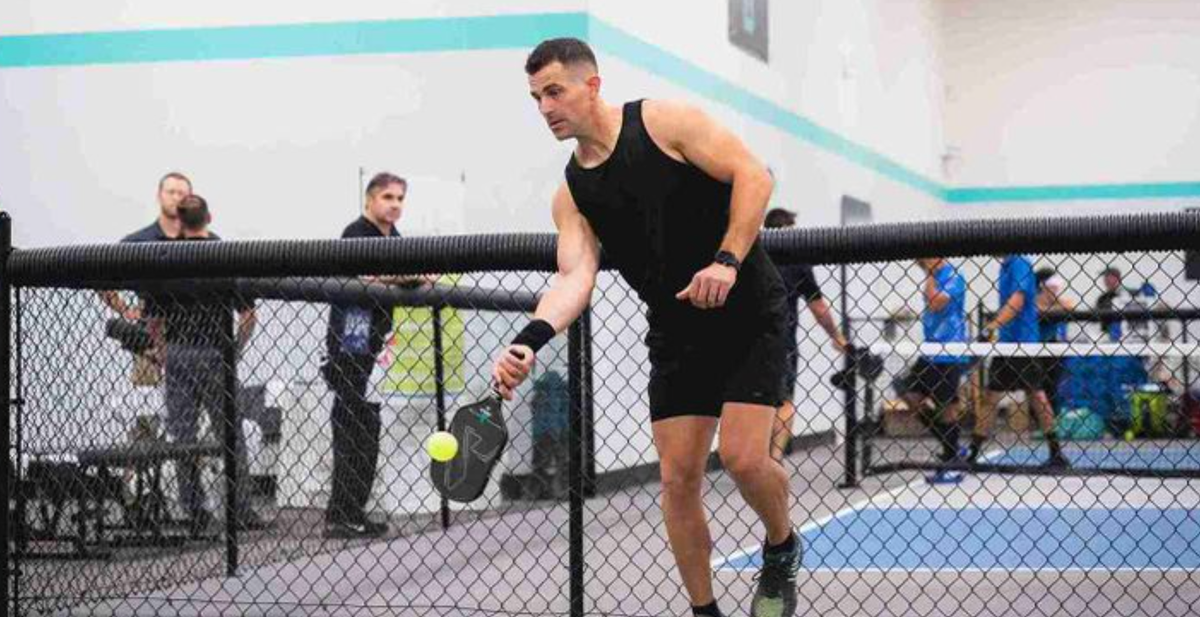
Pickleball Serve Footwork Stance: Load & Weight Transfer
Your pickleball serve footwork stance is the foundation of every point you start: get it wrong and no amount of arm swing will save you. This guide breaks down exactly how to set your feet, load your hips, and transfer weight for a serve that’s both powerful and repeatable.
 The Dink PickleballThe Dink Media Team
Step 3: Add Live Pressure With a Dinking Rally Game
Take everything you have drilled and put it into a competitive context.
Rally games force you to apply mechanics under real pressure, which is the only way to know if your drilling is working.Both players start at the kitchen line and dink cross-court or straight-ahead, staying in the pattern.
A point is scored when someone forces a pop-up or makes an unforced error.Play to 11.
The Rules That Make This Backhand Dink Game Work
No speeding up from the start of the rally.
You have to earn the speed-up by creating a high ball through good placement, which trains patience instead of impatience.
Worth knowing the 2026 USAP rule changes before you set the terms of any competitive drill game.
This game also reveals exactly which direction your backhand dink breaks down under pressure. Almost every player has one.
Maybe your cross-court gets sloppy when you are tired. Maybe you start reaching on wide balls. The game surfaces the problem so you know what to drill next.If you want to raise the difficulty from here, try pickleball's hardest dinking drill once the rally game feels comfortable.
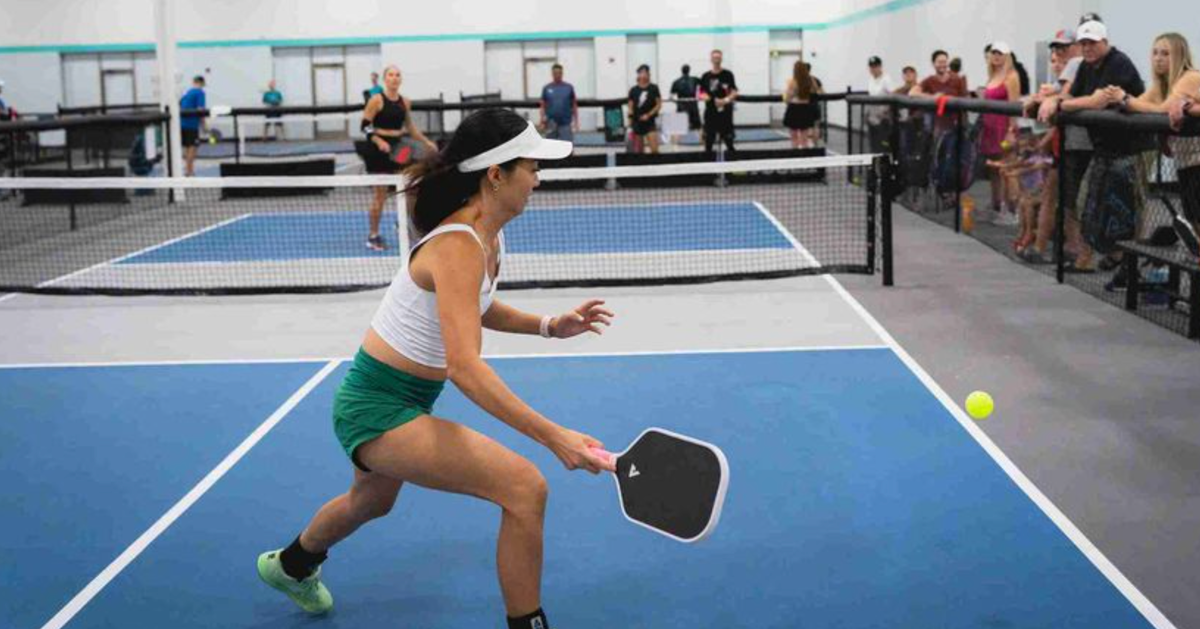
How to Win Dinking Rallies in Pickleball
Knowing how to win dinking rallies in pickleball separates reactive players from players who actually control the point. This guide breaks down the placement targets, patience principles, and attack triggers that make dinking a genuine weapon.
 The Dink PickleballThe Dink Media Team
What About the Two-Handed Backhand Dink?
The two-handed backhand dink is a real option, especially if you come from a tennis background.
It gives you more stability through the contact zone and makes your paddle angle harder to read.
The tradeoff is reach. With two hands on the paddle, you cover less ground on wide balls.This lesson on the two-handed backhand dink covers the adjustments that make it consistent, and this comparison of slice versus two-handed roll explains when each version wins.
Worth noting: the pros have moved away from slice in a lot of spots, and the reasons they abandoned it in 2025 apply to your backhand side too.
Master the Two-Handed Backhand Dink Like a Pro
Topspin is taking over pickleball. If you’re still relying solely on slice dinks, you’re playing too much defense. And nobody wins tournaments by playing defense.
 The Dink PickleballThe Dink Media Team
How to Know If Your Backhand Dink Is Actually Improving
Track your misses, not your makes.
Every time you pop up a backhand dink in drilling or in the rally game, note whether it was a contact problem, a footwork problem, or a decision problem.
You will see a pattern fast. If your misses are mostly contact-based, go back to step one.If they are footwork-based, slow the drill down and focus on positioning before every swing.
Improvement in the backhand dink does not feel like a breakthrough. It feels like your miss rate slowly dropping over two or three sessions.
If you want honest markers for where you actually sit, rate your real skill level against the USA Pickleball skill rating definitions before you decide you are ready to move up.
The players who build a reliable backhand dink commit to these steps in order and do not skip ahead.Do not underestimate how much a consistent backhand dink changes what your opponents can do to you at the kitchen line.
Pair this progression with a simple 4-step system to win more games and the drilling starts showing up on the scoreboard.
💡
Heads up: hundreds of thousands of pickleballers read our free newsletter.
Subscribe herefor cutting edge strategy, insider news, pro analysis, the latest product innovations and more.
Frequently Asked Questions
What is the most common backhand dink mistake?
The most common backhand dink mistake is contacting the ball too late, beside or behind the hip instead of out in front of the body. This forces your paddle angle to push up rather than through, which is why the ball floats high and gets attacked. Fix your contact point first and most other problems improve on their own.
How long does it take to build a consistent backhand dink?
Most players see meaningful improvement in two to four focused drilling sessions if they follow a structured progression. Random dinking during warm-ups does not count. You need deliberate repetition with clear targets and honest tracking of your misses.
Should I use a two-handed or one-handed backhand dink?
One-handed gives you more reach and is better for covering wide balls at the kitchen line. Two-handed gives you more stability and control if you struggle with wrist consistency. Try both in drilling and use whichever lets you keep the ball consistently low and unattackable.
How do I stop popping up my backhand dink under pressure?
Pop-ups under pressure almost always come from rushing the swing or letting your feet stop moving before you are in position. Slow down the drill, focus on footwork first, and make sure the ball is in front of your body before you swing. The pop-up disappears when your setup is right.
Where should a backhand dink land?
A good backhand dink should land in the opponent's non-volley zone, ideally low and close to the net so it bounces up as little as possible. Cross-court dinks that land near the sideline are especially effective because they create a wider angle and force your opponent to move. Aim for the kitchen, not just over the net.
Anuncie Aqui / Advertise Here
Sua marca para o mundo Pickleball! / Your brand for the Pickleball world!





 English (US) ·
  Portuguese (BR) ·