
 English
  Spanish
  Portuguese
  German
  Italian
  Japanese
  French
  Polish
  Russian
  Netherlands
  Hungarian
  Turkish
  Videos
  Thedink Pickleball

Popping up your dinks is one of the most punishable mistakes at the kitchen line. These 3 mechanical fixes will clean it up fast.
Popping up your dinks is one of the fastest ways to hand your opponent a free point at the kitchen line.
You know the feeling. You get into a solid dinking rally, everything feels controlled, and then one ball floats up and suddenly you are defending a speed up you had no business receiving.
The frustrating part is that it usually does not feel like you did anything different.
The problem is almost always mechanical, and there are three specific things you can fix right now.
These tips come straight from tanner.pickleball on YouTube, where the breakdown is quick, clear, and immediately usable on the court.
Love pickleball? Then you'll love our free newsletter. We send the latest news, tips, and highlights for free each week.
Why Do Dinks Keep Floating Up?
Most players blame their touch or their nerves when they pop a dink up. The real culprit is almost always a breakdown in body mechanics, not feel.
When your body rises through the shot, when your contact point is too close or too far from your body, or when your backswing pulls back too far, the paddle face opens and the ball goes up.
These are fixable problems with specific corrections.
Understanding what a dink is supposed to do helps frame why these mechanics matter so much.
A well-executed dink barely clears the net and lands in the kitchen, giving your opponent nothing to attack. A popped dink is the exact opposite.
Fix 1: Stay Down Through the Entire Shot
The number one cause of popped dinks is rising out of your stance before you finish the shot.
Players do this all the time without realizing it. You bend down to reach the ball, make contact, and then immediately start to straighten up.
That upward movement transfers directly into the paddle face and sends the ball higher than you intended.
The fix is simple to describe and harder to execute consistently.You need to stay low through the entire swing, from the moment you start moving toward the ball until after the ball has already left your paddle.
Think of it this way: hit first, rise second.
The mistake most players make is that they hit and pop up at the same time, which defeats the whole point of trying to keep the dink low.
- Before the shot: Get into your athletic stance with knees bent and weight slightly forward.
- During contact: Hold that low position. Do not let your knees straighten yet.
- After contact: Stay down through your follow through before you reset your position.
This is similar to what coaches teach about reset shots, where staying compressed through the swing is the difference between a ball that floats up and one that drops safely into the kitchen.
💡
Need some new pickleball gear? Get 20% off select paddles, shoes, and more with code THEDINK at
Midwest Racquet SportsYou should be making contact with the ball approximately one paddle length away from your body.
This is a measurement most players have never actually thought about.
One paddle length out from your hip puts the ball in a zone where your arm has natural leverage and your wrist stays quiet.
That is where you want to be hitting every dink.
When the ball gets too close to your body, you crowd it. When you crowd a dink, you lose extension and your swing gets armsy and disconnected from your core.When the ball is too far away, you reach.
Reaching forces your wrist to compensate, and an active wrist during a dink is a recipe for inconsistency. The wrist is not your friend on soft shots.
The Best Pickleball Players Aren’t Following the Rules Anymore
Modern pickleball isn’t won by coloring inside the lines. More and more, the most successful players are also the most creative.
 The Dink PickleballZoey Weil
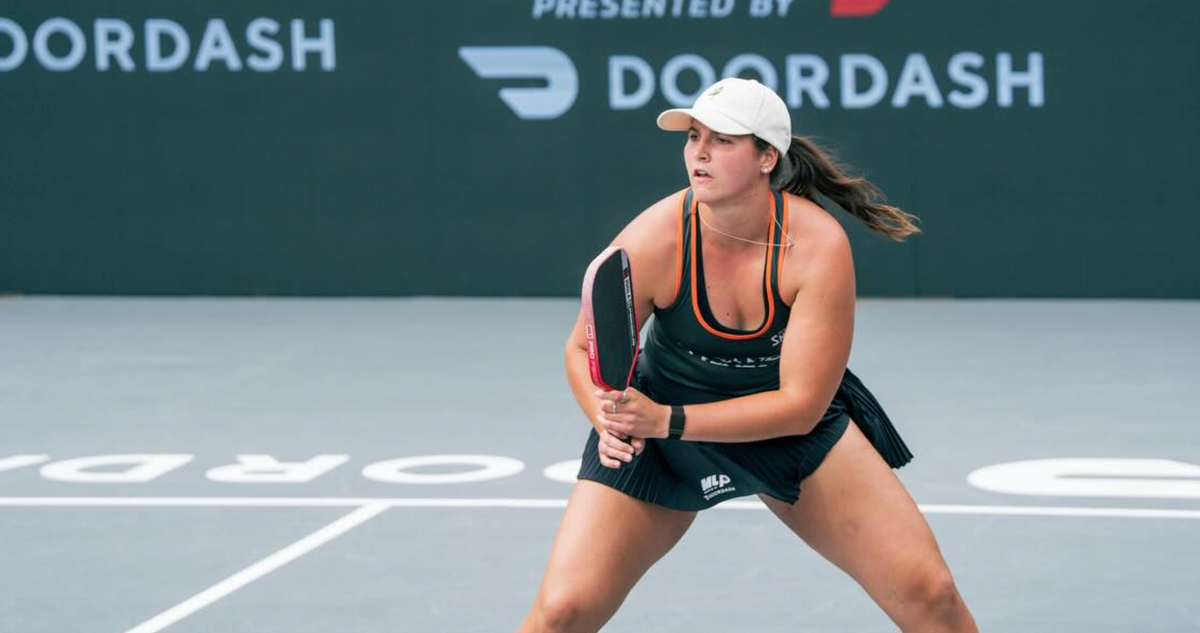
Here is how to check your contact point in practice:
- Hold your paddle out in front of you at a comfortable arm extension.
- That distance from your body is roughly where you want ball contact to happen.
- If you have to stretch beyond that or pull the paddle into your body, you are out of your contact zone.
- Move your feet to fix the distance, not your arm.
Proper footwork is what gets you to the right contact point every time.
Learning how to step in on dinks will help you control that distance automatically instead of guessing on every ball.
This concept applies across all soft game shots.
When you look at players like Anna Leigh Waters at the kitchen line, her contact point is consistently in front and away from her body.
She rarely reaches, and she almost never gets jammed.
That is not an accident.
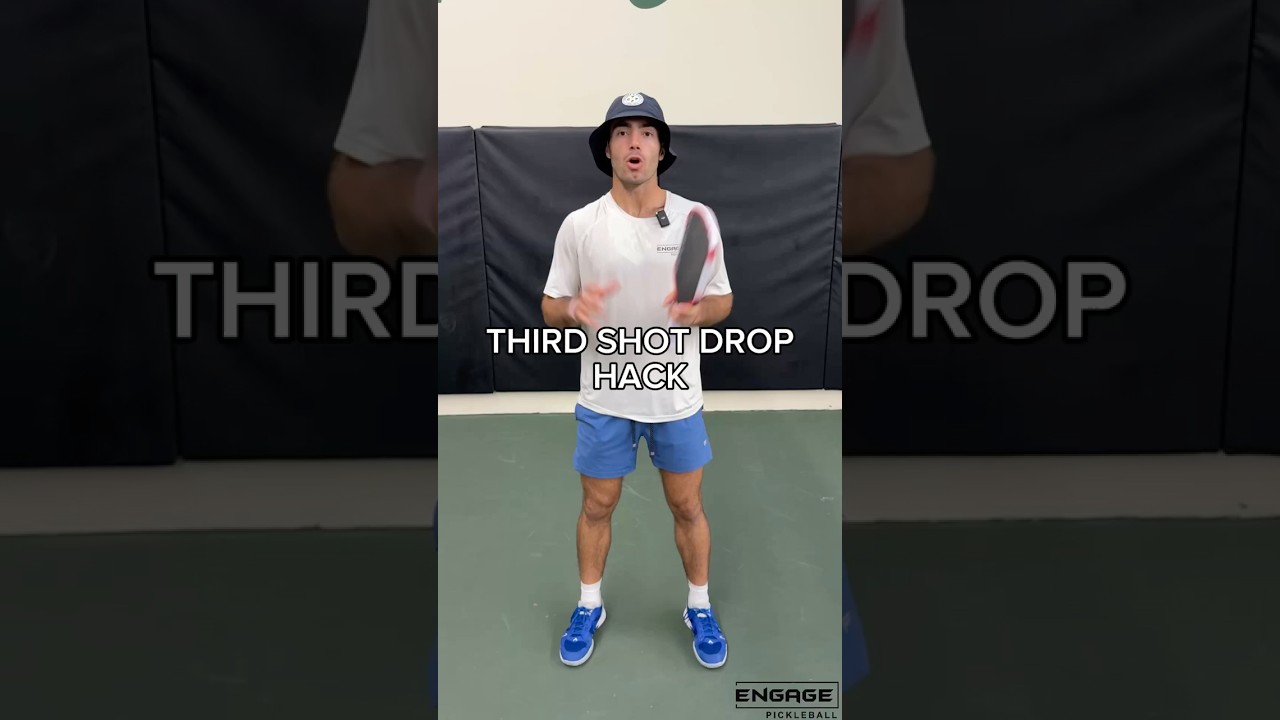
Master the Third Shot Drop in Pickleball
The third shot drop is one of pickleball’s most critical shots, and most players are making a fundamental mistake. Richard from Engage Pickleball reveals the contact point hack that will transform your consistency and get you to the kitchen line every time.
 The Dink PickleballThe Dink Media Team
Is Your Backswing Causing the Problem?
A backswing that goes too far behind your body is one of the sneakiest reasons dinks pop up.
When your paddle travels back past your hip, a few things go wrong at once.
Your swing path gets longer, your timing becomes harder to control, and the paddle face tends to open up through the hitting zone.
All of that adds up to a ball that floats higher than you want.
The mental cue that works here is imagining a wall directly behind you. Your paddle cannot touch that wall.
This forces your backswing to stay short and compact, which keeps the paddle out in front where it belongs.
Keeping the paddle out front is one of the most repeated pieces of advice in pickleball coaching for good reason.
It shortens your reaction time, tightens your swing, and gives you far more control on softer shots.
This is especially important on the backhand side, where players naturally want to wind up more.
If your backhand dinks are popping up more than your forehand dinks, check your backswing first.
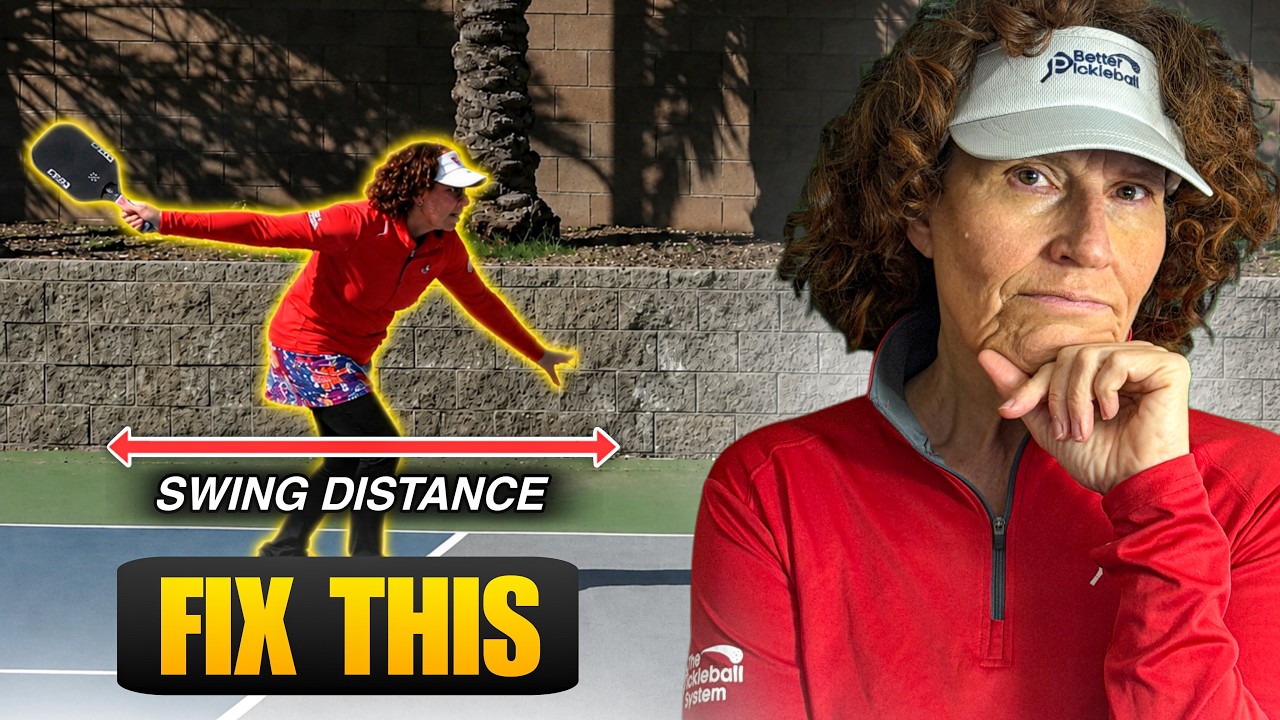
Fix Your Pickleball Backswing to Stop Pop-Ups
Pop-ups aren’t about hitting the ball too high—they’re about energy control. C.J. Johnson from Better Pickleball breaks down why your pickleball backswing is the #1 culprit and shares the exact drill to fix it.
 The Dink PickleballThe Dink Media Team
How Do These Three Fixes Work Together?
Each of these three corrections solves a different part of the same problem.
Staying low keeps your body from pushing the ball up. The right contact point keeps your wrist out of the equation.
A compact backswing keeps your swing path tight and your paddle face closed through contact.
When all three break down at the same time, which they often do under pressure, the dink has nowhere to go but up.
Fix one and you will see improvement. Fix all three and your dinking consistency will change noticeably.
This is also why unforced errors at the kitchen tend to happen in clusters.
One mechanical breakdown triggers a mental adjustment, which creates a second breakdown, and suddenly a whole rally falls apart.
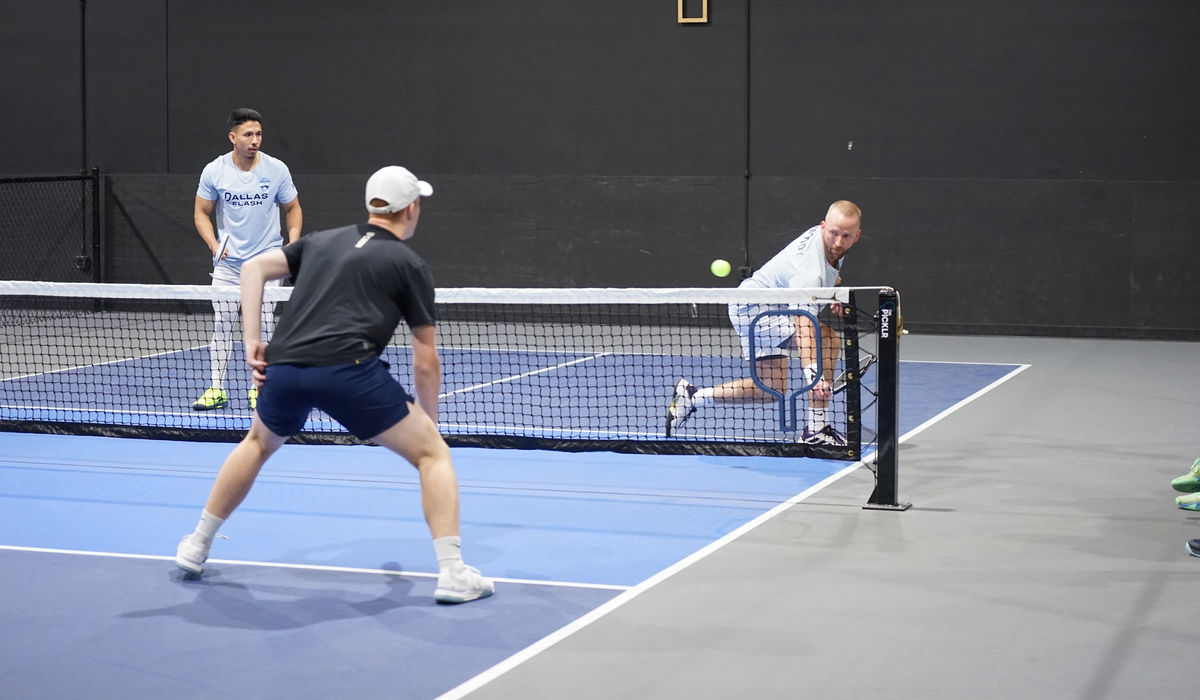
How to Stop Popping the Ball Up at the Kitchen
If you want to stop popping the ball up at the kitchen, the problem almost always starts before you even swing. This guide breaks down the root causes and gives you the exact mechanical fixes to keep your dinks low and your opponents off-balance.
 The Dink PickleballThe Dink Media Team
What Does This Look Like in a Real Rally?
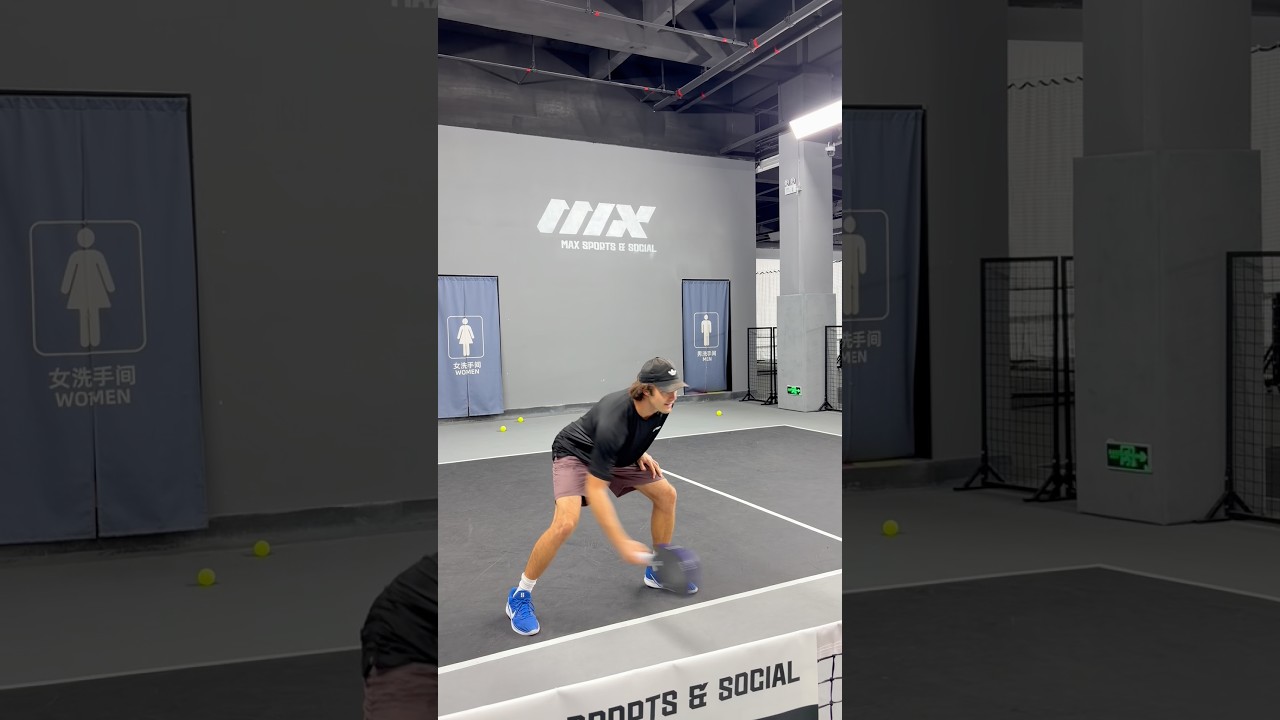
Picture a cross court dink exchange. The ball comes to your backhand at a medium height.
You bend your knees, move your feet to get the ball a paddle length out from your body, keep your backswing short, and stay low through contact.
The ball rolls softly over the net and lands in the kitchen.
That is the sequence.
It sounds simple because it is, but executing it under pressure when you are also tracking your opponent and thinking about placement takes real repetition.
Players who struggle with unforced errors at the kitchen are usually making these mechanical mistakes on autopilot.
Drilling these corrections slowly before you try to apply them in games is the right approach.
You can also look at topspin dink technique once you have the basics locked in, because adding spin becomes much easier when your contact point and body position are already correct.
How to Hit a Crosscourt Dink in Pickleball
The crosscourt dink is one of pickleball’s most versatile shots, and mastering it requires understanding paddle positioning and footwork fundamentals. Learn the exact technique used by top players to control the net and dominate rallies.
 The Dink PickleballThe Dink Media Team
Common Mistakes to Watch Out For
Even after you understand these three fixes, a few habits will pull you back into old patterns if you are not careful.
- Rushing the shot: When you hurry, your body pops up instinctively. Slow your swing down even if the ball is coming quickly.
- Watching your opponent instead of the ball: Your head rising early causes your body to follow. Track the ball all the way to contact.
- Letting the ball play you: If you wait for the ball to come to you instead of moving to it, your contact point will be off almost every time.
- Gripping too tight: A tight grip stiffens the arm and makes it harder to stay loose through the shot. Soft hands produce soft shots.
If you are also dealing with shots that float long rather than just up, check out why your shots keep going long for a related set of corrections.
And if you find that your resets are giving you similar problems, the same principles apply.
Reset pop ups almost always trace back to body position and contact point, the same two things we just covered here.
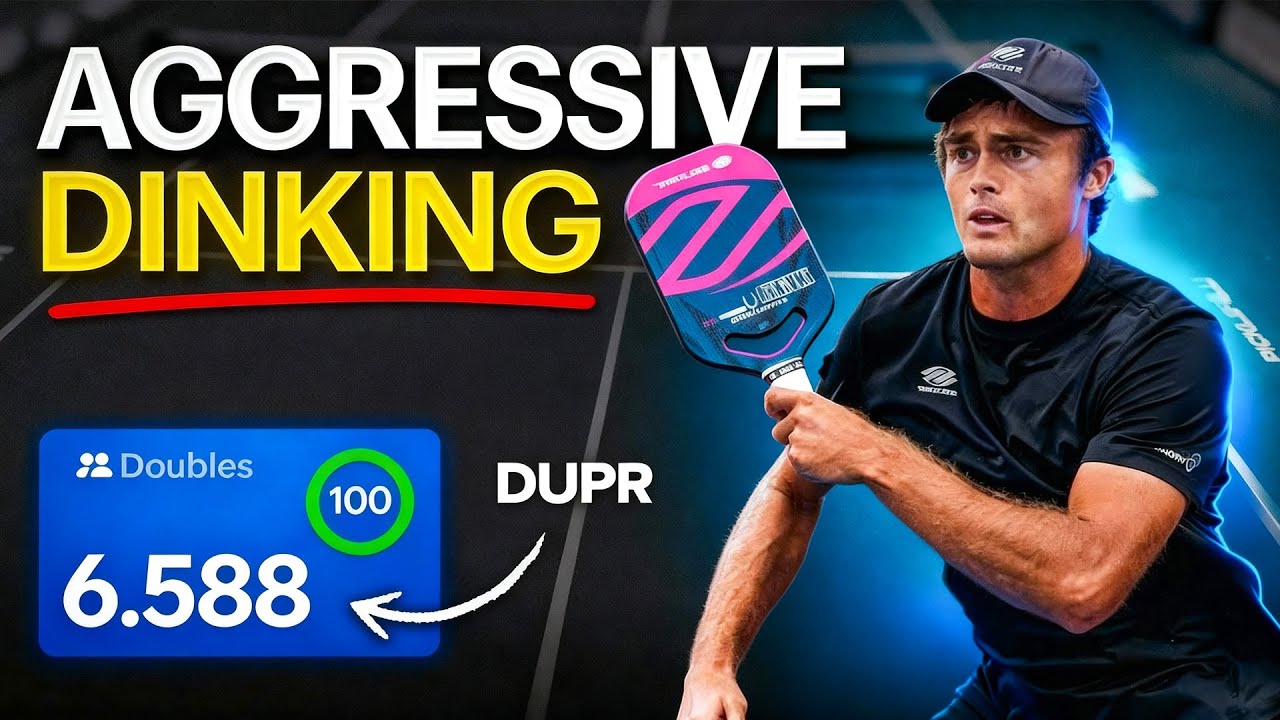
Avoid These 3 Deadly Mistakes to Master Aggressive Dinking
The aggressive dink isn’t about overpowering your opponent. It’s about creating pressure through placement, using deception to keep them guessing, and understanding when to attack versus when to reset
 The Dink PickleballAlex E. Weaver
How to Practice These Fixes
Knowing the corrections is step one. Grooving them into your game takes repetition with intention.
Start by drilling dinks cross court with a partner and focus on only one fix at a time. Spend five minutes just thinking about staying low. Then shift your focus to contact point.
Then backswing. Isolating each element before combining them is far more effective than trying to fix everything at once.
You can also use a wall if you do not have a partner available.
The wall does not lie. If your dink pops up off the wall, you know something in your mechanics broke down.
This is one of the simplest ways to get productive reps with limited court time.
Once these three mechanics feel automatic in drilling, start applying them in game situations.
That is where the real test happens, and that is where the improvement will show up on the scoreboard.
💡
Heads up: hundreds of thousands of pickleballers read our free newsletter.
Subscribe herefor cutting edge strategy, insider news, pro analysis, the latest product innovations and more.
Frequently Asked Questions
Why do my dinks keep popping up even when I think I am doing everything right?
Popping up dinks is almost always a body mechanics issue, not a touch issue. The most common hidden culprit is rising out of your stance at the moment of contact, which opens the paddle face and sends the ball high. Video yourself from the side to check if your body is staying low through the shot.
How far from my body should I be hitting dinks?
The ideal contact point for a dink is approximately one paddle length away from your body. Too close and you crowd the shot, too far and your wrist takes over, which kills consistency. Move your feet to control that distance rather than adjusting your arm.
What does a compact backswing actually mean for dinking?
A compact backswing means your paddle does not travel behind your hip before you swing forward. Use the mental image of a wall behind you that your paddle cannot touch. This keeps your swing short and your paddle out in front, which is where you want it for controlled dinks.
Is popping up dinks more of a problem on the backhand or forehand side?
Most players pop up more dinks on the backhand side because the natural tendency is to wind up more on that swing. A longer backswing on the backhand opens the paddle face and adds pace you did not want. Keeping the backswing compact fixes this faster than almost anything else.
How long does it take to fix a popped dink habit?
With focused drilling, most players see noticeable improvement within a few sessions. The key is isolating one mechanical fix at a time rather than trying to correct everything simultaneously. Consistent repetition in practice translates to automatic execution in games within a few weeks.
Anuncie Aqui / Advertise Here
Sua marca para o mundo Pickleball! / Your brand for the Pickleball world!




 English (US) ·
  Portuguese (BR) ·