
 English
  Spanish
  Portuguese
  German
  Italian
  Japanese
  French
  Polish
  Russian
  Netherlands
  Hungarian
  Turkish
  Videos
  Thedink Pickleball

The backhand third shot drop frustrates more players than almost any other shot. These 3 keys will stop the ball from sailing and start putting it in the kitchen.
Your backhand third shot drop keeps sailing long, and you already know it.
You set up, you swing, and the ball floats right into your opponent's wheelhouse at the kitchen line.
Most players think the problem is power or paddle angle. It isn't. The real issues are hiding in your stance, your swing mechanics, and your contact timing.These three keys come straight from Tanner Tomassi on YouTube, and each one targets a specific mistake that sends your backhand drop wide or high every time.
Love pickleball? Then you'll love our free newsletter. We send the latest news, tips, and highlights for free each week.
Why the Backhand Third Shot Drop Is So Hard
The third shot drop is already one of the most demanding shots in pickleball.
You're hitting from deep in the court, trying to arc the ball softly into the kitchen while your opponents wait at the net ready to attack anything that pops up.
On the backhand side, it gets harder. Most recreational players learned their backhand as a defensive shot, not a precise placement tool.That history creates habits that destroy the drop.
The good news is that fixing this shot does not require starting over. Three adjustments cover the vast majority of what goes wrong. Here they are.
Key 1: Your Stance Has to Be Closed
A closed stance is non-negotiable for a reliable backhand third shot drop.
This is the most overlooked setup mistake on this shot, and it quietly ruins players at every level.
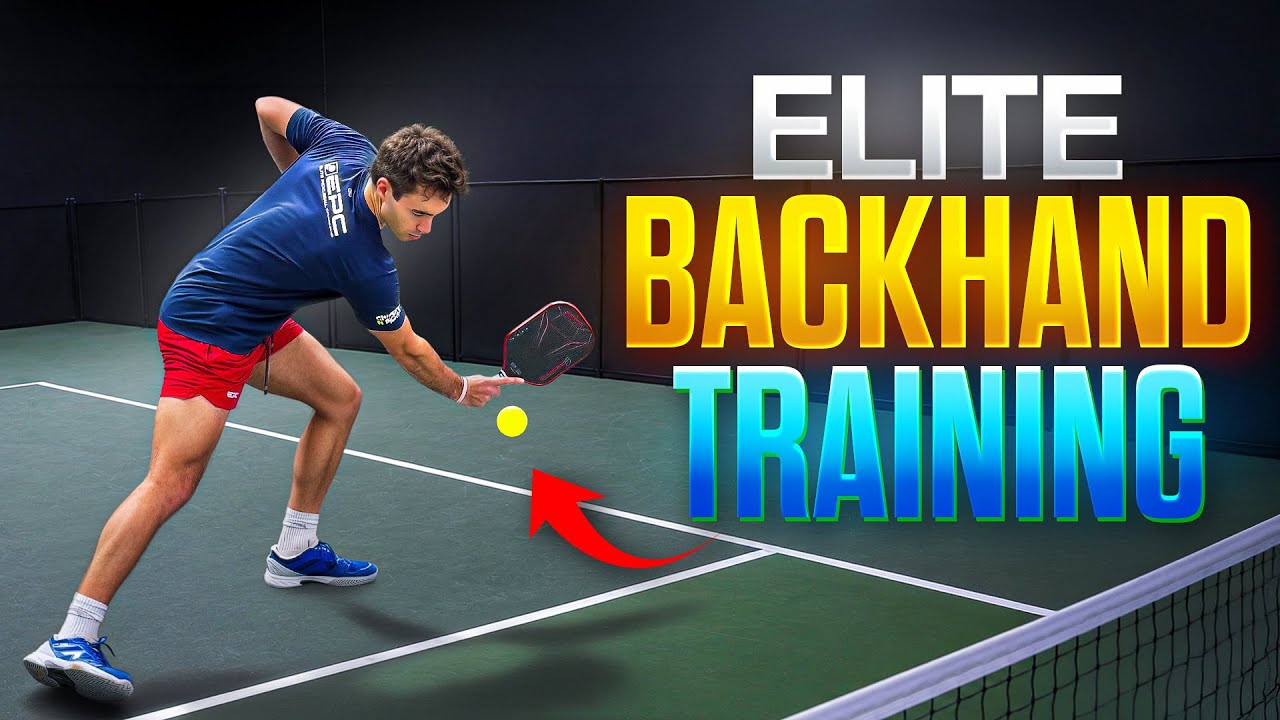
A closed stance means your feet are positioned so that you can draw a straight line from your back foot through your front foot directly toward your target.
Your body is turned sideways to the net, not squared up to it.
When you stand open to the net and try to hit a backhand third shot drop, your paddle path fights your body.
The swing goes across the ball instead of through it, and you lose all control over direction.
Think about where you want the ball to land. Your feet should point there. That simple picture solves most stance problems instantly.
- Closed stance: feet aligned toward the target, body turned sideways, swing travels naturally through the shot
- Open stance mistake: body faces the net, swing crosses the ball, shot loses direction and depth control
If you're already working on your third shot drop placement, start every rep by checking your feet before you even look at the ball.
💡
Need some new pickleball gear? Get 20% off select paddles, shoes, and more with code THEDINK at
Midwest Racquet SportsKey 2: Does Your Paddle Move Too Early?
Yes, and it is costing you every single time. A still paddle before contact is what separates a soft, controlled drop from a chopped ball that sails.
Here's what most players do wrong. The ball comes toward them, and they immediately start hacking at it.
The paddle is moving too early, the swing is too fast, and the chop motion adds backspin that causes the ball to fly unpredictably.
Instead, keep your paddle completely still as the ball approaches. Think about it like this: you are catching the ball on the face of the paddle, not swinging through it.Once you have that mental image, the actual motion becomes simple. Move the ball with your shoulder.
The swing comes from a shoulder rotation, not a wrist flick or arm chop.
Your shoulder guides the paddle face forward, and the ball rolls off softly with just enough pace to clear the net.This is the same principle behind good reset mechanics.
If you've ever read about the rubber band drill for resets, the absorb-and-redirect concept transfers directly to the backhand third shot drop.
- Keep the paddle face still as the ball approaches
- Picture catching the ball, not hitting it
- Initiate the swing from your shoulder, not your wrist
- Avoid any chopping motion across the back of the ball
Players who chop the ball do so because they feel rushed. Slow your preparation down.
The ball gives you more time than you think, especially on a serve return that's arcing toward you from mid-court.
How to Hit a Forehand in Pickleball: Grip & Swing
Knowing how to hit a forehand in pickleball is the foundation for every aggressive shot in your arsenal. Master the grip, swing path, and follow-through and you’ll own the baseline.
 The Dink PickleballThe Dink Media Team
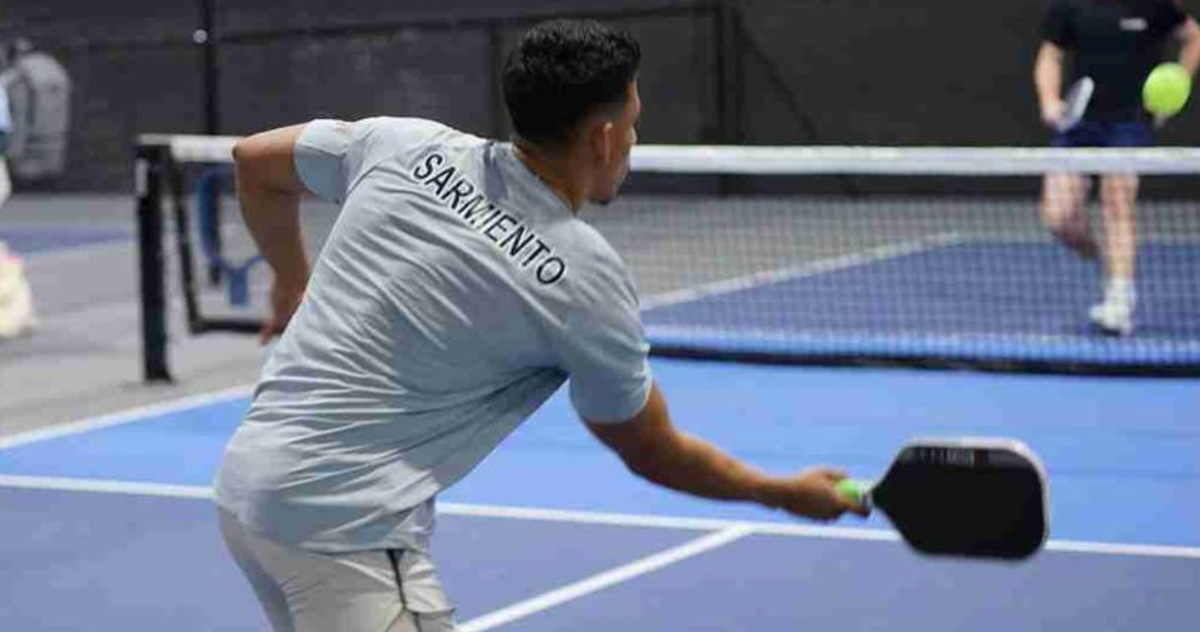
Contact timing is the most fixable mistake on this shot, and almost nobody coaches it directly.
Most players make contact while the ball is still rising, and that kills the drop before it even starts.When the ball is on its way up, it has energy moving toward you. If you hit it at that point, your paddle adds to that energy.
The result is a shot that comes off hot and sails past the kitchen.
Wait for the ball to start its descent. Once it reaches its highest point and begins coming down, that is your window.The ball has lost momentum, it is easier to control, and your paddle can guide it into a soft arc over the net.
This is what coaches mean when they talk about the apex fix for the third shot drop.
The apex is the peak of the ball's arc, and waiting until just after that peak gives you the most control of any contact point available.
Practically speaking, this means you need to be patient. Players who are anxious or trying to hit the ball early will always struggle with this shot.Your feet should be set, your paddle should be still, and you should be watching the ball reach its highest point before you commit.
How to Win Dinking Rallies in Pickleball
Knowing how to win dinking rallies in pickleball separates reactive players from players who actually control the point. This guide breaks down the placement targets, patience principles, and attack triggers that make dinking a genuine weapon.
 The Dink PickleballThe Dink Media Team
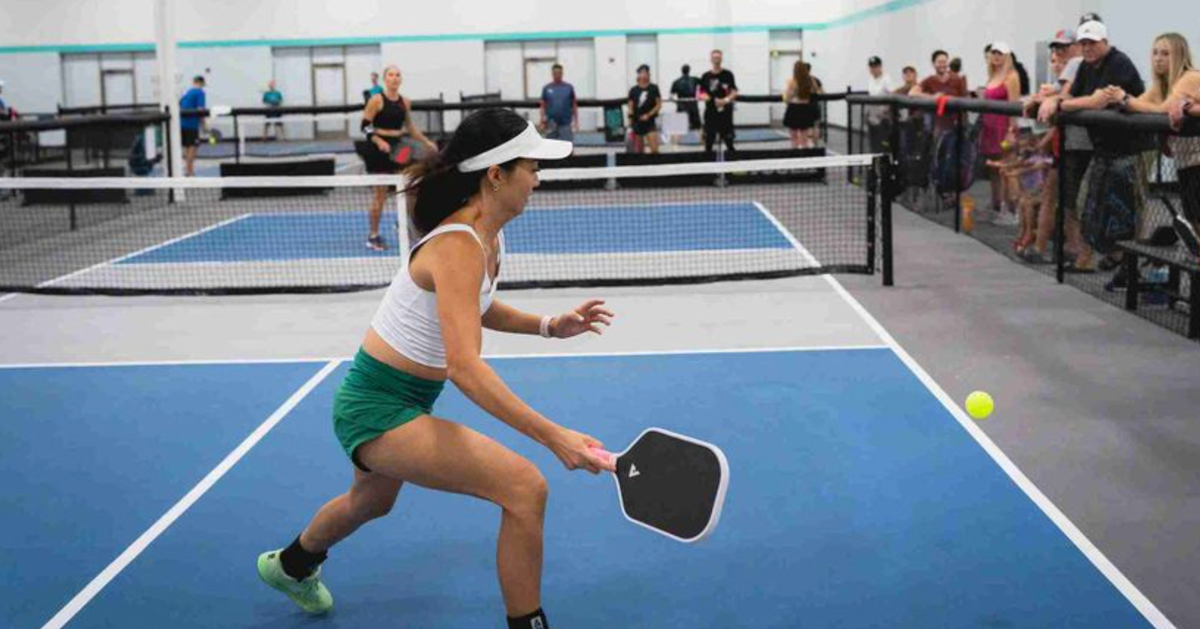
How Do These Three Keys Work Together?
Each key builds on the last. Your stance sets up the swing path, your paddle stillness controls the contact, and your timing determines the pace.
Skip any one of them and the other two cannot fully compensate.Think about what happens when you stack all three correctly. You're in a closed stance, so your swing is moving toward the target.
Your paddle is still, so the ball comes off the face cleanly with no added spin or chop.
You waited for the descent, so the ball arrives with less energy and your paddle can guide it softly.
The result is a drop that clears the net with a low arc and lands softly in the kitchen, exactly where your opponents cannot attack it.If you want to understand how this connects to a larger strategy off the bounce, third shot strategy for doubles breaks down how to build from the drop and transition forward together with your partner.
Pickleball Serve Footwork Stance: Load & Weight Transfer
Your pickleball serve footwork stance is the foundation of every point you start: get it wrong and no amount of arm swing will save you. This guide breaks down exactly how to set your feet, load your hips, and transfer weight for a serve that’s both powerful and repeatable.
 The Dink PickleballThe Dink Media Team
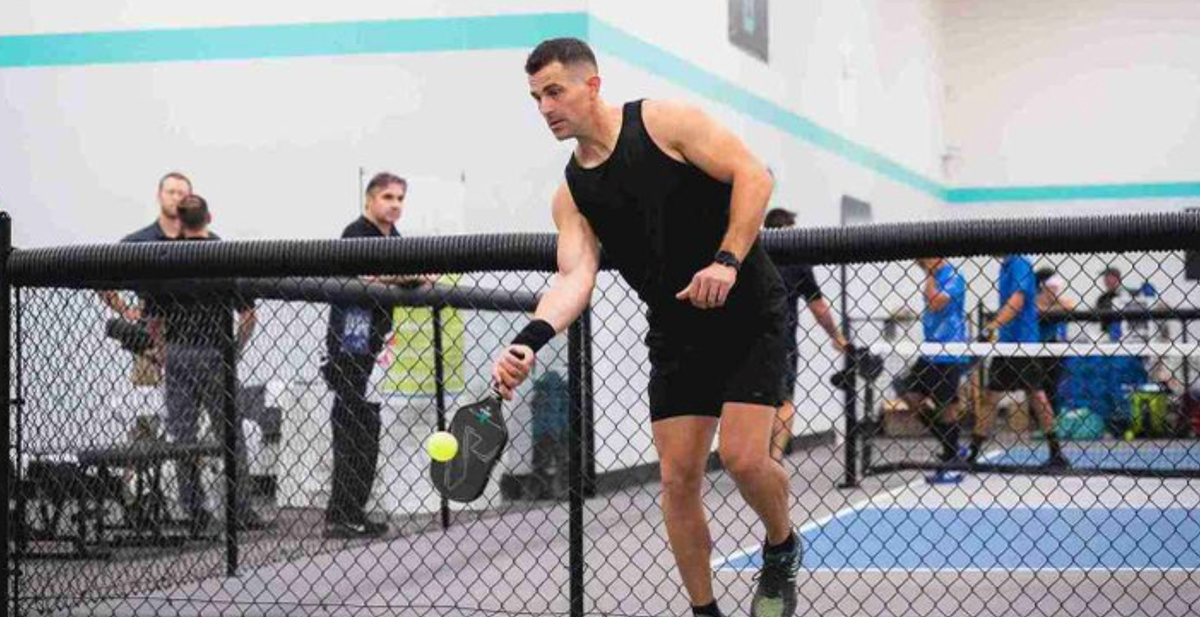
Common Mistakes That Undo Good Technique
Even when players learn these three keys, a few recurring mistakes erase the progress. Here are the ones to watch for.
- Squaring up to the net mid-swing: You set up in a closed stance and then rotate open before contact. Stay sideways through the entire shot.
- Early paddle movement: The paddle starts moving the second you see the ball coming instead of waiting. Catch, do not chop.
- Rushing the contact: You hit the ball while it's still climbing because you feel like you're running out of time. Trust the arc and wait for the peak.
- Wrist-driven swing: The wrist tries to do what the shoulder should do. A wrist-heavy swing adds unwanted pace and spin. Let the shoulder lead.
These are the same errors that cause problems with the dink, drop, and reset across the board.
The mechanics share a common thread: controlled, shoulder-driven motion with a still face.
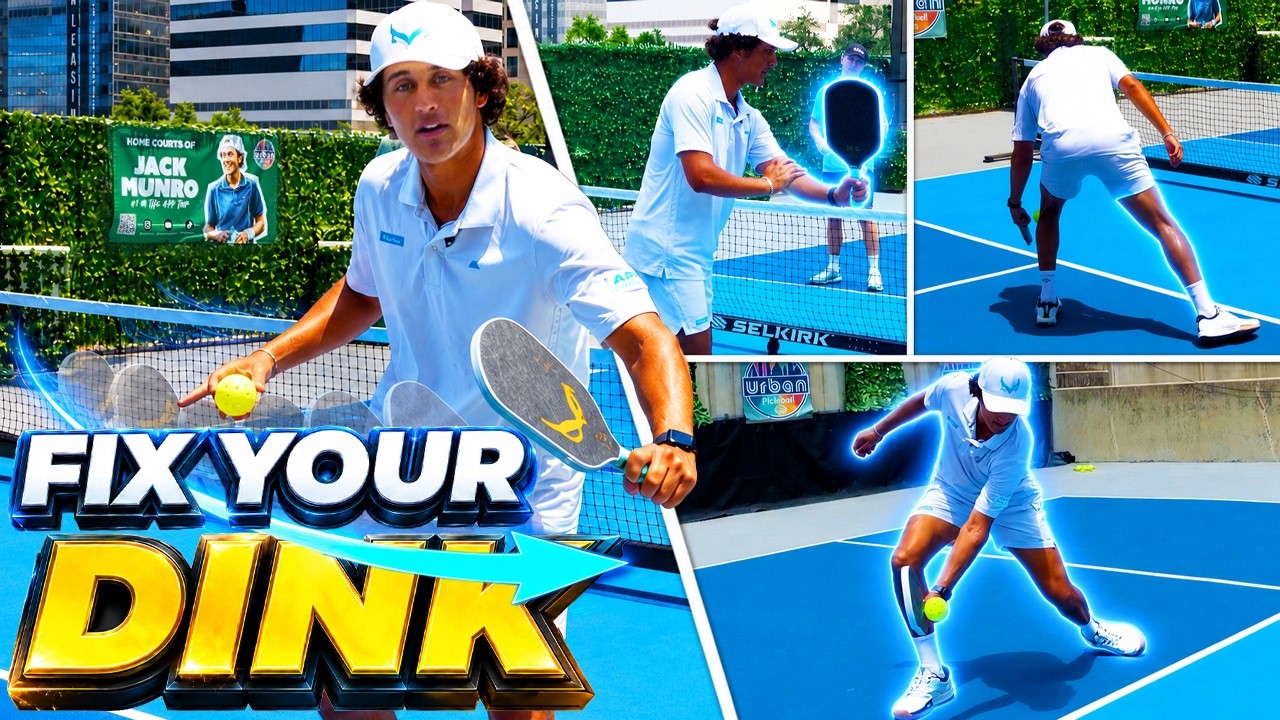
4 Backhand Dink Fixes for Complete Kitchen Consistency
Most players try to fix their backhand dink by trying harder. The real fix is simpler: four mechanics that eliminate unnecessary variables. Here’s what to change.
 The Dink PickleballThe Dink Media Team
Should You Practice This Differently on the Backhand vs. the Forehand?
Yes. The backhand third shot drop demands more attention to stance than the forehand third shot drop because the backhand naturally wants to pull you open.
On the forehand, your body tends to stay sideways more naturally through the swing.
On the backhand, players rotate toward the net early because it feels more powerful. It isn't.It wrecks the shot.
Drill the backhand third shot drop separately.Start close to the kitchen, hit soft drops with someone feeding from the other side, and focus entirely on the stance and the shoulder rotation.
Move back to the baseline only when those two pieces feel automatic.
If you want a full practice plan to build this skill faster, these pickleball drills are a solid place to start building the repetition your backhand third shot drop needs.
3 Backhand Dink Drills to Master the Kitchen
Your backhand dink is costing you points at the kitchen line, and most players don’t know why. These 3 drills fix the most common backhand dink mistakes and add new-age shots to your game.
 The Dink PickleballThe Dink Media Team
What Happens When You Get This Right
A reliable backhand third shot drop changes your entire game from the baseline.
It gives you a way to neutralize opponents who are camped at the kitchen, and it opens the path for you and your partner to transition forward together.Without a dependable drop, you're forced to drive every ball and hope your opponents miss.
That's a low-percentage strategy, especially against anyone who can reset your drives back at your feet.
The drop is what gives you control of the point.And the backhand version, once you own it, is often harder for opponents to read than the forehand because of the spin angle it naturally creates.
For more detail on how to build out your full third shot toolkit, check out how Jack Sock approaches three different drop techniques at the pro level.
The mechanics he uses reinforce everything covered here.
You can also pair this with work on your two-handed backhand dink if you prefer that grip style, since the contact timing principles carry over directly.
Get the stance right. Keep the paddle still. Wait for the descent.
Those three things, done consistently, will turn the most frustrating shot in your game into one of your most reliable weapons.💡
Heads up: hundreds of thousands of pickleballers read our free newsletter.
Subscribe herefor cutting edge strategy, insider news, pro analysis, the latest product innovations and more.
Frequently Asked Questions
What is a third shot drop in pickleball?
A third shot drop is a soft, arcing shot hit from near the baseline that lands in the opponent's kitchen, making it impossible to attack. It is typically the third shot of the rally, coming after the serve and the return. The goal is to neutralize the net position and give the serving team time to move forward.
Why does my backhand third shot drop keep sailing long?
The most common cause is making contact while the ball is still rising, which adds extra pace to the shot. Chopping at the ball instead of using a shoulder-driven swing also causes the ball to fly unpredictably. Fix the contact timing first by waiting for the ball to reach its peak and start descending before you swing.
Should I use a closed or open stance for the backhand drop?
Always use a closed stance for the backhand third shot drop. Your feet should be aligned so a straight line from your back foot through your front foot points at your target. An open stance pulls your swing path across the ball and destroys directional control.
How do I stop chopping the backhand drop?
Think of the shot as catching the ball on your paddle face rather than swinging through it. Keep the paddle completely still as the ball arrives, then move it forward using your shoulder rotation. That mental shift eliminates the chop and produces a cleaner, softer contact.
When is the best contact point for a backhand third shot drop?
Make contact just after the ball reaches the peak of its arc and begins to descend. At that point the ball has shed most of its energy, making it far easier to control. Hitting the ball on the rise adds pace and reduces your margin for error significantly.
Anuncie Aqui / Advertise Here
Sua marca para o mundo Pickleball! / Your brand for the Pickleball world!



 English (US) ·
  Portuguese (BR) ·