
 English
  Spanish
  Portuguese
  German
  Italian
  Japanese
  French
  Polish
  Russian
  Netherlands
  Hungarian
  Turkish
  Videos
  Thedink Pickleball

The offensive lob is one of the most overlooked ways to create pressure in pickleball. These 3 targets will make better players uncomfortable without you ever hitting harder.
If you think creating offense means hitting the ball harder, you are leaving one of the most effective weapons in pickleball completely unused.
The offensive lob does not require power. It requires placement, timing, and the willingness to make your opponent guess.
Most players only think about speed ups when they want to apply pressure. That is understandable.
But speed ups and lobs have the exact same goal: create an advantage.The lob just takes a completely different path to get there.
This breakdown comes from ThatPickleballGuy - Kyle Koszuta on YouTube, where Kyle walks through what he calls the 321 framework: three targets, two techniques, and one secret that ties it all together.
Here is exactly how to use it.
Love pickleball? Then you'll love our free newsletter. We send the latest news, tips, and highlights for free each week.
Why the Offensive Lob Creates More Pressure Than You Think
Pressure in pickleball is not just about pace. It is about making your opponent uncomfortable and keeping them in a constant state of guessing.
When someone gets completely comfortable against you, they play better.
That is a fact. Your job is to disrupt that comfort, and you do not always need a speed up to do it.
Kyle Koszuta puts it simply: the goal of a lob is the same as the goal of a speed up. Create advantage. One shot flies fast at your opponent.The other sails over their head. Both force a response they would rather not deal with.
The offensive lob is especially effective against players who are leaning forward at the kitchen line.
When someone is cheating forward looking for a ball to attack, their weight is already shifted.
Getting a lob over their head becomes much easier, and their recovery time to the baseline is much slower.
If you are a consistent, disciplined player who resets and dinks well, adding the offensive lob gives you an unpredictable element that keeps better players off balance.Without it, skilled opponents will simply get comfortable and exploit the gap in your game.
What Are the 3 Lob Targets?
These targets are listed in order of priority. Start with target one. Work your way to target three only after you have established the first two.
- Crosscourt to the back corner over the weak side shoulder. This is the primary target. When you are playing two right-handed opponents, a crosscourt lob lands over the backhand shoulder of the player on that side. That is the hardest overhead to run down and return with any control.
- Down the line over the weak shoulder. Use this when you sense an opponent is leaning forward looking for an attack opportunity. Their weight is forward, which means they are slow to go back. A lob down the line punishes that lean instantly.
- The middle. This one comes last, and only after you have used the first two enough that your opponent starts anticipating where the lob is going. Once they start predicting, the middle opens up. But if you are playing someone like a tall, aggressive player, Kyle suggests treating this as your last option.
The crosscourt target also gives you the most margin for error.
You have more court to work with diagonally, which means a lob that is not perfectly placed can still cause problems.
💡
Need some new pickleball gear? Get 20% off select paddles, shoes, and more with code THEDINK at
Midwest Racquet SportsWhy Is the Volley Lob Better Than the Bounce Lob?
This is where most players get it wrong.
When people think about lobbing, they naturally want to let the ball bounce and hit topspin from their back foot. That feels more controlled.It is actually harder to execute and easier for your opponent to read.
The volley lob (taken out of the air) is the better option for three specific reasons.
- It gives your opponent less time to react. A ball traveling from four feet closer to them travels a shorter path, which means less time to set their feet and respond.
- It is harder to read early. When a ball bounces back, your opponent gets a longer look at the trajectory and can start moving sooner. Out of the air, the lob is on them before they can get a solid read.
- It does not have to be perfect. From a wide, stable base leaning in, a slightly off lob can still force a foot fault or a difficult overhead from a terrible position.
The key technical cue is to stay in a wide base and lean forward into the ball. You are not lifting it with a big low-to-high motion.
You are pushing it back to front, almost like a flat guided push over the opponent's head.Kyle describes it this way: the shot should be surprising.
Your opponent should think the ball is going somewhere else and then realize too late that it is sailing over them. That surprise element is what creates the foot fault or the awkward scramble.
The offensive lob that catches aggressive players works exactly like this: the less telegraphed, the more effective.
Master the Offensive Lob: Two Strategies for Senior Pickleball Players
When you hit an offensive lob, you’re not just getting the ball over your opponent’s head. You’re causing chaos and forcing them into a weak position.
 The Dink PickleballThe Dink Media Team
The Short Hop Lob: A Second Technique Worth Adding
The second technique is sometimes called the short hop lob, and it has been associated with veteran player Calla Dawson for years.
It is tricky to time, but it works for a specific reason.
Most speed ups are hit when the ball reaches its peak. That timing becomes predictable.The short hop lob is hit while the ball is still on the rise, which completely disrupts your opponent's timing.
When you are dinking crosscourt and you suddenly pop a lob off the rise, your opponent is already in their speed-up read.
Their rhythm is broken. The ball goes somewhere unexpected at an unexpected moment.
Kyle ranks the volley lob slightly higher because it is more forgiving on execution. The short hop lob requires precise contact.But once you have the volley lob working, adding the short hop version gives you another layer that is very difficult to defend.
If you want to understand how reading lobs early can help you on the defensive side, check out reading a lob in pickleball: 4 signs it is coming.Knowing the cues helps you use them offensively too.
Pickleball Lob Coverage: 3 Steps to Help Your Partner
When your partner gets lobbed, standing still is the worst thing you can do. This pickleball lob coverage system shows you exactly how to step in, drop back, and save the point.
 The Dink PickleballThe Dink Media Team
What Is the Secret That Makes the Lob Even More Dangerous?
Here is the part most players miss. The offensive lob does not just win the point it creates. It changes how your opponent plays the entire match.
Kyle shares a story about playing against Allyce Jones, who put him back on the baseline just a couple of times.That was enough. Suddenly he was anticipating a lob every time she was dinking crosscourt.
Then she threw a speed up down his line. He was guessing. He was uncomfortable.The discomfort compounded. That is exactly the secret. You do not need to lob constantly.
You need to lob enough times early that the threat stays in your opponent's head for the rest of the match.
Once that happens, you become unpredictable. They have to account for the lob, the speed up, and the dink simultaneously.
That mental load is where matches shift.
Kyle calls it reaching a point where "you have them." Not because of one great shot, but because of accumulated discomfort.This is especially useful if you are a disciplined, reset-oriented player. If your entire game is safe and consistent, opponents relax.
Adding just one or two offensive lobs early in a match forces them to stay alert in ways they did not plan for.
For players working to add more offensive options at the kitchen line, these four dink types that win more points pair well with the lob as a broader offensive system.
And if you are specifically trying to build a more complete game at the pro level, understanding why you are stuck below 4.5 often comes down to exactly this: adding one reliable offensive threat to an otherwise solid defensive foundation.How to Cover a Pickleball Lob Safely for Seniors
Covering a pickleball lob doesn’t have to be dangerous. Learn the “open the door” footwork technique that keeps you safe while improving your game, plus four other essential tips for 50+ recreational players.
 The Dink PickleballThe Dink Media Team
How Do You Remember to Actually Use It?
This is the hardest part. Kyle points out that the toughest thing about the lob is simply remembering to try it during a match.
When you are focused on resetting and dinking, the offensive lob just does not come to mind.
The fix is to build it into your game plan before you step on court. Decide in advance that you are throwing at least two offensive lobs in the first game.Do not wait for a perfect moment. The lob creates the moment.
A wide stable stance is the cue to look for. When you are already leaning in during a dink exchange, you are in the ideal position to push one over their head.
That is your trigger.
Also recognize what your opponent is doing. If they are leaning forward aggressively looking to attack, they have already given you the opportunity. Their weight is forward.
Their recovery to the baseline is slow. That is your green light.For players who struggle with shot selection and finding the right height targets, the offensive lob fits naturally into a system where you are already reading the court and choosing shots based on position rather than just instinct.
And if your goal is winning more points without increasing your error rate, slowing down the game without hitting harder covers the broader mindset that makes the lob even more effective as a tool.
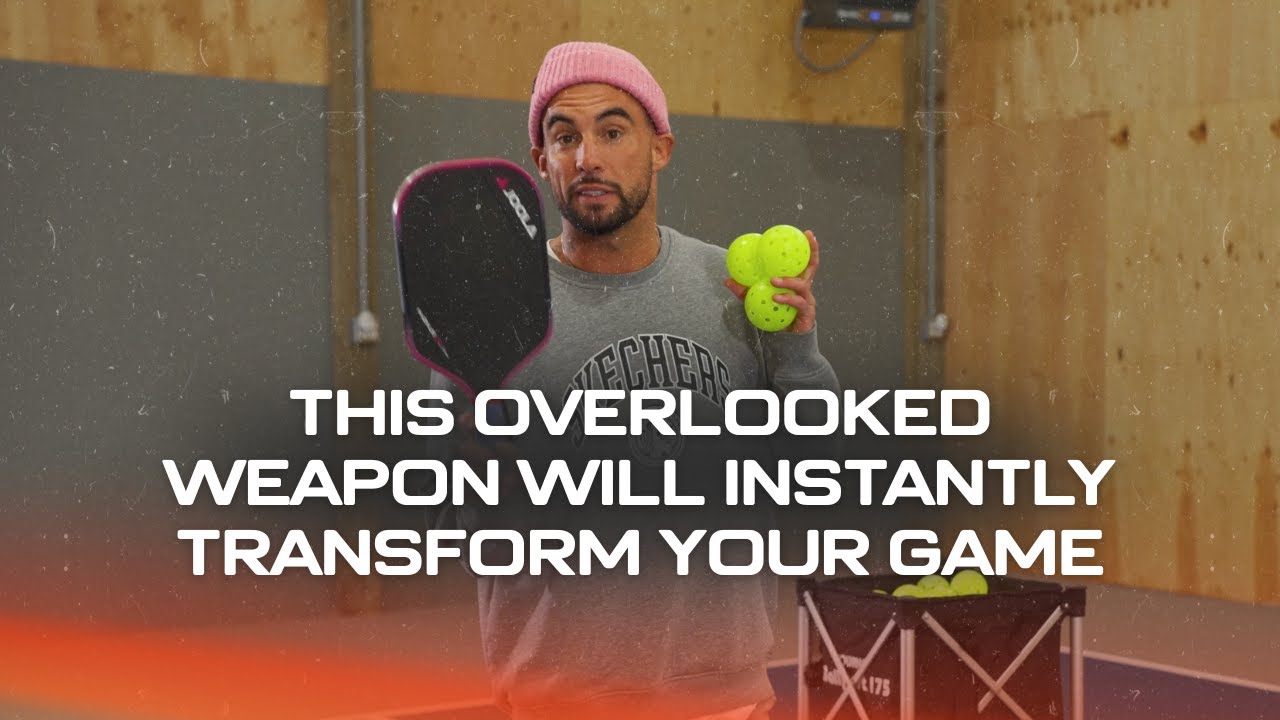
The Offensive Lob: Pickleball’s Most Overlooked Weapon
Instead of trying to hit through your opponent, why not go over them?
 The Dink PickleballThe Dink Media Team
Putting the 3 Targets Into Practice
Start simple. Use target one in your next match. Crosscourt, back corner, over the weak side shoulder.
Do it twice. Watch what happens to your opponent's body language.
Once you have used it a couple of times, you will notice them starting to shift their weight back slightly.That is the adjustment you wanted. Now the speed up down the line is open.
Now the dink into the middle is open. Now you are creating offense without hitting anything hard.
The technique is a wide base, forward lean, and a push rather than a lift. Keep the motion compact. You do not need spin. You need direction and surprise.Remember: the shot does not have to be perfect.
Even a lob that goes to a slightly wrong spot will often force a foot fault, a scramble, or an awkward overhead that sets up your next ball.
That is all offense needs to do. Create advantage. The finish comes after.For more on how to win points using smarter positioning rather than raw power, winning a crosscourt dink battle is closely related to setting up the lob in the first place.
And owning the middle dink with 3 reads will help you recognize when the third target is actually the right call.The mixed doubles strategy fixes that win more points also apply directly here, since the crosscourt lob is one of the most effective tools in mixed doubles when placed over the weaker overhead of the opposing team.
Finally, if you want to see how the lob fits into a full defensive and offensive system, lob defense fixes that work will show you the other side of the shot and help you understand exactly why your opponents hate it so much.
💡
Heads up: hundreds of thousands of pickleballers read our free newsletter.
Subscribe herefor cutting edge strategy, insider news, pro analysis, the latest product innovations and more.
Frequently Asked Questions
What is an offensive lob in pickleball?
An offensive lob is a shot hit over your opponent's head while they are at or near the kitchen line, designed to push them back to the baseline and create a positional advantage. Unlike a defensive lob hit under pressure, the offensive lob is a deliberate attacking choice made when your opponent is leaning forward or off balance. It does not require power; it requires placement and timing.
When is the best time to hit an offensive lob?
The best time is when your opponent is leaning forward at the kitchen line, looking to attack or speed up the ball. Their weight is shifted forward, which means they are slow to retreat to the baseline. That forward lean is your green light to push one over their head.
Should I hit the offensive lob out of the air or off the bounce?
Out of the air is the higher percentage option for most players. The volley lob gives your opponent less time to read the shot and react. It also does not have to be executed perfectly to be effective, since the element of surprise will often cause a foot fault or a difficult scramble even on a slightly imperfect lob.
How many times do I need to lob before it changes the match?
Two or three well-placed lobs early in a match is often enough to shift how your opponent thinks. Once they have been burned by it, they will start anticipating the lob even when you are not planning one. That anticipation opens up every other shot in your game.
What are the three main lob targets in pickleball?
The three targets are crosscourt to the back corner over the weak side shoulder, down the line over the weak shoulder when an opponent is leaning forward, and the middle once your opponent starts predicting where you are going. Use them in that order and only move to the third target after the first two have done their job.
Anuncie Aqui / Advertise Here
Sua marca para o mundo Pickleball! / Your brand for the Pickleball world!




 English (US) ·
  Portuguese (BR) ·