
 English
  Spanish
  Portuguese
  German
  Italian
  Japanese
  French
  Polish
  Russian
  Netherlands
  Hungarian
  Turkish
  Videos
  Thedink Pickleball

Most pickleball serve return mistakes cost you the rally instantly, not five shots later. Here are the three that do the most damage and the fixes that take one practice session.
Most pickleball serve return mistakes don't cost you the rally five shots later.
They cost you the rally instantly, before your paddle has even finished the follow-through.
You hit a short return, the server steps in, and suddenly you're the one scrambling on a point you were supposed to control.
Here's the thing about the return: it's the only shot where you know exactly what's coming. Underhand serve, below the waist, deep-ish box.That's a gift, and the returning team starts every point with a real structural edge because of it.
Three habits give that edge right back, and all three live in the first few shots of the rally.
Love pickleball? Then you'll love our free newsletter. We send the latest news, tips, and highlights for free each week.
Mistake #1: You're Returning Short and Calling It Safe
A short return is the most expensive of the common pickleball serve return mistakes, because it hands your opponents a free third shot drive from inside the baseline.
Land the ball mid-court and the server doesn't need a good third shot.
They need an average one, which is why return of serve effectiveness gets measured in feet, not mph.
Every extra foot of depth pushes the server back, adds travel time to their third shot drop, and buys you seconds to get forward. T
hat's why return depth is the whole ballgame and why pros treat a short return like a fault.
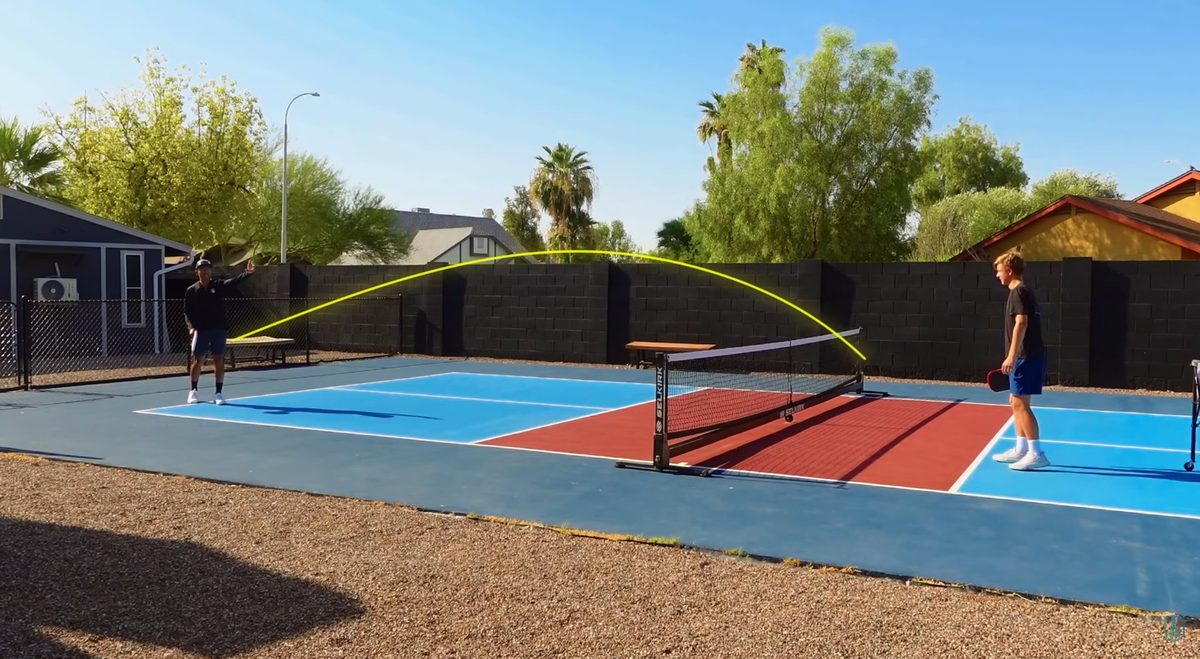
The fix isn't hitting harder. It's hitting higher. Aim four to six feet over the net with a longer swing path instead of a low rocket that clips the tape.Height creates depth, and depth creates time.
Where should it land? Pick a zone, not a line. The last three feet of the court, mostly middle or backhand.Our breakdown of the four essential return targets maps out where those balls should go and why.
One more thing: returning short against a banger is how you feed the banger.
A deep, floaty return takes away the driving lane, which is the core of the ruthless return strategy for beating bangers.
Mistake #2: You Hit the Return and Then Watch It
Hitting a great return and staying home turns a winning position into a defensive one.
The return isn't the shot. The return plus the walk-in is the shot, and your feet decide that one.Here's the definition worth knowing if nobody's explained it to you:
Return plus one: the return of serve and the movement that follows it, treated as a single play.The goal is simple. Contact the ball, then continue forward until both feet are at the non-volley zone line before the third shot arrives.
That forward movement is free real estate.
The two-bounce rule guarantees nobody can volley you off the court while you're walking in, and you get the full flight of the serve plus your own return to cover about 20 feet.Most players use half of it. Our guide to mastering the return plus one breaks the movement down step by step.
💡
Need some new pickleball gear? Get 20% off select paddles, shoes, and more with code THEDINK at
Midwest Racquet SportsWhy Does Standing Still Feel So Natural?
Because you're watching your own shot, which is the most human thing in the world and the least useful.
You want to see if it lands deep. By the time you confirm it did, you've given away two full steps.
Use a simple cue: move on contact, not on confirmation. Hit, then go, and trust the ball.A cleaner ready position helps, since players who start upright and flat-footed recover late on everything, and dedicated footwork work will pay off faster than any paddle upgrade.
Can't make it all the way in? Stop in the transition zone with your feet set and split. Being stopped in the midcourt beats being in motion at the kitchen line.
Pickleball Return of Serve Fixes That Stop Unforced Errors
Unforced errors on the return of serve almost always trace back to the same two problems: grip pressure and a missing load. Fix those two things and your return gets cleaner fast.
 The Dink PickleballThe Dink Media Team
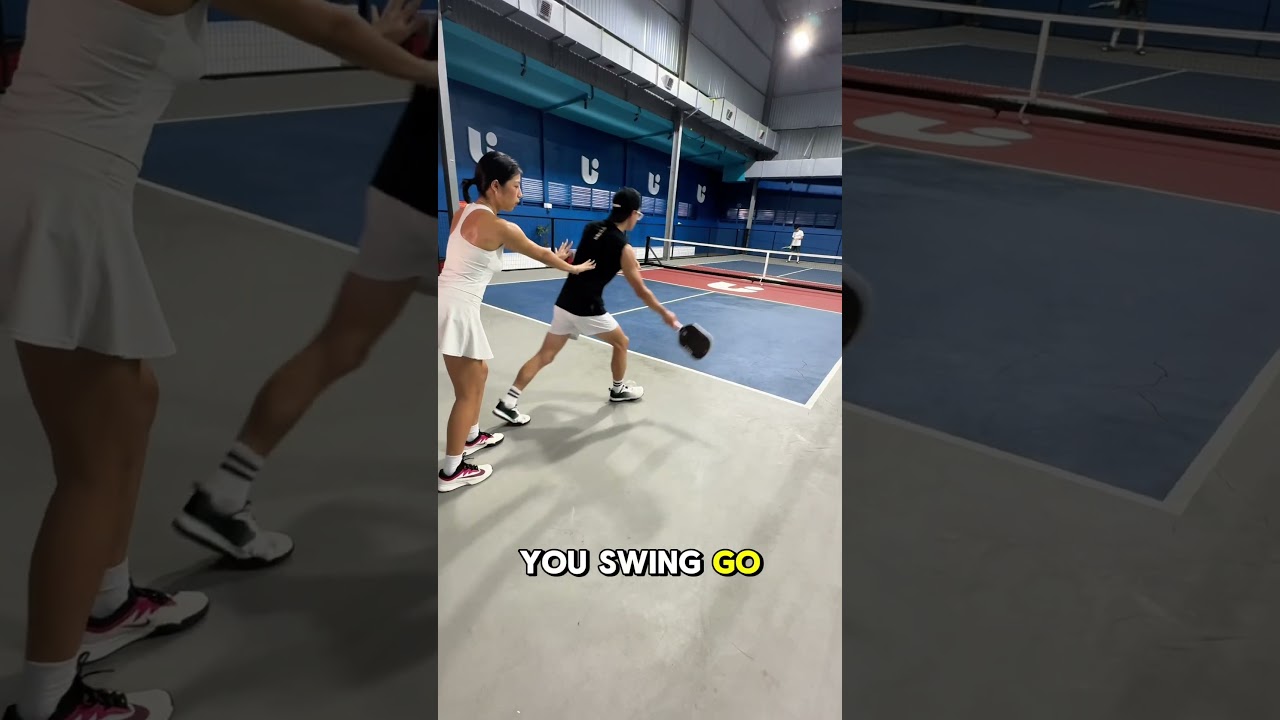
Mistake #3: You're Trying to Win the Point With the Return
Going for a winner off the return is the least necessary of the three pickleball serve return mistakes, and it's the one that shows up most in tournament play when nerves take over.
The return isn't a weapon. It's a setup.
Big swings produce two bad outcomes: balls into the net and balls sailing long.Neither gives your opponents a chance to make the error themselves, which is the entire point of a rally.
Compact is the word. Shoulder turn, long push through the ball, minimal wrist.
If you want shape on it, a slice adds depth control and keeps the ball low on the bounce.
Our look at return slice strategy covers when it's the right call versus when it's just showing off.
The same restraint applies against heavy servers.
When you're figuring out how to return a fast serve in pickleball, the answer is almost always less swing, not more. Let their pace do the work and redirect it deep.
Pickleball Return of Serve: Why It Matters More
Most pickleball players obsess over their serve, but the truth is your pickleball return of serve might be even more important. Here’s why depth, placement, and consistency matter more than power.
 The Dink PickleballThe Dink Media Team
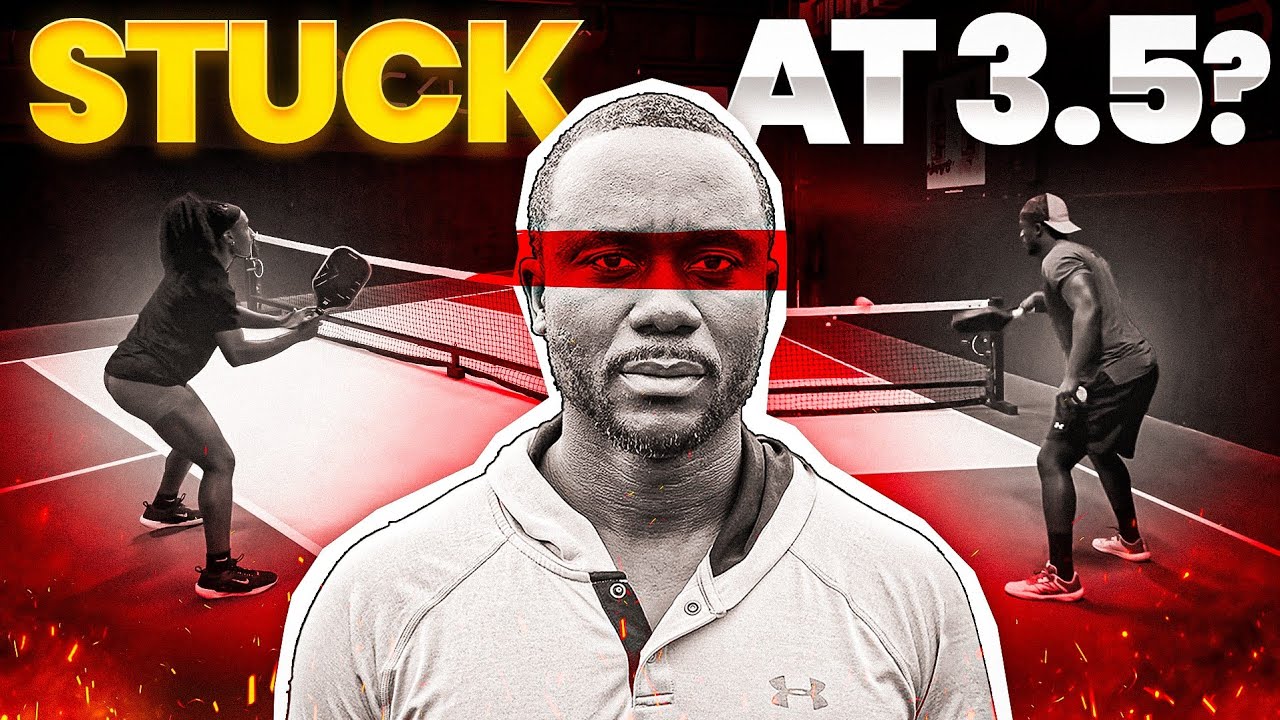
The Drill That Fixes Two Pickleball Serve Return Mistakes at Once
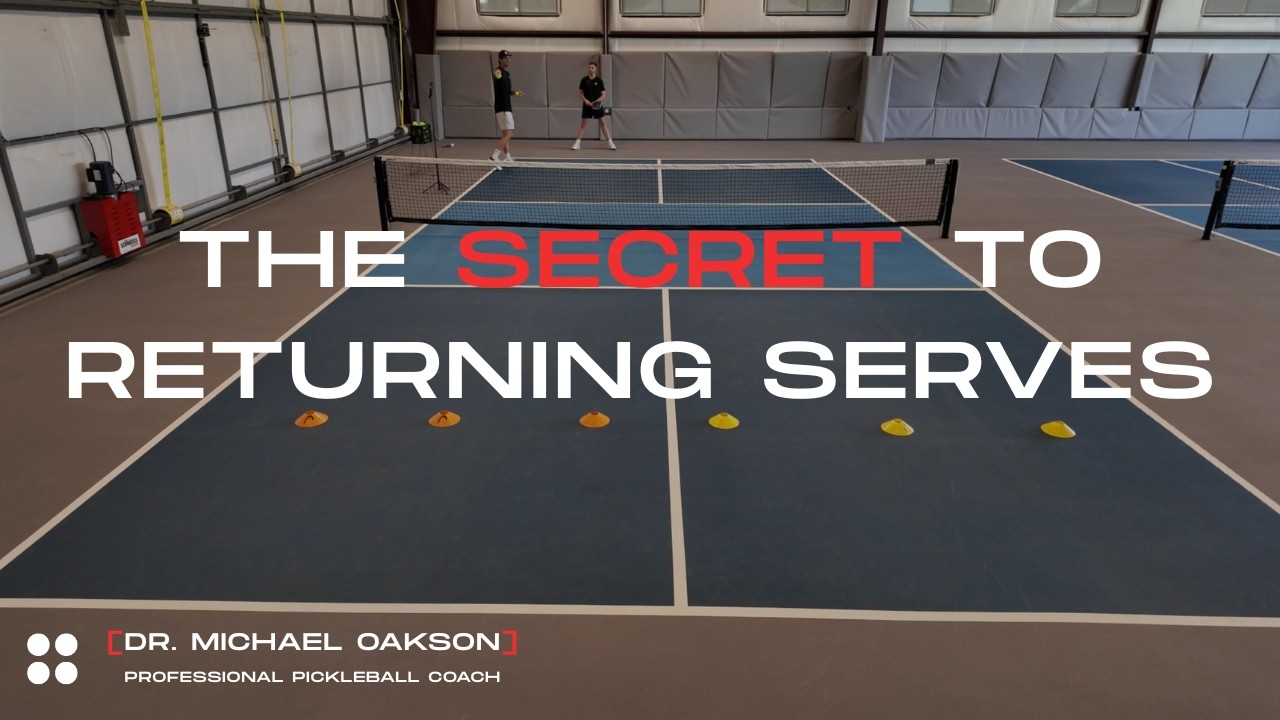
Grab a partner and set up a cone or towel three feet inside the baseline. Then run this:
- Partner serves. You return past the cone. Anything short is a loss.
- You must reach the kitchen line before their third shot bounces, or it's also a loss.
- Play to 11. Track how many you lose to depth versus how many you lose to your feet.
Ten minutes of this tells you which of the pickleball serve return mistakes is actually costing you matches.
Most players are shocked to learn it's their feet, not their hands. Rotate it into your regular drill routine and the fix sticks.
Weak Return in Pickleball: Stop Giving Away Free Time
A weak return in pickleball is more than a missed opportunity. It hands your opponent time, position, and momentum before the rally even starts.
 The Dink PickleballThe Dink Media Team
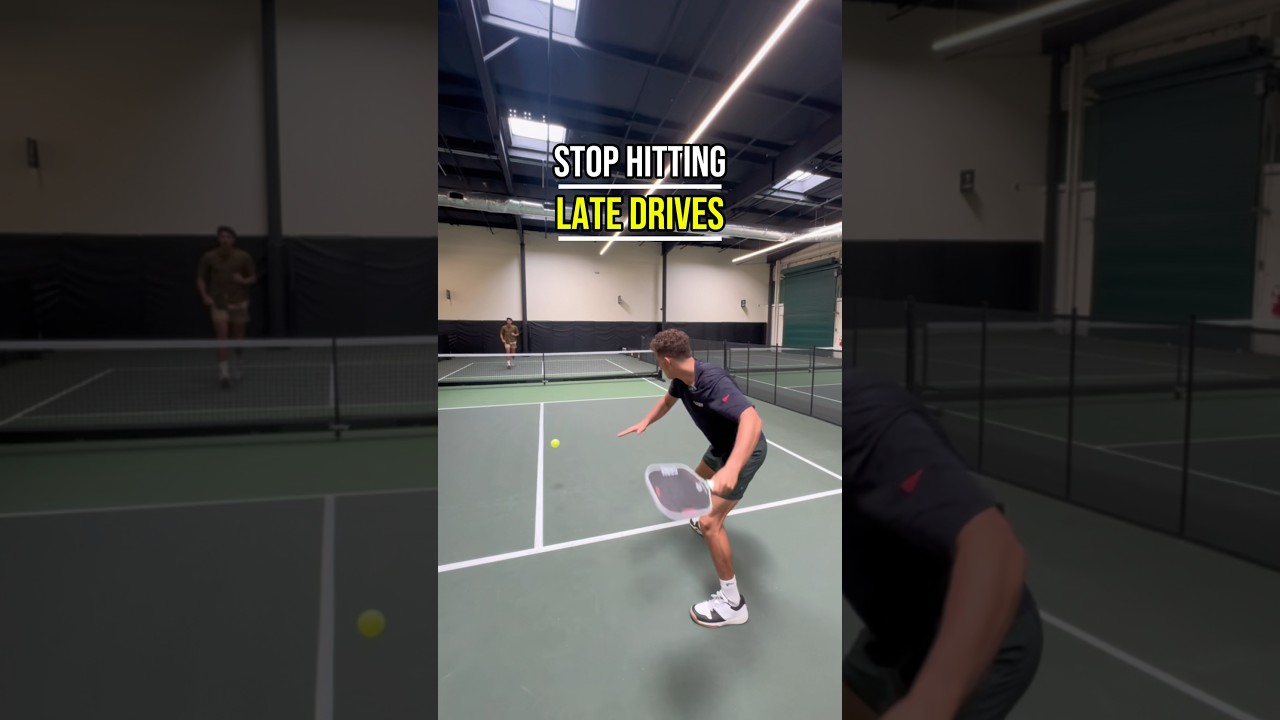
Why Do These Pickleball Serve Return Mistakes Cost You the Point So Fast?
Because points are short, and the first three shots set the terms for everything after.
Give up depth or court position on the return and you're playing defense by shot three, inviting them to the kitchen line instead of taking it yourself.
Honestly, this is why the return gets undervalued. It's not flashy. Nobody clips their return of serve for Instagram.But these three pickleball serve return mistakes are the fastest ways to throw away a point you already had, and three ways to improve your return of serve is a solid next read.
Master the Third Shot Drop, Return & 4th Shot Volley
The return sets up the point. The third shot drop gets you to the net. The fourth shot volley finishes it. Master these three, and you’ll move up levels faster than you think.
 The Dink PickleballThe Dink Media Team
How Do You Fix These Pickleball Serve Return Mistakes This Week?
Pick one, not three. Trying to fix your depth, your feet, and your swing size in the same session usually produces a worse return than you started with.
Start with depth, because it's measurable. Put a target down, hit 50 returns, count how many land in the back three feet.Clearing 70 percent? Move to your feet. Then, and only then, shrink your swing.
Players who subtract their worst habits instead of adding new skills level up faster, and the return is the cleanest place to prove it.
If you're over 50 and reaching deep serves is the actual problem, the positioning adjustments in our senior return of serve guide solve a lot of it without demanding more foot speed.
3 Pickleball Serve Return Secrets Most Players Never Learn
The pickleball serve return is the most underrated shot in the game. Master these three technique keys and your entire game changes.
 The Dink PickleballThe Dink Media Team
Key Takeaways
- The three most damaging pickleball serve return mistakes are returning short, standing still after contact, and swinging for a winner.
- Depth beats power. A slow return that lands within three feet of the baseline is worth more than a hard one that lands mid-court.
- Your return isn't finished until your feet are at the kitchen line, which is the part most rec players skip.
- Fix all three with one rule: hit it deep, hit it high enough to buy time, and walk in behind it.
💡
Heads up: hundreds of thousands of pickleballers read our free newsletter.
Subscribe herefor cutting edge strategy, insider news, pro analysis, the latest product innovations and more.
Frequently Asked Questions
What are the most common pickleball serve return mistakes?
The three most common pickleball serve return mistakes are hitting the return too short, failing to move forward after contact, and swinging too hard in search of a winner. Short returns give the serving team an easy third shot. Staying back surrenders the kitchen line. Big swings create unforced errors on a shot that only needs to be safe and deep.
How deep should a pickleball return of serve be?
Aim for the last three feet of the court, just inside the baseline. That depth pushes the serving team back and buys you time to reach the non-volley zone line. If you're landing returns near the service line, you're giving away the advantage the return is supposed to create.
Should you hit your return hard or soft?
Soft and deep beats hard and short almost every time. A higher, slower return actually gives you more time to get forward, which is the real goal. Save the pace for your fifth shot once you've established position at the kitchen line.
Where should you stand to return serve in pickleball?
Stand a step or two behind the baseline so you can move forward into the ball rather than backing up. Exact positioning shifts based on your opponent's serve depth and spin, but moving forward through contact is always better than getting jammed.
Do pickleball serve return mistakes matter less in rec play?
They matter more. Rec players are less likely to punish a short return with a perfect drive, but they're also less likely to give you a second chance at the kitchen line once you've lost it. Cleaning up these pickleball serve return mistakes wins more rec games than any equipment change will.
Anuncie Aqui / Advertise Here
Sua marca para o mundo Pickleball! / Your brand for the Pickleball world!




 English (US) ·
  Portuguese (BR) ·