
 English
  Spanish
  Portuguese
  German
  Italian
  Japanese
  French
  Polish
  Russian
  Netherlands
  Hungarian
  Turkish
  Videos
  Thedink Pickleball

Most players treat the pickleball serve like a formality, but pros use it as a weapon. These 3 serves will force weaker returns and set you up for easier third shots.
Your pickleball serve is not just a way to start the point.
Every time you step to the line and push the ball softly over the net with zero intention, you are handing your opponent an easy return and putting yourself on defense before the rally even begins.
That is exactly where sharp pickleball serve tips come in.
Most recreational players treat the serve like a formality. That mindset is costing you points you should be winning.
These three serves come straight from Troy Aiken Pickleball on YouTube, where touring pro and coach Troy Aiken breaks down exactly how pros weaponize the serve to create easier thirds and win more matches.
Here is what you need to know.
Love pickleball? Then you'll love our free newsletter. We send the latest news, tips, and highlights for free each week.
Why the Serve Matters More Than You Think
Yes, you cannot serve and volley in pickleball. Yes, the kitchen cuts off big angles. But that does not mean the serve is neutral.
At the pro level, players are using the serve to create easier third shots, force uncomfortable positions, and pull opponents completely off the court.
The serve is not about hitting aces. It is about making the next shot simpler for you and harder for them.
If you are not thinking about your serve that way, you are leaving free points on the table every single game.
These pickleball serve tips fix that mindset fast, and every return of serve you face gets easier once your own serve starts causing problems.Serve 1: The Deep Heavy Topspin Serve
This is the first of our pickleball serve tips, and it is the one that pays off fastest.
This is the most common weapon serve you will see on tour, and depth is the most important piece.
A deep serve forces your opponent to hit from behind the baseline, compresses their time, and limits the angles they can create on the return.
Topspin is what makes depth sustainable.When you brush up hard on the ball, you add a safety margin that keeps the serve from sailing long.
Then when the ball lands, it kicks forward into your opponent, adding another layer of difficulty.
Here is how to execute it in three steps:
- Coil: Load your body by turning your torso. You want stored energy ready to release, not a flat static stance.
- Explode and contact out front: Uncoil and make contact in front of your body, not even with you or behind. This is where power and control intersect.
- Finish and shift forward: Swing low to high with a full finish, and let your body weight continue moving forward after contact.
If you are not covering over the ball aggressively, you are just hitting a flat serve with some hope attached to it.
That's the first of our pickleball serve tips locked in.💡
Need some new pickleball gear? Get 20% off select paddles, shoes, and more with code THEDINK at
Midwest Racquet SportsHow Do You Return a Deep Topspin Serve?
Step one is to get off the baseline. Most players wait at or on the line, which means a ball landing near the baseline pins them and forces a low pickup off the ground.
Take a big step back before the serve lands.
From there, you do not need to generate extra pace.
You are redirecting their pace, not adding to it. Use a compact swing, make contact out front, and drive the ball deep back to the middle.
Then keep moving forward toward the kitchen.
The goal is not a perfect return. The goal is a deep return that gives you time to get to the line before they can attack a third shot.
If you want to turn your return into an offensive weapon, that approach starts with buying yourself time and court position.
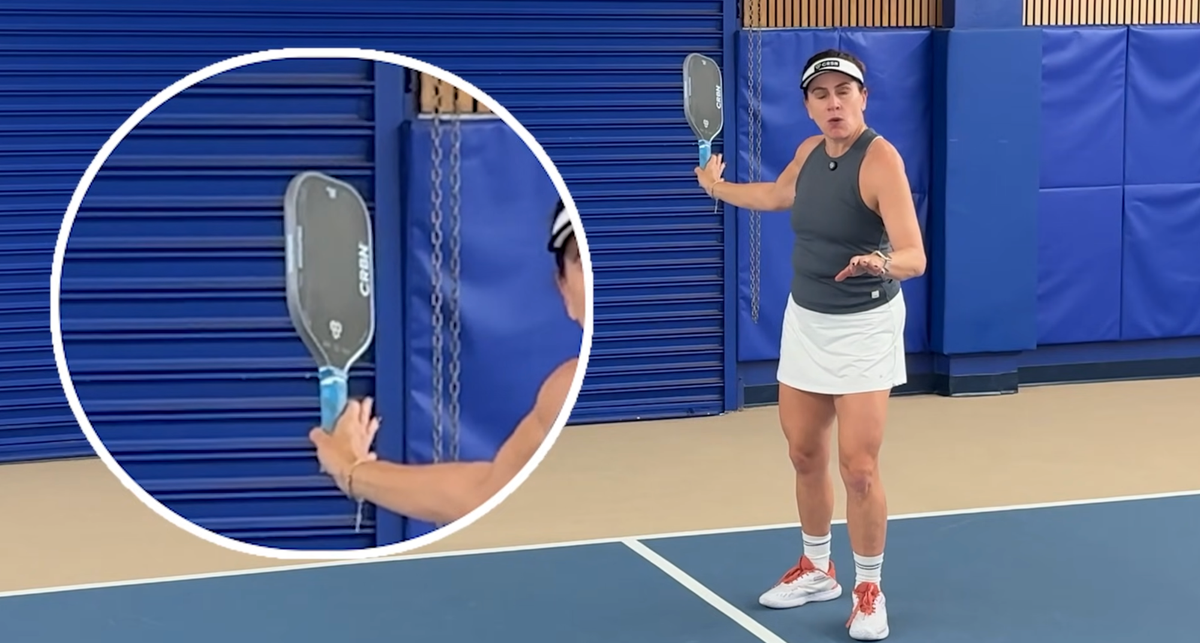
Topspin in Pickleball: The Complete 3-Step Progression Guide
It’s one of those shots that looks effortless when done right, but feels impossible when you’re the one holding the paddle
 The Dink PickleballThe Dink Media Team
Serve 2: The Slice Serve
This slice option adds range to your pickleball serve tips toolkit.The slice serve is not meant to replace the topspin serve.
It is meant to disrupt your opponent's rhythm and create a completely different problem for them to solve.
Where a topspin serve kicks up into the body, a slice serve stays low and slides toward a right-handed player's backhand.
Backhands at the recreational level are almost always weaker, and forcing a pop-up return from a low backhand is one of the easiest ways to create an attackable third shot opportunity.
The mechanics look like this:
Load and coil the same way you would for a topspin serve.
Instead of swinging low to high through the ball, start on a slightly downward path.
But remember: contact must happen below your navel, and once you make contact, you sweep around the ball.
Think of it as hitting from 4 o'clock on the ball, sweeping around to 9 o'clock, and finishing up toward 11 o'clock.
That banana-shaped paddle path is what creates the lateral slide.The ball will stay genuinely low. That forces your opponent to hit up on it, which tends to pop returns up into your strike zone.
Understanding how to hit a slice in pickleball without losing control will help you groove this motion consistently before you bring it into match play.
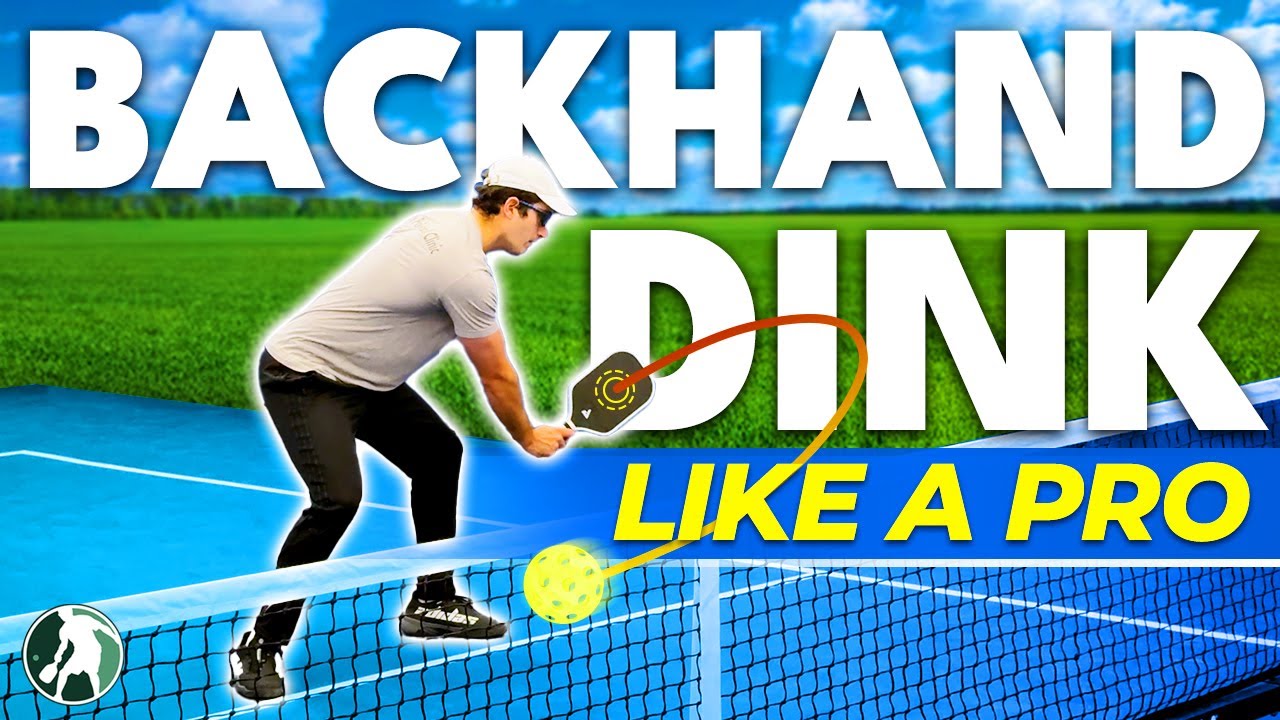
Perfect the Backhand Slice Dink with These 3 Essential Tips
When you’re locked in a tight dinking battle, this shot is your insurance policy
 The Dink PickleballThe Dink Media Team
How Do You Return a Slice Serve?
Unlike the topspin serve, a slice serve means you want to step forward, not back.
The ball is going to stay low and slow, and stepping back just makes it harder to get under it cleanly.
The key is getting your paddle well under the ball and rolling over it with heavy topspin on the return. You are using their backspin against them.
Cup under the spin, accelerate up through the ball, and drive a deep topspin reply back across the net.
You will need to bend your knees significantly. If you are standing tall trying to chip this back, you will dump it in the net or float it up short.
Get low, get under it, and swing through.
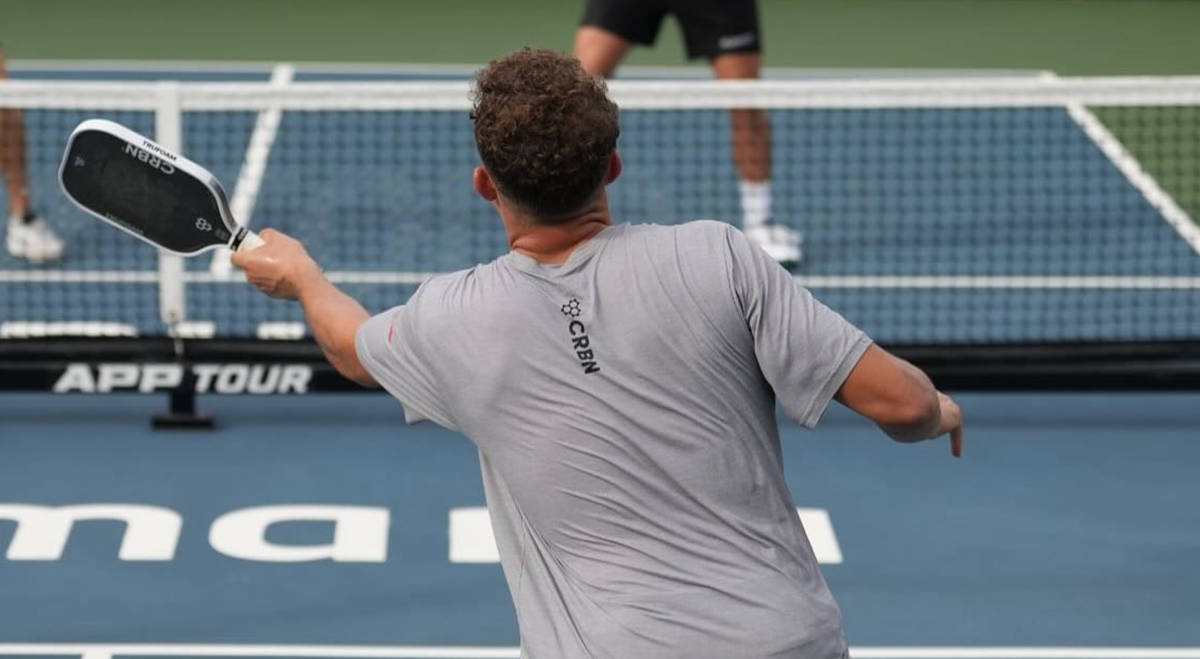
How to Handle a Slice Return in Pickleball
If you’ve ever found yourself hitting a slice return straight into the net, you’re not alone. Here’s how to counteract that backspin and get back on top of the point.
 The Dink PickleballThe Dink Media Team
Serve 3: The Angle Serve
The angle serve rounds out our pickleball serve tips with pure precision instead of pure power.
This is the newest weapon showing up consistently on tour, and it works differently than the first two.
Instead of overpowering your opponent, the angle serve is about precision over pace.
You are pulling them completely off the court with a sharp crosscourt angle, which opens up the entire opposite side for your third and fifth shots.
The mechanics start the same way as your topspin or slice serve. Coil, contact out front, and finish.
The difference is that you take pace off and focus on catching the outside edge of the ball to create a wicked angle that pulls the returner wide.
This serve is especially effective when your opponent is not a great mover.
Instead of making them deal with pace or spin, you force lateral movement right from the start of the point.
By the time they return it, they are scrambling to recover position while you are setting up for an easy third.
If you want to understand how pulling opponents out of position compounds your advantage point after point, look at how to choose between a third shot drop or drive depending on where your opponent ends up.
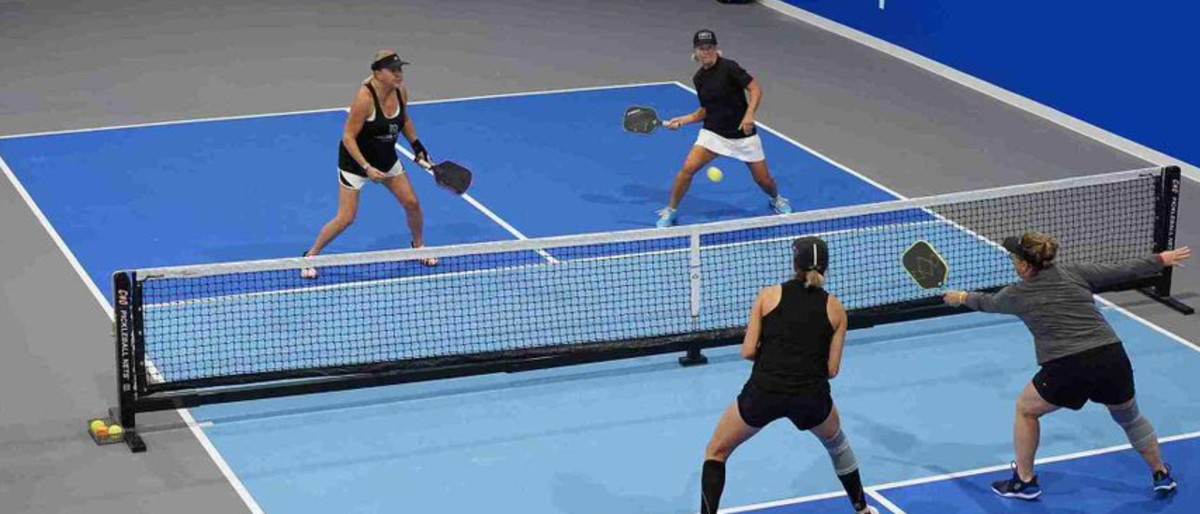
Kitchen Line Angles Pickleball: Shot Placement System
Kitchen line angles in pickleball are the difference between dinking to survive and dinking to win. This shot placement system shows you exactly how to use angles to move opponents, create openings, and take control at the non-volley zone.
 The Dink PickleballThe Dink Media Team
How Do You Return an Angle Serve?
The return goal here is simple: buy yourself time.
You are going to be pulled off the court wide, and if you try to rip a return back, you will probably give up a short, easy ball to attack.
Hit a high, deep, slow return down the middle. That gives you time to scramble back to your position, get your partner set, and take the court back.
A well-placed angle serve can become worthless if the returner just resets with a deep lob return that neutralizes the pressure.
One advanced answer here is to ATP (around the post) an extreme angle serve if it pulls you far enough outside the sideline.
It is high risk, high reward, but it is a legitimate option when they go too wide.
You can also learn why your serve keeps getting attacked and reverse-engineer what a great serve actually needs to accomplish.
How to Hit an ATP in Pickleball: Around-the-Post Guide
The ATP around the post in pickleball is one of the most spectacular shots in the game, and it’s totally legal. This guide breaks down the setup, mechanics, and decision-making to help you execute it in a real match.
 The Dink PickleballThe Dink Media Team
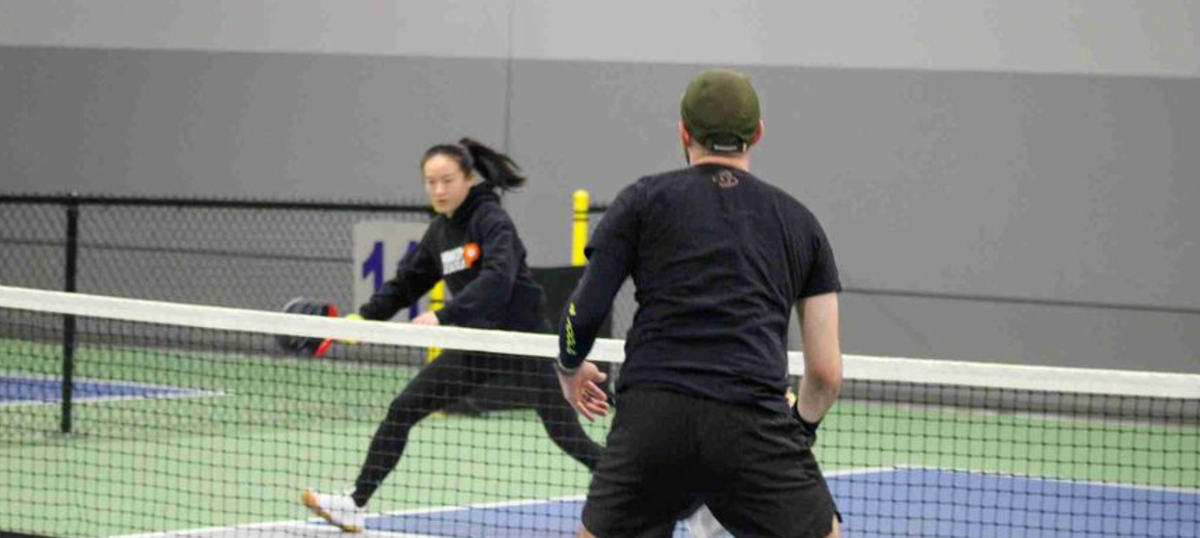
How to Mix These Serves Together
Rotating through these pickleball serve tips is what separates predictable servers from dangerous ones.The real power here is not in any single serve. It is in the combination.
If you throw all three into rotation, your opponent never gets comfortable with one pattern, and every serve creates a different problem.
Consider this rotation:
Open with a few deep topspin serves to establish that you have pace and depth. Your opponent starts backing up and blocking.
Drop in a slice serve to the backhand. Now they are stuck hitting up from a ball they expected to bounce high.
Use the angle serve when they settle in. They're so used to guarding depth that a sharp angle catches them completely flat-footed.
This approach is exactly what top players use to force weak returns before the third shot is even hit.
If you want to take your serve consistency to another level, make sure you are not running into common mechanical problems.
Fixing an inconsistent pickleball serve often comes down to a few specific contact point issues that are easy to correct once you know what to look for.
Also worth noting: understanding how to hit a low serve without faulting is crucial when you are adding pace and spin to your motion.
The rules require contact below the navel, and when you start swinging harder, it is easy to drift into fault territory without realizing it.
Master these pickleball serve tips and your third shot gets easier every single point.The serve is your one free shot every rally. You set the table, and your opponent has to react.
Every 5.0 player treats it as a weapon, not a routine. Start doing the same, and watch how much easier your third shots become.
Understanding what causes unforced errors in your game will also help you see why a weak serve creates compounding problems through the rest of the point.💡
Heads up: hundreds of thousands of pickleballers read our free newsletter.
Subscribe herefor cutting edge strategy, insider news, pro analysis, the latest product innovations and more.
Frequently Asked Questions
What is the most effective pickleball serve for beginners?
The deep heavy topspin serve is the best starting point because it rewards effort with real results. Adding a low-to-high brushing motion creates depth and a forward kick that most beginners struggle to return cleanly. Master this one before adding the other two.
Is the slice serve legal in pickleball?
Yes, the slice serve is completely legal as long as contact is made below your navel and the paddle is moving in an upward arc at the moment of contact. The sweeping side motion happens after that contact point, which is what creates the spin. Always check current USA Pickleball rules if you are unsure about serve mechanics at a tournament.
How do I stop popping up my return of serve?
Pop-up returns usually happen because you are trying to generate pace instead of redirecting the incoming serve. Use a compact swing, contact the ball out in front of your body, and let your body weight move forward through the shot. Deep middle is the safest target until you build consistency.
When should I use an angle serve instead of a topspin serve?
Use the angle serve when your opponent is a poor mover, when they have settled into a predictable return pattern, or when you want to open up the court for an easy third shot. It trades pace for court geometry, so it works best as a change-up rather than your primary serve.
How often should I mix up my serves during a match?
There is no fixed ratio, but variety is the entire point. If your opponent starts shading back to handle depth, hit a slice. If they creep forward expecting spin, go with an angle serve.
Read their positioning and use the serve that punishes whatever adjustment they have made.
Anuncie Aqui / Advertise Here
Sua marca para o mundo Pickleball! / Your brand for the Pickleball world!




 English (US) ·
  Portuguese (BR) ·