
 English
  Spanish
  Portuguese
  German
  Italian
  Japanese
  French
  Polish
  Russian
  Netherlands
  Hungarian
  Turkish
  Videos
  Thedink Pickleball

Most pickleball players make the same three mistakes when tournament pressure hits. These pickleball tournament tips fix each one before they cost you another match.
Most players practice well and then fall apart the moment a pickleball tournament starts.
The shots that felt automatic in casual play suddenly become awkward, rushed, and error-prone.
The problem is not your technique. It is what you are focusing on when the score actually matters.These three pickleball tournament tips come from Richard Pickleball on YouTube, and they target the exact moments where recreational and intermediate players give away the most free points.
Get these right and your error rate drops immediately.
Love pickleball? Then you'll love our free newsletter. We send the latest news, tips, and highlights for free each week.
Why Tournaments Feel Different From Casual Play
When you play open rec, the stakes are low and your body stays relaxed. You move naturally, your feet reset automatically, and you rarely overthink the next shot.
Add a scorecard and an opponent you have never seen before, and everything changes.
Players tighten up, stop moving their feet, and try to hit perfect shots instead of consistent ones.
The fix is not to calm your nerves. The fix is to give yourself a simple, repeatable focus for each situation before the pressure even arrives.That is exactly what these three pickleball tournament tips do.
If you want a broader framework to build around them, this simple 4-step system to win more pickleball games in 2026 covers the structure behind consistent match play.
Tip 1: Drop Middle or Cross Court, Every Single Time
When you are not sure where to drop the ball, the answer is always middle or cross court.
This is not a compromise. It is the highest-percentage decision you can make on a drop shot.Here is why it works so well in tournaments specifically.
When you drop down the middle, you give yourself the most court to work with.
The net is lower in the center, and neither opponent has a clear ownership of that ball, which creates hesitation on their side.
When you drop cross court, you are working with the longest diagonal on the court.
More distance means more time for the ball to land softly, and it gives you a wider margin for error on both sides of the target zone.
Players who try to drop down the line in tournaments are working against themselves.The margin is tighter, the net is higher on the sideline, and one small miscalculation sends the ball wide or into the tape.
Pickleball and the Pursuit of Flow
Pickleball gives people movement, competition, connection, improvement, and joy. But more than anything, it gives them a place to put their full attention.
 The Dink PickleballBenjamin Grant
The core principle here is consistency over placement.
A drop that lands in play and forces your opponent to deal with a low ball is always better than a perfect drop attempt that clips the net.
This is the single most repeatable idea in all of these pickleball tournament tips.Shot selection under pressure beats shot quality under pressure, which is the same logic behind why professional pickleball players abandoned the slice shot in 2025.
If you want to sharpen your drop game before your next event, these three drop shots every solid player needs to know will give you a complete picture of when and how to use each variation.
You can also go deeper on the mechanics with this apex fix that changes everything about your third shot drop.
Before you enter, it is also worth checking the 7 new USAP pickleball rules for 2026 so a rules surprise does not cost you a point you already earned.
The official USA Pickleball rulebook is the governing reference for sanctioned tournament play.
💡
Need some new pickleball gear? Get 20% off select paddles, shoes, and more with code THEDINK at
Midwest Racquet SportsWhat Does "Drop Middle" Actually Mean?
A drop to the middle means you are aiming at the center of the court, roughly toward the center tape of the net.
You are not targeting a specific opponent's body. You are targeting the space between them.This forces a communication breakdown on the other side and keeps you out of trouble when your drop is not perfect.
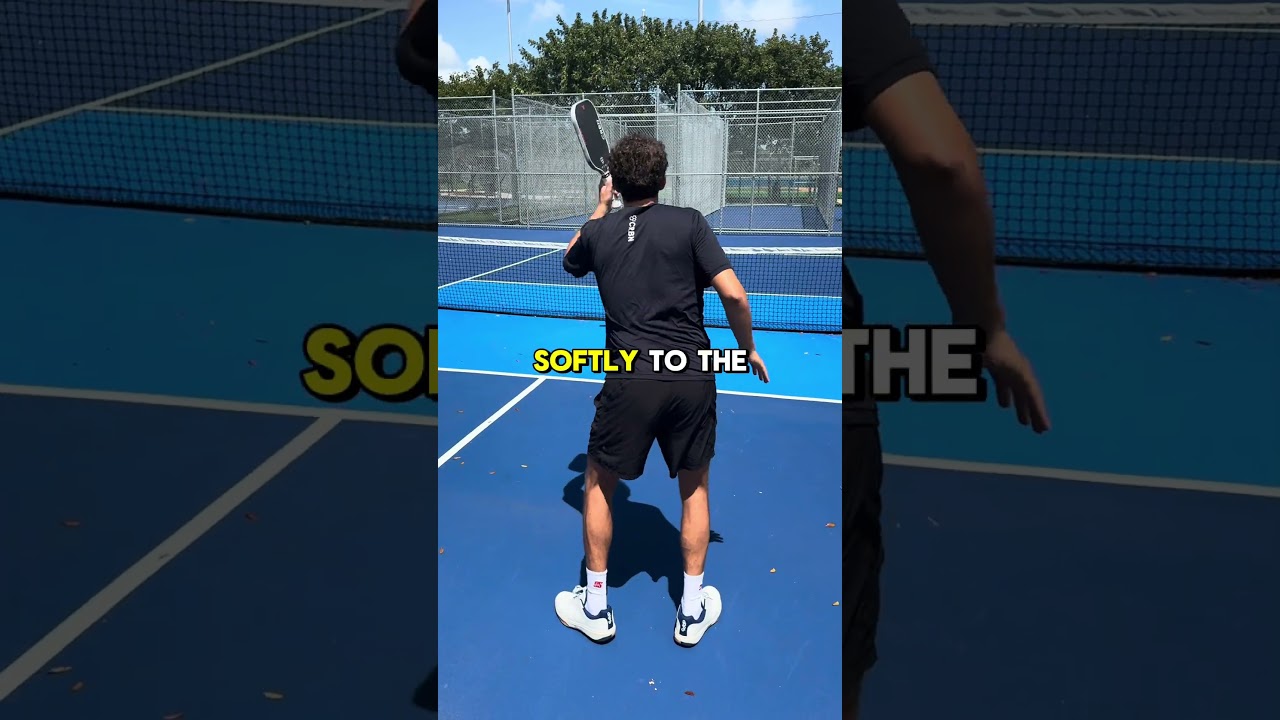
How to Hit the Middle Court Drop Shot in Pickleball
Most pickleball players make the same mistake when they find themselves in the middle of the court with an easy ball. Instead of hitting an aggressive shot out wide, the middle court drop shot is the smarter play that gains ground and wins points.
 The Dink PickleballThe Dink Media Team
Tip 2: Reach Out of the Air to Create Offense Without Gambling
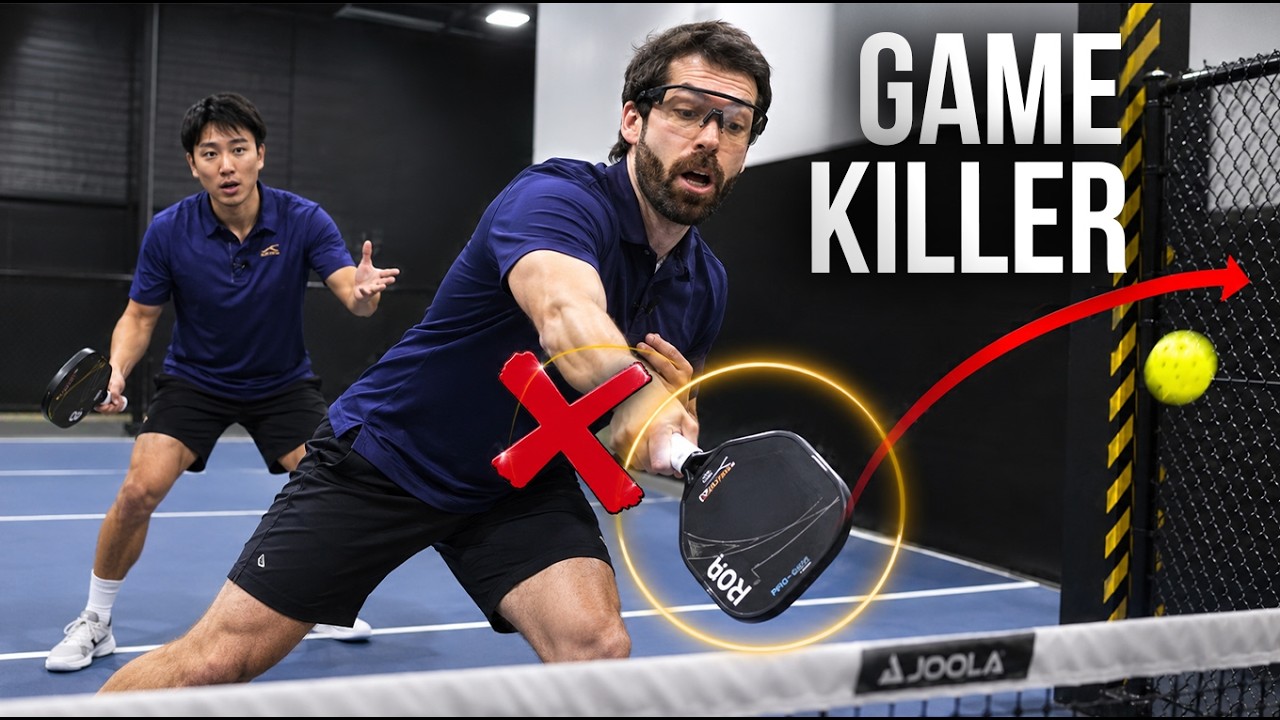
Taking the ball out of the air is the simplest way to create pressure on your opponents without swinging for a winner.
Most tournament players wait too long, let the ball drop, and then scramble to reset a ball that should have been an easy volley.
When you reach out and intercept the ball before it bounces, you are doing two things at once.
- You are cutting down your opponent's reaction time by sending the ball back faster.
- You are keeping your body in a forward, aggressive position at the kitchen line instead of backing up and going defensive.
The key word in the tip is "reach." You are not waiting for the ball to come to you.
You are moving your paddle toward the ball while it is still in flight and making contact early.
This is what separates players who create offense from players who just survive rallies.
Surviving is not a strategy in tournament play. Consistent, early contact is.If your volleys are breaking down under pressure, these backhand volley fixes are a great place to start cleaning things up.
For players who tend to back up instead of staying forward, this drill specifically targets that habit.
Two of the 6 essential pickleball shots to master for 2026 are built on this exact skill.
If you want reps rather than theory, the 12 drills you need to play your best pickleball in 2026 will build the timing that these pickleball tournament tips depend on.
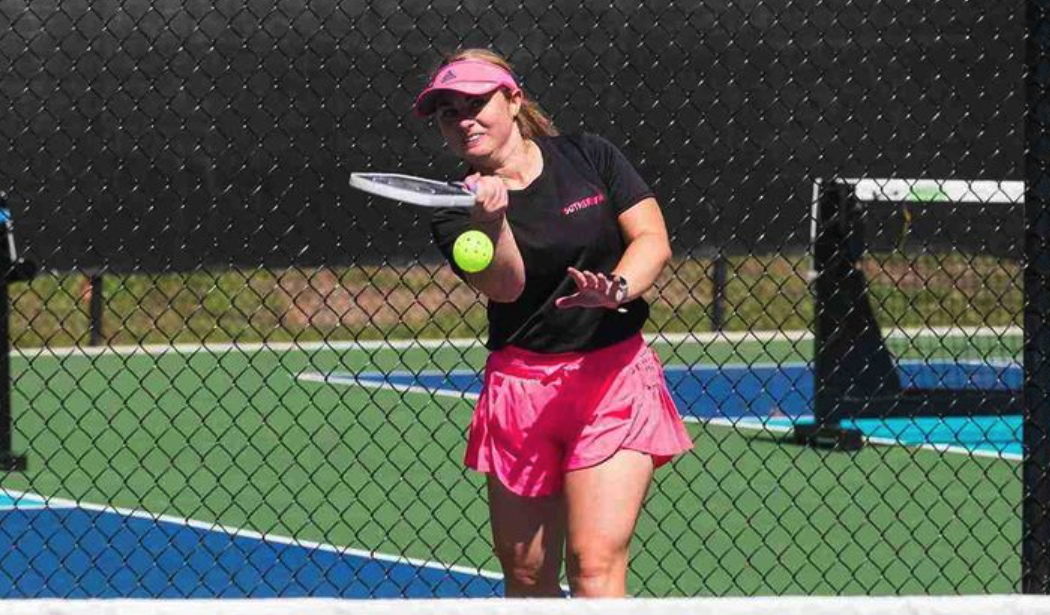
If You Can’t Reach the Kitchen Line in Time, Do This
Knowing what to do when you can’t reach the kitchen line in pickleball separates streaky players from consistent ones. This guide breaks down the shot selection and footwork fixes that get you out of trouble and keep you there less often.
 The Dink PickleballThe Dink Media Team
Isn't Reaching Risky if You Miss?
Only if you are reaching without control. The goal is not to punch the ball as hard as you can.
The goal is to make clean, early contact with a compact swing and redirect the ball at a difficult angle.
Think of it as a controlled intercept, not an attack. The offense comes from the timing, not the power.Anna Leigh Waters does this better than almost anyone at the professional level.
She rarely lets a ball drop when she can take it out of the air, and she rarely overhits.
The result is constant pressure without constant risk, which is a big part of why she sits where she does in the best PPA pros based on 2025 medal counts.
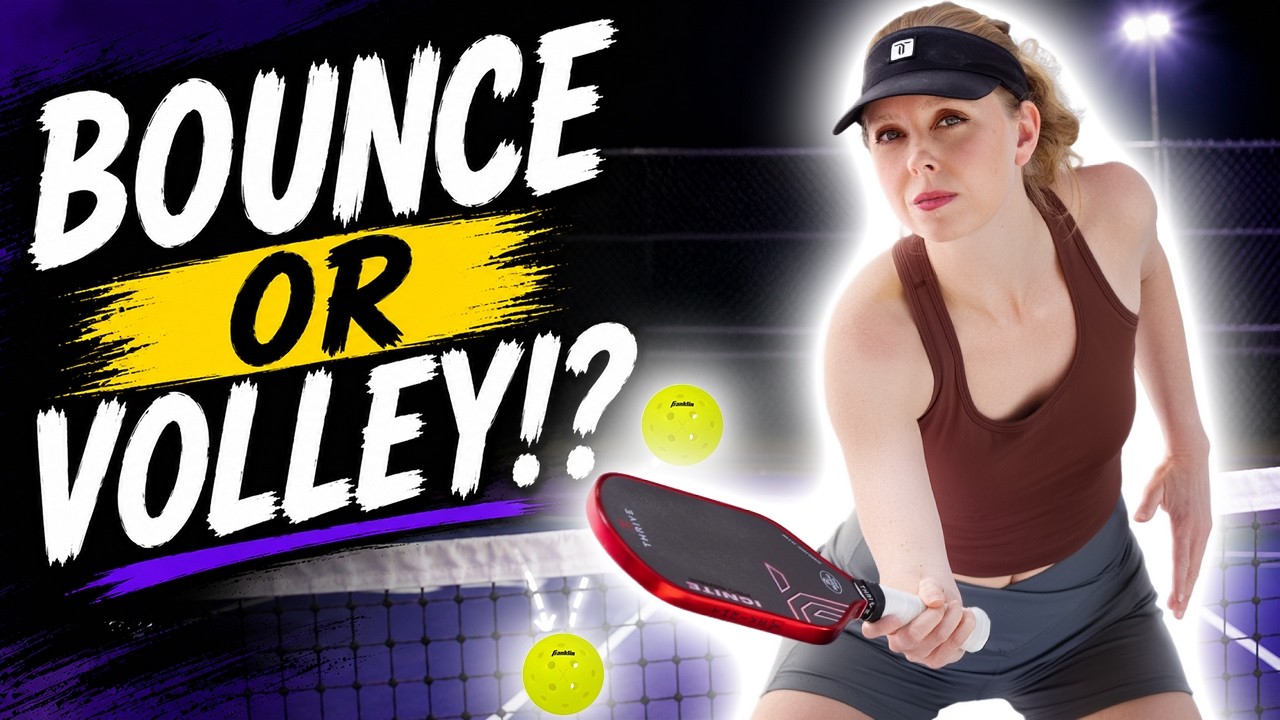
Kitchen Positioning in Pickleball: Stop Reaching for Dinks
Kitchen positioning is one of the most misunderstood fundamentals in pickleball. Cori Elliott’s latest coaching breakdown reveals why recreational players stay stuck and how to move your feet instead of reaching.
 The Dink PickleballThe Dink Media Team
Tip 3: Take the Extra Step and Stop Getting Stagnant With Your Feet
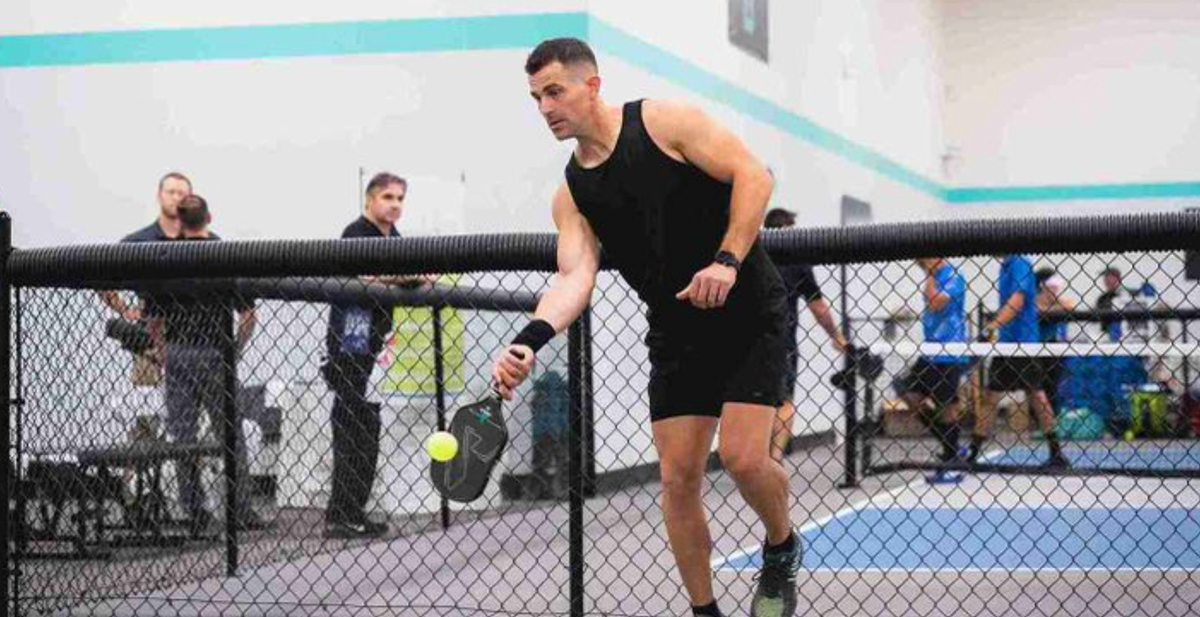
This one is where most tournament matches are actually lost. Stagnant feet cause more unforced errors than bad technique does.
When tournament pressure builds, players stop moving.They reach instead of step, they lean instead of load, and they end up hitting balls from uncomfortable positions that force errors they would never make in a relaxed setting.
The fix is simple to say and takes deliberate effort to build: take one more step than you think you need to.Here is what that looks like in practice.
- Read the ball early. As soon as your opponent makes contact, start reading the flight path. Do not wait until the ball is two feet away.
- Move your feet first. Resist the urge to reach with your arm before your feet are set. One extra step puts your body behind the ball instead of beside it.
- Set up early. Get your paddle back and your weight loaded before the ball arrives. Players who are already set make far fewer errors than players who are still moving when they swing.
The phrase "get behind the ball" is thrown around constantly in coaching.
What it actually means is that your body weight should be moving into the shot, not sideways or backward when you make contact.
Footwork is the least glamorous of these pickleball tournament tips and the one that pays fastest.Your shoes matter here too, which is why the best men's pickleball shoes of 2025 is worth a look before a long tournament day.
If your footwork is breaking down in matches, these seven positioning mistakes will help you identify exactly where the problem is happening.
For players who struggle to reach the kitchen line in time, this guide covers exactly what to do instead.
Pickleball Serve Footwork Stance: Load & Weight Transfer
Your pickleball serve footwork stance is the foundation of every point you start: get it wrong and no amount of arm swing will save you. This guide breaks down exactly how to set your feet, load your hips, and transfer weight for a serve that’s both powerful and repeatable.
 The Dink PickleballThe Dink Media Team
Why Do Players Stop Moving in Tournaments?
Pressure creates hesitation. When the score is close and the point matters, your brain slows your body down as a protection mechanism.
You second-guess your movement because a wrong step feels riskier than no step at all.The solution is to make footwork automatic before tournament day.
A proper warm-up routine activates your movement patterns so your feet respond without thinking during the match.
This is also why unforced errors spike so dramatically in tournament play. It is rarely about the shot itself. It is almost always about the setup before the shot.
Pickleball Tournament Strategy: How to Play Your Best
Pickleball tournament strategy separates players who consistently medal from those who play well in practice but stall under pressure. This guide covers everything from mental prep to in-match adjustments so you can compete at your best when it counts most.
 The Dink PickleballThe Dink Media Team
How These Three Tips Work Together
None of these adjustments exist in isolation. They stack on top of each other and create a complete system for tournament consistency.
When you drop to the middle or cross court, you give yourself a high-percentage entry into the point.
When you take the ball out of the air, you stay on offense instead of getting pushed back.When you move your feet and set up early, every shot becomes more consistent because you are always in a balanced position.
That stacking effect is the same idea behind modern pickleball's four key strategies to winning in 2026.
Together, they eliminate the three biggest sources of free points that tournament opponents collect against unprepared players.Think about your last tournament loss. How many points were given away on drops that went wide?
How many came from being caught flat-footed at the kitchen?
How many came from letting a ball drop when you could have volleyed it?The answer is probably most of them. And all three of those errors are fixable before your next event.
For players looking to go even deeper on strategy, this breakdown of cross court strategy pairs perfectly with tip one.
If you want to sharpen your overall tournament mindset, these five strategies for beating every player type will give you a plan for any opponent you face.
Pair that with the 5 pickleball shots you must master before 2026 and you have a full offseason plan built around these pickleball tournament tips.
Anticipation in Pickleball: 3 Steps to Stop Reacting Late
Anticipation in pickleball is the skill that separates players who always look rushed from players who always look ready. Here are the three steps coaches use to build it.
 The Dink PickleballThe Dink Media Team
Start With One Focus Per Match
Do not try to implement all three of these at once in your first tournament.
Pick the one that addresses your biggest weakness and make that your only focus for the first few games.
If your drops keep going wide, commit to middle and cross court for the entire match without exception.If your kitchen game feels passive, focus on taking every ball you can out of the air.
If your feet are sticking, set a simple rule that you take one step before every single swing.
One focused adjustment applied consistently will outperform three half-implemented changes every time.
That is not just tournament advice. That is how improvement actually works in pickleball.For more on fixing the habits that keep players stuck, these seven habits that reveal your level immediately are worth reading before your next event.
And if you want context on how fast the competitive landscape is moving, the 25 biggest stories in pro pickleball from 2025 is a useful catch-up.
💡
Heads up: hundreds of thousands of pickleballers read our free newsletter.
Subscribe herefor cutting edge strategy, insider news, pro analysis, the latest product innovations and more.
Frequently Asked Questions
What is the most common mistake players make in pickleball tournaments?
Stagnant feet cause more tournament losses than any technical flaw. When pressure builds, players stop moving and end up hitting balls from off-balance positions that generate unforced errors. Fix your footwork first and your shot quality will improve automatically.
Why should I drop to the middle instead of targeting a specific opponent?
Dropping to the middle gives you the lowest part of the net and the widest margin for error on both sides. It also creates hesitation between opponents about who should take the ball. A drop that lands safely in play is always more valuable than a perfectly placed drop that clips the net.
How do I take the ball out of the air without making more errors?
Use a compact swing and focus on early, clean contact rather than power. Move your paddle toward the ball while it is still in flight and redirect it with control. The offense you create comes from your timing cutting down the opponent's reaction time, not from hitting harder.
How do I stop being nervous during tournament pickleball matches?
Give yourself a concrete focus for each situation so your brain has a job to do instead of catastrophizing. Simple rules like "drop middle" or "take the ball out of the air" replace anxiety with action. This guide on managing nerves during matches goes deeper on the mental side.
What is a third shot drop in pickleball and why does it matter in tournaments?
A third shot drop is a soft shot hit from the baseline area that arcs downward into the kitchen, forcing opponents to hit upward and preventing them from attacking. It is the most important transition tool in tournament doubles because it allows the serving team to move toward the kitchen line safely. Without a reliable drop, you stay pinned at the baseline and get attacked repeatedly.
Anuncie Aqui / Advertise Here
Sua marca para o mundo Pickleball! / Your brand for the Pickleball world!




 English (US) ·
  Portuguese (BR) ·