
 English
  Spanish
  Portuguese
  German
  Italian
  Japanese
  French
  Polish
  Russian
  Netherlands
  Hungarian
  Turkish
  Videos
  Thedink Pickleball

A passive pickleball strategy wins at 3.5 and collapses at 4.0. These three tells reveal whether you're playing disciplined or just playing scared. Each comes with a concrete fix you can run at your next session.
The fastest way to stall out at 3.5 is a pickleball strategy built entirely around not missing.
You block. You reset. You wait. And somewhere around 8-8, you realize you haven't actually tried to win a point in twenty minutes.
Passive play is sneaky because it works. Right up until it doesn't. Against opponents who make mistakes, patience looks like genius.Against anyone who can hold the kitchen line and pick a target, it looks like what it is: a slow surrender.
Here's the thing. Most players who play passively don't know they're doing it. They think they're being disciplined. So let's name the three tells, then fix them.
Love pickleball? Then you'll love our free newsletter. We send the latest news, tips, and highlights for free each week.
What Does a Passive Pickleball Strategy Actually Look Like?
A passive pickleball strategy is one where you consistently choose the lowest-risk shot available, regardless of whether the ball gives you an opportunity to apply pressure.
You're not losing because you're bad. You're losing because you handed every decision to your opponent.
Definition worth nailing down: passive is not the same as defensive. Defense is a response to a bad position.Passive is choosing defense from a good one. Knowing when to attack and when to reset is the entire skill.
The reset shot is a weapon when you're scrambling and a crutch when you're not.
Watch any 4.5 match and you'll notice something.
The good teams aren't hitting harder. They're applying pressure earlier, from positions the 3.5 player treats as neutral.
Sign 1: You're Waiting for Errors Instead of Creating Them
The tell: you can't remember the last point you won on purpose.
Think back to your last match. How many points ended with a ball you chose to attack, versus a ball your opponent dumped into the net?
This is one of the strategy mistakes quietly killing your game, and it hides well because the scoreboard doesn't flag it.
Unforced errors do end a lot of points. A 2025 notational analysis of 1,145 points from professional women's singles matches found 63.7% of points ended on unforced errors.Worth noting that study covered elite women's singles only, so don't treat it as a law of recreational doubles. But it explains why waiting feels rewarding.
The problem is that waiting also means you never force the error. You just hope for it, which is exactly how bangers and pressure players beat you.
💡
Need some new pickleball gear? Get 20% off select paddles, shoes, and more with code THEDINK at
Midwest Racquet SportsWhy Does This Pickleball Strategy Feel So Safe?
Because the scoreboard rewards it early. At lower levels, a patient pickleball strategy wins because opponents self-destruct.
Then you hit 4.0, your opponents stop missing, and your entire approach collapses at once.
That's usually the moment players realize they need a full pickleball strategy reset.The fix starts with picking targets instead of picking safe. Stop hitting the ball somewhere.
Hit it at the right hip, at the feet of the player moving forward, or at the gap between two players who aren't spacing properly.Give yourself a quota. Three intentional attacks per game, even if two of them fail. That's it.
A good pickleball strategy needs a pressure budget you actually spend, and the modern game rewards teams that spend it.
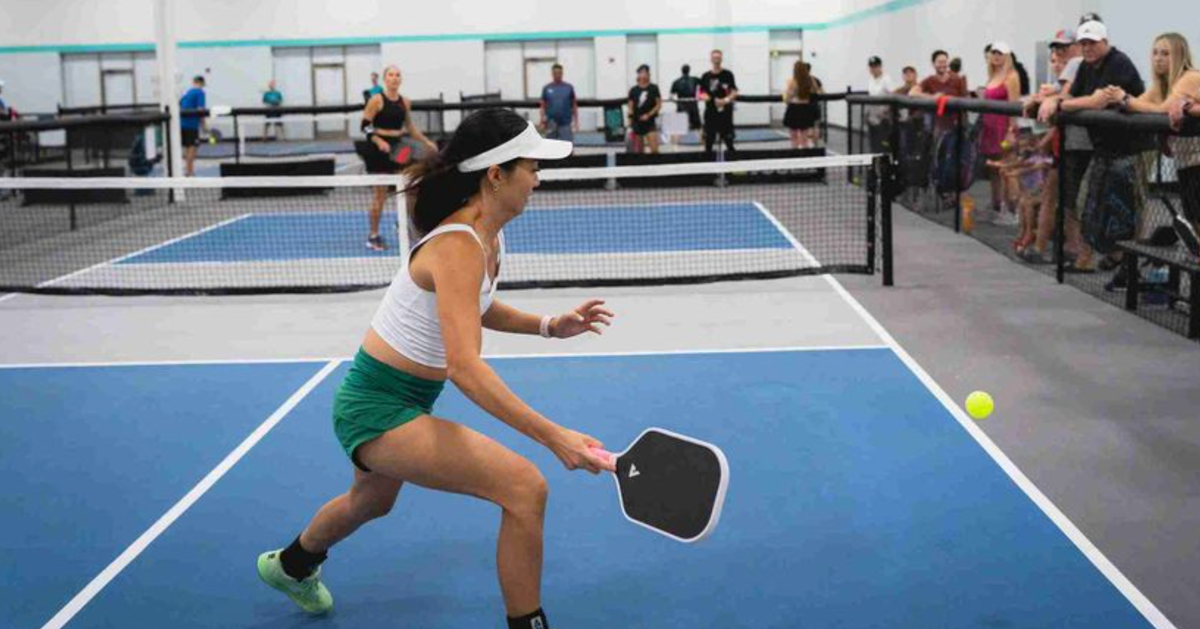
How to Win Dinking Rallies in Pickleball
Knowing how to win dinking rallies in pickleball separates reactive players from players who actually control the point. This guide breaks down the placement targets, patience principles, and attack triggers that make dinking a genuine weapon.
 The Dink PickleballThe Dink Media Team
Sign 2: You Live in No Man's Land After the Serve
The tell: you're still standing at the baseline on the fifth shot. Passive players don't just hit soft.
They stand still, and court position quietly decides more points than shot quality does. Quick rules refresher, because it matters here.
The two-bounce rule means the receiving team must let the serve bounce and the serving team must let the return bounce before anyone can volley.That's two forced bounces, and it's exactly why the third shot exists as a problem to solve.
The non-volley zone extends 7 feet from the net on each side, and you can't volley while standing in it or touching the line.If the kitchen rules still trip you up, that uncertainty alone will keep your pickleball strategy stuck behind the baseline.
So the whole game is a race to that line. Getting to the kitchen after your third shot isn't optional. It's the point.
How Do You Stop Getting Stuck in the Transition Zone?
Move forward with purpose, and reset from a split step rather than from a dead stop. Most players hit a decent drop and then admire it.
Admiring it is how you end up trapped in the midcourt taking balls at your ankles.
The better habit: hit, step in, split, read. If the ball comes back low, execute the midcourt reset and keep creeping.If it comes back high, that's your attack. Winning the transition zone is less about shot quality than about refusing to stop moving.
And if your third shot drop is the thing stalling you, try hitting it with intention instead of just getting it over.A drop that lands deep in the kitchen buys you two steps.
A drop that floats buys your opponent a free attack, and suddenly you're ball-watching instead of attacking.
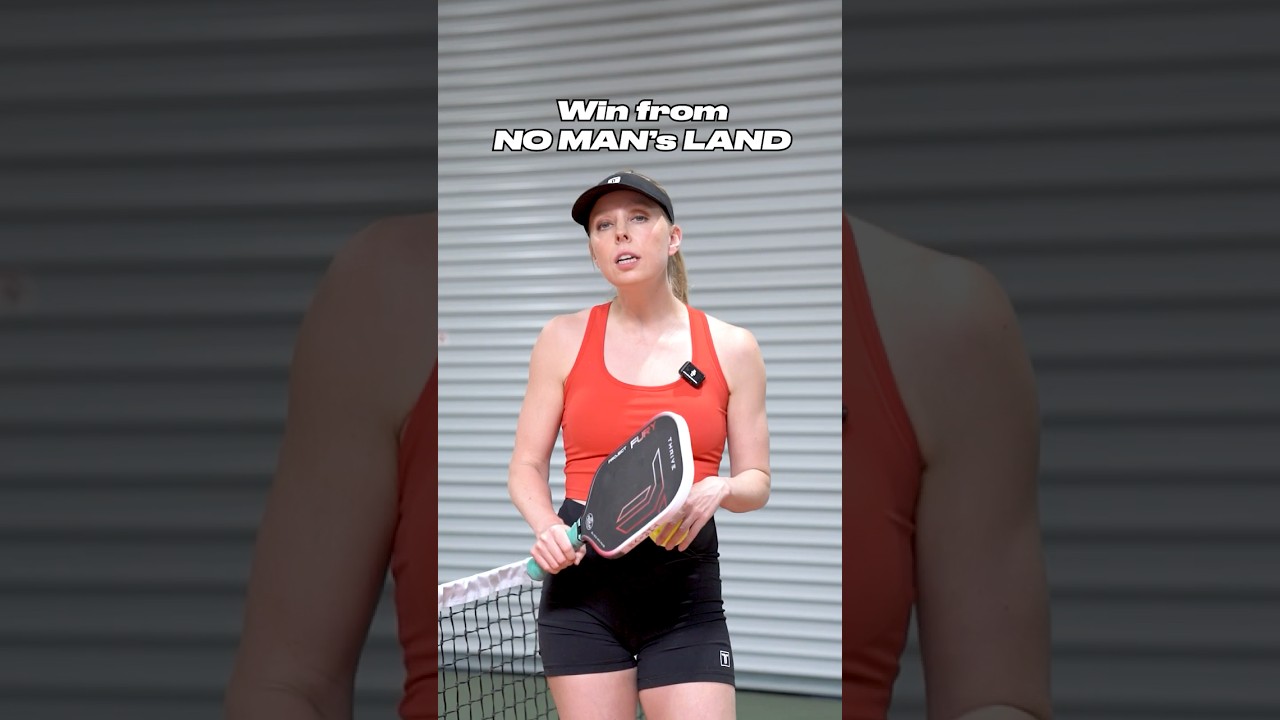
The Pickleball No Man’s Land: Pro Escape Strategy Guide
No man’s land pickleball is where most players panic and lose points unnecessarily. Learn how to survive the midcourt zone and reset your way to the kitchen.
 The Dink PickleballThe Dink Media Team
Sign 3: Every Dink Goes Cross-Court to the Same Spot
The tell: your dink pattern is predictable enough to set a watch by.
Cross-court dinking is the safest shot in pickleball. Longest court, lowest net in the middle, most margin.
Which is exactly why passive players hit it ninety times in a row.
Here's the catch. A dink that never changes does zero damage.
Your opponent builds rhythm, steps in, and starts controlling the kitchen line while you're still playing catch.
What Makes an Aggressive Pickleball Strategy at the Kitchen?
Placement and timing, not pace. The three changes that break a passive dink pattern:
- Go behind them. Hit the line dink after three cross-court exchanges. Most players lean cross-court and get caught flat-footed.
- Target the right hip. Jamming a right-handed player's dominant shoulder forces an awkward backhand or a weak pop-up, and it's one of the best spots to attack from a dinking exchange.
- Hold the ball. Disguising your dink until the last moment freezes opponents who are already guessing.
Then there's the speed-up, which most passive players either never use or use at the worst possible time.
Speed-ups fail when they come off a low ball or when your partner isn't ready. They work when the ball sits above the net and you've already picked the target.Attacking from the kitchen line like a 5.0 means attacking fewer balls, better.
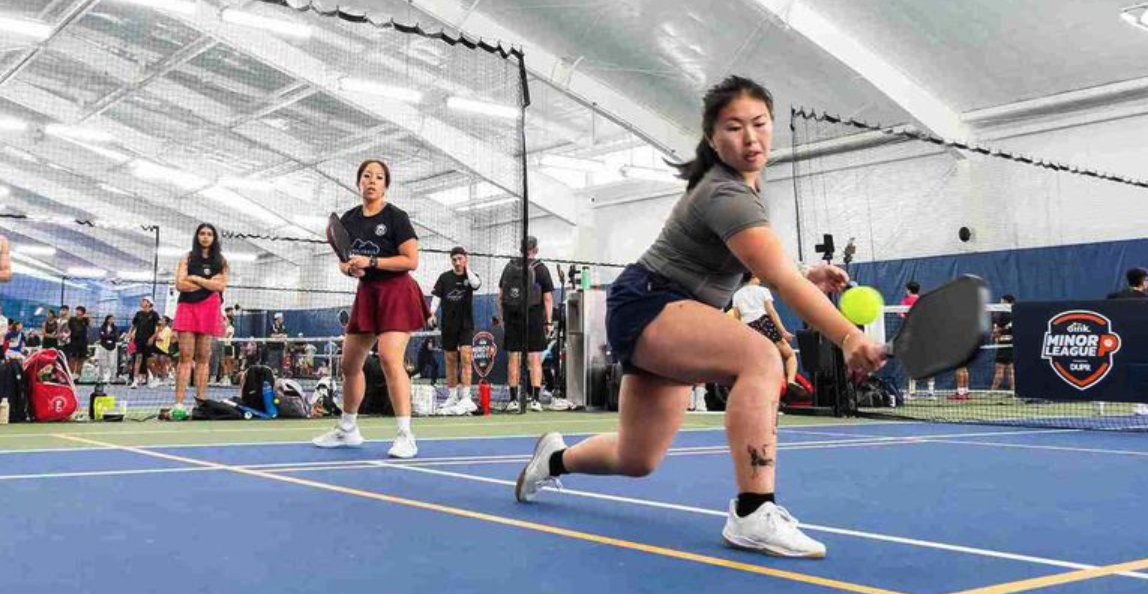
Cross-Court Strategy in Pickleball: Advanced Shot Tips
Cross-court strategy in pickleball is the difference between a rally you control and one you’re just trying to survive. This guide breaks down the geometry, the shot calls, and the drills that make cross-court strategy in pickleball a habit instead of an accident.
 The Dink PickleballThe Dink Media Team
How Do You Build a More Aggressive Pickleball Strategy Without Getting Reckless?
Add pressure one layer at a time, and keep your error rate honest. The goal isn't to become a banger. It's to stop outsourcing every decision.
Start by auditing one match. Count how many balls you attacked versus how many you could have. Most players find the gap embarrassing.
Then work on controlled aggression, which is the actual skill separating 4.0 from 4.5.
It's also worth being honest about fit.
Researchers at Simon Fraser University noted in a 2025 pickleball analytics review that the right tactic depends on a player's execution ability, athleticism, and opponent.A pickleball strategy that works for your partner may not work for you. Test, don't copy, and borrow from the offensive kitchen tactics that actually suit your hands.
The Pickleball Strategy Drill That Fixes Passive Play
Play games to 11 where you only score on a ball you attacked. Reset all you want, dink all you want, but the point only counts if you ended it with intent.
You'll lose the first few. You'll also stop flinching.
Pair that with drills that build decision speed rather than just consistency. Consistency without aggression gets you a very reliable loss.And if you're not sure which balls are even attackable, study the dos and don'ts of attacking before you start swinging at everything.
One more honest note: becoming harder to attack matters just as much. Being unattackable is what lets you take risks elsewhere without bleeding points.
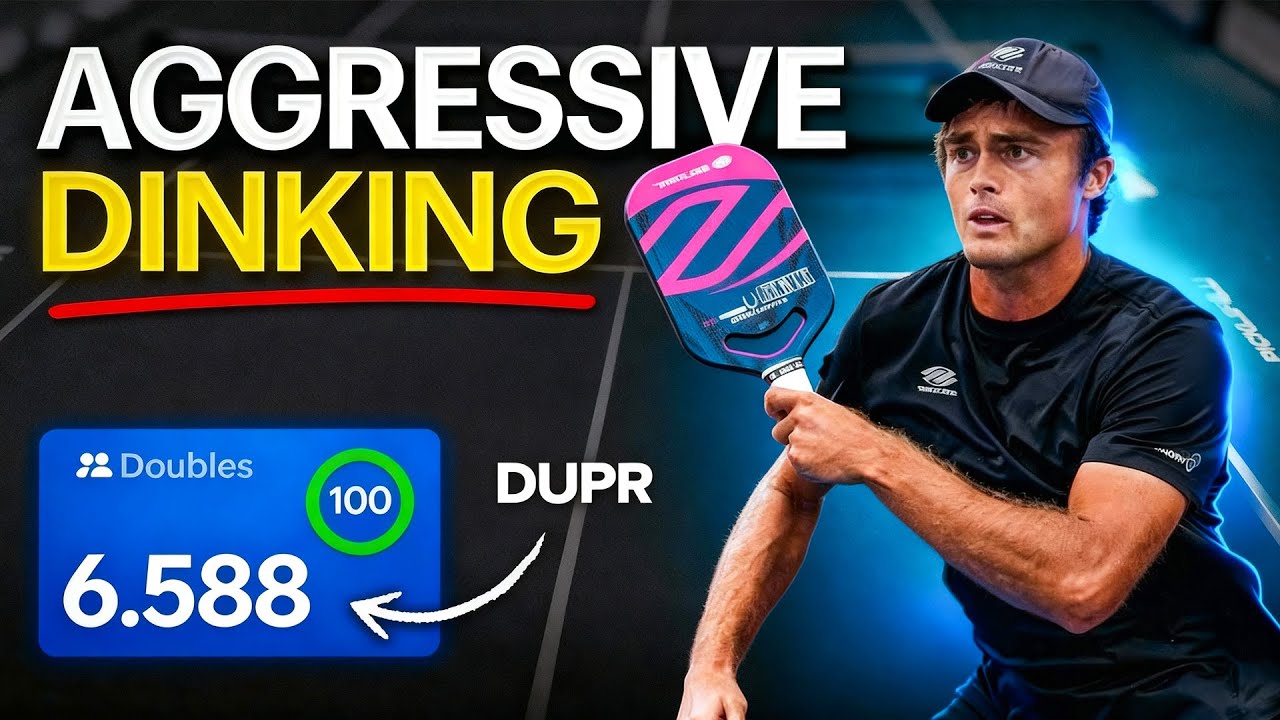
Avoid These 3 Deadly Mistakes to Master Aggressive Dinking
The aggressive dink isn’t about overpowering your opponent. It’s about creating pressure through placement, using deception to keep them guessing, and understanding when to attack versus when to reset
 The Dink PickleballAlex E. Weaver
Key Takeaways
- A passive pickleball strategy means choosing the safest shot even when the ball offers an opportunity, which is different from playing defense when you're actually in trouble.
- The three signs: you only win on opponent errors, you stall out in the transition zone, and your dinks follow the same cross-court pattern every rally.
- Fix sign one with a pressure quota of three intentional attacks per game.
- Fix sign two by moving forward after every third shot and resetting from a split step.
- Fix sign three with line dinks, hip targeting, and held dinks that disguise direction.
💡
Heads up: hundreds of thousands of pickleballers read our free newsletter.
Subscribe herefor cutting edge strategy, insider news, pro analysis, the latest product innovations and more.
Frequently Asked Questions
Is playing patiently the same as playing passively in pickleball?
No. Patience means waiting for the right ball and then taking it. Passive play means letting that ball go by because taking it feels risky. The difference shows up in whether you ever convert a good opportunity into pressure.
How do I know if my pickleball strategy is too passive?
Track one game. Count the balls you attacked and the balls above net height that you chose to dink instead. If the second number is much larger, your pickleball strategy is leaning passive and you're leaving points on the court.
Does being aggressive mean hitting harder in pickleball?
Not at all. Aggression is about placement, timing, and taking the ball earlier. A well-placed dink at someone's feet applies more pressure than a hard drive they can block back. Pace without a target is just a free ball for your opponent.
What's the fastest fix for passive play?
Set an attack quota. Three intentional attacks per game, win or lose. It forces you to look for opportunities rather than react to them, and the habit transfers faster than any technique change.
Should beginners worry about playing too passively?
Not immediately. Below 3.0, consistency genuinely wins matches. Start adding intentional pressure once opponents stop handing you unforced errors, usually around the 3.5 mark, so the habit is built before it becomes a ceiling.
Anuncie Aqui / Advertise Here
Sua marca para o mundo Pickleball! / Your brand for the Pickleball world!




 English (US) ·
  Portuguese (BR) ·