
 English
  Spanish
  Portuguese
  German
  Italian
  Japanese
  French
  Polish
  Russian
  Netherlands
  Hungarian
  Turkish
  Videos
  Thedink Pickleball

These three pickleball volley mistakes show up in almost every player's game. Fix your targeting, your backswing, and your foundation and your volleys will look completely different.
If your pickleball volley mistakes are showing up as balls dumped into the net or blasted four feet long, you are not alone.
These are the two most common volley errors coaches see at every level, and both are fixable with specific mechanical changes.
There is also a third error that most players overlook entirely: what happens with your body while you are swinging.Fix all three and your volleys will become one of the most reliable weapons in your game.
This breakdown comes from Tony Roig Pickleball on YouTube, where Tony draws on years of full-time coaching to walk players through exactly what is going wrong and how to correct it.
Love pickleball? Then you'll love our free newsletter. We send the latest news, tips, and highlights for free each week.
Why Most Volley Advice Misses the Point
When your volley goes into the net, the obvious answer is "stop pulling the paddle down."
That is technically correct but completely useless without a replacement behavior to attach to it.
What you actually need is a targeting system, a footwork fix, and a compact swing.Those are the three things that produce clean, reliable volleys, and they show up in almost every serious breakdown of the shots you must master before 2026.
Let's work through each one.
Mistake 1: Your Target Is Too Low
The most common cause of volleys going into the net is simple: you are aiming too low.
When you do not pick a specific target over the net, your paddle naturally pulls downward through contact and the ball follows it.
The fix is to raise your target. Instead of thinking about where you want the ball to land on the other side, focus on how high above the net tape you want the ball to clear.Tony recommends using at minimum a paddle-width of clearance over the net as your target.
In many situations, a full paddle height above the net tape is a smarter target, especially when you are under pressure.This idea is not just about arc.
The Best Pickleball Players Aren’t Following the Rules Anymore
Modern pickleball isn’t won by coloring inside the lines. More and more, the most successful players are also the most creative.
 The Dink PickleballZoey Weil
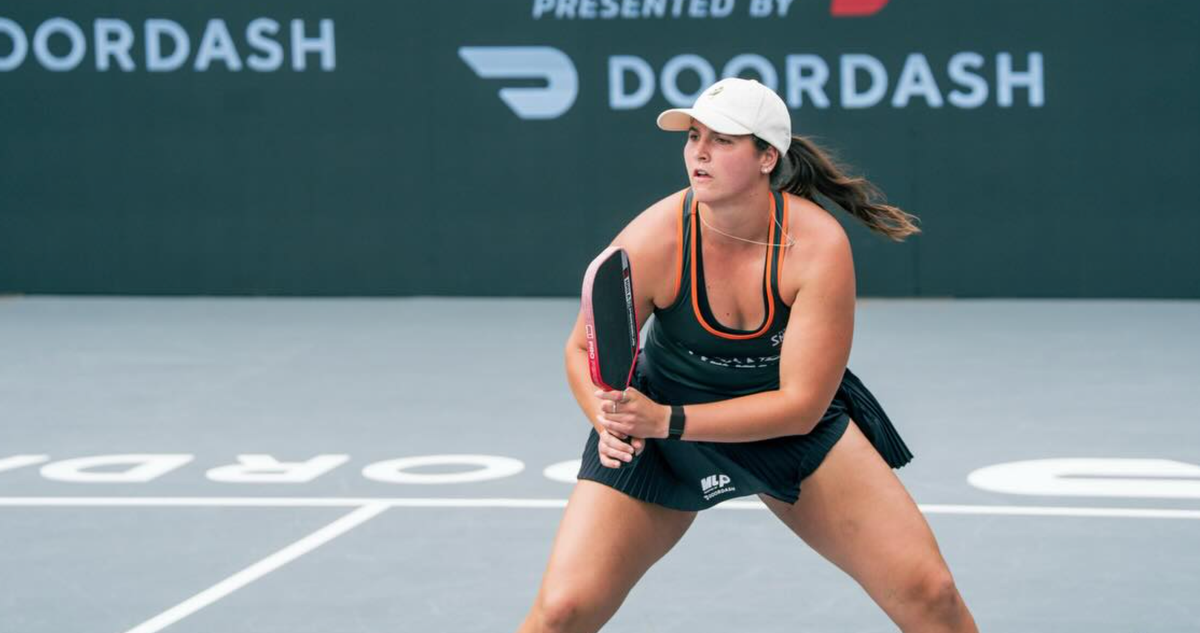
It is about building what Tony calls intentionality into your pickleball, the same principle behind the four key strategies to winning in 2026.
Most players swing and hope.
Players who pick specific targets take control of the outcome.Here is how to build this habit into your game:
- Before every volley, visualize a specific clearance point above the net tape
- Use at least one paddle-width of clearance as your floor, not your ceiling
- On difficult or stretched volleys, increase your target height to create more margin
- Stop thinking about where the ball lands and start thinking about where it travels over the net
This one shift alone, targeting high over the net with intention, will reduce your net errors significantly.
Players who start applying this consistently report feeling more in control of every shot they hit, and it pairs directly with a simple 4-step system to win more games in 2026.
If you want to understand why your shots keep popping up, the same targeting logic applies in reverse.
💡
Need some new pickleball gear? Get 20% off select paddles, shoes, and more with code THEDINK at
Midwest Racquet SportsMistake 2: You Are Not Moving Your Feet Laterally
Lateral footwork is the second cause of volleys going into the net, and it surprises most players to hear that footwork is a mechanical issue for volleys at all.
You might assume volleys are all about the arm. They are not.Here is what happens when you skip the lateral step. A ball comes to your right, you reach for it without moving your feet, and your far shoulder dips.
When that shoulder drops, your paddle angle drops with it, and the ball goes into the net.The solution is simple: take the step. Even a half-step in the direction of the ball keeps your shoulders level.
Level shoulders mean your paddle stays at the correct angle through contact, which is why footwork drills lead off the 12 drills you need to play your best pickleball in 2026.
This is also why backing up on your backhand volley causes so many errors.
Movement patterns away from the ball create the same shoulder-drop problem from a different direction.
Combine the footwork fix with the higher target from Mistake 1 and you have a powerful one-two solution to net errors.
Slide over, keep shoulders level, extend the paddle toward a high target.
Traction matters here too, which is why the best men's pickleball shoes of 2025 all prioritize lateral support.
How to Improve Pickleball Footwork: 5 Pro Drills
Pickleball footwork drills are the fastest way to close the gap between your shot-making ability and your actual on-court results. Here are five drills that competitive players use to move faster, recover quicker, and stop giving away free points.
 The Dink PickleballThe Dink Media Team
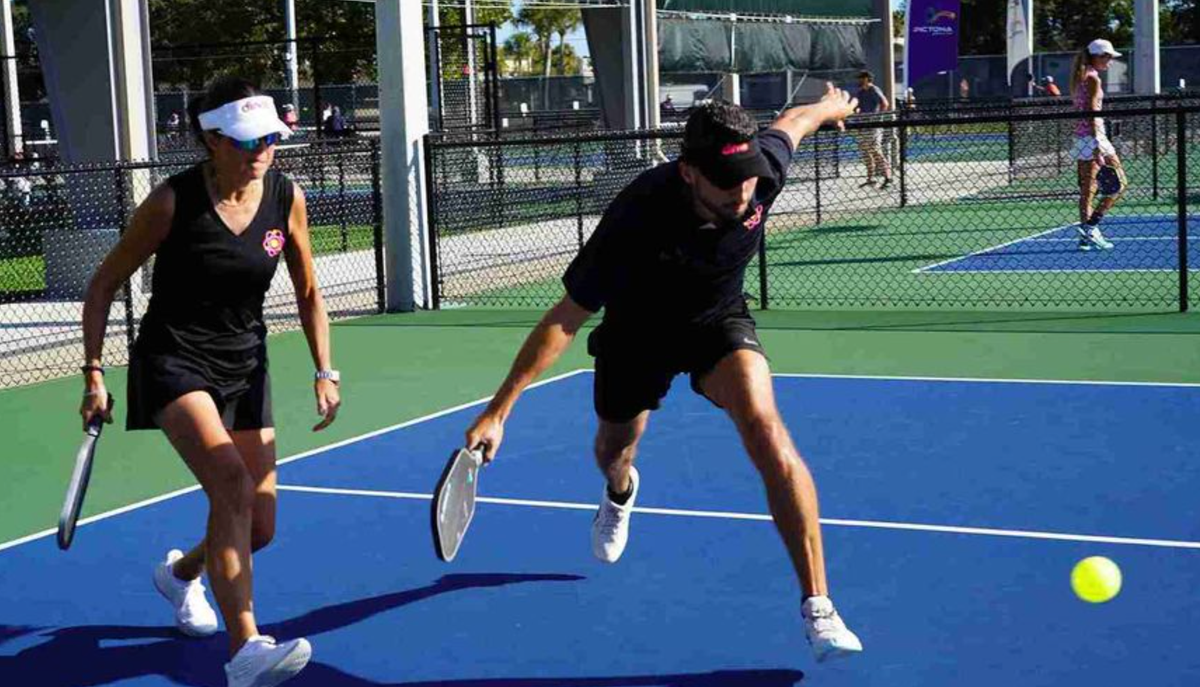
Why Do My Volleys Keep Going Long?
If your problem is volleys sailing out of bounds rather than hitting the net, the cause is almost always a trajectory error, not an energy error.
Most players assume they hit the ball too hard. That is rarely the real issue.The real issue is too much backswing.
When you pull the paddle back for a volley, the face opens up.
Now you have to actively close that face back down before contact, and if the timing is even slightly off, the open paddle launches the ball well past the baseline. Every time.This is the key distinction Tony makes between energy and trajectory.
You can hit the ball at the exact same speed and produce completely different results just by changing your paddle angle at contact.
A big backswing creates a built-in trajectory problem that is very hard to fix mid-swing.
It is the same mechanical logic behind why pros abandoned the slice shot in 2025: extra motion equals extra risk.
Here is how to reduce your backswing on volleys:
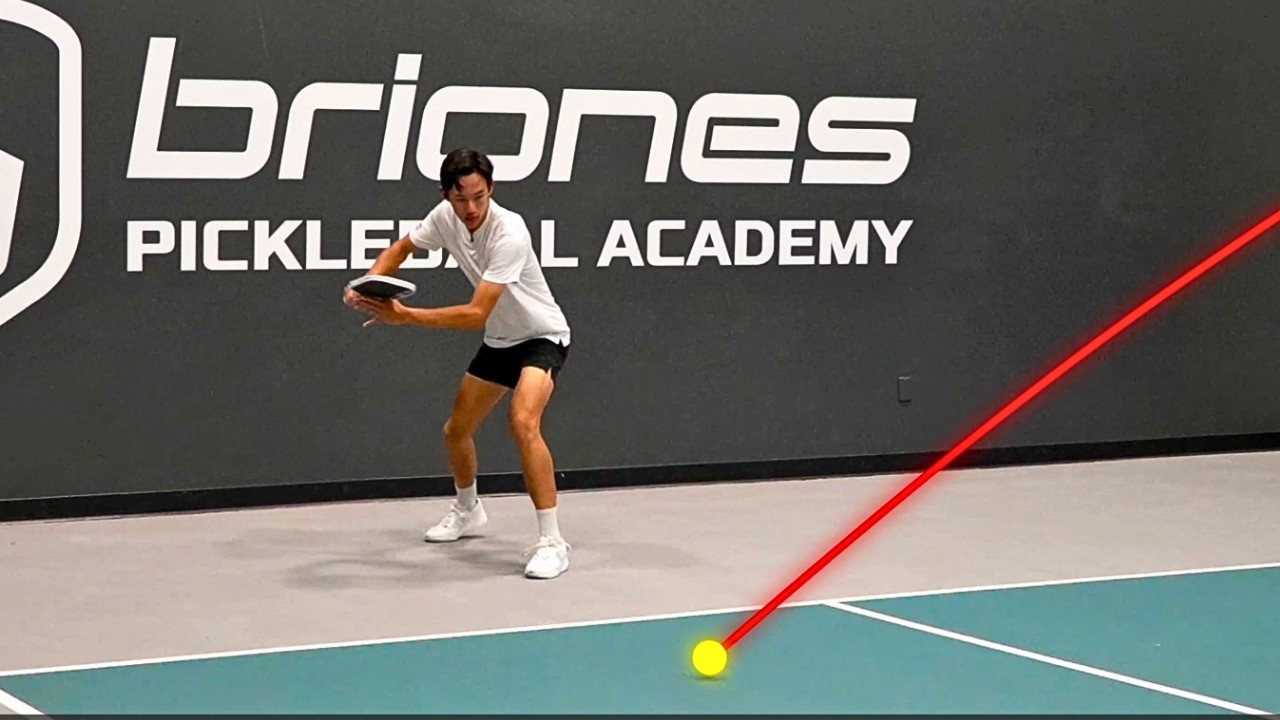
- Start with your paddle already forward, positioned in front of your body before the ball arrives
- Keep your backswing at or inside your shoulder line, not behind it
- Think "block" or "punch" rather than "swing," because compact strokes are more consistent
- Ask yourself what is the least amount of motion needed to execute this volley effectively
Any motion that is not necessary for the shot is surplus, and surplus motion creates errors.
If you are seeing a similar pattern with your forehand drives going long, this piece covers the same concept from a different angle.
Compact mechanics also show up across the 6 essential shots to master for 2026.
Backhand Volley Fixes That Stop Bangers at the Kitchen
If hard shots at the kitchen are beating you on the backhand side, the problem is almost never your paddle. These backhand volley fixes will help you block bangers cleanly and with confidence.
 The Dink PickleballThe Dink Media Team
What Is "Foundation" in Pickleball Mechanics?
Foundation is the connection between your feet and your paddle swing, running through your hips and shoulders.
It is the part of your mechanics that most players have never been taught to think about.Tony breaks the pickleball volley into three mechanical components:
- Footwork: moving your body into position before contact
- Foundation: keeping your body stable while you hit
- Paddle swing: the compact motion that produces the shot
Most coaching focuses on the swing.
Very little coaching addresses foundation, which is why so many players fix their arm motion and still spray shots everywhere.Worth noting: none of this changes with rulebook updates, though you should still know the 7 new USAP rules for 2026 before your next tournament.
According to the official USA Pickleball rulebook, the volley definition itself has not moved.
Perfecting Pickleball Posture: The Foundation for Better Control and Balance
These aren’t flashy techniques. They won’t win you a point on their own. But they’re the infrastructure that makes everything else work.
 The Dink PickleballThe Dink Media Team
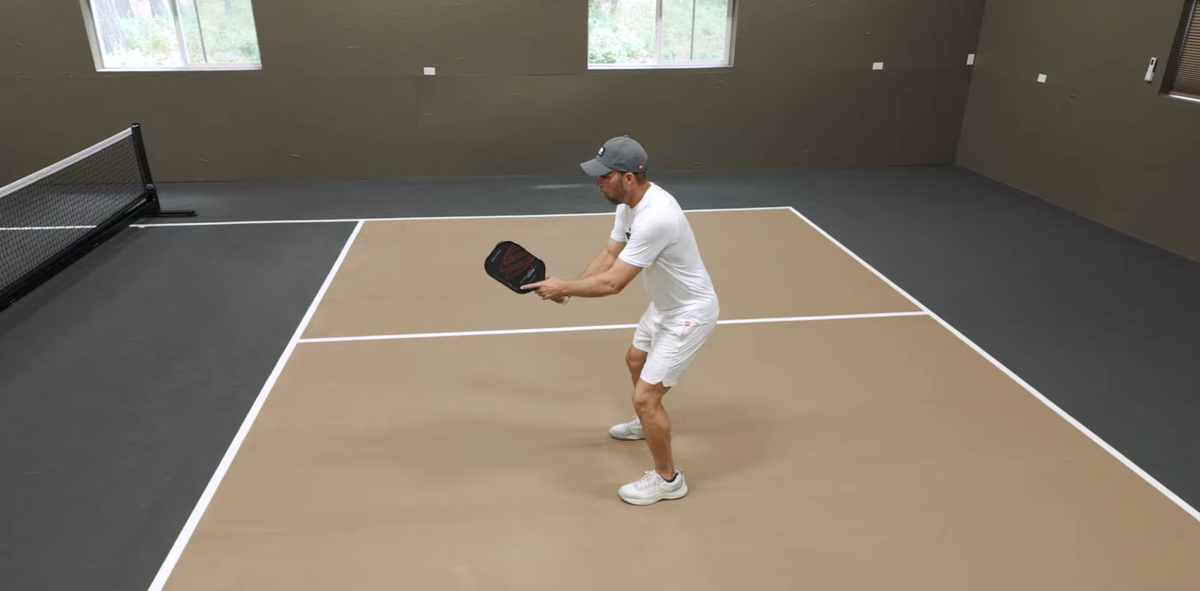
Mistake 3: Your Body Is Moving When It Should Be Still
This is the mistake that undermines everything else.
You do your footwork, you take a compact swing, but your body is rotating, pumping, or pulling back through the shot.
That movement destroys any chance of clean contact.
The fix is to complete your footwork first, then lock in your body and volley from a stable position.Whether you are blocking a hard shot or punching a put-away, your core needs to be quiet through the moment of contact.
Think of it this way. Your footwork gets you to the right spot. Your foundation holds you there.Your swing finishes the job. All three have to happen in sequence, not simultaneously.
This is part of why block volleys against hard hitters are so difficult for recreational players.
When a banger is firing at you, the instinct is to move your whole body to absorb the pace. That instinct works against you.
Stable body, compact swing, high target.That is the formula, and it is a big part of why the modern pickleball volley looks nothing like it did in these clips of pickleball in the 1980s vs 2025.
For players who also struggle with backhand volleys at the kitchen, body stability is almost always the missing piece there too.
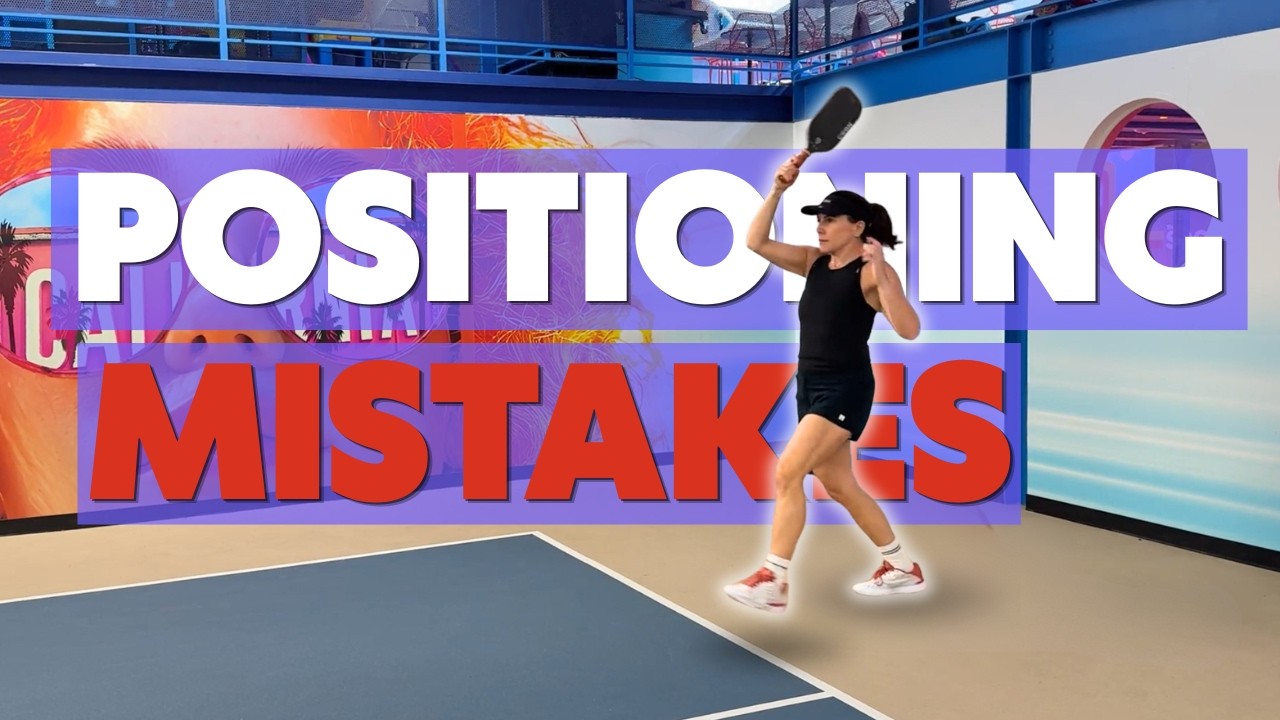
7 Pickleball Positioning Mistakes Hurting Your Game
Most pickleball positioning mistakes have nothing to do with your strokes. Fix these 7 court positioning errors and you will win more points immediately.
 The Dink PickleballThe Dink Media Team
How to Put All Three Fixes Together
These three mistakes do not operate in isolation.
They stack on top of each other, which is why volleys can feel so inconsistent even when you think you are doing something right.
A player who has the footwork fix but no target is still going to net the ball.
A player who targets high but has a big backswing is still going to sail shots long. You need all three working together.
Here is the sequence to practice:
- Move first. Take your lateral step before the ball arrives. Keep shoulders level.
- Set your paddle early. Keep the backswing compact, paddle face in front of your body.
- Lock your foundation. Stop moving your body once you are in position.
- Pick your target over the net. Minimum one paddle-width of clearance, more if you are stretched.
- Extend toward the target. Let the contact happen as a result of moving the paddle toward where you want the ball to go.
Start with whichever error is your most frequent one. If your volleys go into the net consistently, start with the target fix and the lateral footwork.
If they fly long, start with the backswing reduction.
If your errors are inconsistent and seem random, foundation is almost certainly the culprit.
Tighten your body through contact and watch how quickly your consistency improves.
Players working on reducing unforced errors across their whole game will find these three volley fixes fit directly into that larger framework.
Based on SFIA's national participation research, pickleball's growth curve means you are competing against more trained players every season, and 26 pro pickleball predictions for 2026 point the same direction.
For those specifically wanting to stop getting attacked on their put-away opportunities, this breakdown of forehand volley mechanics pairs well with what you just learned here.
Senior players will also want to check out this resource on adjustments that help seniors beat younger players, since stable foundation and efficient footwork become even more important as you get older.
And if you want a broader look at the habits separating recreational players from stronger competition, these are worth reviewing after you have put these pickleball volley fixes into practice.Rule familiarity helps too, so skim the 2025 USA Pickleball rule book changes while you are at it.
None of this requires hours of drilling to see results. Pick your problem, apply the fix, and take it into your next session with a specific target in mind.
You will feel the difference immediately.
💡
Heads up: hundreds of thousands of pickleballers read our free newsletter.
Subscribe herefor cutting edge strategy, insider news, pro analysis, the latest product innovations and more.
Frequently Asked Questions
Why do my pickleball volleys keep going into the net?
The two most common causes are pulling the paddle downward through contact and failing to take a lateral step toward the ball. Both problems cause your shoulder to drop, which drags the paddle angle down. Fix your target height and your lateral footwork first.
Why do my volleys keep going out of bounds?
A volley that sails long is almost always a trajectory problem caused by too much backswing. When you pull the paddle back past your shoulder, the face opens and you have to time the close perfectly or the ball flies out. Shorten the backswing and keep the paddle in front of your body.
What is the correct target for a pickleball volley?
Aim to clear the net by at least one paddle-width as a minimum. In many situations, clearing by a full paddle height is smarter, especially when you are off-balance or stretched wide. Picking a specific clearance point gives your swing direction and reduces net errors dramatically.
What does "foundation" mean in pickleball mechanics?
Foundation refers to keeping your body stable and still at the moment of contact. It connects your footwork, which gets you to the right spot, with your paddle swing, which produces the shot. If your body is rotating or shifting through contact, even a technically sound swing will produce inconsistent results.
How do I stop making unforced errors on volleys during a real match?
Focus on one fix at a time during match play. If net errors are your pattern, commit to a higher target over the net on every volley. If long errors are your pattern, consciously shorten your backswing before each ball arrives.
Trying to fix all three issues at once during competition will make things worse before they get better.
Anuncie Aqui / Advertise Here
Sua marca para o mundo Pickleball! / Your brand for the Pickleball world!




 English (US) ·
  Portuguese (BR) ·