
 English
  Spanish
  Portuguese
  German
  Italian
  Japanese
  French
  Polish
  Russian
  Netherlands
  Hungarian
  Turkish
  Videos
  Thedink Pickleball

Being a 3.5 pickleball player who practices constantly but never improves is one of the most frustrating experiences in the sport. These four fixes target the real reasons your rating isn't moving.
If you are a 3.5 pickleball player who practices three or four times a week and still loses to the same people in the same situations, the problem is not your mechanics.
The problem is what you are asking your mechanics to do.
Most players at this level hit balls without ever training the decision behind the shot.
They work on touch, on form, on footwork, and then wonder why nothing transfers into real games.
That's the trap almost every player falls into at this level, and it's exactly why the jump from 3.5 to 4.0 feels so hard to make.This breakdown comes from Cliff Pickleball on YouTube, and it cuts through four specific habits keeping players trapped at 3.5.
There is also a 30-day plan at the end so you walk away with something to actually work on.
Love pickleball? Then you'll love our free newsletter. We send the latest news, tips, and highlights for free each week.
Reason 1: You Practice Shots, Not Decisions
Here is the real gap between a 3.5 and a 4.0 player: it is not mechanics. A 4.0 player reads the situation faster and makes the right call before contact.
You can hit 100 drops in a drill and feel great about your touch.
Then in a match, the ball is short, your opponent stays back, and you still roll out the same drop you practiced because that is the only response you trained.
The ball is never the same ball twice in a real game. You need to train your eyes and your decision-making, not just your hands.
The fix: Have your partner feed you different balls, and before the ball bounces, call your shot out loud.Say drive, drop, reset, or leave. You are not just training contact.
You are training the read that comes before contact.
This is the drill most players at your level have never done.
If you want to understand what actually causes unforced errors, this decision gap is almost always at the root of it.
Fix this one habit and you stop being a 3.5 pickleball player who just repeats drills. You start reading the game instead.Reason 2: You Attack the Ball, Not the Position
This one is where most 3.5 players waste their best opportunities.
You see a high ball and you fire it hard, straight at your opponent who is already balanced, paddle ready, and perfectly set to redirect anywhere they want.
You did not attack them. You attacked their strongest position. That is a bad trade every time.
Before you speed up, run through three checks:
- Is your opponent balanced or off-balance?
- Where is their paddle sitting right now?
- What space opens up after your attack lands?
Sometimes the right ball goes to the hip. Sometimes it goes to the shoulder.
And sometimes the right play is to move them first and attack the ball they give you next.
The Best Pickleball Players Aren’t Following the Rules Anymore
Modern pickleball isn’t won by coloring inside the lines. More and more, the most successful players are also the most creative.
 The Dink PickleballZoey Weil
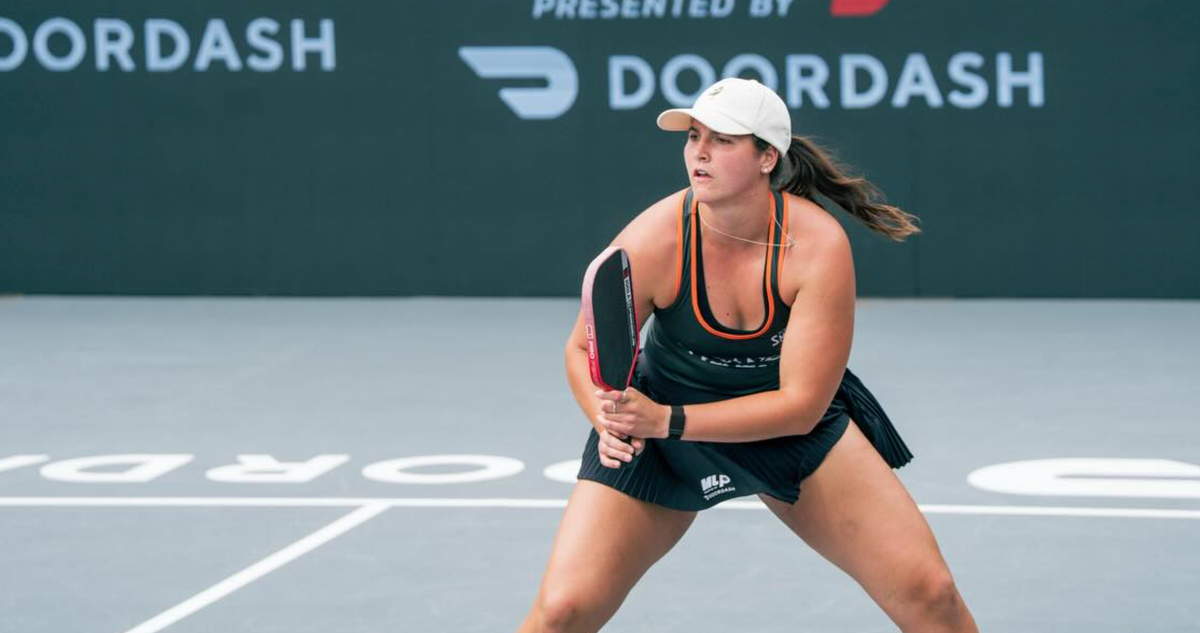
You are not looking for a ball you can attack. You are looking for a position you should attack. That shift in thinking alone will change how you see the game.
This single adjustment is one of the four key strategies that separates a stuck 3.5 pickleball player from a rising 4.0 pickleball player.Understanding why your speed ups keep getting attacked usually comes back to this exact problem. You are picking the wrong moment, not throwing the wrong shot.
For a closer look at where to aim when you do attack, body shot targeting gives you a clear framework for creating real pressure.
💡
Need some new pickleball gear? Get 20% off select paddles, shoes, and more with code THEDINK at
Midwest Racquet SportsReason 3: You Do Not Respect the First Three Shots
Most rallies are already lost before the soft game begins. Nobody talks about this enough.
Players miss serves because they are chasing power. They push the return trying to hit a winner.Then they stand at the kitchen wondering why they cannot reset, never connecting the dots back to the first few shots that created the mess.
The beginning of the rally created the problem. You just did not notice it until four shots later.
Here are the three priorities to lock in on every rally:
- Serve: Focus on depth and consistency. Not spin, not power. Deep and in.
- Return: Give yourself enough margin to get to the kitchen. That is the only job the return has.
- Third shot drop: If you are still building your game, this is the shot. Not the ATP, not the Ernie. A consistent, deep, patient drop.
You cannot run advanced strategy if you are losing points on the first three balls. Fix the foundation first.
If your third shot needs work, this apex fix for the third shot drop is one of the most practical corrections you can make.
And if you want to understand when to drop versus drive, the three-zone system makes that decision much simpler.
For the return specifically, these five keys to a return that creates offense will help you stop leaving yourself stuck at the baseline before the point even gets going.
A 3.5 pickleball player who tightens up these first three shots usually sees their pickleball rating move within a few weeks, not months.Perfecting Pickleball Posture: The Foundation for Better Control and Balance
These aren’t flashy techniques. They won’t win you a point on their own. But they’re the infrastructure that makes everything else work.
 The Dink PickleballThe Dink Media Team
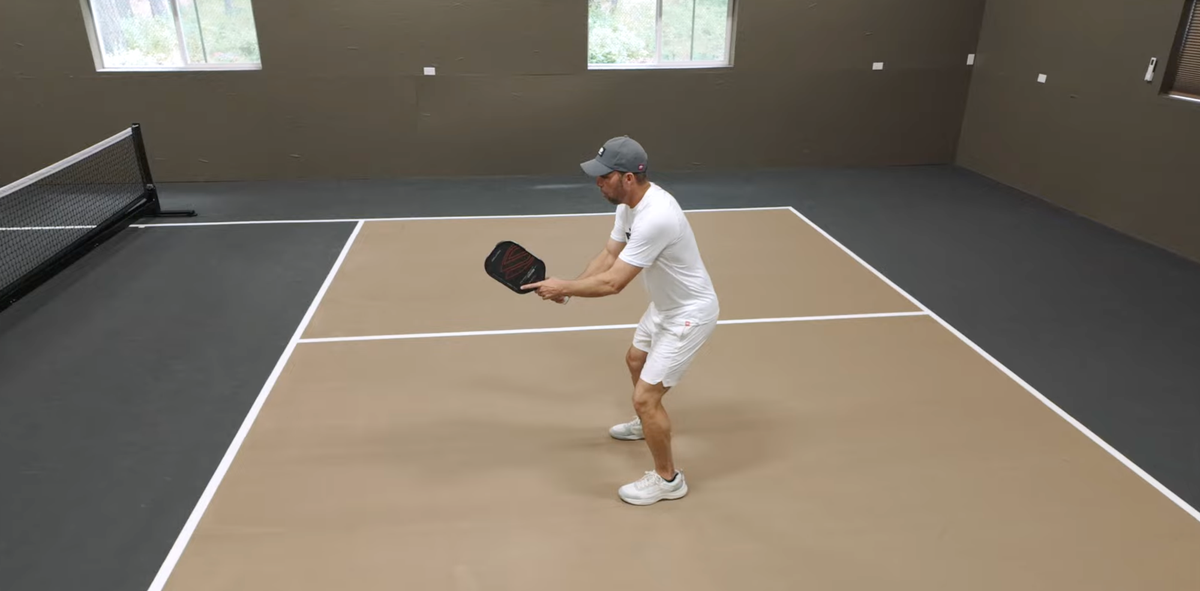
Reason 4: You Play Every Ball at the Same Speed
This is the one that takes about 30 seconds to spot when watching someone play. Some players hit everything hard. Others make everything soft.
Both of those patterns are completely predictable, and predictable players lose, not because their shots are bad, but because their opponents can read everything coming.
Advanced players change the pace of the game on purpose. A slow ball can create a fast opportunity. A hard ball can produce a soft response.A deep dink moves your opponent back. A short dink pulls them forward. A body attack opens the sideline.
You are not waiting for opportunities. You are building them through sequencing.
Here is the pattern to start practicing right now:
- Hit two neutral dinks to keep the exchange going.
- Push one deeper to move your opponent back.
- Watch which way they lean or shift.
- Attack the space they just left open.
Your speed up is now connected to a setup, not a random reaction. That is how better players create opportunities instead of hoping for them.
If your dink game needs more variety, these topspin dink keys show you how to turn a neutral shot into pressure.
And for understanding how to string shots together with purpose, mastering two-shot combinations is exactly the kind of pattern work this reason calls for.
Change your pace on purpose and you'll instantly feel less like a predictable 3.5 pickleball player and more like someone testing for 4.0.
5 Pickleball Speed-Up Fixes for Instant Offense
The best pickleball speed up comes from hitting less of the ball, not swinging harder. Here are five fixes that put the ball down fast off the bounce.
 The Dink PickleballThe Dink Media Team
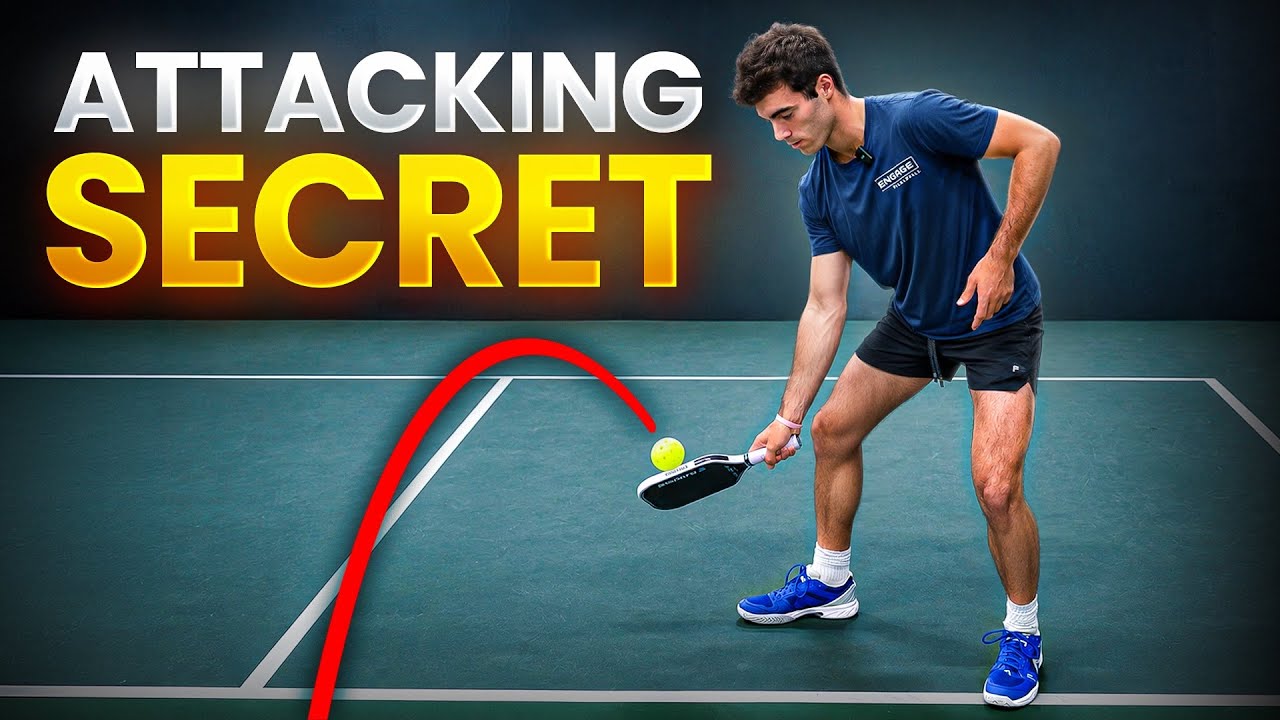
The 30-Day Plan to Actually Move Your Rating
Thinking about these four reasons is not enough. Here is what to do with them across four weeks.
Pair this plan with the 12 drills you need to play your best pickleball in 2026 and you'll give your practice time real direction instead of random reps.
- Week 1: Track your unforced errors on the first four shots of every rally. Do not fix anything yet. Just count them and see where the actual problem lives.
- Week 2: Practice calling your decision out loud before contact during every drill. Drive, drop, reset, or leave. Say it before you swing.
- Week 3: Pick one two-shot combination and repeat it. No random attacks. One setup shot, one finish, same pattern over and over.
- Repetition builds the instinct.
- Week 4: Record one full game and watch it back. Count how many points you lost from a bad decision, not a bad shot. You are going to discover something important.
Your mechanics are not your biggest problem. The biggest problem is what you are asking your mechanics to do.
Moving from 3.5 to 4.0 is not about collecting more shots. It is about becoming more disciplined with the ones you already have.
Better players do not always hit a more impressive ball. They hit the correct ball more often.
That discipline is what finally moves a 3.5 pickleball player into confident 4.0 territory, and it rarely happens by accident.If you want to see what habits separate the next level from yours, these seven habits keeping intermediate players stuck are worth reading alongside this plan.
For players who want to understand the 4.0 to 4.5 jump specifically, these five shots every 4.0 player needs lay out what comes next.
And once these habits are fixed, six essential shots to master for 2026 is a natural next step for anyone making the 3.5 to 4.0 climb.And if you want to track whether any of this work is actually paying off, this guide on tracking progress without obsessing keeps you focused on what matters.
💡
Heads up: hundreds of thousands of pickleballers read our free newsletter.
Subscribe herefor cutting edge strategy, insider news, pro analysis, the latest product innovations and more.
Frequently Asked Questions
What is the biggest difference between a 3.5 and a 4.0 pickleball player?
The biggest difference is decision speed, not shot quality. A 4.0 player reads the situation before the ball arrives and picks the right shot for that specific moment. A 3.5 player typically reacts to the ball itself rather than the situation around it.
Why do I keep losing the same points even when I practice regularly?
You are likely practicing shots without practicing decisions. If your drills do not force you to read the situation and choose a response, your touch improves but your judgment stays the same. Adding a verbal call before contact in every drill is one of the fastest ways to close that gap.
What is the third shot drop and why does it matter so much?
The third shot drop is a soft, arcing shot hit by the serving team that lands in or near the kitchen, forcing the returning team to hit upward. It is the most important transition shot in doubles pickleball because it allows the serving team to move forward safely. Without a reliable drop, you will stay pinned at the baseline while your opponent controls the kitchen line.
How do I stop being predictable at the kitchen?
Vary the speed, depth, and direction of your dinks rather than falling into a rhythm your opponent can read. Practice a setup-and-finish pattern where two neutral shots lead to one that moves your opponent, then attack the space they leave. Changing pace on purpose is what separates players who create pressure from players who just keep the ball in play.
How long does it take to move from 3.5 to 4.0 in pickleball?
There is no fixed timeline, but players who focus on decision training and first-shot consistency typically see rating movement within two to four months of deliberate practice. The key word is deliberate. Casual repetition without structured feedback rarely produces a real jump in level.
Anuncie Aqui / Advertise Here
Sua marca para o mundo Pickleball! / Your brand for the Pickleball world!




 English (US) ·
  Portuguese (BR) ·