
 English
  Spanish
  Portuguese
  German
  Italian
  Japanese
  French
  Polish
  Russian
  Netherlands
  Hungarian
  Turkish
  Videos
  Thedink Pickleball

The topspin drop turns your third shot from a liability into pressure. Coach Cori Elliott's four fixes stop the pop ups for good.
The topspin drop is the difference between a third shot your opponents attack and a third shot they have to scoop off their shoelaces.
Most players who try it run into the same problem: the ball pops up, and the point is over.
Coach Cori Elliott spent a full lesson fixing exactly this with a student named Eric. The pop ups weren't random. They came from four specific, fixable mistakes.
Here are all four fixes, in the order she taught them.
Love pickleball? Then you'll love our free newsletter. We send the latest news, tips, and highlights for free each week.
What Is a Topspin Drop?
A topspin drop is a third shot drop hit with forward spin, so the ball dips hard into the kitchen instead of floating.
The spin lets you hit with more pace and still keep the ball unattackable, which is why it's one of the three essential third shot drop variations every improving player eventually learns.
The tradeoff is margin. Add spin with sloppy mechanics and you get pop-ups, net balls, and short sitters.
Elliott's lesson breaks the shot into four pieces: spacing, weight transfer, the stroke itself, and timing.Fix them in that order and the third shot drop consistency follows.
Fix 1: Create Space Between You and the Ball
The number one cause of popped-up drops in this lesson was crowding the ball.
"Not a lot of space between you and the ball. You need to create more space," Elliott told Eric on the very first rep.When you're jammed, contact happens next to your hip instead of out in front.
Elliott was direct about the consequences: it forces "balls that are either a little bit too high or a little bit too short."Her cue is simple: stick your left hand out (right hand for lefties) like you're going to touch the ball.
The free hand measures the distance and, as she put it, subconsciously tells you to "prepare, contact, execute."
She even had Eric catch tossed balls with his left hand to feel the right spacing. Steal that drill.
Once the space is there, "all you have to really worry about is your stroke."💡
Need some new pickleball gear? Get 20% off select paddles, shoes, and more with code THEDINK at
Midwest Racquet SportsFix 2: Load, Then Shift Your Weight
A topspin drop without weight transfer is all arm, and all arm means no control.
Elliott spotted it immediately: "You're not really loading enough and shifting the weight as you hit the ball."The sequence she taught is worth memorizing:
- Set. Get to the ball early with your paddle prepared, back leg bent and loaded.
- Hold. Pause your body. No drifting through the shot.
- Contact. As you strike, your hip shifts toward the target. The legs power the ball, not the shoulder.
- Finish. A compact finish around chest height. "You don't actually need to go for this shot," she reminded Eric when his follow-through got big.
Notice what's missing: a giant swing.
The body stays quiet, which is the same principle behind the technical fix to stop popping up your shots in every soft game situation.
These mechanics also connect directly to the 6 essential pickleball shots every competitive player needs locked in.How to Hit a Backhand Topspin Dink in Pickleball
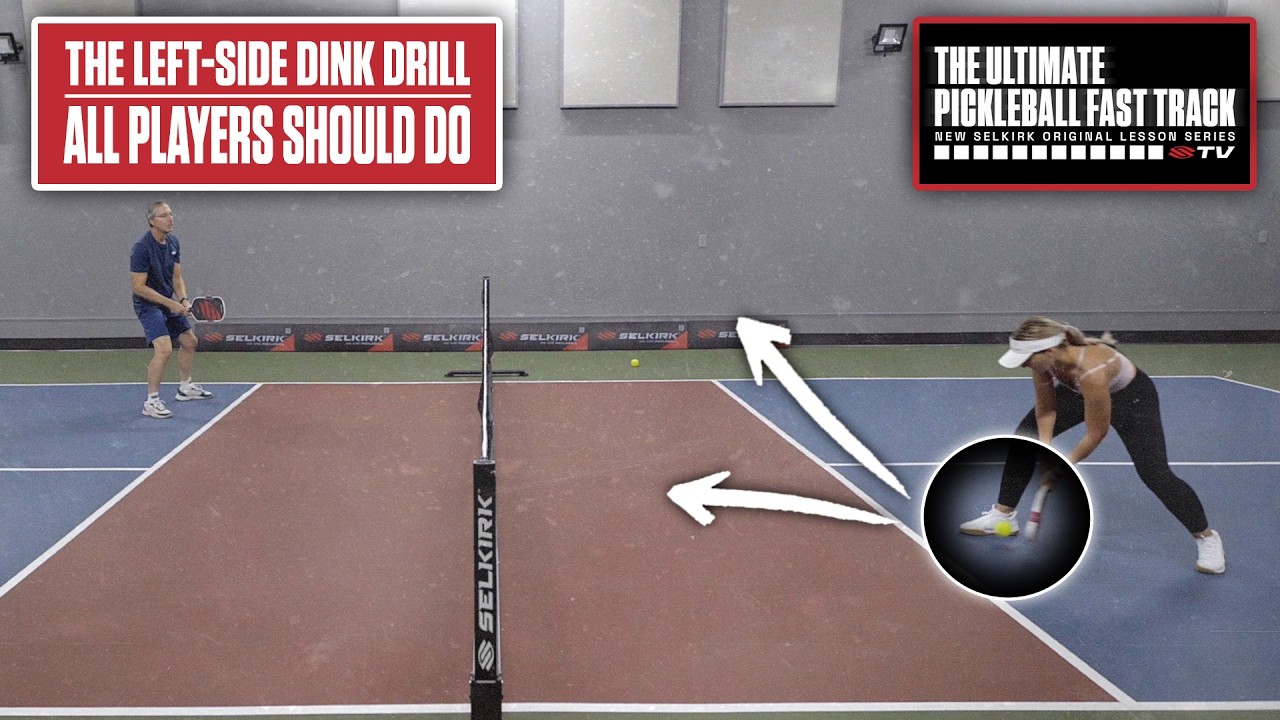
The backhand topspin dink is one of the most practical shots in mixed doubles pickleball. Master this essential technique to keep your dinks low and your opponents on their heels.
 The Dink PickleballThe Dink Media Team
Fix 3: Push First, Then Brush for Topspin Drop Control
Elliott's stroke cue for the topspin drop is two words: push and brush.
You push the ball forward for depth and direction, then brush up its back face for the spin.
Get the order wrong and the shot falls apart. All brush and no push dies in the net. All push and no brush floats high, and high balls get punished.
The brush itself is the same upward paddle path that creates every topspin technique in pickleball, just applied to a softer target.
Start with mostly push and a little brush.
As your control improves, Elliott says, "you can start to add more pace" and let the ball really dip.This is exactly what Ben Johns does on his forehand drop.
Watch him on the third shot and you'll see a small push through contact with a short upward finish, never a full-speed rip.
How to Hit the Topspin Drop in Pickleball
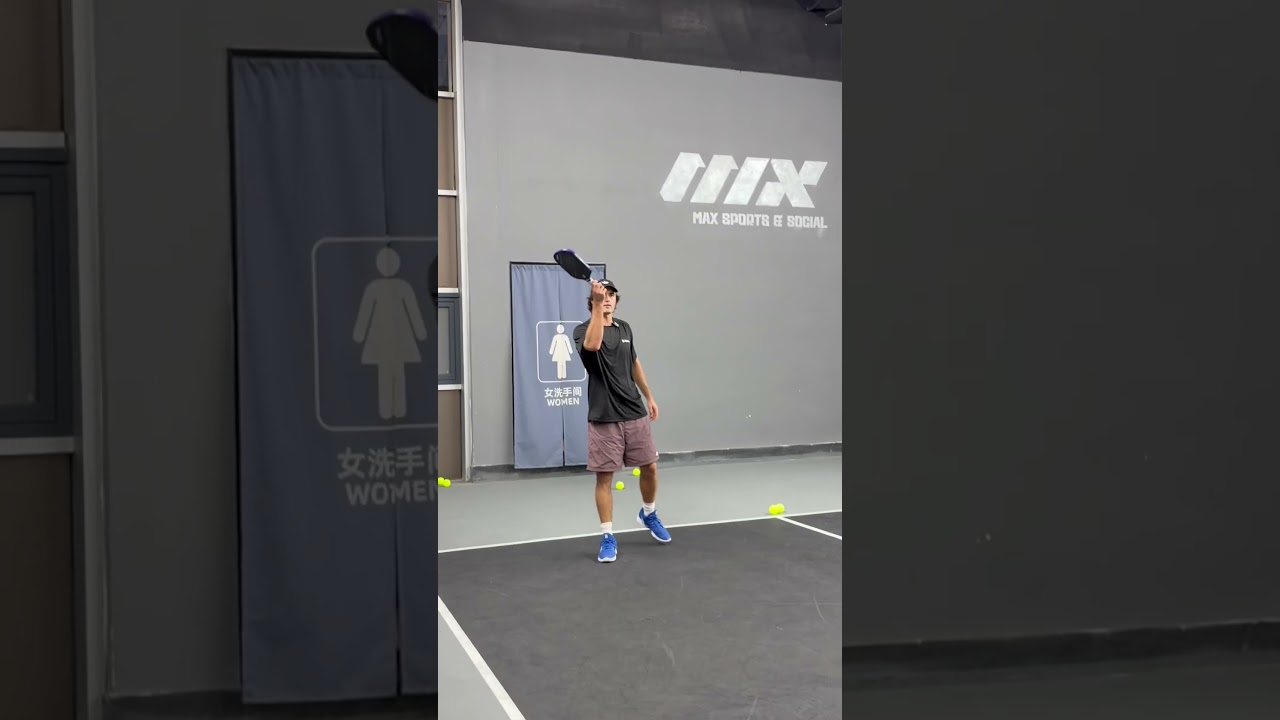
The topspin drop is one of pickleball’s most aggressive net shots, and mastering the topspin drop requires understanding footwork, spin generation, and body positioning. James Ignatowich breaks down the exact mechanics you need to add this shot to your arsenal.
 The Dink PickleballThe Dink Media Team
Why Does Your Topspin Drop Keep Popping Up? Check Your Timing
The last pop-ups in the lesson came from timing, not technique.
Elliott's fix: "Wait till the ball is leaving your paddle before you come up all the way."Eric was lifting his body and paddle together, before the ball had left the strings. The early lift adds height to everything.
When he stayed down through contact, Elliott called it out immediately: "See, the ball stays lower."
Two supporting habits make the timing easier. Watch the bounce, because tracking the ball down gives your weight transfer a trigger.
And don't hit on the move: "You're moving too much as you hit the ball. Find the space," Elliott repeated when Eric drifted.
Moving through contact is the same disease that causes most pickleball mistakes in the transition zone. Still body, then go.
Pickleball Topspin: Master the Easiest Spin Technique
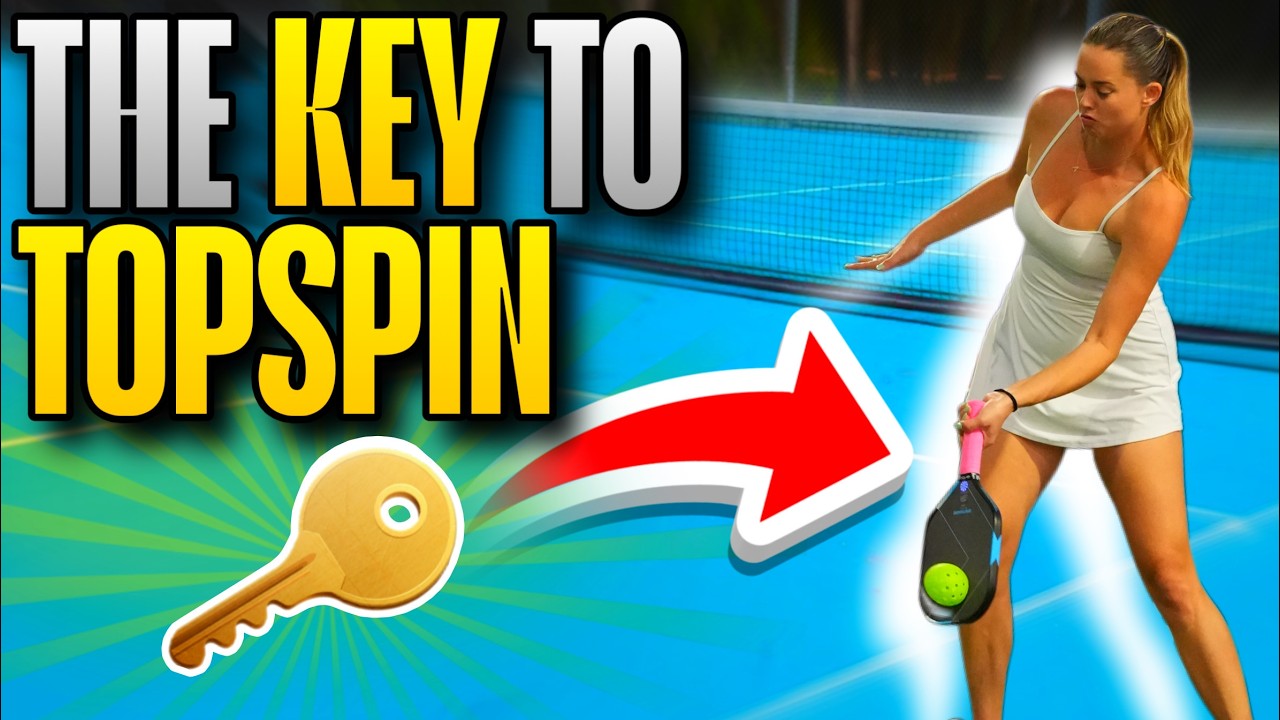
Pickleball topspin doesn’t have to be complicated. Professional player Ava Ignatowich reveals the simple wrist mechanics and paddle positioning that make pickleball topspin easier to learn than most players think.
 The Dink PickleballThe Dink Media Team
Elliott teaches the topspin drop as a longer version of the topspin dink: same contact spot, same brush, more length.
"Remember what I was telling you about the dink? Same spot for dropping. Same spot."That's great news if you already dink with topspin, because the motor pattern transfers directly.
It also explains why the drop feels harder. A dink comes at you slowly.
A return of serve arrives with pace, and as Eric put it, "the millisecond you whip it" changes.More incoming speed means you need less of your own: more push, less whip.
Refining your dink mechanics pays double dividends once you understand the 2 essential kitchen line techniques most players overlook.Topspin Pickleball Technique: Brush Angle & Paddle Path
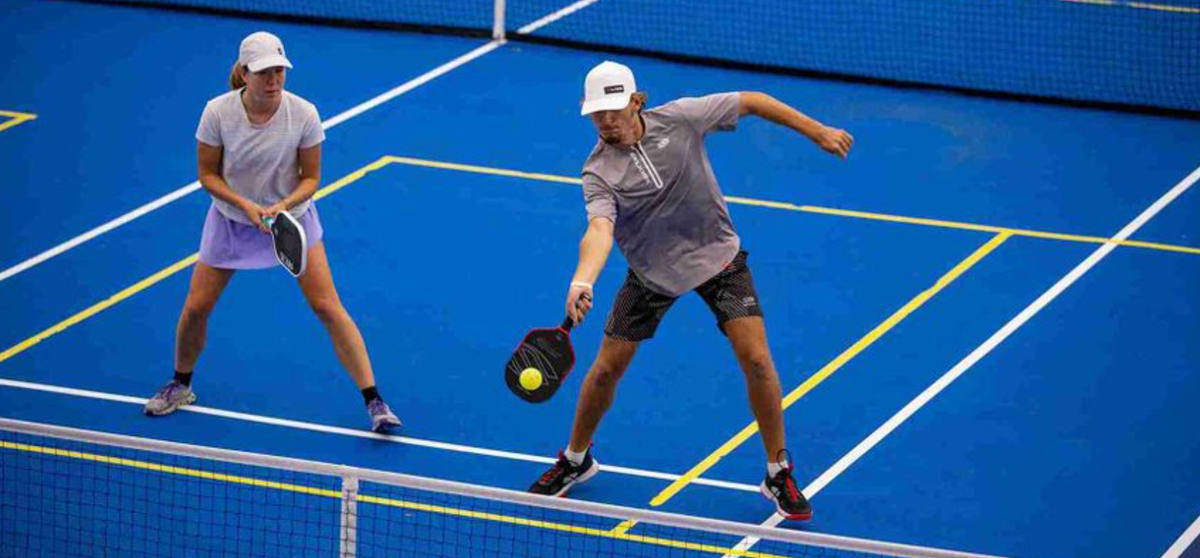
Topspin pickleball technique is built on two fundamentals: a steep brush angle and a low-to-high paddle path. Nail both, and you’ll hit shots that land deep, kick high, and force your opponents into uncomfortable defensive positions.
 The Dink PickleballThe Dink Media Team
How to Drill the Topspin Drop
The fastest way to build a reliable topspin drop is to drill it from progressively harder feeds, the same way Elliott ran the lesson:
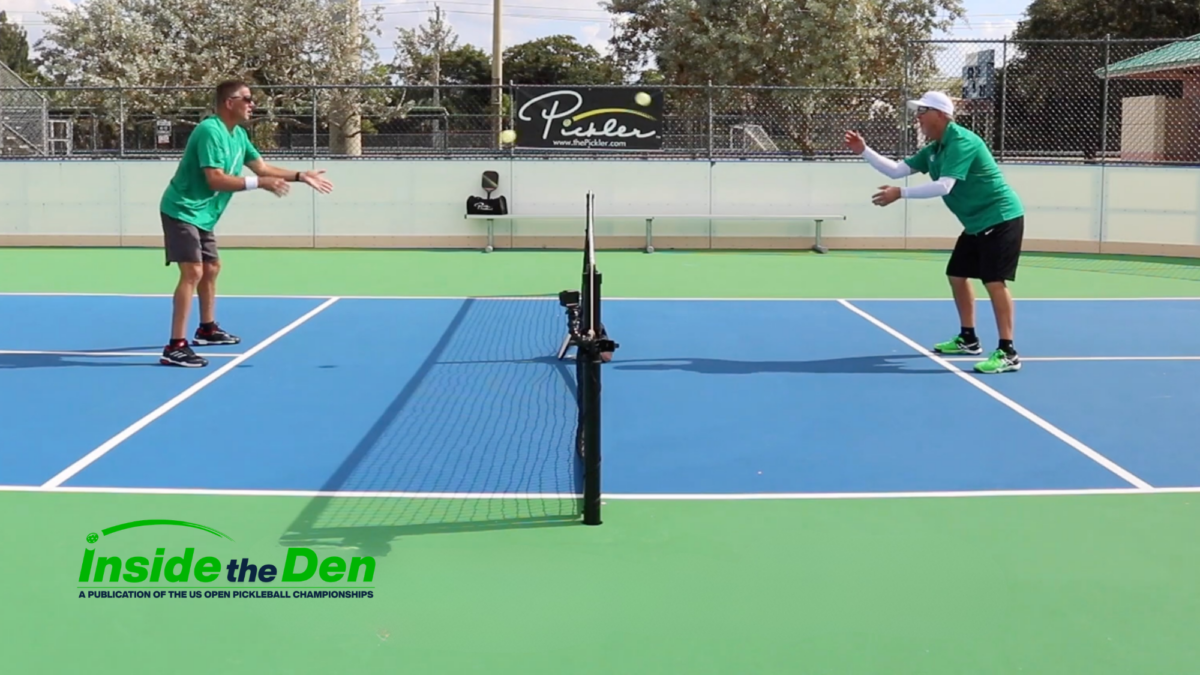
- Catch drill. Have a partner toss balls while you catch them with your free hand at full extension. This burns in the spacing.
- Slow feeds from mid-court. Groove "set, hold, contact, finish" with easy balls.
- Faster feeds from the baseline. Elliott deliberately added pace late in the lesson, because real returns come in hot.
- Add targets. Aim for the kitchen's first two feet and track makes out of ten.
Fundamentals like these are why pros make the shot look easy.
The 12 drills you need to play your best pickleball follow the same build-from-basics principle Elliott applies here.
When ESPN ran its Pickleball 101 with pro Meg Charity, the theme was the same: the soft game, not the highlight reel, wins matches.Pair the drop work with movement habits too.
Yahoo Sports' tip of the week on the split step covers the footwork that gets you balanced before contact, which is half of this shot.Ten minutes of this inside a weekly practice routine, or even a quick pre-game drill, beats a hundred mindless rec game thirds.
Mastering Pickleball Topspin: 5 Common Mistakes and How to Fix Them
By maintaining a stable face and letting the path of the paddle create the spin, you widen your margin for error and maximize consistency
 The Dink PickleballThe Dink Media Team
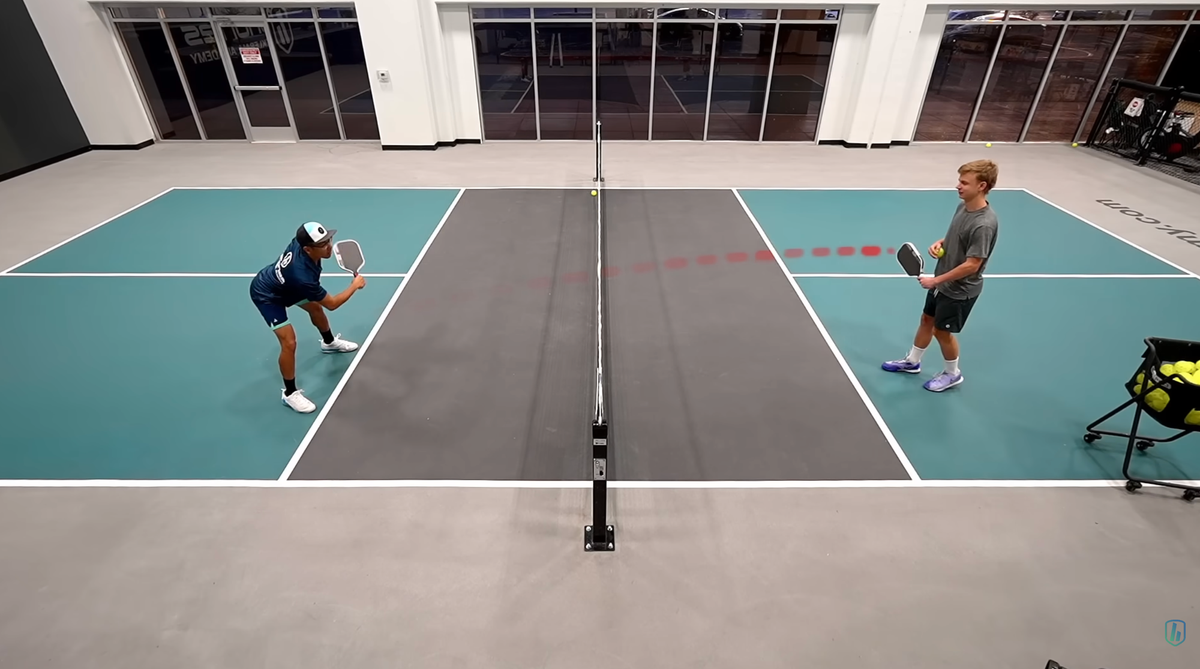
The Shot That Sets Up Everything Else
The third shot decides whether you get to the kitchen line or spend the point defending.
That's why mastering a consistent topspin drop anchors the first 4 shots blueprint for better points.
Space from the ball. Load and shift. Push, then brush. Stay down until the ball leaves the paddle.
Four fixes, one drop that finally stays low.
💡
Heads up: hundreds of thousands of pickleballers read our free newsletter.
Subscribe herefor cutting edge strategy, insider news, pro analysis, the latest product innovations and more.
Frequently Asked Questions
What is a topspin drop in pickleball?
A topspin drop is a third shot drop hit with forward spin so the ball dips into the kitchen instead of floating. The spin adds margin and pace while keeping the ball low enough that your opponent can't attack it.
Why does my topspin drop keep popping up?
The most common causes are crowding the ball, hitting while moving, and lifting your body before the ball leaves the paddle. Create space so contact happens out in front, set your feet, and stay down through contact.
Is a topspin drop better than a regular drop shot?
Not always, but it's more forgiving at higher incoming speeds. The forward spin pulls the ball down, so you can hit with more pace and still land it soft. Beginners should learn the flat drop first, then add the brush gradually.
How much topspin should I put on a third shot drop?
Less than you think. Coach Cori Elliott teaches "push and brush": mostly a forward push for depth with a small upward brush for spin. As your control improves, you can add more brush and more pace.
Should the topspin drop feel like my dink?
Yes. Elliott teaches the same contact spot for both shots, so the topspin drop is essentially a longer topspin dink. If your dink already has a little brush on it, you're most of the way there.
Anuncie Aqui / Advertise Here
Sua marca para o mundo Pickleball! / Your brand for the Pickleball world!



 English (US) ·
  Portuguese (BR) ·