
 English
  Spanish
  Portuguese
  German
  Italian
  Japanese
  French
  Polish
  Russian
  Netherlands
  Hungarian
  Turkish
  Videos
  Thedink Pickleball

The difference between average and advanced pickleball players comes down to control, positioning, and smart anticipation
If you've been grinding pickleball for years and feel like you've hit a plateau, you're not alone.
The Prince of Pickleball recently shared five advanced tips that took him from a 4.0 to a 5.5 rating, and they're the kind of fundamentals that separate casual players from serious competitors. These aren't flashy tricks; they're the small adjustments that compound into real improvement.
Love pickleball? Then you'll love our free newsletter. We send the latest news, tips, and highlights for free each week.
1. Master Your Grip Pressure on the Dink
Most players death-grip their paddle during dinks, which causes the ball to pop up like a springboard. The fix is counterintuitive: relax your grip to around 40% pressure. This keeps the ball absorbed on the paddle instead of bouncing off it.
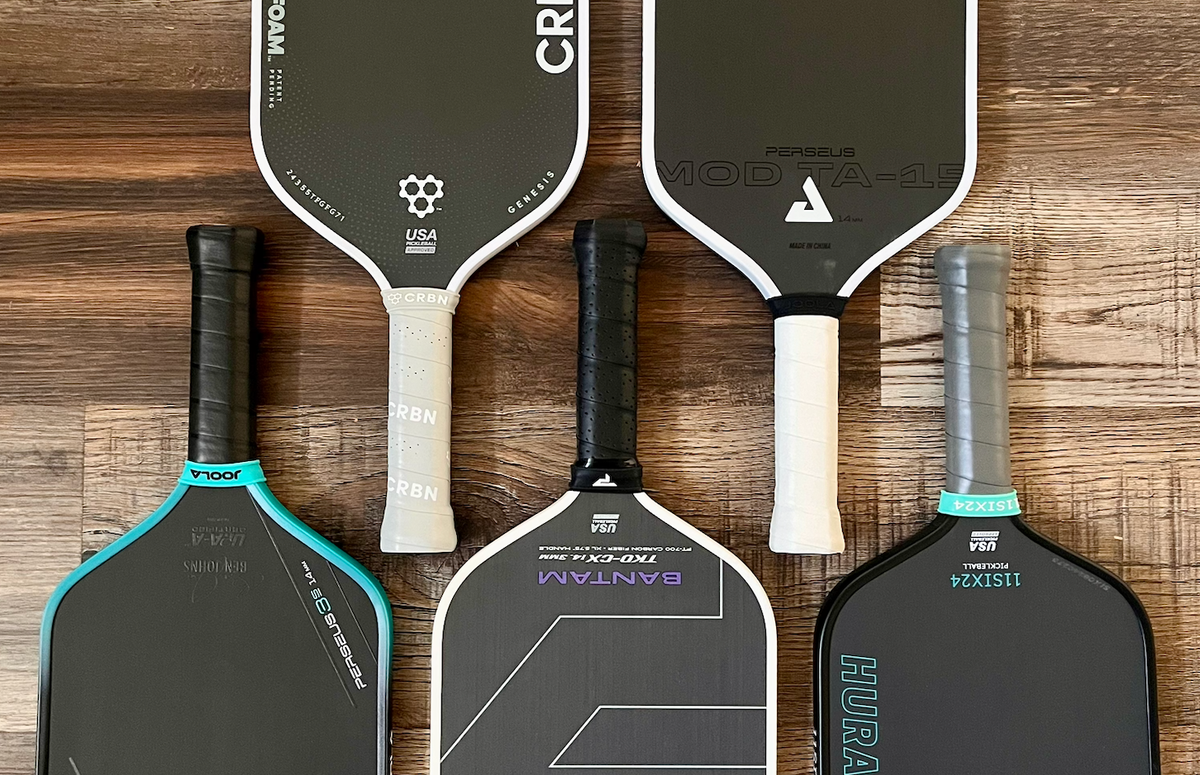
How to Choose the Right Grip Size for Your Pickleball Paddle
Your grip size isn’t just about comfort or feel. It’s a legitimate performance variable that affects injury risk, shot consistency, and long-term sustainability in the sport.
 The Dink PickleballThe Dink Media Team
The key is pushing through contact rather than hitting at it. When you maintain that light grip and follow through smoothly, you gain control that feels almost effortless.
To practice this, wrap a towel around your paddle handle so you can't grip it tightly. Dink with the towel on, then remove it. The motion should feel identical.
This drill forces you to rely on technique instead of grip strength, and that's where real dinking consistency lives.
2. Snap Your Inside Hip for Powerful Drives
Power in pickleball doesn't come from your arms; it comes from your hips. Limited hip rotation means you're working twice as hard for half the power. The pros like Parris Todd and Anna Leigh Waters snap their inside hip with serious intensity, creating a kinetic chain that transfers energy through your entire body.
When you drive, your hands should stay in front of your body, creating lag through contact. Think of it like a hammer: the head comes second. Stay low throughout the drive, too.
Many players stand up too tall when they rotate their hips, which kills your base and your balance. Using a resistance band around your legs while practicing drives forces you to stay down and reminds you to snap that interior hip. The result is more power, better recovery, and shots that actually hurt your opponent.
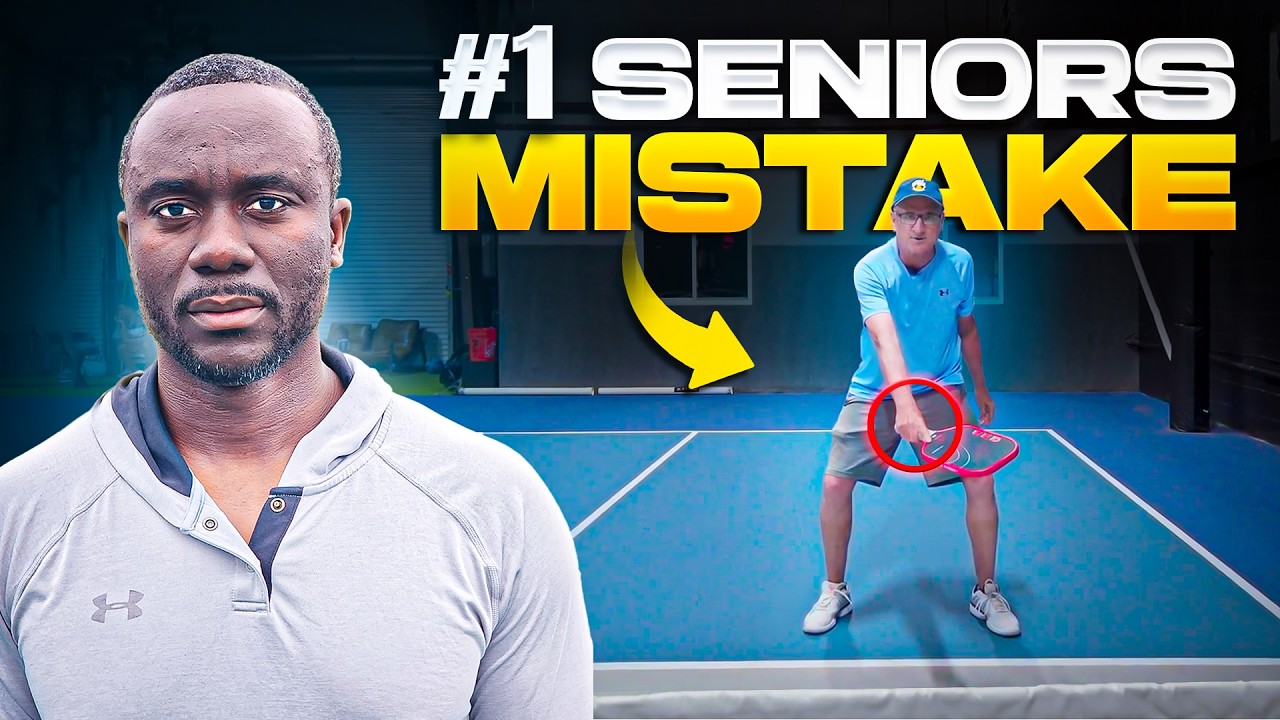
4 Essential Footwork Tips Every Senior Pickleball Player Must Master
Smarter positioning and simple footwork adjustments can help senior pickleball players improve performance without relying on speed
 The Dink PickleballThe Dink Media Team
3. Keep Your Opponent Back at the Kitchen
When you're at the kitchen line, you control the point. The mistake most players make is bringing their opponent forward with short balls. Instead, use depth to keep them pinned at the baseline.
Here's how to think about it:
- Both players back? Push them deeper with pace and depth. Don't give them a short ball to attack.
- One player up, one back? Target the player at the baseline to keep them from advancing.
- After a third-shot drop? Push them back deep on your fourth ball instead of bringing them in with a short reset.
Depth is simple but devastating. It keeps your opponent on their heels and lets you dictate when the point gets aggressive.
💡
Need some new pickleball gear? Get 20% off select paddles, shoes, and more with code THEDINK at Midwest Racquet Sports
4. Position Your Paddle Based on Your Distance from the Net
Paddle positioning changes as you move from the baseline to the kitchen, and most players don't adjust. There are three zones:
- Zone 1 (baseline): Your paddle can be high or low. Around sternum height works best for most shots.
- Zone 2 (transition): Drop your paddle just below your sternum. This lets you reset high or low balls without reaching.
- Zone 3 (kitchen): Use the "gunslinger position" with your paddle tip at belly-button height. This gives you quick counters and lets you come up the ball instead of down, which keeps you loose and fast.
As you gradually move forward, your paddle naturally lowers. This positioning prevents you from getting stuck or jammed when fast balls come at you, and it opens up quick counter-attacks.
The Pickleball Facility Boom Is Here, But a Shakeout Looms
First movers have rushed in to secure prime locations, sign leases, and build out clubs. But speed can come at a cost.
 The Dink PickleballAlex E. Weaver
5. Use Triangle Theory to Predict Your Opponent's Return
If you hit crosscourt, the ball naturally comes back down the line. If you hit down the line, it comes back crosscourt. This is the triangle theory, and it works when your opponent doesn't have time to react.
The trick is moving to where you know the ball is going before they hit it. Hit crosscourt, then shift your feet toward the line. Hit down the line, then move toward the crosscourt side. You'll already be there waiting for their return, ready to attack.
This only works when they're caught off guard, so use it strategically, not every rally.
Heads up: hundreds of thousands of pickleballers read our free newsletter. Subscribe here for cutting edge strategy, insider news, pro analysis, the latest product innovations and more.
The Compound Effect
None of these tips are revolutionary on their own. But together, they create a foundation that lets you climb from 5.0 to 5.5 and beyond.
The Prince of Pickleball spent six years learning these lessons, and now you don't have to. Start with grip pressure on your dinks, layer in hip rotation on your drives, and build from there. Small adjustments, big results.
Anuncie Aqui / Advertise Here
Sua marca para o mundo Pickleball! / Your brand for the Pickleball world!



 English (US) ·
  Portuguese (BR) ·