
 English
  Spanish
  Portuguese
  German
  Italian
  Japanese
  French
  Polish
  Russian
  Netherlands
  Hungarian
  Turkish
  Videos
  Thedink Pickleball

Most players lose defensive points not because of bad reflexes, but because of bad habits. These 5 keys to pickleball defense will change how you play every rally.
Your pickleball defense is costing you matches you should be winning, not because you lack athleticism or quick hands, but because the habits underneath your defense are broken.
Most players back up when they should hold ground, drop their paddle when they should keep it up, and turn their back when they should stay engaged.
The good news: all of it is fixable, starting with becoming someone attackers regret going after.These five keys come from Jilly B Pickleball on YouTube, a framework she teaches at her camps and one she credits for producing players who actually want to get attacked.
Let's get into it.
Love pickleball? Then you'll love our free newsletter. We send the latest news, tips, and highlights for free each week.
What Counts as the Transition Zone in Pickleball Defense?
One quick definition first.
The transition zone is the stretch between the baseline and the non-volley line, sometimes called the midcourt, where breakdowns happen and where pressure builds fastest in a rally.
USA Pickleball's rulebook gives it no special line rules, but it dictates how a point gets defended once the ball speeds up.
Key 1: Mentality Starts Before the Match
The very first thing to fix is not your footwork or your grip. It is your mentality during warm-up.
Jilly B's rule is simple: do not miss a ball into the net, not in warm-up, not in a casual rally, not ever if you can help it.This is not about being precious. It is about training your brain to default to margin, the same instinct behind a smart return, block, and smash sequence.
A ball that floats high is fine; a ball that clips the tape and dies is a point you just handed your opponent.
She watched Jesse Urban warm up for 35 minutes straight without a single ball going into the net.That is not an accident.
That is a built habit, and it lines up with 2025 research on error-focused motor learning in racquet sports, which found players who deliberately cut one specific mistake improve fastest.
Set one warm-up goal: every ball clears the net. You are learning your range, not hunting winners.If net errors are already a problem, building the right warm-up mindset is the place to start.
💡
Need some new pickleball gear? Get 20% off select paddles, shoes, and more with code THEDINK at
Midwest Racquet SportsKey 2: Stability Is Your Foundation
Stability is the most underrated defensive skill in pickleball. You cannot defend a ball you are moving through.
The most common mistake Jilly B sees is a player hitting a high ball, then immediately backing up while trying to make the next shot.
Moving and swinging at the same time makes a clean, controlled contact almost impossible, and most unforced errors trace back to exactly this.
The fix: hold your ground and find stillness before the ball arrives.You can move backward, but reach a stable base before contact, or you've already lost the exchange.
The Best Pickleball Players Aren’t Following the Rules Anymore
Modern pickleball isn’t won by coloring inside the lines. More and more, the most successful players are also the most creative.
 The Dink PickleballZoey Weil
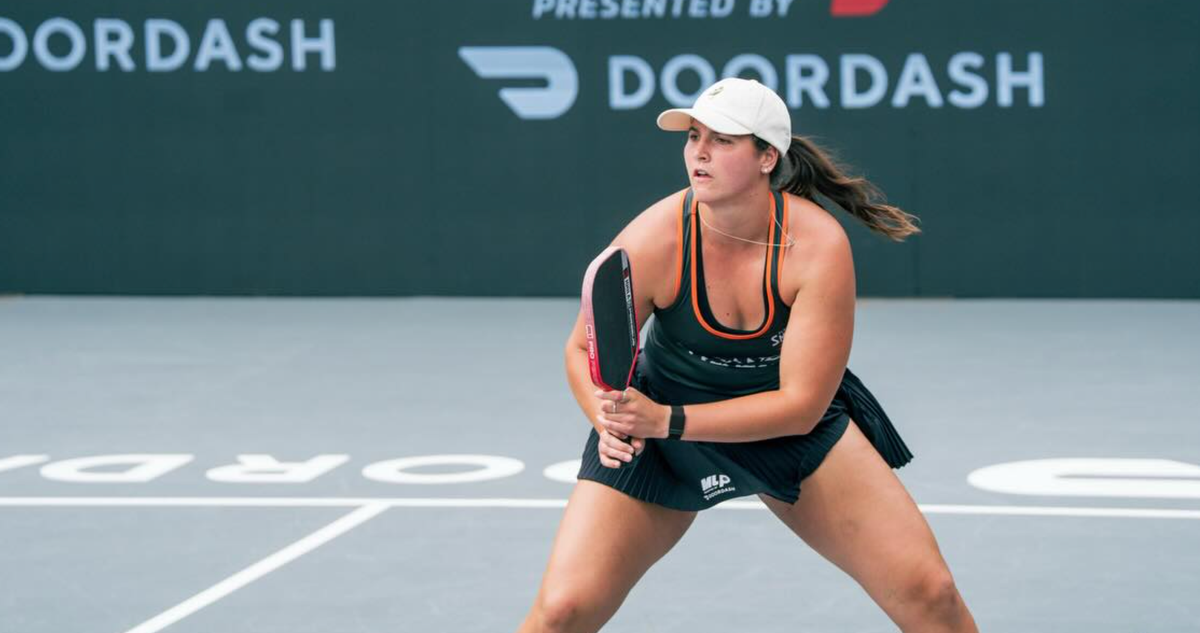
Key 3: Get Low and Stay Low
Most players only think about this in theory. Getting low is not a suggestion. It is a structural requirement for good pickleball defense.
Getting low creates a stable platform, shortens the distance your paddle travels to reach the ball, and makes it much harder to get jammed.
Jilly B puts this bluntly: if she is on her knees, she is not missing a ball.
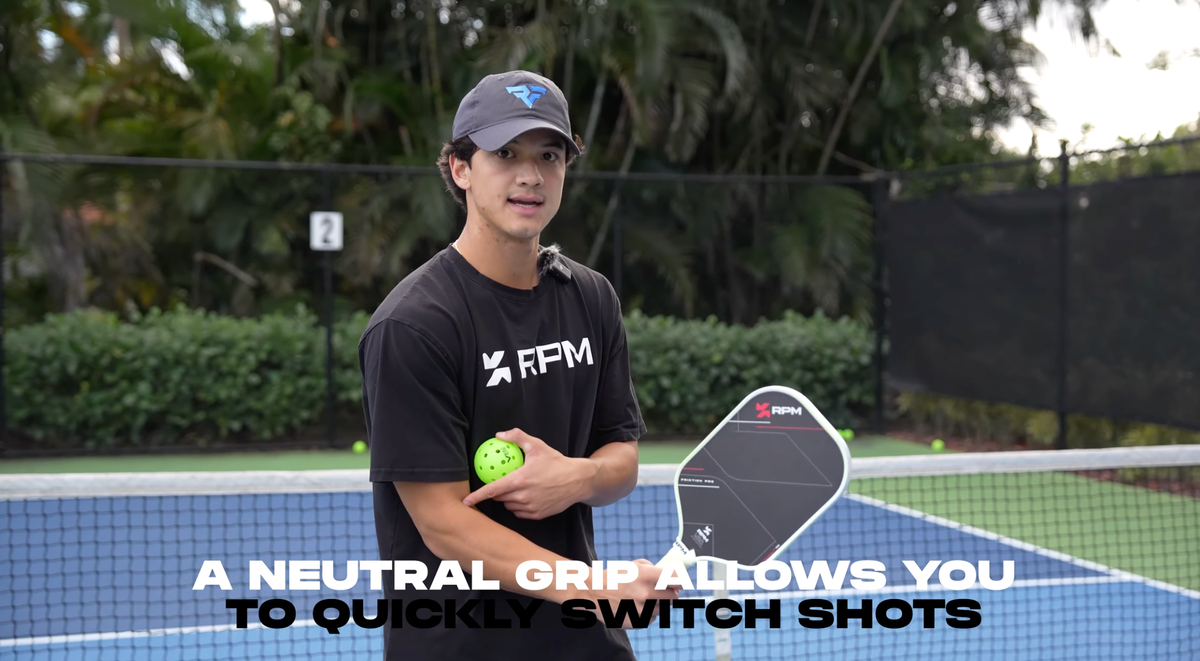
Think about the cone of power: everything in front of you, at your core, paddle up and out, chin toward the kitchen.You don't break posture when the ball comes hard.
Here is what this looks like in practice when you are getting attacked:
- Bend your knees and lower your center of gravity before the ball arrives
- Keep your paddle face up and forward, not dropped at your side
- Think "chin in the kitchen" to maintain forward posture
- Meet the ball early and out in front of your body
- Use a grip pressure of about 3 out of 10 so you can absorb pace
That last point on grip pressure is worth slowing down on. If you're fighting bangers who love the hard drive, a loose grip is one of your best tools.
You're not redirecting the ball with force.
You're absorbing it and letting the pace die, which lines up with 2025 research on grip force and impact absorption in racquet sports.
The goal in transition is to do as little as possible with the ball. Absorb it. Return it softly. Keep the rally alive until you get something attackable.
How to Defend with Two Hands Like the Top Pickleball Pros
This two-handed approach gives you the control and stability needed to lift balls cleanly, especially when they’re coming at awkward angles or bouncing low
 The Dink PickleballThe Dink Media Team
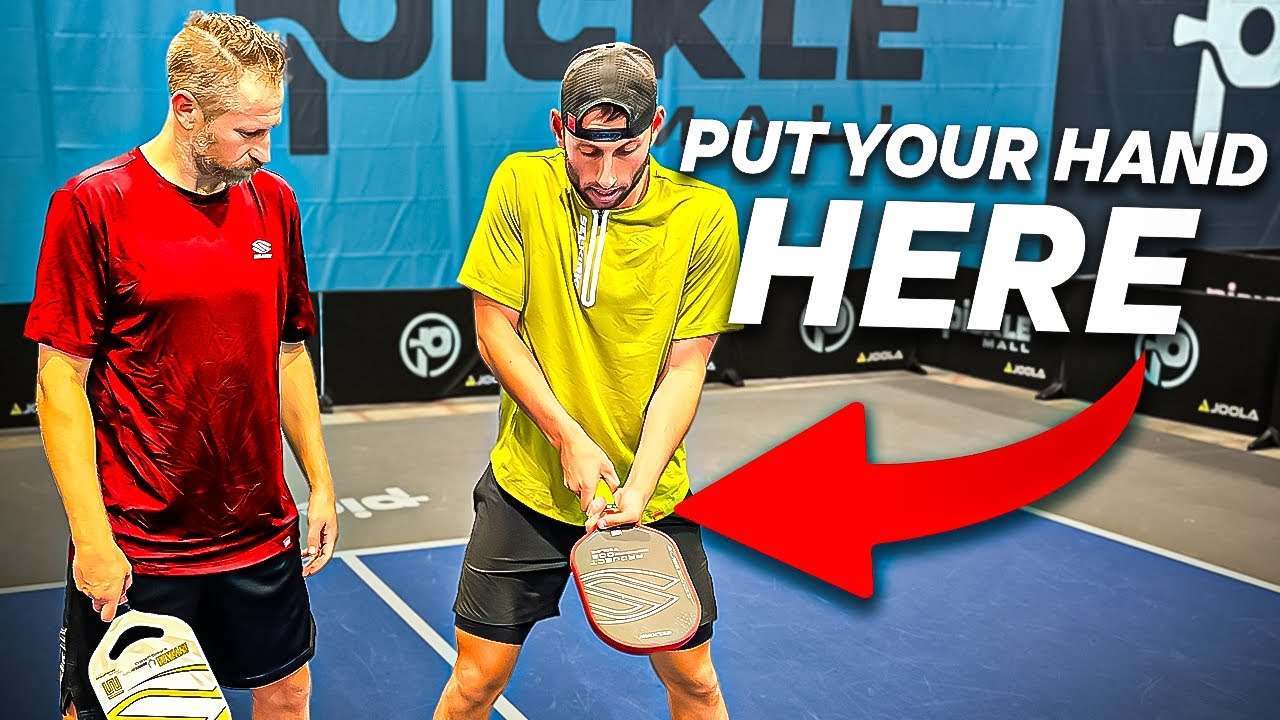
What Does It Actually Mean to Be Great in Transition?
Transition is where most defensive breakdowns happen.
A ball pops up, your opponent winds up, and you panic, backing up as your paddle drops and the point slips away.
Great transition defense starts with where you stand. Jilly B is specific: do not stand in the "zone of death" deep behind the baseline.
Stand in true transition, closer to mid-court, where you can move forward into an attack.
When the attack comes, the key moves are:
- Stay still and do not flinch backward
- Meet the ball early so it does not get close to your body
- Use the attacker's own pace against them by just blocking
- Keep your weight slightly forward so you can step into the kitchen if needed
The biggest mistake in transition is letting the ball get too close before flipping your wrist to compensate, which is why so many transition errors happen.
You do not need to do anything special. Just block it back softly and reset the point.
Master the Midcourt Transition in 3 Steps
The midcourt is where most amateur pickleball players lose points. Learn the 3 essential steps to master the midcourt transition and dominate the kitchen line.
 The Dink PickleballThe Dink Media Team
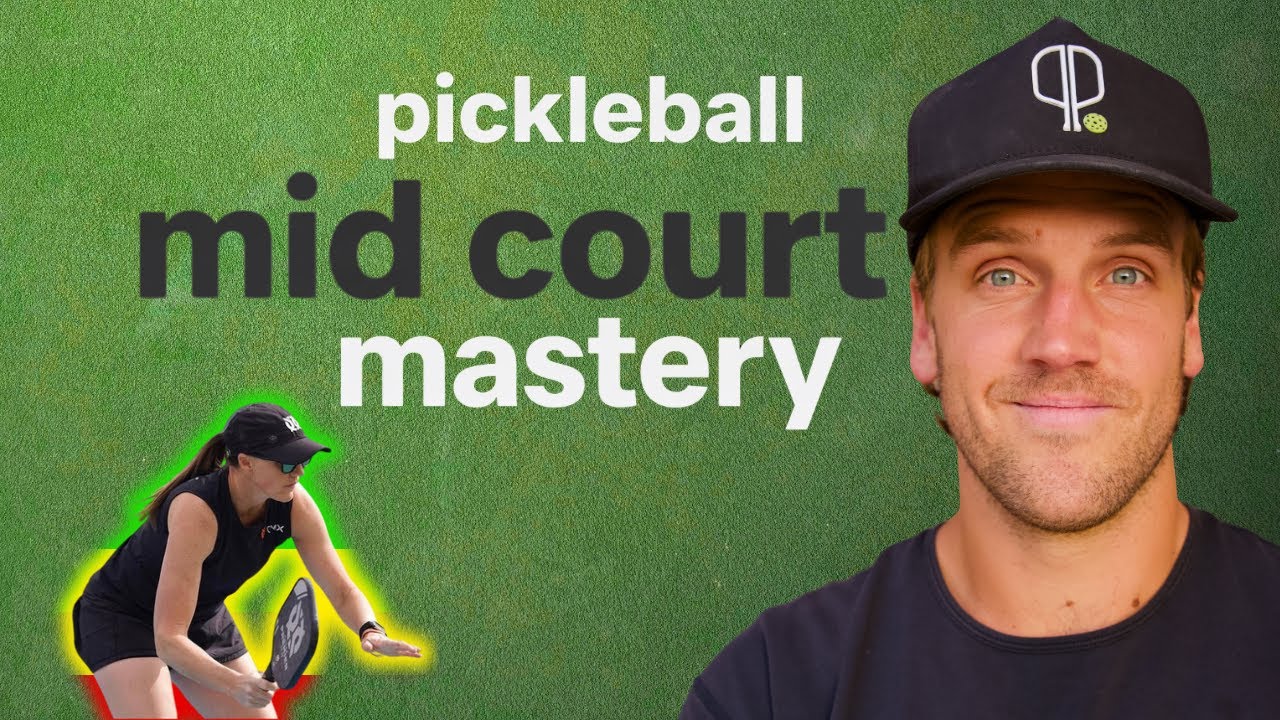
Key 4: Clog the Middle
When in doubt, cover the middle. This is both a positioning principle and an anticipation strategy, and recreational players get it wrong constantly.
When you or your partner hits a high ball, the highest percentage outcome is that your opponent attacks the middle, not the sideline, not behind you, which is why the sideline math behind doubles positioning favors giving up the alley over the center.
Instinct says retreat. Anticipation says go where the ball is most likely to land.
Jilly B's instruction is clear: spring to the middle, give up everything behind you, and create a wall with your partner by covering each other without leaving gaps.This applies to paddle position too. Get it up, spring toward the center, and anticipate instead of reacting.
Great defenders give up one spot on purpose so they can cover the spot that matters most.
That's not a gamble. That's strategy, and one of the clearest separators between 4.0 and 5.0 players.
How to Set a 1-2 Trap for Through-the-Middle Winners
Deploy this simple bait-and-switch at the kitchen line and you’ll be a middle-court menace in no time
 The Dink PickleballThe Dink Media Team
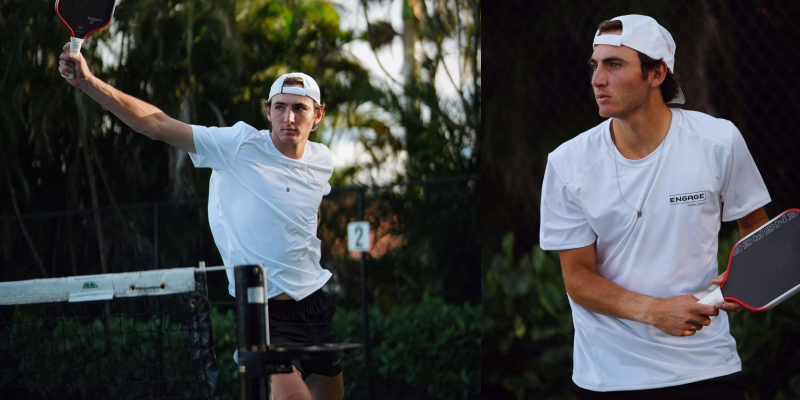
Does Anticipation Actually Matter That Much?
It matters more than your hands do. Anticipation is what makes elite defenders look like they have supernatural reflexes.
They do not. They are just standing in the right place before the ball gets there, a pattern 2026 research on anticipatory skill in fast-ball sports ties more to reading an opponent's setup than raw reaction speed.
The simple cue: you make the mess, you clean it up. Positioning before the attack is what separates players who get attacked from players who deal with attacks well.How to Anticipate Every Shot Like a Pickleball Pro
You don’t need lightning-fast reflexes if you’re already in the right spot
 The Dink PickleballThe Dink Media Team
Key 5: Believe You Can Touch Any Ball
This is the one most coaches skip. Belief in pickleball defense is a technical mindset that changes what you attempt, not a soft concept.
Jilly B learned this from her mother at age nine, playing tennis: if you can touch the ball on your paddle face, you can make that ball.
Not just get it over the net. Make it.That belief changes your movement. When you think you cannot reach a ball, you stop early.
When you believe you can make any ball you touch, you keep going, and mental habits like this are some of the most underused tools in a player's arsenal.
One thing Jilly B can't stand: players turning their back on a ball that isn't even a true overhead.That's worse than putting your paddle down. It gives up a rally that's still very much playable.
A plastic pickleball with holes in it is not a missile.
You can get to balls that feel unreachable, but only if your default belief is that touching the ball means making the ball.
When you do miss, bouncing back from bad shots quickly is part of the same mental discipline. Belief built the skill. The skill didn't build the belief.
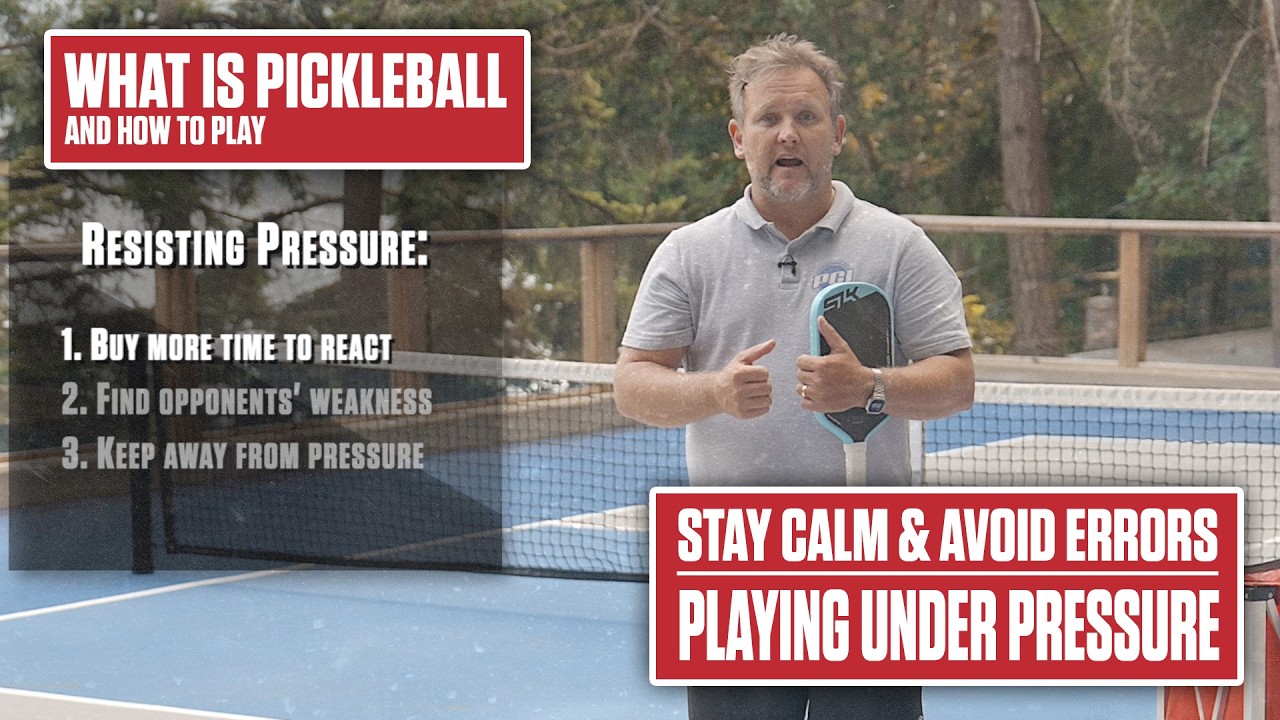
Defensive Pickleball: 3 Proven Strategies to Stay Calm Under Pressure
Effective pickleball strategy isn’t always about hitting winners or executing perfect shots. Sometimes it’s about making smart decisions that put your opponents in uncomfortable situations.
 The Dink PickleballThe Dink Media Team
Putting All 5 Keys Together
Here is the short version of what elite pickleball defense looks like, worth a re-read whenever you feel your defensive habits slipping:
- Mentality: Never miss into the net. Give yourself margin every single ball.
- Stability: Stop moving before you make contact. Find your base.
- Get low: Bend your knees, keep your paddle up, absorb with a loose grip.
- Cover middle: Anticipate the highest percentage shot and move before it arrives.
- Believe: If you can touch the ball, you can make it. Stay turned toward the play.
None of these require elite athleticism, just discipline. The habits of 5.0 players are mostly about doing simple things consistently, and defense is no exception.
If you build these five habits, you will reach a point where you actually want your opponent to attack you.
That is the goal. Getting there also means drilling your resets under pressure until panic stops being an option.
Defense is not passive. It is a weapon. Start treating your positioning at the kitchen like one.
💡
Heads up: hundreds of thousands of pickleballers read our free newsletter.
Subscribe herefor cutting edge strategy, insider news, pro analysis, the latest product innovations and more.
Frequently Asked Questions
What is the most common pickleball defense mistake recreational players make?
The most common mistake is backing up when a high ball is hit instead of holding ground and finding stability. Moving while trying to defend makes clean contact almost impossible. Staying still and getting low before the ball arrives fixes this immediately.
How low should I get when defending in pickleball?
You should bend your knees enough that your paddle can meet the ball in front of your body without leaning or reaching. Jilly B describes it as getting low enough that if she is on her knees, she knows she will not miss. The lower your center of gravity, the more stable your defensive platform becomes.
Where should I position myself when my partner hits a high ball?
Move toward the middle of the court immediately. The middle is where the highest percentage attack will land, and covering it gives you and your partner the best chance to defend. Do not wait to see where the ball is going before moving.
What grip pressure should I use when blocking a hard shot?
Keep your grip pressure at about 3 out of 10, loose enough that the paddle could almost fall from your hand. This allows you to absorb the attacker's pace rather than fighting it. A tight grip causes the ball to pop up and gives your opponent an even easier putaway.
Why do pro defenders seem to always be in the right spot?
It is anticipation, not reaction speed. Elite defenders position themselves based on the highest probability outcome before the ball is even struck. When your opponent hits a high ball, there is a strong chance the attack goes middle, and great defenders are already moving there before contact is made.
Anuncie Aqui / Advertise Here
Sua marca para o mundo Pickleball! / Your brand for the Pickleball world!




 English (US) ·
  Portuguese (BR) ·