
 English
  Spanish
  Portuguese
  German
  Italian
  Japanese
  French
  Polish
  Russian
  Netherlands
  Hungarian
  Turkish
  Videos
  Thedink Pickleball

Mixed doubles pickleball strategy is less about power and more about reading positioning and holding the ball at the right moment. Here is exactly how pros do it.
Mixed doubles pickleball strategy trips up recreational players more than almost any other format because the positioning and decision-making demands are completely different from men's or women's doubles.
In a session with James Ignatowich, Mari Humberg, and Ava Cavataio, the tactics that separate good players from great ones showed up in almost every single point.This breakdown comes from tanner.pickleball on YouTube, who narrates his own thinking between points so you can understand not just what happened, but why.
Here is what you actually need to know.
Love pickleball? Then you'll love our free newsletter. We send the latest news, tips, and highlights for free each week.
Why Staying Back Is Sometimes the Right Call
When the balls coming off your opponent's paddle are dead and slow, storming the kitchen line is a trap.
You hand a controlled player like Ignatowich a stationary target he can pick apart.
Staying back gives you reaction room. If you are not in control of the rally, you need space to react rather than crowding the net and getting caught flat-footed.
The rule is simple: move forward when you have an advantage, not before.Rushing the kitchen before you have earned it is one of the most common pickleball mistakes at every level.
What Is the "Hold" and Why Does It Change Everything?
The hold is the single most important concept here. When a dead ball arrives wide, most players rush to hit it back. Pros pause deliberately before striking.
That pause forces your opponent to freeze.
If Ignatowich slides toward the middle, the down-the-line shot is wide open. If he stays put, you redirect to the weaker side.Here is what holding the ball actually accomplishes:
- It keeps the dominant player honest on his own side of the court
- It opens up attack angles to the weaker player
- It makes your shot selection completely unreadable
- It turns a neutral ball into an offensive opportunity
What you do early in the game shapes what opens up later. Holding a ball in the first set creates hesitation in the big player's movement in the second.
💡
Need some new pickleball gear? Get 20% off select paddles, shoes, and more with code THEDINK at
Midwest Racquet SportsHow Do You Handle the Dominant Player in Mixed Doubles?
The amateur instinct is to keep targeting the weaker player. That is the wrong read when the stronger player is roaming.
When someone gets big and covers extra court, you hit behind them.It punishes their movement and forces them to stay narrower for the rest of the match.
The mistake in this video was going behind Ignatowich with a dead ball and no pace.
A slow ball placed wide and behind a set opponent is the worst possible combination because he has time to load up and attack any of three zones.
If you go behind the stronger player, you have to be aggressive on it.
A dead ball behind them with no pace is worse than not going there at all. When in doubt, go middle instead.This kind of attacking the middle keeps both opponents honest and reduces the angle the dominant player can exploit.
It also pairs well with tactical adjustments for playing alongside a weaker partner.
Competitive Doubles Strategy 4.0 Pickleball: Patterns That Win
Competitive doubles strategy 4.0 pickleball is less about hitting harder and more about controlling patterns, court positioning, and forcing opponents into losing situations.
 The Dink PickleballThe Dink Media Team
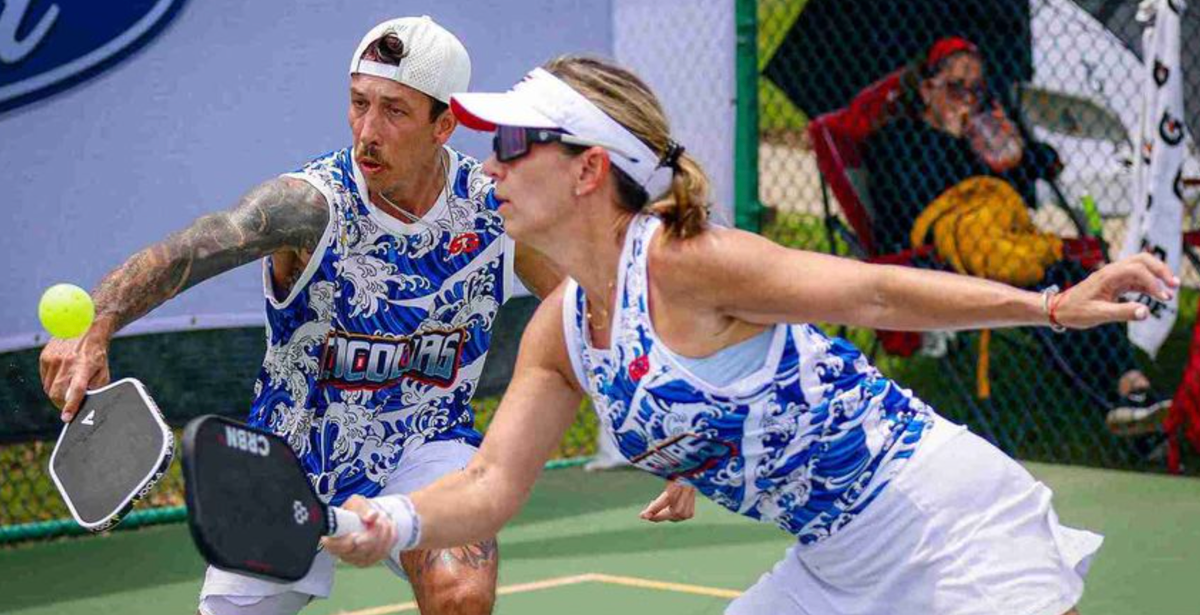
Tight Arm vs. Loose Arm: The Detail Most Players Miss
There is a mechanical detail in this footage that explains why some put-aways work and others end up in the net. It comes down to arm tension.
When the ball is low, your arm needs to be tight and compact, using mostly wrist. When the ball is higher, you need a loose, whipping motion like flicking a towel.Mari Humberg demonstrates this perfectly in the session.
She gets a higher ball and uses a completely relaxed arm to put it away with pace and angle. The contrast with a tight-arm attempt on a low ball is striking.
Most recreational players use the same arm tension for every ball. That is a big reason put-aways miss or lack power at critical moments.Match your arm tension to the height of the incoming ball and your consistency will improve fast.
For more on fixing this exact kind of mechanical error, the details around overswing correction are directly relevant here.
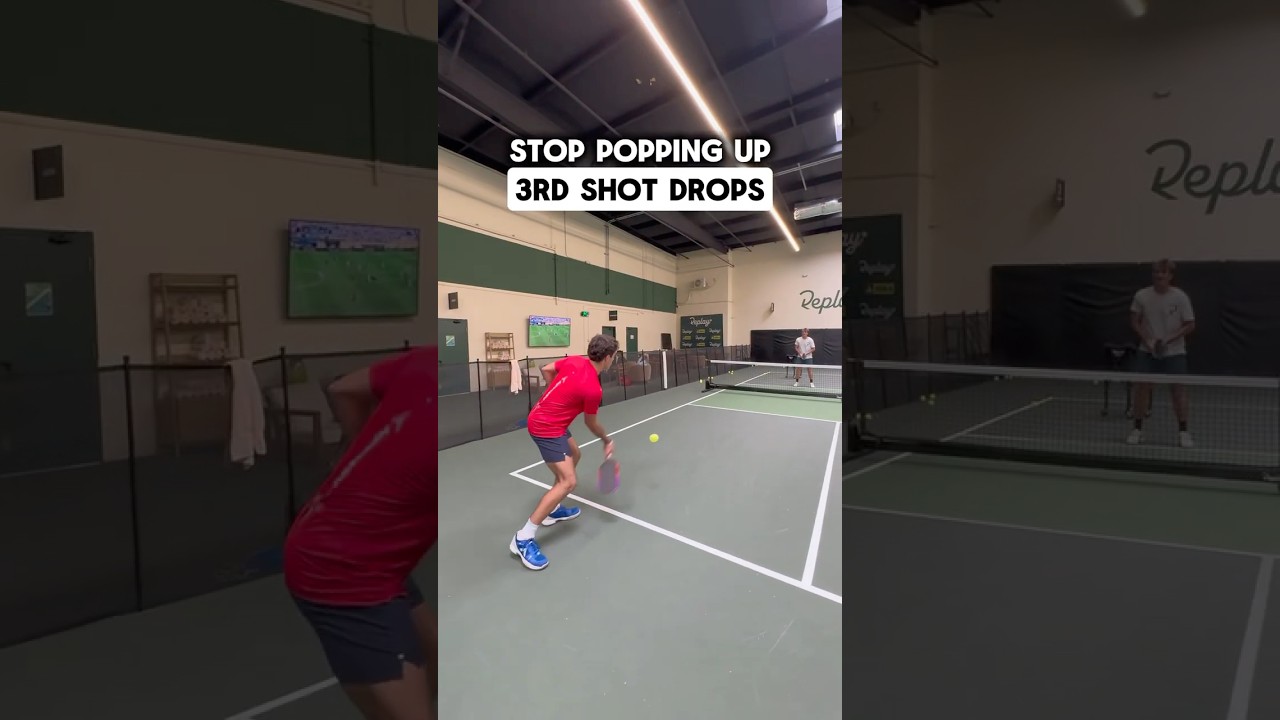
The Wrist Fix That Makes Your Pickleball Drop Better
Most players miss their pickleball drop because of one wrist mistake they don’t even notice. Fix this one thing and your drops become dramatically more consistent.
 The Dink PickleballThe Dink Media Team
Covering the Middle Without Guessing
When Ava Cavataio ran around her forehand to hit a backhand, she opened up five possible shot directions.
Trying to guess which one she would pick is a losing strategy.
The correct answer is to clog the middle with your backhand and stop guessing.You cover the highest-percentage target and force her into a lower-percentage shot if she wants to avoid you.
This is also the right response against a two-handed backhand loaded up on the other side of the net.
Your paddle should never leave your peripheral vision while you wait.Here is a quick breakdown of the middle-cover technique:
- Identify the threat early by reading your opponent's body and paddle position
- Sit your paddle in backhand position rather than guessing forehand or backhand
- Keep the paddle inside your peripheral vision at all times
- Step toward the ball only after you see the direction confirmed
- Redirect to a neutral spot to reset, then build from there
This connects directly to understanding how to win hands battles at the kitchen line, where reading and positioning beat raw reaction speed every time.
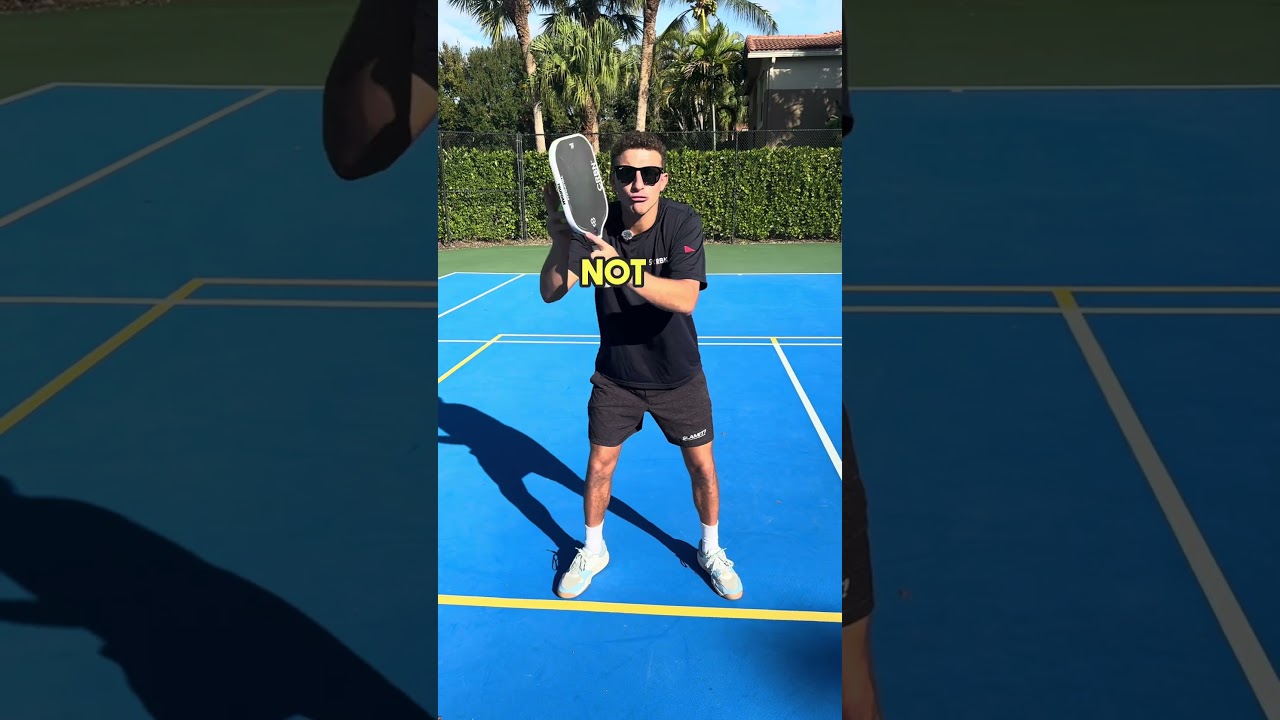
Master Middle Coverage: 3 Pro Tips for Pickleball
Tanner Tomassi explains why mastering footwork, paddle control, and anticipation are the keys to dominating the middle in pickleball
 The Dink PickleballThe Dink Media Team
Dead Balls Out Wide Are Your Biggest Offensive Opportunity
Dead balls out wide are the balls you want to attack. That phrase gets repeated multiple times in this session for a reason.
When your opponent is stretched wide and hitting a slow ball, they are in a defensive position.
That is your signal to lean in, take the ball out of the air if possible, and apply pressure before they can recover.
The error that keeps showing up is backing away from these balls instead of moving into them.
When you retreat on a dead ball, you give your opponent time to reset their feet and position. You erase your own advantage.Understanding when to speed up off the bounce is the other side of this coin.
Sometimes you cannot take the ball out of the air, and knowing when to drive instead is equally important.
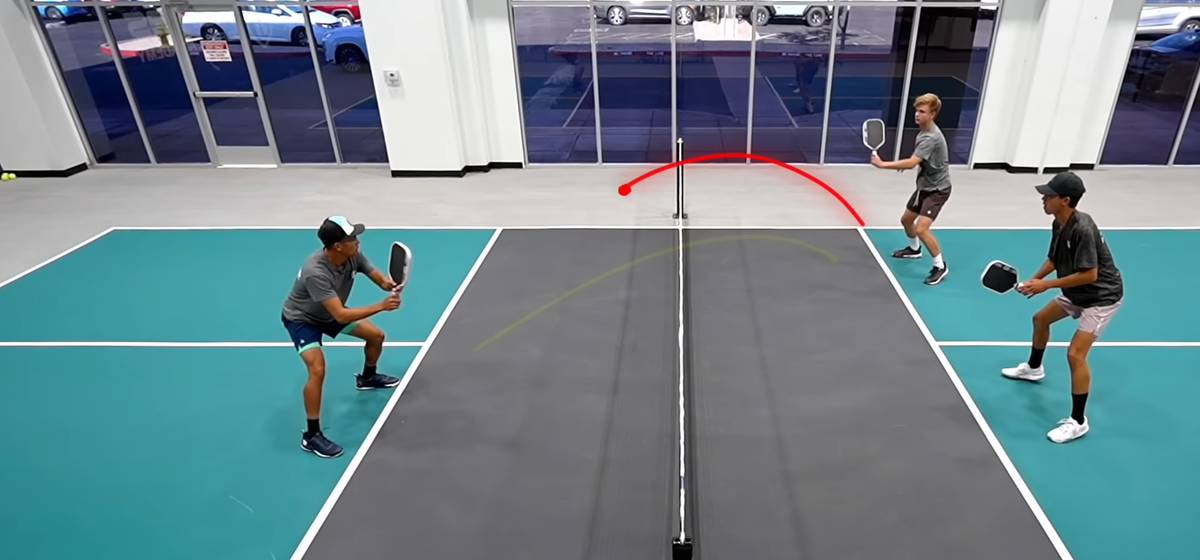
4 Pickleball Offensive Strategy Tactics You Need Now
Advanced pickleball isn’t about hitting the same shot over and over. It’s about reading your opponents in real-time and adjusting offensive and defensive strategy accordingly.
 The Dink PickleballThe Dink Media Team
The Drop Step: Creating Offense From a Defensive Position
One moment in this video is easy to miss but it is critical.
After catching a ball off the shoe in a cramped position, the correct response is a drop step back before attacking.
If you are in a compromised stance, your opponents know nothing offensive is coming.
There is zero deception and zero threat from a crowded, off-balance position.The drop step gives you room to generate pace and angle.
It also signals to you mentally that you are resetting into an attacking stance rather than just shoveling the ball back.
This ties directly into transition zone positioning, where the difference between a good and bad shot is often just one step of preparation.
Pickleball Footwork: The Complete Drop Step Guide
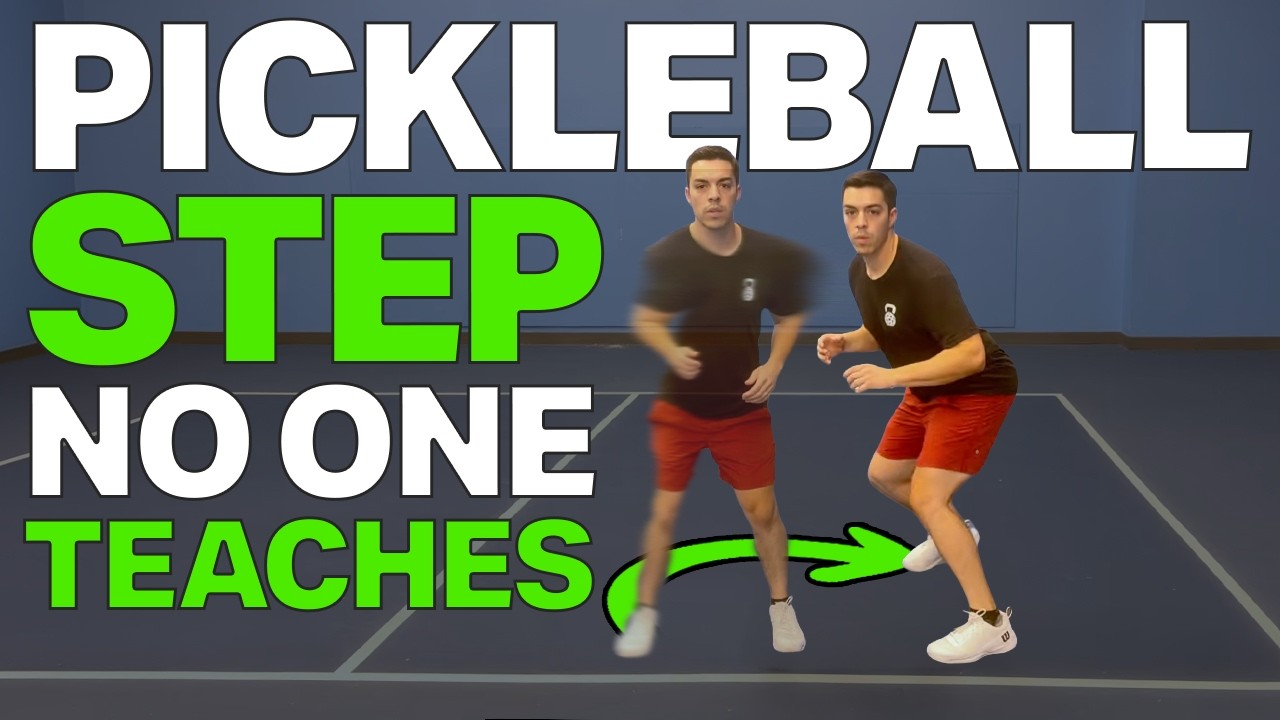
The drop step is the pickleball footwork move that stops you from getting beaten by lobs. Coach Ty Woody breaks down 3 movements to fix your backward movement and take control of the court.
 The Dink PickleballThe Dink Media Team
Driving Twice in a Row: When Mixed Doubles Changes the Rules
In men's doubles, driving two consecutive balls is usually not the right call. The players are planted and patient, and driving twice just resets the point to neutral.
In mixed doubles, the dynamic is completely different.
When one player is moving aggressively to cover court, they are exposed to consecutive drives in a way a stationary opponent is not.
The lesson from Ignatowich is to recognize that advantage and press it. When you drive and get a weak response, keep the pressure on and force the moving player into errors.This is one of the key strategies pros apply every game that recreational players leave off the table entirely.
You see the same pattern in this match analysis of mixed doubles strategy with Christian Alshon.
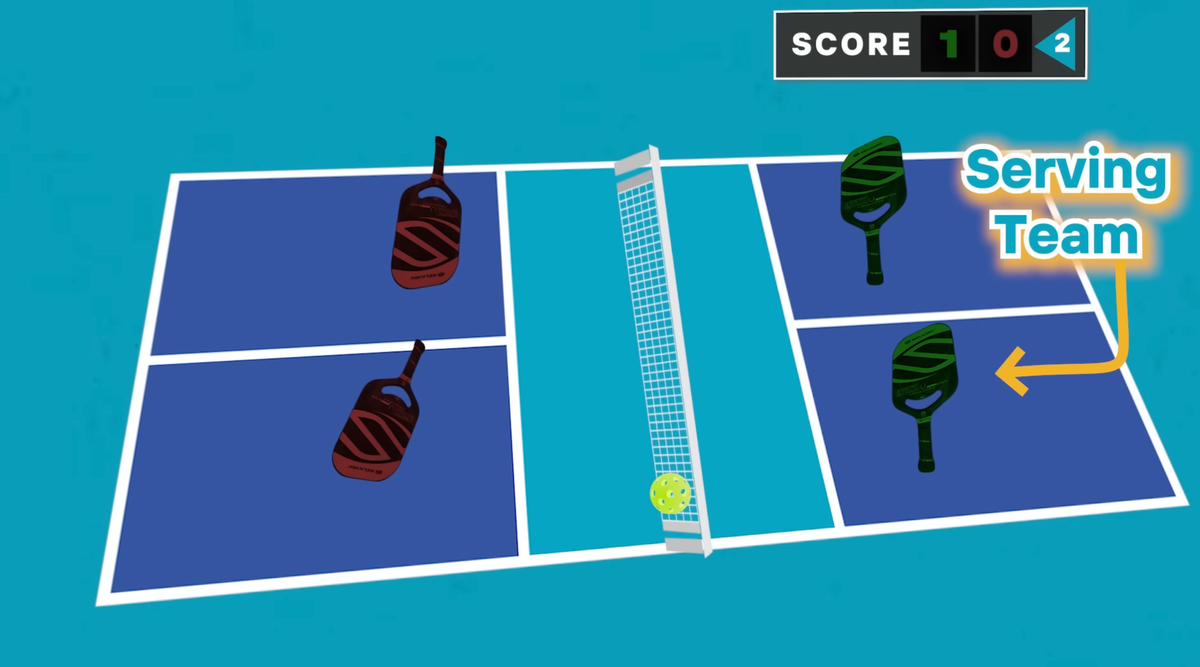
Pickleball Rules for Doubles: The Complete Breakdown
The beauty of pickleball is that once you understand these fundamentals, the game opens up. You start thinking about strategy, positioning, and shot selection. Pretty soon, you’re hooked.
 The Dink PickleballThe Dink Media Team
What Sets Up the Erne in Mixed Doubles
The Erne is legal and available in mixed doubles, but chasing it too aggressively is a mistake when you are covering a lot of court solo.
You need to set it up before you go for it.
The hold is what creates the Erne opportunity. When you hold a wide ball and the bigger player freezes, a well-timed inside-out shot to the opposite corner can bait him into staying narrow.Without the hold, an Erne attempt telegraphs your intention too early. With the hold, you have already planted doubt in the dominant player's mind.
If you want the mechanics behind it, these deceptive shots that paralyze opponents cover the footwork and timing in detail.
Erne Pickleball: Setup, Jump & Legal Landing Explained
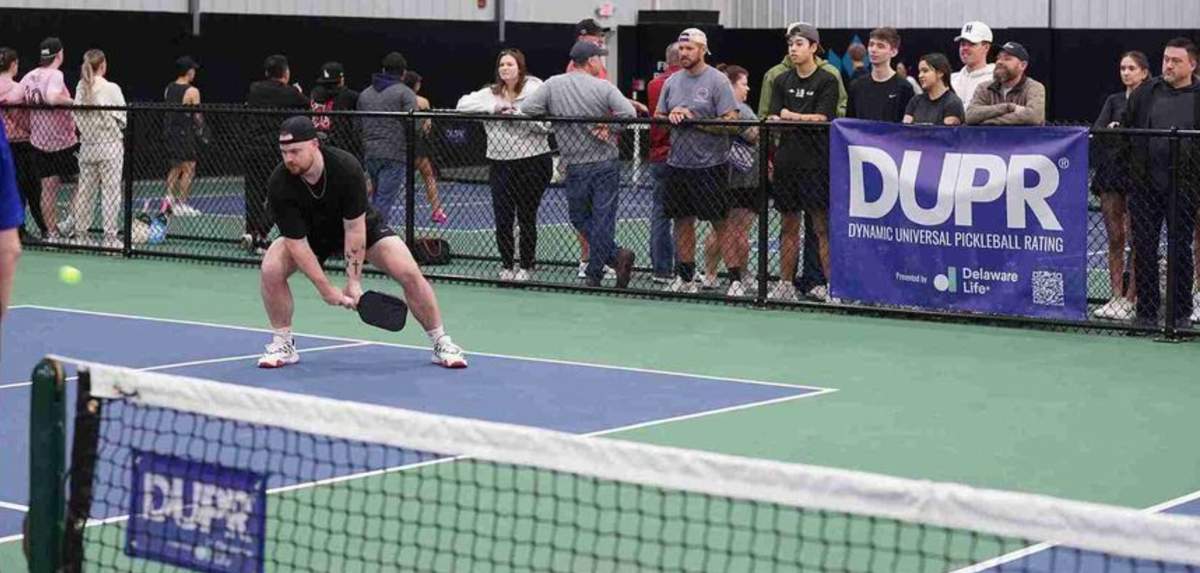
The Erne pickleball shot is one of the most disruptive weapons at the net, letting you volley the ball outside the kitchen line while your opponent has nowhere to go. Here’s exactly how to set it up, execute the jump, and land legally every time.
 The Dink PickleballThe Dink Media Team
Two Takeaways You Can Use in Your Next Match
Everything in this session comes back to two principles that apply whether you are playing at 3.5 or competing at the pro level.
- First, hold dead balls. When there is no pace on the incoming shot, slow down your response and make your opponents guess. What you establish early creates opportunities later.
- Second, hit behind the stronger player to keep them honest. When the dominant player in mixed gets big and starts roaming, put the ball where they just were. Do it with pace. That is what forces them to play smaller and opens up the entire court for you.
That is what forces them to play smaller and opens up the entire court for you. This same logic drives the unconventional mixed doubles strategy that just won PPA gold.
For players working on shot selection decisions under pressure, these two principles give you a clear framework for every point.
And what pro players consistently do differently is a strong next step for tying the mechanics and the strategy together.
💡
Heads up: hundreds of thousands of pickleballers read our free newsletter.
Subscribe herefor cutting edge strategy, insider news, pro analysis, the latest product innovations and more.
Frequently Asked Questions
What does "holding the ball" mean in mixed doubles pickleball strategy?
Holding the ball means pausing deliberately before you strike a dead ball instead of rushing the return. The pause forces the dominant player to freeze on his side of the court, which opens up attack angles you would not otherwise have. It is the core deception tool at the kitchen line in mixed doubles.
Should you always target the weaker player in mixed doubles?
Not when the stronger player is roaming aggressively. If the better player is covering extra court, putting the ball behind them forces them to play smaller and stops them from controlling the rally. Once they stay honest on their side, the weaker player becomes more exposed naturally.
When should you stay back instead of rushing to the kitchen in mixed doubles?
Stay back when the incoming balls are dead and slow and you are not in control of the rally. Rushing the kitchen in that situation gives a composed opponent a stationary target to attack. Move forward only when you have earned a clear advantage in the point.
How do you cover the middle without guessing at the kitchen line?
Sit your paddle in backhand position and keep it inside your peripheral vision. This covers the highest-percentage target zone without committing to a direction early. If the ball goes wide, you step to it; if it stays middle, your paddle is already there.
Is driving twice in a row ever correct in mixed doubles?
Yes, and it is actually more correct in mixed than in men's doubles. When a player is moving aggressively to cover court, they are far more vulnerable to consecutive drives than a planted, stationary opponent. If you drive and get a weak response, press the advantage immediately rather than resetting.
Anuncie Aqui / Advertise Here
Sua marca para o mundo Pickleball! / Your brand for the Pickleball world!




 English (US) ·
  Portuguese (BR) ·