
 English
  Spanish
  Portuguese
  German
  Italian
  Japanese
  French
  Polish
  Russian
  Netherlands
  Hungarian
  Turkish
  Videos
  Thedink Pickleball

Most players waste practice time on the wrong pickleball drill. These five drills from PPA pro Ashley Griffith build the exact skills that win real matches.
Most players pick up a pickleball drill, run it a few times, and move on before it actually changes anything in their game.
The problem is not effort. It is picking the wrong drills, or stopping too soon to see real results.
These five drills cover the full court: dinking consistency, transition zone survival, fast hands, power from the baseline, and competitive match simulation.
They are not beginner exercises you age out of.
They come directly from Ashley Griffith, a professional on the PPA Tour, who still runs all five of these in her own practice sessions.
If a drill is good enough for a touring pro to keep doing, it is worth your time on the court.
Love pickleball? Then you'll love our free newsletter. We send the latest news, tips, and highlights for free each week.
Drill 1: The 100-Ball Dink Rally
The goal is simple: you and your partner rally dinks, either straight ahead or crosscourt, until you reach 100 total balls without a miss.
If anyone misses, you restart the count from zero.
This sounds easier than it is. Most recreational players cannot get past 30 before someone pops one up or hits wide.
The neutral dink is one of the most underrated shots in the game. It is not aggressive, and it is not a kill ball.
Building the muscle memory to produce that shot 100 times in a row is what makes your dink reliable under pressure.
Run this pickleball drill down the line and crosscourt on both sides. The patience it demands is not a side effect. It is the whole point.
Drill 2: The Slinky Drill
One player starts at the net. The other starts at the baseline.
The baseline player slowly works their way forward using resets and drops, earns their way to the net, and then the player who was at the net works their way back to the baseline.
It goes back and forth, just like a slinky.
The transition zone is where most mistakes happen. Players either rush through it or freeze in it.
This pickleball drill forces you to take your time and stay committed to soft shots when soft shots are the right call.
The player at the net is not passive. They feed a variety of balls: some attackable, some that require a reset, some that demand a drop.
Spend about 15 to 20 minutes on this one.
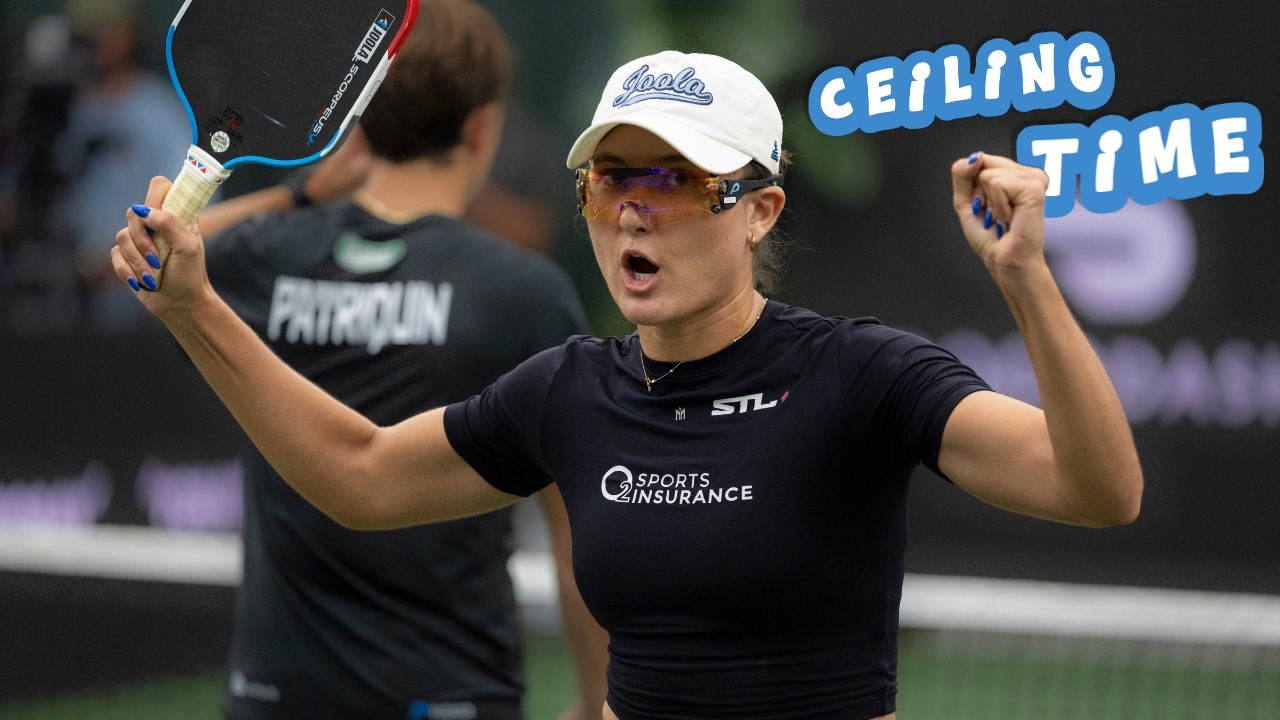
Pickleball Improvement: Stop Letting Opponents Get Comfortable
If your opponents feel too comfortable, your pickleball improvement has stalled at the ceiling level. Here is exactly how to fix that with variety and pressure.
 The Dink PickleballThe Dink Media Team
Is the Slinky Pickleball Drill Actually About Drops?
Yes, drops are a big part of it, but the real focus is decision-making under movement.
When you are walking forward and someone pushes a ball at your feet, you have to choose between a reset and a drop in real time.
That decision, made correctly and repeatedly, is what separates players who stall in the transition zone from players who navigate it cleanly.
💡
Need some new pickleball gear? Get 20% off select paddles, shoes, and more with code THEDINK at
Midwest Racquet SportsDrill 3: The Dead Dink Hands Drill
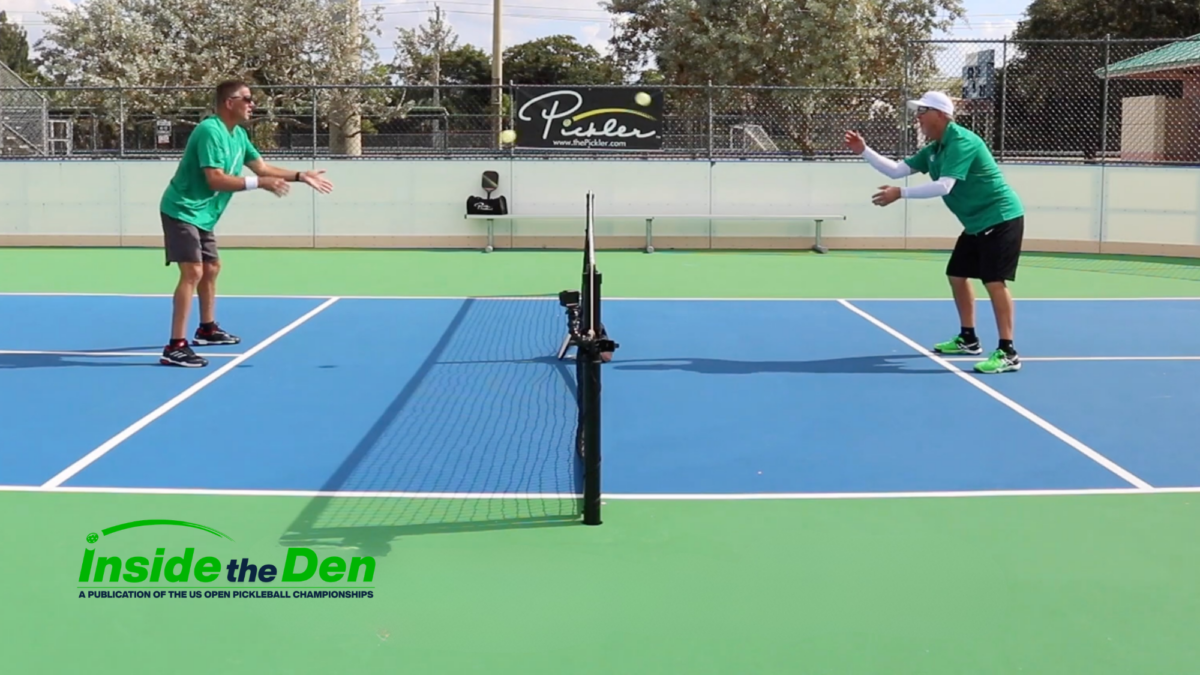
Both players start at the kitchen.
You exchange a few neutral dinks, then one player intentionally floats a dead dink, a ball that sits up slightly and is attackable.
The other player speeds it up, and both players go into a full hands battle until someone wins the point.
A dead dink is any dink that lands too high or too soft, giving the opponent a clear chance to attack.
Recognizing a dead dink and attacking it decisively is a skill that separates 4.0 players from 4.5 players.
This pickleball drill trains both the speed up and the reaction that follows. You are working on what happens after the attack, when both players are moving fast.Keep score. Make it competitive. That pressure is the whole reason the drill works.
What Makes This Pickleball Drill Better Than Generic Hand Speed Work?
Generic hand speed drills repeat the same pattern on loop.
This drill replicates the actual sequence of a real point: a soft exchange, a recognition moment, an attack, and a live hands battle.
The intentional dead dink setup also trains you to spot the right ball to attack.
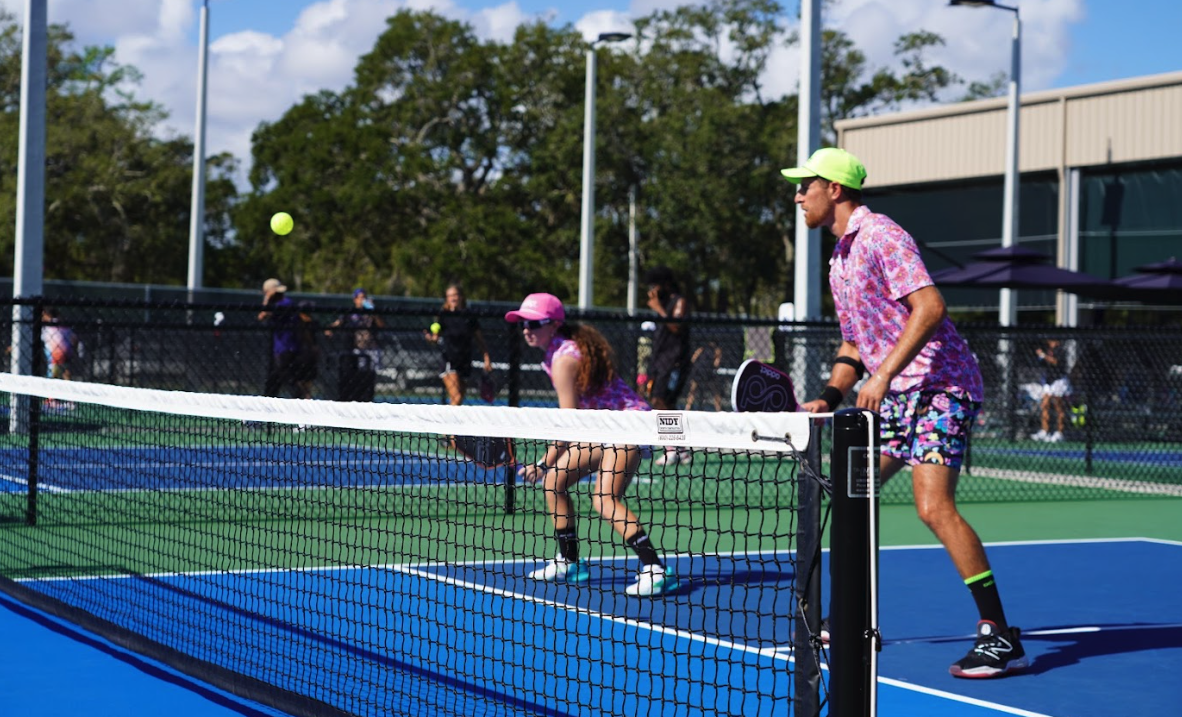
Many recreational players either attack everything or attack nothing.What Is a Dead Dink in Pickleball? How to Attack It
A dead dink in pickleball is essentially a gift shot from your opponent. This guide breaks down how to identify a dead dink and exactly how to attack it every single time.
 The Dink PickleballThe Dink Media Team
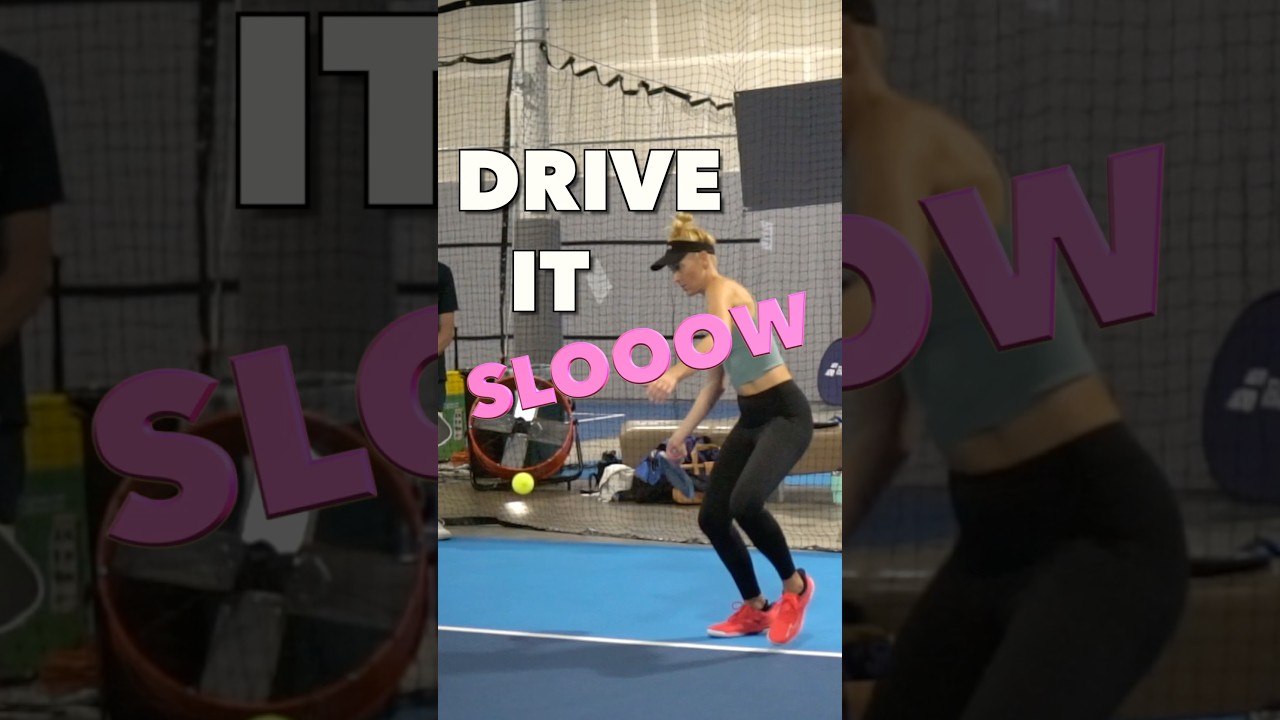
Drill 4: The Figure Eight Drill
Both players go to the baseline. You start crosscourt from each other, both on the right side. One player hits every ball down the line.
The other hits every ball crosscourt. After the exchange, both players switch sides and repeat, creating a figure eight pattern across the court.
This kind of full speed drive work is exactly why modern pros have mostly abandoned the slice shot in favor of flatter, harder pace off both wings.
Here is what this drill demands from you:
- Hard drives off both wings, not just your stronger side
- Quick lateral movement to recover position after each shot
- Sustained cardio across multiple rallies
- Consistent ball control while moving at full effort
This pickleball drill is excellent for singles players because the movement pattern mirrors a lot of what singles demands.
But it is equally valuable for doubles players who want to sharpen their drives and build the conditioning to stay sharp late in a match.
Your heart rate will climb fast. That is the point. You want to be able to drive the ball cleanly when you are already tired, not just when you are fresh.
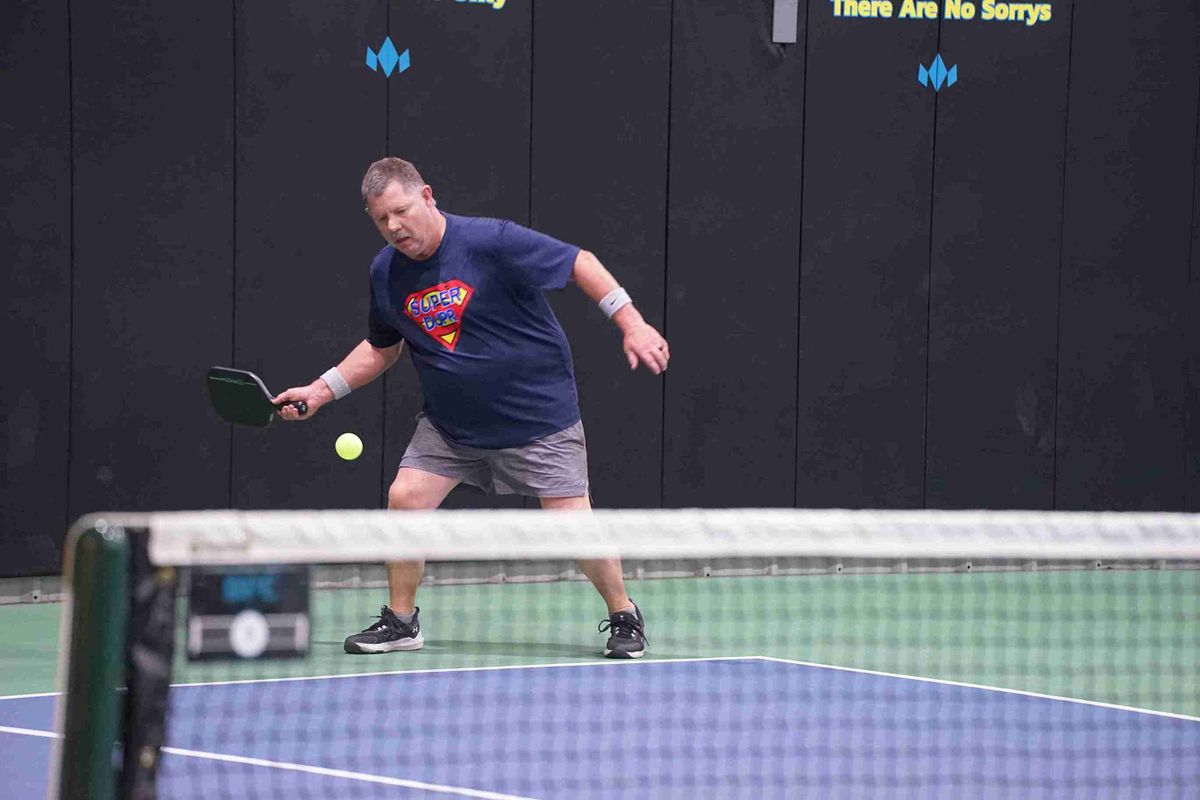
If your shots are going long during this drill, it is usually a sign that your mechanics are breaking down under fatigue.How to Train for Pickleball at Home
You can train for pickleball at home with targeted off-court drills that sharpen footwork, reflexes, and mechanics. Here are 8 drills that actually translate to better play.
 The Dink PickleballThe Dink Media Team
Pickleball Drill 5: The 7-11 Drill (The Best One)
This is Ashley Griffith's favorite drill, and after hearing how it works, you will understand why. One player starts at the net. One player starts at the baseline.
The net player needs to reach 11 points. The baseline player needs to reach 7 points. You feed the ball and play out each point.
The asymmetry is the whole design. Here is what each role demands:
- Net player: You are in the position of advantage. You need to be aggressive, finish points cleanly, and not let the baseline player steal control.
- Baseline player: You are starting from a deficit every single point. You have to drop or drive your way in, survive the transition zone, and earn points even on defense.
Why Is the 7-11 Pickleball Drill More Useful Than Regular Practice Points?
Regular practice points treat both players as equals from the start.
The 7-11 drill bakes in an intentional disadvantage for one player, which mirrors what actually happens in matches.
Getting out of bad positions is a skill, and you can only build it by practicing from bad positions. The compressed scoring also creates urgency.
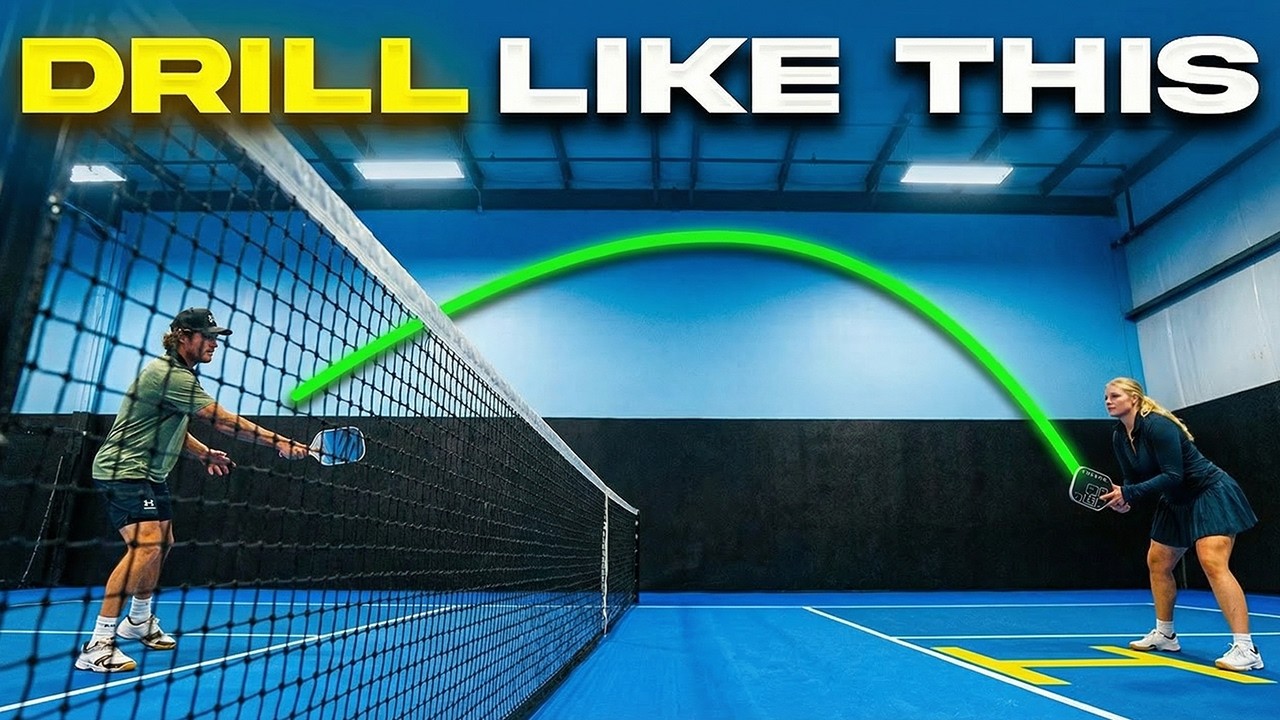
7 Pickleball Drills That Work for Every Level
Pro player Michael Loyd shares 7 pickleball drills designed to build real consistency and fix the weaknesses keeping you stuck.
 The Dink PickleballThe Dink Media Team
How Do You Put These 5 Pickleball Drills Together in a Session?
You do not need to run all five every time you play. A smart session might look like this:
- Start with the 100-ball dink rally to get your touch dialed in
- Move into the slinky drill to work the transition zone while your legs are fresh
- Run the dead dink hands drill for competitive reps at the kitchen
- Finish with the 7-11 drill to simulate match pressure and sharpen your closing game
Add the figure eight drill on days when you want to focus on power, fitness, or singles preparation.
It works best as a standalone block rather than sandwiched between soft game work.The bigger takeaway is this: structure your practice around specific skills, not random rallying.
These five pickleball drills give you a framework that covers every part of the game, from your most consistent neutral dink to finishing points under pressure.
Run them consistently and you will see the results show up in your matches before you expect them.
💡
Heads up: hundreds of thousands of pickleballers read our free newsletter.
Subscribe herefor cutting edge strategy, insider news, pro analysis, the latest product innovations and more.
Frequently Asked Questions
What is the 100-ball dink rally drill and why does it matter?
The 100-ball dink rally is a drill where two players exchange neutral dinks until they reach 100 consecutive shots without a miss, restarting from zero if anyone errors. It builds the ball control and patience that make your dink reliable in real matches.
What is a dead dink in pickleball?
A dead dink is a dink that sits up too high or lands too softly, making it attackable by the opponent. Recognizing dead dinks quickly and attacking them with a speed up is a key skill for players looking to move from 4.0 to 4.5.
How long should I spend on the slinky drill each session?
Ashley Griffith recommends about 15 to 20 minutes per session on the slinky drill. That is enough time to get meaningful reps in every position between the baseline and the kitchen on both sides.
Is the figure eight drill good for doubles players or just singles?
The figure eight drill is valuable for both, but it is especially useful for singles players because the lateral movement and driving patterns mirror singles court demands directly. Doubles players benefit from the conditioning and drive consistency it builds.
How do I know when I am ready to move from recreational drilling to the 7-11 drill?
If you can sustain a soft game rally for more than a few shots and have a basic understanding of kitchen positioning, you are ready for the 7-11 drill. It's designed to challenge both beginners and advanced players through the asymmetric scoring format.
Anuncie Aqui / Advertise Here
Sua marca para o mundo Pickleball! / Your brand for the Pickleball world!




 English (US) ·
  Portuguese (BR) ·