
 English
  Spanish
  Portuguese
  German
  Italian
  Japanese
  French
  Polish
  Russian
  Netherlands
  Hungarian
  Turkish
  Videos
  Thedink Pickleball

After coaching thousands of beginners, the same pickleball mistakes show up again and again. Here are the five that cost you the most, and how to fix each one today.
Most pickleball mistakes do not look like mistakes. They look like normal play, right up until the ball sails past you or pops up for an easy putaway.
After coaching thousands of beginners, the same handful of faults show up on nearly every court.
The good news: each one has a fix you can apply your very next session, and none of them require more talent or a better paddle.
Here are the five faults that cost beginners the most points, straight from a Selkirk TV coaching breakdown, plus exactly how to clean each one up.
If you want a structured plan alongside these fixes, a simple 4-step system to win more pickleball games in 2026 is the perfect companion read.
Love pickleball? Then you'll love our free newsletter. We send the latest news, tips, and highlights for free each week.
Mistake 1: A Lazy Stance at the Kitchen Line Is One of the Most Common Pickleball Mistakes
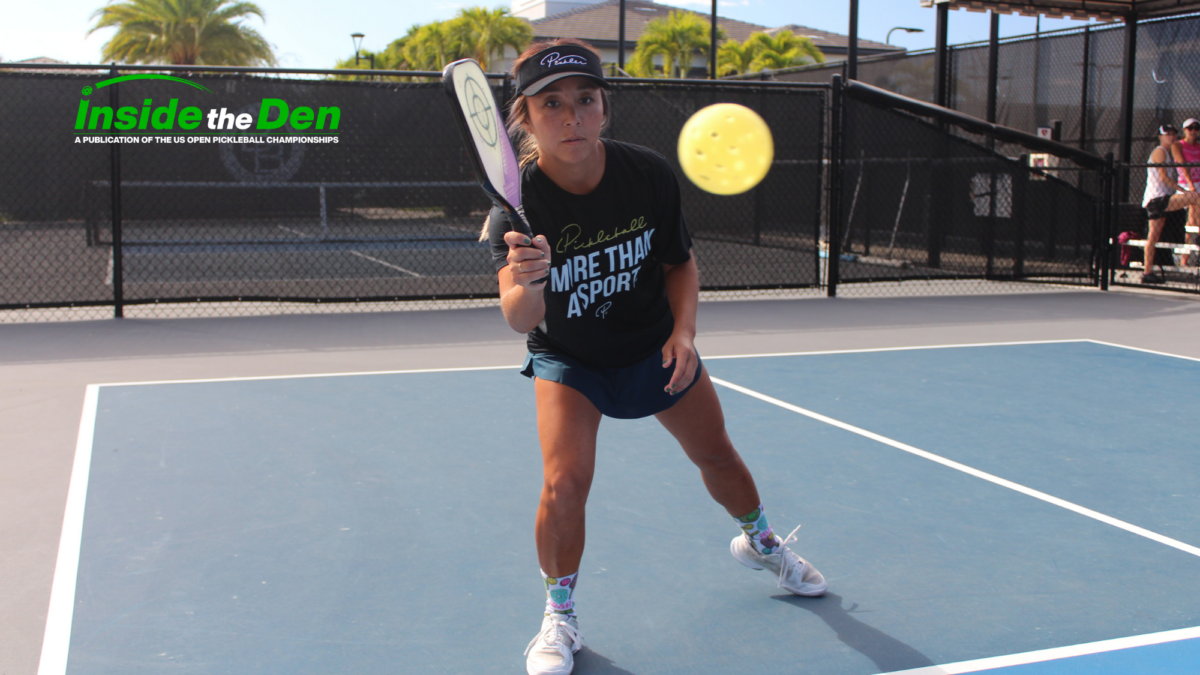
The most common pickleball mistake at the net is standing tall with your feet close together and your paddle tucked into your body.
It feels comfortable, and it quietly shrinks your reach.
The coach in the video puts it simply: your feet are your reach.
"By having my feet far apart, I can reach so much farther," he says. "Watch what happens when my feet come in. I just lost a lot of reach."Drop into an athletic stance. Bend your knees, widen your base, and get the paddle out in front of your body where you can see it.
That single adjustment lets you cover more of the line without lunging or stretching off balance.
The 2 essential pickleball techniques you're missing at the kitchen line go even deeper on net-ready positioning.
Why Does an Athletic Stance Fix So Many Pickleball Mistakes?
Because almost everything at the net flows from your ready position.
A wide, bent base lets you push off in either direction, absorb a fast ball, and keep your kitchen positioning tight instead of reaching for dinks you should be stepping to.
Beginners who feel slow at the net usually are not slow. They are just standing in a position that gives them nothing to push off of.
Sort out the stance and your footwork suddenly looks a lot quicker.
For a full breakdown of the shots you need once that stance is locked in, check out the 6 essential pickleball shots to master for 2026.
💡
Need some new pickleball gear? Get 20% off select paddles, shoes, and more with code THEDINK at
Midwest Racquet SportsMistake 2: Flipping the Paddle Face on Fast Hands
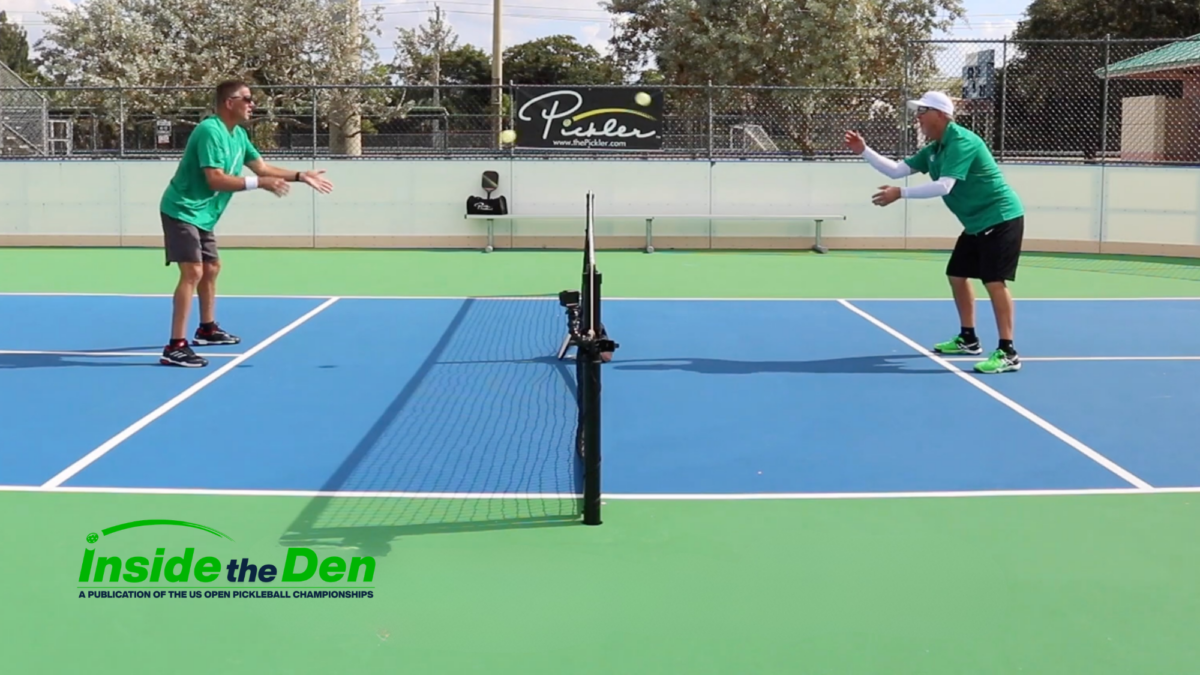
The second fault shows up the moment a ball speeds up at the net: beginners open and close the paddle face mid-rally, trying to steer each shot.
On fast exchanges, that is how you spray balls long and into the net.
"When balls are going fast and we need control, hitting it where we want, we don't want to change our paddle face angle," the coach explains. Power without a stable face gives you no precision.There is a time to open and close the face. A slow, high ball or an overhead is fine.
But in a quick hands battle, a steady paddle face beats a busy one every time.
Understanding modern pickleball hand speed and paddle positioning will reinforce exactly why stability at contact is the non-negotiable.
When Should You Take the Ball Out of the Air?
Take the ball out of the air whenever you comfortably can at the net.
Volleying early steals time from your opponent and keeps you on offense, which is the whole point of a clean volley.This connects to one of the quietest beginner pickleball mistakes around: letting catchable balls bounce.
If it is in front of you and shoulder height or lower, meet it in the air with a firm face.
If it is dropping into the kitchen, let it bounce and reset with a soft dink instead.
The four fixes to stop popping the ball up in pickleball is required reading once you nail this concept.
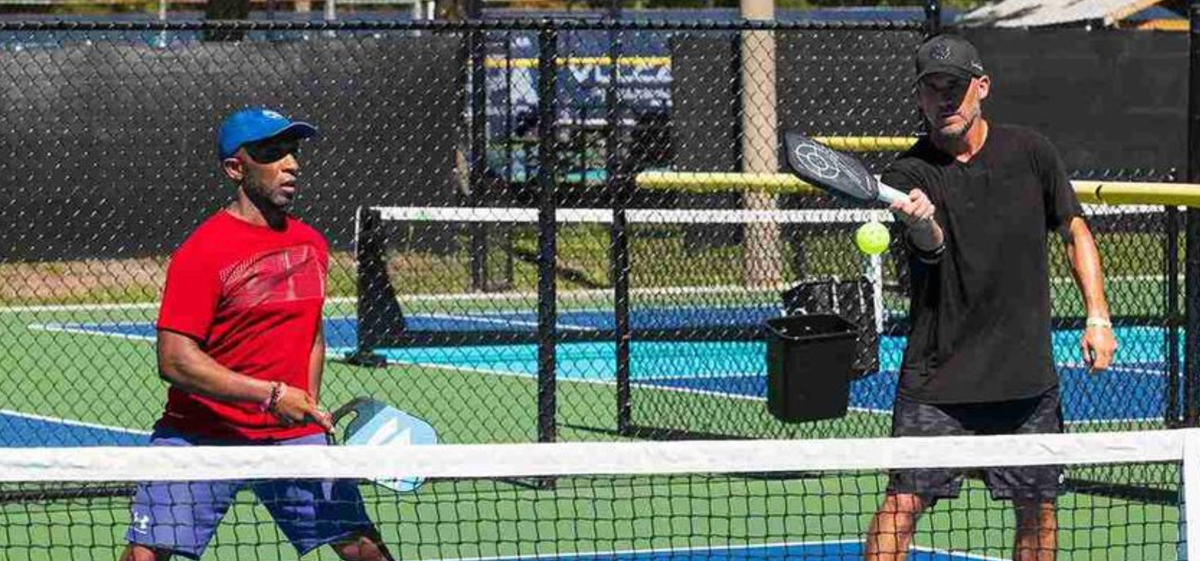
Beginner Pickleball Mistakes That Are Costing You Points
Most beginner pickleball mistakes come down to a handful of repeatable patterns, bad positioning, the wrong shot at the wrong time, and unforced errors you can fix this week. This guide breaks down the most common ones and gives you practical corrections to start winning more points immediately.
 The Dink PickleballThe Dink Media Team
Mistake 3: Reacting Late on Baseline Groundstrokes Is a Fixable Pickleball Mistake
Move back to the baseline and the same theme returns: a poor ready position creates the error before the ball even arrives.
Beginners hold the paddle low at their side, then scramble to turn once the ball is already over the net.
Watch the pros and you see the opposite. "The top players are watching the ball come off the opponent's paddle way back there.
They have a lot of time to turn and get in position," the coach notes. They prepare early because they read early.Get your paddle out in front, stay in that athletic stance, and turn your shoulders as soon as you read the shot.
Let the ball reach the top of its bounce and start to fall, when it is moving slower and easier to drive cleanly.
The 12 drills you need to play your best pickleball in 2026 includes baseline reps that train exactly this read-and-react habit.
How Do You Stop Wristy, Inconsistent Groundstrokes?
Preset the paddle to the angle your wrist needs at contact, then keep it there through the whole swing. "We're not playing with angles," the coach says.
A flicky wrist is one of the top pickleball mistakes behind balls that float long or dump into the net.
The same locked face that stops you popping the ball up at the net works from the baseline too. Set the angle, swing with your body, and trust it.
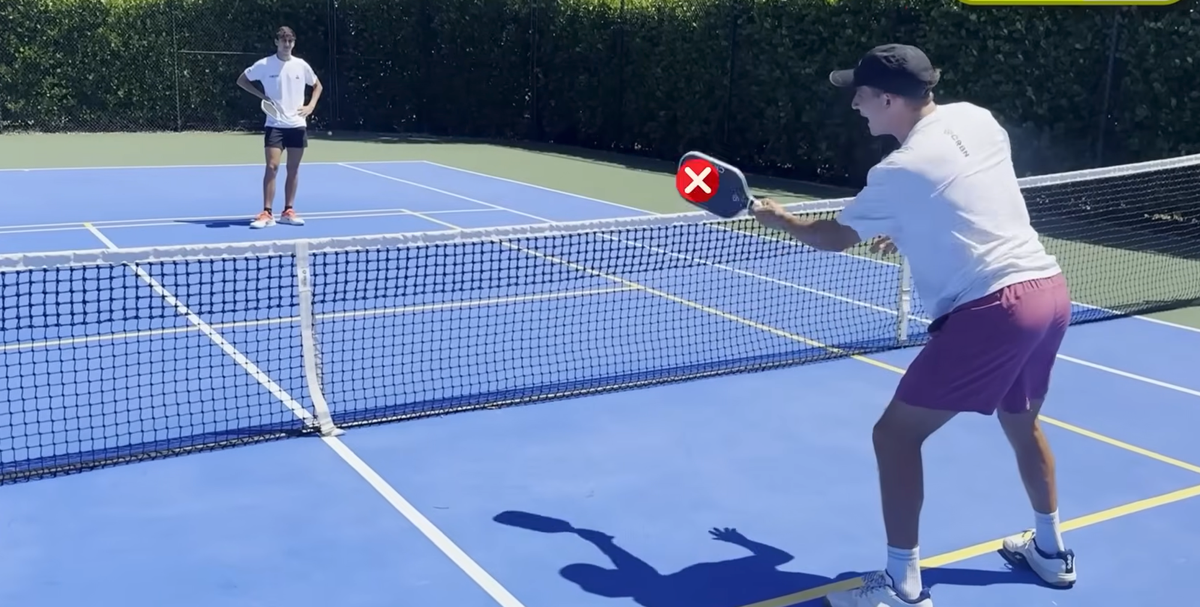
Consistency compounds fast once the wrist stops getting involved.The 5 Mistakes 4.0 Pickleball Players Make Over and Over
Most 4.0 pickleball players already have the shots. The real problem is pickleball decision making, pressure management, and knowing when to use the right tool.
 The Dink PickleballThe Dink Media Team
Mistake 4: Saying Nothing to Your Partner
The most avoidable of all beginner pickleball mistakes is silence.
A ball floats down the middle between you and your partner, you both watch it, and nobody moves.
The fix takes one word.
"As soon as they hit the ball, one of you, maybe both of you, say yours or mine," the coach advises, "so somebody can be in position to hit that." Call it early and call it loud.The two failure modes are both ugly. If you both go, you leave both sidelines wide open. If neither goes, the ball just lands.
A quick call solves both, and it costs you nothing.
For a broader look at how communication shapes every rally, modern pickleball: the four key strategies to winning in 2026 breaks down how elite teams own the middle with voice and movement together.
Who Should Take the Middle Ball in Doubles?
As a general rule the middle belongs to the forehand, and to the stronger or more central player, but the deciding factor is who calls it first.
We break down who covers the middle ball in detail, and the short version is that communication beats territory.
This is not just a beginner habit.
At the Ares Pickleball Slam, Anna Leigh Waters was forced to cover 60 to 70 percent of the court because the other team kept attacking the seam between her and her partner.
Even the best player in the world struggles when the middle is not clearly owned.
Watch Ben Johns on the left side and you will see him constantly talking and claiming the middle before the ball arrives.Who Ben Johns could play men's doubles with in 2025 is a fascinating look at how partnership dynamics shape court coverage at the pro level.
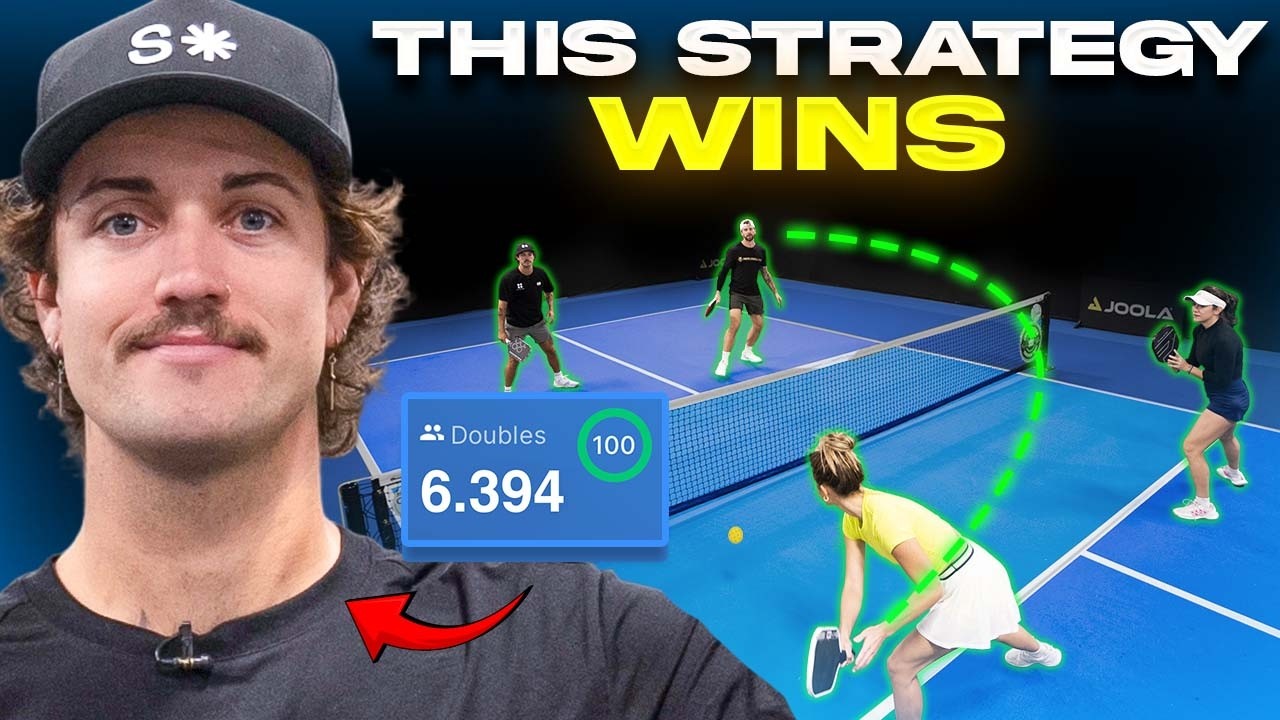
10 Pickleball Doubles Strategy Mistakes Beginners Make
Most pickleball doubles players lose points not because of bad shots, but because of poor positioning, weak communication, and lack of structure. Here are the 10 pickleball doubles strategy mistakes that separate casual players from consistent winners.
 The Dink PickleballThe Dink Media Team
Mistake 5: Standing in the Wrong Place After the Serve and Return
The last cluster of pickleball mistakes is all about position, and it shows up the second you start playing real games rather than drilling.
When your team serves, the instinct is to creep into the court. The problem is the return comes back deep and you cannot scramble backward in time.
As the coach says, "as long as one of you can remind your partner, hey, we're serving, we have to stay back, that helps greatly."The mirror image hurts the returning team.
You return the serve and then stay parked at the baseline, leaving your partner to cover the whole net alone.
Understanding the pickleball transition zone: when to play safe vs. when to attack is the clearest breakdown of this exact moment that too many beginners rush or ignore.
What Is the Simplest Positioning Fix for Pickleball Beginners?
Talk through two moments every single point:
- Serving: remind each other to stay back behind the baseline until the return bounces.
- Returning: after you hit the return, get up to the kitchen line with your partner.
That second habit keeps you out of no man's land, the dead zone where most rally errors come from.
In fact, plenty of mistakes come from the transition zone, so the faster you move through it as a team, the better.The 2 tactics to escape trouble in pickleball's transition zone gives you a concrete two-move formula for doing exactly that.
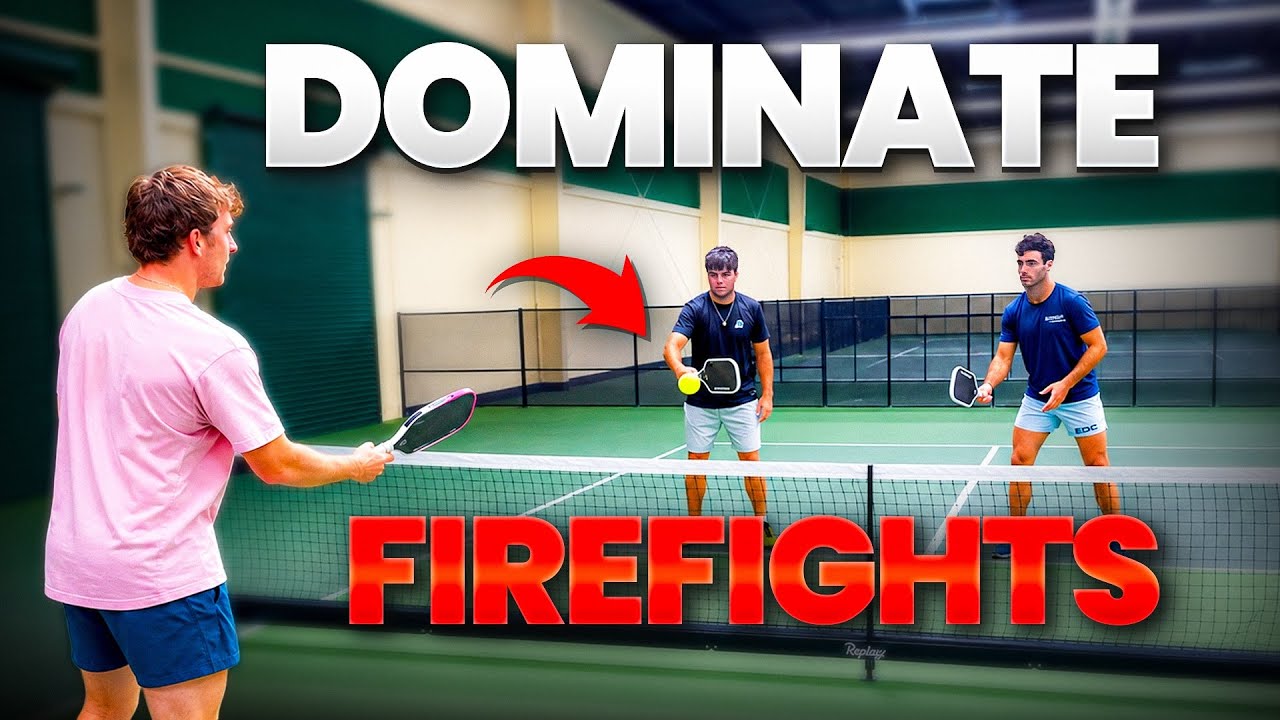
Off-Ball Positioning: The Secret to Winning Firefights
Most pickleball players lose firefights before the ball even reaches them because they don’t understand off-ball positioning. Master the fundamentals of paddle placement, court awareness, and anticipation to become an elite off-ball player.
 The Dink PickleballThe Dink Media Team
The Pattern Behind Every One of These Pickleball Mistakes
Notice the thread. A wide stance, a stable paddle face, an early shoulder turn, a loud call, and a shared plan after the serve. None of it is fancy.
Pickleball rewards fundamentals far more than flair, which is exactly why it is so beginner-friendly.
As one longtime instructor told Yahoo Sports, most players gain basic competency after just a few games. Clean up these faults and you will feel that jump fast.
If you want more reps on the underlying habits, our guides on how to break 5.0: the 5 pickleball shots you must master before 2026 and the six more stubborn habits losing you pickleball points are the natural next step.
Fix the faults above first, then layer in the next level of refinement.💡
Heads up: hundreds of thousands of pickleballers read our free newsletter.
Subscribe herefor cutting edge strategy, insider news, pro analysis, the latest product innovations and more.
Frequently Asked Questions
What Is the Most Common Pickleball Mistake for Beginners?
A lazy ready position is the most common. Standing tall with feet close together and the paddle held low shrinks your reach and slows your first step, which quietly causes errors at both the net and the baseline.
Should I Hit the Pickleball Out of the Air or Let It Bounce?
Take it out of the air whenever you comfortably can at the net, because volleying early takes time away from your opponent. Let it bounce only when the ball is dropping into the kitchen, where you should reset with a soft dink instead.
How Do I Stop Popping the Ball Up in Pickleball?
Preset your paddle face to the angle you want at contact and keep it stable through the shot instead of flipping it open and closed. A steady face and a firm wrist keep the ball from floating up for an easy putaway.
Who Calls the Ball in Pickleball Doubles?
Whoever reads it first should call "mine" or "yours" the instant the opponent strikes the ball. The middle generally belongs to the forehand or the more central player, but a clear, early call matters more than any fixed rule.
Where Should I Stand After Serving in Pickleball?
Stay back behind the baseline after you serve, since the return is allowed to bounce and you cannot retreat quickly if you crept in. After you hit a return, do the opposite and move up to the kitchen line with your partner.
Anuncie Aqui / Advertise Here
Sua marca para o mundo Pickleball! / Your brand for the Pickleball world!


 English (US) ·
  Portuguese (BR) ·