
 English
  Spanish
  Portuguese
  German
  Italian
  Japanese
  French
  Polish
  Russian
  Netherlands
  Hungarian
  Turkish
  Videos
  Thedink Pickleball

The best pickleball strategy isn't always the hardest one. Here's exactly why controlled, pressured play beats power almost every time.
You walk off the court confused. Your opponent wasn't faster than you, wasn't more athletic, and definitely wasn't hitting harder.
But they beat you anyway.
Understanding the real pickleball strategy behind that kind of player is the first step to not falling for it again.
This isn't about banger-proofing your game.
This is about recognizing how controlled, calculated play creates pressure you don't even notice until you're already down a handful of points.The breakdown below comes straight from Cori Elliott on YouTube, who laid out exactly why soft, smart play wins more often than raw power. Let's get into it.
Love pickleball? Then you'll love our free newsletter. We send the latest news, tips, and highlights for free each week.
Why Power Isn't the Point
Here's the truth most players don't want to hear: better players don't beat you with power, they beat you with pressure.
The distinction matters more than most recreational players realize.
Power is visible. Pressure is invisible until it's already working on you.
And by the time you notice it, you're rushing your shots, guessing wrong, and donating free points.
The player who beats you without hitting hard has learned something specific.
They've figured out that making you uncomfortable is more effective than trying to overpower you.
The same idea sits at the center of the four key strategies defining modern pickleball. Here's exactly how they do it.
Reason 1: They Keep the Ball Low and You Keep Popping It Up
This is the foundation of every smart, controlled pickleball game.
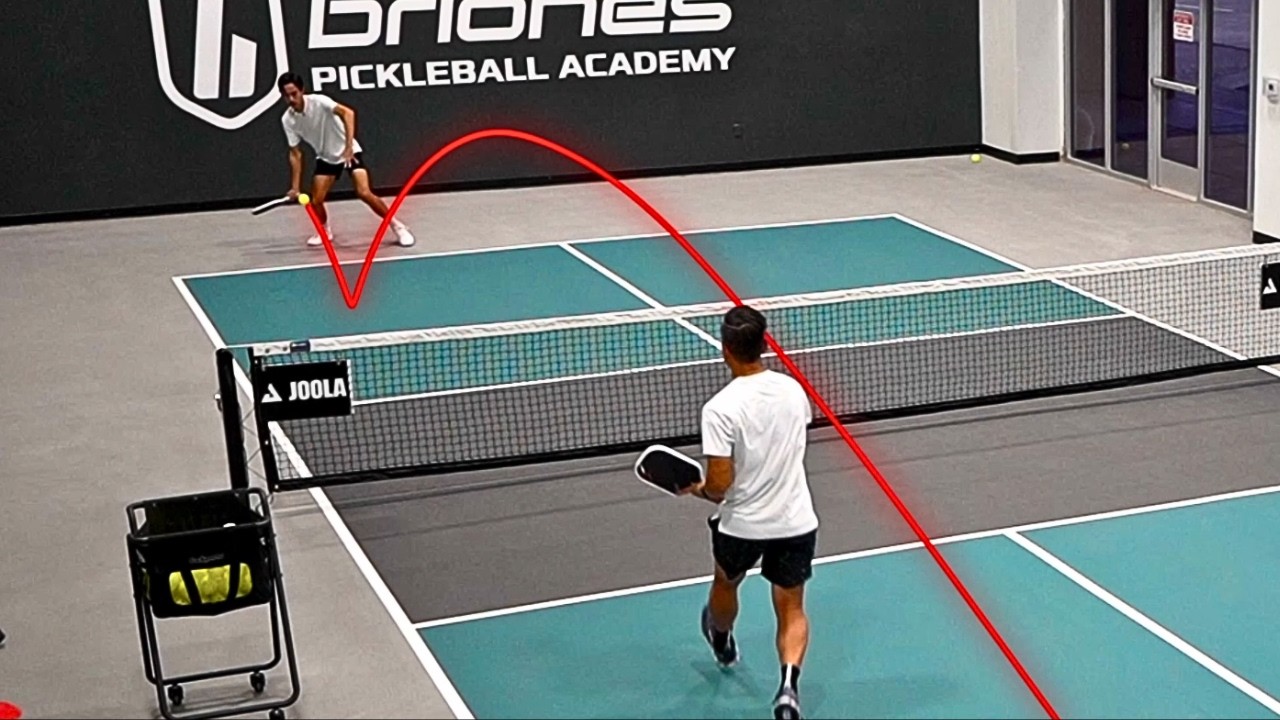
When an opponent keeps the ball low, you are forced to hit up. When you hit up, you create attackable balls.
When you create attackable balls, you lose points.
It's not an accident. Low ball placement is a deliberate tactic designed to remove your offensive options before the point even develops.You're always playing defense when you're digging balls up from your shoelaces.
That single habit undoes more good pickleball strategy than any missed serve ever will.
If you find yourself popping the ball up constantly, this breakdown on why you keep popping the ball up gives you three specific fixes worth knowing.
💡
Need some new pickleball gear? Get 20% off select paddles, shoes, and more with code THEDINK at
Midwest Racquet SportsReason 2: They're Moving You Around and You Don't Realize It
The second way controlled players beat you is by attacking your positioning without you noticing.
Moving you side to side, pulling you wide and then placing one back to the middle, creates gaps in your court coverage and gaps in your composure.You think you're in a rally. You're actually being walked into a corner, literally and figuratively.
Players who understand the most common pickleball positioning mistakes know how to exploit them in opponents.
When you drift out of position, the open court just appears.
They don't have to create a winner. They just have to wait for you to give it to them.Court coverage is a skill you can drill, and the 12 drills that build your best pickleball are built around exactly this kind of movement pressure.
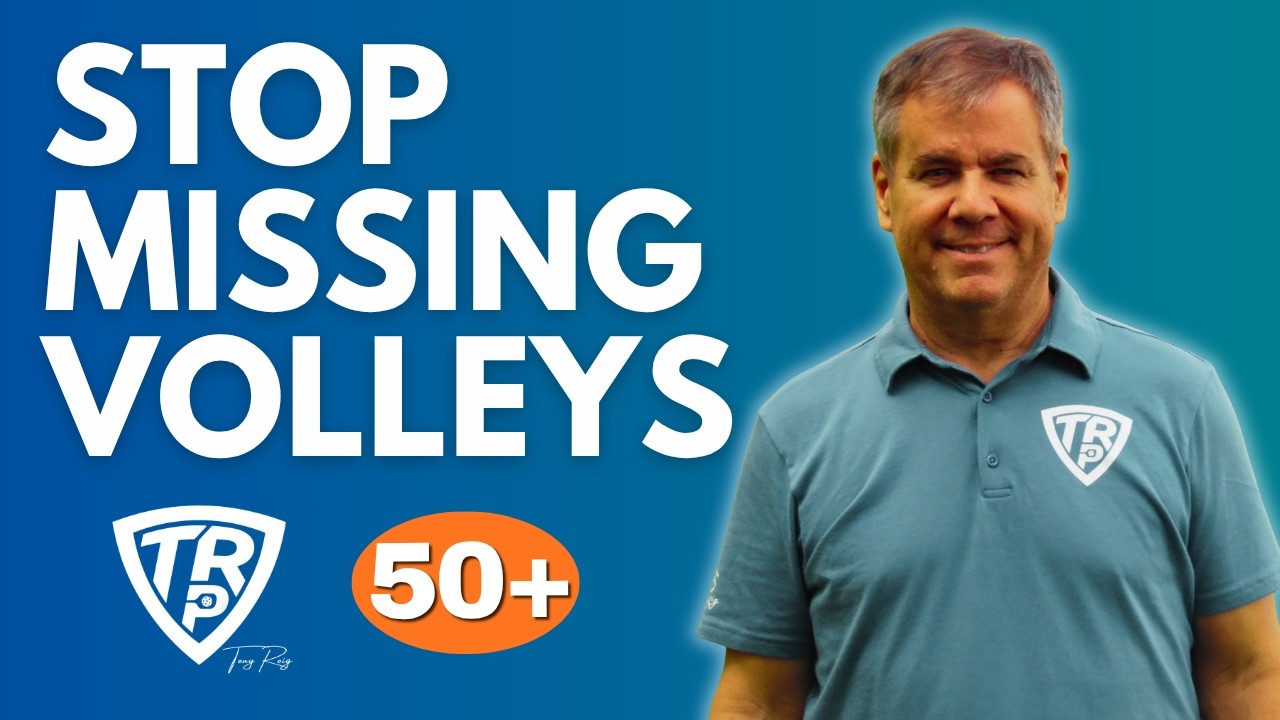
3 Pickleball Volley Mistakes and How to Fix Them
These three pickleball volley mistakes show up in almost every player’s game. Fix your targeting, your backswing, and your foundation and your volleys will look completely different.
 The Dink PickleballThe Dink Media Team
Reason 3: They Speed Up Only the Right Balls
Selective aggression is one of the most underrated skills in pickleball.
A lot of players think "speed up" means hit hard whenever you feel like it.
That's wrong.
The best players speed up only when the ball is attackable, the contact point is above the net, and they have a clear target.
That restraint is the pickleball strategy, not a lack of one.
When they do speed up, it's effective. When you speed up randomly, it gives away free points.
- They wait for a ball above net height before attacking
- They pick a body target or an open lane, not just "hard and hope"
- They accept a reset when the ball is too low to attack cleanly
- They don't force pace just because they feel impatient
Understanding why your speed up keeps getting attacked comes down to exactly this. You're speeding up the wrong balls at the wrong times.
Shot selection at this level is why pros quietly retired entire shots, and it's the same logic behind why the slice disappeared from the pro game.
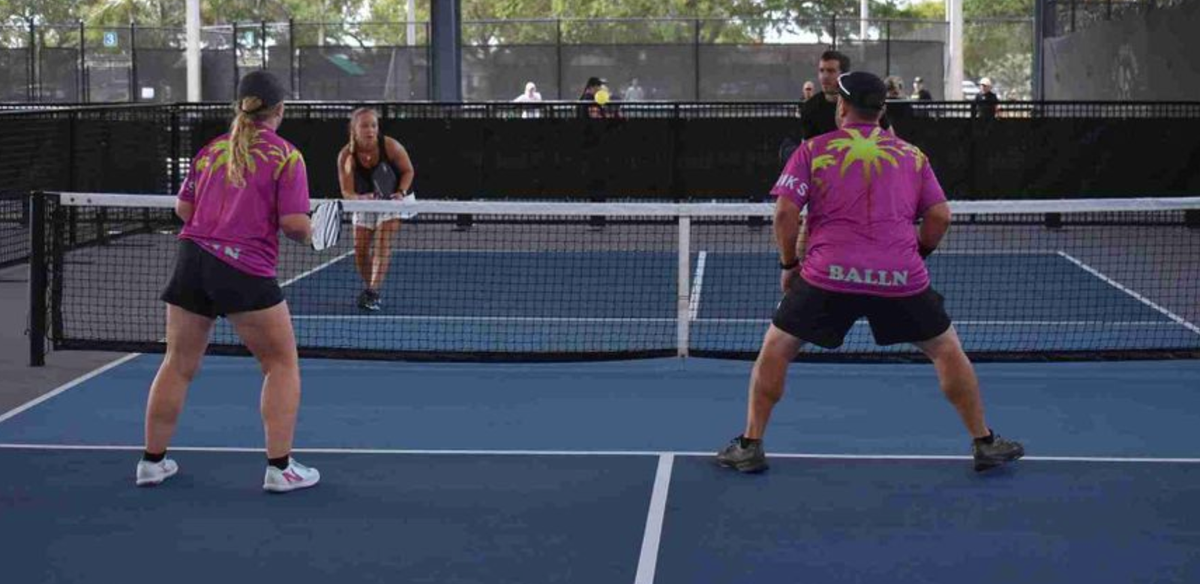
How to Speed Up From the Kitchen in Pickleball
Knowing when to speed up from the kitchen in pickleball is the difference between earning a point and handing one away. This guide breaks down the exact timing triggers, target zones, and attack patterns 3.5–4.0 players need to start winning more exchanges at the net.
 The Dink PickleballThe Dink Media Team
Reason 4: They Reset When You Want Them to Panic
This is where most recreational players give away the most points. You finally get a ball you can attack.
You speed it up.
Your opponent absorbs it and resets it back to the kitchen. Now you have to start over.And you lose patience. You get frustrated. You try harder and start missing more.
That's the entire plan. The reset is a weapon, not a defensive surrender.
The players who beat you without power have practiced absorbing pace and returning soft balls until you break mentally.
Resetting well is a learned skill, and it sits at the core of any patient pickleball strategy.
The rubber band drill for mastering pickleball resets is one of the most practical ways to build that ability from the ground up.
Pair it with the six essential shots worth mastering right now and the defensive gap closes fast.
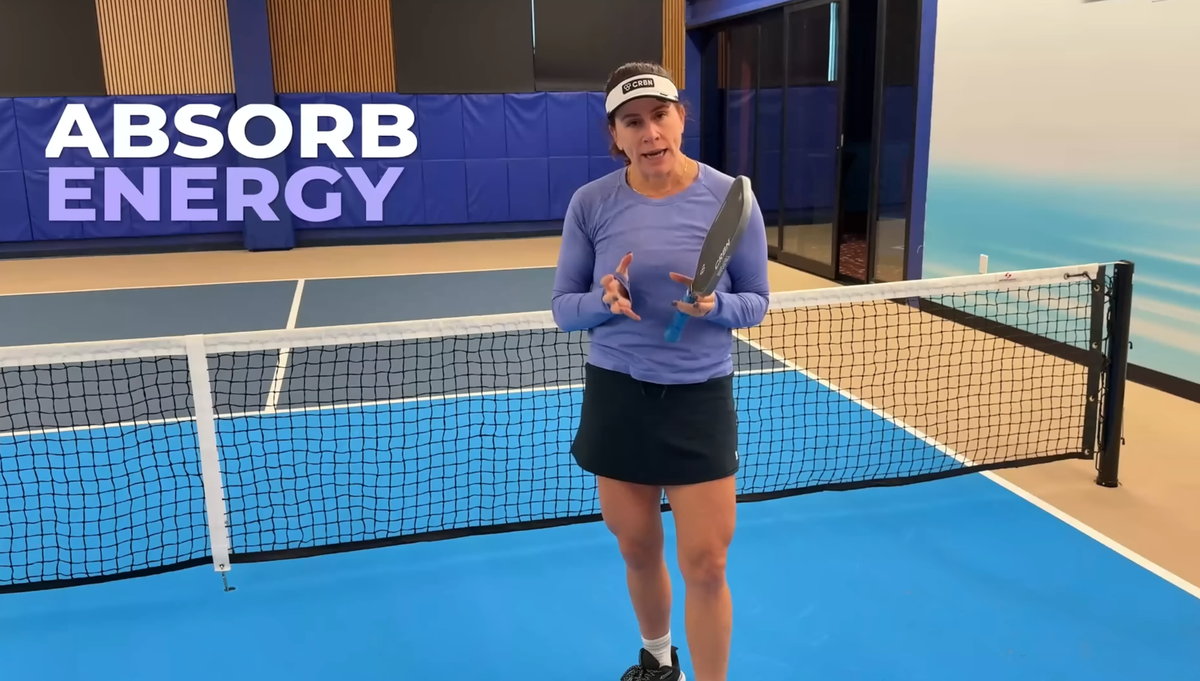
The Pickleball Reset: The One Skill That Takes You Beyond 3.5
By softening pace, controlling trajectory, and stabilizing through transition, players can use the reset to regain the kitchen and compete with stronger opponents
 The Dink PickleballThe Dink Media Team
Why Are You Trying Harder and Missing More?
This is the real question you need to sit with. At some point during a loss like this, you noticed yourself swinging harder.
Trying to end the point faster. Feeling the match slipping and pushing harder to stop it.
That's the trap. The more uncomfortable you get, the more errors you produce.
And the more errors you produce, the more the opponent's pickleball strategy works without them even needing to do anything special.
You're not losing because they're better athletes. You're losing because they've made you react instead of think.
If impulse control in pickleball isn't something you've actively worked on, this is exactly the moment those seven costly mistakes show up.
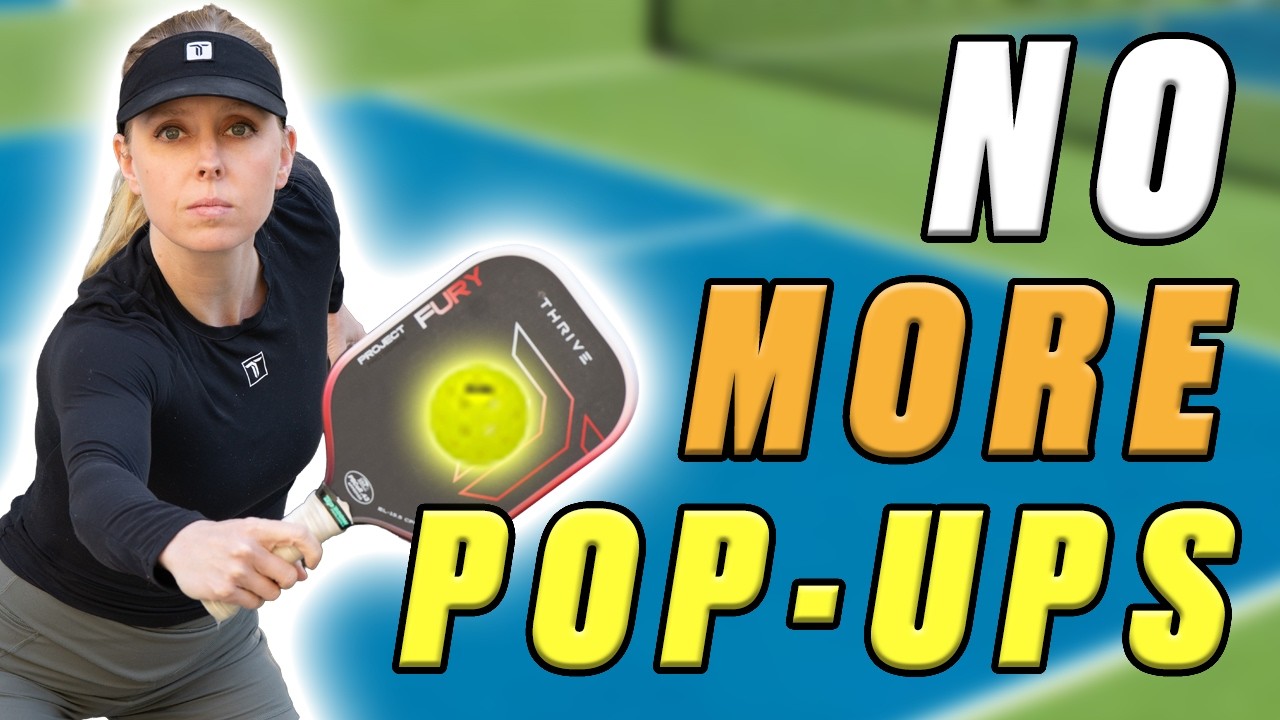
Advanced Pickleball Strategy: How to Hit a Harder Backhand Volley
Stop thinking of the backhand volley as a flick or a wave. It’s a punch. Lock your wrist, lead with your paddle tip, and push forward.
 The Dink PickleballThe Dink Media Team
Reason 5: They Make Fewer Mistakes and Force You to Make More
At its core, this entire style of play is about one thing. Margin management.
The controlled player knows exactly how many unforced errors they can afford and they stay well under that number. They're watching yours climb.
Here is what that looks like in practice:
- They serve deep and consistent, not flashy
- They return crosscourt and low, removing your easy third shot
- They dink patiently until you attack something you shouldn't
- They reset your attack and wait for you to make the next mistake
- They speed up only when the odds are clearly in their favor
There's no magic shot in there. Every one of those steps is just a lower-risk version of what you're also trying to do.
The difference is consistency.The three-step formula to win more breaks down this approach in a way that's immediately actionable, and the simple four-step system for winning more games turns it into a repeatable match plan.
Error math also depends on knowing the rulebook you're playing under, so it's worth reviewing the seven new USAP rules you need to know before your next tournament.The full framework lives in USA Pickleball's official rulebook.
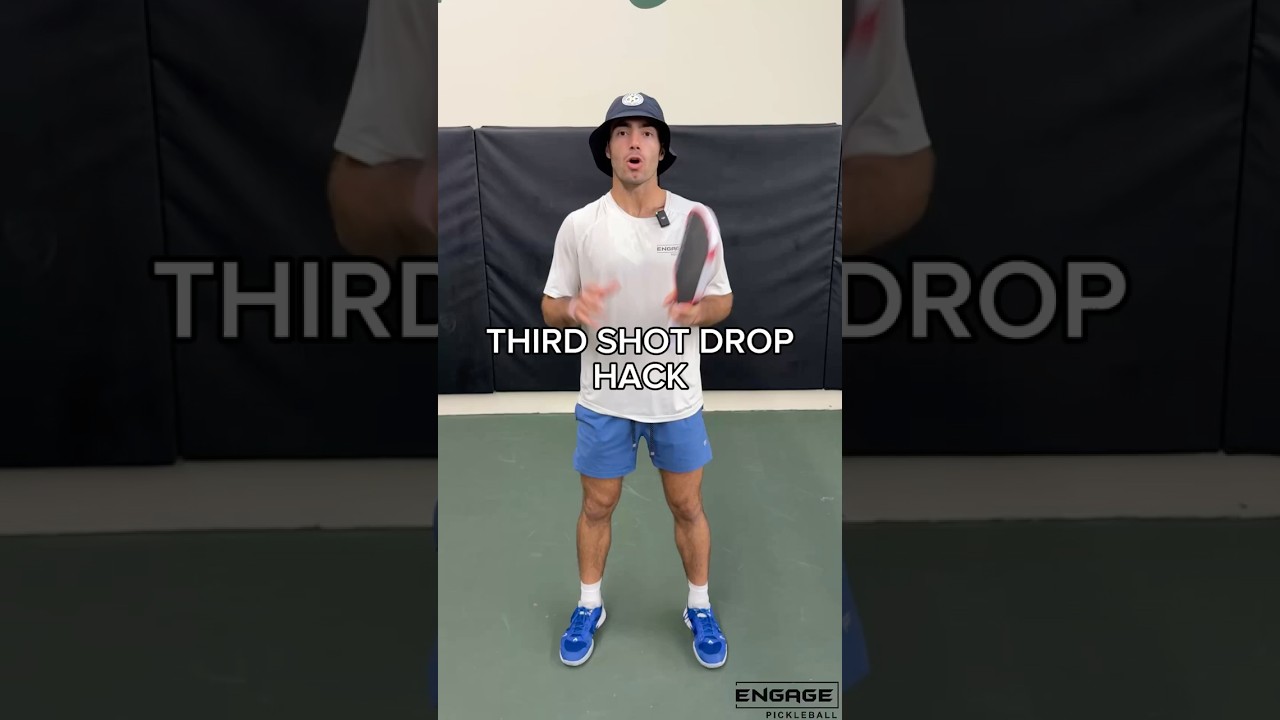
Master the Third Shot Drop in Pickleball
The third shot drop is one of pickleball’s most critical shots, and most players are making a fundamental mistake. Richard from Engage Pickleball reveals the contact point hack that will transform your consistency and get you to the kitchen line every time.
 The Dink PickleballThe Dink Media Team
What Does "Pressure Without Power" Actually Mean?
Let's define this clearly because it's a concept a lot of players misunderstand. Pressure in pickleball doesn't mean hard shots.
It means taking away your opponent's preferred options, one point at a time.
You feel pressure when your shots keep coming back. You feel pressure when you can't find an attackable ball.
You feel pressure when your reset pops up and gets punished. None of that required a hard hit to set up.Players like Ben Johns have built entire game plans around this idea. Control the middle, keep the ball low, reset everything, and let the opponent's errors stack up.
You can see the same blueprint in who Ben Johns could play men's doubles with and in the best PPA pros ranked by medal counts.
The winners are rarely the hardest hitters.
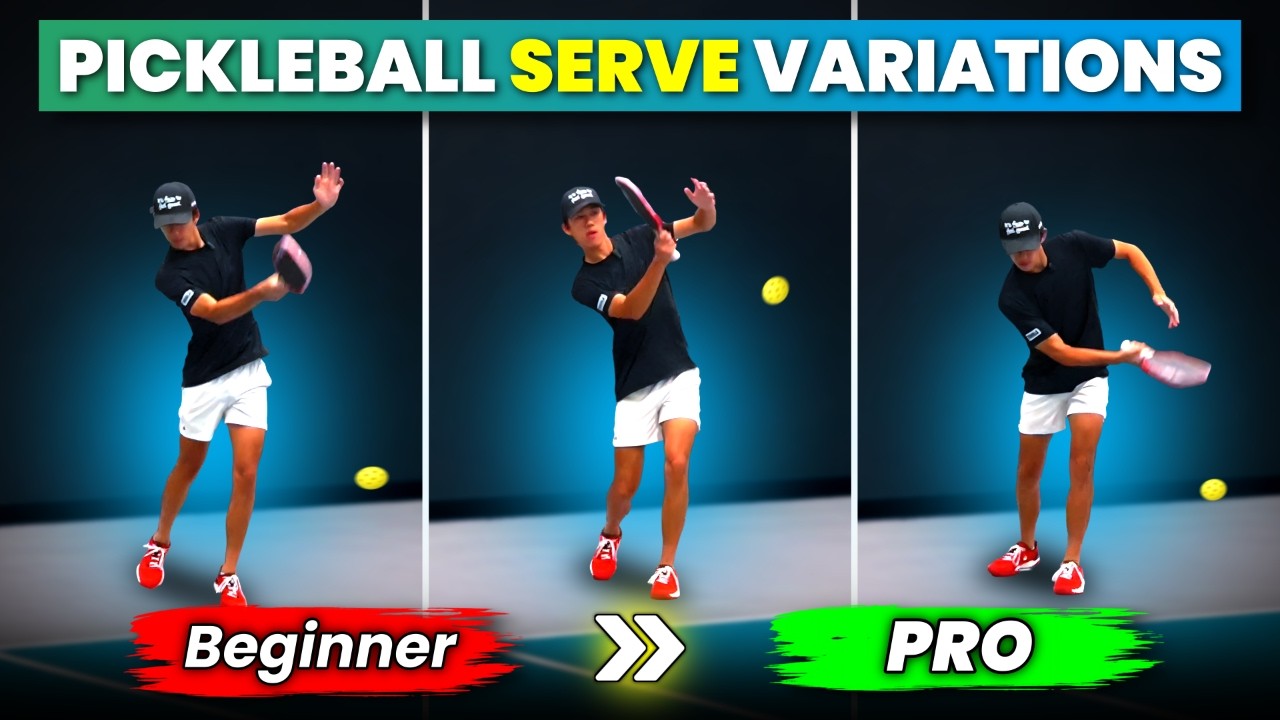
It's not boring. It's efficient.3 Pickleball Serves That Create Instant Pressure
Most players hit the same flat pickleball serve every point. These three serves add power, height, and spin so you win the first ball more often.
 The Dink PickleballThe Dink Media Team
How Do You Start Playing This Way?
The fastest shift you can make is changing your definition of a good shot. A good shot isn't always a winner.
A good shot is one that puts your opponent in a difficult position while keeping your own risk low.
Start with these adjustments:
- Prioritize keeping the ball low on every dink, not just when you feel like it
- Pick a target when you speed up, don't just hit hard and hope
- When you're in trouble, reset instead of trying to force a winner
- Accept that long rallies are not a sign of weakness, they're a sign of control
- Stop equating effort with results, sometimes the softer shot is the better shot
This is also where the game has been trending as a whole.
Participation and skill depth keep climbing across the sport, and the Sports & Fitness Industry Association's participation research tracks just how quickly the average opponent has gotten better.If you want to understand how to beat every player type you face, this mindset shift is the starting point for all five strategies.
Watching how the game looked in the 1980s versus today makes the shift toward control even more obvious.
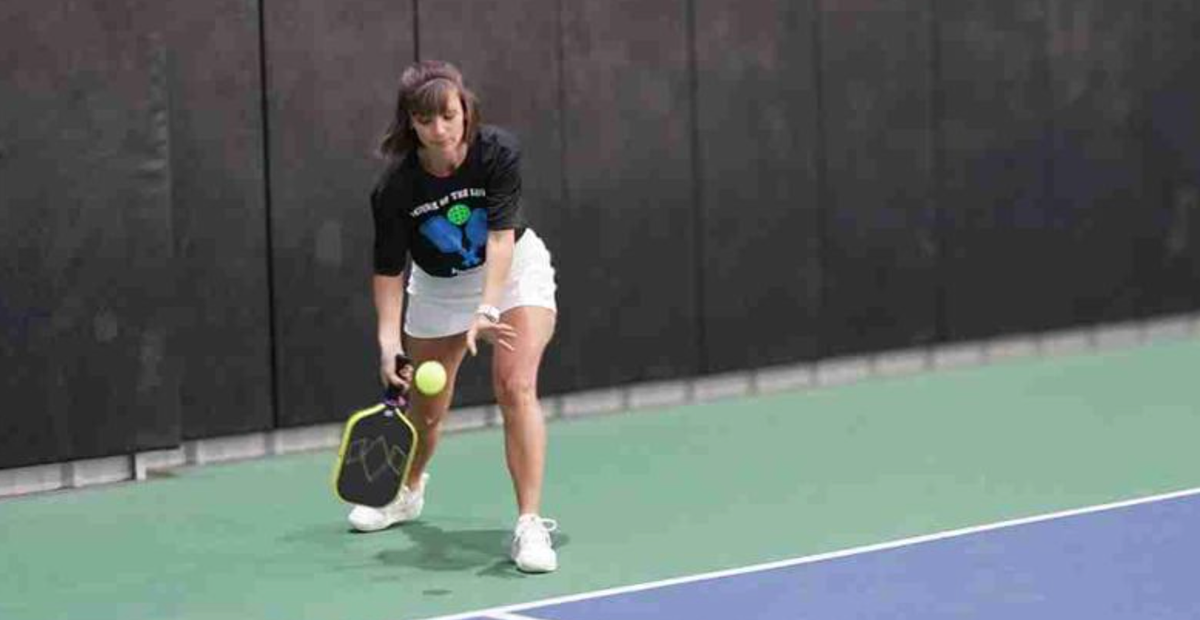
How to Hit a Low Serve in Pickleball Without Faulting
Here’s how to hit a low serve in pickleball without breaking a single rule on contact height. Master the grip, the swing path, and the paddle angle, and your low serve becomes the shot opponents dread returning.
 The Dink PickleballThe Dink Media Team
The Habit That Separates 4.0 Players From 4.5 and Above
The players who stay stuck at 4.0 are usually the ones who think they need to hit better shots.
The players who break through are the ones who learn to create fewer bad situations in the first place.
That means making smarter decisions about when to attack. It means being honest about whether you're in an offensive or defensive position before you swing.
It means accepting that winning points through error reduction is just as valid as winning them through shot-making.Three specific habits keep 4.0 pickleball players stuck, and every one of them comes back to this same problem.
You're trying to win with power when the game rewards patience and precision.
If your ceiling is higher than 4.0, the five shots you must master to break 5.0 is the natural next step.
Stopping your opponent from getting comfortable isn't about overpowering them. It's about removing their rhythm before they find it.
The next time someone beats you without overpowering you, don't be confused. They had a plan.Now you understand what it was.
Start building one of your own.
💡
Heads up: hundreds of thousands of pickleballers read our free newsletter.
Subscribe herefor cutting edge strategy, insider news, pro analysis, the latest product innovations and more.
Frequently Asked Questions
Why do I keep losing to players who hit softer than me?
Softer players beat you by keeping the ball low, moving you around, and forcing errors rather than hitting winners. You're not losing to their power, you're losing to your own mistakes that their strategy creates. The fix is recognizing when you're reacting instead of thinking.
What is the difference between power and pressure in pickleball?
Power means hitting hard. Pressure means taking away your opponent's best options through placement, patience, and consistency. You can apply enormous pressure with a soft dink to the right spot, and zero pressure with a hard shot that lands out.
How do I stop popping the ball up when opponents keep it low?
Bend your knees early and get your paddle below the ball before contact. Most pop-ups come from late preparation and a paddle that starts too high. Staying low and ready gives you a chance to redirect the ball down instead of up.
When should I speed up in pickleball?
Speed up only when the ball is above net height, you have a clear target, and your contact point is in front of your body. Speeding up a low ball or one that's behind you almost always produces a pop-up or an error. Patient players wait for the right ball instead of forcing pace.
How do I build a better reset in pickleball?
A good reset requires a soft grip, a stable wrist, and the paddle out in front before the ball arrives. Most failed resets come from a stiff arm or gripping too tight at the moment of contact. Practicing with intentional soft hands in drilling situations is the fastest way to build that skill under pressure.
Anuncie Aqui / Advertise Here
Sua marca para o mundo Pickleball! / Your brand for the Pickleball world!



 English (US) ·
  Portuguese (BR) ·