
 English
  Spanish
  Portuguese
  German
  Italian
  Japanese
  French
  Polish
  Russian
  Netherlands
  Hungarian
  Turkish
  Videos
  Thedink Pickleball

If you're tall, your size is working against you in ways you probably haven't noticed. These tall person pickleball fixes will clean up your dinking, overheads, and counters fast.
If you play tall person pickleball, you already know the frustration: you lunge for balls that shorter players reach easily, you whiff overheads that should be automatic, and somehow you still end up getting attacked at your body constantly.
The problem is not your height. The problem is that most tall players are using habits that make height a liability instead of an asset.The fixes below come from Jilly B Pickleball on YouTube, where coach Jill works through these exact issues with 6'6" player Michael on a live court session, exposing the patterns that hold tall players back at every level.
Love pickleball? Then you'll love our free newsletter. We send the latest news, tips, and highlights for free each week.
What Is Tall Person Syndrome in Pickleball?
Tall person syndrome is shorthand for the cluster of bad habits players over 6'0" develop because of their natural reach.
When you're tall, you can get away with standing upright, taking one big step instead of two small ones, and skipping the overhead shuffle.
Getting away with it is not the same as doing it well.
These habits compound.
The lunge becomes a pattern, the pattern becomes a default, and suddenly you're playing reactive pickleball because your body never gets into position first.
Mistake 1: Taking One Big Lunge Instead of Two Small Steps
This is the most common error for a tall pickleball player, and it starts at the kitchen during dinking rallies.
Because your reach is long, one giant step gets you to most balls.
But that one step is slow, it kills your balance, and it leaves you flat-footed for the next shot.The fix is mechanical: force yourself to take two small steps every time you want to take one big one.
This feels unnatural at first, especially if you played tennis for years.
Those quicker, smaller steps get you to the ball faster and keep you in position to reset or attack immediately after.
Michael described it perfectly during his session with Jill.
The two-step approach felt quicker, not slower, because he was already balanced when he arrived at the ball.If you want this automatic, check out this pickleball footwork drill that fixes lateral movement fast.
💡
Need some new pickleball gear? Get 20% off select paddles, shoes, and more with code THEDINK at
Midwest Racquet SportsMistake 2: Standing Too Tall During Dinking Exchanges
When your partner is hitting the dink, standing upright to rest is fine. The moment it's your turn to hit, you need to drop.
Jill's cue is simple: get your head below the level of the ball at contact.
When your head is under the ball, you stop popping dinks up, you see the court better, and every ball becomes a potential speed-up opportunity instead of a scramble.The ATG Position Every Tall Pickleball Player Needs
The technical term Jill uses is ATG, which stands for "ass to the grass." Your hips go back, your knees bend, and your head follows the ball down.
Watch Andre Daescu (6'6") during dink exchanges. He comes up when his partner is hitting, then drops back down the moment before contact.That rhythm of rest and sink is exactly what every tall pickleball player needs to build.
Standing tall also pushes your weight into your heels, which is a main reason tall players struggle to counter attacks.
For more on stopping popups, read why you keep popping up your dinks.
How to Win Dinking Rallies in Pickleball
Knowing how to win dinking rallies in pickleball separates reactive players from players who actually control the point. This guide breaks down the placement targets, patience principles, and attack triggers that make dinking a genuine weapon.
 The Dink PickleballThe Dink Media Team
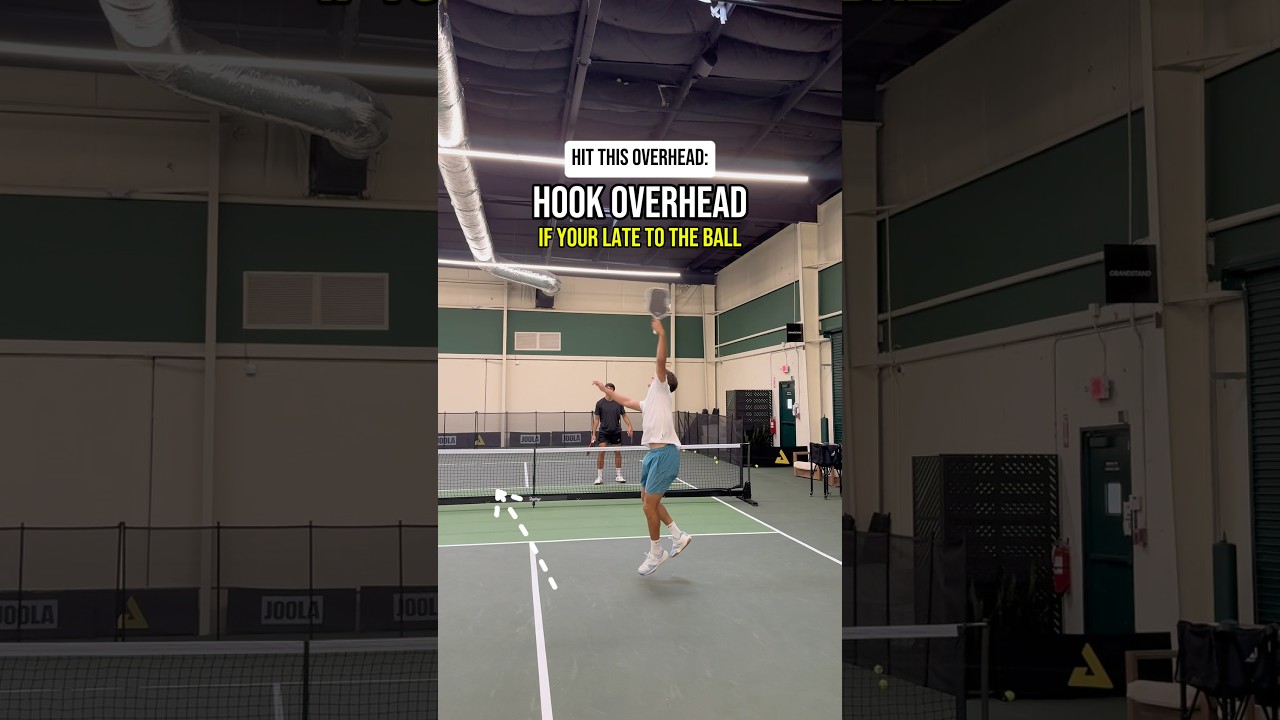
Is the Overhead Shuffle Really That Important?
Yes, and most tall players skip it entirely.
The first move on an overhead is not a jump. It is a shuffle. This is a point Jill hammers hard, and it runs directly against what most tennis players were taught.Here's the correct overhead sequence for tall players:
- Turn your body immediately when you read the lob. Do not stand open and watch the ball.
- Point your non-paddle arm up to track the ball and set your shoulder.
- Shuffle your feet back and into position before the ball descends. Let the ball come to you, don't chase it.
The tall default is to recognize the lob late, stand square, jump straight up, and pray. You've probably done it.
The ball either gets smashed into the net or floated for an easy put-away. The jump-and-pray overhead happens because the first step is too slow and too big.When Michael was drilled to make his first shuffle step twice as fast as his instinct, his overhead changed completely.
He described feeling like he was waiting on the ball instead of reaching for it.
One drill that accelerates this: have someone race you to a spot behind you. The competitive pressure forces your first step to fire faster.For a full breakdown of coverage options, see 3 pickleball overhead shots that cover every situation.
3 Pickleball Overhead Shots That Cover Every Situation
Not every pickleball overhead should be hit the same way. Learn the three overhead types that match your court position and keep your opponents guessing.
 The Dink PickleballThe Dink Media Team
Mistake 3: Letting the Ball Get Too Close to Your Body When Countering
Tall players who let the ball get into their body during a counter exchange are in an almost impossible position.
When the ball gets tight, you're cramped, your elbow bends, your swing shortens, and you lose all leverage.
The fix is not sinking lower first. The fix is keeping the ball away from you.Watch Andre Daescu again. When he counters, he extends and leaves his paddle out there instead of pulling it back between shots.
That extension keeps the ball in front of him and gives him a faster reset on the next ball.Jill recommends practicing with the only goal being to meet the ball out in front. Forget spin, forget placement. Just stop letting it come to you.
Pickleball Shot Selection: Ball Height & Court Positioning
Advanced pickleball means constantly analyzing the height of the ball and the court positioning off all four players in real time – and keeping this one rule sacred: just because you can hit a more aggressive shot doesn’t mean you should
 The Dink PickleballEric Roddy
Why Are Out Balls a Tall Person Problem?
Because when you're standing upright, every ball looks hittable.
Here's the logic. If your head is at 6'3" and a ball is flying at your chest, it might actually be sailing out by six inches, but you're looking down at it so it appears to be in.When you sink to net level before your opponent makes contact, your perspective changes entirely.
Balls that would clip your shoulder suddenly look like they're flying clearly out.
The practical cue: right before your opponent contacts the ball, come down. If you're still standing tall at their contact, you've already made the mistake.For more on reading the court early, check out reading a lob in pickleball.
The Dodgeball Pickleball Drill That Stops You Hitting Out Balls
If you keep swinging at balls that were always going to fly out, this pickleball drill is built for you. The Walker Sisters’ Dodgeball drill trains your body to step aside and let the point come to you.
 The Dink PickleballThe Dink Media Team
Mistake 4: Committing to a Forehand or Backhand Counter Too Early
Tall players often decide which side they're countering from before the ball crosses the net.
That early commitment leaves them jammed when the ball goes the other way.
The fix is staying neutral longer. Keep your paddle central and read where the ball is actually going before you rotate.Michael was consistently loading his forehand early because his opponent kept going at his body.
When she changed the angle, he was wrong-footed and couldn't adjust.
Staying central gave him time to react to both sides. For a better base, read about the ready position fix for hard drives.
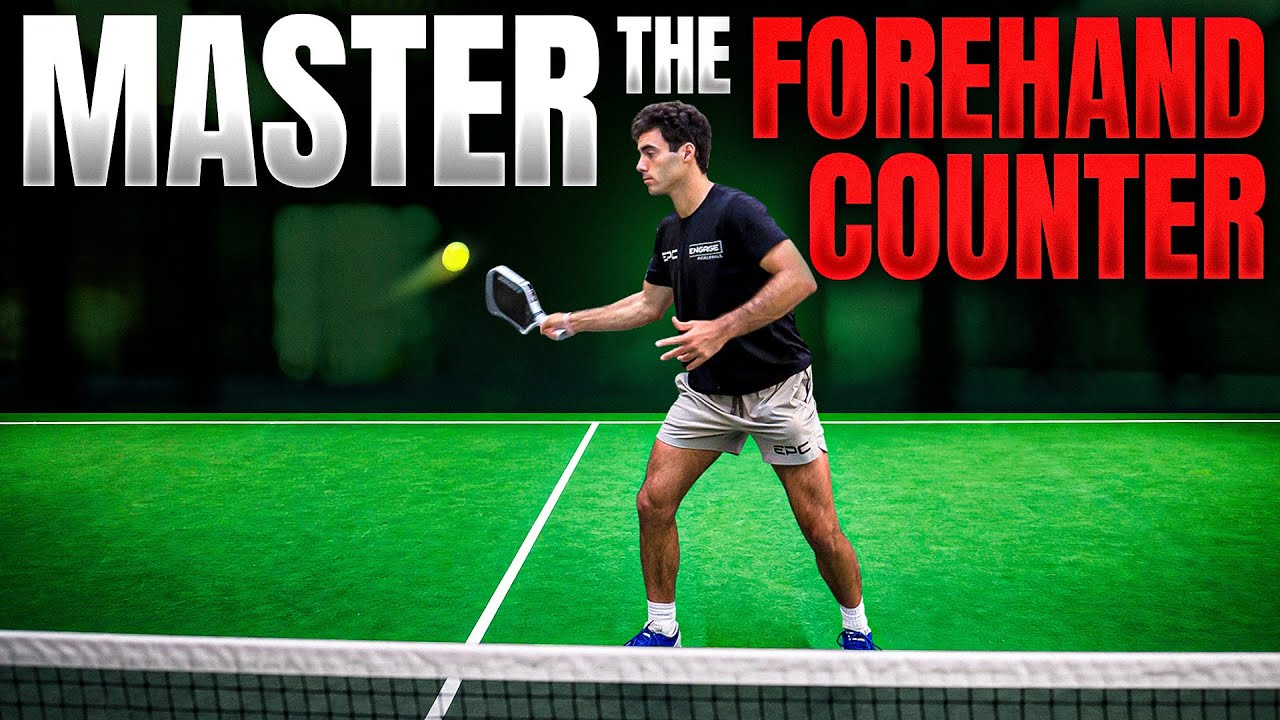
Master the Forehand Counter in Pickleball
The forehand counter is one of the most challenging shots in pickleball, especially for continental grip players. Master this essential skill with proven technique and mechanics that will transform your hands battles at the kitchen line.
 The Dink PickleballThe Dink Media Team
Mistake 5: Tracking the Ball With Your Paddle Instead of Your Feet
You've heard the advice to "track the ball with your paddle." Jill calls it the worst advice in pickleball, and she's right.
Your feet and your head should track the ball first. When your feet move first, your body arrives in position and the paddle follows naturally.When the paddle leads, your feet stay planted and your body contorts around it.
This one hits the tall pickleball player hardest during dinking, because long reach means you can still make contact when your feet haven't moved.
That contact is weak, off-balance, and easy to read. Build the habit of letting your feet initiate every movement, with ATG as your anchor.For tighter mechanics, here are 3 steps pros use to win dink battles and the dinking technique that stops popups fast.
Paddle Tracking: The Pro Pickleball Skill You’re Missing
Paddle tracking is the foundational pickleball skill that all pros use to stay ahead of the action. By keeping your paddle tip pointed at the ball, you shift from reactive to proactive play.
 The Dink PickleballThe Dink Media Team
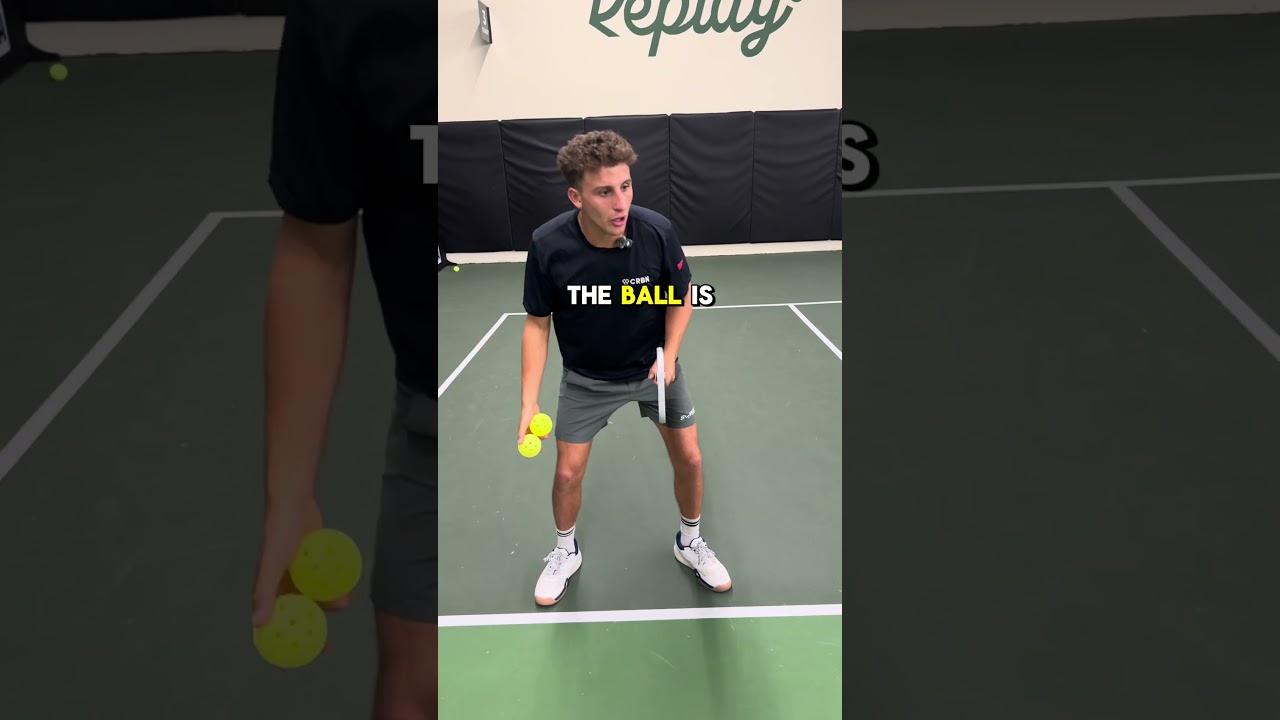
The Tall Pickleball Player Checklist
Here's the pre-rally checklist you can use to fight tall person syndrome in every game:
- Dinking: Two small steps instead of one big lunge. Head below the ball at contact.
- Overheads: Turn first, shuffle back, let the ball come to you.
- Countering: Keep the ball away from your body. Extend and stay extended.
- Out ball reads: Sink before your opponent makes contact. Know the call before you swing.
- Ready position: Stay neutral longer. Don't commit until the ball tells you to.
These are not complicated fixes. They are habit replacements, and they require deliberate repetition before they feel natural.
Players who put in that work see counters improve, overheads stop misfiring, and dink rallies turn into weapons.
If you're cleaning up multiple areas at once, these 7 bad pickleball habits costing you points at 4.0 are worth reviewing alongside these tall-specific fixes.And if you want the bigger roadmap, this guide on how to break 5.0 pairs well with building dink consistency.
💡
Heads up: hundreds of thousands of pickleballers read our free newsletter.
Subscribe herefor cutting edge strategy, insider news, pro analysis, the latest product innovations and more.
Frequently Asked Questions
What is tall person syndrome in pickleball?
Tall person syndrome refers to the specific set of bad habits that taller players develop because their reach lets them compensate for poor footwork and positioning. Common symptoms include lunging for balls, standing upright during dinking, jumping on overheads instead of shuffling, and failing to track the ball with their feet first.
Why do tall pickleball players struggle with overheads?
Most tall players skip the shuffle step and jump straight at the ball instead, which means they are airborne and off-balance at contact. The fix is to make the first move a fast body rotation and shuffle, letting the ball come to you rather than chasing it. When your footwork fires first, the overhead becomes far more controlled and consistent.
How should tall players position themselves during dinking?
Tall players need to sink their hips and get their head below the level of the ball at contact, a position sometimes called ATG (ask to the grass). Between shots, when your partner is hitting, you can stand upright to rest. The moment you are about to make contact, you need to drop back down.
Why do tall pickleball players struggle to identify out balls?
When you are standing upright, your high vantage point makes balls aimed at your chest look like they are in, even when they would sail out. Sinking to net level before your opponent contacts the ball gives you a more accurate read on whether a ball is in or out. This adjustment alone can eliminate a surprising number of unforced errors from tall players.
How can tall players improve their counter exchanges at the kitchen line?
The key is keeping the ball in front of you rather than letting it get into your body. Extend your paddle out to meet the ball early and leave it there between shots instead of pulling it back. Staying lower also helps, since it gets your weight off your heels and puts you in a position to react faster to the next attack.
Anuncie Aqui / Advertise Here
Sua marca para o mundo Pickleball! / Your brand for the Pickleball world!




 English (US) ·
  Portuguese (BR) ·