
 English
  Spanish
  Portuguese
  German
  Italian
  Japanese
  French
  Polish
  Russian
  Netherlands
  Hungarian
  Turkish
  Videos
  Thedink Pickleball

Most players wait for the perfect ball before they attack. These five pickleball two-shot combinations teach you to stop waiting and start building the opening yourself.
Most players losing rallies at the net are not losing because of bad technique.
They are losing because they attack without building any real advantage first, then act surprised when the ball comes back hard.
The fix is not hitting harder. It is learning to think one shot ahead so your first ball creates the opening your second ball finishes.These five pickleball two-shot combinations come from Cliff Pickleball on YouTube, and each one gives you a specific setup shot paired with a specific finish so you stop reacting and start constructing.
Love pickleball? Then you'll love our free newsletter. We send the latest news, tips, and highlights for free each week.
Why Setup Shots Matter More Than Attack Shots
The biggest gap between average and advanced players is not the attack itself. It is the shot before the attack.
Better players are not just looking at where they can hit the current ball. They are asking what ball this shot is going to create for them next.Once you start thinking that way, the court gets bigger. You are not waiting for your opponent to make a mistake. You are building the mistake for them.
That is the entire premise of a pickleball two-shot combination. Each combination below has a setup shot and a finish shot, and both need to work together.
Rush the second shot before the first one has done its job and the whole thing falls apart.Combination 1: Wide Attack, Attack the Middle
Start with a cross-court dig aimed at your opponent's outside foot. Your goal on that first ball is not to win the point.
Your goal is to pull your opponent wide.
When they reach wide to handle that ball, their body and paddle rotate away from the center of the court. That is the opening.Now you attack through the middle. The wide dig moved the paddle away from your next target. You are not just hitting two random balls.
You are repositioning your opponent before you strike.
The most common mistake here is rushing. If you attack before the first shot has pulled them wide, the opening does not exist yet.
Wait for the setup to finish before using it.
💡
Need some new pickleball gear? Get 20% off select paddles, shoes, and more with code THEDINK at
Midwest Racquet SportsCombination 2: Body Speed Up, Finish Behind
Attack the paddle side hip or shoulder on your first ball. Most players will counter while rotating or leaning back toward the middle.
That counter is predictable, and predictable is exactly what you want.Instead of going harder on your second shot, you direct the ball behind the player toward the sideline they just vacated.
Here is the critical detail: your first attack needs to be controlled.Around 70 percent speed is enough. You are not trying to win the point with the body shot.
You want a manageable, predictable counter.
If you go too hard on the first ball, you get a chaotic exchange instead of the setup you need. The body attack creates the lean. The behind ball finishes it.
These two shots are a package.This concept connects directly to how pros use body positioning as a weapon.
Learning how to properly execute the body shot makes the whole combination land.
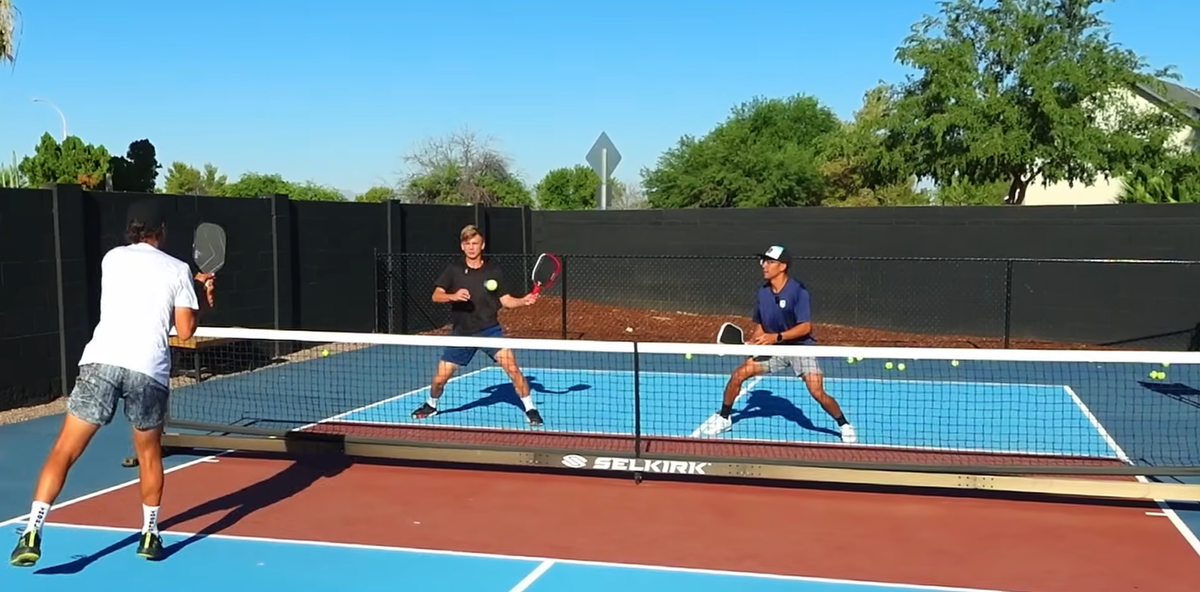
Pro Speed-Up Strategy: Master the Kitchen Line Attack Like a 5.0+ Player
Connor Garnett shows that winning kitchen battles isn’t about raw power, but about positioning, psychology, and reading opponents in real time
 The Dink PickleballThe Dink Media Team
Combination 3: Deep Return, Soft Fourth Shot Block
Hit your return deep and move forward immediately. When the serving team drives, block the fourth shot softly into the kitchen.
Here is why this works so well. The deep return forces your opponent to hit from further back in the court.
Your soft block then makes them cover ground and hit their next ball while their feet are still moving.You are not just neutralizing the drive. You are compounding the difficulty. Two uncomfortable things are happening at once for them.
If you want to build the deep return into a consistent weapon, these return of serve fundamentals give you the depth and placement you need to make combination three work every time.
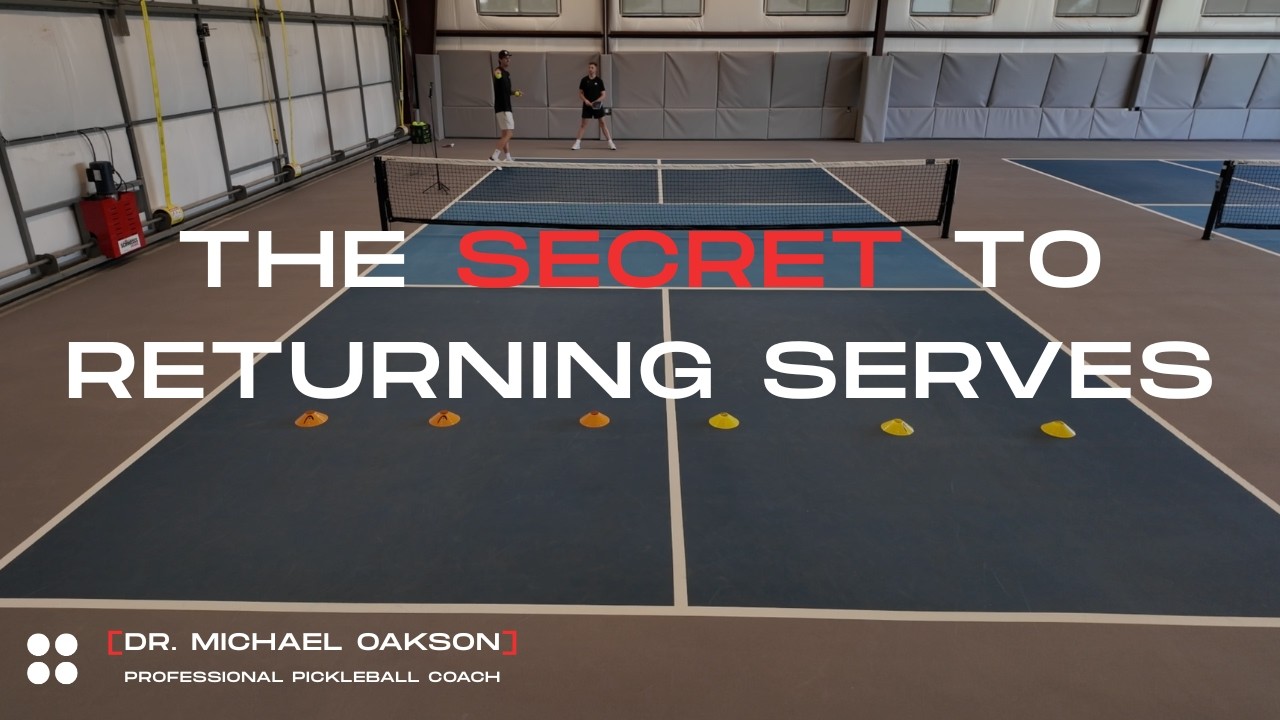
3 Pickleball Serve Return Secrets Most Players Never Learn
The pickleball serve return is the most underrated shot in the game. Master these three technique keys and your entire game changes.
 The Dink PickleballThe Dink Media Team
What Is a Two-Shot Combination in Pickleball?
A pickleball two-shot combination is a planned sequence where the first ball creates a specific response from your opponent and the second ball exploits that response.
It is the opposite of reacting to whatever comes at you.
Think of it like setting a trap. The first shot moves something, opens something, or forces something. The second shot walks through the door the first one opened.This is how advanced players slow the game down mentally. They are already thinking about the second shot while hitting the first one.
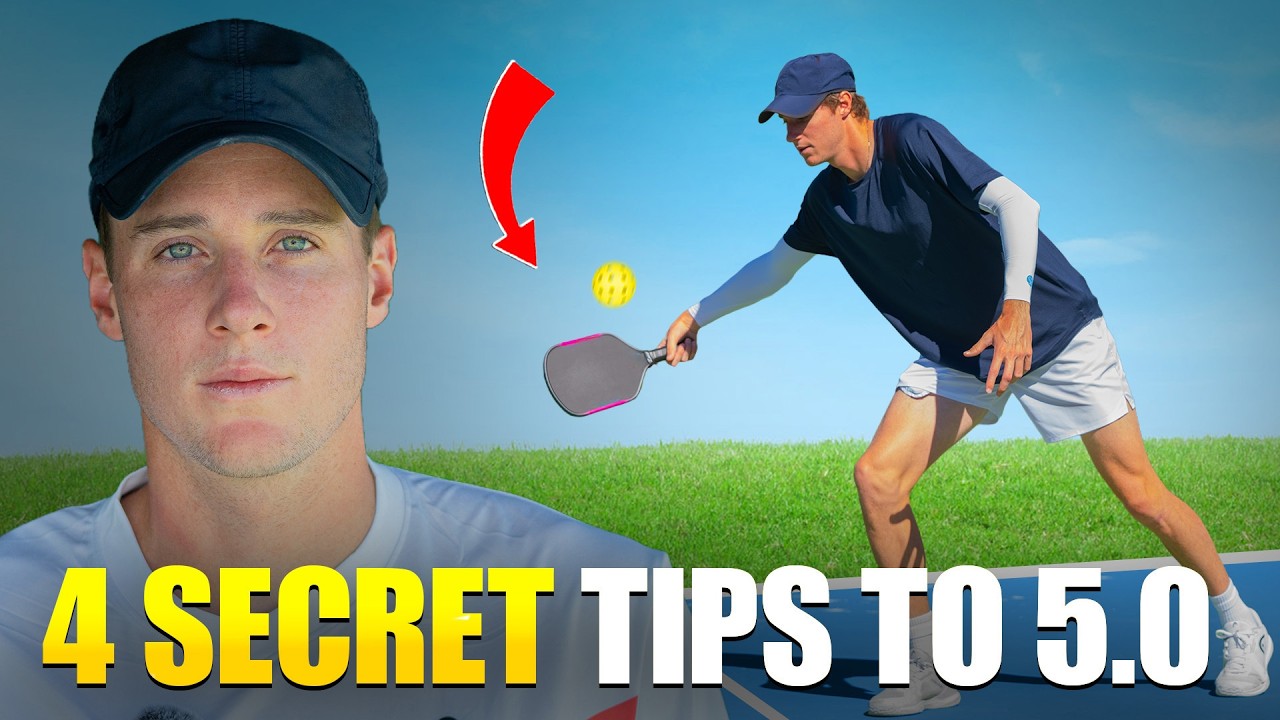
Master the Pickleball Combo to Reach 5.0
The pickleball combo is no longer optional at the highest levels of the game. World-ranked pro Roscoe Bellamy breaks down why two-shot attacks are now essential to competitive play.
 The Dink PickleballThe Dink Media Team
Combination 4: Middle Dink, Outside Speed Up
Use a middle dink to create hesitation between both opponents. Watch closely what happens next.
When one player takes the ball, pay attention to which side becomes exposed.If the right side player reaches into the middle with a backhand, the outside shoulder or sideline may open.
If the left side player reaches with a forehand, attack behind that movement.
The middle dink is not just a safe shot. It is an information gathering tool. It shows you who takes responsibility and how both players move in response.
Once you see that, you know exactly where to attack. Understanding cross-court angles helps you take full advantage once the middle dink does its job.
This is one of the most underused ideas at the 3.5 and 4.0 level. Players treat the middle dink as a passive choice.
The best players treat it as step one of an attack sequence.Ben Johns built an entire game around controlling the middle and reading opponent responses.
The middle dink gives you a window into how your opponents are going to move, and that information is the setup.
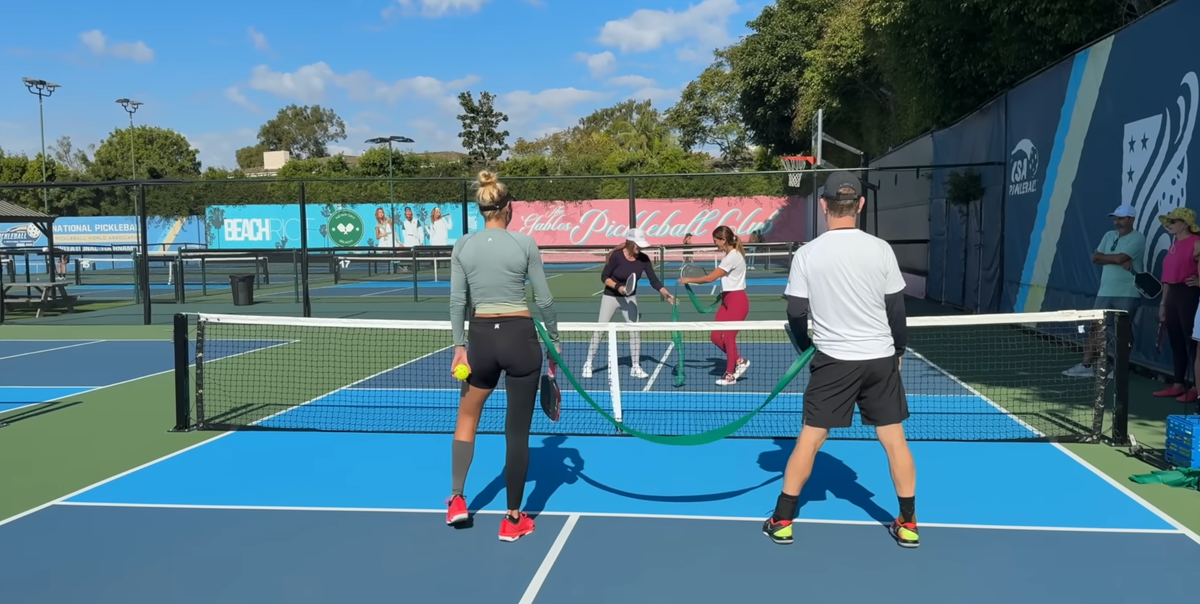
Middle Court Control: Want the Ball, Hunt the Ball
The middle is the most valuable real estate on the court, and controlling it isn’t all about power — it’s about awareness, positioning, and the willingness to hunt.
 The Dink PickleballThe Dink Media Team
Is There a Combination That Works From the Transition Zone?
Yes, and combination five is built exactly for that situation.
Combination 5: Aggressive Drop, Crash and Counter
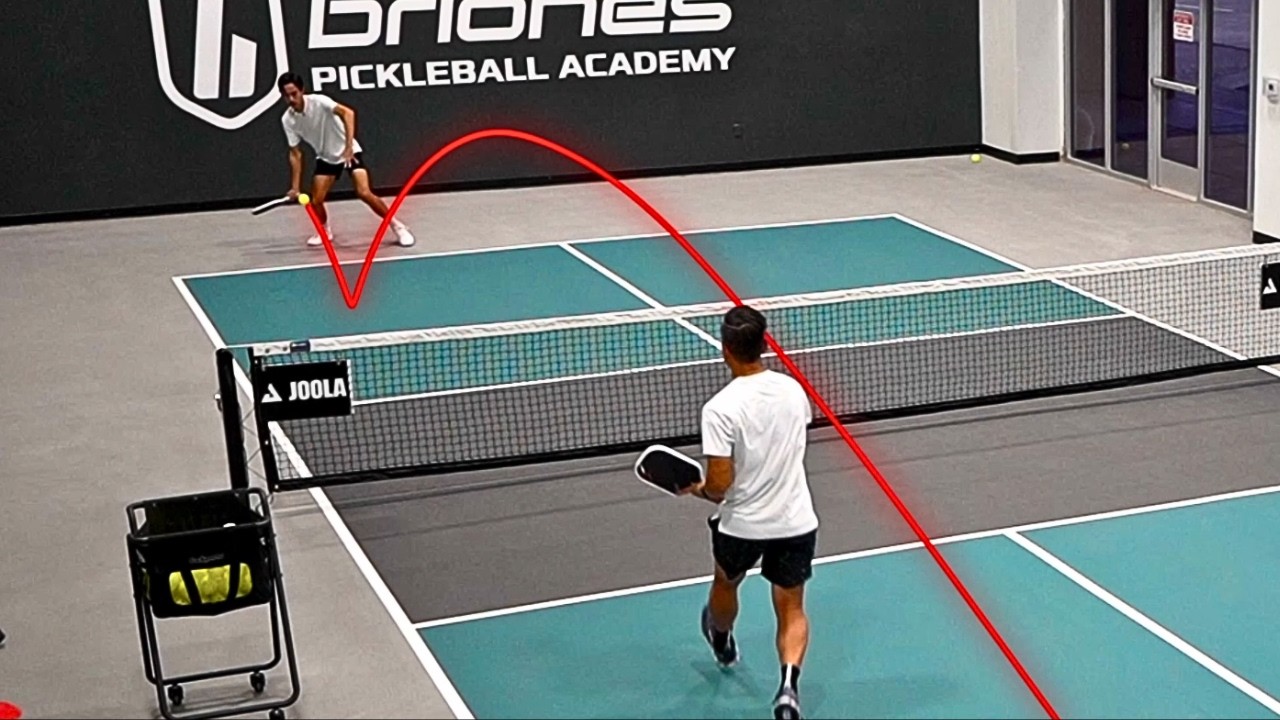
Hit a topspin drop that lands at your opponent's feet. Move forward immediately, but stay balanced.
Most players will try to volley that ball firmly because it arrives with pace.
They will give you a drivable ball.Prepare for it. Counter the next ball through the middle or toward whichever player is still moving.
The mistake most players make here is watching their own shot. They admire the drop and stop moving. That is where the combination dies.
Hit, move, split step, expect the next ball.The drop is not the point winner. The position you earn by moving while your opponent is dealing with the drop is the winner.
If your third shot drop is inconsistent, these third shot drop placement fixes will tighten it up fast so the rest of the combination actually has a chance.
Also note that the apex fix for the third shot drop changes how the ball arrives at your opponent's feet, making the forced volley much more likely.
Pickleball Dink Strategy: Master the Neutral Game
This approach might not feel as satisfying as crushing a winner, but it’s far more effective. Over time, this mentality will show up in your win-loss record.
 The Dink PickleballThe Dink Media Team
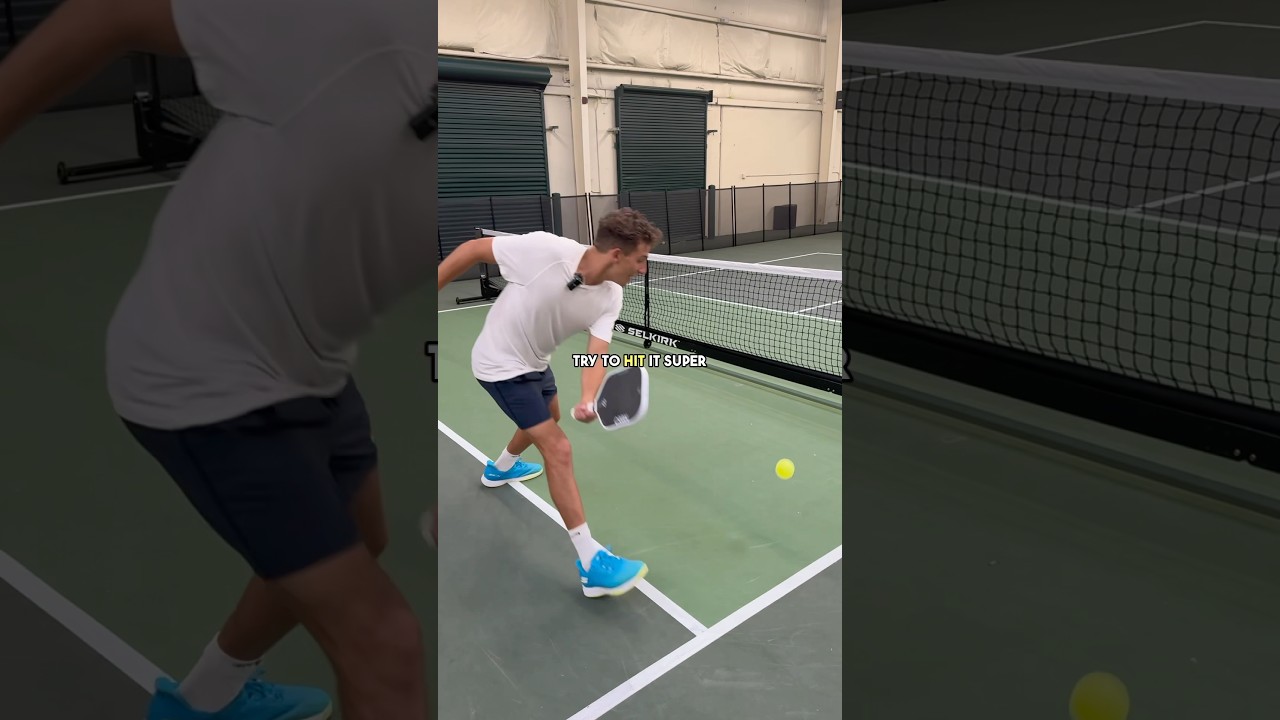
How Do You Actually Practice These Combinations?
The best drill format for a pickleball two-shot combination is skinny singles on half the court.
Before each rally, announce out loud which combination you are going to attempt.
Say it before the ball is in play. That forces you to commit to the pattern before the pressure starts.Here is the rule that changes everything: you can earn a point even if you lose the rally, as long as you correctly executed the setup, recognized the expected response, and used the second target correctly.
Execution earns the point, not just the outcome.This turns practice from random hitting into purposeful construction.
Advanced drilling principles like this one separate players who improve fast from players who just play more games.
A few rules to get the most from this drill format:
- Announce the combination before every rally, not after you see the first ball
- Award yourself a point for correct execution even on lost rallies
- Rotate through all five combinations in each session, not just your favorites
- Track which combinations you default to and which you avoid
- If you cannot execute a combination three times in a row, slow the pace down until the pattern is clean
How to Win Points Off Your Pickleball Serve
Winning points off your pickleball serve starts with understanding placement and spin, two tools most players massively underuse. This guide breaks down the exact combos that force weak returns and set you up to finish the point.
 The Dink PickleballThe Dink Media Team
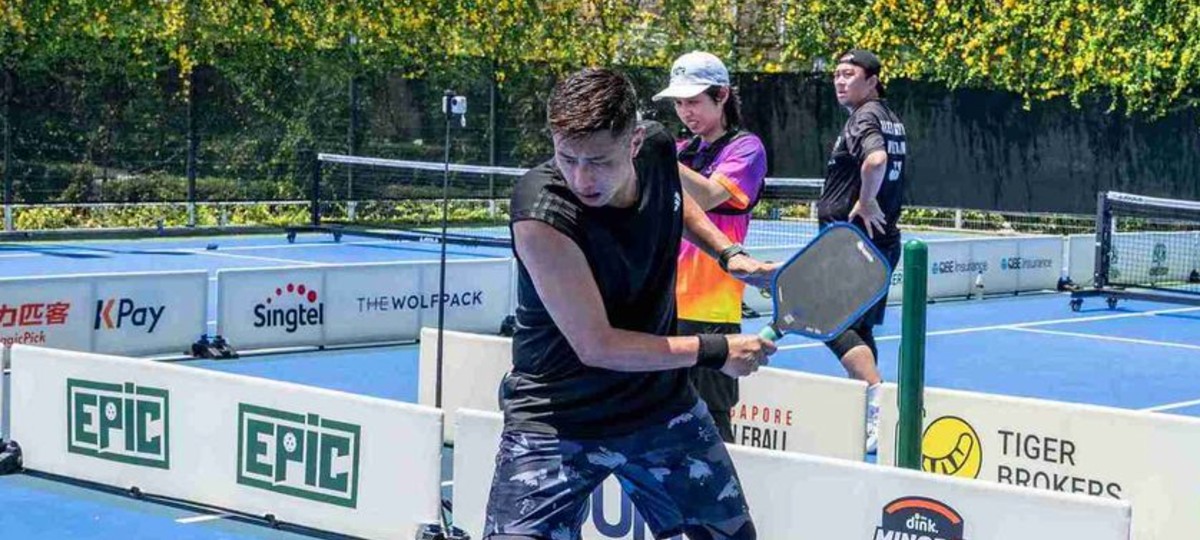
Why Do These Combinations Stop Working Under Pressure?
Usually because the first shot of the pickleball two-shot combination gets rushed.
When you are nervous or the rally speeds up, you skip the setup and go straight for the attack.
The opening is not there and the ball comes back hard.
The fix is trust. You have to trust that the setup shot is doing real work even when it does not feel aggressive.A controlled 70 percent body attack feels passive compared to going full power.
But it is doing more work than the harder ball because it creates a predictable response you can actually use.If your speed ups keep getting attacked, it is almost always because you are skipping the setup and going straight to the finish.
These combinations fix that problem directly.
The same goes for shot selection rules that tell you when to attack and when to reset.
Knowing which ball earns a setup versus which one earns an attack is the whole game.Pro Breakdown: Pickleball Match Strategy That Wins Points
A pro breaks down 3.0/3.5 pickleball match strategy point by point, revealing what each team did well and how to win more at competitive rec play.
 The Dink PickleballEric Roddy
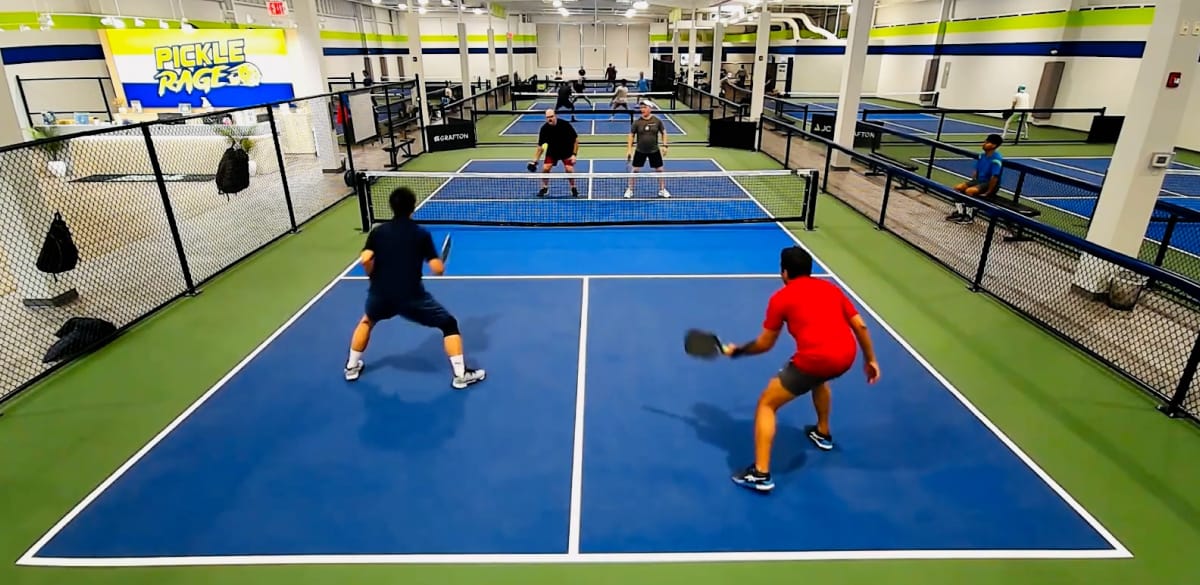
Putting All Five Together
Here is a quick reference for all five combinations:
- Wide attack, attack the middle: Cross-court dig pulls opponent wide, follow with a middle attack
- Body speed up, finish behind: Controlled body shot creates a lean, second ball goes to the vacated sideline
- Deep return, soft fourth shot block: Deep return forces a long drive, soft block makes them move and hit simultaneously
- Middle dink, outside speed up: Middle dink reveals who moves where, attack the exposed side
- Aggressive drop, crash and counter: Topspin drop forces a firm volley, crash forward and counter through the middle
None of these require special technique you do not already have. They require you to stop waiting for the perfect ball and start building it.
If you have been stuck between ratings and cannot figure out why, the real reasons players stay stuck almost always come down to this exact problem: attacking without setting up first.The players who improve fastest are not the ones with the most power. They are the ones who build a repeatable strategy and execute it with patience.
💡
Heads up: hundreds of thousands of pickleballers read our free newsletter.
Subscribe herefor cutting edge strategy, insider news, pro analysis, the latest product innovations and more.
Frequently Asked Questions
What is a two-shot combination in pickleball?
A two-shot combination is a planned sequence where the first shot creates a specific response from your opponent and the second shot attacks the opening that response creates. It is the opposite of waiting for a bad ball and hoping to win with one shot. Better players use these patterns to manufacture advantages rather than wait for them.
How do I know when to execute the second shot in a combination?
Execute the second shot only after the first one has done its job. If the setup was a wide dig, wait until your opponent has actually moved wide before attacking the middle. Rushing the second shot before the first one has repositioned your opponent is the most common reason these combinations fail.
Can beginners use two-shot combinations or are they only for advanced players?
Beginners can absolutely use them, especially combinations three and five, which rely on placement and movement rather than fast hands. The middle dink and outside speed up (combination four) is also beginner accessible once you understand the basic idea of watching how opponents move. Starting with one combination and drilling it repeatedly is more effective than trying all five at once.
Why should I attack the body at 70 percent speed instead of going full power?
A full power body attack creates chaos, not a setup. At 70 percent, you get a controlled, predictable counter from your opponent that you can actually read and finish. The point is to earn a readable response, not to win the rally with the first ball.
How long does it take to make two-shot thinking feel natural?
Most players start seeing the game differently within two to three dedicated practice sessions using the skinny singles drill format described above. The key is announcing the combination before the rally starts so your brain is committed to the pattern before the pressure hits. It feels slow at first, but that slowness is exactly what builds the automatic read you want in real matches.
Anuncie Aqui / Advertise Here
Sua marca para o mundo Pickleball! / Your brand for the Pickleball world!



 English (US) ·
  Portuguese (BR) ·