 English
  Spanish
  Portuguese
  German
  Italian
  Japanese
  French
  Polish
  Russian
  Netherlands
  Hungarian
  Turkish
  Videos
  Thedink Pickleball

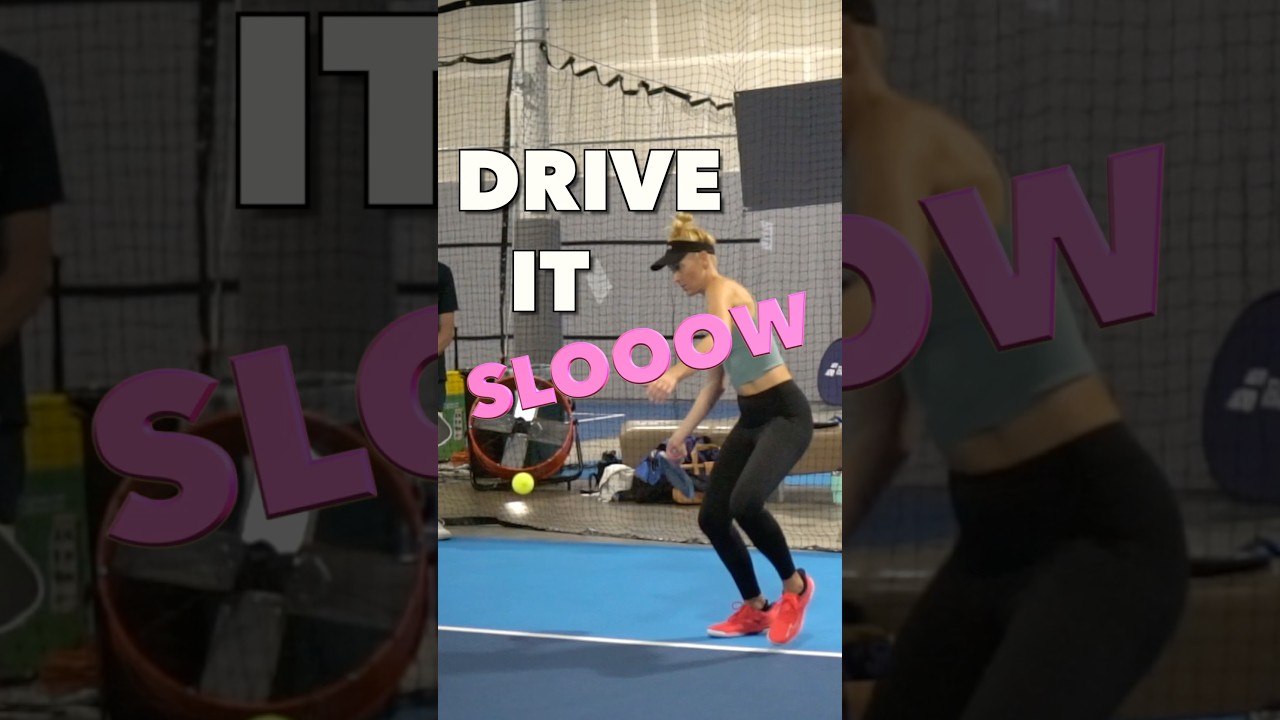
The best pickleball drive is not the hardest one, it is the one that dips. Here are six fixes that put heavy top spin on the ball and force your opponent to hit up.
Your pickleball drive probably fails for one reason: you are trying to hit it hard instead of trying to make it dip.
Most beginners and intermediates think a good drive is a fast ball. It is not.
The best drive in the game is a ball loaded with top spin that drops below the net before it reaches your opponent.
That dip is what turns a drive from a free ball into a genuine problem.
In a recent breakdown from PlayPickleball.com, the coach lays out exactly how the pickleball ground stroke works and why it is different from a tennis stroke.
Below are the six fixes that matter most, in the order you should build them.
Love pickleball? Then you'll love our free newsletter. We send the latest news, tips, and highlights for free each week.
What Makes a Good Pickleball Drive?
A good pickleball drive is a ball that dips below the net because of top spin, not a flat ball that travels hard and level.
That single idea changes everything about how you swing.
Think about what your opponent has to do. A flat ball that stays above the net lets them hit it while the ball is still up, so they can push it right back at you.
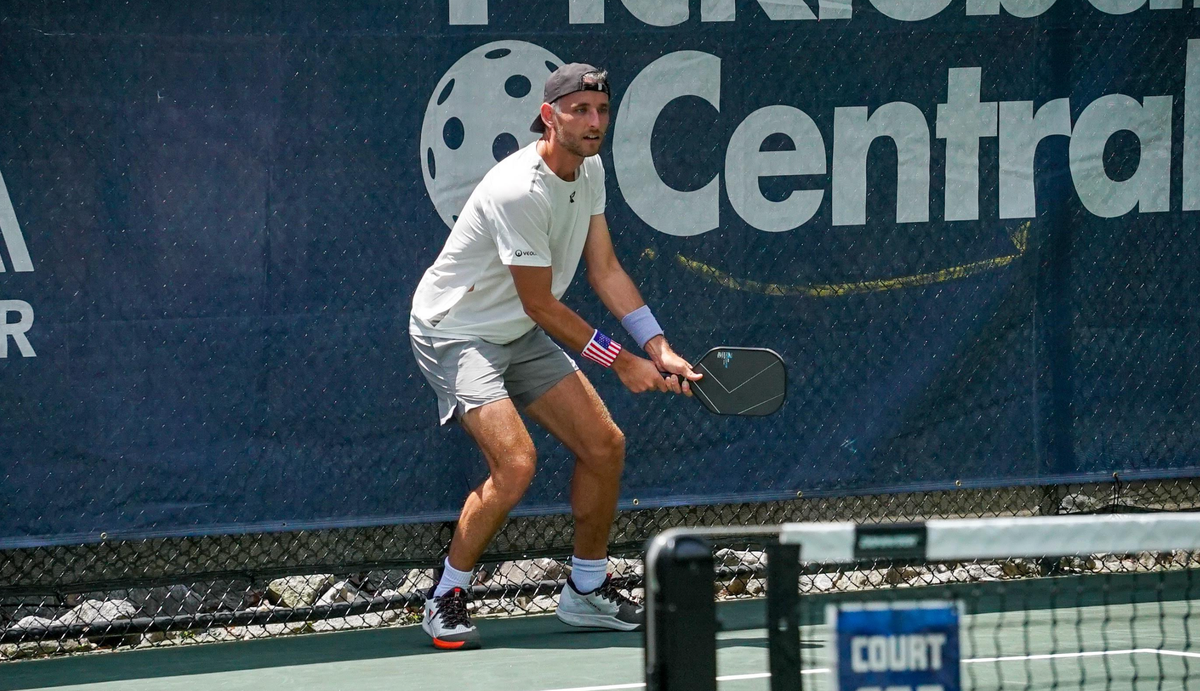
Why You Need a Two-Handed Backhand in Pickleball
If you really need any further convincing at this point, let me direct your attention to Ben Johns.
 The Dink PickleballEric Roddy
A ball that dips forces them to drop their paddle below the net and hit up, and every ball hit upward is a ball you can attack.
There are really only two shots in pickleball: shots you hit down on and shots you hit up on.
Your whole goal on the drive is to create a situation where your opponent is stuck hitting up.
That is also the thinking behind taking the ball out of the air whenever you can.Fix 1: Stop Hitting Your Pickleball Drive So Hard
A 60 percent drive with heavy top spin that dips below the net beats a 100 percent power drive that flies flat every single time.
Pace without spin is just a comfortable ball for your opponent.
Once you accept that dip beats speed, your swing gets easier. You stop muscling the ball and start brushing it, which is where the real offense comes from.
Knowing when to drive and when to drop keeps you from forcing pace at the wrong moment.
💡
Need some new pickleball gear? Get 20% off select paddles, shoes, and more with code THEDINK at
Midwest Racquet SportsFix 2: Brush Low to High for Top Spin
Top spin is forward spin, and you create it with a low to high brushing motion through contact.
When the ball spins forward, it dips down fast, which is the entire point of the shot.
Picture the ball leaving your opponent's paddle at net level, staying at net level, then suddenly diving toward their feet.
That dive is the forward spin working.If you want a deeper look at how spin works on the ball, it is worth studying in slow motion.
Your equipment helps here too.
A textured, high grip paddle face bites the ball and adds revolutions, which is why testers rank spin as a core category when they review the best pickleball paddles.
The stroke does most of the work, but the surface matters.
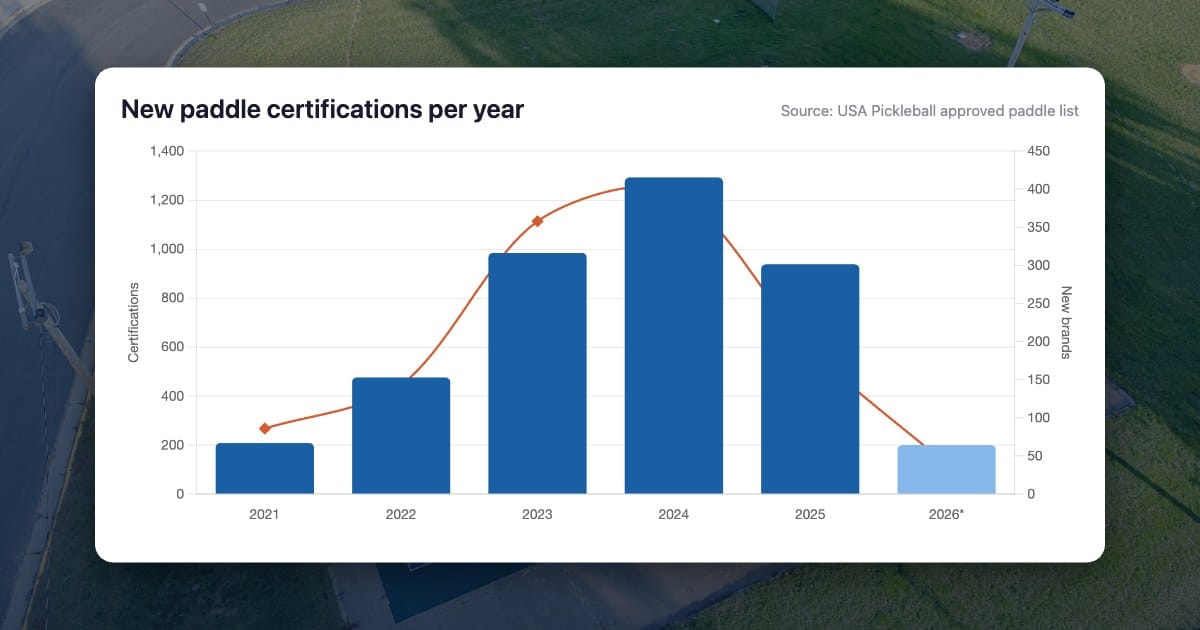
The Pickleball Paddle Boom Isn’t Over, but It Is Evolving
We analyzed more than 4,000 USAP-approved paddles over a five-year span. Here are five trends that point toward a maturing, more consumer-friendly market.
 The Dink PickleballAlex E. Weaver
Fix 3: Separate to Create Space
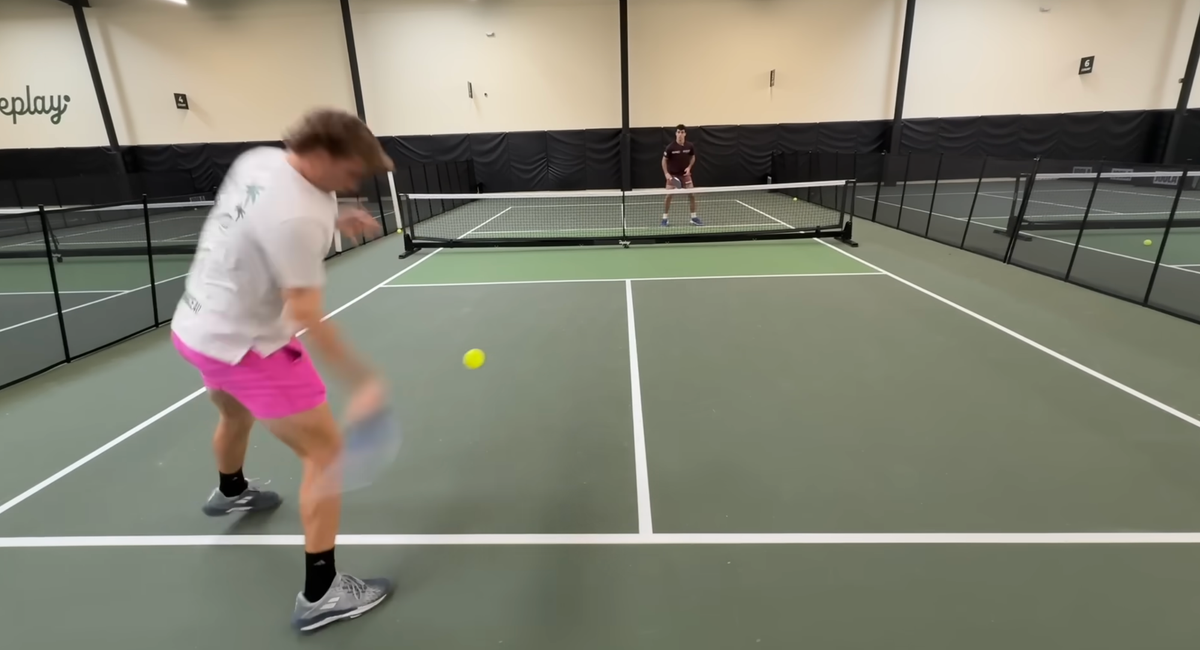
The pickleball drive breaks down into three moves: separate, drop, whip. Separation is the preparation, and it is where most players get jammed.
As the ball comes, turn your unit sideways with your feet and push your hands out away from your body.
You are creating space so the ball does not crowd you at contact.
Some players separate high, some separate low, and both are fine.
The one thing you cannot do is get stuck in tight with no room to swing.Set your paddle face so it points away from you, not open to the sky.
The coach uses a great image: think of the paddle face like the mouth of a snake, and you do not want the snake to bite you. Turn it away as you start the swing.
How to Beat a Pickleball Banger Every Time
The lesson is simple, execution is the tricky part: control the point through positioning and technique, not through raw power
 The Dink PickleballThe Dink Media Team
Fix 4: Drop the Paddle Tip for Wrist Lag
After you separate, drop the paddle head.
The coach compares it to waving your hand: you separate, drop the tip, and let the wrist lag behind before you whip forward.
One cue that helps is leading with the butt cap of the paddle, going butt cap to butt cap through the start of the swing.
That move builds the wrist lag that snaps the paddle face up through the ball. It is the same power secret most players miss on their serve.
Keeping a relaxed grip makes the lag possible. Many players also choke up on the grip slightly for more control as the paddle whips through.Best Pickleball Paddle for Beginners: Expert Buying Guide
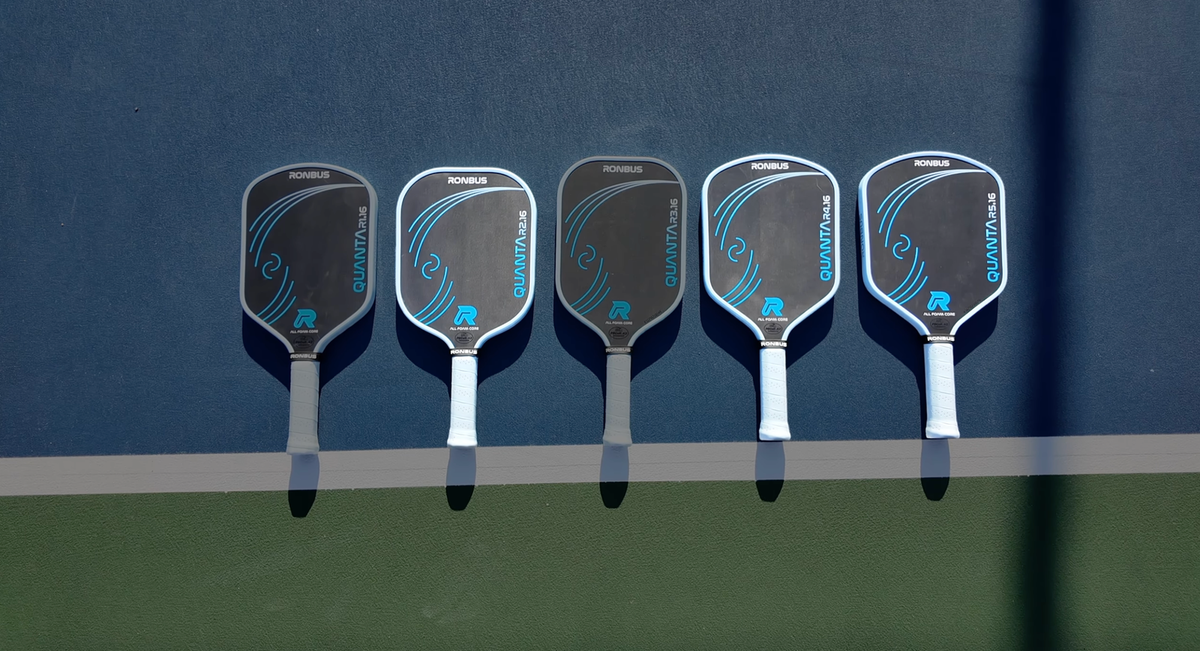
The truth is, no paddle will magically fix your game, but the wrong one can absolutely make it harder to improve.
 The Dink PickleballThe Dink Media Team
Fix 5: Stay Loose and Whip Through the Zone
The looser you are at contact, the more effortless your top spin will be.
Tension kills the whip, so stay relaxed and let the paddle accelerate through the zone rather than forcing it with your upper body.
This works because you are coiling and unloading.
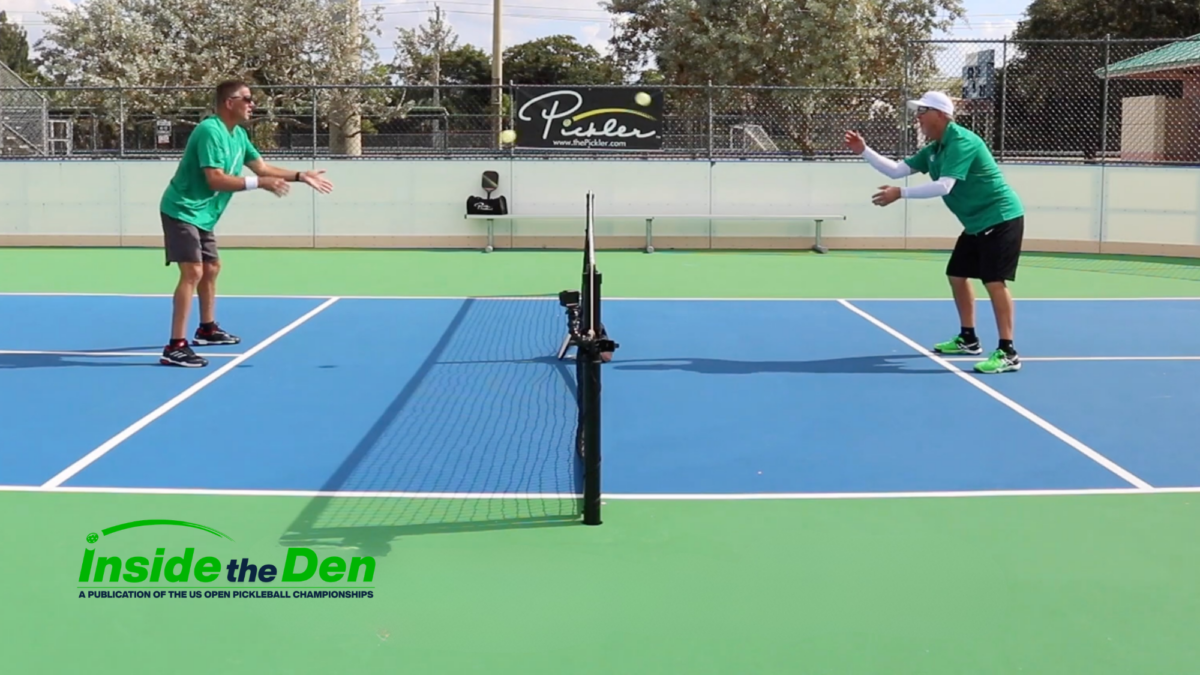
The coach describes a drill where a coach tossed him a heavy medicine ball: you catch it with both arms, coil onto your back hip, then explode forward to throw it back.
That is the exact feeling of a drive. Unit turn, load, explode forward.
If you want to feel that same coil on your serve, the way you load and transfer your weight translates directly to the drive.
Here is the full motion in order:
- Separate: unit turn, hands out, create space.
- Drop: drop the paddle tip, lead with the butt cap, let the wrist lag.
- Whip: stay loose and accelerate low to high through contact.
Topspin in Pickleball: The Complete 3-Step Progression Guide
It’s one of those shots that looks effortless when done right, but feels impossible when you’re the one holding the paddle
 The Dink PickleballThe Dink Media Team
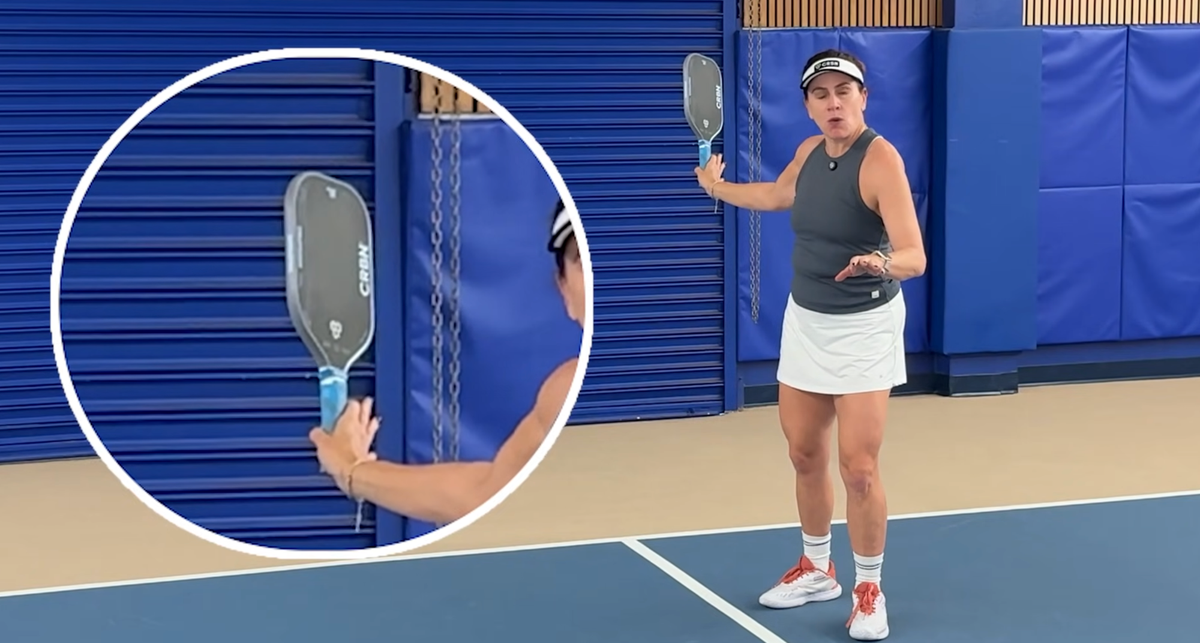
Once you own the basic top spin drive, you can add even more dip by changing your contact point on the ball.
Instead of brushing straight up the center back of the ball, catch it more on the side bottom.
Hitting the side and brushing up and over creates a side top spin that dips harder and curves.
You see this at the higher levels constantly, where players are not hitting pure top spin but a heavier side top spin that is brutal to handle.
Elite ball strikers like Ben Johns rarely drive flat.
They hit with so much shape and top spin that the ball is diving at your feet by the time it arrives, which is what makes their drive so hard to counter.Master the Third Shot Drop in Pickleball
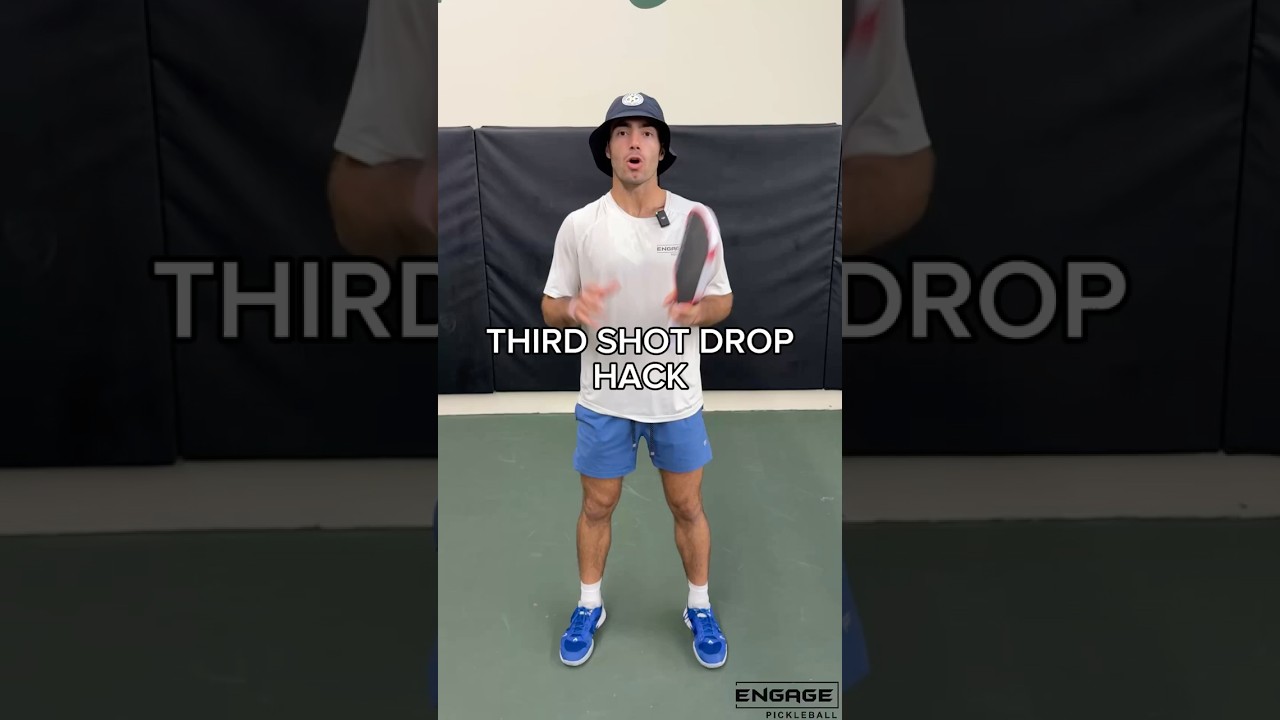
The third shot drop is one of pickleball’s most critical shots, and most players are making a fundamental mistake. Richard from Engage Pickleball reveals the contact point hack that will transform your consistency and get you to the kitchen line every time.
 The Dink PickleballThe Dink Media Team
When Should You Drive Instead of Drop?
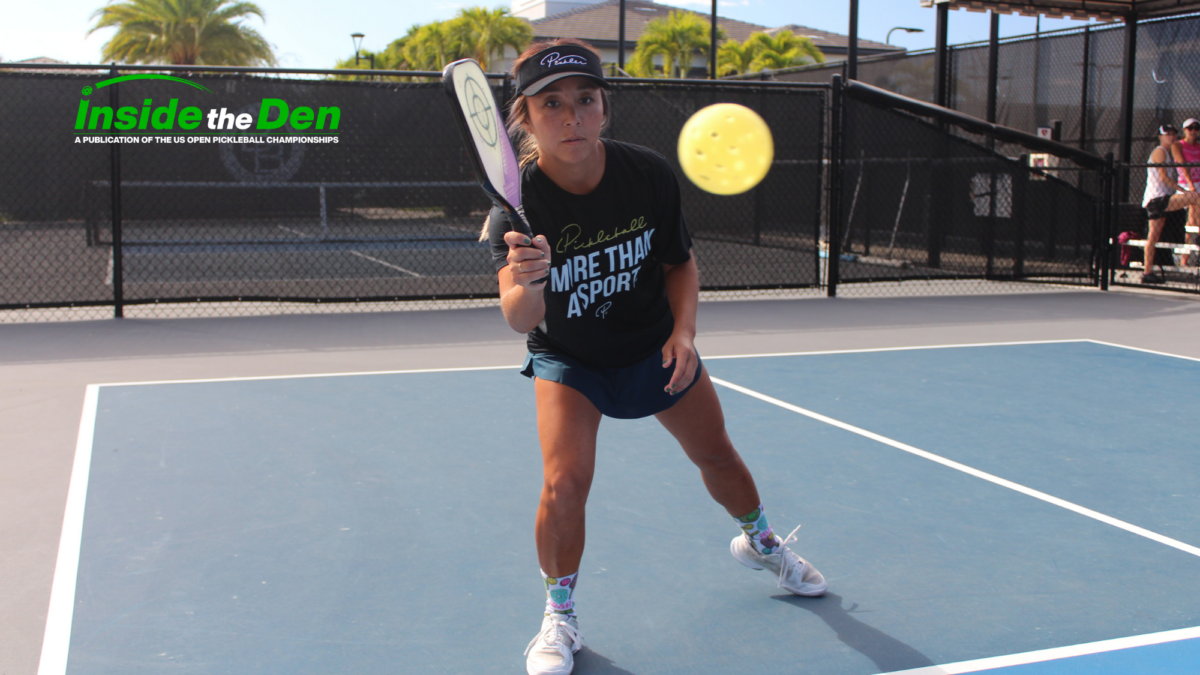
Drive when the ball sits up high enough that you can brush up on it and still clear the net with margin, and drop when the ball is low or you are stretched out of position.
The drive is an offensive choice, so pick it when you can actually apply top spin.
The two shots also work together.
A heavy top spin drive that forces a weak reply sets up your next ball, which is why pairing your drive with a drop is such a reliable pattern.
Add a top spin third shot drop and a forehand top spin drop, and you have a full offensive toolkit built on the same brushing motion.
Remember, a good drive is not about ending the point.It is about forcing a ball you can attack, which is the foundation of a successful attack.
💡
Heads up: hundreds of thousands of pickleballers read our free newsletter.
Subscribe herefor cutting edge strategy, insider news, pro analysis, the latest product innovations and more.
Frequently Asked Questions
Why does my pickleball drive keep sailing long?
A drive sails long when there is no top spin on the ball to pull it down. Add a low to high brushing motion so the ball has forward spin, and it will dip inside the baseline instead of flying flat and deep.
Should a pickleball drive be hit hard or with spin?
Spin wins. A 60 percent drive with heavy top spin that dips below the net is far more effective than a flat 100 percent power drive, because the dip forces your opponent to hit up on the ball.
How do I put top spin on a pickleball drive?
Brush the paddle from low to high through contact so the ball rolls forward. Stay loose, let the wrist lag, and whip up the back of the ball. For extra spin, catch the side bottom of the ball rather than the center.
What are the three steps of a pickleball drive?
Separate, drop, and whip. Separate by turning your unit and pushing your hands out to create space, drop the paddle tip to build wrist lag, then whip up through the zone while staying relaxed.
Is spin still legal on a pickleball serve?
Pre-contact spin serves were removed from the rulebook, as covered in this rundown of the no spin serve rule. That rule applies to the serve only, so top spin on your drives and drops is completely fair game.
Anuncie Aqui / Advertise Here
Sua marca para o mundo Pickleball! / Your brand for the Pickleball world!




 English (US) ·
  Portuguese (BR) ·