
 English
  Spanish
  Portuguese
  German
  Italian
  Japanese
  French
  Polish
  Russian
  Netherlands
  Hungarian
  Turkish
  Videos
  Thedink Pickleball

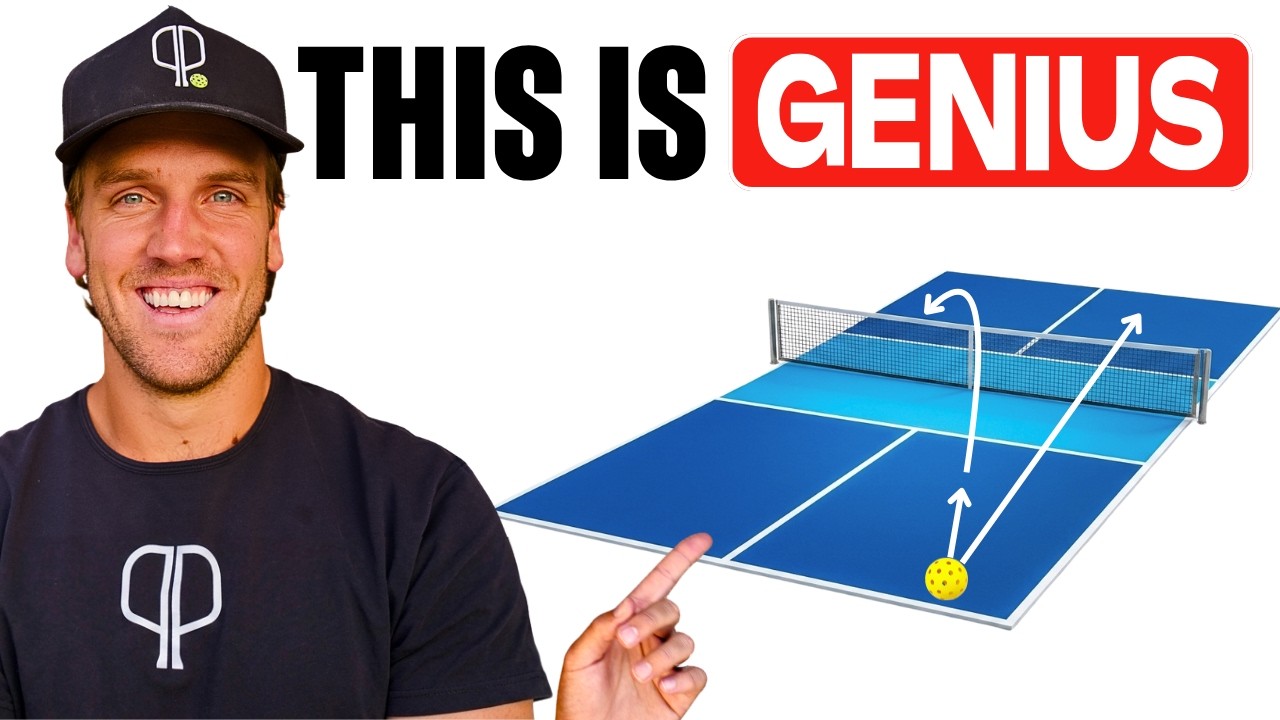
Most players treat every third shot the same. Knowing which of these 6 return situations you are in will fix your third shot drop instantly.
Your third shot drop is not failing because your technique is broken. It is failing because you are hitting the wrong shot for the situation you are actually in.
Most players treat every return the same, reach for a drop regardless of where the ball lands, and then wonder why they keep dumping it into the net or popping it up.The shot selection has to come first.
Coach Austin Hardy of PickleballPlaybook broke down six specific return situations and the exact decision you should make in each one.
Get this right and your transition rate goes up immediately.
Love pickleball? Then you'll love our free newsletter. We send the latest news, tips, and highlights for free each week.
The Mindset Shift You Need Before Reading Any of This
Here is the thing most coaches never say out loud: the drive is not the offensive shot. The drop is.The third shot drive is a setup tool. You use it to slow the ball down, pressure your opponent, and get a more manageable look for your next shot.
The third shot drop is what gets you forward and in charge of the point.
At the pro level, 35% of points involve a drop straight into a transition to the kitchen. Another 20% come from driving and then getting to the net.
The biggest slice, nearly 45%, comes from mixing both drives and drops together. That mix is exactly what this breakdown teaches you.If you want to understand why the third shot drop fails so often at the amateur level, the root cause is almost always wrong shot selection before the technique even matters.
Situation 1: Deep and High Return
When the return lands deep and high, your first instinct might be to drop it. Resist that.
You are behind the baseline in a defensive or neutral position.
Dropping from there is harder than it needs to be. Drive the ball first.Get it on your opponent fast, which forces a slower, more manageable reply. Then drop that next ball when you have room to move forward into it.
A telltale sign you should drop: you can move forward as you make contact. If you cannot, drive.💡
Need some new pickleball gear? Get 20% off select paddles, shoes, and more with code THEDINK at
Midwest Racquet SportsSituation 2: Deep and Low Return
A deep and low return is coming at you with pace and at a flatter trajectory.
Trying to drop this ball requires you to be nearly perfect, and you are already on your back foot.
Drive it again. Get the ball back fast so your opponent has less time to set up.That rushed reply from them will be slower and higher, and that is when you drop with confidence and move forward.
A simple rule that covers both of these first two situations: if both feet are behind the baseline, drive.If at least one foot is inside the baseline, you can consider dropping.
Weak Return in Pickleball: Stop Giving Away Free Time
A weak return in pickleball is more than a missed opportunity. It hands your opponent time, position, and momentum before the rally even starts.
 The Dink PickleballThe Dink Media Team
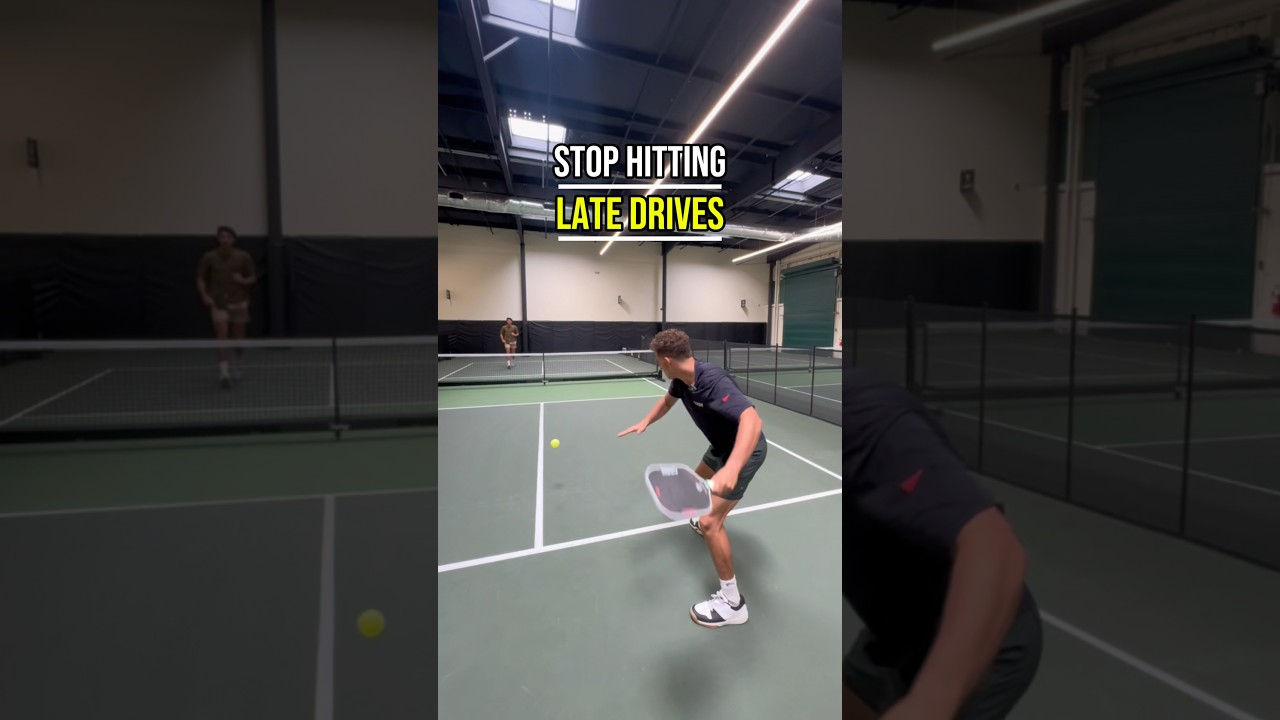
Situation 3: Deep and Wide Return
This one catches people off guard. When you are pulled off the court sideways, neither a drive nor a drop is a great option.
Drive it and the ball gets back to your opponent fast while you are completely out of position, and they will punish the open court.
Try to drop while fully stretched wide and your third shot drop consistency falls off a cliff.
Lob it. Hit it deep and up the middle to buy time to recover back into the court.If they let it bounce or have to run it down, you have turned a defensive position into a neutral one.
If they hit an overhead, you are back inside the playing area and can drive that ball, setting up the drop on the next shot.
This is the lob, drive, drop sequence, and it works. You can also find drills that build this exact pattern in structured practice apps.
How to Handle the Wide Aggressive Dink in Pickleball
When opponents pull you wide at the net, your instinct might be to speed it up or hit it cross-court, but that’s exactly what gets you in trouble.
 The Dink PickleballThe Dink Media Team
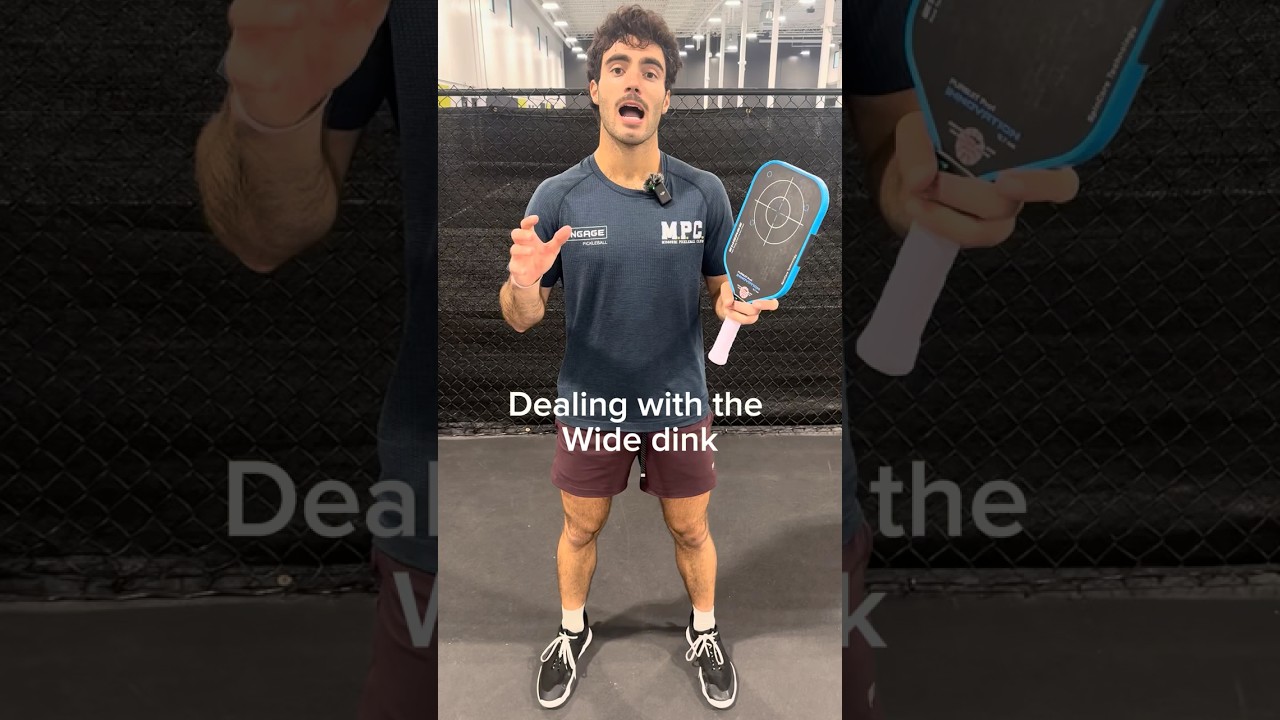
Situation 4: Short and Wide Return
A short and wide return means you are moving forward toward the ball. That forward movement is the key signal here.
Drop it. You are in an offensive position, you have time, and a well-placed drop will land softly in the kitchen while you continue moving toward the net.
Driving from here is the worst thing you can do because it puts the ball back on your opponent fast while you are still out of position sideways and cannot recover in time.If you are barely getting to the ball and feel stretched, lob again.
Deep up the middle, buy time, recover on an angle back toward the net rather than straight back to your original position.
Pickleball Stretching Routine for Better Court Movement
A pickleball stretching routine is the fastest, most overlooked way to improve your court movement and stay injury-free. These 10 stretches target the exact muscles you use every time you step on the court.
 The Dink PickleballThe Dink Media Team
What Happens When You Are in a Drop Slump?
This is the exact situation Coach Hardy found himself in against pro Lee Waters.
He missed the first drop, and then every subsequent return came right back to him.
The fix was simple: drive the ball first.By driving, he slowed the incoming ball down on the next exchange, which gave him a much easier look for the third shot drop.
He went from missing every drop into the net to hitting low, penetrating drops consistently.
If you are in a slump, this is your reset button. Stop trying to drop every ball and let the drive do the work for you.For a deeper look at mastering the transition zone, the concept connects directly to knowing which shot to hit on that third ball.
6 Pickleball Drive Fixes That Create Instant Top Spin
The best pickleball drive is not the hardest one, it is the one that dips. Here are six fixes that put heavy top spin on the ball and force your opponent to hit up.
 The Dink PickleballThe Dink Media Team
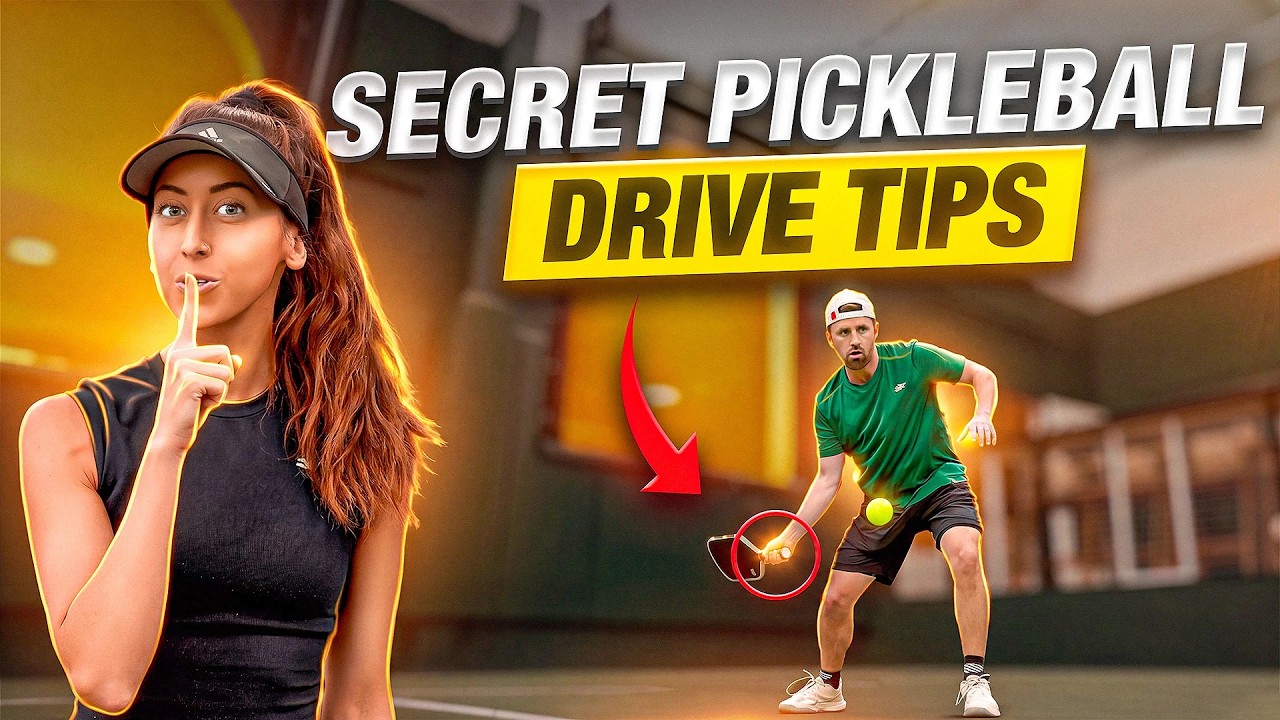
Situation 5: Short and High Return
A short and high return is a gift. Do not waste it by dropping.
Drive it. You can hit down on the ball, you are moving forward, and your opponent feels real pressure.
They have less time to set up and will often give you a weak reply. That is the ball you then drop to close out the transition.Drop a short and high ball instead and you give up the attacking opportunity entirely.
Your opponent feels no pressure and you are still stuck trying to get to the net against a team that is comfortable and ready.
Shot selection mistakes like this one cost you more points than any technique flaw.
Weak Return in Pickleball: Stop Giving Away Free Time
A weak return in pickleball is more than a missed opportunity. It hands your opponent time, position, and momentum before the rally even starts.
 The Dink PickleballThe Dink Media Team
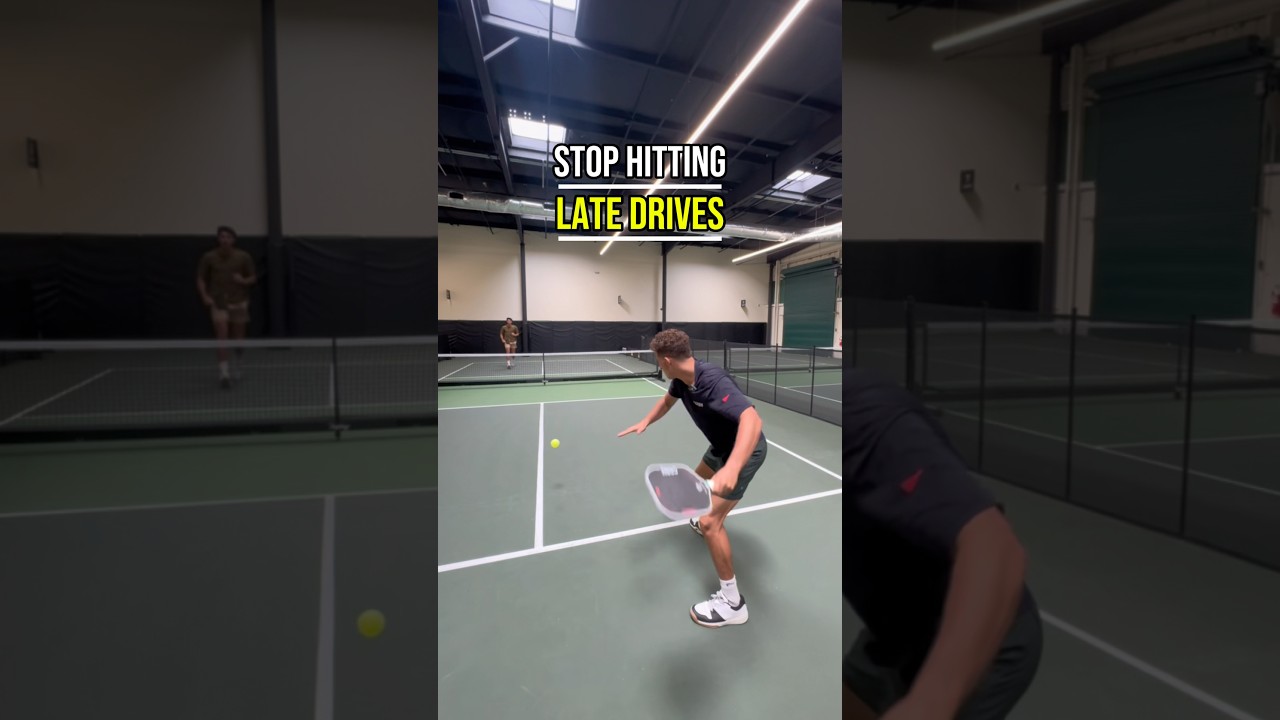
Situation 6: Short and Low Return (The One Everyone Gets Wrong)
Here it is. This is the situation that wrecks consistency for the vast majority of amateur players.
The ball lands short in the court and low. What does almost everyone do? They drive it.And almost every time, it sails long.
Here is why driving here does not work:
- The ball is below net level, so the only direction you can send it is up.
- You do not have enough court to work with to keep a drive in consistently.
- Your opponent is established at the kitchen line and will punish anything that comes up at them.
- Even if your opponent misses it at lower levels, you are building a habit that fails completely at 4.0 and above.
Drop it. A short and low return means you are already in a great position to get to the net. You do not need the drive to set anything up.
Just drop the ball softly into the kitchen and walk forward. You are already in charge.This is the one situation where the drop is the obvious play, and it is the one most players get completely backwards.
Understanding where to aim that drop makes this even more effective once you commit to hitting it.
Return of Serve in Pickleball: The Fix for Players Over 50
The return of serve is the most important shot in pickleball, and most players over 50 are hitting it wrong. Here is how one fix changes everything about your game.
 The Dink PickleballThe Dink Media Team
The Complete Decision Framework
Here is the full breakdown condensed into a simple guide you can run through before every third shot:
- Deep and high: Drive, then drop the next ball.
- Deep and low: Drive, then drop the next ball.
- Deep and wide: Lob deep up the middle, recover, then drive and drop.
- Short and wide: Drop if you are moving forward, lob if you are stretched.
- Short and high: Drive to attack, drop the reply.
- Short and low: Drop. You are already set up perfectly.
The overarching rule is this: drive when you are on defense or in a neutral position, drop when you are on offense and moving forward.
The drive is the setup. The drop is the finisher.Getting comfortable with the drive as a neutral or defensive tool rather than purely an attacking shot changes how you see every transition.
Pros use this drive-drop combination constantly because it takes pressure off every individual drop and gives them a higher percentage path to the kitchen.
Master the Third Shot Decision in Pickleball
Pro coach Austin Hardy breaks down the exact framework pros use to choose between driving and dropping every single time.
 The Dink PickleballThe Dink Media Team
There is a quick field test you can use during a point.
If at least one foot is inside the baseline when you are about to hit the third shot, you can typically drop.
If both feet are still behind the baseline, default to driving.This is not a perfect rule for every edge case, but it gives you a read you can make in real time without overthinking.
Pair it with the six situations above and your decision speed goes up while your error rate goes down.
Working on footwork drills directly supports this because the faster you recover and position yourself, the more often you will find yourself inside that baseline with a drop available.For players who want to drill the transition specifically, practicing the transition zone in isolation builds the muscle memory that makes these decisions automatic.
The third shot does not have to feel like a gamble. Once you know which situation you are in, the right shot becomes obvious.
Run through these six scenarios enough times and you will stop dreading the transition and start owning it.
💡
Heads up: hundreds of thousands of pickleballers read our free newsletter.
Subscribe herefor cutting edge strategy, insider news, pro analysis, the latest product innovations and more.
Frequently Asked Questions
When should I drive instead of dropping on the third shot?
Drive the third shot when both feet are behind the baseline or when the return comes deep and low with pace. The drive slows the incoming ball down by putting pressure on your opponent, which gives you an easier drop on the following shot.
Why does driving a short and low return usually fail?
A short and low ball is below net level, so the only direction you can drive it is upward. That upward trajectory lands long most of the time, and even when it stays in, your opponent at the kitchen line can easily put it away at your feet.
What is the drive-drop combo and how does it work?
The drive-drop combo means you drive the third shot to force a faster, more pressured reply from your opponent, then drop the fourth or fifth shot when the return comes back slower and more manageable. It takes pressure off your drop by creating a better setup ball first.
Should I ever lob on the third shot?
Yes, specifically when you are pulled deep and wide off the court. Lobbing deep up the middle buys you time to recover back into position without driving into an empty court or attempting a drop while fully stretched out wide.
How do I know if I am in an offensive or defensive position for the third shot?
If you are moving forward into the ball and at least one foot is inside the baseline, you are in an offensive position and dropping makes sense. If you are reaching back, on your heels, or both feet are behind the baseline, treat it as a defensive situation and drive to set up the next shot.
Anuncie Aqui / Advertise Here
Sua marca para o mundo Pickleball! / Your brand for the Pickleball world!



 English (US) ·
  Portuguese (BR) ·