
 English
  Spanish
  Portuguese
  German
  Italian
  Japanese
  French
  Polish
  Russian
  Netherlands
  Hungarian
  Turkish
  Videos
  Thedink Pickleball

The transition zone is where most pickleball players lose points without realizing it. Master the transition zone in pickleball with these 7 game-changing tips from professional coach Troy Akin.
The transition zone in pickleball is costing you more games than you realize.
- It's not your serve.
- It's not your dinking.
It's those awkward four seconds between the baseline and the kitchen where 90% of amateur players make critical mistakes that hand points directly to their opponents.
Troy Akin, a professional pickleball player and premier global coach, breaks down exactly what's going wrong in your transition zone and how to fix it.
His approach isn't complicated, but it requires understanding the fundamentals that separate players who consistently reach the kitchen from those who get picked apart in the middle of the court.
Love pickleball? Then you'll love our free newsletter. We send the latest news, tips, and highlights for free each week.
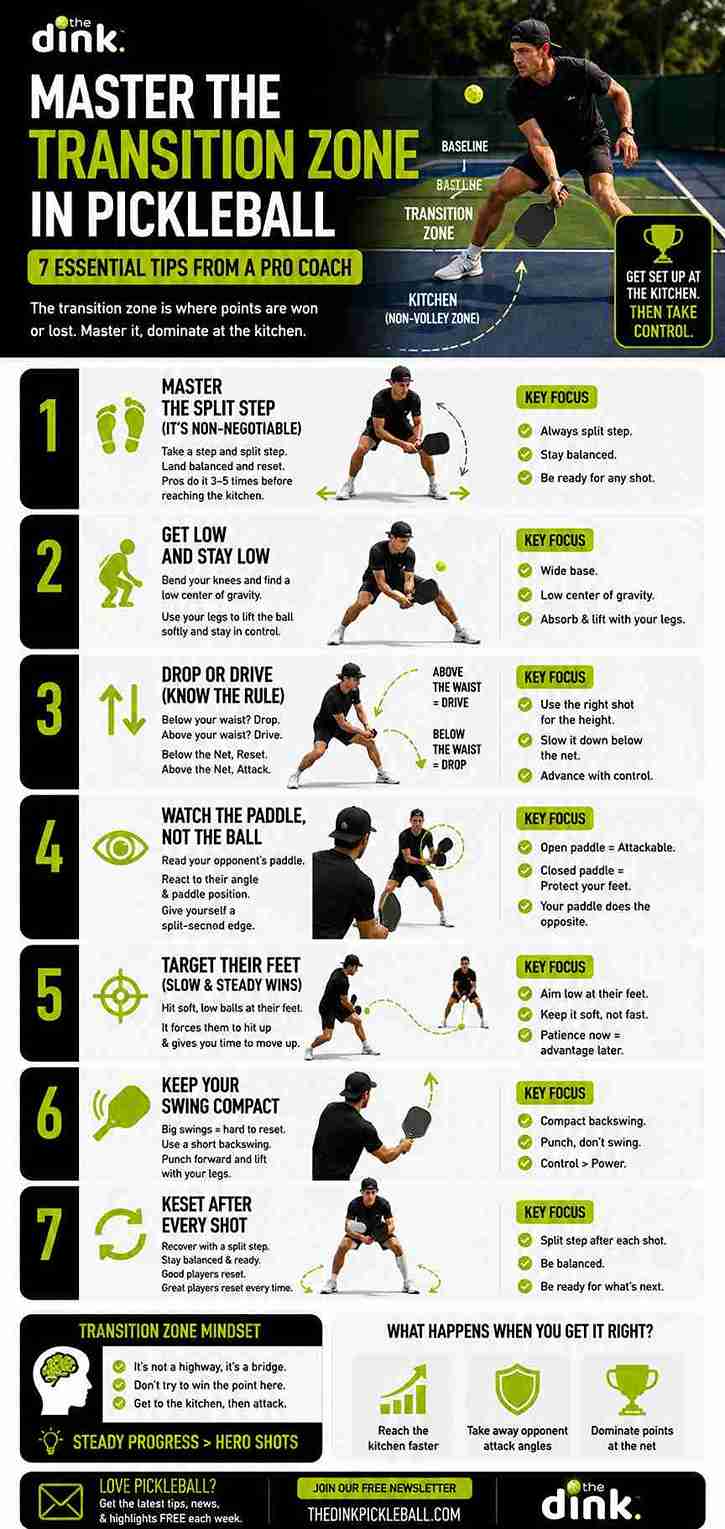
Why the Transition Zone Matters More Than You Think
Here's the thing: most players treat the transition zone like a highway.
They sprint toward the kitchen, take big swings, and try to win points before they've even set up at the net. That's backwards.
Think of it differently. The pickleball transition zone should feel like a nice stroll along the river. You're moving with purpose, but you're not rushing.
- Your goal isn't to win the point from the transition zone.
- Your goal is to get your team set up at the kitchen so you can dominate from there.
This mental shift changes everything. Once you stop trying to be a hero in the middle of the court, you can focus on the actual mechanics that matter:
- Balance
- Positioning
- Smart shot selection
1. Master the Split Step in the Transition Zone Pickleball Demands
The split step is the foundation of everything that happens in the transition zone pickleball requires you to learn.
If you're not split-stepping, you're already losing.
Here's what Akin recommends: after you hit a drop or a drive and start moving forward, take one step and jump into a split step.
Land balanced every single time.
If you're just running through the split step, it's nearly impossible to react, change direction, or be ready for the next shot.Watch the pros, and you'll notice they split step three, four, even five times before they finally get set at the kitchen.
They're not sprinting. They're resetting their feet constantly to stay ready for whatever comes next.
The next time you're in a rec game, count how many times you split step before reaching the kitchen.
If the number is zero, you've found your biggest problem.
💡
Need some new pickleball gear? Get 20% off select paddles, shoes, and more with code THEDINK at
Midwest Racquet Sports2. Get Low and Stay Low
Too many players bend at the back to pick up a low ball. That's a mistake. Your opponents are already at the kitchen, and they're targeting your feet.
If you're tall and upright, you're giving them an easy target.
The solution is simple: find a low center of gravity. Think like a baseball player fielding a ground ball or a tennis player preparing for a serve.
Get into that athletic stance with a wide base and stay low through contact.
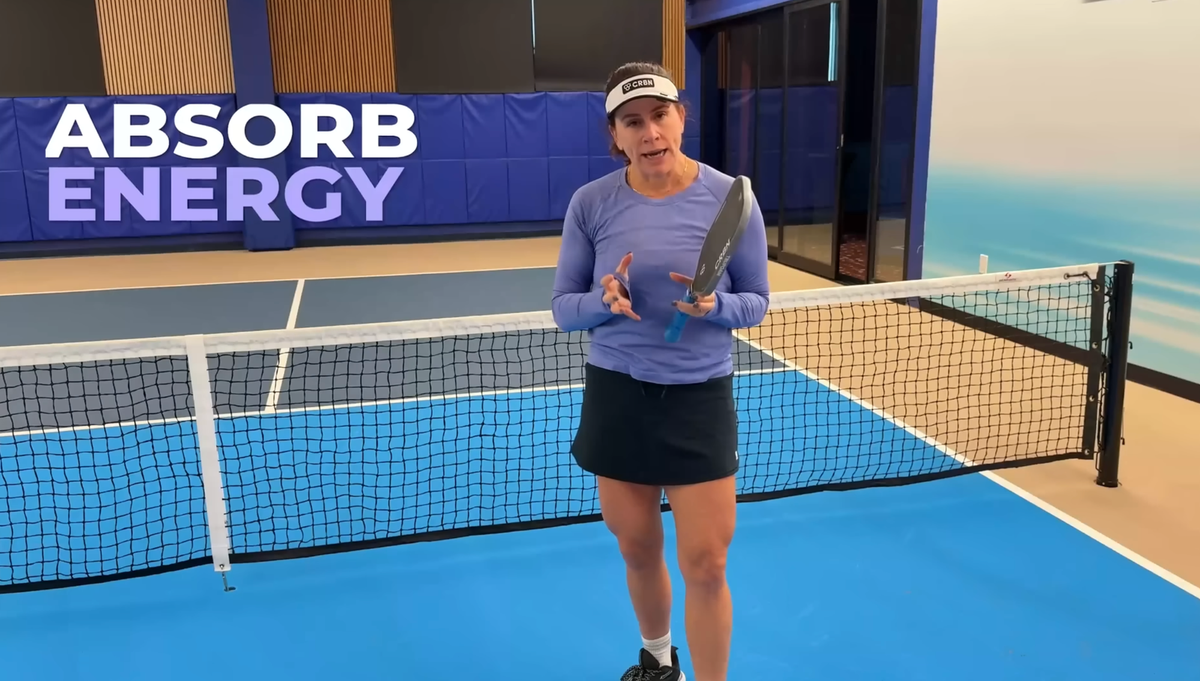
When you're low, you can absorb the contact and use your legs to lift the ball softly back into the kitchen.You're not muscling it. You're using leverage and positioning to control the shot.
Master the Pickleball Transition Zone: Attack or Reset
The best players in the world aren’t just comfortable in the transition zone – they actively use it to their advantage
 The Dink PickleballThe Dink Media Team
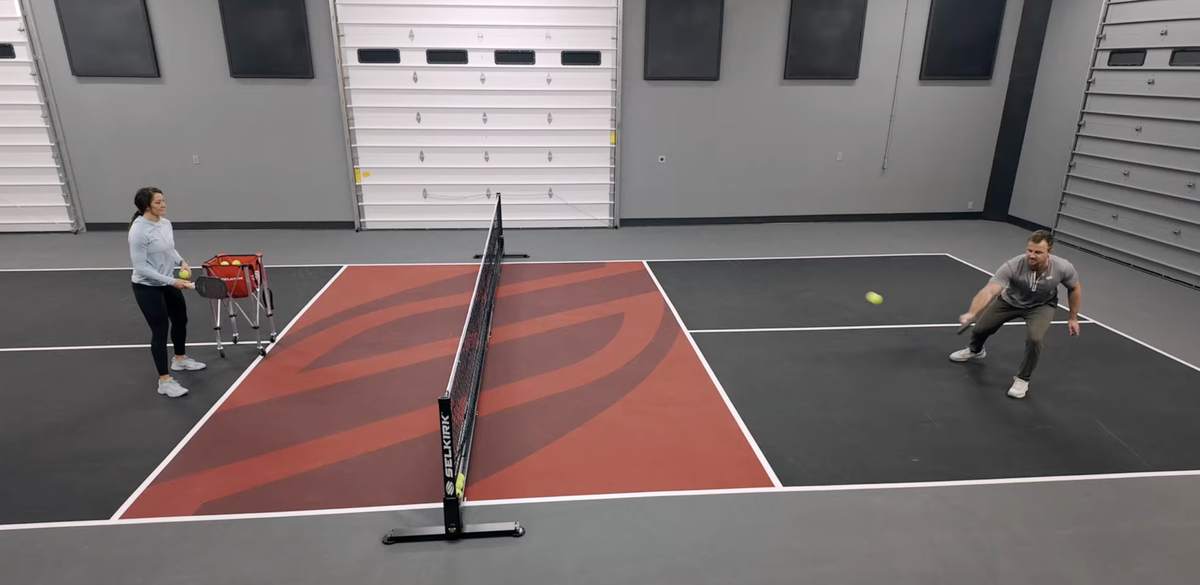
3. Drop or Drive: Know the Rule in Transition Zone Pickleball
This is where shot selection becomes critical in the transition zone pickleball players too often misread.
- If the ball is below your waist, hit a drop.
- If it's above your waist, feel free to swing out and try to hit a winner.
Akin calls it the "Below the Net, Reset. Above the Net, Attack" rule. Memorize it.
If you try to speed up a ball that's below your waist from far away and low, all you're doing is giving your opponent a soft, easy ball at their shoulder that they can put away.
The drop shot keeps you moving forward while taking pace off the ball. Your opponent has to hit up on it, which gives you time to advance.
That's the whole point of the transition zone: steady progress toward the kitchen, not heroic winners.
Why the Drop Shot Wins in the Midcourt
The midcourt is where rallies are decided, not finished. A well-executed drop from the pickleball transition zone neutralizes any advantage your opponent holds at the net.
It's not glamorous. But it works every single time.
Third Shot Drop vs Drive in Pickleball: Make the Right Call
The third shot drop vs drive pickleball debate isn’t about picking a favorite, it’s about reading the rally and choosing the shot that actually works. This guide breaks down when to drop, when to drive, and how to stop guessing on ball three.
The Dink PickleballThe Dink Media Team
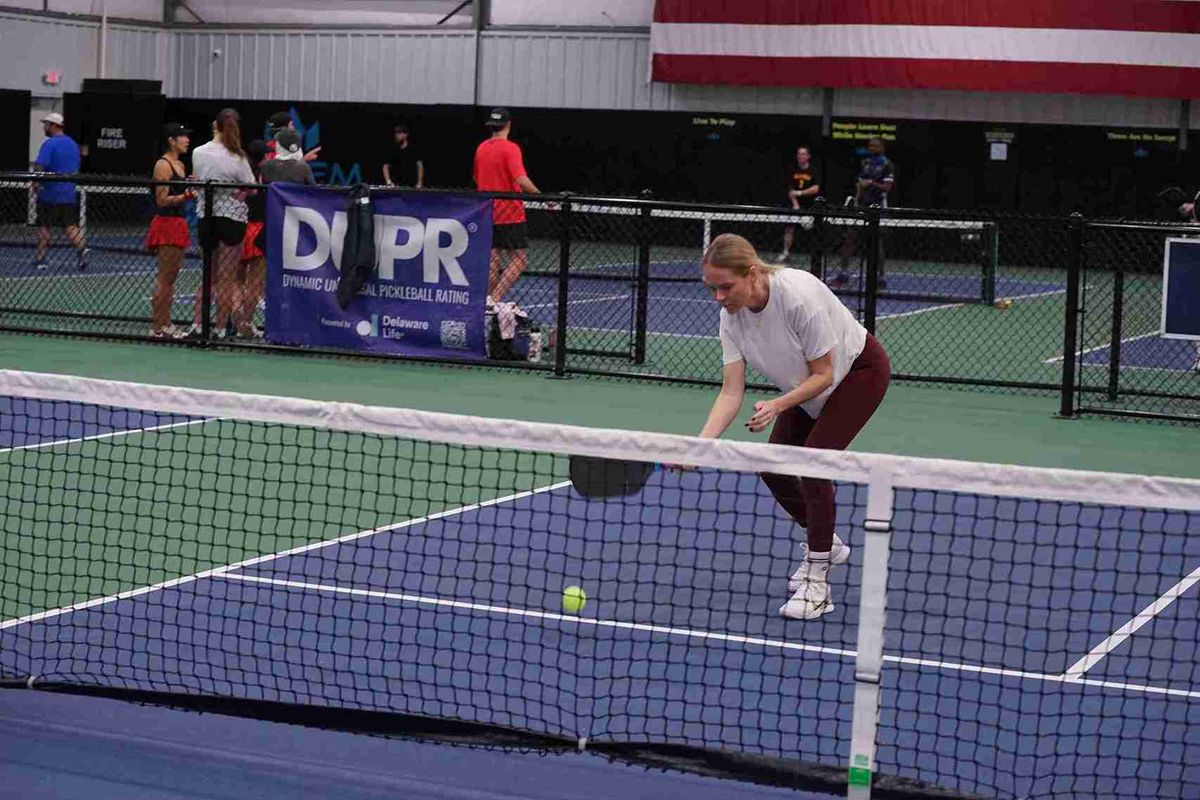
4. Watch the Paddle, Not the Ball
Here's a pro tip that separates good players from great ones: watch your opponent's paddle, not the ball.
If your opponent has an open paddle face, the ball is probably going to pop up and sit. That's attackable.
But if they have a closed face and they're hitting from a high position, they're probably going to do a really good job of attacking your feet.
Your paddle should almost do the opposite of what theirs is doing. If their paddle is high, get yours low.
If their paddle is low, you can lift yours in anticipation of attacking.
This reads-and-react approach gives you a split-second advantage that compounds over the course of a rally.
Reading Paddle Angles in the Transition Zone
Paddle awareness in the pickleball transition zone is a skill most players skip entirely. It's the difference between reacting to the ball and anticipating it.
Once you can read your opponent's paddle face, you're playing a different game than everyone else on the court.
Paddle Tracking: The Pro Pickleball Skill You’re Missing
Paddle tracking is the foundational pickleball skill that all pros use to stay ahead of the action. By keeping your paddle tip pointed at the ball, you shift from reactive to proactive play.
The Dink PickleballThe Dink Media Team

5. Target Their Feet (Slow and Steady Wins)
You've heard this a hundred times, but it bears repeating: find your opponent's feet.
Especially in the transition zone, a slow ball that lands at their feet forces them to hit up on the ball, which gives you more time to advance.
Instead of trying to hit a fast ball hard that sits up, hit a slow, soft ball that you can continue moving forward with.
By the time you reach the kitchen, you're already in a dominant position and can start attacking.
This is the essence of transition zone strategy:
Patience and positioning beat power and aggression in every midcourt exchange.Attack the Right Spots: Win More Points in Pickleball
You can’t go to the same spot every single time you go on offense – eventually, your opponent will catch on. And make you pay for it.
The Dink PickleballEric Roddy
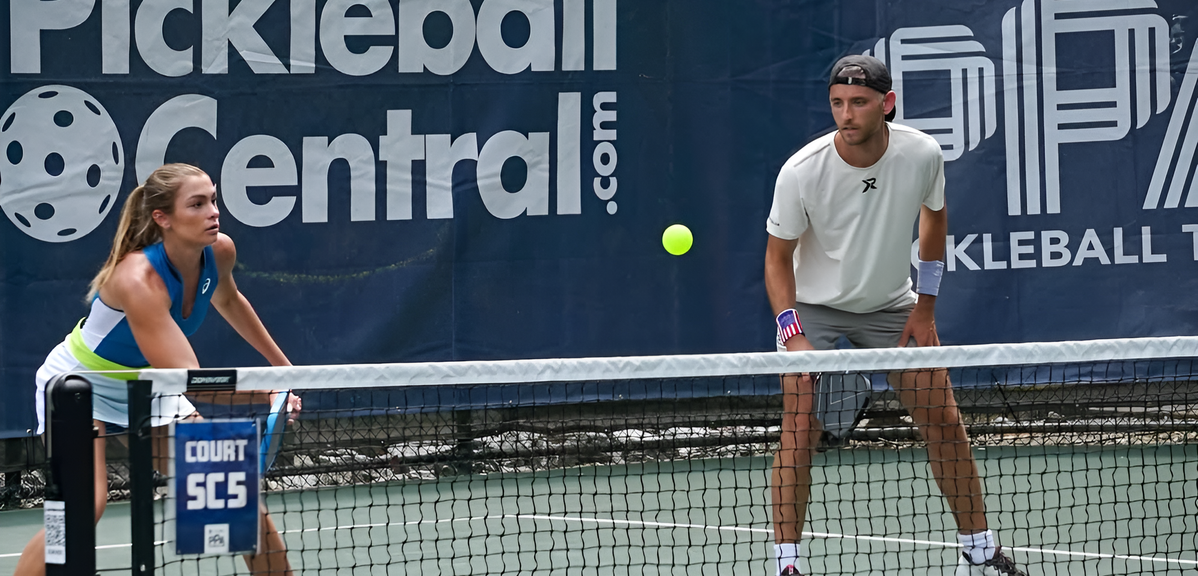
6. Keep Your Swing Compact in the Transition Zone Pickleball
Big backswings are the enemy in the transition zone pickleball coaches universally flag as a critical mistake.
When you're running forward and you take a massive swing, you have to decelerate it to reset. That's incredibly hard to do consistently.
Instead, keep your swing compact from the beginning. Think of it as lifting with your legs and delivering a little punch toward your opponent.
Not a big old swing. Just a punch and lift.
When Akin demonstrates this, the difference is striking. A big swing results in a ball that's a little too high, giving the opponent another chance to attack.
A compact swing with a punch and lift keeps the ball down and low, allowing you to keep moving forward.
This is where the transition zone in pickleball becomes about feel and touch rather than power.
The Punch-and-Lift: Your Secret Weapon in the Midcourt
Think of the punch-and-lift as a controlled mini-swing. It's short, it's repeatable, and it eliminates the timing errors that come with bigger motions.
Master it, and your pickleball transition zone game becomes nearly unbreakable.
Pickleball Dinking 101: Small Swings, Big Results
You’re not trying to hit winners from the kitchen. You’re trying to create situations where your opponent makes a mistake or gives you a ball you can attack
The Dink PickleballThe Dink Media Team
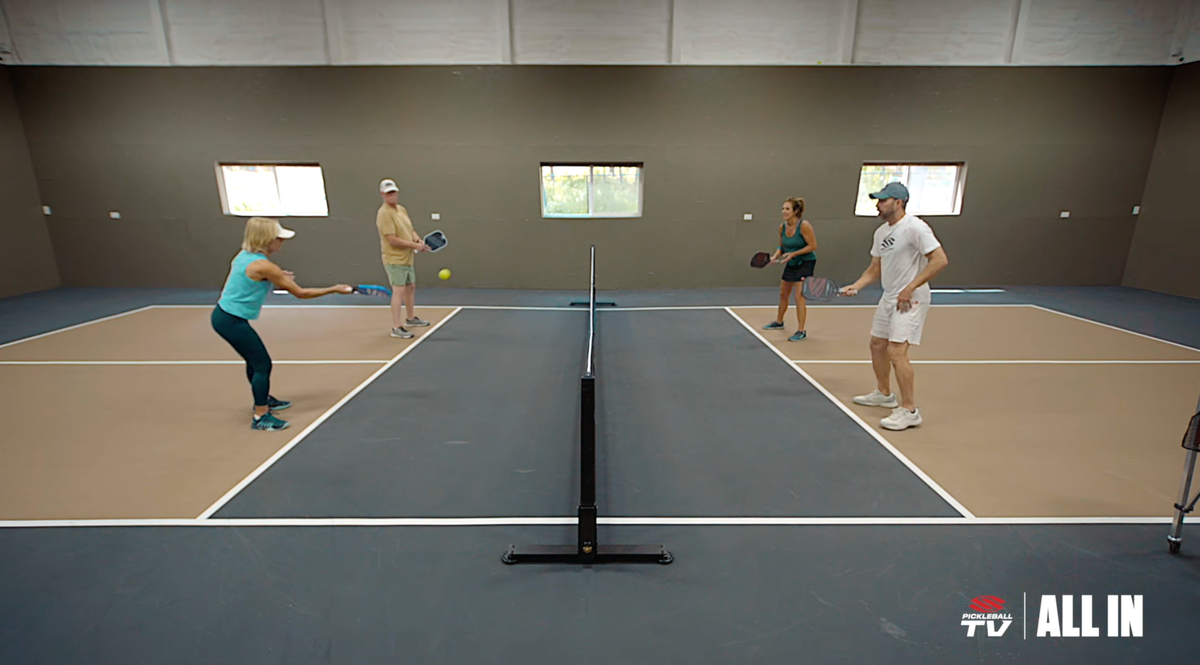
7. Reset After Every Single Shot
The final tip is simple but essential: reset after every single shot.
You've done a great job of split stepping and getting ready for the ball, but now you've hit another one.
You need to keep moving forward and reset again into a split step.
It may take three or four split steps until you finally get to the kitchen line. That's normal. The transition zone pickleball strategy isn't a sprint.
It's a series of small, controlled movements that keep you balanced and ready.
The Pickleball Reset: The One Skill That Takes You Beyond 3.5
By softening pace, controlling trajectory, and stabilizing through transition, players can use the reset to regain the kitchen and compete with stronger opponents
The Dink PickleballThe Dink Media Team
The Transition Zone Drill That Ties It All Together
Akin provides a practical drill that works on all seven tips at once. Start at the baseline and work on your third shot drops.
If you make a drop into the kitchen, take one step and split. Make another one? One step and split again. Keep going until you reach the kitchen line.
Then work backwards. Take one step backwards and split. The transition zone isn't always about moving forward.
Sometimes you need to adjust and move back. This drill trains both directions.
The beauty of this drill is that your opponent is constantly trying to pester your feet, just like in a real match.
You're not practicing in a vacuum. You're building the habits and reflexes you actually need to win more pickleball games at every level of play.
💡
Heads up: hundreds of thousands of pickleballers read our free newsletter.
Subscribe herefor cutting edge strategy, insider news, pro analysis, the latest product innovations and more.
Frequently Asked Questions
What exactly is the transition zone in pickleball?
The transition zone is the area between the baseline and the kitchen (non-volley zone). It's the most awkward part of the court because you're neither at the baseline nor at the net. Most players struggle here because they don't have a clear strategy for moving through it efficiently.
Why do I lose so many points in the transition zone?
You're probably trying to win points instead of just advancing to the kitchen. The pickleball transition zone is about positioning and patience, not power. Focus on getting your team set up at the net, and the points will come naturally.
How many times should I split step in the transition zone?
There's no magic number, but pros typically split step three to five times before reaching the kitchen. The key is splitting after every shot you hit, not just once. This keeps you balanced and ready to react.
What's the difference between a drop and a drive in the transition zone?
A drop is a soft shot that lands just over the net. A drive is a faster, more aggressive shot. Use drops when the ball is below your waist and drives when it's above. This simple rule keeps you from making unforced errors in the midcourt.
Can I practice the transition zone on my own?
Yes. The drill Akin describes (one step and split, moving forward and backward) can be practiced solo or with a partner. Focus on the mechanics: split stepping, staying low, keeping your swing compact, and resetting after each shot.
Master Your Transition Zone
The transition zone in pickleball isn't mysterious. It's not something only pros can master. It's a learnable skill that requires understanding the fundamentals and practicing them consistently. Troy Akin's seven tips give you a clear roadmap. Now it's up to you to put them into practice.
Anuncie Aqui / Advertise Here
Sua marca para o mundo Pickleball! / Your brand for the Pickleball world!





 English (US) ·
  Portuguese (BR) ·