
 English
  Spanish
  Portuguese
  German
  Italian
  Japanese
  French
  Polish
  Russian
  Netherlands
  Hungarian
  Turkish
  Videos
  Thedink Pickleball

A coach can read your pickleball habit patterns in 30 seconds flat. Fix these seven and you'll stop playing like a beginner immediately.
Every pickleball habit you've built tells a story, and experienced players can read it almost instantly.
You don't need to hit hard or pull off a trick shot for someone to figure out your level. The giveaways are far more basic than that.The good news is that none of these habits require athletic gifts or years of grinding. They are learnable, and fixing them moves the needle fast.
These seven habits come from PlayPickleball.com on YouTube, where their coaches break down exactly what separates beginners from intermediate players on every part of the court.
Love pickleball? Then you'll love our free newsletter. We send the latest news, tips, and highlights for free each week.
Habit 1: Your Paddle Is Hanging by Your Side
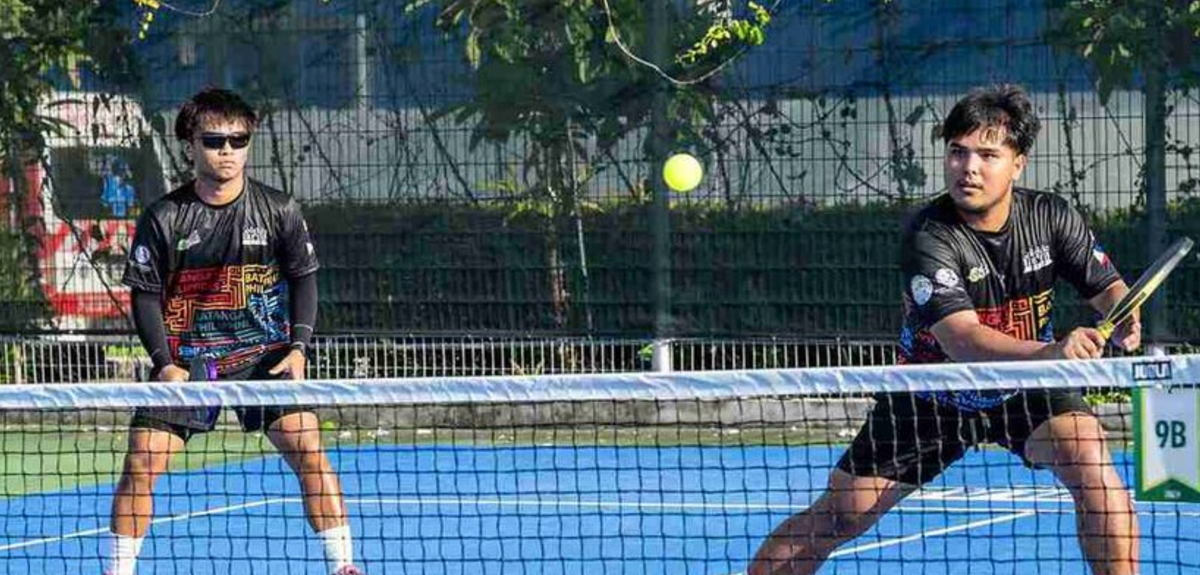
Paddle prep is the single fastest tell.
When a beginner is standing at the kitchen line or transitioning through the court, the paddle drops low, often pointing at the ground between points.
That half-second to lift it back up is all it takes to lose a hand battle.
Intermediate players keep the paddle out front, centered, and ready before the ball even leaves the opponent's side.
This position helps with volleys, speed-ups, and any fast exchange at the net. Get your paddle up and keep it there.Habit 2: Your Weight Is in Your Heels
This one is subtle, but it changes everything about how you move and strike. When your weight sinks back into your heels, your chest naturally rises.
Balls you hit from that position tend to float up because your momentum is going backward instead of forward.
Shift your weight to the balls of your feet.
Your chest drops forward, you can move side to side more aggressively, and suddenly you are in an offensive stance rather than a defensive one.
It feels minor until you notice how much cleaner your contact becomes.For more on how your body position affects shot quality, check out this breakdown of pickleball knee bend and why bending your back to get low is costing you.
💡
Need some new pickleball gear? Get 20% off select paddles, shoes, and more with code THEDINK at
Midwest Racquet SportsHabit 3: Is the Split Step Really That Important?
Yes, and most beginners are skipping it entirely.
The common advice when you are new is to sprint from the baseline to the kitchen line as fast as possible after your shot.
That advice is not wrong, but it is incomplete.Higher level players run up and then stop before their opponent makes contact with the ball.
That pause is the split step, a small hop that resets your balance so you can move in any direction.If you are still running when your opponent hits, you are off balance and reacting late.
Here is what the split step sequence looks like in practice:
- Hit your shot from the baseline.
- Move toward the kitchen line immediately.
- Read when your opponent is about to contact the ball.
- Stop and split step just before they make contact.
- React from a balanced position.
The bonus of the split step is what it gives you when the ball is left up. If you are moving when you see a ball sitting high, you cannot attack it cleanly.
Split step first, and now that high ball becomes a swing volley you can put away.If you want to understand how your movement patterns affect your overall positioning, read through these 7 pickleball positioning mistakes that are hurting your game.
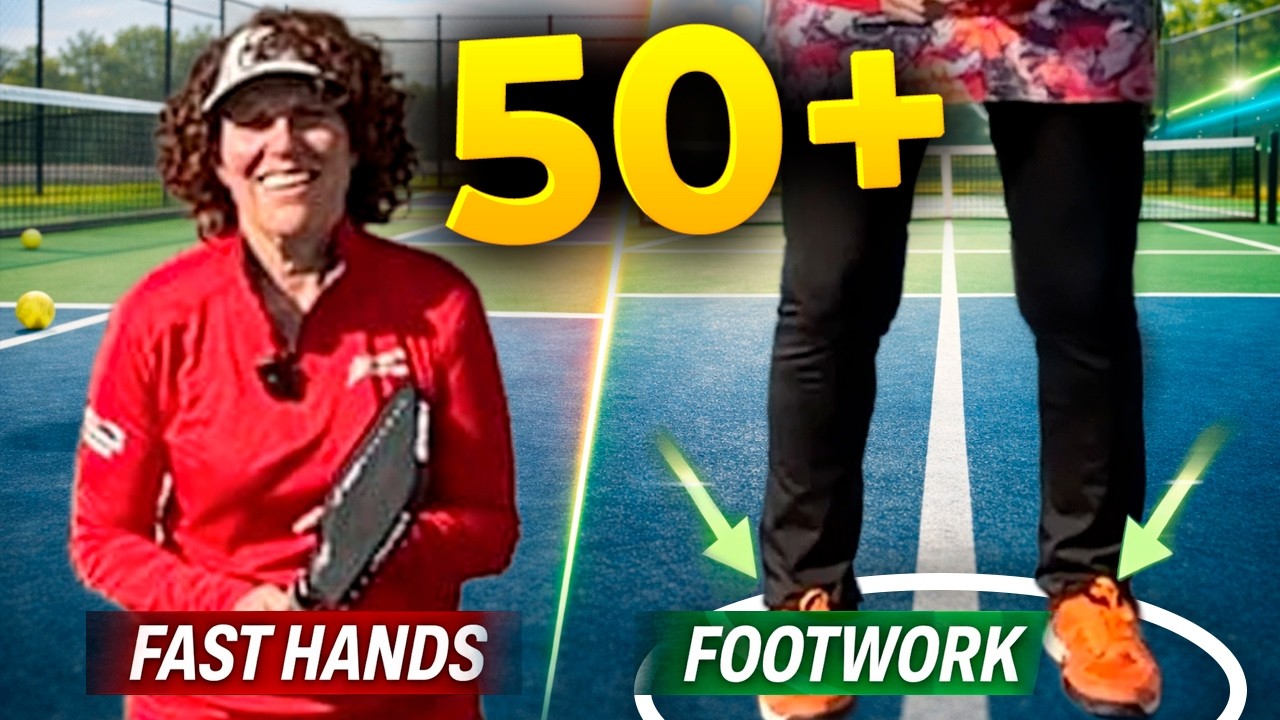
Split Step Pickleball: Footwork Tips for Seniors
By mastering this simple footwork move, you’ll stop your forward momentum and give your brain the split second it needs to read your opponent’s paddle.
 The Dink PickleballThe Dink Media Team
Habit 4: Hitting Soft Returns Instead of Deep Ones
Beginners think the return of serve is about getting the ball in the court.
Intermediates know the return is one of the biggest weapons in doubles.Depth is everything on the return. Your target should be the back quarter of the court, deep and close to the baseline.
When you land the return there, you force the serving team to hit a third shot from as far back as possible, making their approach to the kitchen much harder.
You already have the positional advantage as the returning team since you can move to the kitchen immediately after your return.
Make the serving team earn every inch. A soft, short return erases that advantage instantly.For a full picture of how to build a return that creates real pressure, see these 5 keys to a pickleball return that creates offense.
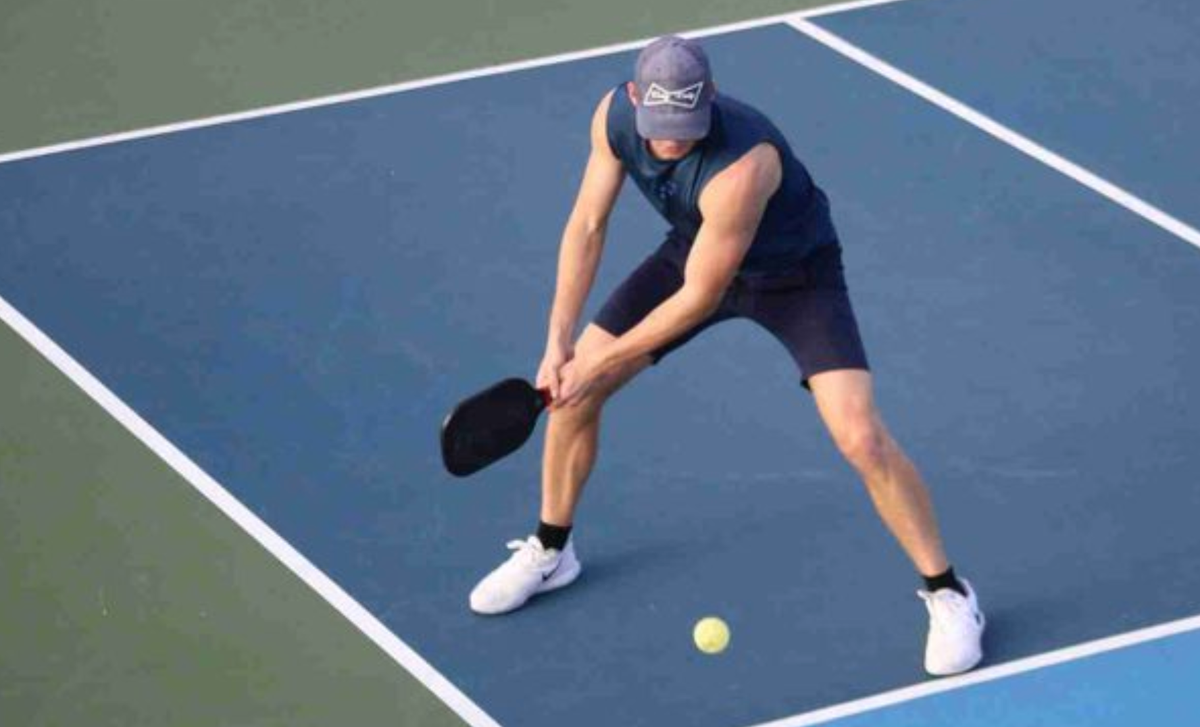
How to Handle a Soft Shot Right at Your Feet in Pickleball
This guide breaks down the ready position, the hands, and the drills that turn reflexes test into a routine reset.
 The Dink PickleballThe Dink Media Team
Habit 5: You're Attacking Balls You Should Be Leaving Alone
This is one of the most common mistakes at the 3.0 to 3.5 range. Beginners attack whenever they feel like it. Intermediate players attack when the ball earns it.
Two things determine whether you should attack:
- Height of the ball: If the ball is dropping below net level, you have very little margin to attack. You would need extreme pace or spin to keep it in, and most players do not have that level of control yet. Let those balls go or reset them.
- Contact point: Intermediates attack balls that are inside their natural contact zone. Beginners overreach and swing at balls outside that zone, producing errors. If you have to lunge for it, you probably should not be attacking it.
The rule is simple. You can always reach and retreat if the ball is not attackable. Patience here wins more points than aggression.
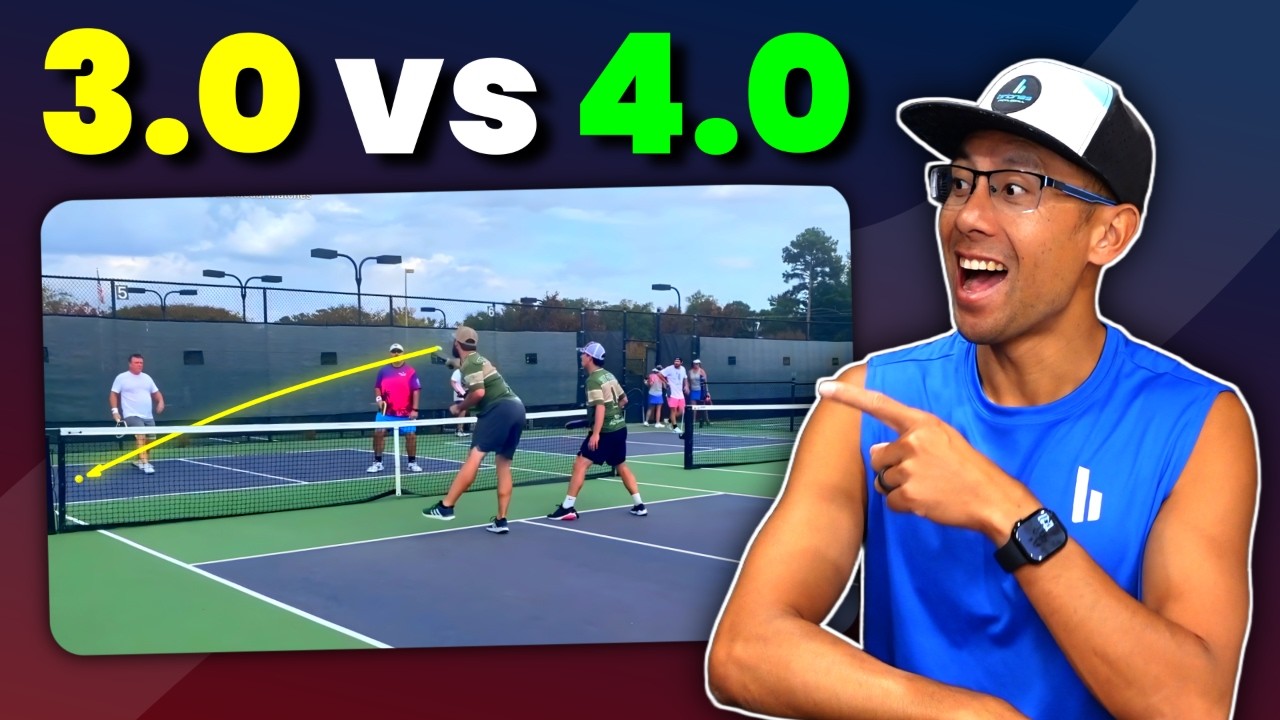
Why 3.0 Pickleball Players Plateau (And How to Fix It)
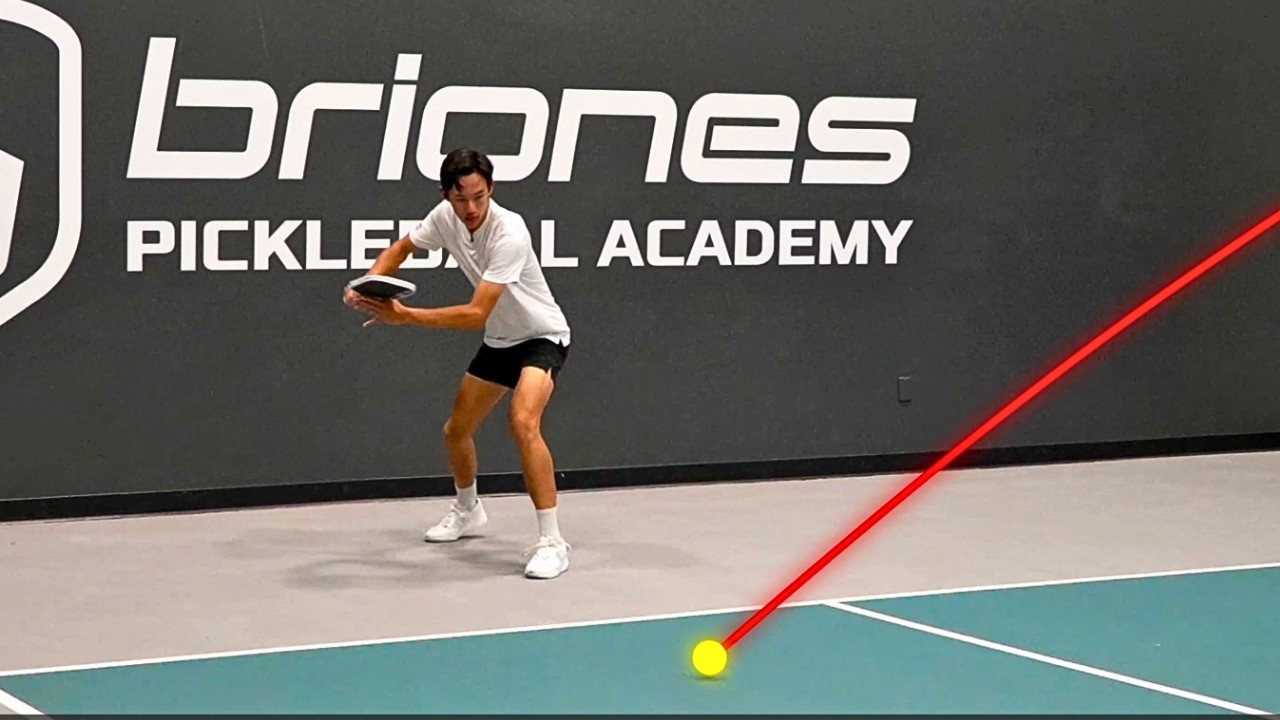
A detailed breakdown of a 3.0 gold medal match reveals exactly why 3.0 pickleball players plateau and what they need to change to reach 3.5 and beyond. Coach Jordan Briones identifies the five critical areas holding back 3.0 players and provides actionable fixes for each.
 The Dink PickleballThe Dink Media Team
Habit 6: Hitting the Dink Too Early Off the Bounce
Watch a beginner dink and you will notice they hit the ball almost as soon as it lands.
This is called a short hop, and it puts them in the worst possible contact position.
The ball is barely off the ground, the angle over the net is brutal, and there is no offensive potential whatsoever.
Intermediate players are learning to hit at the apex. The apex is the highest point the ball reaches after bouncing.
Once it stops rising and starts to drop, that is your window.
Why does this matter so much? The higher the ball is off the ground when you contact it, the more options you have.You can redirect, speed up, or simply place a better dink.
From down near the court surface, your only option is to lift the ball up, which gives your opponent exactly what they want.
For more detail on timing your dinks correctly, this piece on the apex fix that changes everything is worth reading.
And if your dinks keep getting punished, check out why your forehand dink keeps getting attacked.
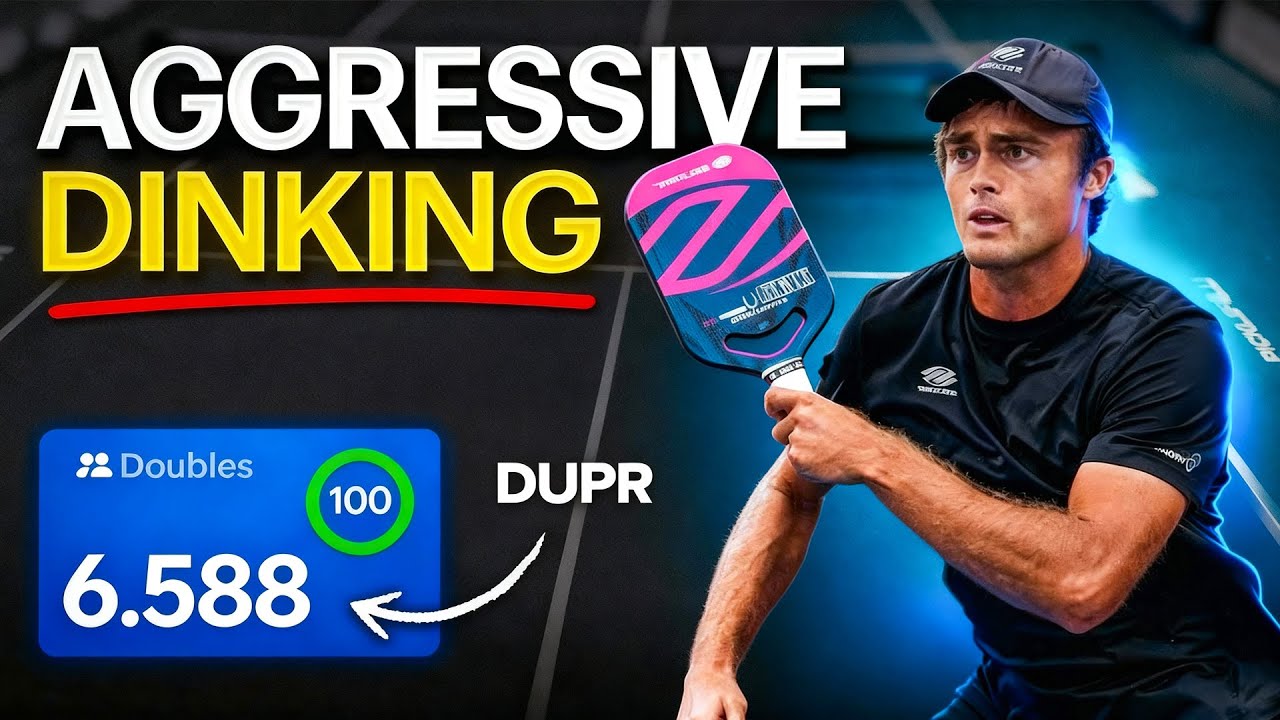
Avoid These 3 Deadly Mistakes to Master Aggressive Dinking
The aggressive dink isn’t about overpowering your opponent. It’s about creating pressure through placement, using deception to keep them guessing, and understanding when to attack versus when to reset
 The Dink PickleballAlex E. Weaver
Habit 7: Hitting Out Balls and Giving Away Free Points
This one stings because it is entirely avoidable.
Beginners hit balls that were never going to land in, turning their opponent's mistake into a free point for the other team.
Learning to identify out balls comes down to reading two things:
- The contact point of your opponent: If they are hitting from a low position and swinging up with pace, the ball is probably going long. They would need to take off a lot of pace to keep it in from that angle. Step aside.
- Court position of your opponent: Someone swinging hard from the baseline might keep the ball in because they have the distance to work with. But if that same big swing is happening in transition or close to the net, the ball is almost certainly going out. Let it fly.
At the kitchen line, the math is even clearer. If someone reaches in close to the net and rips a full swing, they have almost no margin to keep it in. Let it go every time.
Recognizing out balls is a skill that takes reps, but the framework is always the same. Read the contact point, read the position, and resist the reflex to swing.This single habit can flip close matches in your favor.
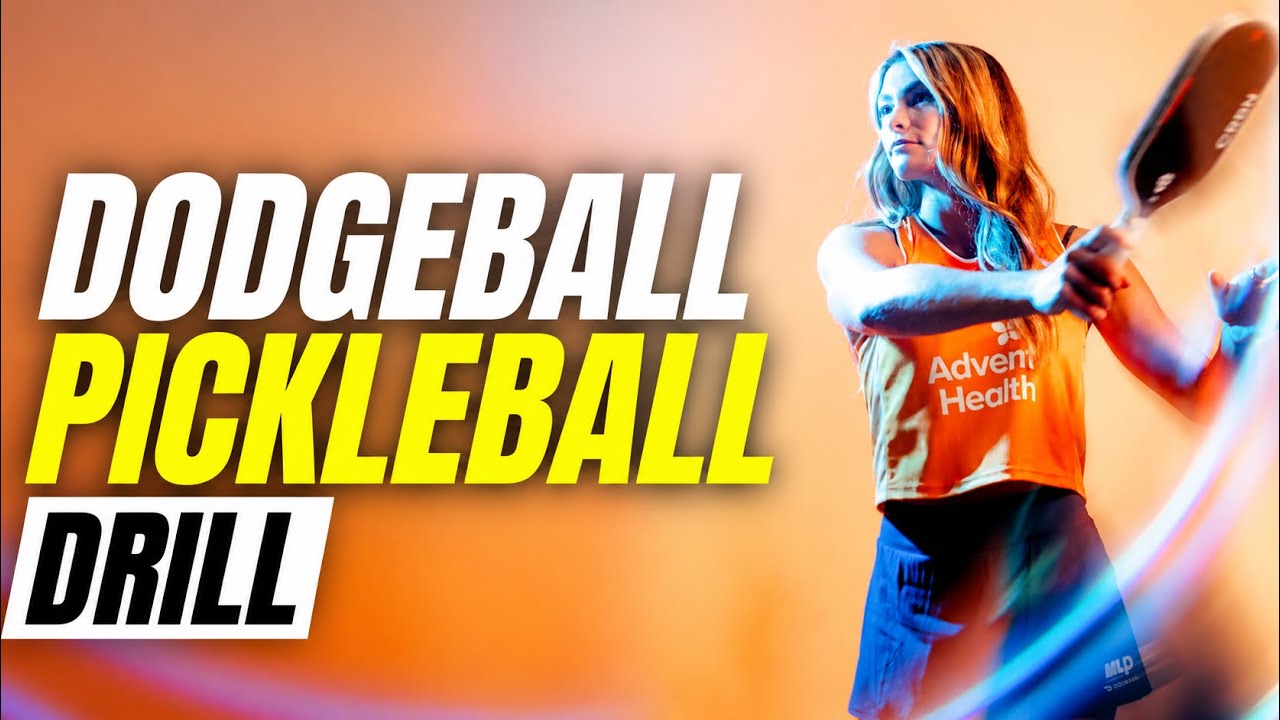
For a practical way to train this, look at the dodgeball pickleball drill that stops you from hitting out balls.
And if unforced errors in general are bleeding points for you, these 3 causes of unforced errors and their fixes will help.
The Dodgeball Pickleball Drill That Stops You Hitting Out Balls
If you keep swinging at balls that were always going to fly out, this pickleball drill is built for you. The Walker Sisters’ Dodgeball drill trains your body to step aside and let the point come to you.
 The Dink PickleballThe Dink Media Team
What to Work on First
If you are trying to prioritize, start with paddle prep and weight transfer.
Those two habits affect every single shot you hit, and fixing them costs you nothing in terms of athletic ability. They are purely about awareness and positioning.Once those feel natural, layer in the split step and your return depth. Then clean up your dinking timing and learn to leave the out balls alone.
The habits compound on each other fast.
These are not secrets that only elite players know.
They are fundamentals that get glossed over when people start playing because everyone is focused on hitting the ball hard.
Don't make that mistake. Pickleball strategy for beginners starts with the basics, and these seven habits are exactly that.For a full training routine that reinforces all of this, the best drills for beginners is a strong place to start.
💡
Heads up: hundreds of thousands of pickleballers read our free newsletter.
Subscribe herefor cutting edge strategy, insider news, pro analysis, the latest product innovations and more.
Frequently Asked Questions
What is the fastest pickleball habit to fix for immediate improvement?
Paddle prep is the fastest fix because it requires zero athletic adjustment. Simply keeping your paddle raised and centered in front of your body puts you in a ready position for volleys, hand battles, and any fast exchange at the net. Most players see improvement in their very next session after making this change.
What does split step mean in pickleball?
A split step is a small hop or weight-balancing pause you make just before your opponent contacts the ball. It resets your momentum so you can move in any direction quickly. Without it, you are still moving when the ball is hit and you react late from an off-balance position.
How deep should my return of serve go in pickleball?
Your return should target the back quarter of the court, near your opponent's baseline. This forces the serving team to hit their third shot from as far back as possible and makes their approach to the kitchen much harder. A short return eliminates the positional advantage the returning team naturally has.
How do I know when to attack during a dink rally?
Attack when the ball is above net height and inside your natural contact zone. If the ball is dropping below the net or you have to overreach to get it, the risk is too high and you will produce errors more often than winners. Patience in dink rallies is what separates intermediate players from beginners.
How do I stop hitting out balls in pickleball?
Read your opponent's contact point and court position before deciding to swing. If they are hitting up from a low position with pace, or ripping a big swing from close to the net, the ball is very likely going out. Train yourself to pause and evaluate rather than swinging on instinct.
Anuncie Aqui / Advertise Here
Sua marca para o mundo Pickleball! / Your brand for the Pickleball world!




 English (US) ·
  Portuguese (BR) ·