
 English
  Spanish
  Portuguese
  German
  Italian
  Japanese
  French
  Polish
  Russian
  Netherlands
  Hungarian
  Turkish
  Videos
  Thedink Pickleball

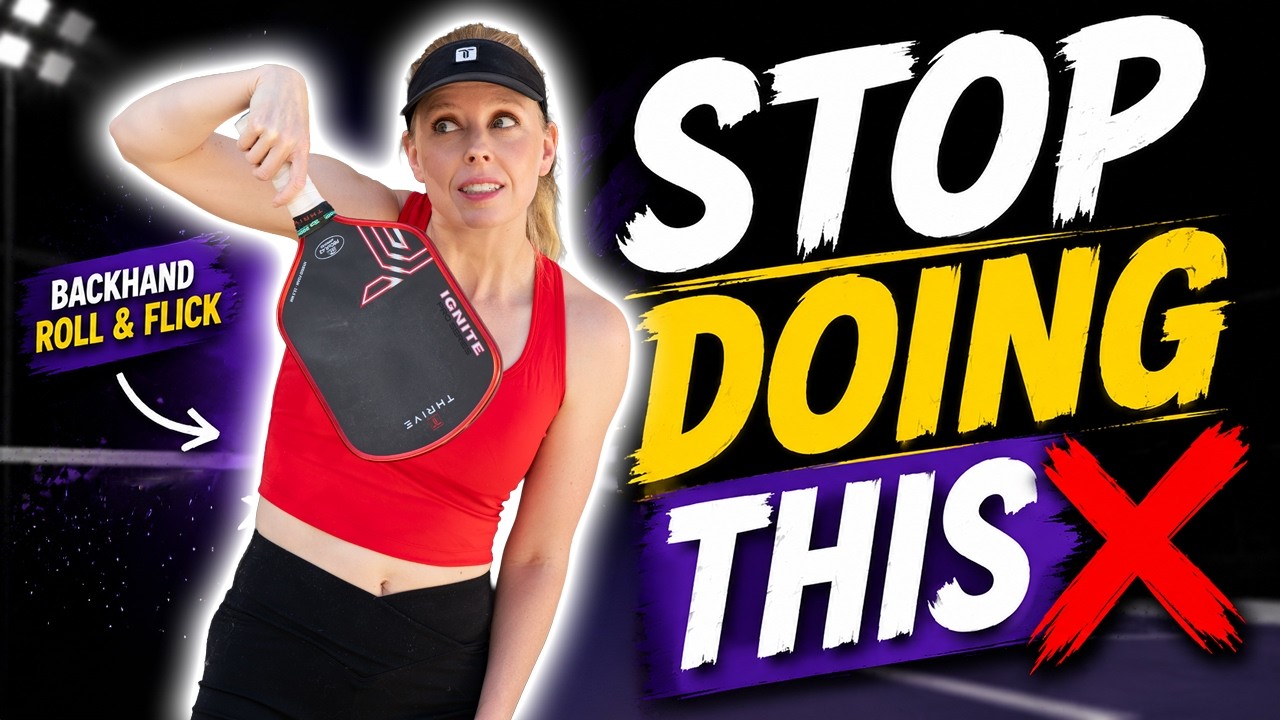
Choosing the wrong backhand attack out of the air costs you more points than you realize. Here is exactly when to roll, when to flick, and the one mistake that kills both shots.
Most players treat the backhand flick pickleball shot and the backhand roll as the same weapon. They are not.
Choosing the wrong one at the wrong moment turns a potential winner into a free point for your opponent.The ball height, your opponent's position, and where they are leaning all determine which shot you should be hitting.
This breakdown comes directly from Cam Luhring, a PPA Tour competitor and former APP US Next Gen National Team member, who walked through both techniques alongside training partner Elliot Schop with specific drills you can run today.
Love pickleball? Then you'll love our free newsletter. We send the latest news, tips, and highlights for free each week.
Start With the Right Grip for Both Shots
Before you decide between a roll or a flick, your grip needs to be correct.
Both the backhand roll and the backhand flick pickleball shot are built on the continental grip, which is the same grip you use for a handshake with the paddle handle.
A lot of players switch to an eastern backhand grip when they want more topspin.
That grip change costs you the ability to quickly adjust between a roll and a flick mid-rally.Keep the continental grip for everything covered here.
It gives you the wrist position and paddle face control that both shots require, and it is the foundation of nearly every pickleball backhand technique worth drilling.
How to Hit the Backhand Roll
The backhand roll is a topspin-heavy shot that uses your shoulder and arm to generate spin, not your wrist. Here is the full technique broken down:
- Grip: Continental, full handshake position
- Wrist position: Cocked or laid back, and locked in place throughout the entire swing
- Power source: Shoulder rotation and arm extension, not wrist snap
- Ball position: Keep the ball within your stance, never out past your outside foot
- Follow through: Extend all the way up toward eye level, even on low balls
- Low ball adjustment: Do not punch at it. Brush up and over the ball with the same swing path
The biggest technical mistake on this shot is trying to muscle a wide ball. If the ball gets outside your stance, the roll becomes very hard to control.
Get your feet set first. The swing only works when the ball is in front of you and within your base.Master the Backhand Roll: A 5.0 Player’s Guide
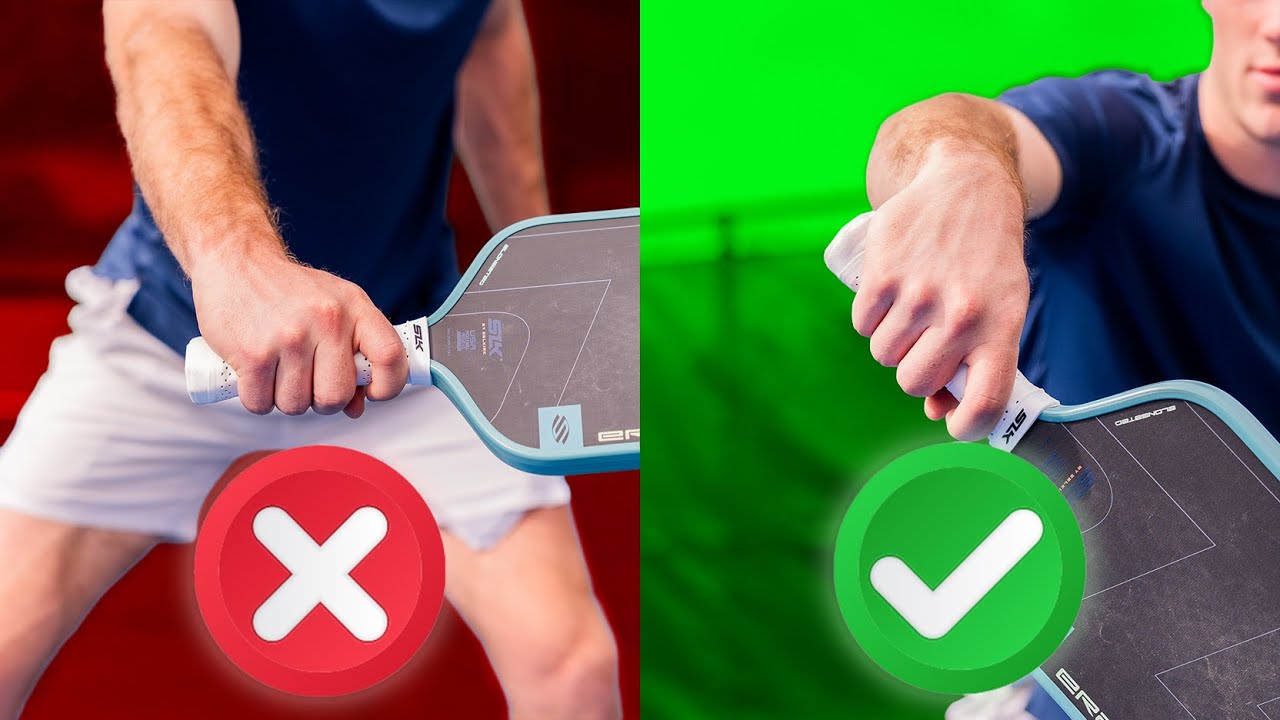
The backhand roll is one of the most underrated shots in pickleball, and most players never develop it properly. A 5.0 instructor breaks down exactly how to master this shot with the right grip, body mechanics, and consistency drills.
 The Dink PickleballThe Dink Media Team
When Should You Use the Backhand Roll?
Use the backhand roll when your opponent is one to two steps off the kitchen line, not when they are planted on it.
Here is the logic. When a player sees a high ball coming at them, they naturally rise up on their toes and prepare to counter.If you flick that ball with pace, they have time to react because they are already expecting it.
Rolling the ball takes pace off and drops it down toward their heels instead.
The Best Pickleball Players Aren’t Following the Rules Anymore
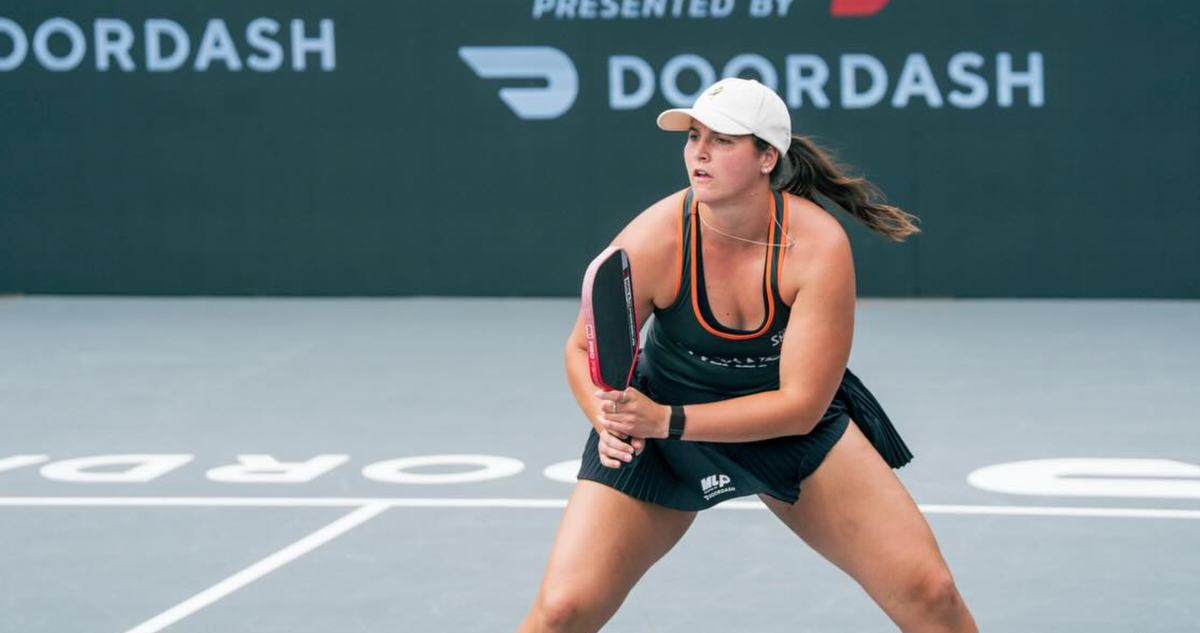
Modern pickleball isn’t won by coloring inside the lines. More and more, the most successful players are also the most creative.
 The Dink PickleballZoey Weil
That forces them to make a tough low shot instead of an easy counter, and it sets up a much easier put-away for your next ball.
Also use the roll when the ball is somewhat low and you want to generate topspin to keep it in play while still applying pressure.
If you are unsure which shot to go for, defaulting to the roll first will sharpen your feel for when the flick is actually the better choice.
Learning the pickleball flick actually gets easier once your roll is dialed in.
💡
Need some new pickleball gear? Get 20% off select paddles, shoes, and more with code THEDINK at
Midwest Racquet SportsDrills to Build Your Backhand Roll
Two drills will get this shot match-ready fast.
- Drill 1: Stationary feeds from the transition zone. Have your partner stand in the transition zone and feed balls to your backhand side. Take every ball out of the air and roll it down to their feet. The feed should land close to your body so you are staying in your stance without moving much.
- Drill 2: Moving feeds to your sideline. Start at the middle line. Your partner feeds to your backhand sideline so you have to move to the ball. The focus here is getting your feet set before you swing.
Running these two drills back to back will expose whether your footwork or your swing mechanics are the actual weak point.
3 Backhand Dink Drills to Master the Kitchen
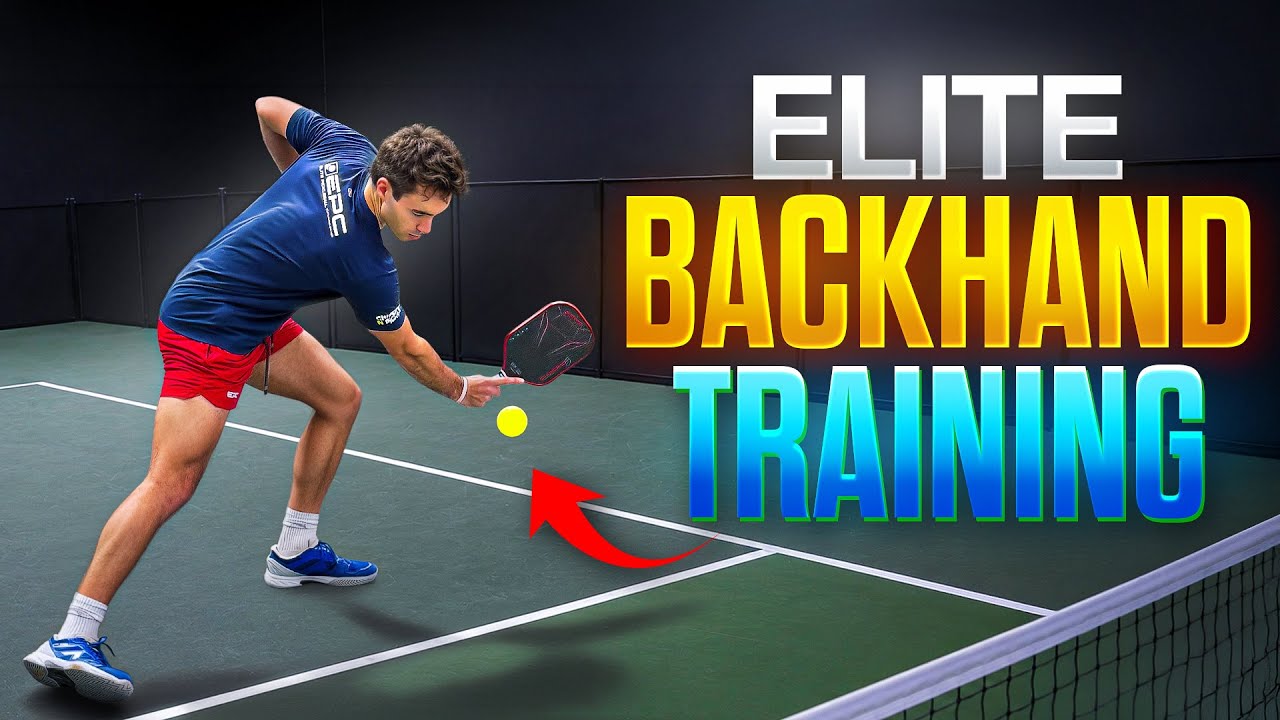
Your backhand dink is costing you points at the kitchen line, and most players don’t know why. These 3 drills fix the most common backhand dink mistakes and add new-age shots to your game.
 The Dink PickleballThe Dink Media Team
How to Hit the Backhand Flick
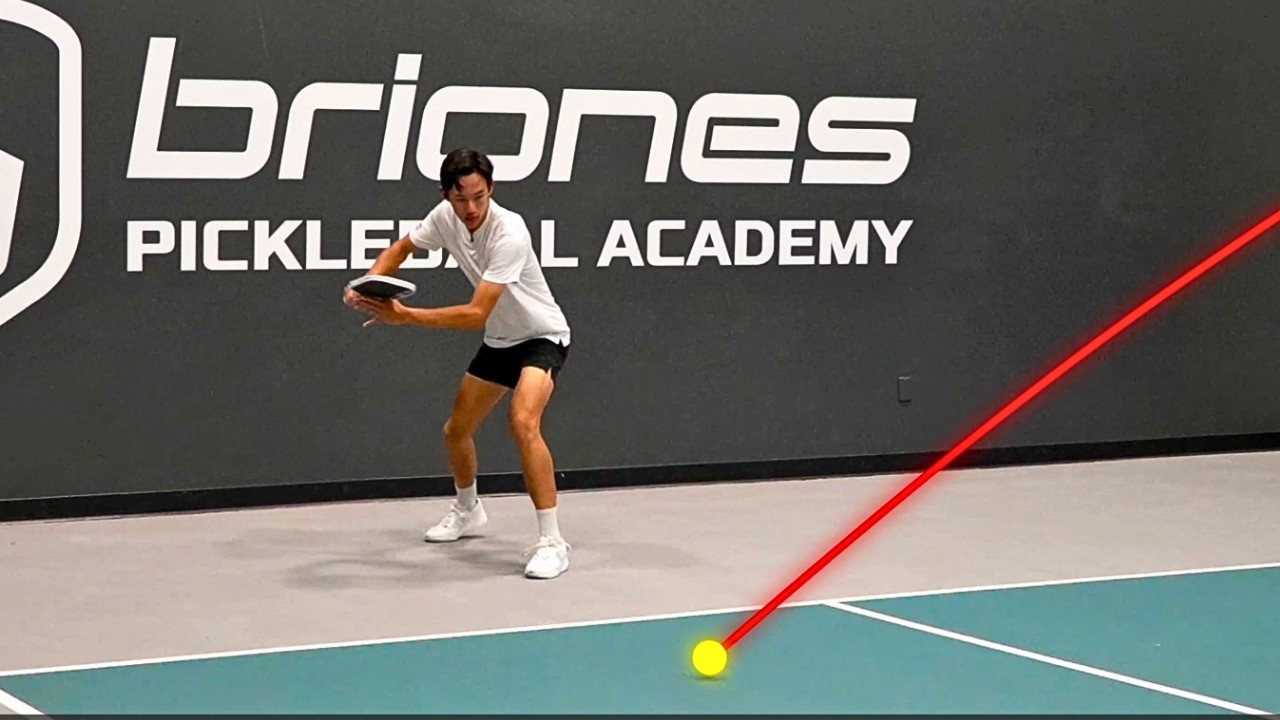
The backhand flick pickleball technique uses a compact, wrist-driven punch instead of a full shoulder and arm swing.
The setup looks identical to the roll, which is the whole point.
- Grip: Continental, same as the roll
- Wrist position: Laid back, with your palm facing toward the ceiling
- Power source: A short, sharp punch with the wrist only
- Swing length: Compact, not a full arm extension
- Paddle face: Slightly closed, not flat or open
- Ball position: Still within your stance, never out wide
The paddle face angle is where most players go wrong.
If your face is flat or open at contact, the ball floats and you lose the snap that makes the backhand flick pickleball shot effective.
Think about having your palm face the ceiling to naturally close that paddle face and get the wrist fully loaded.
You are not rolling your wrist like a forehand topspin shot. You are keeping it locked and then punching through the ball with a quick, short motion.How to Develop a Backhand Flick in Pickleball
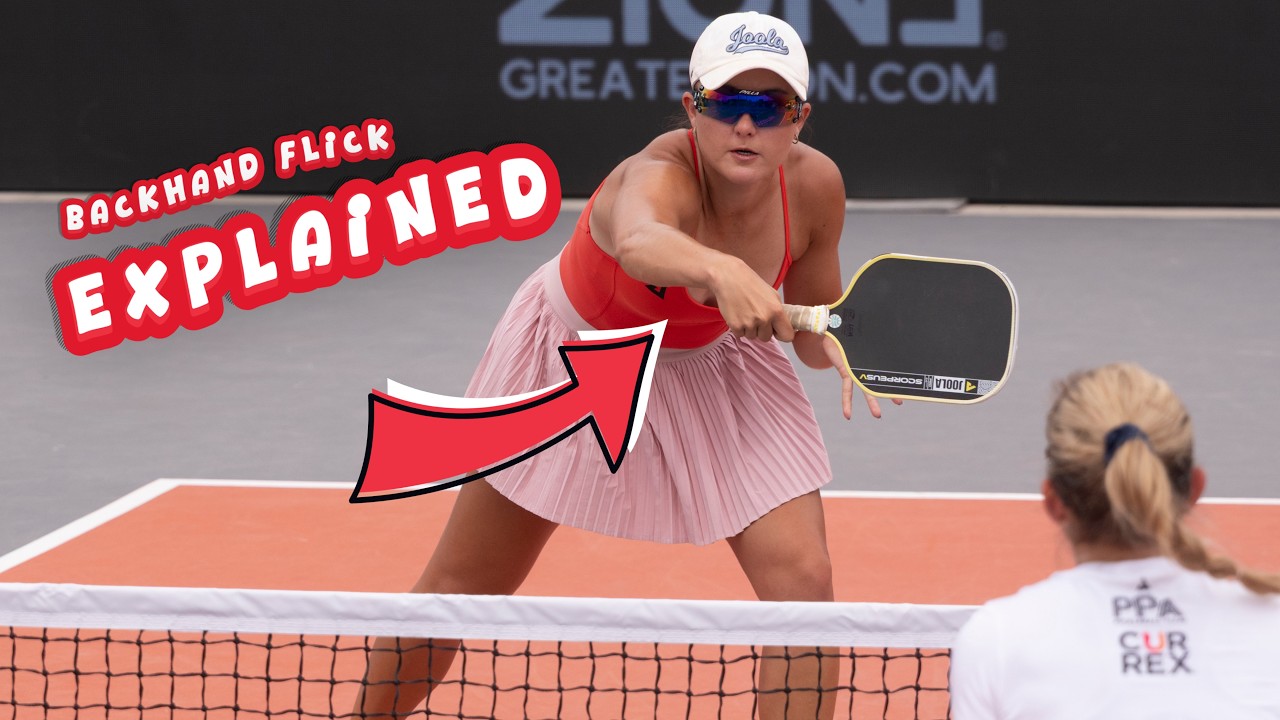
Anna Bright went from zero one-handed ability to developing one of the best backhand flicks in women’s pickleball. Here’s exactly how she did it and how you can too.
 The Dink PickleballThe Dink Media Team
When Should You Use the Backhand Flick?
Use the backhand flick pickleball shot when the ball is at or slightly above net height and your opponent is at the kitchen line leaning in.
That is the perfect scenario.
Here is what makes the flick so punishing in that moment.
When your opponent is leaning forward at the kitchen line, they are completely exposed to a ball that gets past them quickly.
The flick generates enough pace and acceleration to get behind their reaction time, especially if they are anticipating a slower roll.The backhand punch and counter skills you already have transfer directly here. The flick is just a faster version of that compact motion.
A few specific scenarios where the flick wins:
- Ball is in line with the net or slightly above it
- Your opponent is moving toward the kitchen and the ball is slightly high
- Your opponent is planted at the kitchen line and leaning into the rally
- The third shot comes back high from the baseline and your opponent is still transitioning in
If the ball is slightly below the net, roll it. If it is at or above net height and they are leaning in, flick it.
Backhand Flick Pickleball: Flick vs. Roll Explained
Stop blending your backhand shots into one confused motion. Discover how to execute a clean backhand flick pickleball shot, adjust your body mechanics, and confidently choose the right attack to win more points.
 The Dink PickleballThe Dink Media Team
What Makes Both of These Shots Fail?
Overextending on the wrong ball. That is the single mistake that kills both the roll and the flick.
Both shots require the ball to be moving toward you.
They break down when the ball is dropping straight down, like a short high floater that is losing pace fast.
This is a trap that even experienced players fall into. The ball looks attackable because it is high.But because it is dropping straight down with no forward movement, reaching out to flick or roll it almost always produces an error or a popup.
Understanding why speed-ups get attacked in certain situations ties directly back to this concept.The right call on that ball is to let it bounce and then attack off the bounce. You get a much cleaner contact point and a better angle.
Cam demonstrated this clearly. When the ball is dropping straight down, even if it is well above the net, the flick and roll both fail.
Let it bounce and rip it. That is the better shot every time.5 Backhand Flick Fixes to Stop Hitting Into the Net
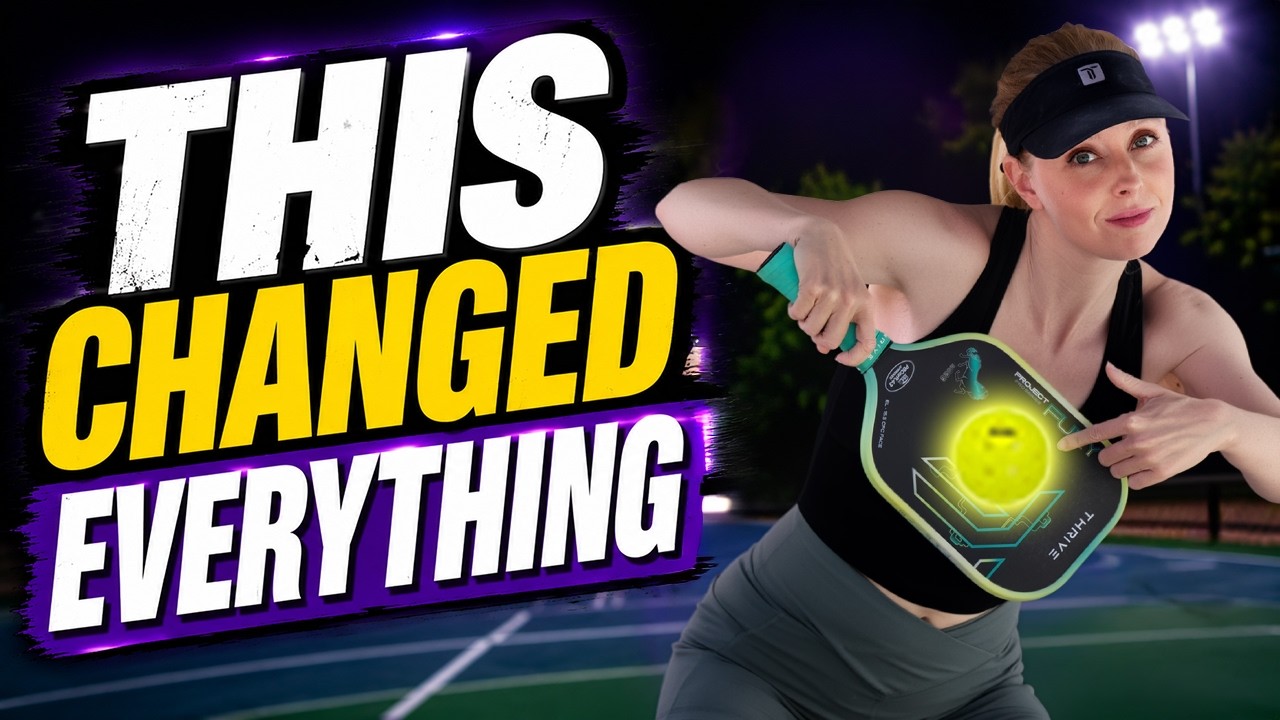
A backhand flick that keeps hitting the net almost always comes down to one paddle prep mistake. Fix these five things and your flick turns into a topspin weapon.
 The Dink PickleballThe Dink Media Team
How to Read Your Opponent Before You Commit
Picking the right shot in real time comes down to reading two things before the ball reaches you: ball height at contact and your opponent's position and weight distribution.
Ball height tells you whether to roll or flick. Opponent position tells you whether the shot will actually score or just set up an easy counter.
If they are a step or two back, slow them down with the roll. If they are glued to the kitchen and leaning in, punish them with the flick.
The speed-up patterns that 5.0 players use are built on this exact read.Building this habit takes deliberate drilling.
That is why Cam's second backhand flick pickleball drill has your partner working their way in toward the kitchen while you practice the flick.
You are training yourself to track both the ball and the opponent at the same time.
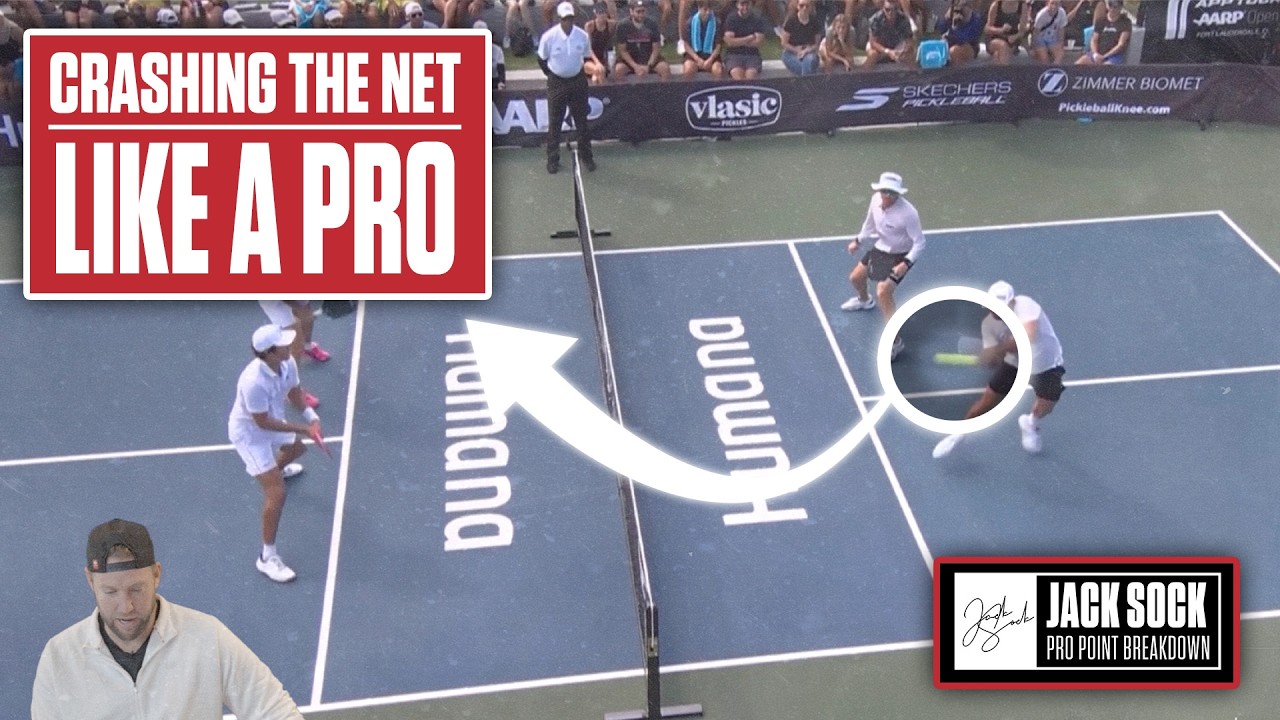
How to Read Your Opponent’s Eyes and Poach More Balls in Doubles Pickleball
The key to winning many pickleball points isn’t just quick reflexes; it’s reading what your opponent is about to do before they do it
 The Dink PickleballThe Dink Media Team
Drills to Sharpen the Backhand Flick
- Drill 1: Kitchen line feed with live play. Your partner stands at the kitchen line and feeds a ball to your backhand that you can take out of the air. Call your target before the feed, aim anywhere from your partner's hip to the sideline, then play it out live. This trains decision making under game pressure.
- Drill 2: Transition zone feed with partner moving in. Your partner starts in the transition zone and feeds a high ball to your backhand. After the feed, they work toward the kitchen. You are training the flick while also tracking an opponent in motion. If your partner reaches the kitchen, stop and reset. If you want to add more structure to your attack practice, the drills PPA pros still use cover similar high-pressure repetition patterns.
Both drills connect the technique to real game situations, which is the only way these shots actually stick.
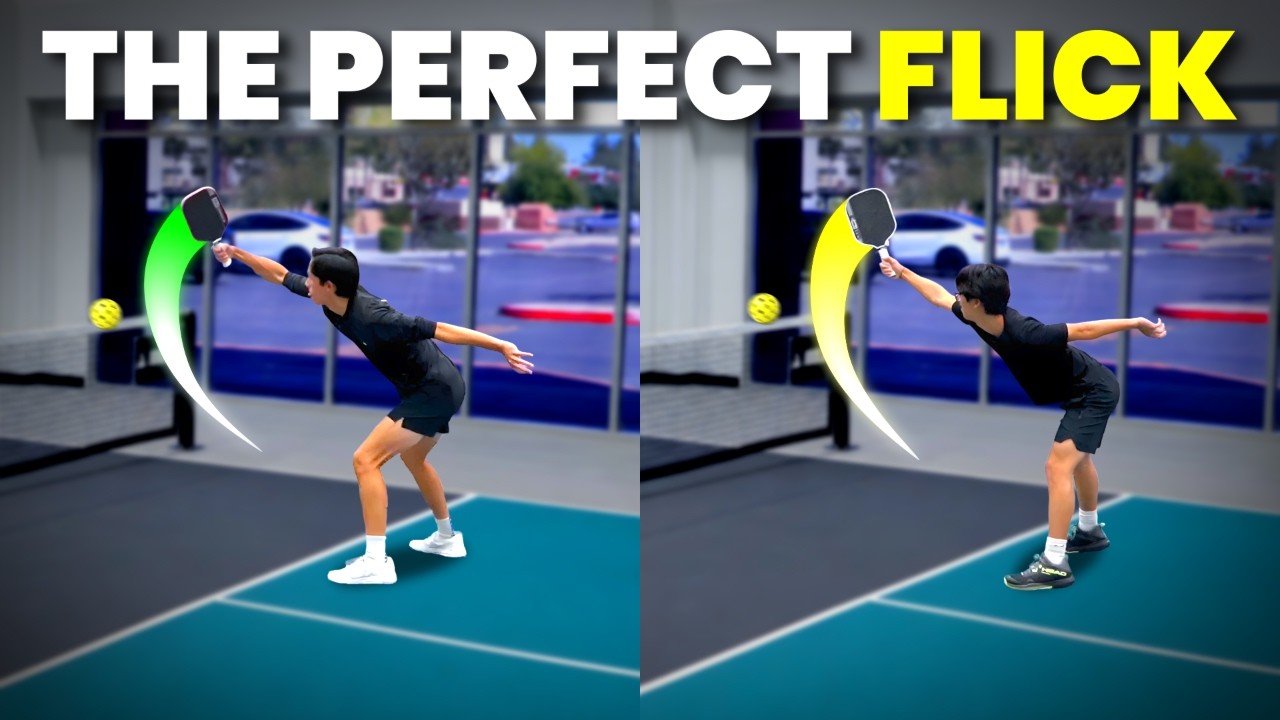
Master the Pickleball Flick: Complete Technique Guide
The pickleball flick is one of the most effective attacking shots in the game, allowing you to generate topspin and catch opponents off guard. Master both backhand and forehand variations with this comprehensive technique breakdown.
 The Dink PickleballThe Dink Media Team
Put It Together: Roll First, Then Flick
Master the roll before you try to make the flick a primary weapon.
The control you build rolling the ball will directly improve the precision of your backhand flick pickleball attack.
Once both shots are reliable, the real advantage kicks in. Your opponents cannot predict which one is coming because the setup looks identical.
That hesitation is where you win points.Pairing these with smart positioning and good volley fundamentals turns your backhand side into a genuine threat instead of a liability.
If you want to go deeper on the technical side of attacking out of the air, the backhand putaway guide covers the power mechanics behind finishing points cleanly.
For players also working on the two-handed version of this pickleball backhand technique, the two-handed backhand roll breakdown is worth your time.
Use the ball height. Read the opponent. Pick the right shot.
That is the entire system.
💡
Heads up: hundreds of thousands of pickleballers read our free newsletter.
Subscribe herefor cutting edge strategy, insider news, pro analysis, the latest product innovations and more.
Frequently Asked Questions
What is the difference between a backhand roll and a backhand flick in pickleball?
The backhand roll uses shoulder and arm rotation to generate topspin and is best for slowing the ball down toward an opponent's feet. The backhand flick uses a short, compact wrist punch to create pace and is designed to beat opponents who are leaning in at the kitchen line. Both shots use the same continental grip and identical setup, which makes them hard to read.
When should I use the backhand flick instead of the roll?
Use the flick when the ball is at or slightly above net height and your opponent is stationed at the kitchen line leaning in toward the ball. Use the roll when the ball is lower or when your opponent is one to two steps off the kitchen line with time to react to pace.
Why does my backhand flick keep popping up?
The most common cause is an open or flat paddle face at contact. Make sure your wrist is fully laid back with your palm facing the ceiling so the paddle face is slightly closed. A closed face at contact is what creates the downward snap instead of a floated popup.
Can I hit these shots on a wide ball outside my stance?
No. Both the roll and the flick break down when the ball gets past your outside foot. Your footwork needs to be set before the swing so the ball stays within your stance.
Focus on getting into position first, then execute the shot.
What is the one mistake that makes both of these shots fail?
Trying to attack a ball that is dropping straight down instead of moving toward you. Both the roll and the flick require the ball to have forward momentum. If the ball is a short high floater losing pace, let it bounce and attack off the bounce for a much cleaner result.
Anuncie Aqui / Advertise Here
Sua marca para o mundo Pickleball! / Your brand for the Pickleball world!




 English (US) ·
  Portuguese (BR) ·