
 English
  Spanish
  Portuguese
  German
  Italian
  Japanese
  French
  Polish
  Russian
  Netherlands
  Hungarian
  Turkish
  Videos
  Thedink Pickleball

Advanced pickleball means constantly analyzing the height of the ball and the court positioning off all four players in real time – and keeping this one rule sacred: just because you can hit a more aggressive shot doesn’t mean you should
Arguably the biggest difference I see between amateur and professional pickleball players is decision making.
Amateurs can quickly learn how to hit different shots. But what separates the professionals is they can hit different shots and know when to hit each shot.
The fact of the matter is that learning good shot selection and decision making is extremely difficult. In the heat of a great point, our instincts and bodies overpower our mind, which can result in poor decision making, especially in more critical moments.
Let’s identify and take a deep dive into two basic rules of thumb to improve your decision making and shot selection.
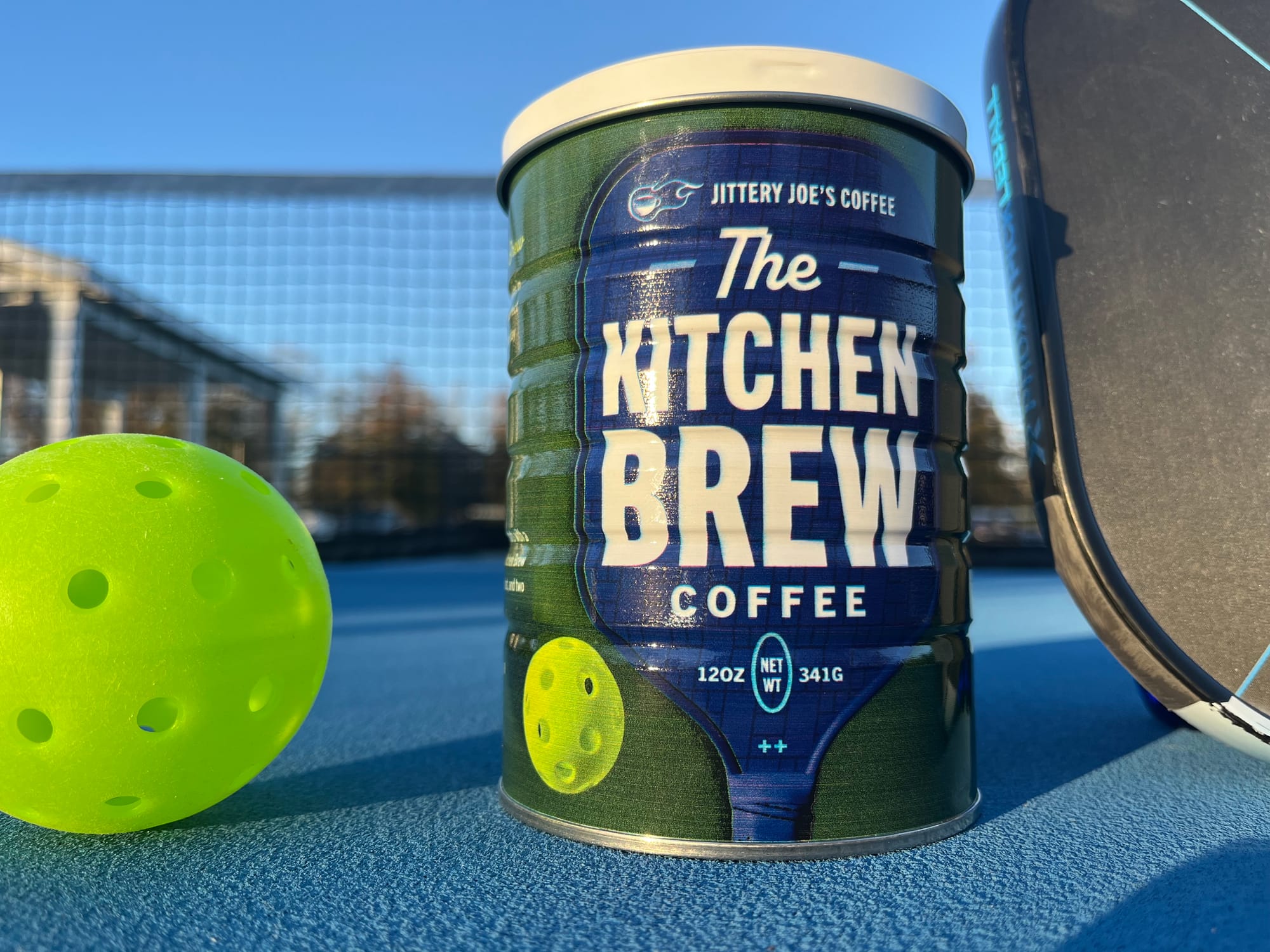
Professional pickleball player Eric Roddy has teamed up with Jittery Joe’s to release a new medium-blend, pickleball-inspired coffee: The Kitchen Brew.
Love pickleball? Then you'll love our email newsletter. We send the latest news, tips, and highlights for free each week.
1. The height of the ball is a great determinant of what shot you should hit
I should start by saying that in a lot of ways, pickleball is formulaic.
I am discussing and relaying these two rules as general rules of thumb.
These rules will result in the correct decision most of the time.That is not to say there are not moments or scenarios where you should break these rules. But those scenarios are in the minority.
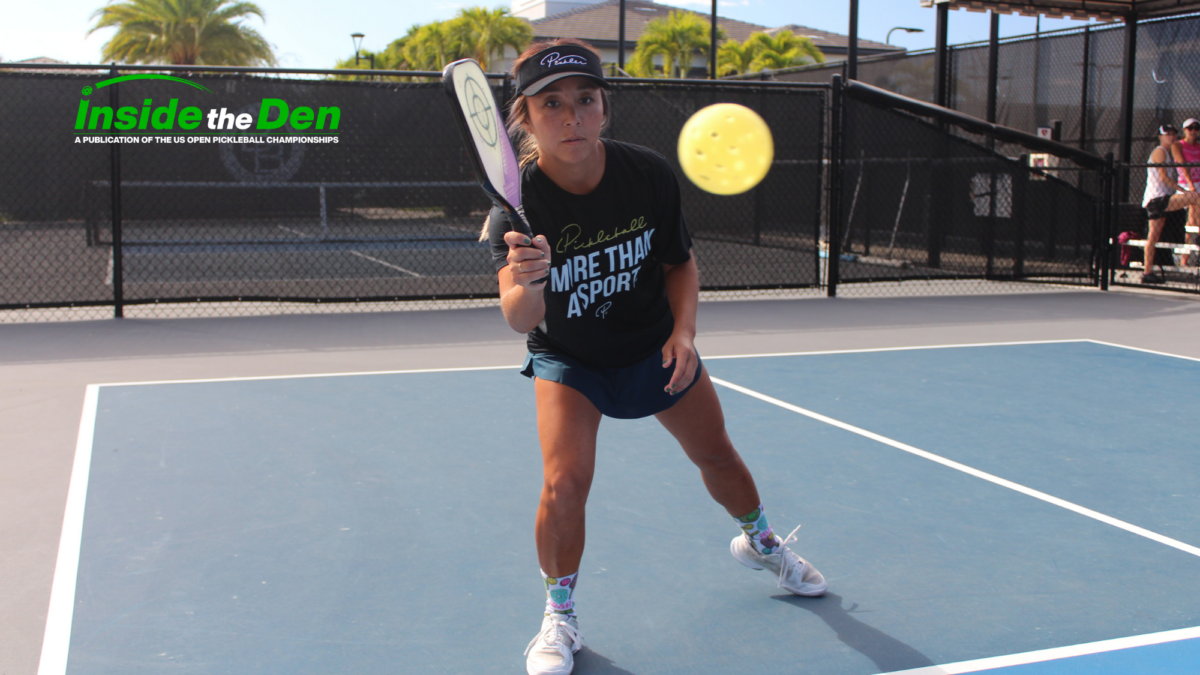
I use the height of the ball I am playing as a key determinant of what shot I should hit in that moment. I will use an example for every third of the court.
When I am on the baseline hitting a third or fifth shot, I use the height of the ball to help me gauge my best decision.
- Let’s say my opponents hit a very low return. If the ball is bouncing and barely reaching my shins, I know that my highest percentage shot is to hit a safe third shot drop with plenty of net clearance, little to no spin (unless you are very comfortable hitting spin) to a safe target such as the middle of the net in between both opponents.
6 Essential Pickleball Shots to Master for 2026
By focusing on these six upgrades, you can build a game that holds up against the faster, more aggressive style of play coming in 2026
 The Dink PickleballThe Dink Media Team
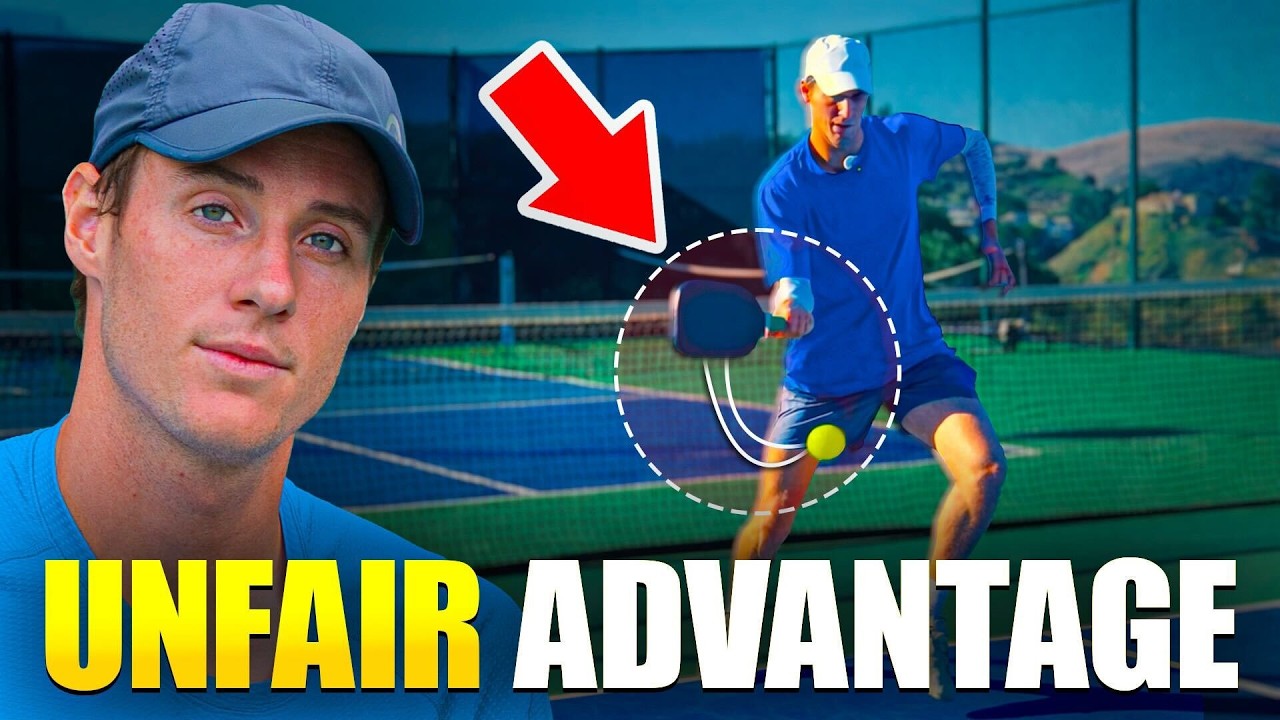
If I try to drive or smash a low ball, my odds of making an error or giving my opponents an easy shot increase. If I try to hit a perfect drop with a ton of spin, my error rate increases.
- Let’s say the ball is higher, at my waist or even my shoulder. This opens up more options. Now, a 75% swing or power drive comes into play, with less risk. Maybe I can use more spin to hit a dipping drop at my opponent’s feet and move in off it.
With a higher ball, I have a higher percentage of making a third, and therefore afford to hit a slightly riskier shot. However, sometimes those high returns question our decision making the most. I often see amateurs taking insanely big swings and as a result missing these easier, higher returns either in the net or in the back fence.
💡
Just because you can hit a more aggressive shot doesn’t mean you should.
The closer in, the better this works
Identifying the height of the ball you are about to play as a determinant of shot selection or decision-making works even better when you are in the transition zone or at the kitchen.
- In the transition zone, any ball that is not chest high or higher should be reset almost every single time. There are very few instances where speeding up a low ball from the transition zone is the right play.
Keep your paddle lower to the ground in the transition zone and be ready to reset your way to the Kitchen.
Once you are at the kitchen, you now can play more offense. Again, use the height of the ball to help you decide what shot to hit.
- If you hit good dinks and get a ball you can attack down at your opponents’ feet, go for it!
- If your opponents hit a more dead dink that bounces up to your waist, use a speedup to target a vulnerable spot on your opponents to gain an advantage.
Like at the baseline and in the transition zone, stay away from speeding up low balls at the Kitchen. This will result in you hitting up on the ball (giving your opponent an easy counter) or missing in the net or out.
2. Your position and your opponents’ position on court
Okay, we have established how the height of the ball can help determine which shot or decision is best or highest percentage.
The second thing to identify and utilize to help you make better decisions is you and your partner’s location on the court, as well as your opponents’ location on the court. This may seem obvious, but I consistently see amateurs playing shots as if their opponents aren’t even on the court, instead of using their positions against them.
Let’s use the following scenarios to dig deeper:
- You and your opponent hit a good return and follow it to the net. Your opponents hit a weak third shot and move a couple feet inside the baseline together as they await your fourth shot volley (which is chest high).
What’s the correct shot and target?
For this scenario, you and your partner need to take the ball out of the air (reducing your opponents’ time to move in further) and use spin to place the ball at your opponents’ feet right in front of them. If this seems obvious, that’s great! It means you are aware of the court position you and your partner have when you are both at the kitchen and your opponents are in the transition zone or at the baseline.
What if I told you that many amateurs would overplay this shot, hitting it too hard and missing long, or not using spin and missing it in the net.
💡
I have even seen amateurs let this ball bounce, allowing the ball’s height to drop, resulting in a poor fourth shot and giving their opponents’ a free pass to reach the kitchen.
By recognizing your position versus your opponents’ position, you can play the highest percentage shot and put yourself in the driver seat to win the point.
- Let’s discuss one final, more complex scenario that will combine the height of the ball and court positioning.
You and your partner are both at the kitchen after a good return, and your right-side opponent hits an above-average third shot drop which lands at your feet at the kitchen. The left-side opponent moves into the transition zone (halfway between baseline and Kitchen), while his partner who hits the third shot drop moves a couple feet inside the baseline.
How to Win a Pickleball Tournament: 3 Key Strategies from the Pros
Be a supportive teammate, over-prepare, and learn the art of never quitting on a point, ever
 The Dink PickleballThe Dink Media Team
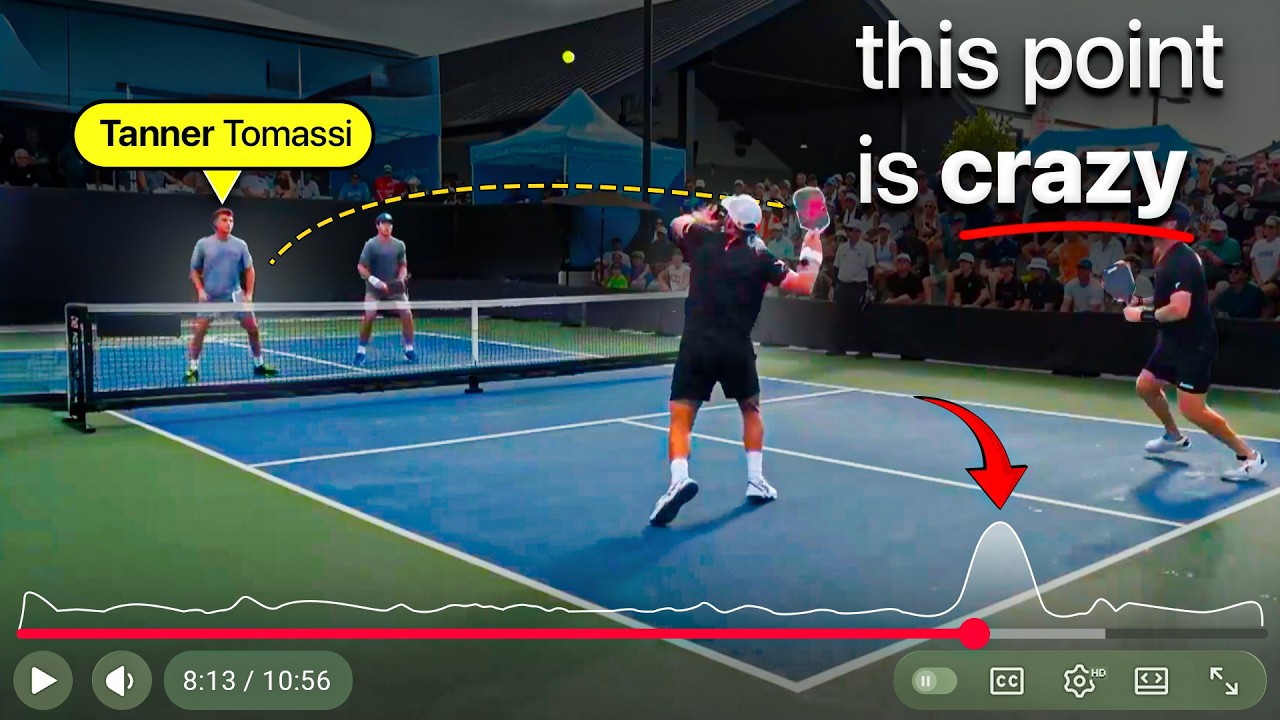
This scenario is a bit more nuanced than the last.
- First, let’s consider the height of the ball. The ball is bouncing in front of you with spin, meaning it won’t quite reach the height of your waist.
- Next, consider your court position (at the kitchen) versus your opponents’ position (you have an opponent cross court from you who is aggressively gaining ground, but still in the transition zone).
In this more grey scenario, your comfortability hitting the fourth shot volley and your opponent’s ability to reset in the transition zone are they factors to consider when making the highest percentage decision.
- If you are comfortable hitting a fourth shot volley out of the air slightly below your waist, I would take this ball out of the air.
- If the opponent closer to the net struggles to reset, I would make their feet your target, forcing them to hit a reset as they are moving and attempt to transition forward.
- If that opponent has proven to hit strong resets, I would hit the volley down the line to the feet of the other opponent.
Selkirk’s New CourtStrike 2.0 Pickleball Shoe: Better Outsole, Cushier Fit
The CourtStrike 2.0 boasts better rubber, an upgraded foam insole, and some fresh new colors just for kicks
 The Dink PickleballAlex E. Weaver
These scenarios are just some examples of why decision making in pickleball can be difficult, especially as you increase in rating and skill.
Not only do you have to make the right decision to hit the highest percentage shot, but you must be comfortable enough to make that decision in a split second.
While decision-making and shot selection are skills that take time to practice and hone, using the height of the ball and the court positioning of your team versus your opponents can give you a good foundation to build from.
Anuncie Aqui / Advertise Here
Sua marca para o mundo Pickleball! / Your brand for the Pickleball world!



 English (US) ·
  Portuguese (BR) ·