
 English
  Spanish
  Portuguese
  German
  Italian
  Japanese
  French
  Polish
  Russian
  Netherlands
  Hungarian
  Turkish
  Videos
  Thedink Pickleball

Most beginner pickleball mistakes come down to a handful of repeatable patterns, bad positioning, the wrong shot at the wrong time, and unforced errors you can fix this week. This guide breaks down the most common ones and gives you practical corrections to start winning more points immediately.
Most beginner pickleball mistakes aren't random.
They're the same six or seven habits showing up on every court in America, costing players points they should already be winning.
The good news? Every single one is fixable. And most of them don't require a lesson, just an understanding of why the mistake happens in the first place.
You don't need to overhaul your whole game. You need to stop doing the things that hand your opponent free points.
Love pickleball? Then you'll love our free newsletter. We send the latest news, tips, and highlights for free each week.
Why Beginner Pickleball Mistakes Are So Common (And So Costly)
The number one reason new players keep making the same errors is that pickleball punishes instinct.
Every athletic instinct you've built from tennis, racquetball, or even badminton is roughly 40% wrong here. The kitchen changes everything.
The two-bounce rule changes everything. The scoring system is a trap.
Research published in the Journal of Sports Sciences consistently shows that early sport-specific skill acquisition is driven by pattern recognition, and for pickleball, those patterns are deeply counterintuitive.
You want to hit hard? Wrong. You want to stay back? Wrong. You want to rush the net? Also wrong, unless it's the right moment.
That's why understanding your most common beginner pickleball mistakes isn't just about correction. It's about rewiring your default responses.

Beginner Pickleball Mistake #1: Staying Back After the Return
The fix: move to the kitchen line immediately after your return lands.
This is the single biggest beginner pickleball mistake on any recreational court.
You hit a solid return, then stand frozen at the baseline like you're playing tennis.
Your opponent is already at the net. You've just surrendered the most valuable real estate on the court.
Here's the thing: pickleball is a game won at the non-volley zone (NVZ) line, also called the kitchen line.
Why Pro Players Choke Up on Their Pickleball Grip
Pro pickleball players aren’t just gripping their paddles differently for show. Choking up on your pickleball grip lowers swing weight, increases hand speed, and improves control at the kitchen. Here’s what you need to know.
 The Dink PickleballThe Dink Media Team

According to USA Pickleball's official strategy resources, players who control the kitchen win the point exchange at a significantly higher rate.
The baseline is a defensive position. You can't stay there and expect to win.
After your return, move forward aggressively. The return of serve is your invitation to the net, take it.
If the third shot from the serving team doesn't force you back, keep coming. Hesitation is the real mistake here, not your footwork.
The drill: Hit your return, then immediately take three steps forward. Make it automatic before you worry about where the return lands.
💡
Need some new pickleball gear? Get 20% off select paddles, shoes, and more with code THEDINK at
Midwest Racquet SportsBeginner Pickleball Mistake #2: Hitting Hard When You Should Be Dinking
The fix: treat the dink as your primary weapon at the kitchen, not a consolation shot.
New players treat the dink like a mistake. They hit it when they have no better option, apologetically, with no purpose. That's completely backwards.
The dink is the most strategically important shot in pickleball. It's not a safe punt.
It's a precision weapon designed to keep the ball low, force your opponent into a difficult return, and set up your attack.
JW Johnson's unusual dinking technique became one of the most studied elements of his game for exactly this reason, he uses dinks not to survive rallies but to dictate them.
When you blast the ball from the kitchen, you're giving your opponent a fast ball they can redirect.
When you dink with purpose, you're forcing them to lift the ball and hand you an attackable shot. It's a completely different frame.
A 2025 analysis of recreational pickleball match data from USA Pickleball found that the majority of rally-ending errors in beginner matches come from impatient shots at or near the NVZ.
Patience isn't passive. It's the strategy.
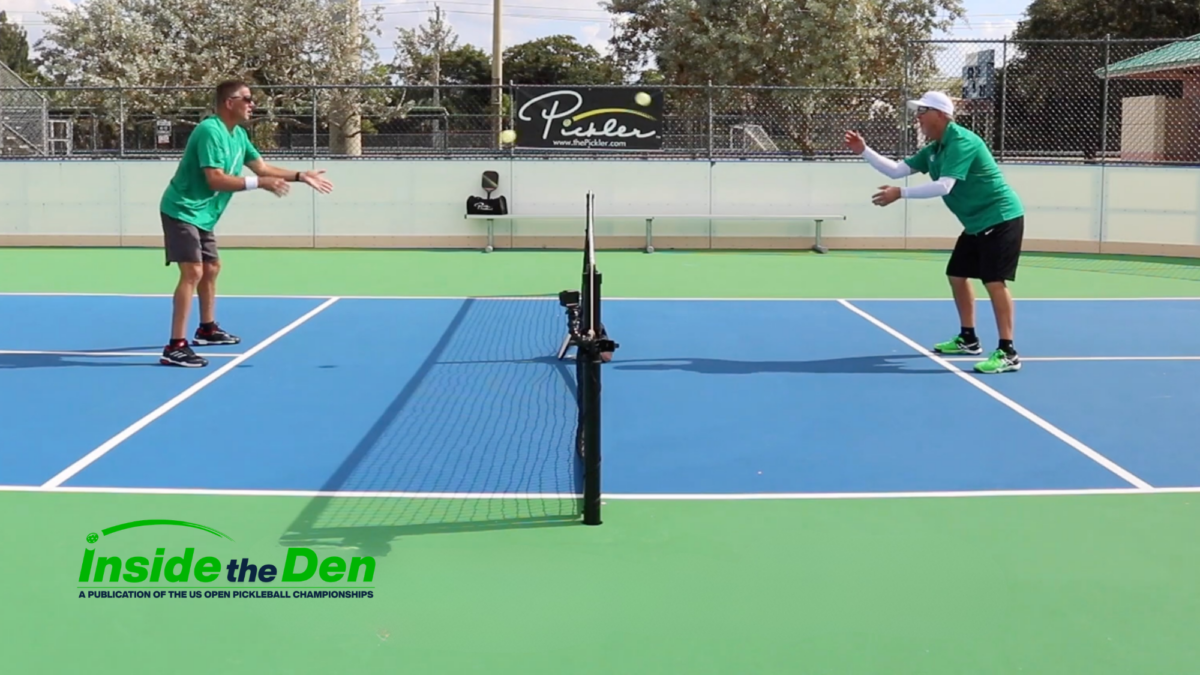
Pickleball's hardest dinking drill is worth adding to your practice rotation immediately.
How to Get From 3.5 to 4.5 in Pickleball
Cliff Pickleball reveals that the jump from 3.5 to 4.5 is driven by discipline, consistency, and better decision-making
The Dink PickleballThe Dink Media Team

Beginner Pickleball Mistake #3: Ignoring the Third Shot Drop
The fix: learn the third shot drop before you learn anything else about shot selection.
If you're the serving team, you're starting the point at a disadvantage. The two-bounce rule means the return team reaches the kitchen first.
Your job on the third shot is to neutralize that advantage, not blast your way out of it.
The third shot drop is a soft, arching shot that lands in the kitchen and forces the return team to hit up.
It's how the serving team transitions from the baseline to the net. Without it, you're either staying back (losing) or rushing forward into a hard ball (also losing).
This is the shot most beginners skip because it's hard. It requires touch, trajectory control, and patience.
None of those come naturally to new players. But skipping it is like learning basketball without learning how to dribble. You'll hit a ceiling immediately.
Start here: make your third shot drops more reliable by practicing from the baseline into the kitchen.
Aim for net clearance of 1-2 feet and a landing zone inside the NVZ. Do this solo if you have to, it's that important.
Master the Third Shot Drop: 3 Keys to Consistency
The third shot drop is one of pickleball’s most misunderstood shots. Here are three fundamental mechanics that separate consistent players from those who struggle.
The Dink PickleballThe Dink Media Team

Are You Guilty of These Beginner Pickleball Mistakes at the Net?
The kitchen line is where most beginner pickleball mistakes get compounded.
Players arrive at the NVZ and immediately make two new errors: they pop the ball up, and they crowd the line.
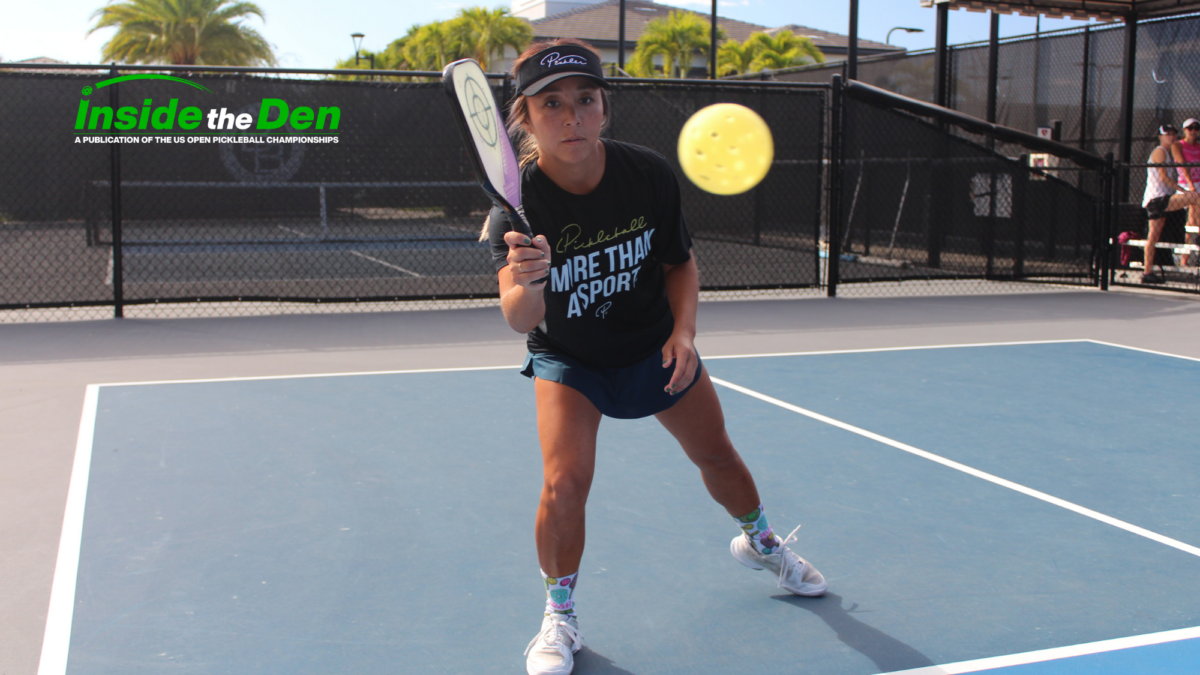
- Popping the ball up is the natural result of poor paddle angle and late contact. You want your paddle face slightly closed at impact, and you want to contact the ball in front of your body, not beside you. A ball contacted late becomes a wrist shot. Wrist shots pop up. Popped up shots get punished. It's a short, ugly chain of events.
- Crowding the line is the other one. Standing with your toes on the NVZ tape isn't aggressive play, it removes your ability to move. Leave a comfortable step of space. That gives you room to reset if the ball comes at your feet. How to position yourself at the kitchen is a full breakdown worth reading before your next session.
7 Pickleball Mistakes Beginners Make Without Realizing
Most beginners struggle not because they lack power, but because they repeat the same pickleball mistakes over and over without realizing it. Pro player Michael Loyd reveals the seven habits quietly holding players back and exactly how to fix them.
The Dink PickleballThe Dink Media Team

Beginner Pickleball Mistake #4: The Grip Grip Grip Problem
The fix: loosen your grip, especially at the net.
This one is invisible, which is why it survives so long uncorrected. New players grip their paddle like it's trying to escape.
A tight grip creates tension in the wrist and forearm, which kills soft-touch shots and creates a stiff, unpredictable paddle face on fast exchanges.
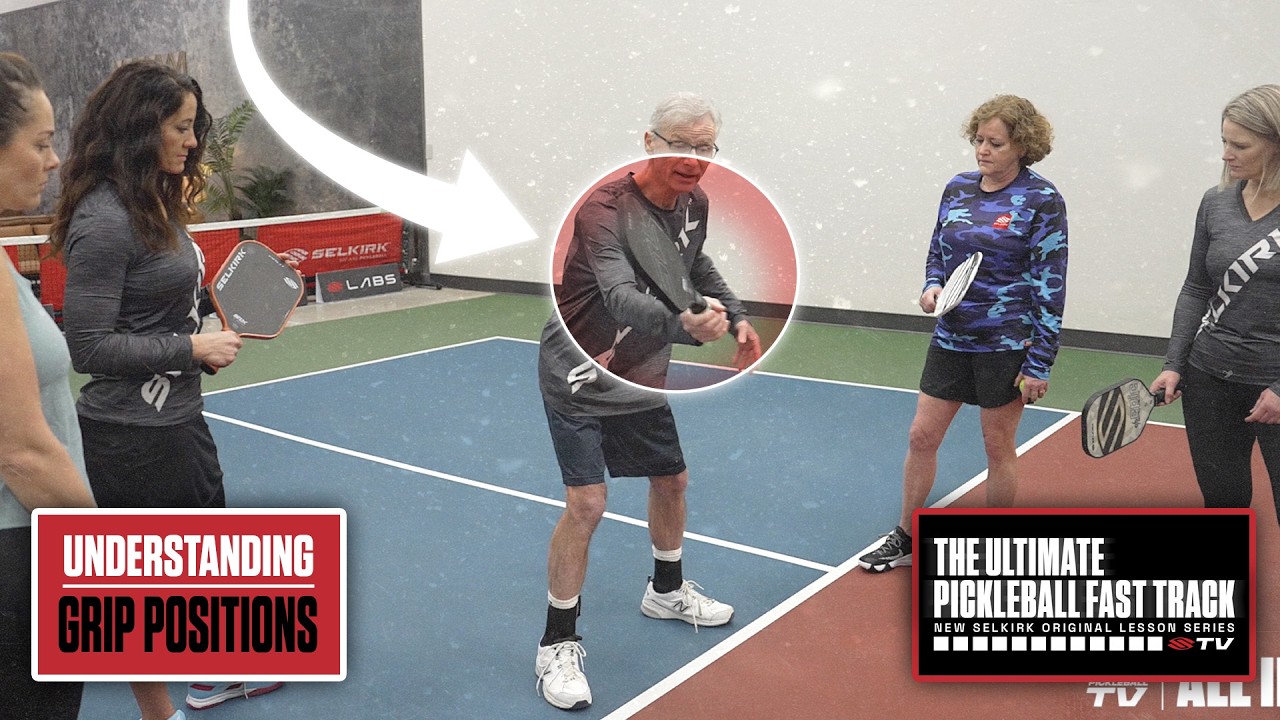
The continental grip is the most versatile starting point for pickleball. Think of holding a hammer, not a baseball bat.
Your grip pressure should be around a 4 out of 10 during dink exchanges and soft shots.
It can increase slightly on drives and serves, but most recreational players overgrip everything.
Check out whether your serve grip is costing you, the serve is where grip issues become immediately visible.
And if you want to understand how grip connects to spin and ball control, this breakdown of backspin mechanics is a solid primer.
Pickleball Grip: The Foundation of Faster Hands
Your pickleball grip is the foundation of everything that happens on the court. Get it right, and you’ll move faster, hit harder, and control the ball with confidence.
The Dink PickleballThe Dink Media Team
Beginner Pickleball Mistake #5: Chasing Power Instead of Placement
The fix: aim for consistency and location, not speed.
Honestly, this is the mistake that takes the longest to unlearn. New players arrive thinking pickleball rewards the hardest hitter. It doesn't.
It rewards the most consistent, well-positioned player.
Playing the percentages is the framework every serious intermediate player has internalized: give yourself margin at the net, aim cross-court in dink exchanges (it's lower net and more court), and drive only when you have a genuinely attackable ball.
Driving from a neutral position is just an unforced error waiting to happen.
Targeting the opponent's feet is one of the most effective pickleball tips for beginners you'll hear. A ball at the feet forces an awkward, rising return.
You don't need pace for that. You need placement. Shot selection and creation is a skill that compounds over time, start building it early.
Generate Effortless Power in Pickleball Through Proper Body Rotation
The unit turn is simple in concept but transformative in practice – it means rotating your hips, shoulders, and non-dominant arm together as one unit, rather than isolating your arm for power
The Dink PickleballThe Dink Media Team

Beginner Pickleball Mistake #6: Skipping the Reset
The fix: recognize when you're in trouble and take the ball off pace instead of escalating.
Here's a scenario every beginner knows: you're in a fast exchange at the net, the ball is on you, you feel pressure, and you rip it back hard.
It sails out or pops up and gets smashed. Sound familiar?
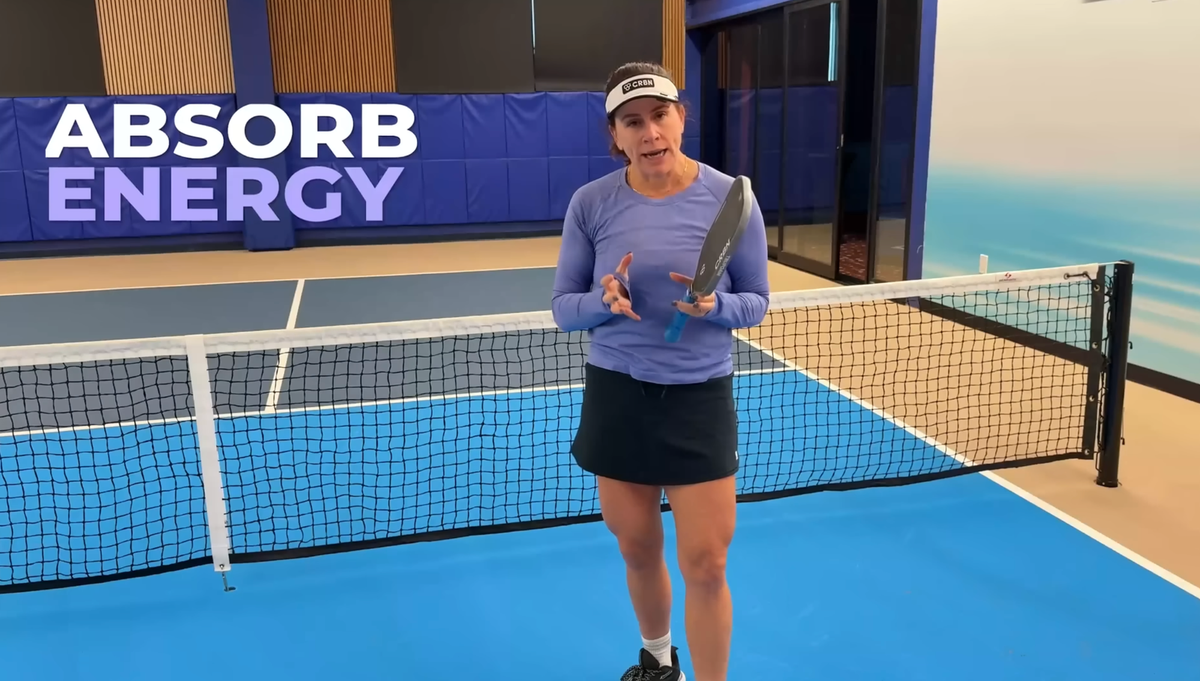
The reset is the antidote. It's a soft, defensive shot intended to slow the rally down and bring the ball back into the dink-exchange zone.
It's not giving up. It's buying time to get back in position.
Resetting better is a skill most beginners don't even know exists. They think their only options are attack or defend.
The reset is a third option: reset and re-engage. A different kind of reset shows how pros use this shot to completely change rally momentum.
The mid-court is where resets matter most, when you're caught in transition and the ball isn't attackable, the reset is your best friend.
The Pickleball Reset: The One Skill That Takes You Beyond 3.5
By softening pace, controlling trajectory, and stabilizing through transition, players can use the reset to regain the kitchen and compete with stronger opponents
The Dink PickleballThe Dink Media Team
The Mental Side: Why Beginner Pickleball Players Also Make Invisible Mistakes
Fixing mechanics is the easy part. The harder part is the mental game.
Beginner pickleball players tend to rush between points, lose focus after a bad miss, and underestimate the value of a patient rally. Sound like you?
A champion mindset starts with controlling your reaction to mistakes, not eliminating the mistakes entirely. You will hit the ball out.
You will pop a dink up and get punished. The players who improve fastest are the ones who move on in five seconds and reset mentally.
In doubles, this compounds.
If you let a mistake affect your teamwork and communication, you hand your opponents a two-for-one: the point they just won and the next one. 3 skill investments that elevate your game includes mental composure for exactly this reason.
Pickleball Mental Game: Stay Calm Under Pressure and Win
The mental game competitive pickleball demands is just as important as your backhand or your third shot drop. Learn how top players stay calm under pressure, reset after errors, and build the focus that wins matches.
The Dink PickleballThe Dink Media Team
Key Takeaways
- Stay at the kitchen line. Get there after your return and hold it.
- Dink with intention. It's not a defensive shot, it's a setup tool.
- Learn the third shot drop first. It's the bridge from baseline to net.
- Loosen your grip. Tension kills touch.
- Aim for placement, not power. Consistent location beats occasional pace every time.
- Use the reset. Don't escalate every fast exchange, slow it down and re-engage.
- Manage your mental game. Mistakes are inevitable. Your response to them isn't.
💡
Heads up: hundreds of thousands of pickleballers read our free newsletter.
Subscribe herefor cutting edge strategy, insider news, pro analysis, the latest product innovations and more.
Frequently Asked Questions
What are the most common beginner pickleball mistakes?
The most common beginner pickleball mistakes are staying at the baseline after the return of serve, hitting hard instead of dinking from the kitchen, and ignoring the third shot drop. These three errors alone account for the majority of points lost at the recreational level. Fixing your positioning and shot selection will improve your game faster than any mechanical adjustment.
How do beginner pickleball players get to the kitchen faster?
Move forward immediately after your return of serve lands. Take three deliberate steps toward the NVZ and continue advancing as long as the third shot doesn't force you back. Many beginners wait to see where the ball goes before moving, that hesitation is what keeps you pinned to the baseline. Commit to moving forward by default.
Why is the third shot drop so important in pickleball?
The third shot drop solves the structural disadvantage the serving team faces. Because of the two-bounce rule, the return team reaches the kitchen first. A well-executed drop lands softly in the NVZ and forces the return team to hit up, neutralizing their positional advantage. Without this shot, the serving team has no reliable way to transition to the net.
How does grip affect beginner pickleball mistakes?
A grip that's too tight stiffens your wrist and forearm, which kills touch shots and creates a jerky paddle face on fast exchanges. For soft shots and dinks, your grip pressure should be light, roughly a 4 out of 10. Many common errors like popped-up dinks and mishit volleys trace directly back to overgripping, not poor technique.
How can beginner pickleball players stop popping the ball up at the net?
Contact the ball in front of your body, not beside you. When contact happens late (beside your hip or behind you), the wrist compensates and the ball goes up. Keep your paddle face slightly closed at impact and move your feet so the ball is always in front. Drilling this in slow, controlled dink exchanges is the fastest way to build the habit.
Anuncie Aqui / Advertise Here
Sua marca para o mundo Pickleball! / Your brand for the Pickleball world!



 English (US) ·
  Portuguese (BR) ·