
 English
  Spanish
  Portuguese
  German
  Italian
  Japanese
  French
  Polish
  Russian
  Netherlands
  Hungarian
  Turkish
  Videos
  Thedink Pickleball

The fact that you're a good tennis player doesn't automatically make you a good pickleball player. But it does give you a head start, as long as you're willing to put in the work to adapt.
If you're a tennis player who's recently picked up a pickleball paddle, congratulations on joining what might be the fastest-growing sport in America. But all those years of tennis experience? They might be working against you more than you'd expect.
PlayPickleball.com's latest video breaks down the uncomfortable truth that tennis players face when transitioning to pickleball.
The sport looks similar enough on the surface, but the mechanics, strategy, and mindset required are fundamentally different. And if you're not willing to unlearn some deeply ingrained habits, you're going to struggle.
Love pickleball? Then you'll love our free newsletter. We send the latest news, tips, and highlights for free each week.
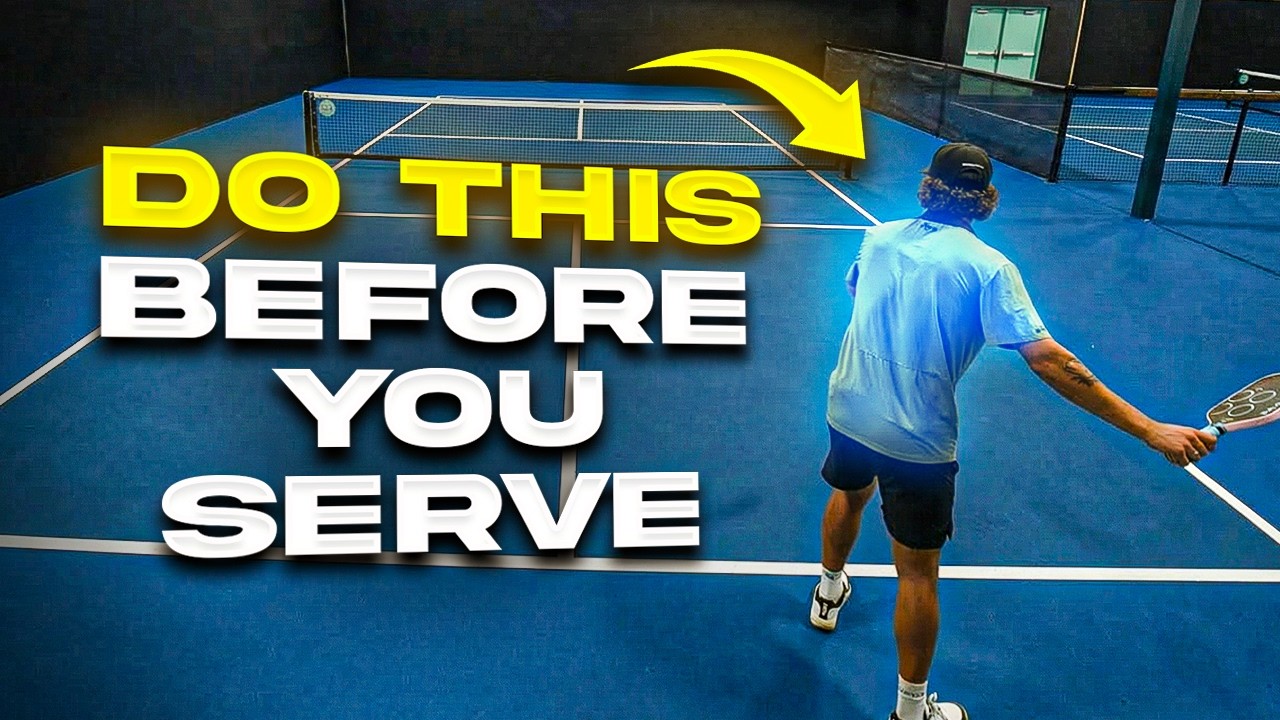
The Serve: Low to High, Not High to Low
Let's start with the most obvious difference. In tennis, you're throwing the ball up and hitting down on it with power and topspin. In pickleball, you're doing the opposite. The serve has to be underhand, and you're hitting the ball low to high instead of high to low.
This seems simple enough, but it's actually one of the biggest mental hurdles for tennis players. Your muscle memory is screaming at you to load up and crush the ball. Instead, you need to stay calm, keep it controlled, and focus on placement rather than power. The pickleball court is smaller, so accuracy matters way more than velocity.
The Pickleball Serve Basics: Rules, Technique & Pro Tips from Michael Loyd
Fix your serve, and your entire game gets easier. You start points on offense instead of defense. Your opponent’s return is weaker. Your third shot is simpler. It all flows from that one shot you control completely.
 The Dink PickleballThe Dink Media Team
The Return: Moving Forward, Not Staying Back
Here's another habit that'll trip you up. In tennis, after you return serve, you often stay back on the baseline, ready for a long rally. In pickleball, the return has to bounce, which means you've got a moment to think. And what should you be thinking about? Getting to the net.
High-level pickleball players understand that the kitchen (that no-volley zone near the net) is where the real action happens. So when you're returning serve, your momentum should be carrying you forward, not keeping you planted at the baseline. It's a subtle shift in mentality, but it changes everything about how you approach the point.
Four Differences That Actually Matter
PlayPickleball.com identifies four key differences between the sports that tennis players need to understand:
The serve we already covered. But there's also the return, where you need to move forward instead of staying back. Then there's the drive, where your contact point needs to be closer to your body because pickleball paddles are shorter than tennis rackets. And finally, the groundstroke, where you'll want a slightly more open stance because the court is smaller and your opponent is closer.
These aren't just technical tweaks. They're fundamental shifts in how you approach the game.
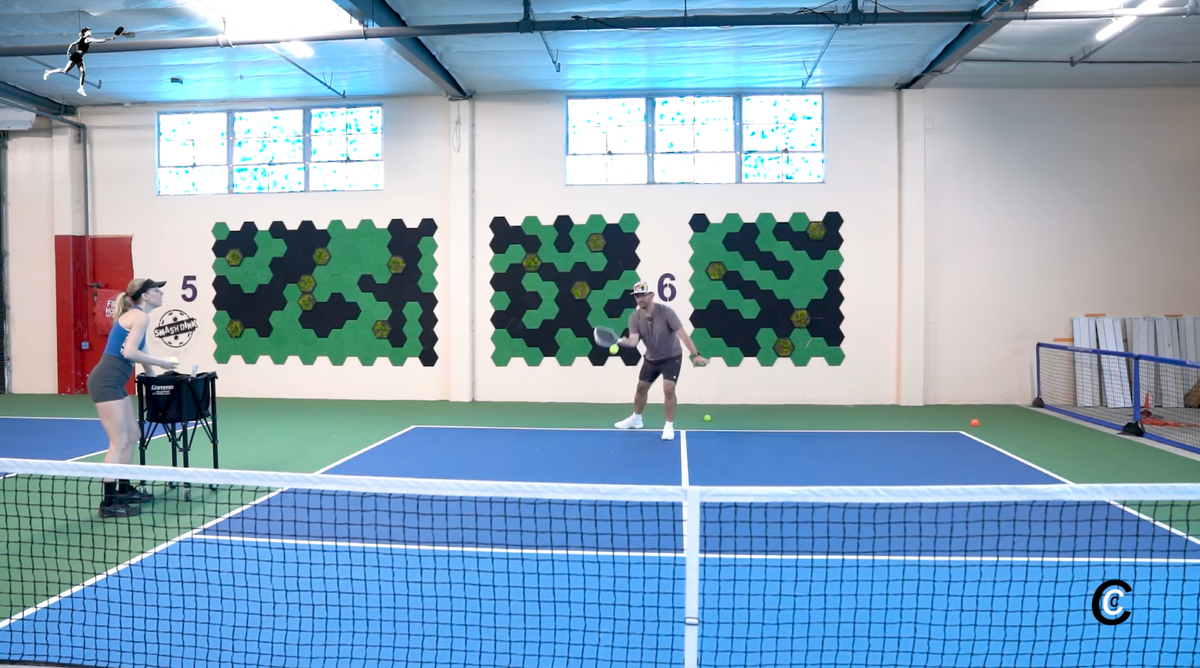
The #1 Mistake Killing Your Shot-Making Consistency in Pickleball
When you depend on wrist action, you lose control. You lose repeatability. And in pickleball, consistency is everything.
 The Dink PickleballThe Dink Media Team
4 Common Mistakes Tennis Players Make When Transitioning to Pickleball
Now we get to the real problem areas. PlayPickleball.com identifies four common mistakes that tennis players make when transitioning to pickleball, and honestly, if you're guilty of even one of these, you're probably losing more points than you realize.
1. Sprinting to the Net After Your Serve
In tennis, this is a winning strategy. In pickleball, it's a fault. The return has to bounce, so you need to stay back and hit your third shot before you approach the net. This is a hard habit to break because it goes against everything your tennis instincts are telling you.
2. Taking a Huge Backswing
Pickleball is a smaller game, and a big backswing telegraphs your intentions to your opponent. You want short, compact swings that keep your opponent guessing. Plus, you don't have as much time to prepare because the court is smaller and the action is faster.
Heads up: hundreds of thousands of pickleballers read our free newsletter. Subscribe here for cutting edge strategy, insider news, pro analysis, the latest product innovations and more.
3. Using a Western Grip
Tennis players love the western grip because it helps them generate topspin. But here's the problem: pickleball paddles don't have strings. When you try to create topspin with a western grip, you're more likely to roll the ball into the net. A continental grip is your friend here. It keeps the ball in the court and gives you more control.
4. Hitting the Ball Too Hard
This is probably the biggest one. Tennis players are conditioned to hit through their opponents. In pickleball, the court is smaller, so hard shots often sail long. You need to incorporate softer, more finesse-oriented shots into your game. Power is overrated in pickleball. Strategy and placement are what win points.
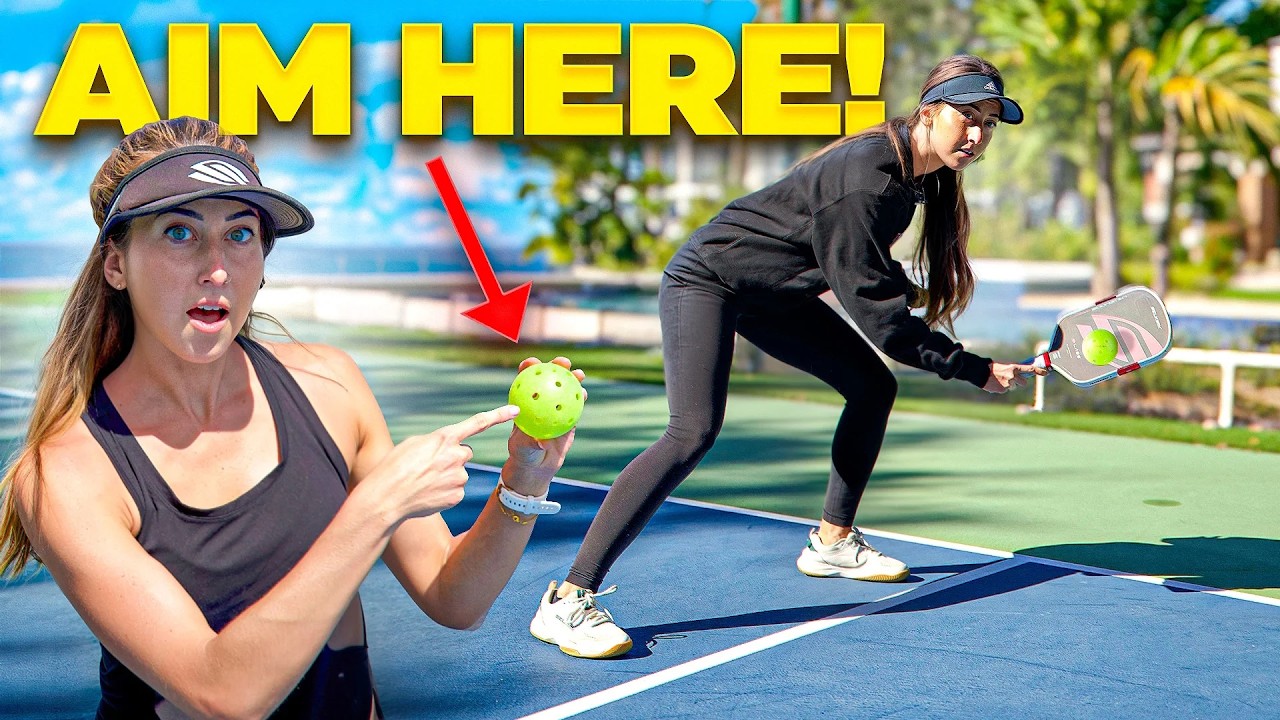
Smart Shot Decisions Beat Power in Advanced Pickleball
Every rally is a series of small choices, and those choices determine whether you win or lose.
 The Dink PickleballThe Dink Media Team
The Shots You Actually Need to Practice
If you're serious about transitioning from tennis to pickleball, there are four shots that should dominate your practice sessions. These aren't shots that exist in tennis, so you're starting from scratch.
1. The Third Shot Drop
After you serve and your opponent returns, you need to drop the ball softly into their kitchen (that no-volley zone). The goal is to hit an unattackable shot that allows you to move forward. This is the foundation of pickleball strategy.
2. The Reset
This is a soft shot you hit when you're in the transition zone, moving toward the net. When your opponent is hitting hard at you, a reset brings the ball back softly, allowing you to gain more real estate and get closer to the kitchen. It's a defensive shot that sets you up for offense.
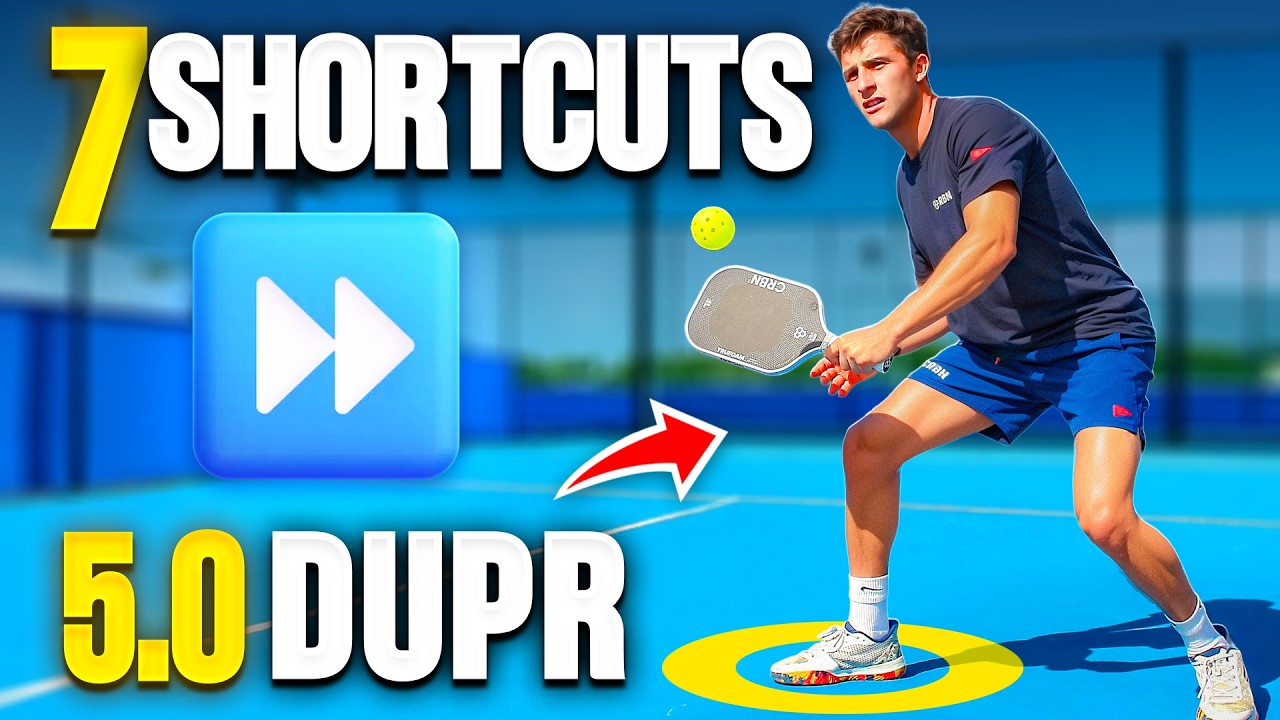
7 Pickleball Shortcuts to Reach 5.0 Faster
None of these shortcuts are revolutionary on their own. But stacked together, they create an entirely different player.
 The Dink PickleballThe Dink Media Team
3. The Dink
It's a soft, controlled shot you hit when you and your partner are both at the kitchen line. The goal is to hit an unattackable ball that your opponent can't speed up, while also setting up opportunities for them to make mistakes. Dinking rallies are where pickleball points are won and lost.
4. The 60% Speed-Up
When you're dinking and the ball bounces a little higher, you can speed it up. But here's the key: you're only swinging at 60% power, not 100%. You're staying in control, staying compact, and waiting for the next ball. A well-executed speed-up either creates a popup for you to put away or forces your opponent to reset, and you're right back in the dinking rally.
The Bigger Picture
Pickleball isn't just tennis on a smaller court.
It's a different sport with different rules, different strategies, and different skill requirements. Your tennis background gives you a foundation in racket skills and court awareness, but it can also be a liability if you're not willing to adapt.
Anuncie Aqui / Advertise Here
Sua marca para o mundo Pickleball! / Your brand for the Pickleball world!



 English (US) ·
  Portuguese (BR) ·