
 English
  Spanish
  Portuguese
  German
  Italian
  Japanese
  French
  Polish
  Russian
  Netherlands
  Hungarian
  Turkish
  Videos
  Thedink Pickleball

Senior doubles strategy in pickleball differs from regular doubles in three specific ways: coverage assignments, shot selection standards, and how early partners communicate. The rules, court, and scoring stay identical.
Senior doubles strategy in pickleball isn't regular doubles played slower, and that single misread costs 60-and-over teams more points than any flaw in their technique.
Watch a good 3.5 senior team play a good 3.5 open team and the difference isn't effort or paddle skill.
It's timing of decisions. The winning senior team decides where the ball is going two shots earlier, then makes the ball travel instead of the body.Regular doubles rewards recovery. Senior doubles rewards geometry. Here's what actually changes.
Love pickleball? Then you'll love our free newsletter. We send the latest news, tips, and highlights for free each week.
What Actually Changes in Senior Doubles Strategy in Pickleball?
Three things change: court coverage assignments, shot selection priorities, and how early partners communicate.
Everything else, the rules, the kitchen line, the scoring, is identical. Most coaching content buries that answer under vague advice about "playing smart."
Start with coverage. In open doubles, players cover their half and trust their recovery step to bail them out of a stretch.
Senior doubles strategy in pickleball flips that trust. Instead of covering a half, you cover a lane, and you agree in advance who takes the seam.The T-sideline placement principle matters more here than at any other level, because a ball placed at the T forces the exact scramble that senior teams should be refusing to have.
Shot selection is the second shift. Younger teams can hit a mediocre third shot and athletically recover the counterattack.The Best Pickleball Players Aren’t Following the Rules Anymore
Modern pickleball isn’t won by coloring inside the lines. More and more, the most successful players are also the most creative.
 The Dink PickleballZoey Weil
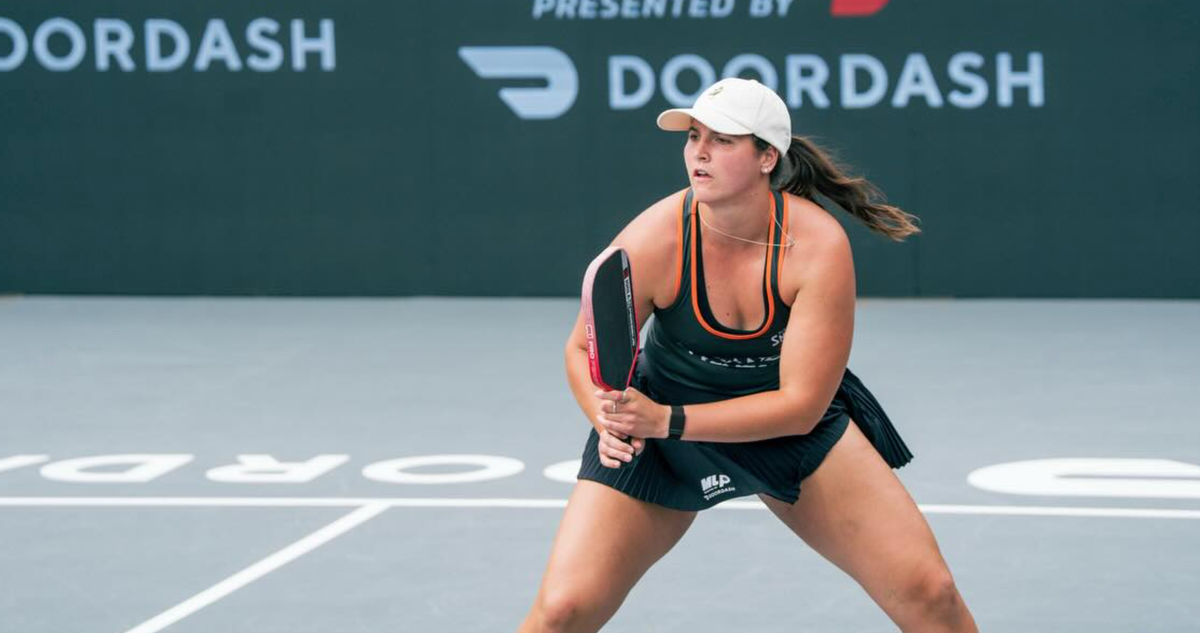
Senior teams generally can't, so the shot selection standard rises. Fewer speed-ups from below the net.
More resets. A genuinely disciplined third shot is worth more to a 65-year-old team than a bigger drive ever will be.
Good senior doubles strategy in pickleball treats a neutral ball as a win, not a missed chance.Communication is the third, and the cheapest to fix. Regular doubles partners sort out coverage mistakes on the fly.
Senior teams need the call made before the ball is struck, which is why the serve-side setup near the kitchen is worth settling during warmups.
Because anticipation is trainable and foot speed mostly isn't.
This is the one place where research is worth a mention, with a caveat: the available studies are on tennis, not pickleball, so treat them as directional rather than definitive.A 2007 study on senior tennis players found that participants who received perceptual-cognitive skills training showed faster response speeds and a higher percentage of correct performance decisions in post-test match situations than comparison groups.
A separate 2008 study on aging and tennis found that older players were more likely than non-players to adjust their actions to diminished response times, though age-related increases in response time were still present.
Pickleball Footwork Tips for Seniors: Save Your Knees
Most pickleball footwork tips for seniors get sold as knee insurance, which is the wrong frame. The real win is arriving earlier so your knees never have to bail you out of an emergency reach.
 The Dink PickleballThe Dink Media Team
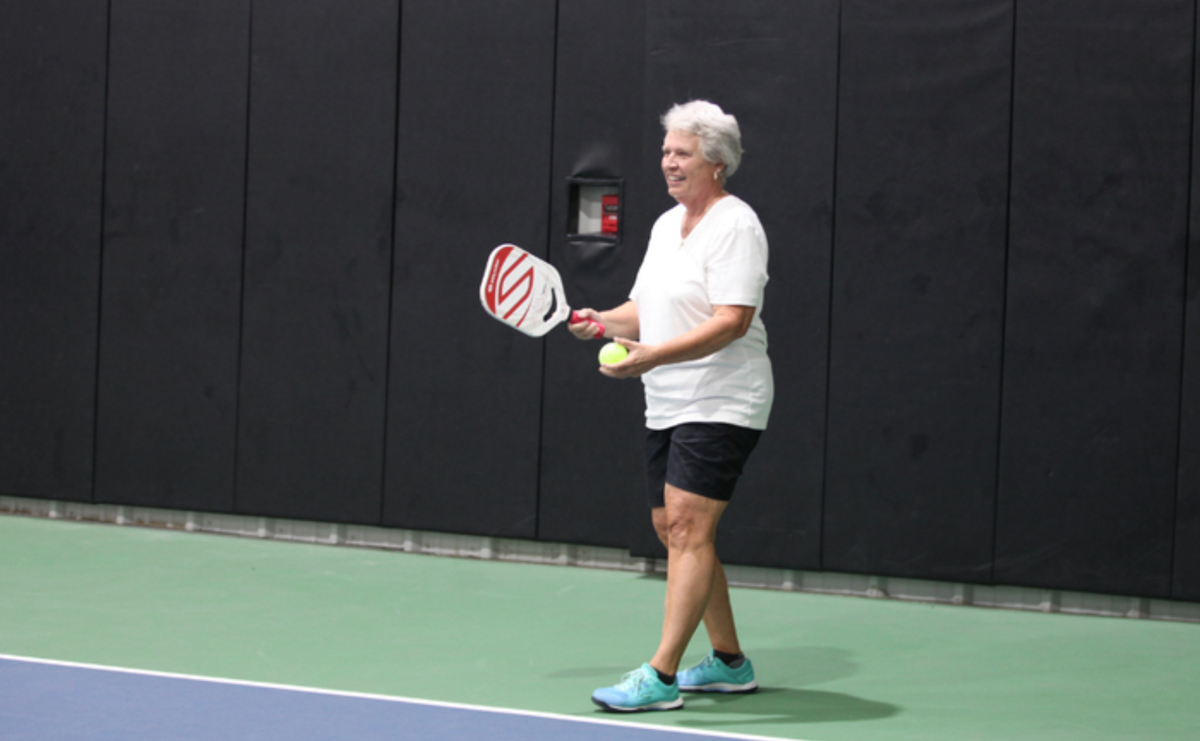
Read those carefully. Neither says a specific formation is better.
Neither is about pickleball.
What they suggest is narrower and more useful: reading the point is a skill that responds to practice, even when the legs don't.That's the honest case for building senior doubles strategy in pickleball around anticipation instead of hustle.
On court? Watch your opponent's paddle face at contact instead of the ball, and commit to a position before the ball crosses the net.
If the ball keeps arriving where you already are, that's the skill working.
Reviewing good positioning versus bad positioning is a faster path to that instinct than any footwork ladder.
💡
Need some new pickleball gear? Get 20% off select paddles, shoes, and more with code THEDINK at
Midwest Racquet SportsThe Stacking Question Nobody Answers Straight
Stacking is worth defining before we go further, because half of rec players use the word without knowing the mechanics.
Stacking means both partners set up on the same side of the court before the serve, then shift after the ball is struck, so that each player ends up on their preferred side regardless of the score.
It's fully legal. The only rule constraint is that the correct server serves from the correct service court.Why does this matter more for senior teams? Stacking protects a weakness permanently instead of half the time.
If one partner has a dominant forehand and limited backhand reach, an unstacked team exposes that backhand every other point. A stacked team never does.
Three setups cover almost every senior partnership:
- Full stack. Both partners stay on fixed sides all match. Best when one player has a clearly stronger side or noticeably less lateral range.
- Half stack. Stack only when serving, play conventionally when receiving. Best when the shift itself is the tiring part.
- Situational stack. Stack against one specific opponent, usually a lefty or a player attacking one partner's backhand relentlessly.
Honestly, most teams should start with the half stack. The full stack asks for a lot of post-serve movement, which is exactly the cost you were trying to avoid.
Doubles Stacking 101: The Fool-Proof Positioning Strategy That Wins Points
Stacking might be the single most underrated positional tool in doubles pickleball – and it’s way simpler than you think
 The Dink PickleballThe Dink Media Team
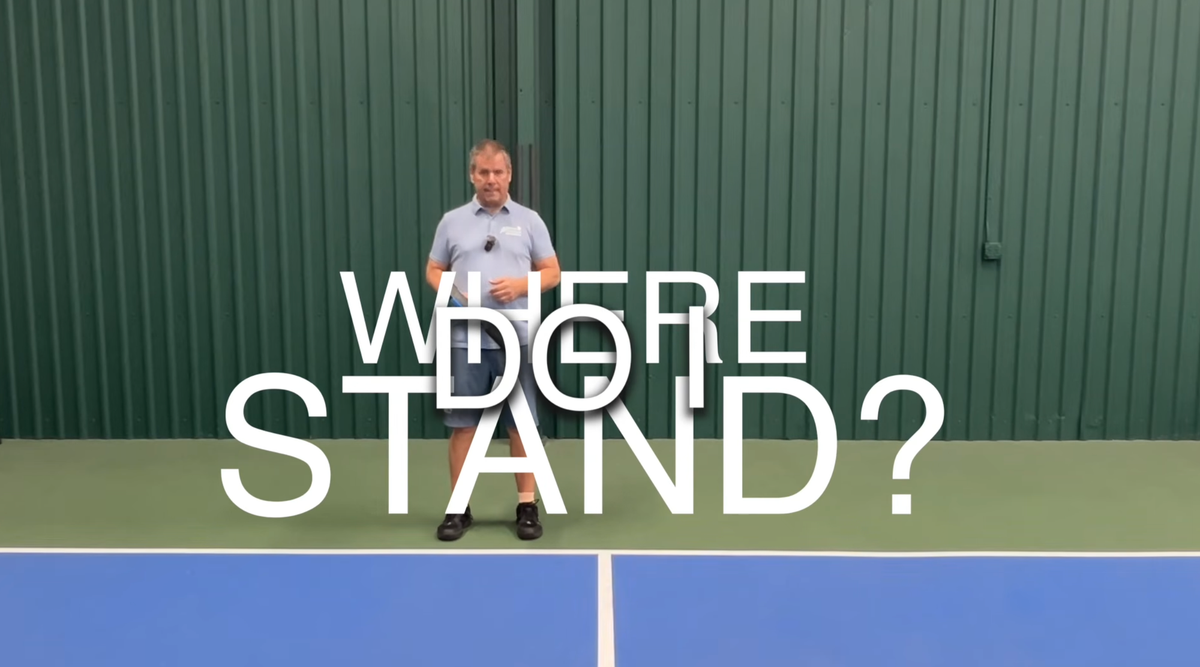
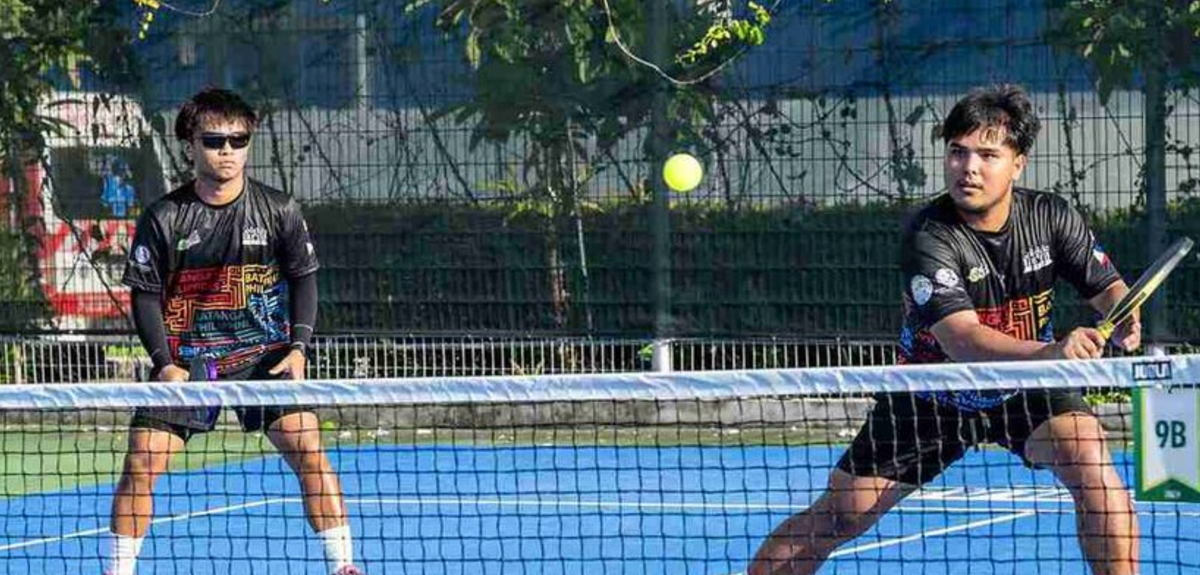
How Senior Doubles Strategy in Pickleball Works at the Kitchen Line
At the kitchen line, senior doubles strategy in pickleball means winning the patience battle rather than the speed battle.
The team that hits the fourth unattackable dink usually wins the point, and that's a skill, not a fitness test.
The mechanics are unglamorous. Paddle up, out front, chest height. Weight forward. Feet quiet.Positioning yourself at the kitchen does more for a senior team's win rate than any offensive shot, because it turns opponents' speed-ups into your counterattacks.
Every ball you reset cleanly is a ball your opponent has to try to win twice.
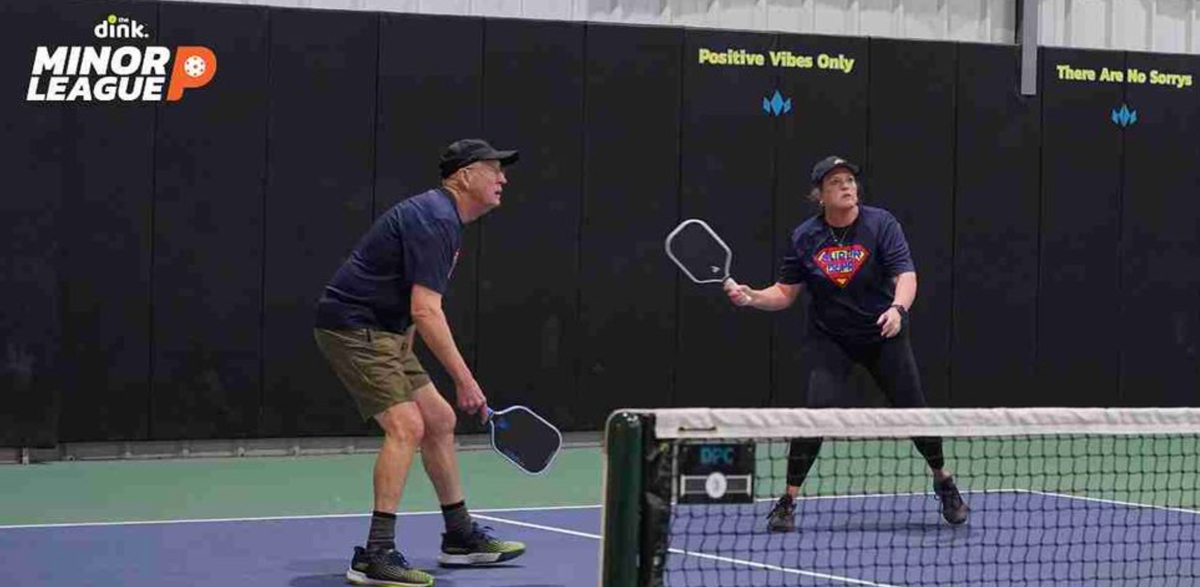
Senior Pickleball Doubles Strategy After 60
Senior pickleball doubles strategy is less about speed and more about positioning, shot selection, and court IQ. Here’s how players over 60 can outthink, and outplay, opponents half their age.
 The Dink PickleballThe Dink Media Team
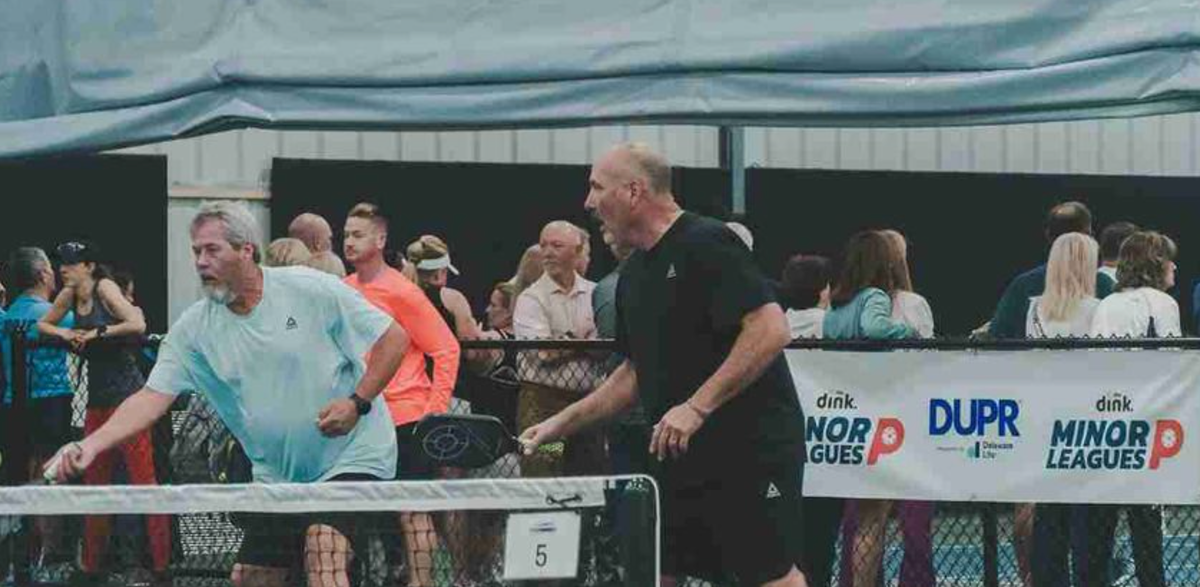
How Does Senior Doubles Strategy in Pickleball Change Your Return?
It makes the return deeper and slower, not harder. A deep, high return buys the two seconds you need to get both players to the line together.
This is the easiest fix in senior doubles. Most 60-and-over teams return short and flat, arrive at the kitchen out of position, and concede the point.Getting deliberate about where you return serve and how you use the return fixes more points per hour of practice than anything else on this list.
Senior Doubles Strategy in Pickleball and the Lob You Keep Feeding
Stop hitting dinks that sit up, and stop chasing the lobs you invited.
Senior doubles strategy in pickleball has to account for the fact that opposing teams will lob, because they've noticed that overhead recovery is where senior teams leak points.The counter is positional, not athletic.
Keep dinks low enough that a lob is low-percentage, then agree in advance that whoever is on the lobbed side turns and runs while the other rotates to cover.
The lob defense breakdown is worth reading twice if this is your team's recurring leak.
Pickleball Doubles Strategy for Beginners: 5 Simple Tips
Pickleball doubles strategy for beginners starts with five core concepts that separate rally-clickers from players who actually win points. Get these five things right and your doubles game will look completely different in two weeks.
 The Dink PickleballThe Dink Media Team
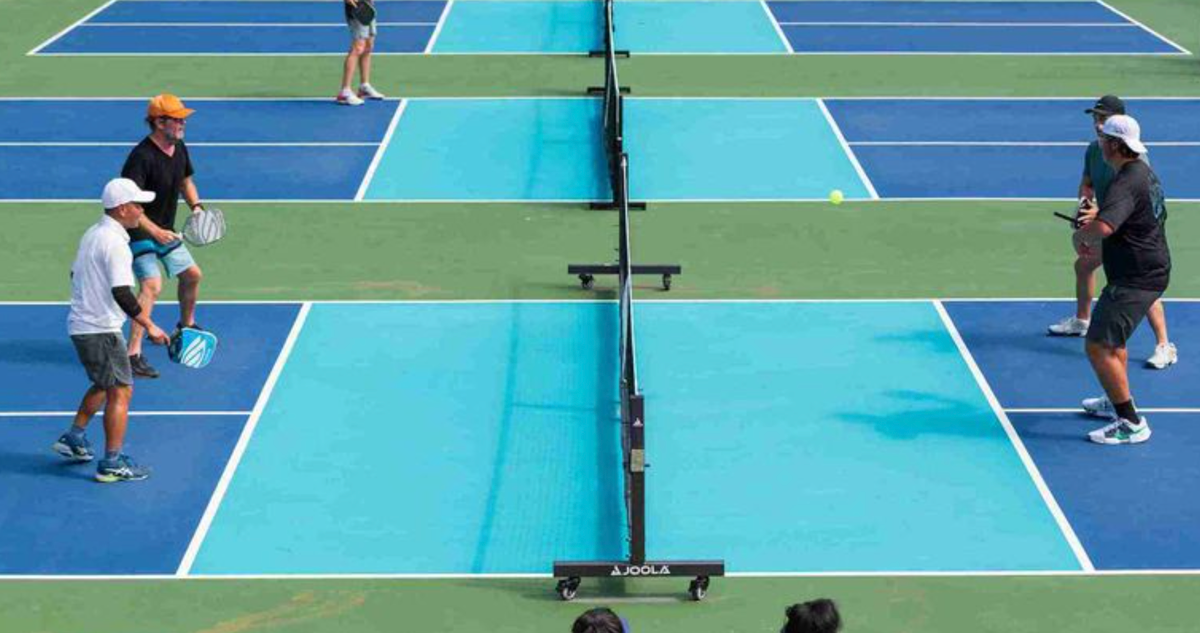
Who Owns the Middle?
Decide before the point, not during it.
The middle ball is where senior doubles goes wrong most often, because both players hesitate for the same half second and the ball lands between them.
Pick a convention and never revisit it mid-match: the player with the forehand in the middle takes it, or the player who didn't hit the last ball takes it.Either works. Ambiguity doesn't.
This is where senior doubles strategy in pickleball pays off fastest, because a pre-made decision costs nothing physically and saves three or four points a match.
Add a block-and-counter habit to it and the middle stops being a liability.
Rethinking how you approach doubles coverage and studying fourth shot court coverage turns that hesitation into an automatic call.
Want to drill it? The figure-8 drill builds middle-ball reflex with zero sprinting, and solo drills keep paddle skills sharp between sessions.Pickleball's toughest dinking drill builds the patience this depends on, and shot selection work sharpens decisions.
Covering the Middle in Pickleball: 4 Rules to End Confusion
Most players think the forehand always takes the middle, but that is costing them points. Here is the real system for covering the middle in pickleball.
 The Dink PickleballThe Dink Media Team
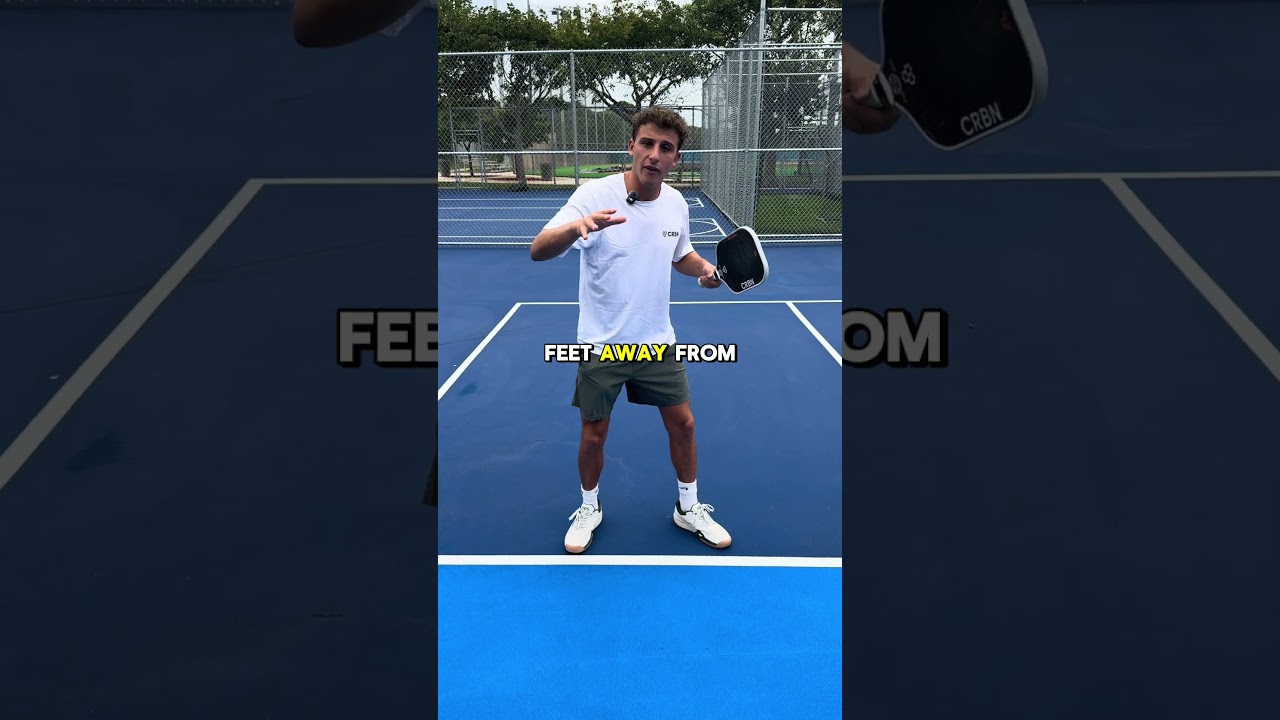
Key Takeaways
- Senior doubles strategy in pickleball changes three things: coverage assignments, shot selection standards, and how early partners communicate. The rules and the court are identical.
- Anticipation is the trainable edge. Tennis research from 2007 and 2008 suggests perceptual and decision-making skills respond to training in older athletes, even as reaction time rises with age.
- Stack to protect a weakness permanently. Start with a half stack before attempting a full stack.
- Return deep and slow, not hard. It buys the time you need to reach the kitchen line together.
- Assign the middle ball before the point starts. Hesitation loses more points than lack of speed.
💡
Heads up: hundreds of thousands of pickleballers read our free newsletter.
Subscribe herefor cutting edge strategy, insider news, pro analysis, the latest product innovations and more.
Frequently Asked Questions
Is senior doubles strategy in pickleball really different, or is that just marketing?
The tactical emphasis genuinely differs, but it's worth being precise about why. There isn't strong published research directly comparing senior doubles tactics with open doubles tactics. What holds up is the coaching logic: when lateral range and recovery speed narrow, positioning and shot selection have to carry more of the load.
At what age should I change my doubles strategy?
Age isn't the trigger. Recovery speed is. If you're arriving at the kitchen line a step late or losing points on the second ball of a rally rather than the first, the adjustments here apply whether you're 48 or 72.
Should senior teams avoid aggressive net play?
No, and any blanket rule like that is wrong. Skilled older players often retain strong anticipation and hands. The adjustment is being pickier about which balls you attack, generally the ones you can take above net height, not the ones you have to lift.
Does stacking tire you out more?
A full stack does add movement after every serve, which is why the half stack exists. Stack on serve only, play conventionally on return, and you get most of the positional benefit for a fraction of the movement.
What's the fastest single improvement for a senior doubles team?
Deeper returns. It's one adjustment, requires no new athleticism, and it fixes the position problem that causes most lost points at the kitchen line.
Anuncie Aqui / Advertise Here
Sua marca para o mundo Pickleball! / Your brand for the Pickleball world!




 English (US) ·
  Portuguese (BR) ·