
 English
  Spanish
  Portuguese
  German
  Italian
  Japanese
  French
  Polish
  Russian
  Netherlands
  Hungarian
  Turkish
  Videos
  Thedink Pickleball

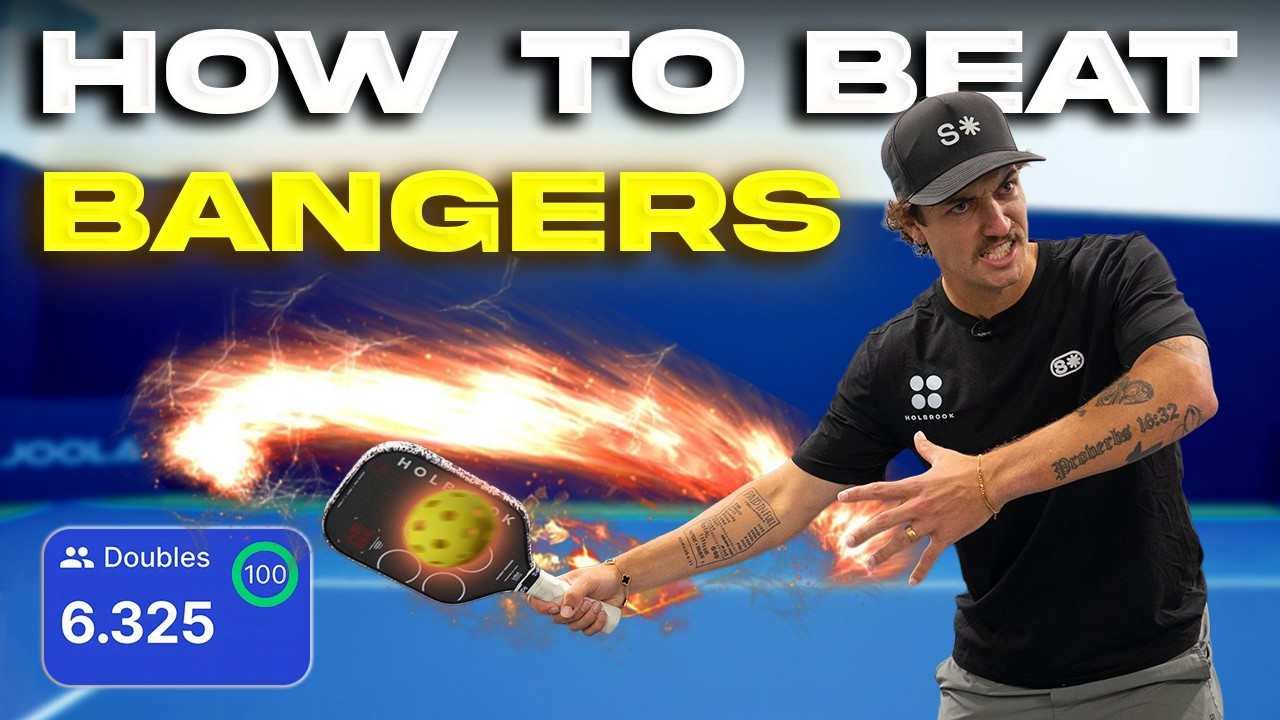
Bangers are easier to beat than most players think. These 3 counters show you exactly how to counter a banger in pickleball without panicking or hitting harder.
Countering a banger in pickleball is one of the most requested topics from players at every level, and for good reason.
There is nothing more frustrating than watching someone drive every single ball at full power and feeling like you have no answer.
Most players respond the wrong way. They try to hit harder back, they panic and back up, or they rush the shot before the ball even arrives.
These three strategies come straight from Cliff Pickleball on YouTube, where he coaches players daily and breaks down exactly why bangers are far easier to handle than they seem.
Here is what actually works.
Love pickleball? Then you'll love our free newsletter. We send the latest news, tips, and highlights for free each week.
Why Most Players Lose to Bangers Before the Rally Even Starts
The mistake happens before you even swing. When a banger winds up, most players make one of three mental errors that guarantee a bad result.
- First, they try to out-hit the banger. This almost always ends in a ball into the net or a ball sailing long. You are not going to beat a power player by matching power.
- Second, they back up. Backing away from a hard-hit ball gives the banger exactly what they want: a high return they can drive again. You are inviting the cycle to repeat.
- Third, they rush the shot. Instead of staying calm and letting the ball come to them, they lunge at it early. The result is a weak pop-up that sits right in the banger's wheelhouse.
The fix is not about hitting harder or moving faster.
It is about understanding that a banger's biggest weakness is pace control, and all three strategies below exploit that weakness directly.
What Is a Reset Block and Why Does It Work Against Bangers?
The reset block is the single most effective tool against a banger.
Instead of pushing the ball back with equal or more force, you absorb the incoming pace and drop the ball softly into the kitchen.
Think of your paddle as a shock absorber, not a launching pad. You are not blocking the ball back to your opponent.
You are stealing the energy from their drive and redirecting it into a dead drop near the net.
When executed with angle, that drop becomes almost impossible to attack.
A sharp cross-court reset forces the banger to move laterally and completely disrupts their rhythm.
Here is what the reset block requires:
- Soft grip pressure at the moment of contact so the paddle can absorb pace rather than fight it
- Open paddle face to create the upward arc needed to clear the net and land in the kitchen
- No backswing since the banger is already providing all the power you need
- Angled placement so the ball lands away from the banger's dominant side
If your resets keep popping up and floating back to the opponent, check out why your pickleball reset keeps popping up for a quick breakdown of what goes wrong at contact.
The goal is to give the banger nothing. No pace, no height, no return target that lets them wind up again.
💡
Need some new pickleball gear? Get 20% off select paddles, shoes, and more with code THEDINK at
Midwest Racquet SportsStrategy 2: Move Them With Angles Instead of Blocking Straight Back
Blocking every ball back down the middle is a losing plan.
Even if your reset is clean, you are handing the banger the same shot in the same location over and over again.
Angle shots are what turn a defensive reset into an offensive play.
When a banger drives the ball at you and you redirect it sharply cross-court or down the line, the ball is no longer coming back to them on a straight path.
They have to move, and moving is exactly what destroys a banger's timing.
10 Ways to Beat a Lefty in Pickleball
Lefty pickleball players have real structural advantages, but they also have specific weaknesses most players never target. These 10 tips from Zane Navratil and Max Freeman show you exactly where to attack.
 The Dink PickleballThe Dink Media Team
Three angles every player should have ready:
- Cross-court angle to the kitchen corner, which pulls them wide and opens the middle
- Middle redirect, aimed between the two opponents in doubles, which creates confusion and forces a quick decision
- Down the line, which catches a banger who is already shifting their weight toward the cross-court expectation
The key point here is staying calm. You cannot execute a deliberate angle if you are panicking or rushing.
Let the ball come to you, stay low, and redirect with intention rather than reaction.
Understanding how to become unpredictable in pickleball will make your angle game far more effective because the banger stops being able to anticipate where your return is going.
Kitchen Line Angles Pickleball: Shot Placement System
Kitchen line angles in pickleball are the difference between dinking to survive and dinking to win. This shot placement system shows you exactly how to use angles to move opponents, create openings, and take control at the non-volley zone.
 The Dink PickleballThe Dink Media Team
Why Does a Soft Shot Beat a Banger So Consistently?
A banger is mentally locked into one mode: receive the ball, hit it as hard as possible. Their body is already coiled up waiting for the next drive.
When you send back a soft shot instead, you completely break that pattern. They are expecting pace and they get none.
The ball drifts toward them at low speed and drops into or near the kitchen, and suddenly they have to rush forward and dig a ball they were never prepared to handle.
That rushed scramble almost always results in a pop-up. And a pop-up is exactly the ball you want to finish.
Pickleball Players Air Their Community’s Dirtiest Laundry
Every pickleball community insists they’re drama-free. They’re lying.
 The Dink PickleballAlex E. Weaver
Even better, a soft shot that lands in the kitchen forces the banger to dink. Bangers hate dinking.
They do not practice it, they do not want to play it, and they are not comfortable in a patient exchange at the net.
Understanding the dink and how to use it as a weapon is essential to slowing these players down.
Once you force a banger into a dink rally, you have shifted the game to your terms.
They either make errors trying to speed the ball up at the wrong time or they float something attackable.
How to Handle a Soft Shot Right at Your Feet in Pickleball
This guide breaks down the ready position, the hands, and the drills that turn reflexes test into a routine reset.
 The Dink PickleballThe Dink Media Team
Strategy 3: Recognize and Attack the Ball They Should Not Have Driven
This is the part most players miss entirely. When a banger speeds up a ball that is below the net or too far out in front, they are not being aggressive.
They are making an error in disguise.
A banger's mentality is to hit every ball hard, regardless of whether that ball is actually attackable.
That means they will drive low balls, tight balls, and balls they have to stretch to reach. Every one of those is an opportunity for you.
When a player attacks a ball they should not have driven, one of three things happens:
- They hit it into the net because the ball was already too low
- They float it high because they had to generate their own lift from a bad position
- They send it wide because the angle was awkward from the start
Your job is to stay ready for that floating return. Patience is the weapon here.
The banger is essentially creating attackable balls for you every time they drive from a low or compromised position.
This connects directly to when to speed up in pickleball because understanding what makes a ball truly attackable helps you recognize when your opponent is attacking the wrong ball and prepare to punish it.
Staying calm enough to read those moments is what separates players who beat bangers from players who keep losing to them.
The banger thinks they are being aggressive. In reality, they are giving you free points.
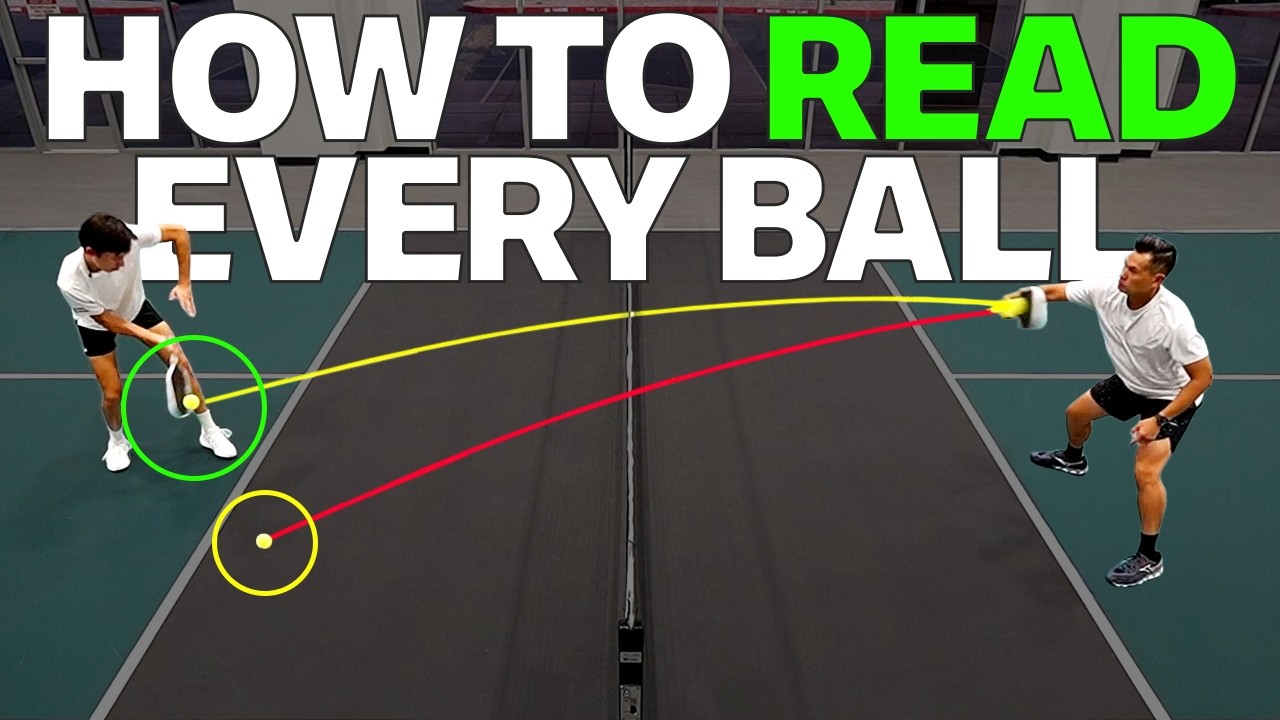
Recognize Your Court Position to Hit the Right Pickleball Shot Every Time
Hitting harder or faster won’t fix your game if you’re hitting the wrong shot at the wrong time. Learn to read the court, understand your position, and choose your shots accordingly.
 The Dink PickleballThe Dink Media Team
Putting All Three Together in a Real Match
These three strategies are not separate tools you use one at a time.
They work best when you cycle through them within a rally so the banger can never settle into a pattern.
Start with the reset block to absorb pace and neutralize the drive. Add angle redirects to move them off their spot and break their timing.
Drop in a soft shot whenever they look coiled and ready for pace, forcing them to rush forward into a dink they hate playing.
The moment you see a floating return from a drive they should not have taken, attack it. That is the reward for staying disciplined through the rally.
If you find yourself still making errors under pressure against hard hitters, these three causes of unforced errors are worth reviewing because most of the mistakes players make against bangers come from mental rushing rather than technical failure.
Building consistency in these counters takes deliberate practice.
Practicing with limited court time means you have to be selective about what you drill, so prioritize the reset block and angle redirect above everything else when you are working on your banger defense.
Infographic: 6 Strategies to Beat Bangers in Pickleball
Hard hitters can feel overwhelming, but learning how to beat bangers in pickleball doesn’t require matching their power. Pro coach Michael Loyd breaks down six control tactics that neutralize aggressive players and put you back in charge of the point.
 The Dink PickleballThe Dink Media Team
What Makes a Banger Actually Beatable
Bangers are one-dimensional. Their entire game depends on you playing at their pace and giving them predictable, centered returns to drive again.
The moment you take away pace, add angle, or force them forward into a soft game, their advantage disappears.
They have spent zero time developing the touch and patience needed to win a dink rally or handle a ball that dies in the kitchen.
If you want to go deeper on building the kind of controlled game that neutralizes power players at higher levels, these five shots every 4.0 player needs are exactly what separates players who handle bangers from players who get run over by them.
You do not need more power. You need better decisions, softer hands, and the discipline to stay calm when someone is trying to blow the ball through you.
These three strategies give you exactly that framework.
Understanding how to handle a hard-hit ball at your body is also critical because bangers will target your torso once they realize you are blocking their drives effectively.
Having a plan for body shots keeps you from getting surprised when they adjust.
Stay composed, redirect with purpose, and force them into the soft game. That is how you beat a banger, every single time.
💡
Heads up: hundreds of thousands of pickleballers read our free newsletter.
Subscribe herefor cutting edge strategy, insider news, pro analysis, the latest product innovations and more.
Frequently Asked Questions
What is the best way to counter a banger in pickleball?
The best counter is the reset block, which absorbs incoming pace and drops the ball softly into the kitchen instead of returning it with equal force. This removes the banger's primary weapon by giving them nothing to drive. Adding cross-court angles makes the reset even harder to deal with.
Should I back up when a banger drives the ball at me?
No. Backing up is one of the most common mistakes against bangers and it actually makes things worse. When you retreat, you give the ball more time to rise and the banger gets a higher, more comfortable return to attack again.
Stay at the kitchen line and absorb the ball with a soft block.
Why does a soft shot work so well against a hard hitter?
A banger is mentally prepared for pace, so a soft shot completely breaks their timing and rhythm. They are coiled up expecting to drive again, and instead the ball arrives slowly and forces them to rush forward into a situation they are not comfortable with. That rush almost always produces a pop-up you can attack.
How do I force a banger to dink when they refuse to play softly?
Hit your soft shot or reset directly into the kitchen. If the ball lands in the non-volley zone, the banger has no legal choice but to let it bounce and dink it back unless they want to give you a free point. Consistent kitchen placement is the only reliable way to drag them into the soft game they hate.
What does it mean when a banger attacks the wrong ball?
It means they are driving a ball that is too low, too tight to the net, or out of position, situations where a smart player would reset or dink instead. Because bangers drive everything regardless of ball quality, they frequently send low balls into the net or float compromised balls up high. Staying ready for those floaters is how you turn their aggression into free points.
Anuncie Aqui / Advertise Here
Sua marca para o mundo Pickleball! / Your brand for the Pickleball world!




 English (US) ·
  Portuguese (BR) ·