
 English
  Spanish
  Portuguese
  German
  Italian
  Japanese
  French
  Polish
  Russian
  Netherlands
  Hungarian
  Turkish
  Videos
  Thedink Pickleball

Anna Bright went from zero one-handed ability to developing one of the best backhand flicks in women's pickleball. Here's exactly how she did it and how you can too.
When Anna Bright first started playing pickleball, she couldn't hit anything with one hand. She was exclusively a two-handed player, and the idea of developing a backhand flick seemed anatomically impossible. Fast forward to today, and she's got one of the best one-handed aerial attacks in the women's game.
The transformation didn't happen by accident. It took deliberate practice, mechanical understanding, and a willingness to strengthen areas she'd never trained before.
In a recent instructional video, Bright breaks down exactly how she developed her backhand flick from nothing, offering a roadmap for anyone looking to add this lethal weapon to their game.
Love pickleball? Then you'll love our free newsletter. We send the latest news, tips, and highlights for free each week. Subscribe to our free newsletter
Understanding the Three Types of Backhand Aerial Attacks
Before you can master the backhand flick, you need to understand what separates it from other one-handed backhand options. There are three distinct types of aerial backhand attacks in pickleball, and each one serves a different purpose.
The poke is the least effective of the three. It's basically just popping the ball at your opponent without much power or spin, but it's more of a flash-in-the-pan shot that works once or twice before your opponent adjusts. The poke comes from full extension with power generated by hinging and throwing your shoulder out, but it doesn't inflict much anxiety on your opponents.
The backhand roll is more shoulder-reliant. Think of what Ben Johns hits. There's still wrist involvement, but the primary lift comes from your shoulder joint. This is the shot you'll rely on when the ball is low, at your knees or below. The paddle face should be pretty closed when you're rolling because you're relying on your shoulder to generate topspin.
The backhand flick, on the other hand, is almost exclusively about wrist action. J.W. Johnson is the purest example of a flick player. He's at full extension, not doing much with the shoulder, and generating quick-twitch topspin with his wrist. Most players end up somewhere in between a roll and a flick, but understanding the distinction helps you develop the mechanics you need.
The Foundation: Master the Shoulder Lift First
Here's the thing about developing a backhand flick: you don't start with the wrist. You start with the shoulder.
Anna Bright emphasizes that being able to lift from the shoulder is the first step toward getting good at hitting a backhand out of the air. This is especially important when the ball is low.
When you're lifting from the shoulder, you want minimal wrist involvement and minimal elbow motion. The paddle face should not be super open. Think about keeping it pretty closed so that your shoulder does the work of generating topspin. Your butt should be back, which allows you to reach forward and make contact as far in front of you as comfortably possible.
Practice hitting balls up the line, middle, and sharp crosscourt using only your shoulder joint. Don't add wrist yet. Don't add elbow motion. Just pure shoulder lift. This foundation is non-negotiable if you want to develop a reliable backhand flick.
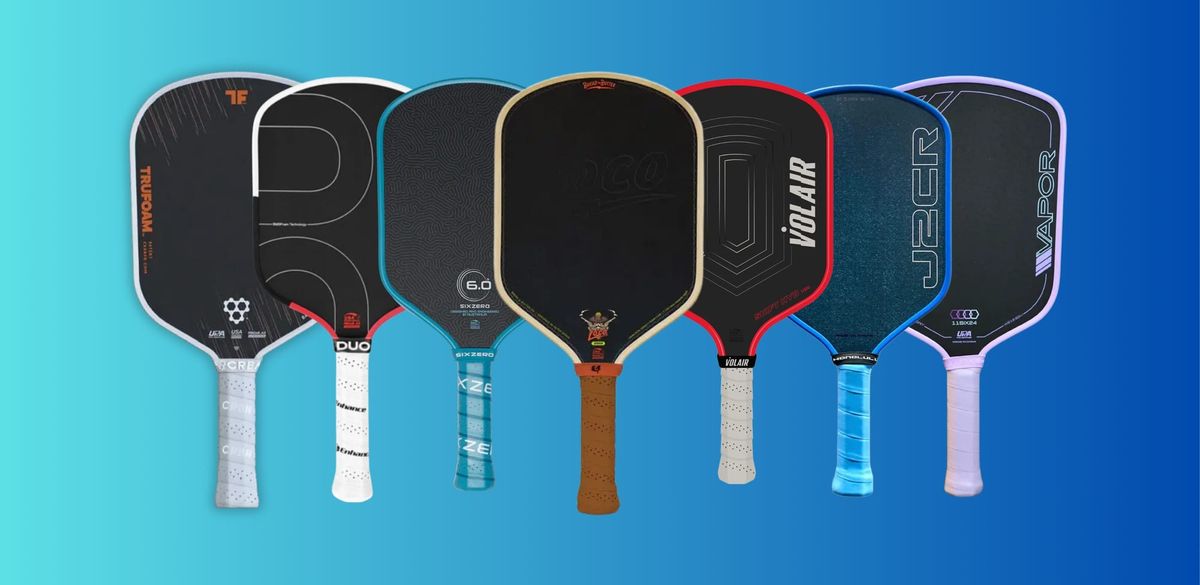
7 Hybrid Pickleball Paddles that Blend Power and Control
None of these are lacking in the oomph department. But their foam cores and hybrid shapes combine to offer more stability, control, and feel when it matters most.
 The Dink PickleballAlex E. Weaver
Adding Wrist Action: The Pure Flick Mechanics
Once you've got shoulder lift down, you can start introducing wrist action. This is where the backhand flick really comes alive.
For a pure flick, the concept is the same as the roll, but now you're thinking about a lot of wrist activity. You want to hinge back at your hips. If you're not hinging at your hips, you'll end up rounding your back to get reach, which is terrible for both your form and your actual reach. Hinge at the hips, keep your posture upright, and let your wrist do the heavy lifting.
When you execute a pure backhand flick, you get snappy, fast-twitch topspin. The ball kicks when it bounces. You can still hit all the same targets: up the line, middle, and sharp crosscourt. The difference is that now you've got way more spin and pace on the ball.
Most players don't hit a pure flick or a pure roll. Anna Bright leans more toward a roll-type mechanic but uses her wrist a lot and comes in and out with her elbow. This hybrid approach helps her get more action on the ball while maintaining control. The key is finding what feels natural to you while understanding the mechanical principles behind each variation.
Heads up: hundreds of thousands of pickleballers read our free newsletter. Subscribe here for cutting edge strategy, insider news, pro analysis, the latest product innovations and more.
Why Crosscourt Speedups Are Your Secret Weapon
Here's something most players get wrong: they don't use crosscourt speedups enough, especially on the left side.
Everyone is trained not to go crosscourt. It feels risky. But if you're playing a right-handed player and they have to cover the middle, they're sitting forehand. If you can find their center of mass (the belly button), it's pretty easy to jam them up. A well-placed crosscourt speedup is a huge, huge weapon.
When hitting a crosscourt backhand flick, you need to make contact earlier than you would for a line or middle shot.
If you hit the ball too late, it's tough to get the strength to go all the way across. You want to be really early, making contact as far out in front as you can. Dropping your paddle and getting on the outside of the ball is easier when your opponent pops it up from crosscourt, but you should work toward hitting this shot effectively from all angles.
The reason this matters is reach.
- On the right side of the court, you have more reach with the backhand due to human anatomy. If you develop a good backhand flick, you can put serious pressure on your opponent when you're playing the right side.
- Your left side becomes so much less safe. You can pinch the middle situationally. This is a weapon everyone can get better at.
How to Handle the Wide Aggressive Dink in Pickleball
When opponents pull you wide at the net, your instinct might be to speed it up or hit it cross-court, but that’s exactly what gets you in trouble.
The Dink PickleballThe Dink Media Team

The Strength Component: Don't Skip Forearm Training
Here's the part that separates players who develop a backhand flick and those who don't: strength training.
Anna Bright is especially candid about this for female players. Women don't have the same natural forearm strength as men, and they typically have fewer reps using their forearm in other sports. This is a real disadvantage, but it's fixable.
You don't need a gym. You just need one light dumbbell and a commitment to strengthening your forearm. Bright did a lot of wrist curls, reverse curls, and rotational exercises. Wristbands are also effective. The goal is to get more stable at extension so that when you're hitting a backhand flick at full reach, your wrist doesn't collapse.
This was super important for Bright to develop a really effective backhand aerial attack. Without the strength, the mechanics fall apart. With it, you've got a weapon that can change your game.
Roll, Lunge, Jump: The Anna Bright Method for Warming Up Right
Take a page out of the pro book. Move your spine, lunge deep, and jump a little. Your knees and your win-loss record will thank you.
The Dink PickleballThe Dink Media Team
Putting It All Together: The Natural Backhand Flick
Once you've got the shoulder lift, the wrist action, the crosscourt angles, and the forearm strength, you can start hitting your natural backhand flick.
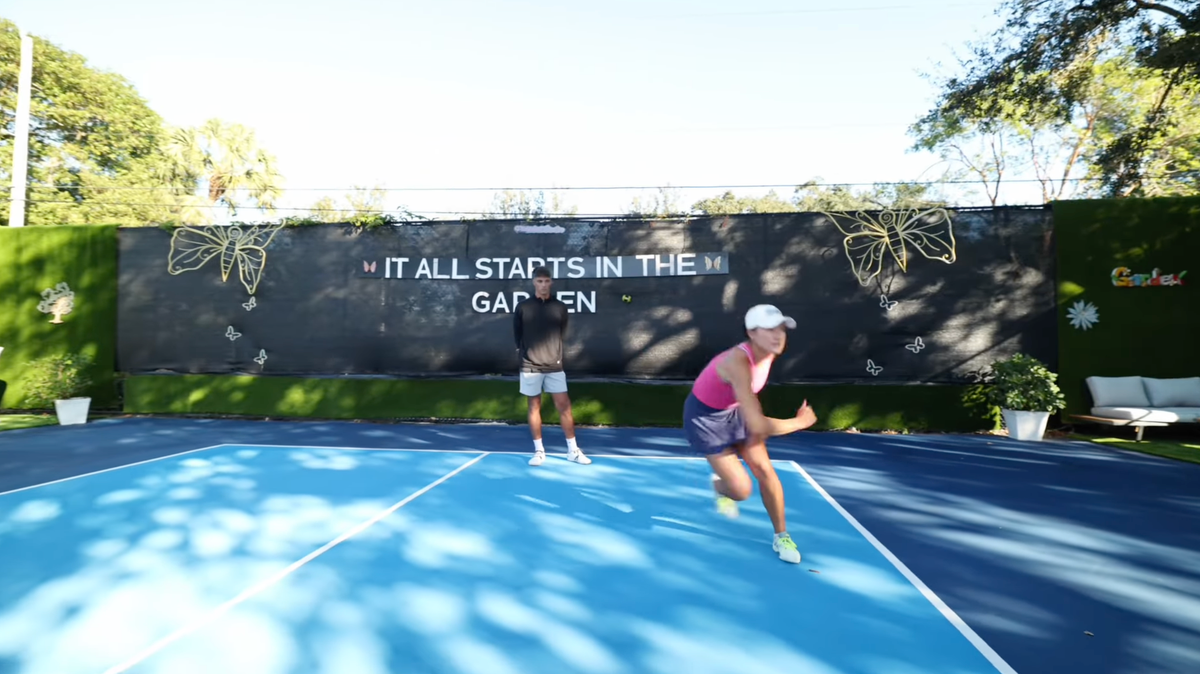
For Anna Bright, this means lifting from her shoulder, using her wrist a lot, and coming in and out with her elbow. She can hit all the targets on the court: up the line, middle, and sharp crosscourt. The shot has topspin, pace, and placement. It's a complete weapon.
The beauty of developing a backhand flick is that it doesn't matter if you started with zero one-handed ability. Bright did, and now she favors her backhand flick over her pulls off the bounce. That's how good it can become with deliberate practice and the right mechanics.
If you feel like you're not making progress, don't give up. Bright went from thinking a flick was anatomically impossible to having one of the best in the women's game. The path is clear: master the shoulder lift, add wrist action, understand your angles, build your forearm strength, and practice relentlessly.
💡
Heads up: hundreds of thousands of pickleballers read our free newsletter. Subscribe here for cutting edge strategy, insider news, pro analysis, the latest product innovations and more.
Frequently Asked Questions
What's the difference between a backhand flick and a backhand roll?
A backhand roll is more shoulder-reliant, with the primary lift coming from your shoulder joint. A backhand flick is almost exclusively wrist-driven. Most players hit something in between, but understanding the distinction helps you develop the right mechanics for your game.
Do I need to be strong to develop a backhand flick?
Forearm strength is important, especially for female players who may not have the same natural strength as men. You don't need a gym, just a light dumbbell and consistent wrist and forearm exercises. Building stability at extension makes a huge difference.
Should I start with the shoulder lift or the wrist action?
Always start with the shoulder lift. This is the foundation. Once you've got that down, you can add wrist action. Trying to develop a backhand flick without mastering shoulder lift first will lead to bad habits and inconsistency.
Why are crosscourt speedups so effective?
Most players avoid going crosscourt, so it catches opponents off guard. If you're playing a right-handed player covering the middle, a crosscourt speedup to their center of mass can jam them up. It's an underutilized weapon that can change your game.
How long does it take to develop a good backhand flick?
There's no set timeline, but Anna Bright emphasizes deliberate practice and understanding the mechanics. Start with shoulder lift, add wrist action, build strength, and practice all your angles. Consistency matters more than speed.
Anuncie Aqui / Advertise Here
Sua marca para o mundo Pickleball! / Your brand for the Pickleball world!


 English (US) ·
  Portuguese (BR) ·