
 English
  Spanish
  Portuguese
  German
  Italian
  Japanese
  French
  Polish
  Russian
  Netherlands
  Hungarian
  Turkish
  Videos
  Thedink Pickleball

This guide breaks down the ready position, the hands, and the drills that turn reflexes test into a routine reset.
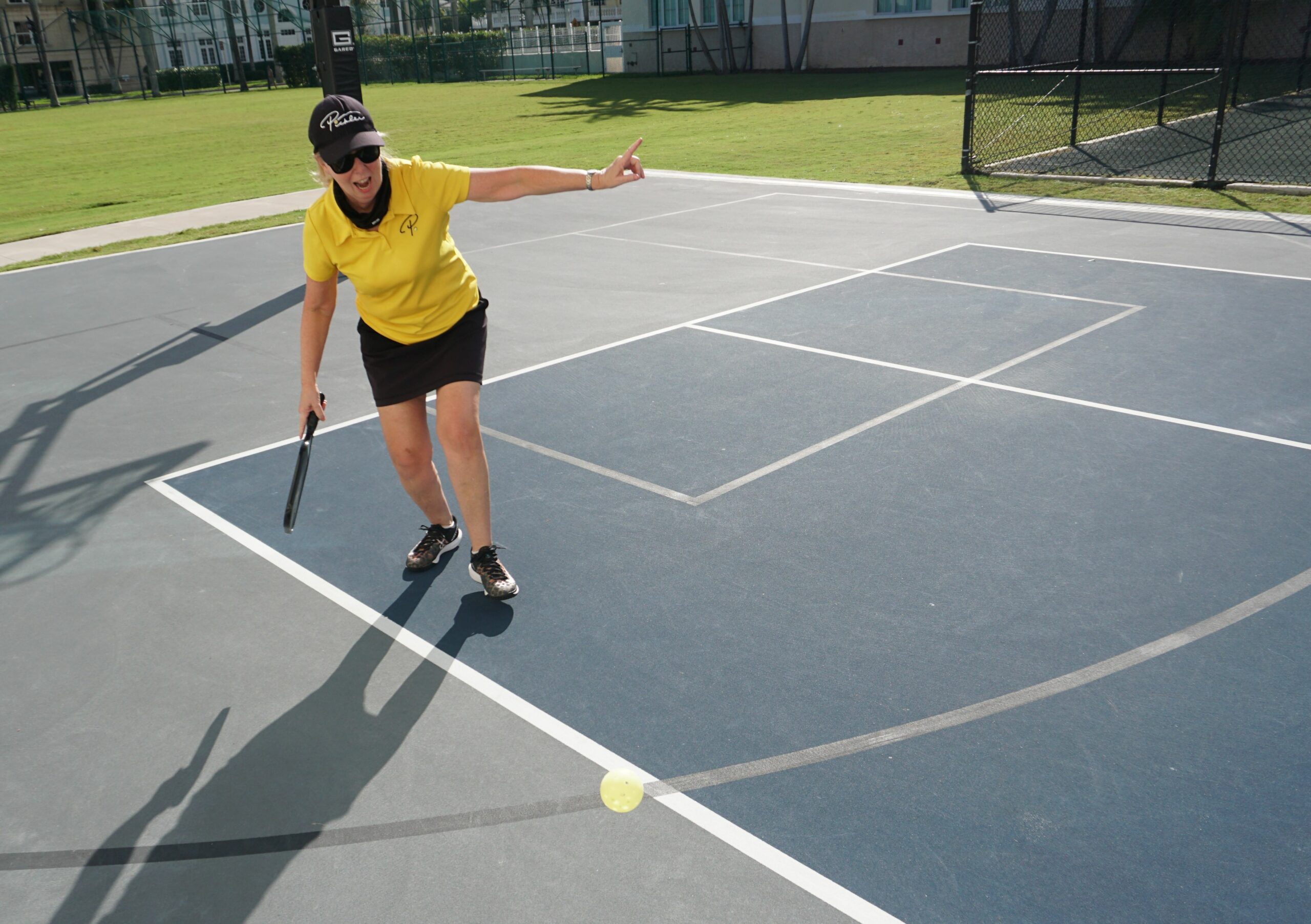
Learning how to handle a soft shot at your feet in pickleball is the difference between staying in the point and eating a forced error.
The ball dies six inches from your shoes, your paddle's already moving the wrong way, and suddenly you're lunging at a shot that should've been routine.That split-second failure happens to 5.0s and total beginners alike.
It's not a skill gap. It's a preparation gap, and it's the same gap that shows up any time a player hasn't drilled a different kind of reset enough times to make it automatic.
Here's the thing: this shot isn't actually hard because of your hands.
7 Fixes for the Most Common 3.5 Pickleball Mistakes
Most 3.5 pickleball players make the same seven mistakes without even knowing it. Fix these and your game will look completely different within weeks.
 The Dink PickleballThe Dink Media Team
It's hard because of timing, stance, and a paddle that's pointed the wrong direction when the ball arrives.
Grip pressure matters here too, starting with whether you have a proper serve grip in the first place. Fix those three things and a ball at your feet stops being scary.
This guide walks through the ready position, the footwork, the drills, and the decision-making that turn panic into a clean reset, block, or aggressive third shot drop.
Love pickleball? Then you'll love our free newsletter. We send the latest news, tips, and highlights for free each week.
What Actually Happens When a Ball Dies at Your Feet?
A ball at your feet is any shot that lands or drops below your knees while you're close to the net, leaving no room for a full backswing.
Think of it as the pickleball version of a bad-hop grounder. You don't get to pick your setup. You react to whatever the court gives you.
This usually happens in one of two spots: right at the non-volley zone line during a dink exchange, or mid-transition when your opponent rips a low drive before your split step finishes.Researchers studying reaction time in racquet sports have found that visual reaction windows for a ball inside 15 feet often fall under half a second, exactly why a big backswing never survives contact.
It's the same reason how to respond to the perfect drop comes down to preparation, not reflexes alone.
Your hands do the work your feet didn't have time for, the same work pros with the fastest hands in the game train daily.
Why Do Most Players Panic When They Have to Handle a Soft Shot at Their Feet in Pickleball?
Most players panic because they try to hit a shot they don't have time for. The instinct is to swing.
The correct move is to shorten everything: backswing, follow-through, grip pressure.
Watch any 3.0 rally and you'll see the same mistake on repeat. The paddle face gets buried under the ball late, the wrist flicks, and the return sails long.
Compare that to a player who resets better under pressure: soft hands, paddle already low. That's not talent. That's a rehearsed habit.
💡
Need some new pickleball gear? Get 20% off select paddles, shoes, and more with code THEDINK at
Midwest Racquet SportsThe Paddle-Down Ready Position Fixes Almost Everything
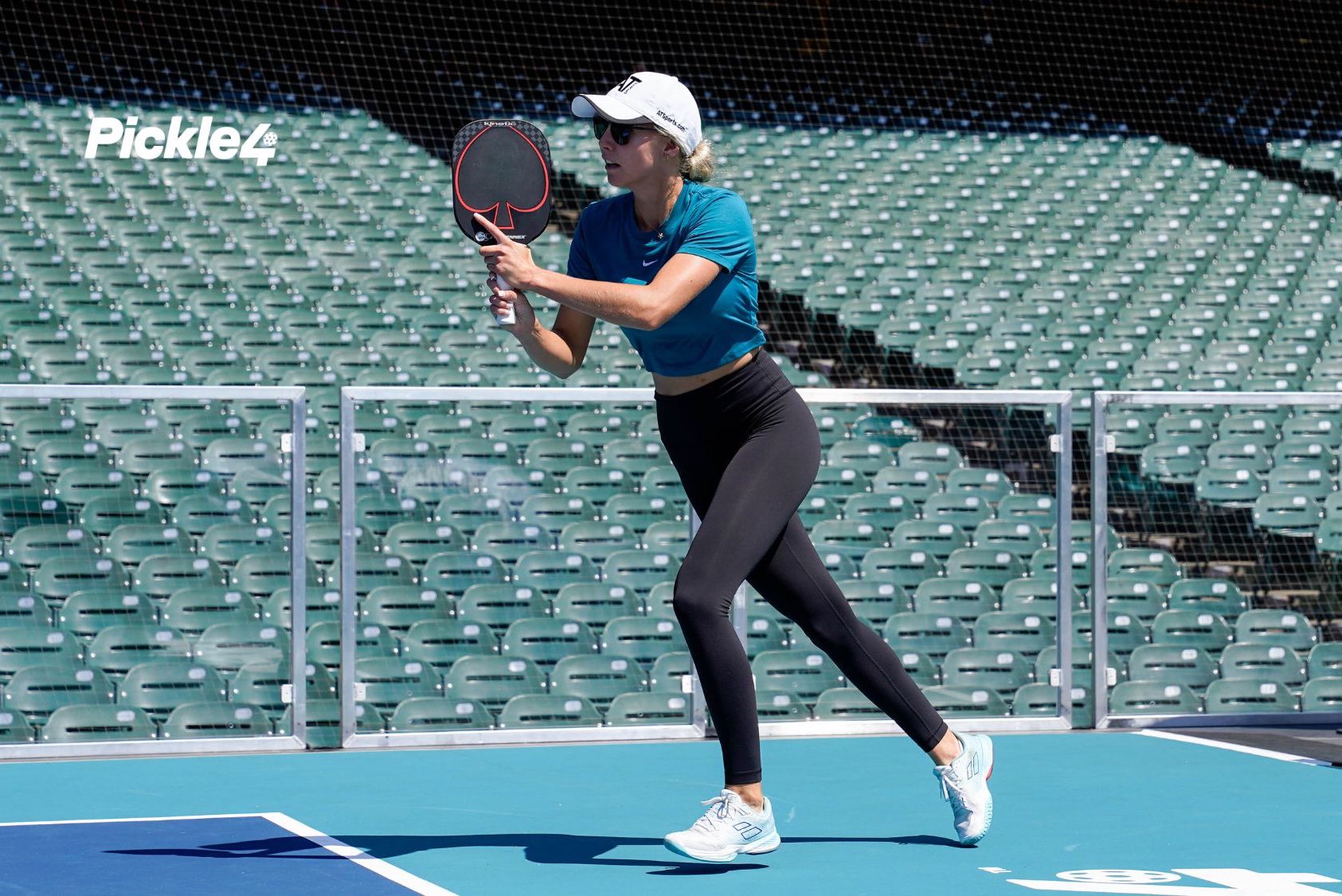
Your paddle should already point at the ground before the ball gets close to your feet.
If it's up at your chest when a low ball arrives, you're starting from behind.
Drop the paddle tip, bend the knees instead of the waist, and let the paddle face open slightly to absorb pace instead of fighting it.
This is the same principle behind a clean backhand volley: the setup happens before contact, not during it.
Players who turn mediocre dinks into winners are usually just better at holding this position a beat longer than everyone else.
How Do You Handle a Soft Shot at Your Feet With Your Feet, Not Just Your Hands?
You handle it with your feet by getting your body under the ball early, not by reaching for it late.
A small shuffle step toward the ball, paired with bent knees, buys your hands an extra tenth of a second.
That's often the entire margin between a clean reset and a paddle-face error.
Footwork drills that emphasize mid-court positioning translate directly here.
If your split step is late, everything downstream gets rushed, including your hands. Fix the feet first.
Master the Kitchen Shot in Pickleball
Most pickleball players struggle at the kitchen because they’re hitting the wrong shot. A pro coach breaks down the four essential kitchen shot techniques you need to know to dominate at the net and start winning more points.
 The Dink PickleballThe Dink Media Team
The Three-Step Technique to Handle a Soft Shot at Your Feet in Pickleball
Here's a repeatable framework for handling a soft shot at your feet, broken into three steps:
- Get low before contact. Bend at the knees, not the back, so your paddle meets the ball at its height instead of scooping upward.
- Soften the grip. A death grip sends the ball flying. A relaxed grip absorbs pace, the same logic behind a clean return block against a hard-hit return.
- Let the paddle face do the work. Open the face slightly and guide the ball, don't swing at it. Think redirect, not power.
This is the definition-style version worth remembering: a reset shot is any softly hit ball designed to neutralize pace and buy your team time to reset court position, rather than attack.
Every one of these three steps exists to produce a clean reset, not a winner, and the same logic behind advanced shot selection and creation applies here: pick the shot the situation gives you, not the one you wish you had.Simple habit-builders like the fridge and toaster drill reinforce the same idea.
Master Your Pickleball Soft Game Like a Pro
Your pickleball soft game might be sabotaging you without you even knowing it. Here’s how to fix it and start winning more points immediately.
 The Dink PickleballThe Dink Media Team
Drills That Train Your Hands to React Without Thinking
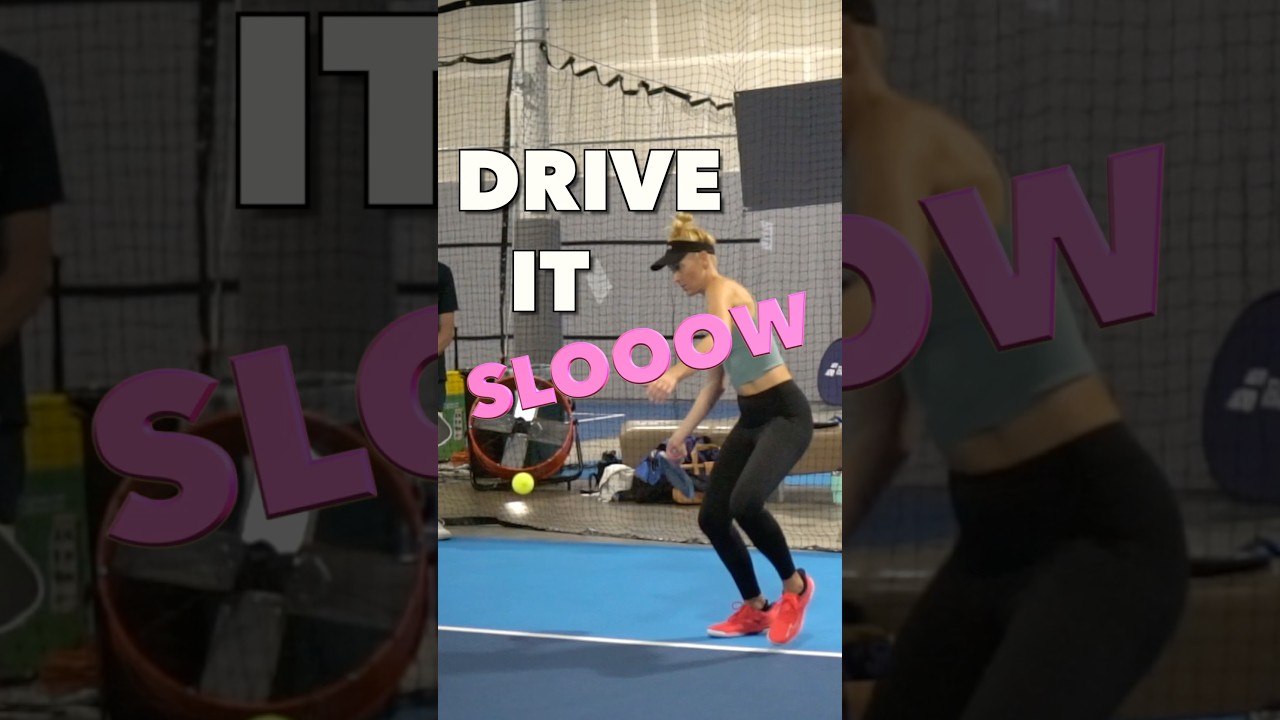
Reflex drills work because they remove decision-making and isolate the habit needed to handle a soft shot at your feet in pickleball without thinking mid-rally.
Three worth adding to a weekly routine:
- Partner feed drill. Have a partner feed low balls at your feet from the kitchen line, alternating pace, while you focus on the paddle-down ready position.
- Wall reps. Rapid-fire low reps against a wall, similar in spirit to the hardest dinking drill in pickleball, build the same fast-hands habit without a full court.
- Figure-8 footwork into a block. Pair the classic figure-8 footwork drill with a partner feeding a low ball at the end, so your feet and hands train together.
If you're working solo, several solo drills built for one player can be adapted with a ball machine or a wall to simulate the same low, fast feed.
5 Pickleball Drills That Will Transform Your Game in 2026
Five simple yet powerful pickleball drills can completely reshape how you play. These mechanics focus on consistency, footwork, and positioning to help you see immediate results on the court.
 The Dink PickleballThe Dink Media Team
When Do You Reset a Ball at Your Feet, and When Do You Attack It?
Reset when the ball is below net height and you're not in an offensive position. Attack when it pops up enough to give you a downward angle.
The height of the ball at contact, not your mood in the moment, should make this call.
This is really just talking transitions in miniature: every low ball is a small transition-zone decision, whether you're at the kitchen line or three feet behind it.
A ball that stays below the tape almost always calls for a soft reset back to the kitchen.
A ball that bounces up an inch above the net opens the door for a firmer, angled response, similar to the choice you'd make on a slower slice dink versus a flatter put-away.
Elite doubles teams live and die by this read, which is also why doubles strategy around the T and sideline so often comes back to who controls the low-ball exchange first.
The Pickleball Reset: The One Skill That Takes You Beyond 3.5
By softening pace, controlling trajectory, and stabilizing through transition, players can use the reset to regain the kitchen and compete with stronger opponents
 The Dink PickleballThe Dink Media Team
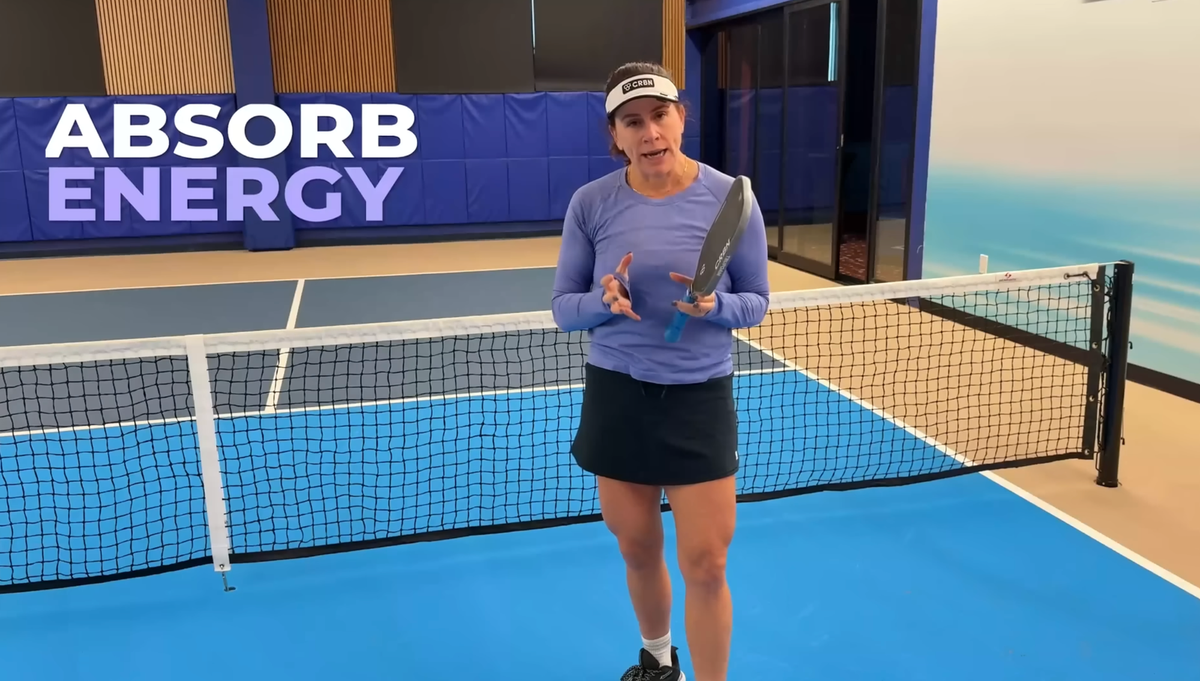
Common Mistakes That Turn a Makeable Reset Into a Free Point
Even solid players blow this shot in predictable ways:
- Swinging instead of blocking. A full swing on a low ball almost always sails long.
- Standing flat-footed. No knee bend means no cushion, and no cushion sends pace straight back at your opponent's feet.
- Watching the ball too late. Late tracking forces a rushed lunge instead of a controlled setup, the same issue covered in drop it when it comes to tracking the ball off the paddle.
- Ignoring the transition zone. Getting caught mid-court with a low ball at your feet is a court coverage problem as much as a hands problem.
Honestly, most of these mistakes trace back to one root cause: rushing.
Slow the moment down, even by a fraction of a second, and the technique takes care of itself.
That habit alone separates players stuck around 3.5 from the ones pushing into 4.0, since learning to handle a soft shot at your feet in pickleball under real pressure is one of the clearest skill gaps USA Pickleball's rating criteria track.
Newer players should start with the fundamentals covered in 3 tips every beginner needs to know before layering in reflex work, and anyone still shaky on basic return technique should shore that up first since a bad return often sets up the exact low-ball scramble this article is solving.The 6-Second Mental Reset for Getting Past a Bad Pickleball Mistake
You miss a shot. You’re frustrated or angry. You’ve got about 6 to 8 seconds to assess what went wrong and get over it before the next point starts.
 The Dink PickleballThe Dink Media Team
Key Takeaways
- Learning to handle a soft shot at your feet in pickleball is a timing problem first and a hands problem second.
- Keep your paddle down and your knees bent before the ball arrives, not after.
- Soften your grip to absorb pace instead of fighting it with a full swing.
- Reset low balls below net height, attack anything that pops up, and treat every one as a small pressure zone test rather than a throwaway shot.
- Drill this shot deliberately with partner feeds, wall reps, and footwork patterns.
💡
Heads up: hundreds of thousands of pickleballers read our free newsletter.
Subscribe herefor cutting edge strategy, insider news, pro analysis, the latest product innovations and more.
Frequently Asked Questions
What is the best way to handle a soft shot at your feet in pickleball?
The best way to handle a soft shot at your feet in pickleball is to get your paddle down early, bend your knees, and soften your grip so the paddle absorbs pace instead of swinging through it. A short, controlled block or reset almost always beats a full swing on a low ball, the same discipline taught in any solid backhand clinic.
Why does a ball at my feet feel so much harder than a normal dink?
It feels harder because you have less time to react and less room for a full swing. The ball is close, low, and fast, which removes the setup time of a normal dink exchange.
Should I always reset a ball that lands at my feet?
Not always. Reset when the ball stays below net height, since you lack an angle to attack. If the ball pops up, you often have enough of a window to redirect it, assuming you're not fighting sweaty grip issues at the same time.
What's a quick drill to get better at this shot?
Have someone feed low balls at your feet from the kitchen line while you keep paddle down and grip soft. Repeat for five to ten minutes to build the reflex fast.
Is this shot more about hands or footwork?
It's both, but footwork usually matters more than players think. Getting your body under the ball early with a small shuffle step gives your hands the extra fraction of a second they need to make clean contact instead of lunging, the same principle behind why your non-dominant hand matters more than you'd guess for balance and recovery.
Anuncie Aqui / Advertise Here
Sua marca para o mundo Pickleball! / Your brand for the Pickleball world!




 English (US) ·
  Portuguese (BR) ·