
 English
  Spanish
  Portuguese
  German
  Italian
  Japanese
  French
  Polish
  Russian
  Netherlands
  Hungarian
  Turkish
  Videos
  Thedink Pickleball

Most pickleball players treat every shot the same way, which is why difficult shots feel impossible.
A difficult shot in pickleball requires a completely different approach than a standard volley or dink.
Here are the four most difficult shots in pickleball, ones you'll see game in and game out, and how to successfully navigate each one.
Love pickleball? Then you'll love our free newsletter. We send the latest news, tips, and highlights for free each week.
1. The Body Shot: Block, Don't Swing
The body shot is designed to jam you. It's meant to make you uncomfortable and take away your swing space.
Most players go wrong because they either flinch or pop the ball up.
They try to take a full swing when there's no room for one.
Here's the thing: when a body shot comes at you, your job isn't to hit it. Your job is to block it.
Think "block," not "hit." You're jammed. You have no room. All you need to do is get the ball back.
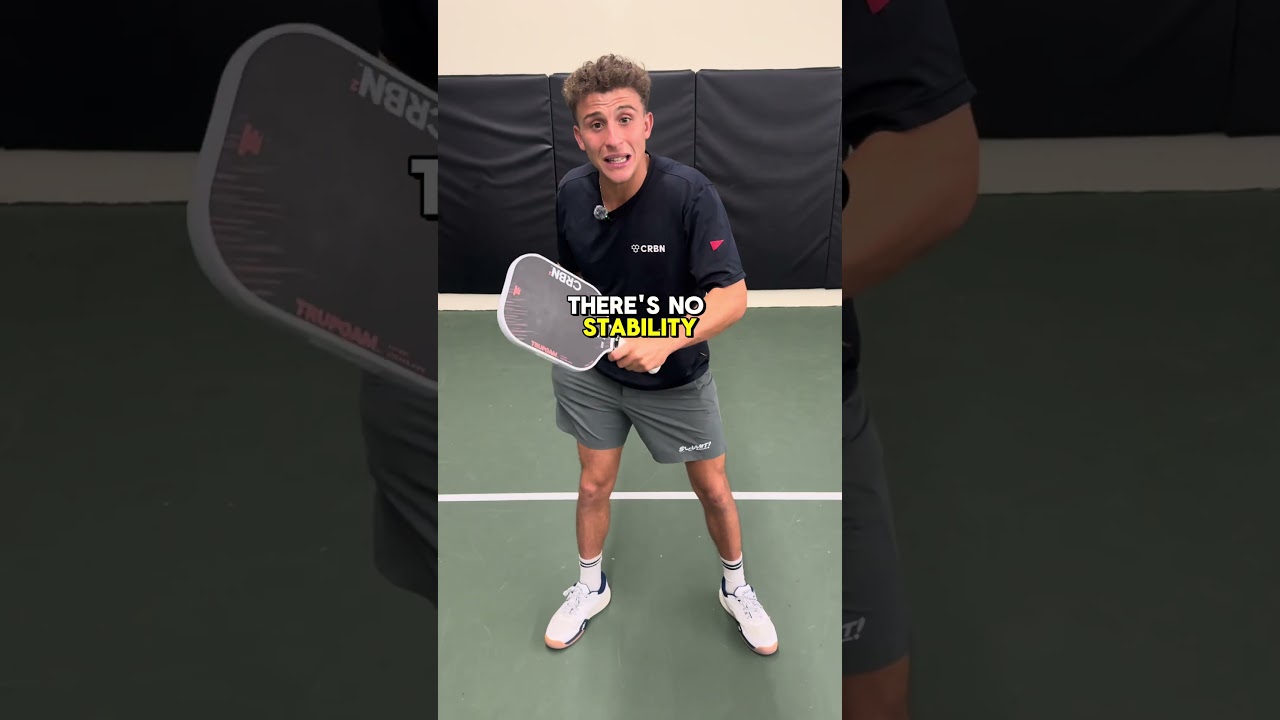
Keep your paddle out in front, maintain a wide stance, and lean forward.
Always take it as a backhand. You're not trying to generate pace. You're absorbing your opponent's pace and pushing it back.
The motion is simple: start with your paddle in front of you, then hold it steady.No big swing. No forehand attempt. Just a controlled deflection.
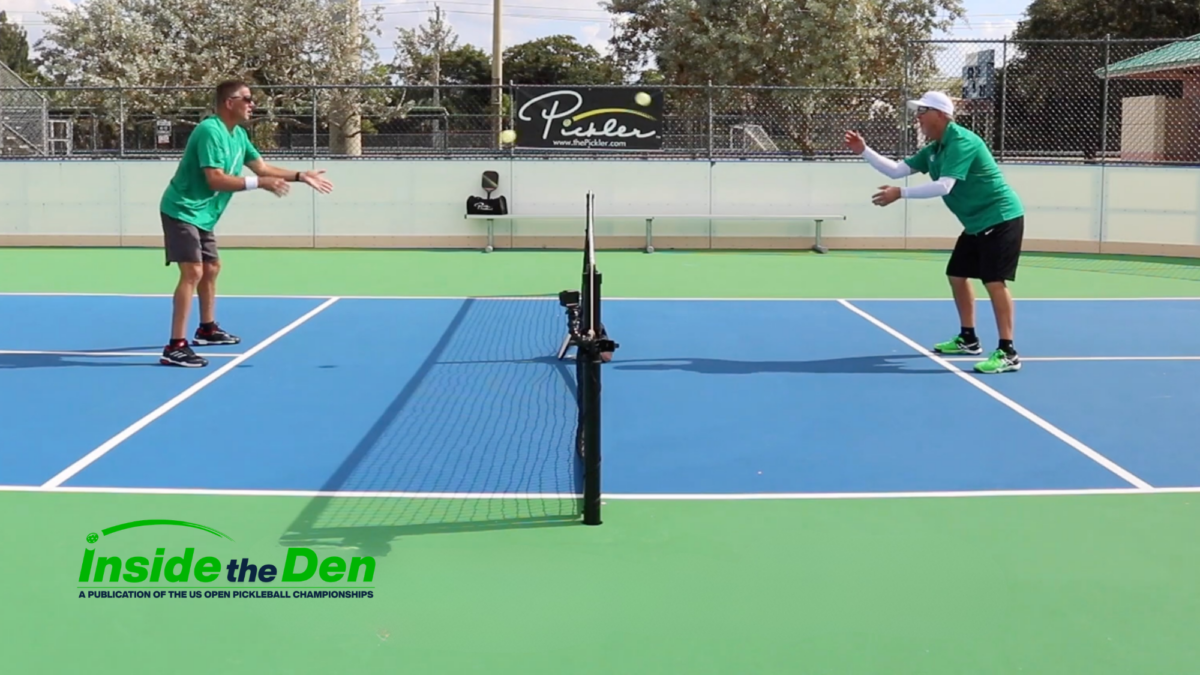
To drill this, grab a partner and have them stand at the kitchen line hitting balls directly at your body.
Start slow. Once you're comfortable, increase the pace using the 12 drills you need to play your best pickleball in 2026.
The goal is to make blocking automatic so that when a speed-up comes at you in a match, you don't panic.
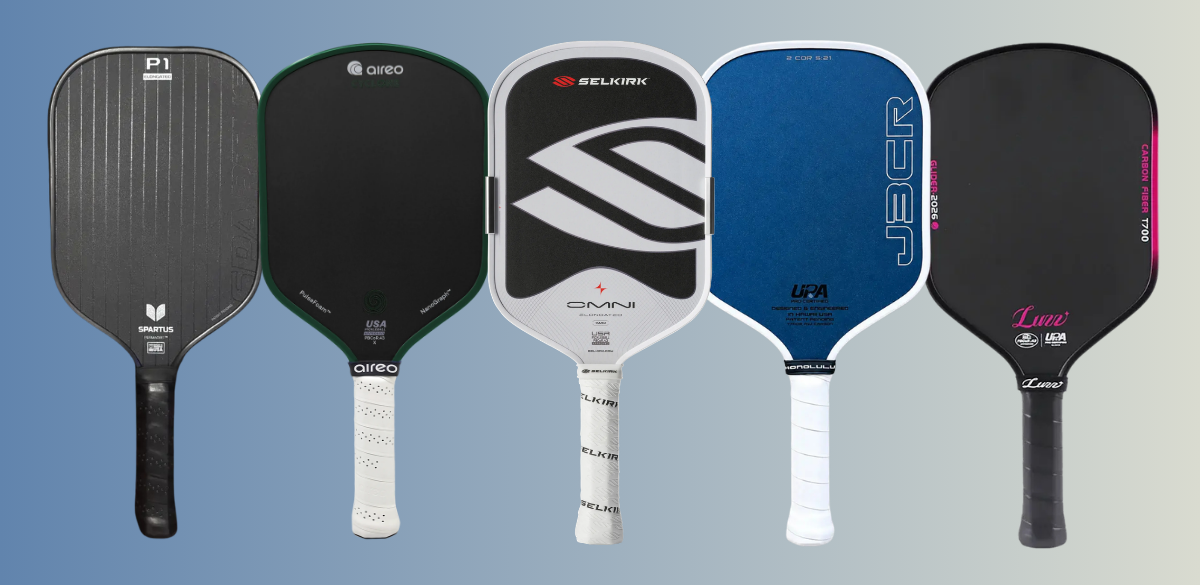
5 Poppy New Paddles That Will Prevail in Any Firefight
Power is great for heavy serves and baseline drives. But for those lightning-fast kitchen firefights, it’s pop you seek. These new paddles do it best.
 The Dink PickleballAlex E. Weaver
2. Difficult Shots in Pickleball: Balls at Your Feet
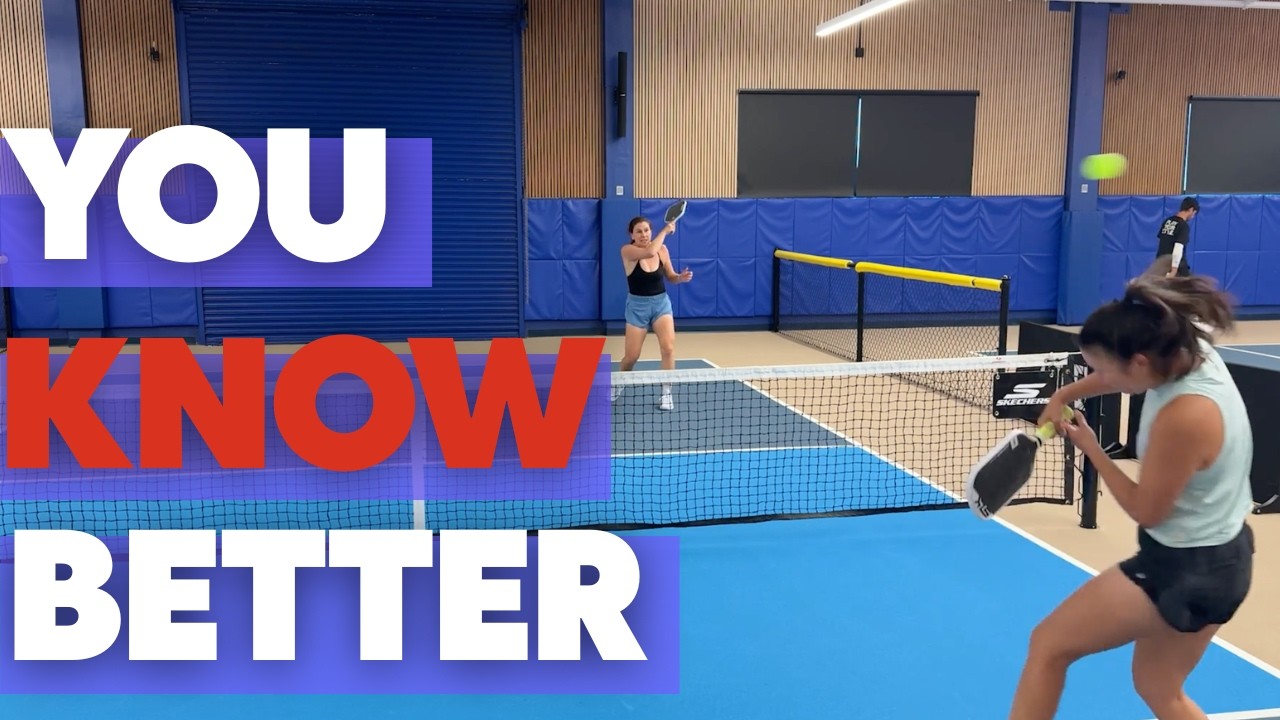
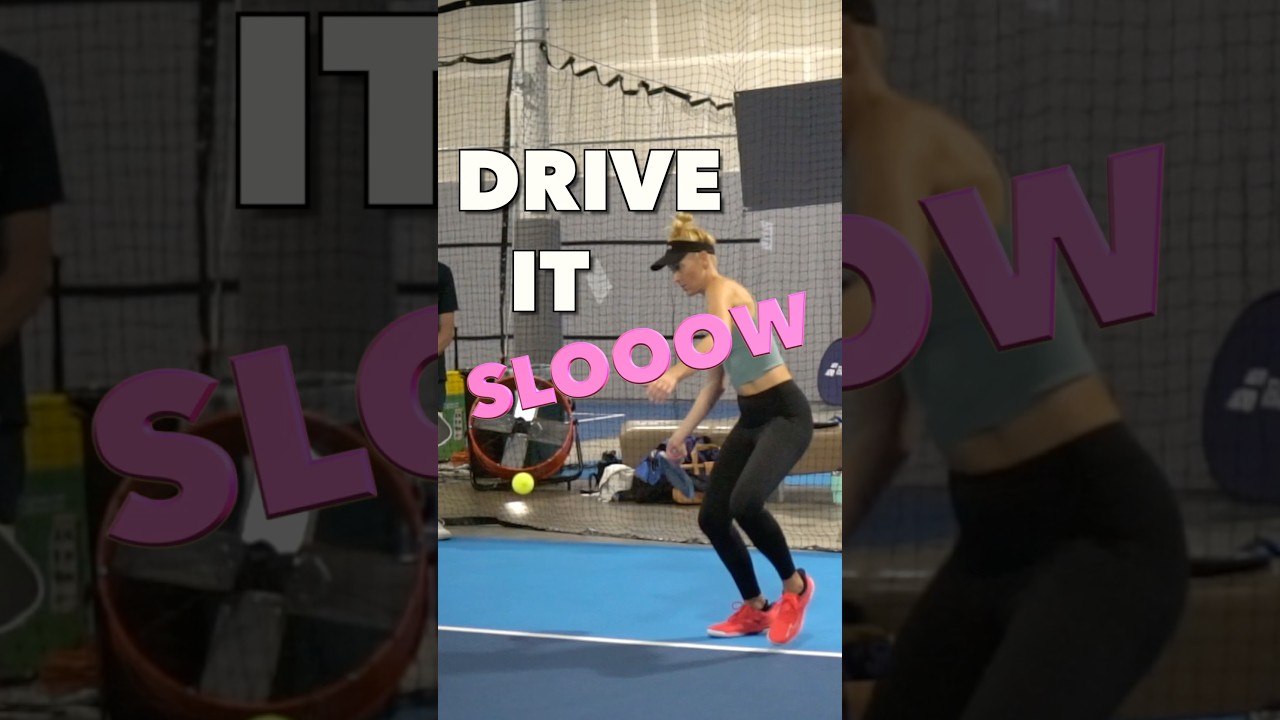
A ball at your feet is even trickier than a body shot. This is where most players pop the ball up and lose the point.
The problem? They bend at the waist instead of getting into their legs.
When you bend at the waist, the paddle goes down and the ball goes up. That's the opposite of what you want.
Instead, you need to drop into your legs like you're doing a squat.
Get low. Stay low. Push forward.There are two common mistakes here. First, players reach for the ball instead of moving their feet to it. Second, they make contact too close to their body.
You need to get out in front.
If you're at the kitchen, you can't move forward much, so you'll stay down and push the ball forward from a low position.
If you're in transition (moving from the baseline to the kitchen), you need to stop your body, set your legs, and hold your paddle down.
Don't run through the ball. Don't bend at the waist. Stop, squat, and absorb.
This is one of the most physically demanding adjustments in the game, and it's one that separates 4.0 players from 5.0 players.Understanding how to break 5.0 with the 5 pickleball shots you must master before 2026 starts with getting low on these tough balls.
Here's a drill: have your partner aim balls at your feet. Your job is to never let the ball bounce. Take it out of the air every time.
If your legs aren't sore after this drill, you're not getting low enough.
Impulse Control in Pickleball: 7 Costly Mistakes
Impulse control in pickleball isn’t about mechanics—it’s about decision-making. Coach Jess reveals the seven worst impulses that feel justified in the moment but are quietly costing you matches
 The Dink PickleballThe Dink Media Team
Most players think shot problems are about the swing. They're not. They're about your feet.
When your feet are wrong, every other adjustment becomes a compensation.The players who handle the toughest balls consistently are always the ones who move first and swing second.
Building a simple 4-step system to win more pickleball games in 2026 depends almost entirely on this principle.
💡
Need some new pickleball gear? Get 20% off select paddles, shoes, and more with code THEDINK at
Midwest Racquet Sports3. Out Wide Shots: Move Your Feet, Then Recover
Out wide shots are dangerous because players reach instead of moving.
They also forget to recover after hitting, which leaves them vulnerable to a pass down the middle.
The rule is simple: feet first, hands second.
Never lean and reach. Get your body to the ball. Move your feet. Take as many steps as possible. Then hit.But here's where most players fail: they hit the ball and just stand there. They don't recover back to the middle.
This is a huge mistake. After you hit an out wide shot, you must get back to the middle of the court.
US Senior Pickleball: The Only Tour Built by Seniors for Seniors
Everything you need to know about US Senior Pickleball, how to get involved, and why this year’s National Championship will be their biggest one yet
 The Dink PickleballAlex E. Weaver

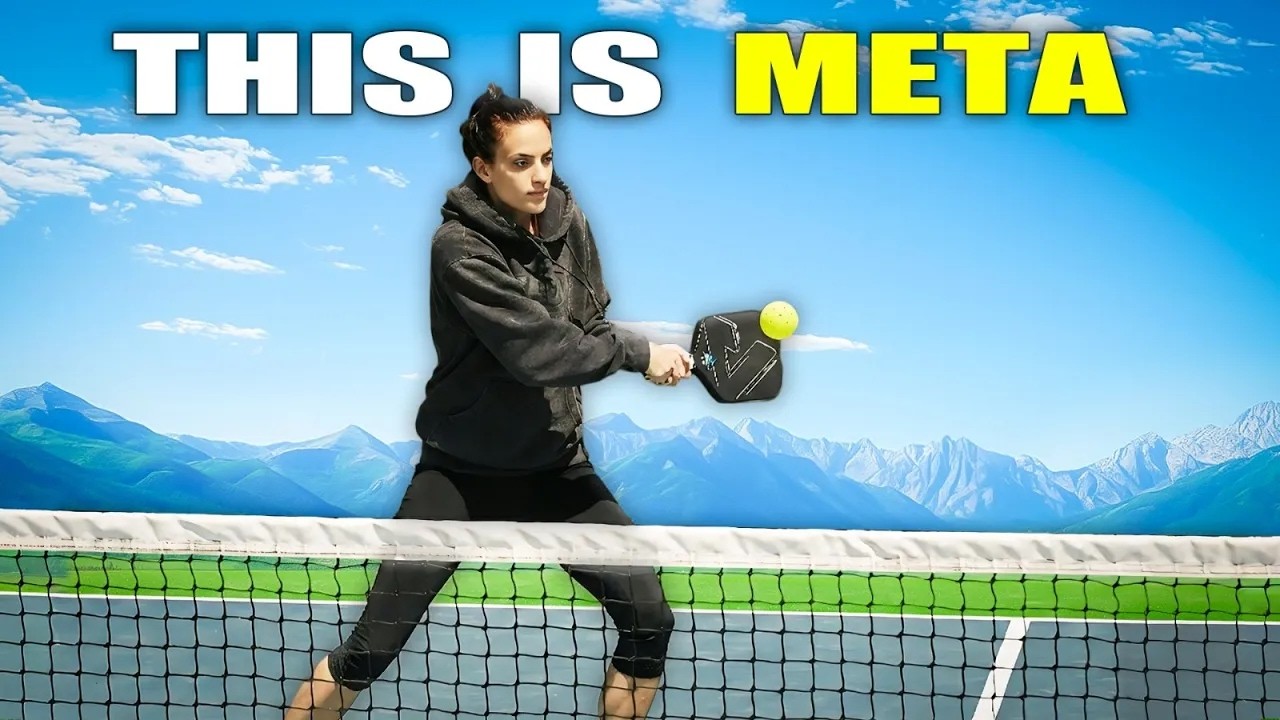
One of the best tips Tyler shares is to finish on one foot, not both.
If you finish with your weight split 50/50, it's hard to push back.If you finish with your weight on your outside leg, you can push back to the middle easily.
Hit, hold your finish, then recover.
Another key point: when you're at the baseline and the ball goes out wide, don't go out to the ball.
Go up and out. Cut the angle.The fastest way between two points is diagonal. This gets you to the ball faster and lets you take it earlier, before it kicks up or slices.
Handling the toughest pickleball shots at the baseline comes down to this exact kind of positional thinking.
The modern pickleball strategies to winning in 2026 all emphasize court positioning as the foundation.
A great drill is to dink out wide with your partner and always recover back to the middle.
Go out wide, recover. Go out wide, recover. Every single time.This builds the habit so that in matches, you're already moving back before you even think about it.
Why professional pickleball players abandoned the slice shot in 2025 comes down to this same problem: they weren't recovering fast enough after hitting it out wide.
6 Pickleball Shots Shaping the Future of the Game
The pickleball shot landscape is evolving fast, and the players who master these six techniques will have a serious competitive advantage. From the two-handed backhand to the off-the-bounce combo, here’s what you need to know to stay ahead in 2026.
 The Dink PickleballThe Dink Media Team
This is a small technical detail with a massive payoff. If you finish on two feet, you're stuck.
If you finish on your outside leg, you have a launchpad back to the middle.
Practice this in every wide-ball drill until it becomes automatic.Your opponents will stop targeting the sideline once they realize it's not working.
The 6 essential pickleball shots to master for 2026 all reinforce this same movement principle.
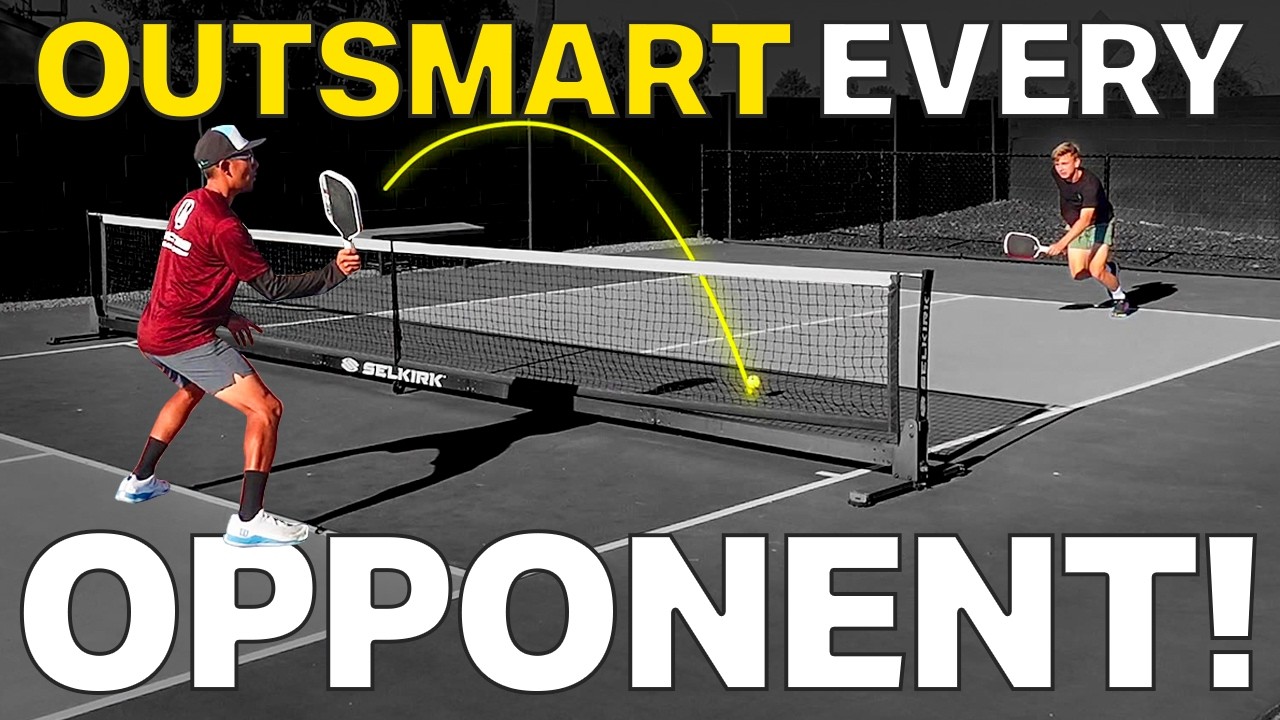
Three Pickleball Shots Every Recreational Player Must Learn
The lob handles defense, the drop volley finishes points with touch, and the ATP gives you an escape route when you’re in trouble.
 The Dink PickleballThe Dink Media Team
4. The Overhead: Turn Sideways, Not Backward
The overhead is the shot that separates players who come from other racket sports from those who don't.
The biggest mistake? Moving backward while facing forward instead of turning sideways.
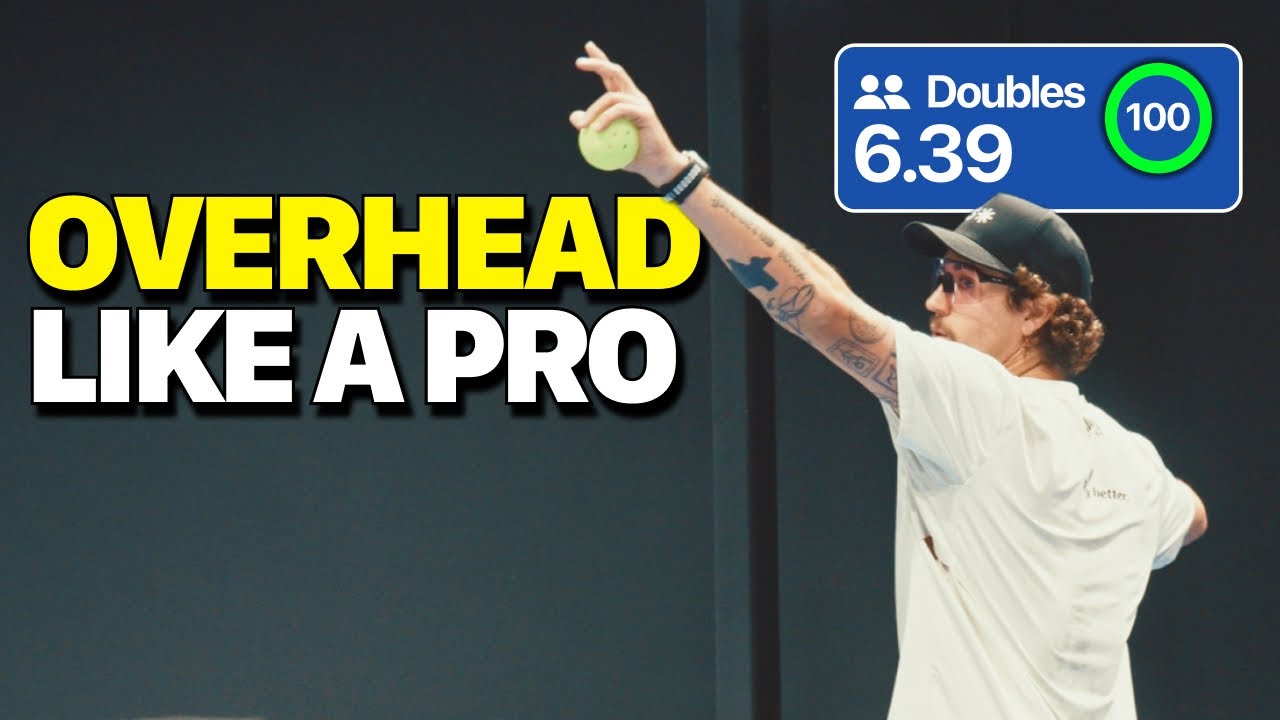
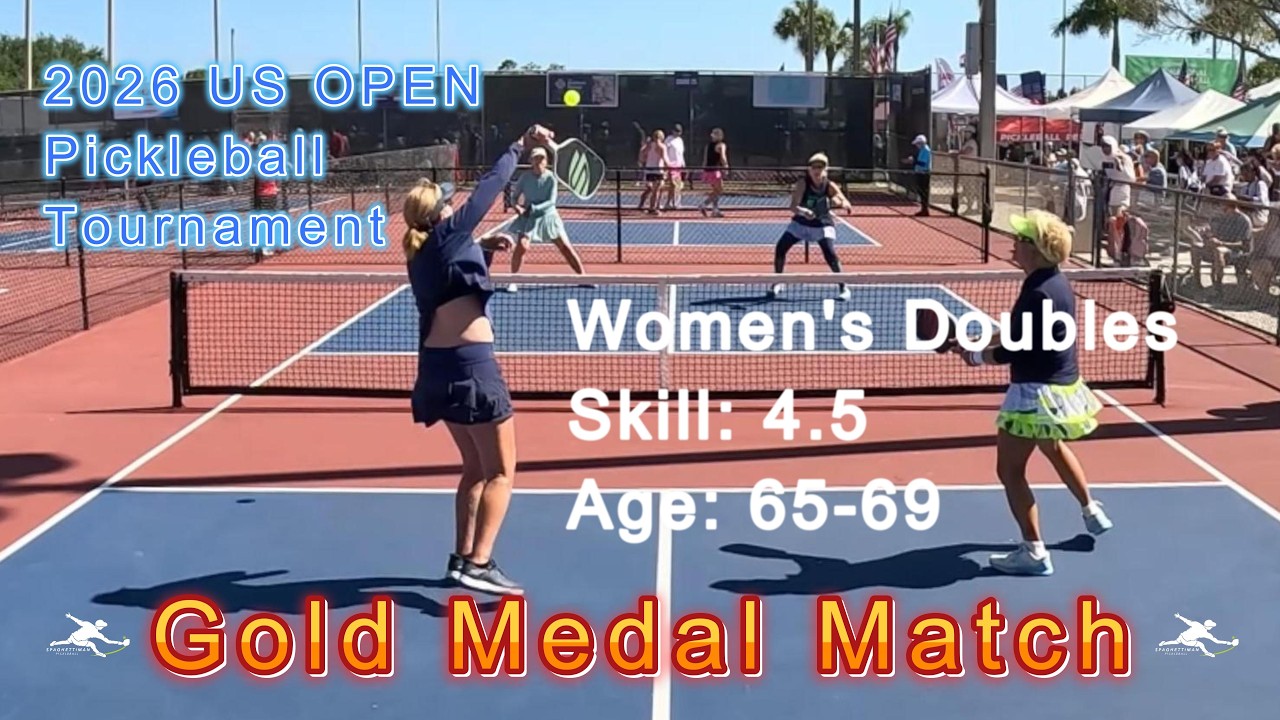
If you go back facing forward, you'll miss your overhead. You need to turn sideways as soon as you see the ball go up. Then shuffle back. Keep your paddle up.
The proper position feels like you're elbowing someone behind you and then combing your hair.Hold the paddle with a continental grip, elbow back, and brush the paddle on top of your head. This is the same motion as throwing a baseball or tennis serve.
To check if you're in the right position, tap the center of your paddle on the top of your head. If you can do that, you're good to go.
Here's the progression:
- First, have someone lob you the ball. Turn sideways, tap your head, and catch it.
- Second, do the same thing but stop at contact instead of catching.
- Third, do the full shot. Work through these three steps and your overhead will improve dramatically.
One more thing: if you're struggling with overheads, hit them at 50% pace instead of 100%. The further back you are, the harder the shot becomes.
Pro-Proven Tips for Defending a Heavy Overhead Smash
A simple pickleball defensive tip can transform how you handle aggressive smashes from your opponents. Using two hands instead of one gives you the stability needed to defend baseline attacks effectively.
 The Dink PickleballThe Dink Media Team
Slowing down your pace actually makes you more likely to make the shot. Once you show your opponent you can hit overheads, they'll stop lobbing you.
Also, warm up your shoulder before you play. Too many players hit their first overhead in a match after not hitting one for weeks.
That's a recipe for injury. Do some figure-eight motions with your paddle to warm up your arm and shoulder.
Shoulder health is one of the most overlooked parts of pickleball performance.Pickleball drills that include overhead reps consistently are the best way to build that muscle memory safely.
Overhead Drills: The Three-Step System for a Difficult Shot in Pickleball
Don't jump straight to full overhead reps. Build the shot in stages. Catch first. Stop at contact second. Finish the swing third.
This progression works because it isolates the hardest part of the shot: the turn.Most players rush past the setup and never actually build the correct movement pattern.
Getting comfortable with continental grip in pickleball is what makes this shot feel natural instead of forced.
Use This 3-Part Motion to Master Overhead Smashes in Pickleball
Separate your elbow and load up on your shoulder; reach toward the ball; follow through all the way toward the ground. But before all that: footwork.
 The Dink PickleballThe Dink Media Team
Why This Matters: The System, Not the Swing
The common thread through all four shots is this: difficult shots in pickleball require different systems, not just different swings.
You can't approach a body shot like a normal volley. You can't handle a ball at your feet like a dink. You can't hit an overhead like a forehand.
Once you understand that each difficult shot has its own technique, your game changes.
You stop trying to force the same swing onto every situation. You start adapting. You start winning more points.
The players who struggle with these shots aren't less athletic.
They're just trying to hit every ball the same way.The players who master these shots understand that pickleball is a game of systems and adjustments.
That's exactly the mindset behind modern pickleball: the four key strategies to winning in 2026.
And it's why the 6 essential pickleball shots to master for 2026 keep coming back to situational awareness over raw athleticism.
Want to level up even faster? Start with the 12 drills you need to play your best pickleball in 2026 and build these patterns before your next match.
💡
Heads up: hundreds of thousands of pickleballers read our free newsletter.
Subscribe herefor cutting edge strategy, insider news, pro analysis, the latest product innovations and more.
Frequently Asked Questions
What Makes a Difficult Shot in Pickleball Different from a Standard Shot?
A difficult shot in pickleball forces you out of your normal swing pattern and demands a situational response. Body shots jam you, feet balls require a squat rather than a reach, wide shots demand recovery footwork, and overheads require a full sideways turn. Each one has its own system, and treating them like normal volleys is the fastest way to lose the point.
What's the Difference Between a Body Shot and a Regular Volley?
A body shot comes directly at your torso and jams you, leaving no room for a full swing. A regular volley gives you space to take a normal swing. With a body shot, you block instead of swing: you're absorbing your opponent's pace and redirecting it, not creating your own.
Why Do I Keep Popping Balls Up When They're at My Feet?
You're likely bending at the waist instead of dropping into your legs. When you bend at the waist, your paddle angle points down, which sends the ball up. Drop into a squat position instead, get low, and push the ball forward from that stable base.
Should I Always Hit Overheads at Full Power?
No. If you're out of position or struggling with the shot, hit it at 50% pace. The further back you are from the net, the harder the shot becomes, and slowing down your pace increases your chances of staying in the point.
What's the Best Way to Practice These Difficult Shots?
Drill each one separately with a partner and build the reps before going game speed. For body shots, have them aim at your torso. For feet balls, have them target your shoes. For out wide shots, dink wide and always recover to center. For overheads, work the three-step progression: catch, stop at contact, then finish the full swing.
Anuncie Aqui / Advertise Here
Sua marca para o mundo Pickleball! / Your brand for the Pickleball world!




 English (US) ·
  Portuguese (BR) ·