
 English
  Spanish
  Portuguese
  German
  Italian
  Japanese
  French
  Polish
  Russian
  Netherlands
  Hungarian
  Turkish
  Videos
  Thedink Pickleball

Knowing how to hit a high serve in pickleball gives you a legal, deep weapon most players never bother practicing. This guide breaks down the grip, the toss, and exactly when to pull it out in a match.
How to hit a high serve in pickleball comes down to one simple trade: you give up pace for depth, and depth wins you more points than speed ever will.
Most rec players never learn this shot.
They serve flat, they serve fast, and they wonder why their opponent is camped at the kitchen line before the ball even lands.Most serve strategy talk focuses on weaponizing the pickleball serve through pace alone, and that's the exact blind spot this shot exploits.
Love pickleball? Then you'll love our free newsletter. We send the latest news, tips, and highlights for free each week.
What Even Is a High Serve, Anyway?
A high serve is a legal underhand serve hit with extra arc and a longer flight path, designed to land deep in the service box rather than skid low and fast off the bounce.
Think of it as the pickleball version of a moon ball.
It's not about power. It's about time, depth, and forcing your opponent into an awkward, high-bouncing return.
Learning how to hit a high serve in pickleball also means rethinking where you stand to hit it from.
Plenty of players already experiment with serving from different spots near the kitchen line, and depth is just another variable in that same toolbox.
Here's the thing about a high serve: it's not a trick shot or a gimmick.
It's built directly into USA Pickleball's legal serve rules, which only require that contact happen below the waist and that the paddle head stay below the wrist at contact.
Nothing in the rulebook caps how high you can arc the ball afterward. That loophole, if you can even call it that, is what makes the shot legal and effective.Compare that to a standard low, flat serve, which prioritizes speed over placement.
A 2021 study tracking Zane Navratil's serve patterns, documented in shot-tracking research on ResearchGate, found that pros already vary depth and trajectory deliberately, not just pace, which tells you something about where the meta is headed.
Why Bother Learning How to Hit a High Serve in Pickleball?
The short answer: depth beats speed at the rec and mid-level tournament game.
A high, deep serve pushes your opponent's return contact point back near the baseline, buying you extra time to close in and set up court position.
Here's the catch. A flat, hard serve that lands short is a gift. Your opponent steps in, takes it early, and rips a return that has you scrambling.A high serve that lands deep does the opposite. It forces a defensive return, and defensive returns are exactly what turn into easy third shots for you.
There's a fitness and biomechanics angle here too.
Research on shoulder loading in underhand serve motions suggests a controlled, higher-arc serve places less repetitive strain on the shoulder than max-effort flat serves hit over and over during a long tournament day.
Saving effort here also leaves more in the tank to make your third shot spicy later in the point.
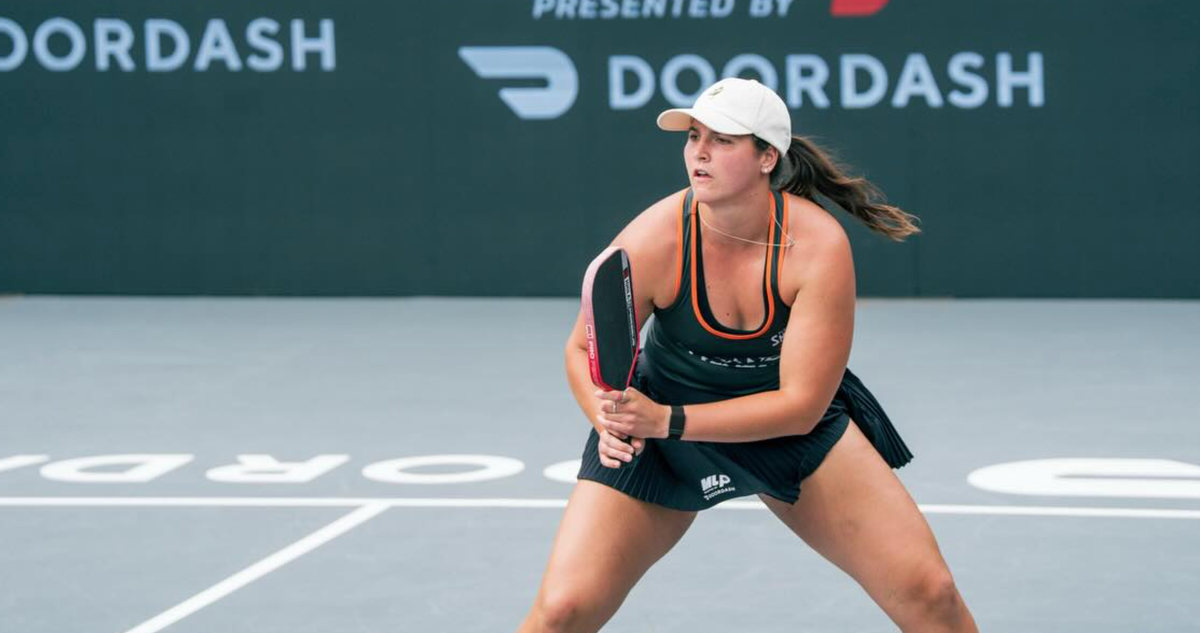
The Best Pickleball Players Aren’t Following the Rules Anymore
Modern pickleball isn’t won by coloring inside the lines. More and more, the most successful players are also the most creative.
 The Dink PickleballZoey Weil
When the High Serve Backfires
It's not automatic. A high serve with no depth is just a lob you're handing to your opponent to crush.
If your toss or drop is inconsistent, you'll either sail it long or leave it short in no man's land.This shot rewards precision over power, and it punishes players who rush the motion.
A short, high serve also gives your opponent extra time to get comfortable, the same way poor court positioning at the kitchen hands away easy points later in the rally.
💡
Need some new pickleball gear? Get 20% off select paddles, shoes, and more with code THEDINK at
Midwest Racquet SportsStart simple.
The direct answer is this: use a continental grip, a slightly higher and softer ball drop, and an extended follow through that finishes above shoulder height instead of out flat.That's the whole mechanical shift from a standard serve.
If you're still dialing in your basic serve grip, start there first. A high serve is a variation on a solid fundamental motion, not a separate skill built from scratch.
How to Hit a High Serve in Pickleball From the Setup Position
Your stance stays the same as any legal serve: paddle-side foot back, weight loaded, ball dropped rather than tossed if you're using a drop serve.
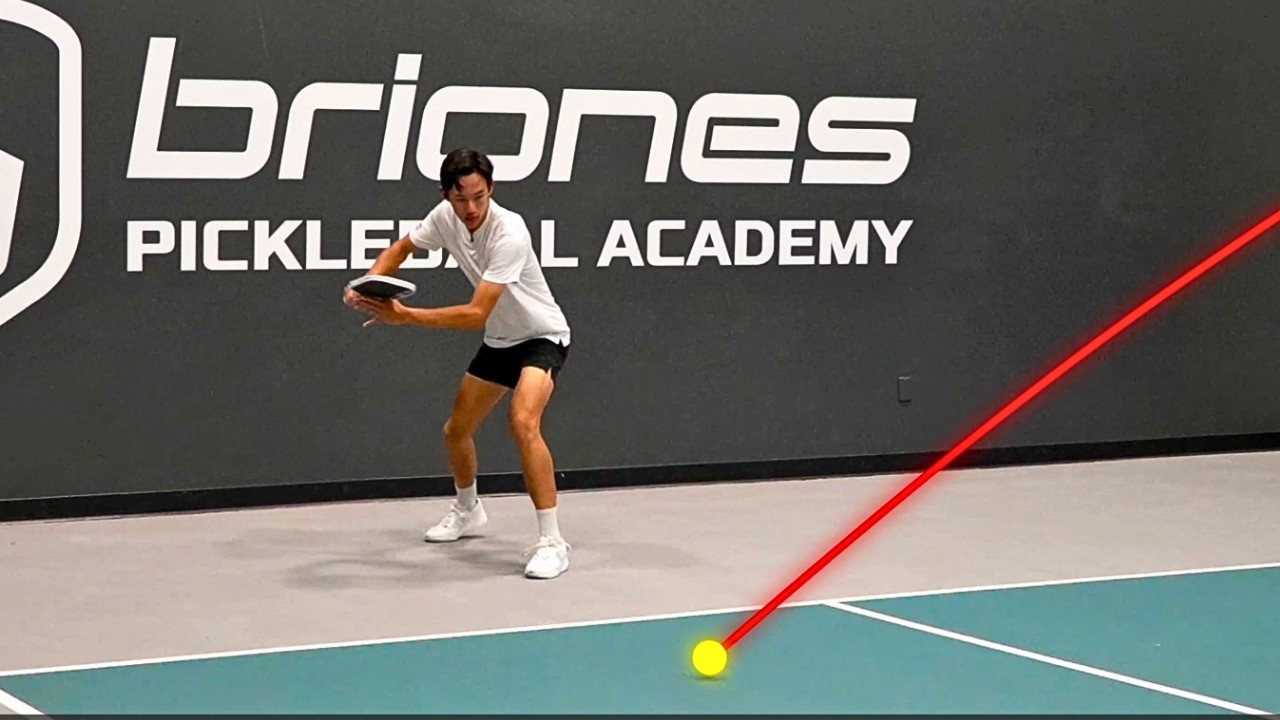
The difference shows up at contact. Open your paddle face slightly and swing on a steeper upward path.
You're not swinging harder, just on a different plane, similar to dialing back pace to control backspin on other shots.
A few cues that help:
- Drop the ball slightly further from your body to give yourself room for a longer, arcing swing path
- Contact the ball a touch later in your swing, closer to full extension, to naturally lift trajectory
- Finish high, with your paddle face pointing up and toward the target, not out flat
This isn't wildly different from how a drive shot generates lift through contact point and follow through. Same principle, different context.
The One Drill for How to Hit a High Serve in Pickleball
Set up a target zone using two cones or towels about two feet inside the baseline, in both back corners.
Hit twenty serves, alternating corners, and track how many land in that deep zone with real arc rather than a flat trajectory.
Most players are shocked how many they miss long on the first try. That's the calibration process working exactly as it should.
No practice partner? No problem. Plenty of solo drills built for exactly this kind of repetition work don't require anyone else on the court.
Learning how to hit a high serve in pickleball on your own schedule just means logging the reps.
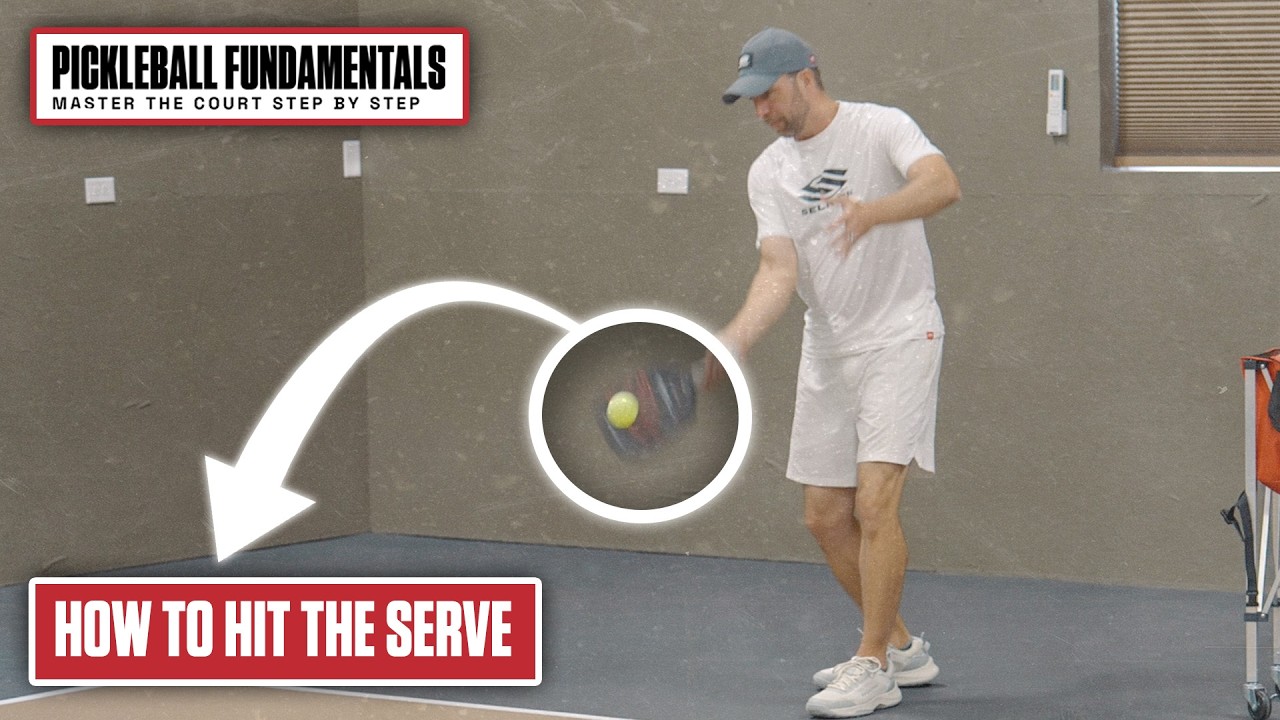
Perfect the Pickleball Serve: Rules, Technique & Strategy
A great pickleball serve is about more than just getting the ball over the net—it’s about applying pressure from the very first shot. Master the official rules, stance, and strategy to win more points.
 The Dink PickleballThe Dink Media Team
When Should You Actually Use It?
Use it when your opponent has a weak or impatient return of serve, when they're already deep and comfortable taking low, hard serves early, or when you need a change of pace to break their rhythm mid-match.
A well-timed return of serve depends heavily on anticipating pace and depth. Disrupt one of those and you disrupt both.Situational play matters more than the shot itself.
If you're facing a returner who loves stepping in and driving the return, a deep, high serve takes away their timing entirely.
If you're facing someone with a huge reach and a great overhead, maybe skip it.
Every shot in this sport is about court positioning and reading your opponent as much as it's about mechanics.
In doubles specifically, serve placement ties directly into your team's sideline and T positioning after the return comes back.
A deep serve buys your partner extra time to set up at the kitchen line together, which is where most doubles points actually get decided.
Don't overthink the tactics here. This isn't a full rethink of how you approach doubles.
It's one more tool that changes the picture for a single point, not the whole match plan.
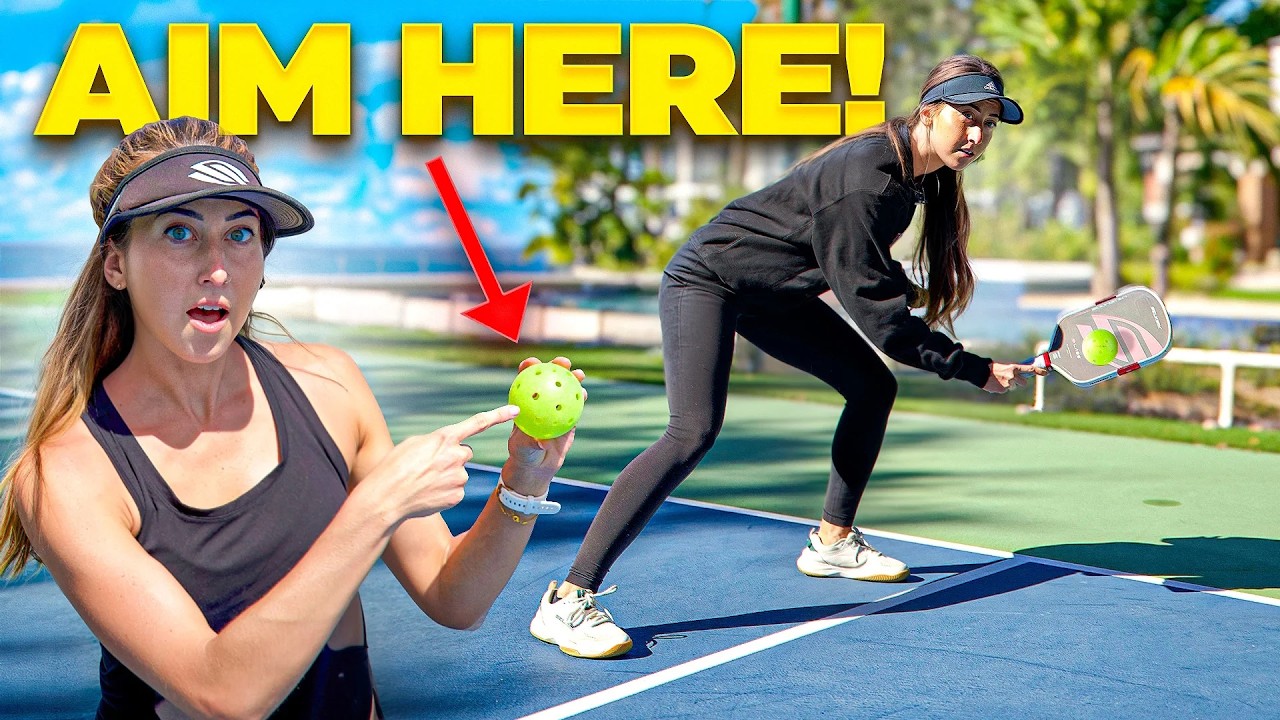
Smart Shot Decisions Beat Power in Advanced Pickleball
Every rally is a series of small choices, and those choices determine whether you win or lose.
 The Dink PickleballThe Dink Media Team
Practice Like It Matters
Consistency reps beat power reps for this shot, full stop. Spend ten minutes per practice session on nothing but depth and arc.
Ignore speed completely during that block.Power tips and drills that build raw serve speed are useful too, but they're a separate skill from what you're building here.
The players who always seem to make the routine shots look easy aren't doing anything flashy.
They're just repeating the fundamentals until the motion stops requiring thought.
That's the whole goal here too.
Once you know how to hit a high serve in pickleball without thinking through each step, it becomes another routine shot instead of a special occasion play.
If you're newer to the game, don't skip this shot just because it feels advanced.
A few fundamentals every beginner needs early apply directly here: balance, a repeatable motion, and patience with the learning curve.
The high serve is arguably easier to learn than a hard flat serve, since you're not chasing max effort.
And once the ball's in play, remember the serve is just the setup.
Knowing the five shots that show up in almost every point, and how a deep serve sets up the shot selection that follows on your third and fourth shots, matters just as much as the serve itself.
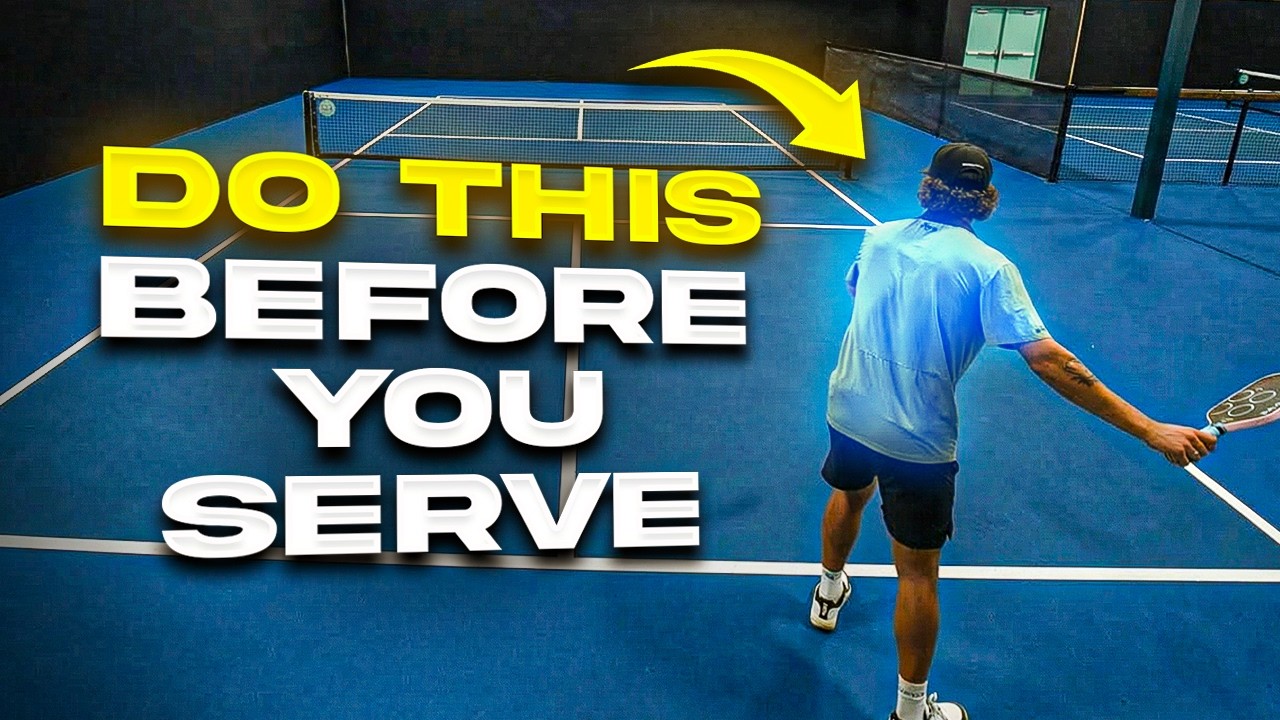
The Pickleball Serve Basics: Rules, Technique & Pro Tips from Michael Loyd
Fix your serve, and your entire game gets easier. You start points on offense instead of defense. Your opponent’s return is weaker. Your third shot is simpler. It all flows from that one shot you control completely.
 The Dink PickleballThe Dink Media Team
Key Takeaways
- A high serve trades pace for depth and arc, and it's fully legal under USA Pickleball's contact rules
- The goal is pushing your opponent's return contact point deep, not overpowering them
- Grip, ball drop distance, and a high finish are the core mechanical adjustments
- Use it against impatient or aggressive returners, or to break up rhythm mid-match
- It builds directly into better court positioning for you and your partner after the return
- Reps matter more than reach here, the same logic behind simple drills like the fridge and toaster routine
💡
Heads up: hundreds of thousands of pickleballers read our free newsletter.
Subscribe herefor cutting edge strategy, insider news, pro analysis, the latest product innovations and more.
Frequently Asked Questions
Is a high serve legal in pickleball?
Yes. USA Pickleball's rules only regulate contact point: below the waist, paddle head below the wrist. There's no rule limiting arc height once the ball's in the air, which is exactly what makes this serve legal and effective.
How is a high serve different from a lob?
A high serve happens at the start of the point, off a drop or low toss, following standard serve rules. A lob is a shot hit later in a rally, typically over an opponent already set up at the kitchen line, similar to the court coverage decisions doubles teams make on fourth shots. They share a similar arc, but they happen in completely different moments of play.
Does a high serve sacrifice speed for control?
Generally, yes. You're trading raw pace for depth, placement, and extra reaction time against your opponent's return. That trade tends to favor you more often than a flat, fast serve does, especially against returners who thrive on early contact, the same way a well-placed drop shot can beat the hardest swing volley you'll ever hit simply by taking away the power option entirely.
Can beginners learn a high serve, or is it too advanced?
Beginners can absolutely learn it. Some coaches argue it's easier than a hard flat serve since it rewards a smooth, repeatable motion over raw effort. Focus on the drop and the arc before worrying about pace.
When is the best time to use a high serve in a match?
Use it against opponents who like to step in and attack the return early, or anytime you need to disrupt rhythm and force a defensive shot. It's also a smart choice late in long matches when a lower-effort serve motion helps manage fatigue, and pairing it with light footwork work like a figure-8 drill between points keeps your legs fresh enough to actually execute it late in a long day.
Anuncie Aqui / Advertise Here
Sua marca para o mundo Pickleball! / Your brand for the Pickleball world!




 English (US) ·
  Portuguese (BR) ·