
 English
  Spanish
  Portuguese
  German
  Italian
  Japanese
  French
  Polish
  Russian
  Netherlands
  Hungarian
  Turkish
  Videos
  Thedink Pickleball

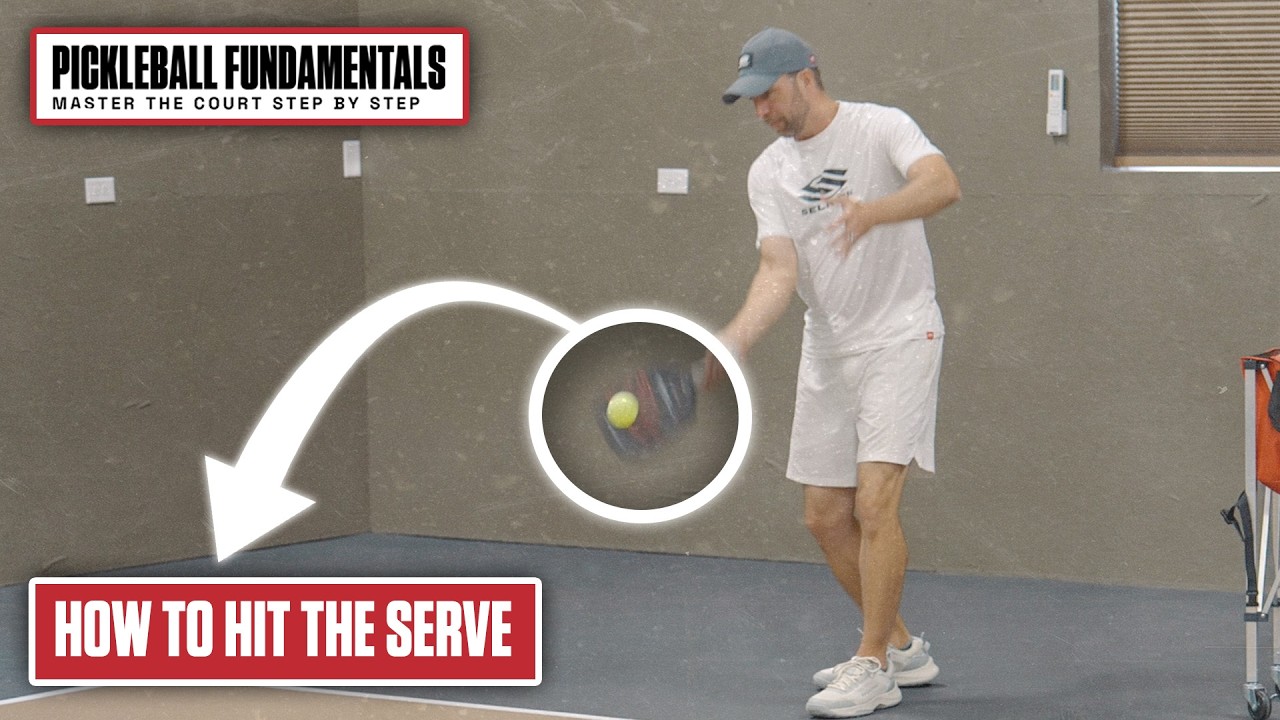
Here's how to hit a low serve in pickleball without breaking a single rule on contact height. Master the grip, the swing path, and the paddle angle, and your low serve becomes the shot opponents dread returning.
Here's how to hit a low serve in pickleball: drop the ball below your waist, swing low to high, and drive through contact instead of muscling it.
Sounds simple. It isn't, which is why most rec players still lob a soft, high serve that gets crushed on the return.
Love pickleball? Then you'll love our free newsletter. We send the latest news, tips, and highlights for free each week.
What Actually Makes a Serve "Low and Fast"?
A low, fast serve is one that clears the net by inches and lands deep before your opponent finishes their split step. That's it.
There's no secret grip that turns a floater into a rocket.What changes the trajectory is contact point, swing path, and how much you commit to driving forward instead of lifting up, the same commitment we highlighted in weaponizing the pickleball serve.
Think about the arc a shot has to travel. A high, soft serve gives your opponent an extra half second to read the ball and tee off.
A low serve cuts that reaction window down to almost nothing, which is why pros like Ben Johns and Anna Leigh Waters treat their serve as a weapon.
If you've studied Zane Navratil's serve breakdown, you already know that elite servers never treat the drop serve as a throwaway shot.
The shot most players are chasing here is technically called the drive serve.
It's low, it's flat, and it's built to land near the baseline before your opponent can set their feet.Learning how to hit a low serve in pickleball is really just an extension of good shot selection habits you're probably already building elsewhere in your game.
The Legal Serve Rules You Can't Ignore
Before you change your technique, get the rulebook straight in your head.
Contact has to happen below your waist, and the paddle head can't be above your wrist at contact.
Miss either one and you've handed your opponent a free point before the rally starts.
Where Contact Has to Happen
USA Pickleball defines the legal contact zone using the navel as the reference point, not a fixed height like the old "below the waist" language implied.
According to the 2026 USA Pickleball Official Rulebook, the paddle head must be below the wrist joint at contact, and the ball must be struck below the navel.
Get comfortable checking both, because refs at sanctioned events will call it, and even pros have had serves waved off, as covered in this breakdown of missed pickleball serves.
The Paddle Head Rule Nobody Talks About
Most players obsess over ball height and forget the paddle angle rule entirely.
If your paddle head points upward past your wrist at contact, even a serve that clears the waist rule is still a fault.
Practicing in front of a mirror, or filming your serve grip from the side, catches this instantly.
💡
Need some new pickleball gear? Get 20% off select paddles, shoes, and more with code THEDINK at
Midwest Racquet SportsHow to Hit a Low Serve in Pickleball, Step by Step
The direct answer: set up with a continental-style grip, drop the ball from shoulder height, and swing low to high with your paddle face slightly closed.
Everything else is refinement, the kind of small technical refinement you also see in unusual technique breakdowns elsewhere in the game.
Grip Tips for How to Hit a Low Serve in Pickleball
Start with a neutral, hammer-style grip. A grip that's too far in a forehand position tends to open the paddle face and pop the ball up, which is the number one reason rec serves float. Small adjustment, big difference.
The Low-to-High Swing Path
Here's the thing. A low serve doesn't come from swinging down on the ball. It comes from a compact backswing, a drop from around shoulder height, and a swing path that moves low to high through contact. That upward brushing motion is what keeps the ball diving instead of sitting up. Pair it with a firm wrist, and you'll start seeing the drive technique carry over from your groundstrokes to your serve. If you're chasing extra pace, the same principles from our power shots breakdown apply here too: pace comes from timing, not tension.
Why the Drive Serve Beats the Lob Every Time (and How to Hit a Low Serve in Pickleball Under Pressure)
A lob serve gives your opponent time. A drive serve takes it away. Honestly, once you can consistently clear the net by a foot or less at real pace, you'll stop giving away free third shots and start dictating where the return goes. If you want extra bite on the ball, some players add light topspin using the same topspin fundamentals that show up in a topspin drive off the ground.
How to Serve in Pickleball: A Beginner’s Step-by-Step Guide
Learning how to serve in pickleball for beginners starts with understanding two simple rules: keep it underhand and aim cross-court. Master those basics and you have a legal, reliable serve that holds up under pressure every single time.
 The Dink PickleballThe Dink Media Team
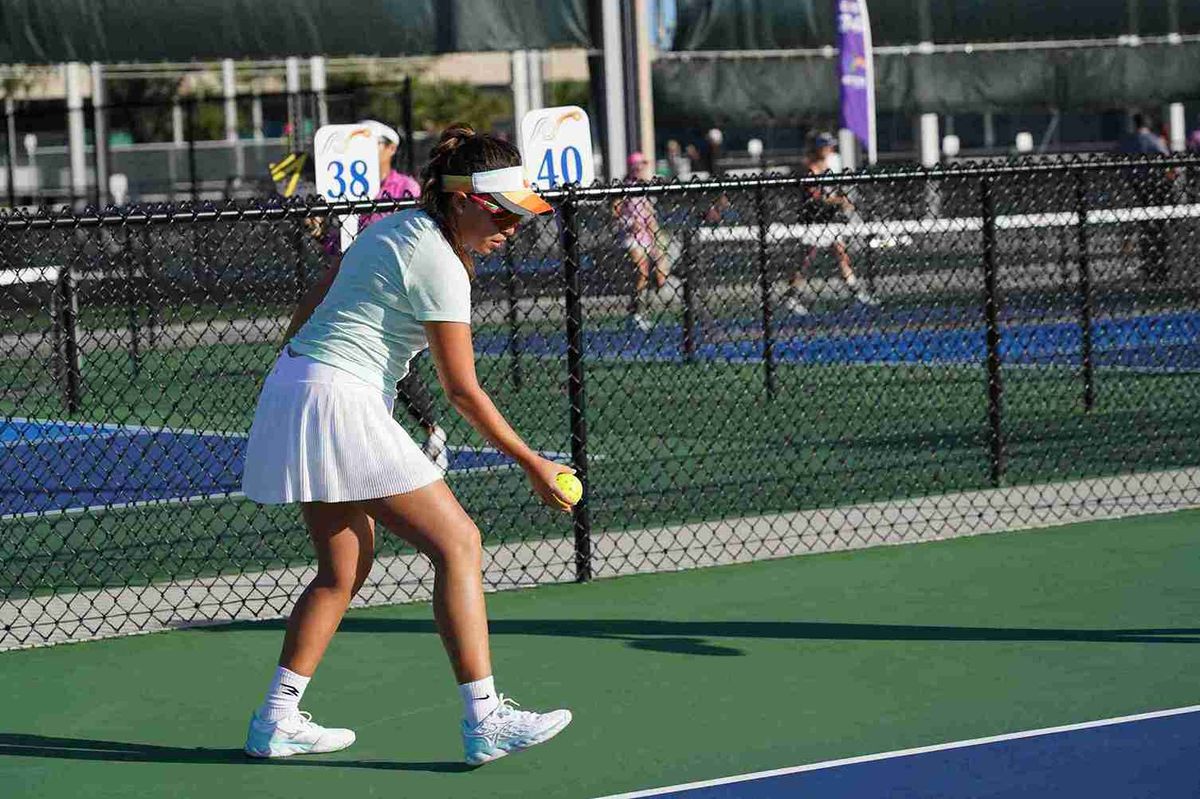
Why Does the Third Shot Get Easier When Your Serve Is Low?
Because your opponent's return options shrink.
A returner facing a low, fast serve has less time to load up for an aggressive return, so the default becomes a safer, shorter reply.That gives you an easier look at the third shot drop and a faster path to the kitchen line.
There's data behind this, too.
Research on racket sport reaction times published through PubMed's sports biomechanics collection found that shot-selection quality drops sharply once a returner's decision window falls under roughly 400 milliseconds.
A low, flat serve at pace pushes returners into that window.
Demystifying the Third Shot Drop: 3 Simple Tips from a Pro
A pro pickleball player reveals the three most common mistakes that are sabotaging your third shot drop. Here’s what you need to fix to improve consistency and control.
 The Dink PickleballThe Dink Media Team
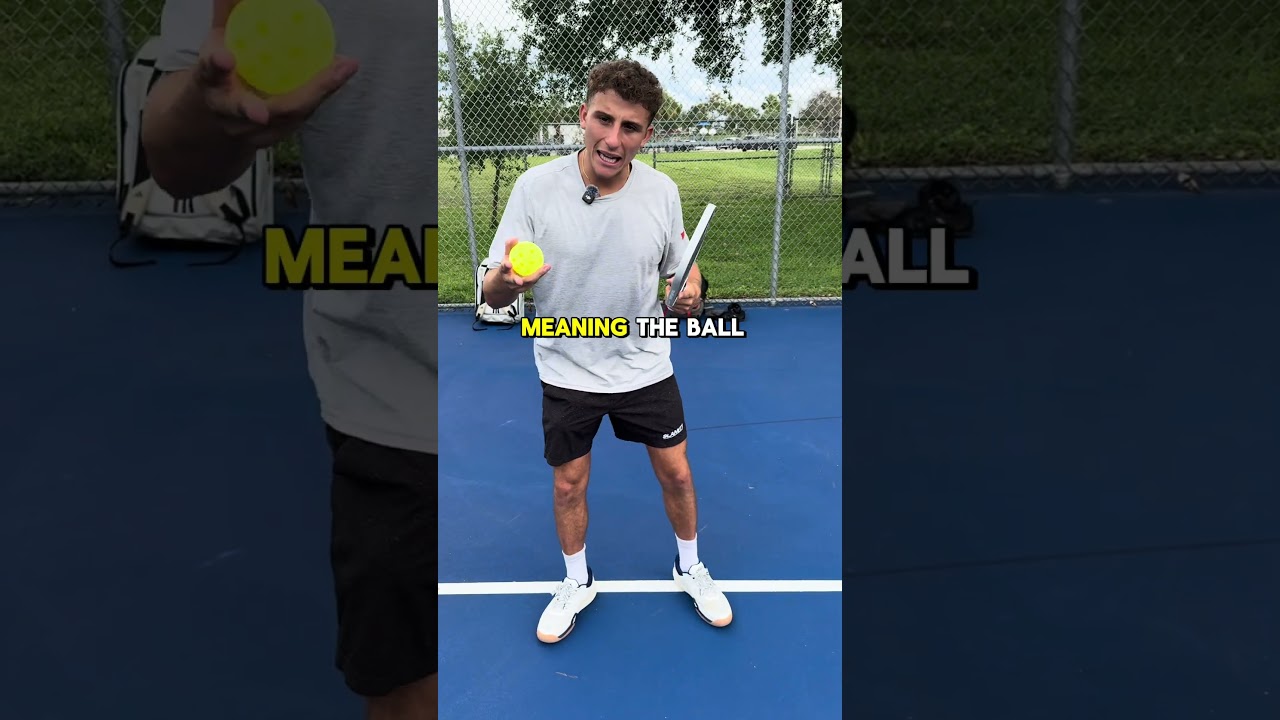
Adding Spin Without Breaking the Rule
A little sidespin or slight backspin can make a low serve nastier to read.
The backspin fundamentals that work on dinks translate directly here: brush the outside or bottom of the ball at contact instead of driving straight through it.
The legal contact rules still apply no matter how much spin you add.
Common Faults When Trying to Hit a Low Serve in Pickleball
Most faults come from one of three habits: rushing the drop, opening the paddle face too early, or muscling extra pace instead of trusting the low-to-high path.
Fix the habit and the fault disappears, the same way cleaning up your return of serve positioning comes down to fixing one or two habits instead of overhauling your whole game.
- Rushing the drop is the most common one. Players get anxious about contact height and jerk the ball down instead of letting it fall naturally, which throws off timing on nearly every attempt. Slow the drop down. Let gravity do the work.
- Opening the paddle face happens when players try to add pace by "helping" the ball up and over the net. That lift turns a low serve into a fault, or worse, a legal but slow floater that gets crushed. A closed or neutral face keeps the ball diving.
- Overswinging is the third culprit. Extra effort rarely means extra pace in pickleball. It usually means less control and a higher miss rate. A compact, repeatable swing beats a big, wild one every single time, a lesson that shows up constantly in everyday improvement tips far beyond just the serve.
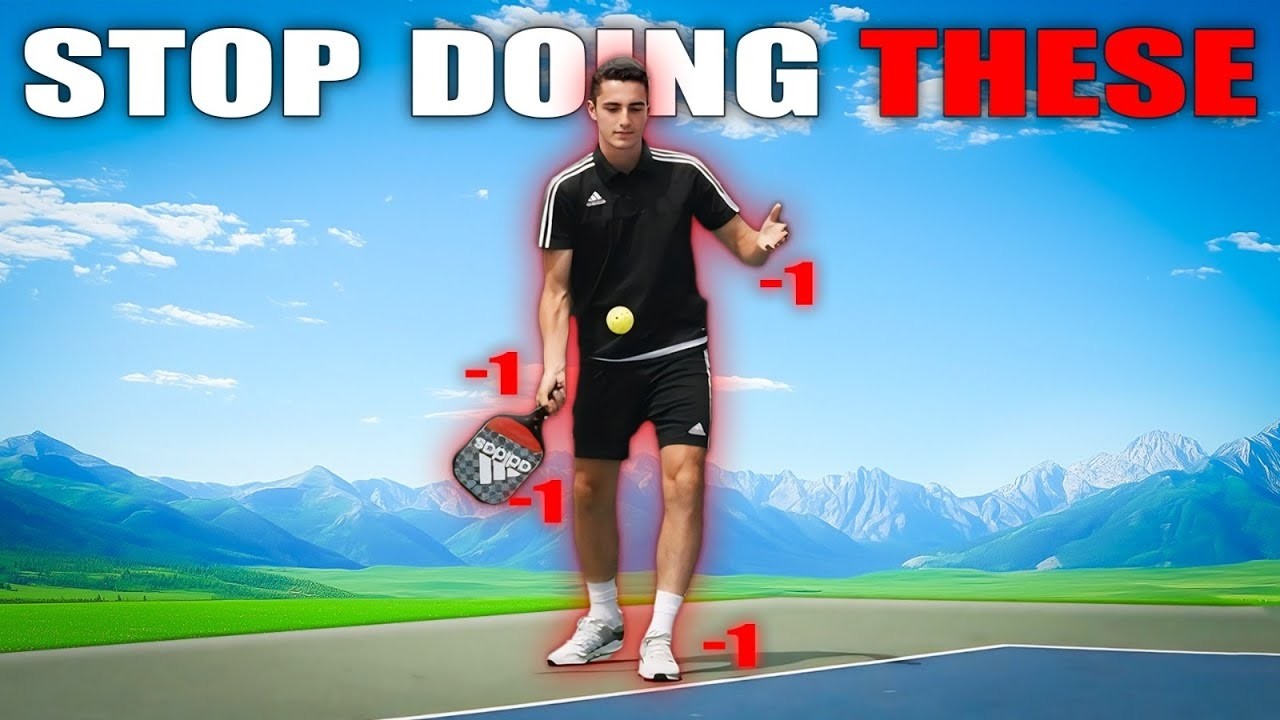
Fix These Pickleball Serve Mistakes Now
Almost every recreational pickleball player makes the same serve mistakes without realizing it. Fix these common pickleball serve mistakes and start winning more free points immediately.
 The Dink PickleballThe Dink Media Team
Drills That Teach You How to Hit a Low Serve in Pickleball
Set up a string or low net band, roughly 34 inches off the ground, and practice serving over it without touching it.
This drill forces the low-to-high swing path because you physically cannot muscle the ball over a string that low without lifting it correctly.
Next, work on placement. Aim for the back corners rather than the middle of the box.
A low serve that also pulls your opponent wide sets up a much easier return of serve read for you on the next ball, since they're now moving and hitting at the same time.Finally, mix in deception. Vary your toss height and stance slightly so opponents can't key off your setup before contact.
A few deception cues borrowed from dinking strategy work just as well from the baseline.
How to Fix an Inconsistent Pickleball Serve Fast
If you want to know how to fix inconsistent pickleball serve mechanics, the fix usually lives in your toss, your contact point, and your follow through, not your talent. One focused practice session and three targeted drills can turn a shaky serve into your most reliable shot.
 The Dink PickleballThe Dink Media Team
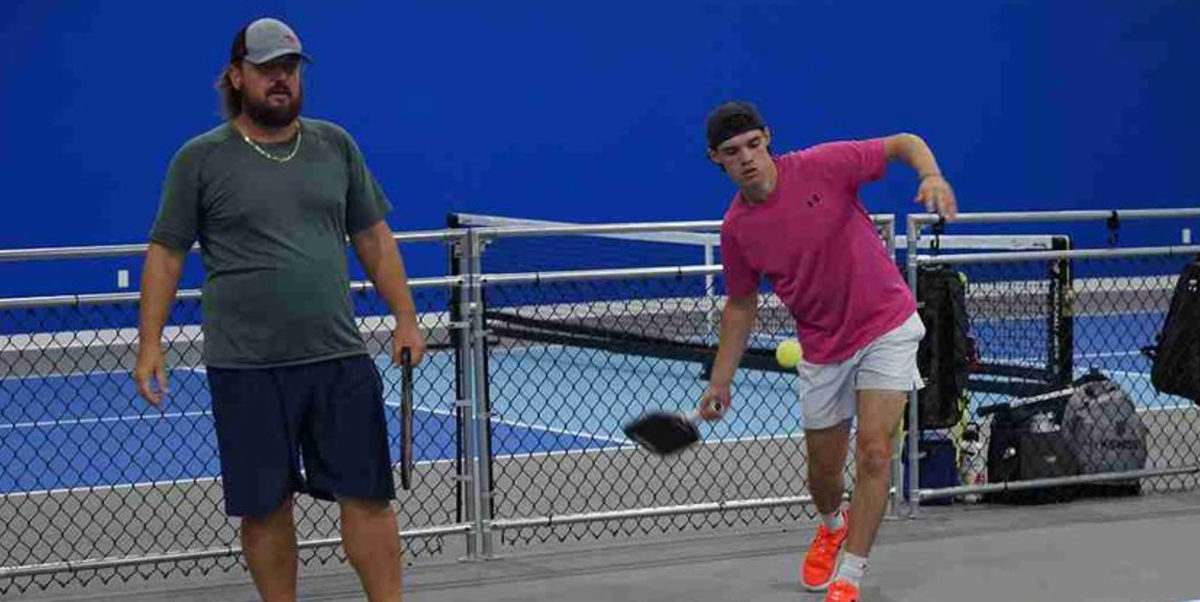
Where This Fits Into Your Bigger Strategy
A great low serve isn't just a standalone weapon.
It sets up everything downstream, from your doubles court positioning to how quickly you can close in on the kitchen line.
Pair it with solid paddle mechanics and you've got a serve that consistently earns you the first strike in the rally.
Pickleball's participation numbers back up why this matters.
According to the Sports & Fitness Industry Association's 2026 participation report, pickleball remains one of the fastest-growing sports in the country, and the competition at your local courts keeps getting sharper.
A serve that was good enough two years ago might not cut it now.
Perfect the Pickleball Serve: Rules, Technique & Strategy
A great pickleball serve is about more than just getting the ball over the net—it’s about applying pressure from the very first shot. Master the official rules, stance, and strategy to win more points.
 The Dink PickleballThe Dink Media Team
Key Takeaways
- A low serve must contact the ball below the navel with the paddle head below the wrist, per USA Pickleball rules.
- The drive serve you get from learning how to hit a low serve in pickleball relies on a low-to-high swing path, not extra arm speed, the same repeatable-motion idea covered in this fridge-and-toaster drill breakdown.
- Rushing the drop and opening the paddle face early are the two most common faults players make.
- Practicing over a low string or band trains the correct swing path automatically.
- A low, fast serve shrinks your opponent's reaction window and sets up easier third shots, which pairs naturally with sharper fourth shot court coverage in doubles.
If you're still working on the fundamentals, our beginner tips breakdown and mid-court positioning guide both pair well with a stronger serve.
💡
Heads up: hundreds of thousands of pickleballers read our free newsletter.
Subscribe herefor cutting edge strategy, insider news, pro analysis, the latest product innovations and more.
Frequently Asked Questions
Is a low serve legal in pickleball?
Yes. A low serve is legal as long as contact happens below your navel and your paddle head stays below your wrist at the moment of contact. Those two rules define every legal serve, regardless of pace or spin.
How do you hit a low serve in pickleball without faulting?
Focus on a compact, low-to-high swing path rather than extra arm speed. Drop the ball from shoulder height, keep your paddle face neutral, and let the natural drop dictate your contact point instead of rushing it, then reinforce that timing with a footwork-focused warmup like the figure-8 drill.
What's the difference between a drive serve and a lob serve?
A drive serve is low, flat, and fast, built to limit your opponent's reaction time. A lob serve is high and soft, giving the returner extra time to set up an aggressive return.
Can you add spin to a low serve?
Yes, as long as you still meet the legal contact requirements. Light topspin or sidespin can make a low serve harder to read, but the height and paddle angle rules apply no matter how much spin you add.
Why do rec players struggle with hitting a low serve in pickleball?
Most struggle because they try to add pace by lifting or opening the paddle face, which pops the ball up instead of driving it forward. A cleaner low-to-high swing path solves the problem far more reliably than swinging harder, and repeating that swing path in solo drill sessions speeds up the fix considerably.
Anuncie Aqui / Advertise Here
Sua marca para o mundo Pickleball! / Your brand for the Pickleball world!




 English (US) ·
  Portuguese (BR) ·