
 English
  Spanish
  Portuguese
  German
  Italian
  Japanese
  French
  Polish
  Russian
  Netherlands
  Hungarian
  Turkish
  Videos
  Thedink Pickleball

A pickleball reset is one of the most valuable shots in the game, but executing it under pressure separates good players from great ones. This drill teaches you to master the pickleball reset by alternating between aggressive attacks and defensive resets.
When you're stuck in a tough position during a pickleball match, your ability to execute a pickleball reset can be the difference between winning and losing the point.
The pickleball reset is one of the most underrated shots in the game, yet it's also one of the most essential skills you need to develop if you want to compete at higher levels.
Love pickleball? Then you'll love our free newsletter. We send the latest news, tips, and highlights for free each week.
What Makes a Pickleball Reset So Difficult?
Here's the thing: a pickleball reset requires you to completely shift your mindset mid-rally.
One moment you're attacking, trying to put the ball away. The next moment, you're defending, trying to neutralize your opponent's aggression.
The challenge isn't just technical; it's mental. Most players struggle with resets because they're caught between two competing instincts.
- You want to be aggressive, but the ball is coming at you hard.
- You need to be defensive, but you don't want to give up control of the net.
This internal conflict leads to poor shot selection and weak execution. That's the trap most rec players fall into, and it costs them points they should be winning.
The reset shot solves this problem by giving you a clear objective: get the ball back softly and low, regain your court position, and reset the point in your favor.The Counter-Reset Drill: Your Path to Mastery
According to James Ignatowich of Ignatowich HQ, the best way to develop consistency with your pickleball reset is through a specific drill called the counter-reset drill.
This isn't a complicated exercise; it's actually quite simple, but it's incredibly effective.
💡
Need some new pickleball gear? Get 20% off select paddles, shoes, and more with code THEDINK at
Midwest Racquet SportsHere's how the drill works:
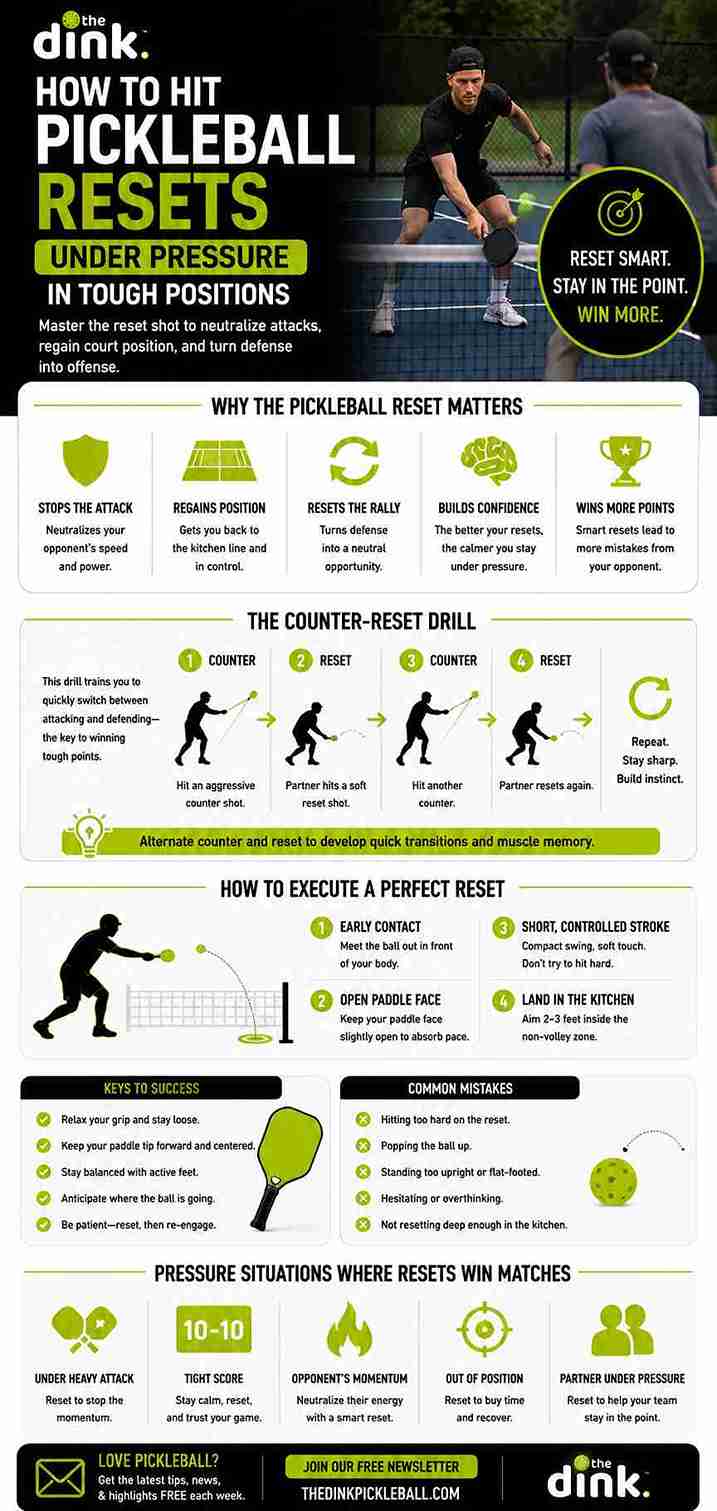
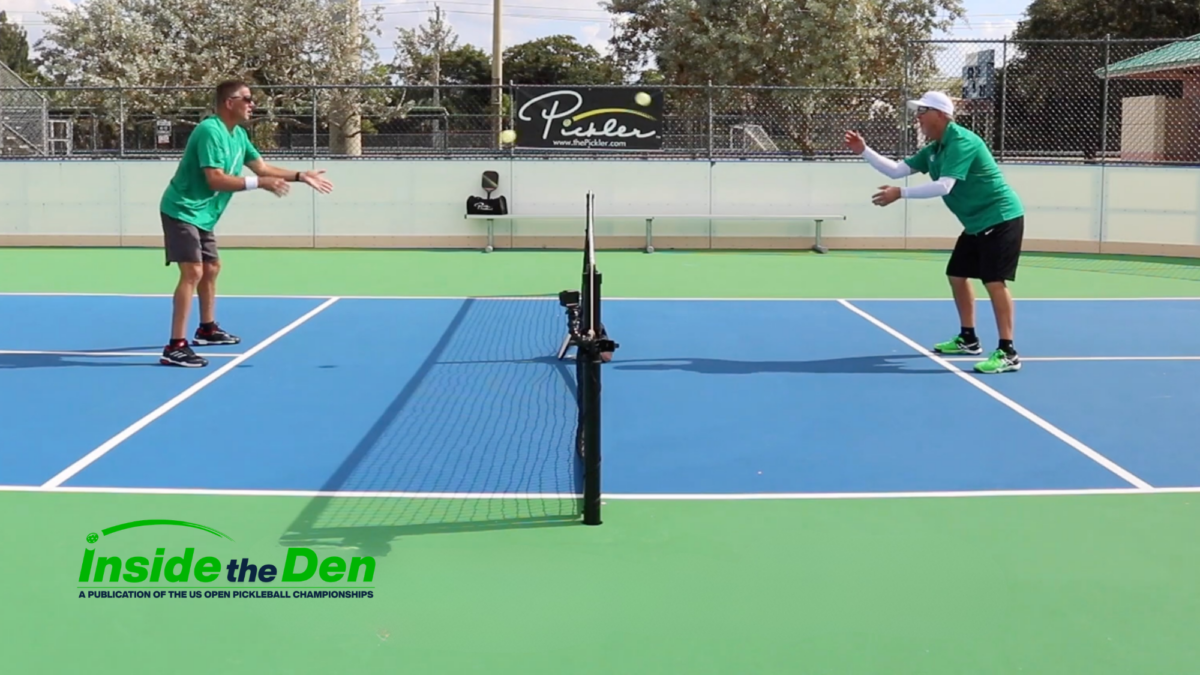
- You and your partner stand at the net.
- One player hits an aggressive shot (the attack).
- The other player responds with a soft reset.
- Then you alternate. Attack, reset, attack, reset. Back and forth.
The beauty of this drill is that it forces you to make rapid transitions between attacking and defending. You can't get comfortable in one mode.
You have to stay sharp, stay focused, and stay ready to switch gears at a moment's notice.
Why the Counter-Reset Drill Builds Pickleball Reset Muscle Memory
When you're in a tough position during a real match, you don't get to choose whether you're attacking or defending.
Your opponent decides that for you. The counter-reset drill prepares you for this reality by forcing you to be ready for anything.
Think about what happens in a typical rally. You hit a third shot drop. Your opponent attacks it.
Now you're in a defensive position, and you need to reset. But if you're not used to making that transition quickly, you'll hesitate.
That hesitation costs you the point.
The pickleball reset drill eliminates hesitation.By practicing the counter-reset pattern repeatedly, your body learns the movement, your mind learns the timing, and your instincts sharpen.
When match pressure arrives, you're already prepared.
How to Counter a Speed Up at the Kitchen in Pickleball
Learning how to counter a speed up at the kitchen in pickleball is one of the fastest ways to stop giving free points at the net. This guide breaks down the Block, Reset, Reload system so you can neutralize attackers and take back control of the rally.
 The Dink PickleballThe Dink Media Team
The Technical Side: How to Execute the Pickleball Reset
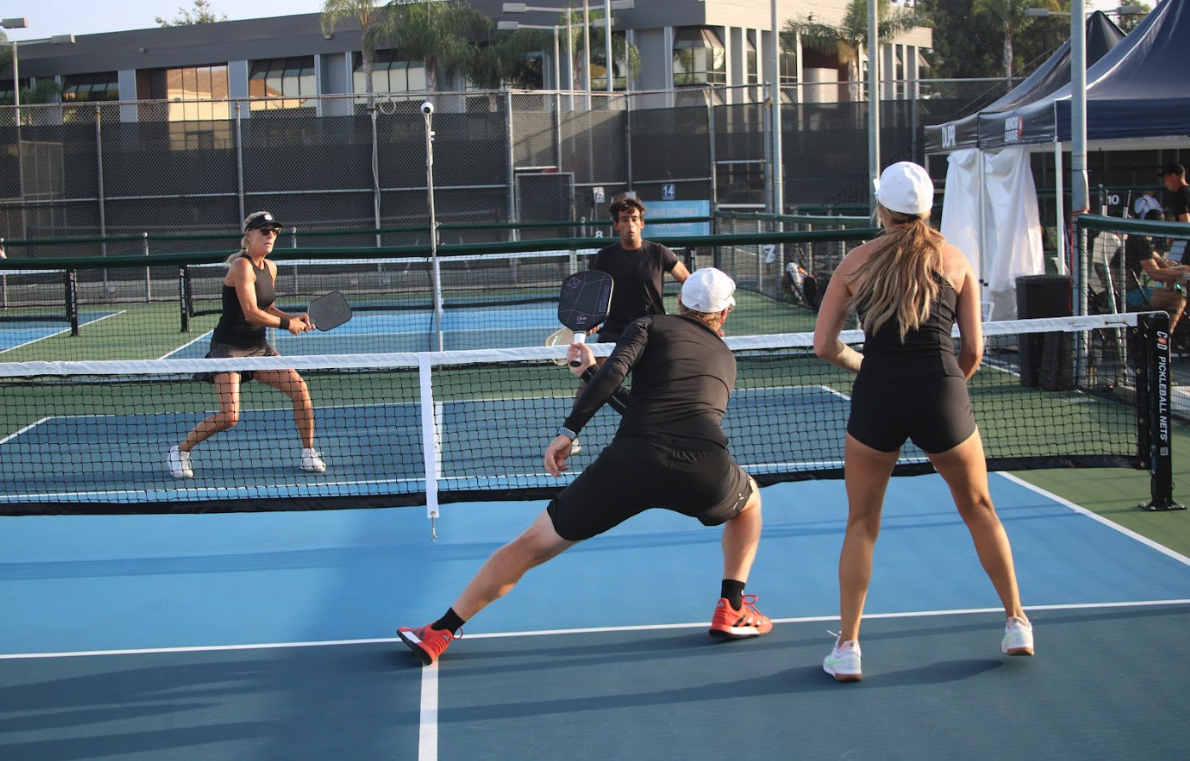
A proper pickleball reset requires specific technique. You need to meet the ball early, keep your paddle face open, and use a short, controlled stroke.
The goal is to absorb the pace of your opponent's shot and redirect it softly back over the net.
Grip, Soft Hands, and Paddle Angle
Your grip should be relaxed. Tension is your enemy when you're resetting.
A tight grip leads to a tight swing, which leads to a ball that pops up instead of staying low.
Keep your wrist loose and let the paddle do the work.
Soft hands aren't just a nice phrase; they're the mechanical difference between a reset shot that digs into the kitchen and one that floats up for an easy put-away.The Pickleball Reset: The One Skill That Takes You Beyond 3.5
By softening pace, controlling trajectory, and stabilizing through transition, players can use the reset to regain the kitchen and compete with stronger opponents
The Dink PickleballThe Dink Media Team
Footwork and Positioning for the Perfect Pickleball Reset
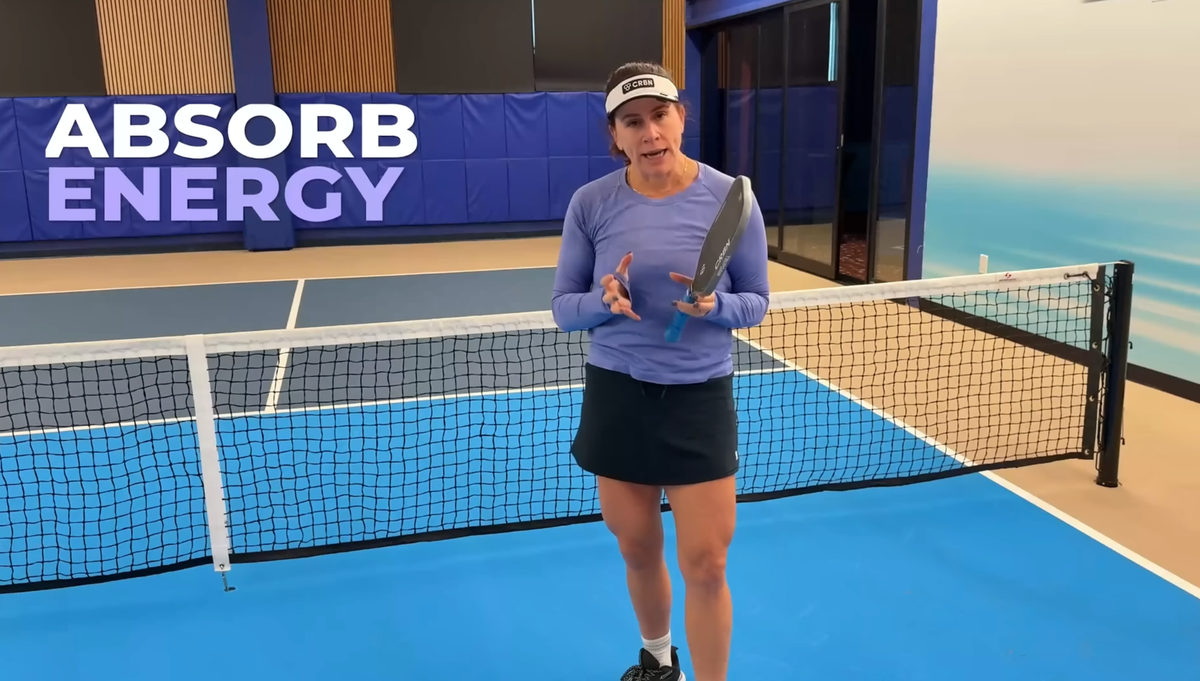
Footwork matters too. You want to position yourself so that you can reach the ball comfortably. Don't overcommit to one side.
Stay balanced and ready to move in either direction.
This is especially important when you're under pressure and your opponent is hitting hard.
Your stance is the foundation of your pickleball reset, and a poor stance means a poor result.
Where Your Reset Shot Needs to Land
The pickleball reset should land in the kitchen on your opponent's side of the net.
- If it lands too deep, your opponent can attack it.
- If it lands too short, you've given up the net.
The sweet spot is about two to three feet inside the no-volley zone baseline.
That placement keeps the ball low and forces your opponent to dig it out, which immediately neutralizes their aggression.
Pickleball Shot Placement: Complete Winning Guide
Whether you’re serving, returning, dinking, or driving, knowing where to aim gives you control over the rally and keeps your opponent reacting instead of attacking.
The Dink PickleballThe Dink Media Team

Pressure Situations: When the Pickleball Reset Wins Matches
You know what separates good players from great ones? The ability to execute under pressure.
Anyone can hit a soft reset when they're relaxed and the ball is coming at them gently.
But what happens when your opponent is ripping the ball at you, the score is tied, and the match is on the line? That's when the counter-reset drill pays dividends.
You've practiced this exact scenario hundreds of times.
- Your body knows what to do.
- Your mind is calm.
- You execute the pickleball reset with confidence.
- And suddenly you're back in the point.
This is why James Ignatowich emphasizes the importance of this drill.
It's not just about technique; it's about building the mental toughness and physical muscle memory you need to perform when it matters most.
Pickleball Mental Game: Stay Calm Under Pressure and Win
The mental game competitive pickleball demands is just as important as your backhand or your third shot drop. Learn how top players stay calm under pressure, reset after errors, and build the focus that wins matches.
The Dink PickleballThe Dink Media Team
How Often Should You Practice This Drill?
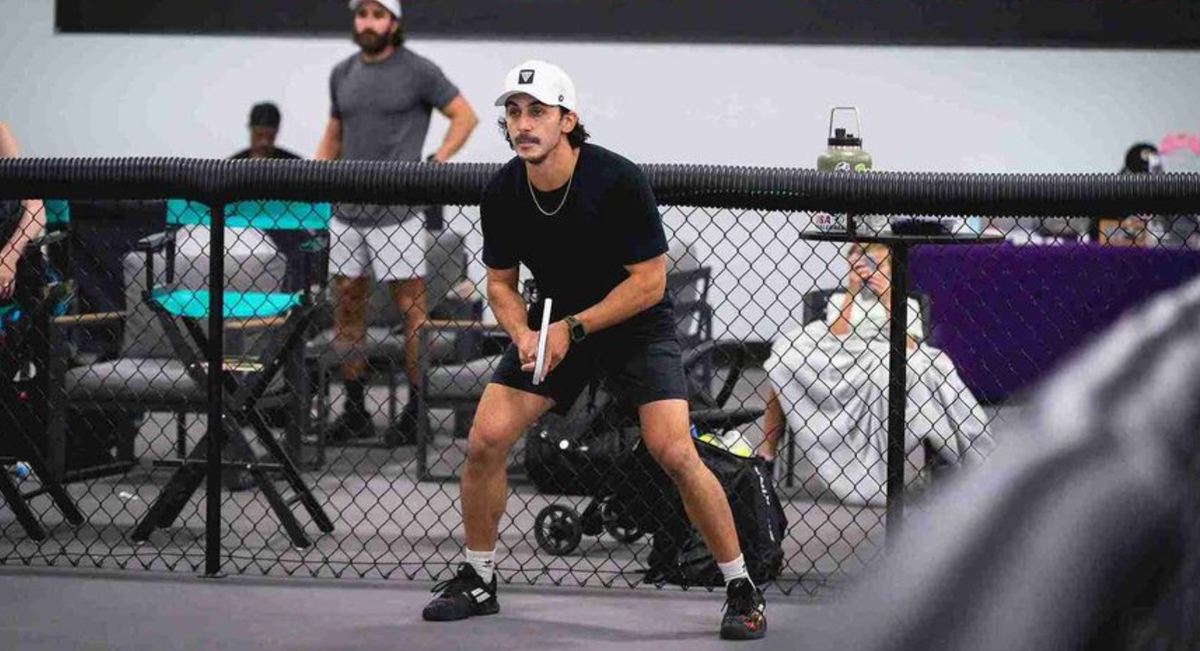
The counter-reset drill should be a regular part of your practice routine.
Ideally, you'd spend 10 to 15 minutes on it at least three times a week. Start slowly and focus on consistency.
As you get more comfortable, increase the pace and intensity. The key is to practice with purpose. Don't just go through the motions.
Pay attention to your footwork, your grip, your paddle angle, and your shot placement. Every rep should be building better habits.
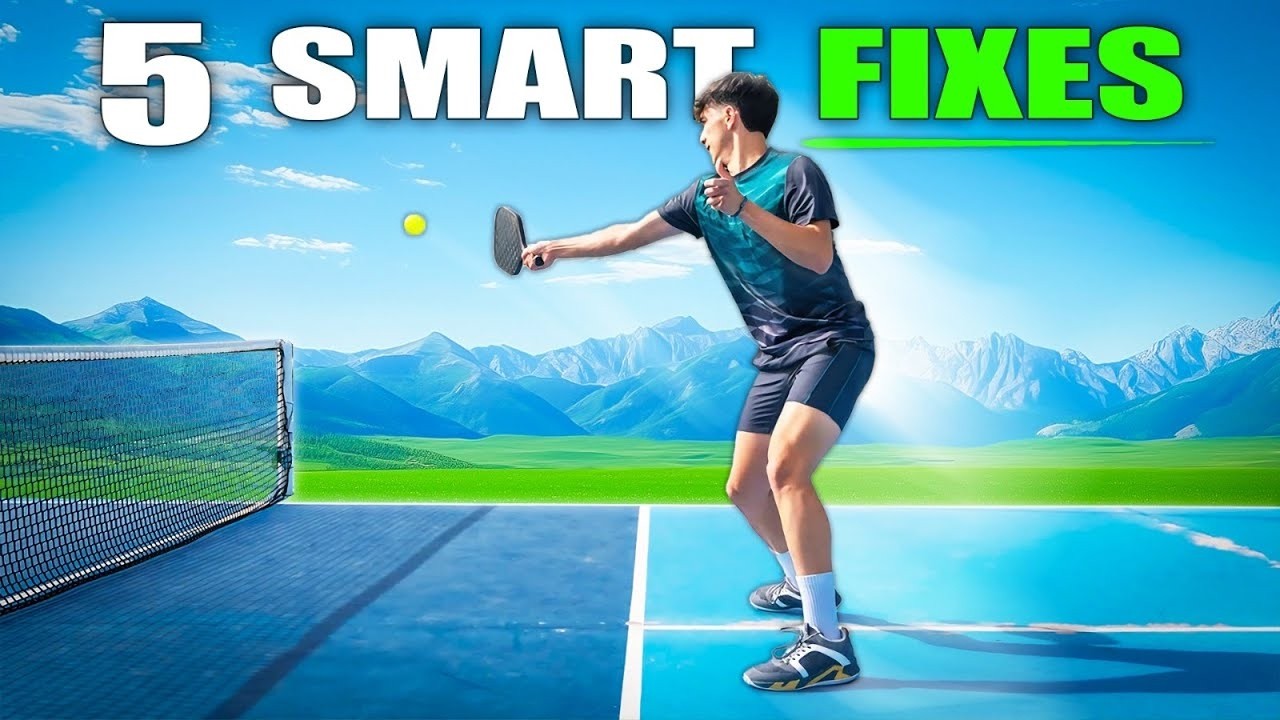
5 Pickleball Drills That Will Transform Your Game in 2026
Five simple yet powerful pickleball drills can completely reshape how you play. These mechanics focus on consistency, footwork, and positioning to help you see immediate results on the court.
The Dink PickleballThe Dink Media Team
The Bigger Picture: Using the Pickleball Reset in Match Play
Understanding how to execute a pickleball reset is one thing. Knowing when to use it is another.
In match play, you'll face situations where you need to decide: should I attack or should I reset?
When to Reset vs. When to Attack
Generally, you want to reset when your opponent has the advantage. If they've hit an aggressive shot and you're on your heels, resetting is the smart play. It neutralizes their attack and gives you a chance to regain control of the point.
You want to attack when you have the advantage. If your opponent has hit a weak shot and you're in a good position, that's your opportunity to put the ball away or at least move closer to the net.
Building Court Sense and Tactical Awareness
The counter-reset drill teaches you to recognize these situations and respond appropriately. It's not just about the mechanics of the shot; it's about developing the court sense and tactical awareness that separates competitive players from casual ones.
That read of the game doesn't come from watching highlights. It comes from repetition under simulated match pressure.DUPR Reset Is Live: What Pickleball Players Need to Know
DUPR’s new Reset period runs March 16 to May 17, giving players a limited-time chance to update their rating using only recent match results — with zero downside.
The Dink PickleballAlex E. Weaver

Building Pickleball Reset Consistency Over Time
Here's what most players don't realize: consistency comes from repetition, not from talent.
You can be naturally gifted, but if you don't practice the fundamentals, you'll plateau. The counter-reset drill is a fundamental that pays dividends over time.
- Start with this drill today.
- Commit to practicing it regularly.
- Track your progress.
Notice how your confidence grows as your consistency improves. Within a few weeks, you'll see a noticeable difference in your match play.
The pickleball reset will become second nature. You won't have to think about it anymore. You'll just do it.
And when you reach that level of automaticity, you'll be ready for anything your opponents throw at you.
💡
Heads up: hundreds of thousands of pickleballers read our free newsletter.
Subscribe herefor cutting edge strategy, insider news, pro analysis, the latest product innovations and more.
Frequently Asked Questions
What Is the Difference Between a Pickleball Reset and a Drop Shot?
A reset and a drop shot are similar but serve different purposes. A drop shot is typically hit from the baseline or mid-court and is designed to land softly in the no-volley zone. A pickleball reset is hit when you're already at the net or in a defensive position, and it's meant to neutralize an aggressive shot from your opponent.
Both require soft hands and good touch, but the context and timing are different.
How Low Should a Pickleball Reset Land?
Your reset shot should land as close to the net as possible while still clearing it. Ideally, it should land within the first two to three feet of the kitchen on your opponent's side. The lower the ball is when it crosses the net, the harder it is for your opponent to attack it.
That's why net height and ball trajectory are everything on this shot.
Can I Use the Counter-Reset Drill If I'm a Beginner?
Absolutely. In fact, beginners benefit greatly from this drill because it teaches fundamental footwork and hand positioning. Start with slower speeds and focus on consistency before worrying about pace.
As you improve, you can increase the intensity and speed of the drill.
What Paddle Should I Use for Practicing Pickleball Resets?
Any paddle will work for practicing resets, but paddles with good control and touch are ideal for a consistent reset shot. Look for paddles with a softer core and a textured face, as these help with ball control. A slightly heavier paddle can help absorb pace, while a lighter paddle gives you more maneuverability.
The weight and balance of the paddle matter too.
How Do I Know If My Pickleball Reset Is Effective?
Your reset is effective if it lands low in the kitchen and forces your opponent to hit up on their next shot. If your opponent can attack your reset or if it lands too deep, you need to work on your placement and touch. Practice the counter-reset drill and pay attention to where the ball lands relative to the net and the no-volley zone baseline.
Anuncie Aqui / Advertise Here
Sua marca para o mundo Pickleball! / Your brand for the Pickleball world!






 English (US) ·
  Portuguese (BR) ·