
 English
  Spanish
  Portuguese
  German
  Italian
  Japanese
  French
  Polish
  Russian
  Netherlands
  Hungarian
  Turkish
  Videos
  Thedink Pickleball

Winning points off your pickleball serve starts with understanding placement and spin, two tools most players massively underuse. This guide breaks down the exact combos that force weak returns and set you up to finish the point.
Most players treat the pickleball serve like a formality, something to get out of the way before the real point starts.
But if you want to win points off your pickleball serve, that mindset is leaving easy opportunities on the table.
The serve is the only shot in the game you control entirely. No reaction time. No pressure. Just you, the ball, and a decision.
So why do most players default to a flat, medium-depth lob to the center of the box and call it a day?
Because spin and placement feel complicated. They're not. They just take a framework.
Love pickleball? Then you'll love our free newsletter. We send the latest news, tips, and highlights for free each week.
Why Winning Points Off Your Pickleball Serve Starts Before the Ball Leaves Your Paddle
The point doesn't begin when you hit the serve. It begins when you decide where and how you're serving.
That decision shapes everything: the return your opponent hits, the third shot you get, and whether you're the one dictating or reacting.
Think of it this way. A flat serve down the middle gives your opponent a comfortable, neutral return.
They catch it in their strike zone, drive it back deep, and suddenly you're scrambling on shot three.
A topspin serve deep to the backhand corner? Now they're stretched, rushed, and likely popping the ball up.
That's the difference between a serve that starts a fair rally and a serve that sets traps.
This is the mindset shift. Every serve is a setup shot for the third shot.
Players who consistently win points off their pickleball serve aren't guessing, they're executing a plan.
The Placement Zones That Actually Create Problems for Your Opponent
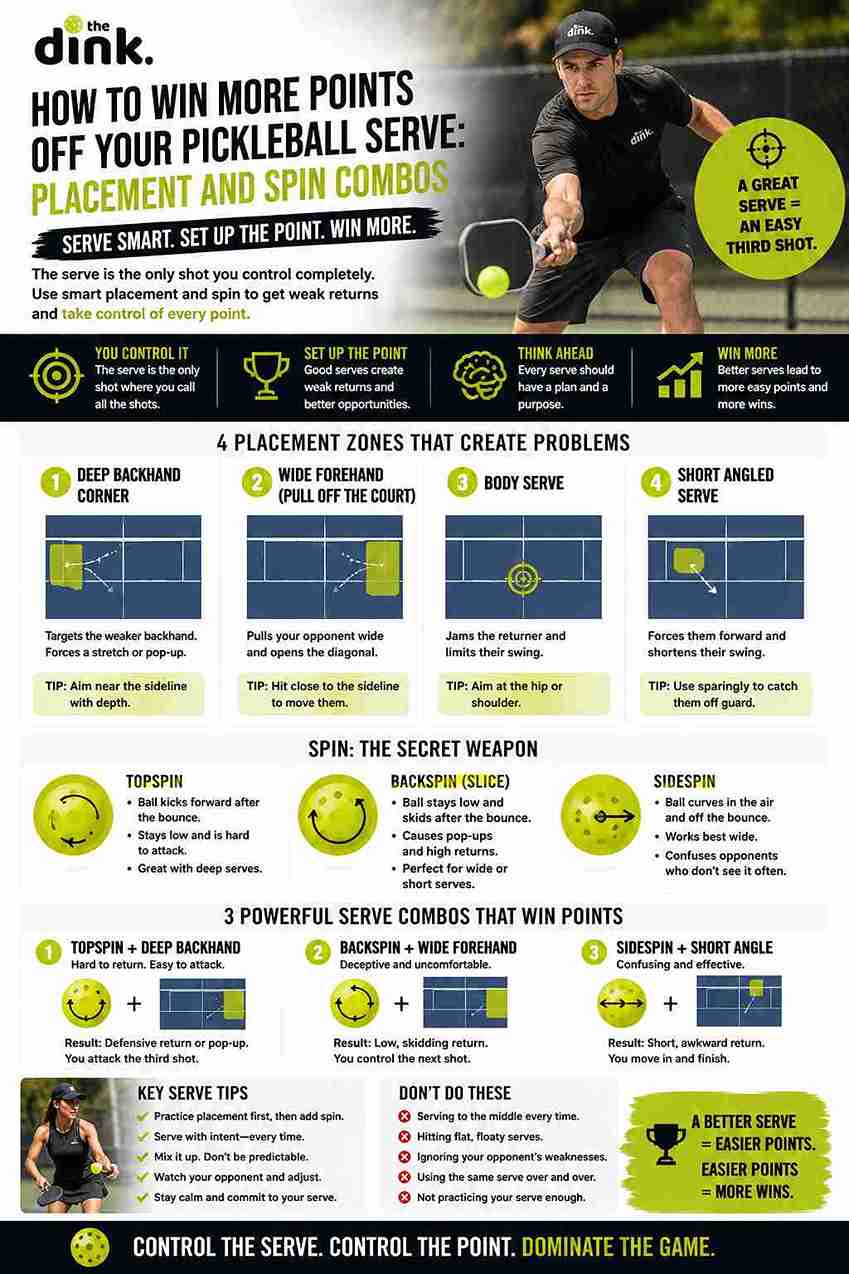
You have four real targets on a pickleball service box, and each one creates a specific problem.
Understanding them is the first step to using your serve as a weapon.
- Deep Backhand Corner This is the highest-percentage "difficult" serve in the game. Most players have weaker backhands, and a ball hit to their back corner forces them to either stretch, shorten their swing, or pop it up. Placement near the sideline at depth is consistently what separates players who are hard to play against from those who are easy to attack.
- Wide Forehand (Pulling Off the Court) This one is underused. A serve that pulls your opponent wide opens up the entire diagonal for your third shot. Even if they return it decently, you have half the court to work with. The key is getting the ball to land close enough to the sideline that they have to move to reach it.
- The Body Serve Uncomfortable to execute, but even more uncomfortable to return. A ball aimed directly at the returner's hip or shoulder jams their swing and makes a clean return nearly impossible. You'll see pros incorporate this regularly because it's effective at every level.
- Short Angled Serve This one requires precision but punishes opponents who camp at the baseline. A short, angled serve forces them to sprint forward, shorten their swing, and return from a compromised position. Use it sparingly. Once or twice a match catches people off guard; more than that and they start cheating up for it.
💡
Need some new pickleball gear? Get 20% off select paddles, shoes, and more with code THEDINK at
Midwest Racquet SportsHow Does Spin Help You Win Points Off the Pickleball Serve?
Spin is what separates a well-placed serve from a devastating serve. Placement tells the ball where to go. Spin tells it how to behave when it gets there.
There are two types of spin worth focusing on for serve strategy: topspin and backspin (slice).
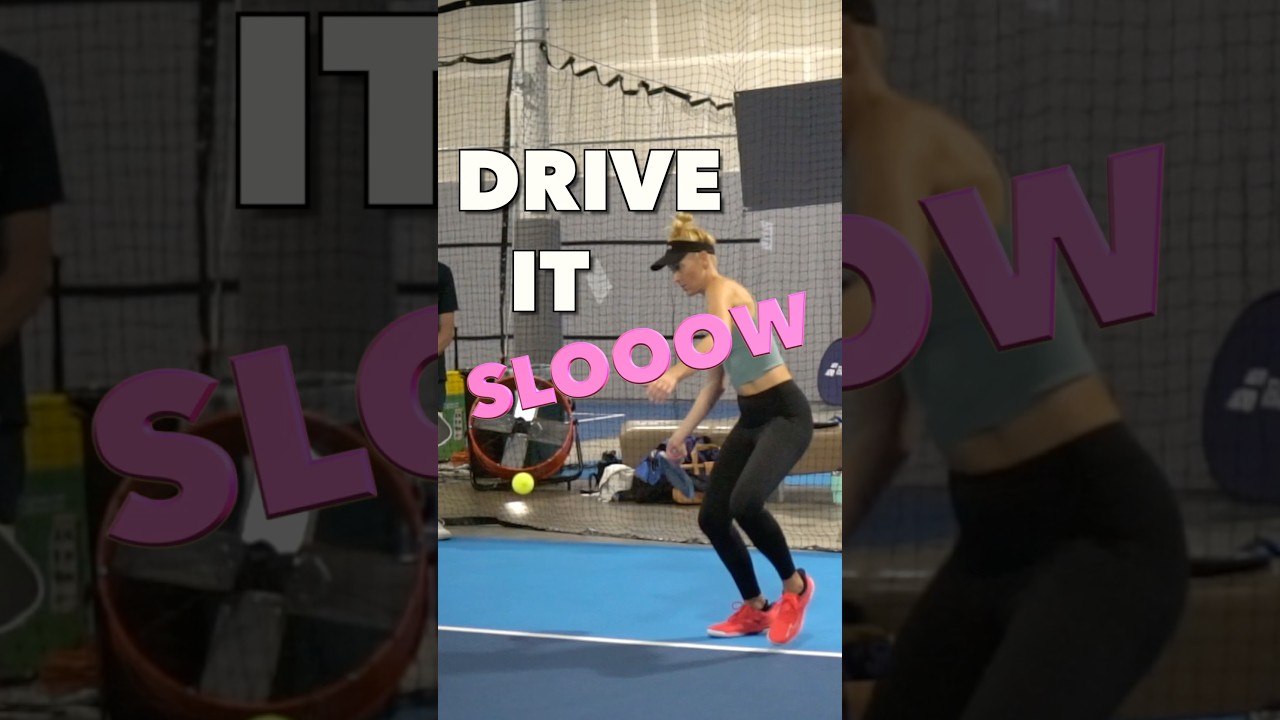
- Topspin Serve A topspin serve accelerates through the bounce. The ball kicks forward and stays low, making it harder to time and easier to hit into the net. When combined with a deep placement, a topspin serve is almost impossible to attack. Mastering topspin takes consistent brush contact on the back of the ball, and the payoff is a serve that keeps accelerating even after it lands.
- Backspin (Slice) Serve A backspin serve does the opposite. The ball decelerates after the bounce and stays low, skidding rather than rising. The natural response from a returner is to lift it more aggressively to compensate. That extra lift produces a high, attackable return. Understanding when to apply backspin is a game-changer, especially against players who like to drive returns hard.
- Sidespin Less common but worth knowing. Sidespin makes the ball curve in the air and kick sideways off the bounce. It works best combined with a wide placement. The ball appears to be landing safely in the service box, then curves further than expected. Players who haven't faced it before will miss-read the bounce entirely.
4 Pickleball Patterns to Win More Points
Understanding pickleball patterns is the fastest way to improve your game without hitting thousands of balls. These four essential pickleball patterns will transform how you read the court and anticipate your opponent’s next move.
 The Dink PickleballThe Dink Media Team

The Best Serve Combos to Win Points Off Your Pickleball Serve
This is where placement and spin start working together. Here are three combos worth drilling.
- Topspin + Deep Backhand Corner The safest high-upside combo. The ball lands deep, kicks forward, and the returner is forced to take it on the backhand in a tough spot. A strong serve grip makes this significantly easier to execute consistently. After this serve, you should almost always get a defensive return, set up your third shot drop and move forward.
- Backspin + Wide Forehand This is a deceptive combo. The ball looks like a normal forehand serve, until it bounces and barely rises. The returner is already moving laterally and now has to adjust their swing for a low, skidding ball. The result is usually a floated return or an error. This is the combo that Zane Navratil-style serve data supports for forcing weak, attackable returns.
- Sidespin + Body Serve Weird and effective. The ball curves toward the returner's body as it lands, jamming their swing at the last second. Almost no one practices defending this serve, which makes it highly disruptive. Use it when you need to break a returner's rhythm.
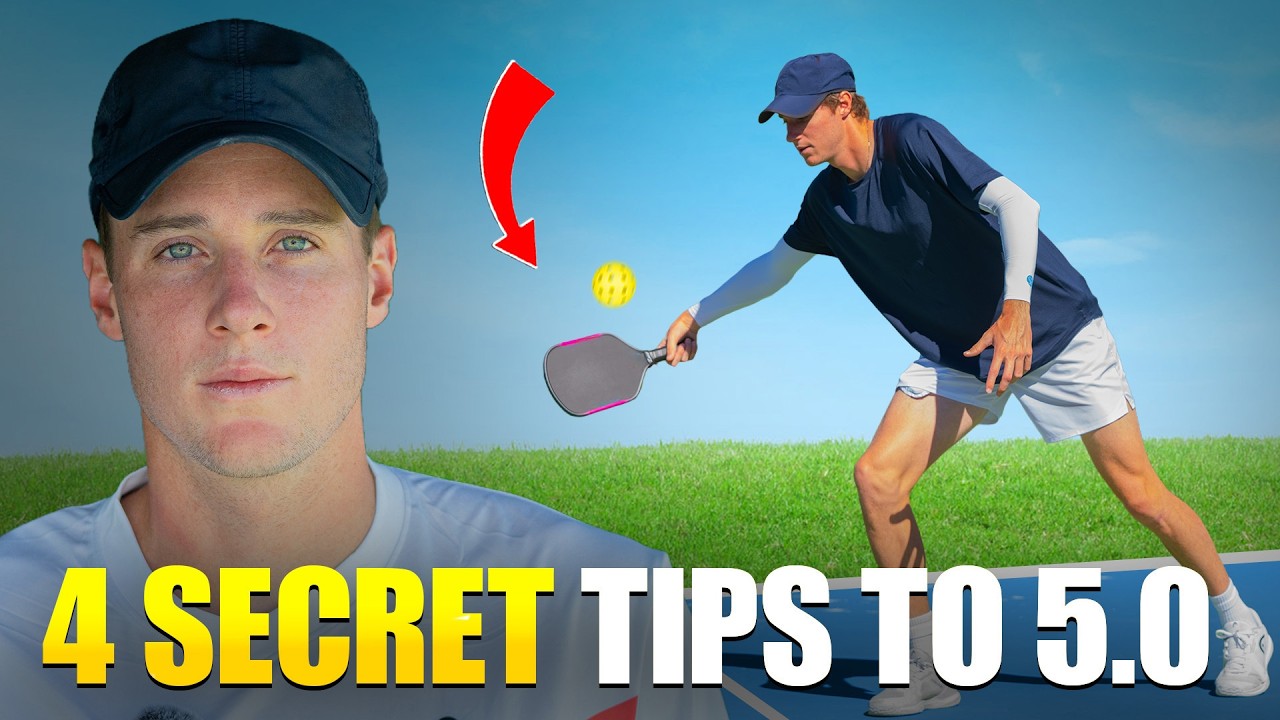
Master the Pickleball Combo to Reach 5.0
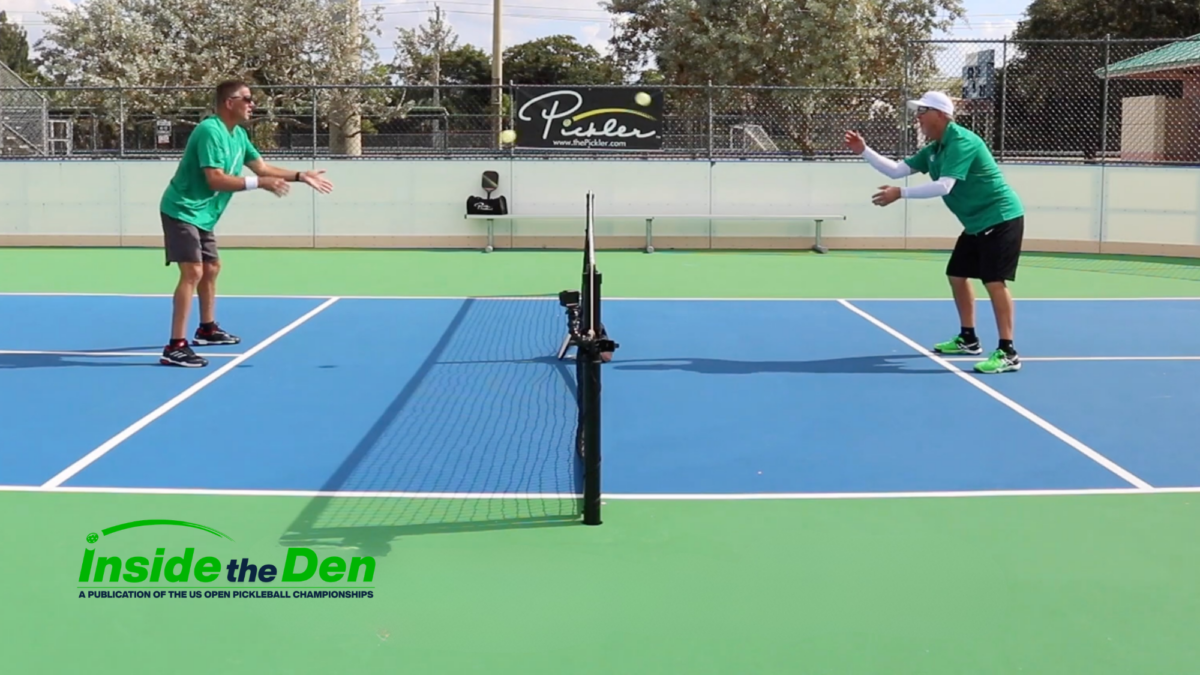
The pickleball combo is no longer optional at the highest levels of the game. World-ranked pro Roscoe Bellamy breaks down why two-shot attacks are now essential to competitive play.
The Dink PickleballThe Dink Media Team
What Should You Do After You Win the Serve Exchange?
Winning points off the serve doesn't always mean an ace or a direct winner.
More often, it means getting a return that sets you up to control the point from shot three. That's the real goal.
After a well-placed, well-spun serve, your opponent is likely to return either short, high, or off-pace. That's your window.
A good shot selection system helps you identify which third-shot option fits the return you're getting. If the return is high, you drive it.
If it's mid-depth, you drop it. If they've popped it up badly, you finish it at the net.
The trap most players fall into is serving well and then reverting to passive, reactive mode. The serve was aggressive.
Your third shot needs to match that energy. That's how you turn serve-side pressure into actual points and control the flow of the game.
Keep your kitchen positioning tight after a hard serve. Your opponent may panic and send a short return, and you want to be moving forward to meet it.
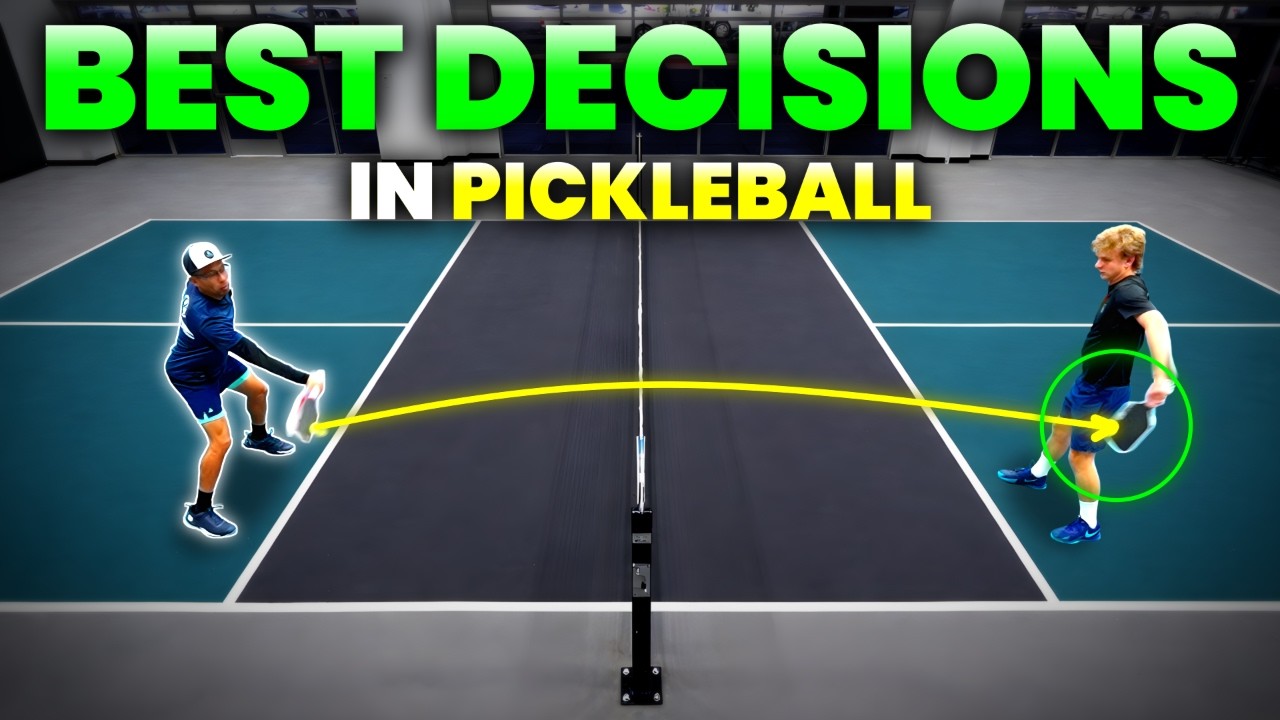
Pickleball Decision Making: Master Your Shot Selection
Pickleball decision making separates casual players from competitive ones. Master when to drive, drop, reset, and attack to transform your game.
The Dink PickleballThe Dink Media Team
Does Serve Variation Really Matter That Much?
Yes. More than most players realize.
Here's the thing: a great serve only stays great until your opponent adjusts. A topspin deep serve is dangerous once.
After five of them, your opponent is leaning back, setting their feet, and timing the kick. That same serve is now a batting practice pitch.
Variation kills timing. Mix your serve speed, spin, and placement within the same match. Go wide twice, then jam the body.
Hit three topspin serves, then drop a backspin. When your opponent can't read what's coming, they can't pre-set their footwork or grip.
That alone creates errors and weak returns without you changing a single technical element of the serve itself.
Research on motor learning confirms that unpredictability in shot patterns disrupts opponent anticipation, a key factor in racket and paddle sports.
The most effective servers are the ones who make you feel like you never quite know what's coming.
The drive vs. drop decision on the fifth shot becomes a lot easier when the return you're getting is already compromised by a varied serve.
How to Upgrade Your Serve From Basic to Elite in 5 Levels
The path to an elite pickleball serve starts with fundamentals and gradually builds toward spin, precision, and tactical control
The Dink PickleballThe Dink Media Team
Is It Legal to Spin the Ball Before Serving in Pickleball?
No. As of the 2023 USA Pickleball rulebook update, spinning the ball with your fingers during the release before serving is a fault.
This rule change closed the loophole that players like Zane Navratil famously used.
What is legal: applying spin through your paddle motion during the swing.
Topspin, backspin, and sidespin generated by your swing contact are completely legal. The restriction is only on the pre-release ball manipulation.
This is an important distinction. You're not limited in how much spin you can generate. You're limited in how you generate it.
The Pickleball Serve Basics: Rules, Technique & Pro Tips from Michael Loyd
Fix your serve, and your entire game gets easier. You start points on offense instead of defense. Your opponent’s return is weaker. Your third shot is simpler. It all flows from that one shot you control completely.
The Dink PickleballThe Dink Media Team
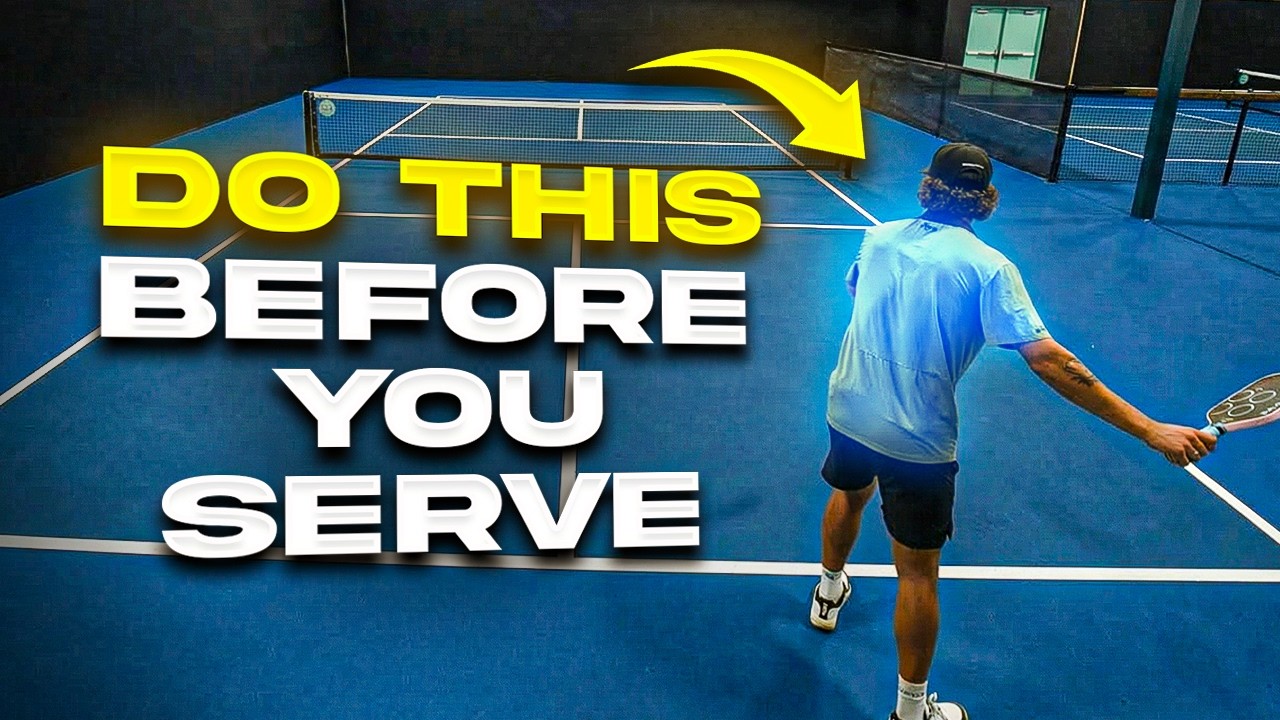
Drilling Your Serve: How to Build Placement and Spin Consistency
A serve you can't repeat under pressure isn't a weapon. It's just a lucky shot.
The goal is building enough groove in your mechanics that you can call your shot, execute it, and hit it again.
Here's a simple drill structure that builds both placement and spin together:
- Target practice: Place a cone or ball can in each of your four zones. Serve 10 balls at each target in sequence, then rotate.
- Spin-first reps: Practice only topspin serves for 20 reps, then only backspin serves for 20 reps. Feel the difference in contact point and paddle angle before combining them.
- Combo sets: Call your serve before you hit it, "deep topspin backhand", then execute. This builds intentionality and game-applicable focus.
- Game simulation: Serve to a partner who returns aggressively. React to their return with a third shot. The full sequence matters, not just the serve in isolation.
This kind of deliberate practice on shot selection is what accelerates improvement faster than just hitting serves into an empty court.
You can also work your power shot mechanics into this routine once your serve placement is consistent.
How to Improve Third Shot Drop Consistency
If you want to improve third shot drop consistency, the answer isn’t more court time, it’s structured, intentional repetition. This guide breaks down the exact drill protocol that builds a reliable drop you can trust under pressure.
The Dink PickleballThe Dink Media Team
Key Takeaways
- Winning points off your pickleball serve is about setup, not aces: the goal is a weak, attackable return
- Four key placement zones: deep backhand, wide forehand, body, short angle
- Topspin kicks through the bounce; backspin skids and stays low
- The best combos: topspin to deep backhand, backspin to wide forehand, sidespin to the body
- Vary your serve: predictability kills effectiveness faster than technique errors
- Your third shot follows the serve, treat them as one connected play
💡
Heads up: hundreds of thousands of pickleballers read our free newsletter.
Subscribe herefor cutting edge strategy, insider news, pro analysis, the latest product innovations and more.
Frequently Asked Questions
Can you win points directly off the serve in pickleball?
You can win points off the serve in pickleball, but direct aces are rare because returners have time to react from the baseline. The more realistic and consistent approach is using serve placement and spin combos to force a weak or short return, then winning the point on the third or fifth shot.
What is the most effective serve placement in pickleball to win points?
The deep backhand corner is the most consistently effective placement for winning points off the pickleball serve. It forces the returner to use their weaker side, limits their swing mechanics, and makes it difficult to produce an aggressive or well-placed return. Combine it with topspin for the highest upside.
What spins are legal on a pickleball serve?
Topspin, backspin, and sidespin are all legal on a pickleball serve when generated through paddle contact during the swing. What is not legal is spinning the ball with your fingers during the release before contact, per the USA Pickleball official rulebook. That rule change went into effect in 2023.
How do I practice serve placement without a partner?
Place physical targets (cones, ball cans, or tape marks) in each of your four service box zones and serve at them in structured sets. Call your target before each serve to build intentional focus. Tracking how many you hit per session gives you a measurable baseline to improve against.
How does serve variation affect my opponents?
Serve variation disrupts your opponent's ability to pre-set their footwork, grip, and swing timing. When they can't predict the speed, spin, or depth of the serve, they're forced to react rather than anticipate. Reaction-based returns are shorter, higher, and weaker than anticipated returns, which is exactly the position you want them in heading into the third shot.
Ready to sharpen the rest of your game too? Check out how to make the most of your return of serve and learn where to position yourself at the kitchen after a strong serve puts you in control.
Anuncie Aqui / Advertise Here
Sua marca para o mundo Pickleball! / Your brand for the Pickleball world!




 English (US) ·
  Portuguese (BR) ·