
 English
  Spanish
  Portuguese
  German
  Italian
  Japanese
  French
  Polish
  Russian
  Netherlands
  Hungarian
  Turkish
  Videos
  Thedink Pickleball

Jack Munro, the #1 player on the APP tour in mixed and men's doubles, breaks down the exact signals that tell you when your opponent is vulnerable and ready to be attacked.
Most pickleball players think kitchen line aggression is about hitting harder. They're wrong.
According to Jack Munro, the #1 player on the APP tour in mixed and men's doubles, real aggression at the kitchen line comes from reading your opponent's body language before they even make contact with the ball.
In a recent breakdown filmed at Urban Pickleball Club, Munro revealed the exact signals he uses at the highest level to know when his opponent is vulnerable.
These aren't complicated tactics—they're observable, repeatable reads that any player can learn and apply immediately.
Love pickleball? Then you'll love our free newsletter. We send the latest news, tips, and highlights for free each week.
The Three Signals That Reveal Vulnerability
Kitchen line aggression boils down to three observable cues: foot position, eye line, and chest angle.
Munro emphasizes that these aren't abstract concepts—they're concrete, real-time reads you can make during any rally.
"Aggression at the kitchen line is not about swinging harder," Munro explains in the video. "It is about reading your opponent's body before they even make contact."The beauty of this approach is that it transforms pickleball from a reactive sport into a proactive one.
Instead of waiting for your opponent to make a mistake, you're manufacturing offense by exploiting the moments when they're most vulnerable.
The first signal is foot position, and it's surprisingly simple.
When you pull your opponent out wide, watch whether they cross their feet to recover or simply take a step back.
Here's what matters:
Crossing your feet takes two to three times longer to uncoil from than keeping your legs uncrossed. That delay is your window.Jack Munro points out that this habit is especially common among tennis players who've converted to pickleball.
💡
Need some new pickleball gear? Get 20% off select paddles, shoes, and more with code THEDINK at
Midwest Racquet SportsIn tennis, crossing your feet is standard. In pickleball at the kitchen line, it's a liability. "You always want to have an open stance," Munro says.
"The more of an open stance you have, the more in control you're going to be at the kitchen line."When you see your opponent cross their feet, that's your cue to lean in.
They're likely going to hit a dink back rather than speed up, and they won't be ready for aggression.
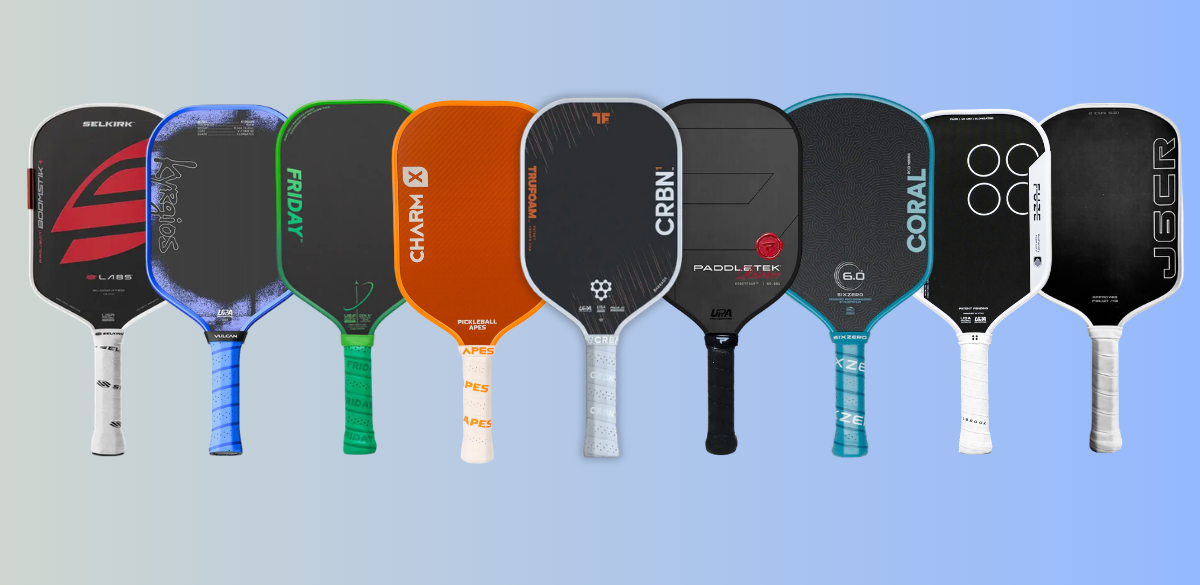
9 Power Paddles that Are Excellent at Dinking
Based on a unique blend of lab-tested power and consistency metrics, these paddles are proven to give you an edge in all three zones of the court.
 The Dink PickleballAlex E. Weaver
Why Head Position Matters More Than You Think
The second signal is your opponent's head position and eye line. This one requires a bit more nuance, but once you understand it, you'll see it in every rally.
When your opponent makes contact with the ball toward the side of their body rather than out in front, their head is down at the ball.
They can only see the ball—not you.
This is why Munro emphasizes using your anchor foot to get more behind the ball.
When you're positioned correctly at the kitchen line, you can see both the ball and your opponent in your peripheral vision.
Your opponent, if they're making contact to the side, can only see the ball.
"Whoever's in control at the kitchen line can see ball and their opponent in their peripheral," Munro explains.
"When the ball is more towards the side of my body rather than out in front, I can just see ball. I can't see my opponent in my peripheral, meaning they have the chance to move in and be aggressive while I'm making contact and I don't know where they are or what they're doing."Pickleball Shot Placement: Complete Winning Guide
Whether you’re serving, returning, dinking, or driving, knowing where to aim gives you control over the rally and keeps your opponent reacting instead of attacking.
The Dink PickleballThe Dink Media Team

How Chest Angle Reveals Readiness
The third and most nuanced signal is chest angle. This is where most players leave points on the table, according to Munro.
A simple rule:
When your chest faces the net, you have the advantage.The more your chest deviates toward the sideline, the less advantage you have.
Why? Because readiness is everything at the kitchen line. When your chest faces the net, you're set and ready to react.
When your chest faces the sideline, it takes more time and more variables to get back to your ready position. That's when you attack.
"The more your chest is facing towards the sideline, the more time it takes to get back to your ready position and the more variables involved," Munro says.
"Versus when you're just set at the kitchen, chest facing towards the net, it's going to be a lot more simple, a lot less complex, meaning less errors and more aggression."Even if your opponent doesn't cross their feet, if their chest is facing the sideline, you have the advantage. That's when you lean in.
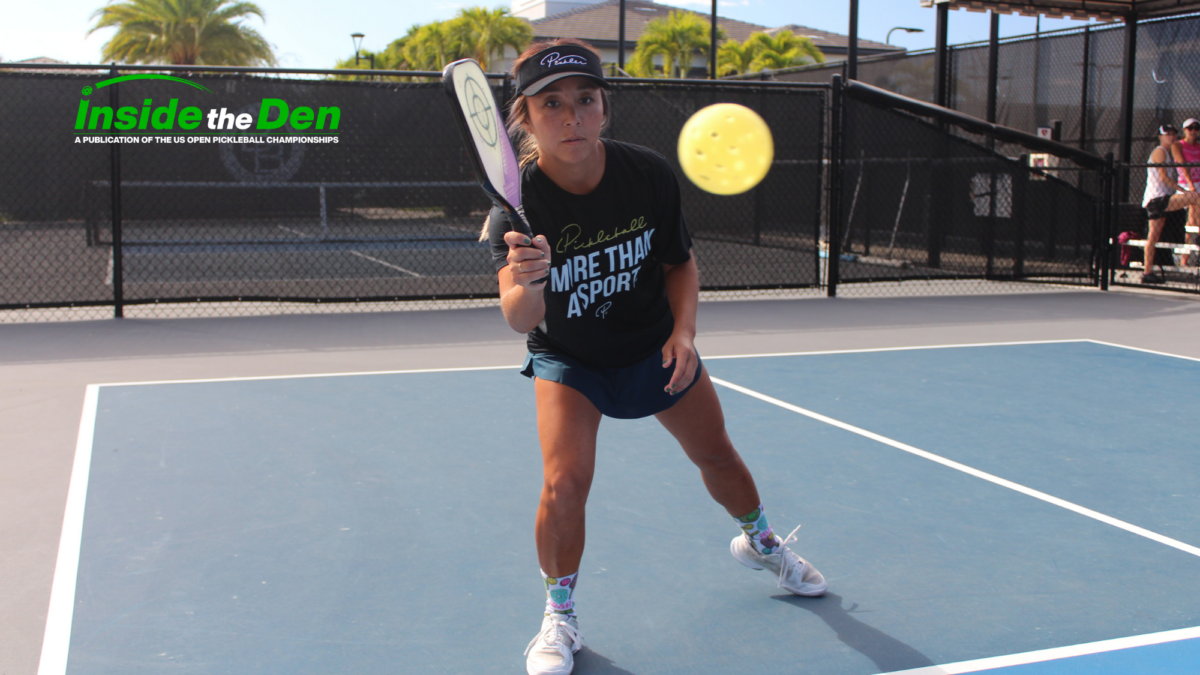
3 Pickleball Touch Drills to Transform Your Game
Touch separates average players from high-level competitors, and most people practice it completely wrong. Here are the 3 pickleball touch drills that will transform your game.
The Dink PickleballThe Dink Media Team

How to Actually Be Aggressive Once You've Read Your Opponent
Reading vulnerability is half the battle. The other half is knowing what to do with that information.
Kitchen line aggression isn't a single shot or technique—it's a strategy.
Munro breaks it down into one core principle: move your opponent around to get them out of position.
"The more they move, the more errors they're going to make," Munro explains.
Instead of dinking at the same spot back and forth and hoping they make a mistake, you dink with intent, direction, and purpose.
This means targeting different areas of the court. Pull them wide, then attack the middle. Move them side to side.
The goal is to create a popup or a weak return that you can finish.
Notice how much your opponent is moving their feet during a rally.
Eventually, that movement causes a popup you can take advantage of or a moment where they're scrambling instead of set. That's when you finish the point.
How to Read Your Opponent’s Eyes and Poach More Balls in Doubles Pickleball
The key to winning many pickleball points isn’t just quick reflexes; it’s reading what your opponent is about to do before they do it
The Dink PickleballThe Dink Media Team

Throughout the video, Munro emphasizes the anchor foot as the foundation for reading and executing kitchen line aggression.
The anchor foot keeps you balanced, lets you track both ball and opponent at the same time, and puts you in position to go on offense instead of just surviving.
Whether you're drilling doubles play or working on your singles kitchen game, controlling your stance is how you turn a neutral rally into a point you finish.
When you use your anchor foot correctly, you can see your opponent in your peripheral vision while making contact. You're not scrambling.
You're not off-balance. You're in control.
This is the difference between elite players and everyone else.
Jack Munro and other top professionals don't just react faster—they're positioned better from the start.
4 Essential Footwork Tips Every Senior Pickleball Player Must Master
Smarter positioning and simple footwork adjustments can help senior pickleball players improve performance without relying on speed
The Dink PickleballThe Dink Media Team

Why This Matters for Your Game
The three signals—foot position, eye line, and chest angle—stack up over the course of a game. Each read gives you a small advantage.
Over time, those small advantages compound.
Your opponent is always a step behind because you're reading them before they move. You're not waiting for them to hit a weak ball.
You're attacking the moment you see the signal that they're vulnerable.
This is pickleball strategy at the elite level. It's not complicated. It's not about having a bigger swing or faster reflexes.
It's about seeing what's actually happening and acting on it.
💡
Heads up: hundreds of thousands of pickleballers read our free newsletter.
Subscribe herefor cutting edge strategy, insider news, pro analysis, the latest product innovations and more.
Frequently Asked Questions
The anchor foot is the foot that stays planted while you extend to reach the ball. It keeps you balanced and allows you to see both the ball and your opponent while making contact. Using your anchor foot correctly prevents you from crossing your feet and losing control at the kitchen line.
How do I know when to attack at the kitchen line?
Attack when you see one of three signals: your opponent crossing their feet, their head down at the ball (making contact to the side), or their chest facing the sideline instead of the net. These signals indicate your opponent is vulnerable and not fully ready to defend.
Why is chest angle important at the kitchen line?
Chest angle determines how quickly your opponent can recover and get back to their ready position. When their chest faces the sideline, they need more time and more movement to reset. When their chest faces the net, they're already in position. This difference is where you find your window to attack.
Can I use these reads in singles pickleball?
Yes. While these reads are especially useful in doubles, the same principles apply in singles. Reading your opponent's body language and attacking when they're vulnerable works at any level and in any format of the game.
How do I practice reading these signals?
Watch your opponents during drills and matches. Focus on one signal at a time—start with foot position, then move to eye line, then chest angle. Over time, you'll start seeing all three simultaneously and reacting instinctively.
Anuncie Aqui / Advertise Here
Sua marca para o mundo Pickleball! / Your brand for the Pickleball world!



 English (US) ·
  Portuguese (BR) ·