
 English
  Spanish
  Portuguese
  German
  Italian
  Japanese
  French
  Polish
  Russian
  Netherlands
  Hungarian
  Turkish
  Videos
  Thedink Pickleball

Then grab a paddle, find some friends and a court, and just go play. You’ll figure the rest out.
Pickleball is exploding. You see it in your neighborhood parks, on your social feeds, and probably in your dreams at this point (just us?).
But for the uninitiated, stepping onto that court feels a bit like trying to solve a Rubik's Cube while someone yells "0-0-2" at you.
Enter Zane Navratil. If you don't know Zane, he's basically pickleball royalty: a two-time PPA champion, four-time MLP champion, host of the PicklePod, and a guy who’s been living and breathing the sport since 2013.
In a new video, he teaches you the basics of pickleball in a digestible five-minute guide.
Love pickleball? Then you'll love our email newsletter. We send the latest news, tips, and highlights for free each week.
The Court and the Kitchebn
Zane starts with the lines.
It looks like a mini tennis court, sure, but those extra lines are where the magic (and the frustration) happens.
- You’ve got your baseline and sidelines, which are pretty self-explanatory. If the ball goes past them, it’s out. Simple enough.
- But then there’s the kitchen. Technically called the Non-Volley Zone, this seven-foot strip near the net is what gives pickleball its soul.
You can’t just stand in there and smash balls out of the air. You have to stay behind it if you want to volley. It’s the great equalizer that prevents the sport from becoming a game of "who can hit it hardest."
The Rules You’ll Actually Use
Before you start swinging, you need to know the "Double Bounce Rule." This is the one that trips up every tennis convert, but it's actually super simple. You ready
- The serve has to bounce
- And the return has to bounce
After that? It’s a free-for-all. This rule exists for a reason: it stops the serving team from just sprinting to the net and ending the point immediately. It forces a bit of strategy. Speaking of serving, keep it underhand and crosscourt. If you step on the baseline while serving, that’s a fault. Don't be that person.
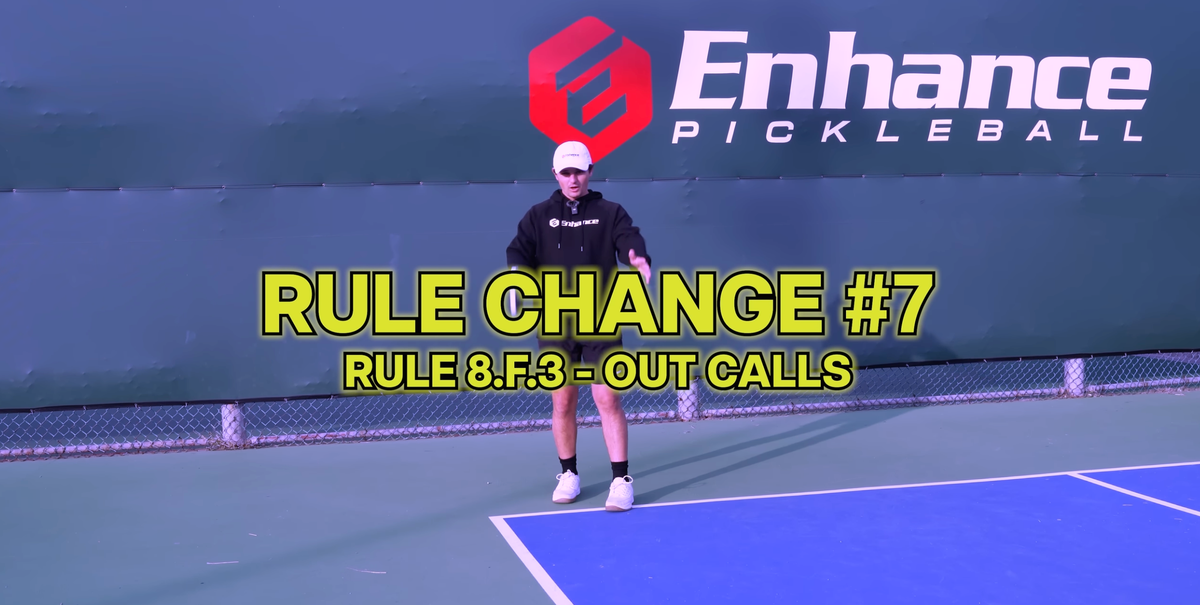
7 New USAP Pickleball Rules for 2026 You Need to Know
Starting January 1, 2026, USA Pickleball is rolling out a slew of new or modified rules that range from clarifications to legitimate game-changers
 The Dink PickleballThe Dink Media Team
The Five Shots You Really Need
1. The Serve
The goal here isn't an ace. It’s about starting the point and getting the ball deep. Zane suggests two methods: the traditional volley serve or the drop serve.
The biggest mistake? Trying to swing like it’s a tennis serve. Keep it consistent, not necessarily powerful. You want to give yourself an advantage, not just gift a point to the other team.
2. The Return
The return is your ticket to the net. You want to hit it deep to push the serving team back, buying yourself time to get into the kitchen line.
💡
Zane’s pro tip: don’t just stand there after you hit it. Move!
The net is where the points are won. If you stay back, you're just asking for trouble.
3. The Dink
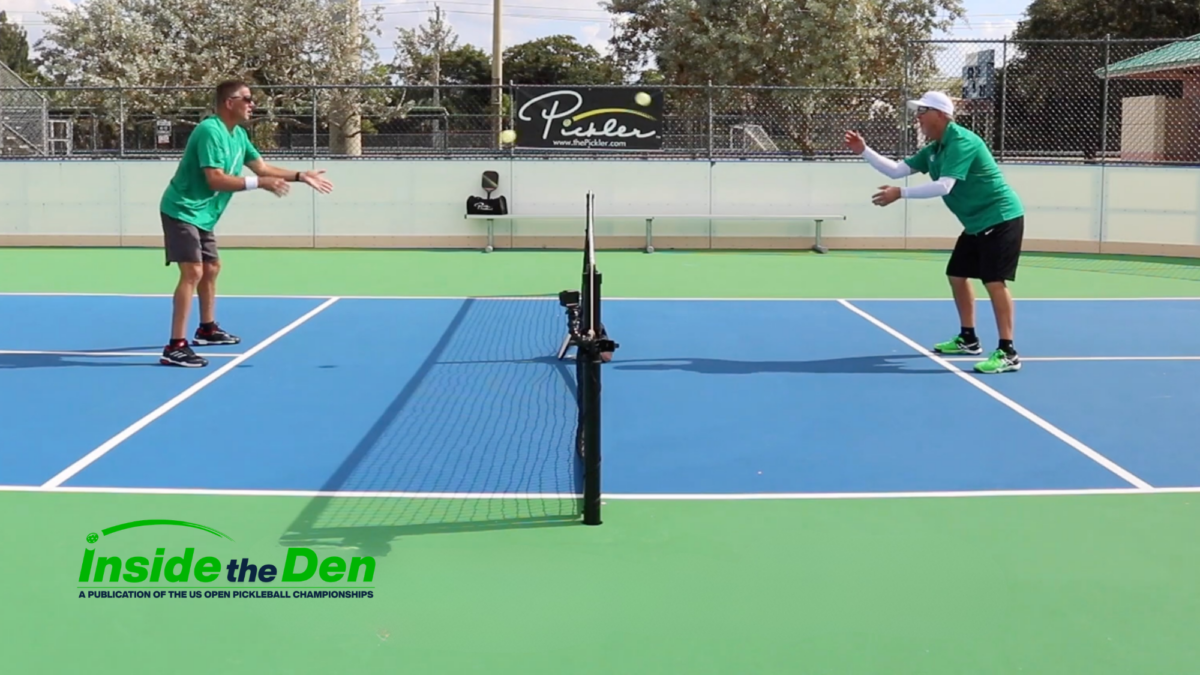
This is the shot that defines the sport. It’s a soft, controlled shot into the opponent’s kitchen.
Why? Because if the ball is at their feet, they can’t rip it at your face. Zane emphasizes that "less is more" here. Keep your swing compact. If you take a big tennis-style backswing, you’re going to lose your touch and the ball will sail long.
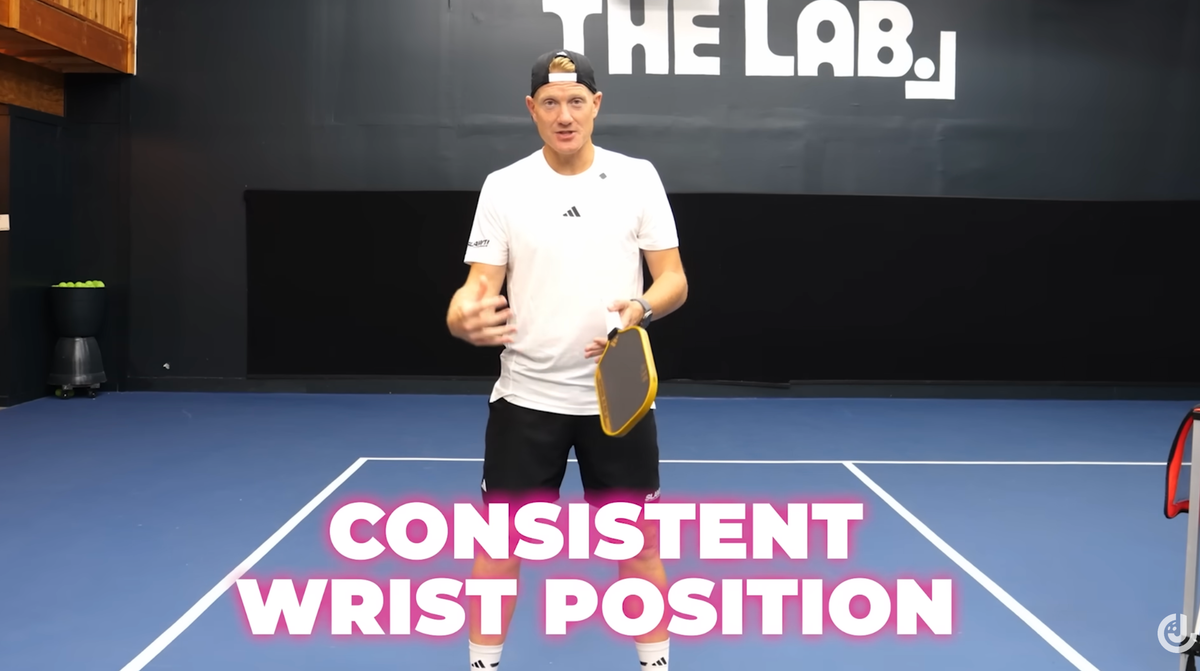
5 Simple Pickleball Tips That Actually Work (No Drilling Required)
You don’t need to spend eight hours a week on the court to see improvement. Sometimes a mindset shift or a focus on one specific element is enough to move the needle.
 The Dink PickleballThe Dink Media Team
4. The Volley
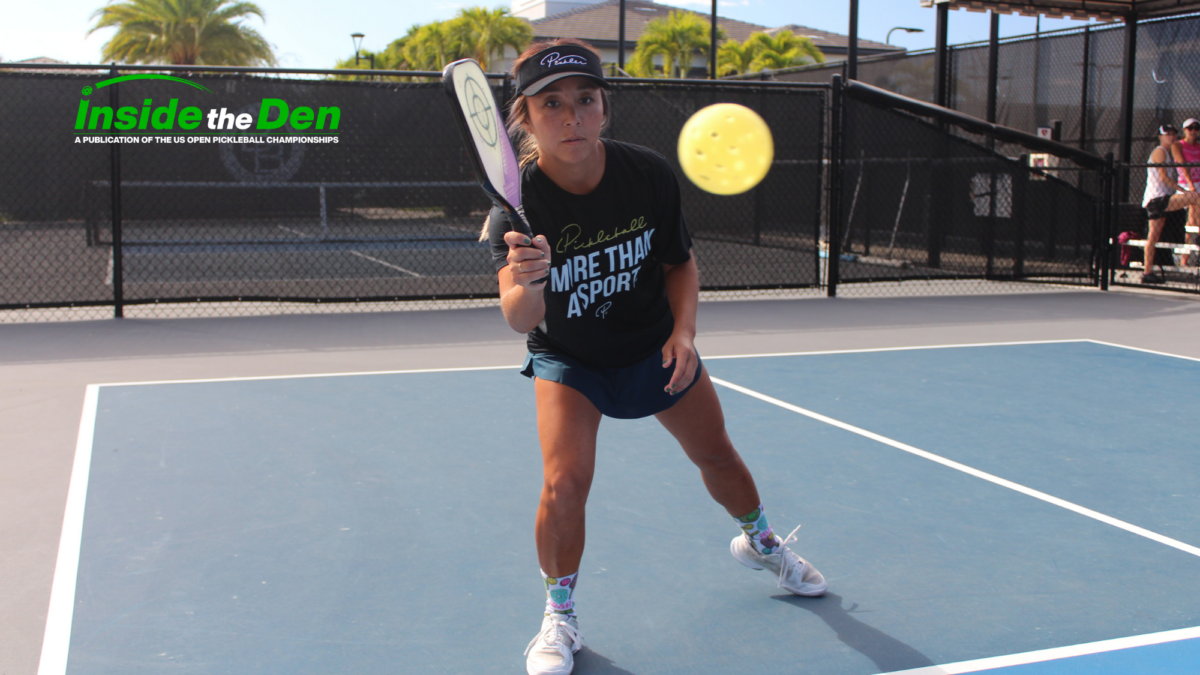
When you’re at the kitchen line, you’ll be taking balls out of the air. Again, think short and compact. You want to direct these volleys down toward your opponent’s feet. Big swings lead to big mistakes. Keep it nice and compact, just like when you're dinking.
5. The Third Shot
This is the transition shot. Since you can’t serve and volley, you need a way to get from the baseline to the net. You can drive it hard, but Zane warns that you’ll eventually need to learn the "drop" (a soft shot that lands in the kitchen) to really level up. If you drive everything, you'll get stuck at the baseline, and that's a lonely place to be.
Scoring Without the Headache
Pickleball scoring sounds like a secret code, but Zane keeps it simple. It’s side-out scoring, meaning only the serving team can score points. Games usually go to 11, win by two.
In doubles, the score has three numbers:
- Your points
- Their points
- And whether you’re the first or second server on your team
You switch positions with your teammate every time you score. It sounds complicated until you do it for ten minutes, then it becomes second nature.
Dink Awards 2025
Dink Awards 2025 — Pickleball’s official fans’ choice awards for the top players, people, and moments from the year.
 Dink Awards 2025
Final Thoughts
Zane has been in the pro game since the beginning, and his ability to simplify the sport is why he’s one of the best teachers out there. Whether you’re a tennis refugee or someone who hasn't picked up a racket in a decade, these fundamentals are your roadmap.
So, grab a paddle, find a court, and remember: stay out of the kitchen unless the ball bounces. More than anything, just go play. You’ll figure the rest out.
Heads up: hundreds of thousands of pickleballers read our free newsletter. Subscribe here for cutting edge strategy, insider news, pro analysis, the latest product innovations and more.
Anuncie Aqui / Advertise Here
Sua marca para o mundo Pickleball! / Your brand for the Pickleball world!

 English (US) ·
  Portuguese (BR) ·