
 English
  Spanish
  Portuguese
  German
  Italian
  Japanese
  French
  Polish
  Russian
  Netherlands
  Hungarian
  Turkish
  Videos
  Thedink Pickleball

Jason Aspes says it's time USA Pickleball and UPA-A combined forces—and give players one approved paddle list they can actually trust
The future of pickleball comes down to one word: trust. And right now, that hangs in the balance.
That’s the practical takeaway from a pointed new essay by UPA-A President Jason Aspes.
The headline takes aim at USA Pickleball’s credibility. But his most consequential proposal looks forward: one paddle certification covering recreational and professional pickleball.
Right now, he argues, we're a sport divided. And that hurts manufacturers, organized play at all levels, and ultimately, the players themselves.
“Two standards cost everyone,” Aspes writes.
For players, the appeal is straightforward. Buying a paddle is already an exercise in sorting through shapes, thicknesses, materials and marketing promises.
Figuring out which approval stamp matters at which event adds another question: Can I actually use this thing?
What he wants to change
Aspes’ proposed system would combine the organizations’ strengths:
- USA Pickleball’s reach: Its international footprint and amateur tournament network.
- UPA-A’s testing approach: Direct performance measurements, testing after mechanical break-in and independent laboratory partners.
- Independent oversight: A technical committee with transparent methods, results and exceptions—and no sponsorship relationships with the brands being evaluated.
- One approved list: A common reference for players, manufacturers and tournament directors.
“The answer is one certification. USA Pickleball would bring its international reach and its amateur tournament network. The UPA-A would bring direct measurement, testing after break-in, and its independent lab partners," he writes.
"A joint standard run by an independent technical committee, with published methods, published results, published exceptions and no sponsorship ties to the brands it tests, would give pickleball one approved list that every player, manufacturer and tournament director can trust.”Governance of pickleball is at a crossroads. The sport hangs in the balance. https://t.co/HKXf9IaotE
— UPA-A (@UPAApb) October 16, 2026The paddle market is maturing at a dizzying pace. Hundreds of brands. Thousands of models, with new performance-first tech introduced all the time.
Any time a new rule or threshold is established, brands rush to manufacture as close to it as possible. Inevitably – whether intentionally or not – some models cross the line. Very few are ever caught, publicly reprimanded, or financially held to account.
It's a messy bifurcated system nearly everyone agrees requires clearer checks and balances. But how to effectively go about that has been murky at best, especially as participation at the rec, amateur, and pro levels only increases.
All the while, of course, prize money goes up. Competition to compete at the highest levels gets more cutthroat. And balls get faster and faster.
Are Pickleball Paddles Getting Too Powerful Again?
New testing from Pickleball Effect suggests paddle manufacturers are finding ways to squeeze more power out of their equipment without breaking the rules. And the numbers are pretty eye-opening.
 The Dink PickleballAlex E. Weaver
Why he’s pushing for it
Much of Aspes’ criticism centers on OWL’s certification. He alleges USA Pickleball waived a surface-roughness test and failed to publicly disclose provisional approval terms. He also questions the proximity of commercial relationships to certification decisions.
Aspes' broader testing concern: A paddle’s performance can change with use. He argues evaluating only new equipment misses what players eventually bring onto the court.
That distinction matters beyond the lab. An approval stamp is most useful when it tells players something meaningful about the equipment they’ll compete with over time.
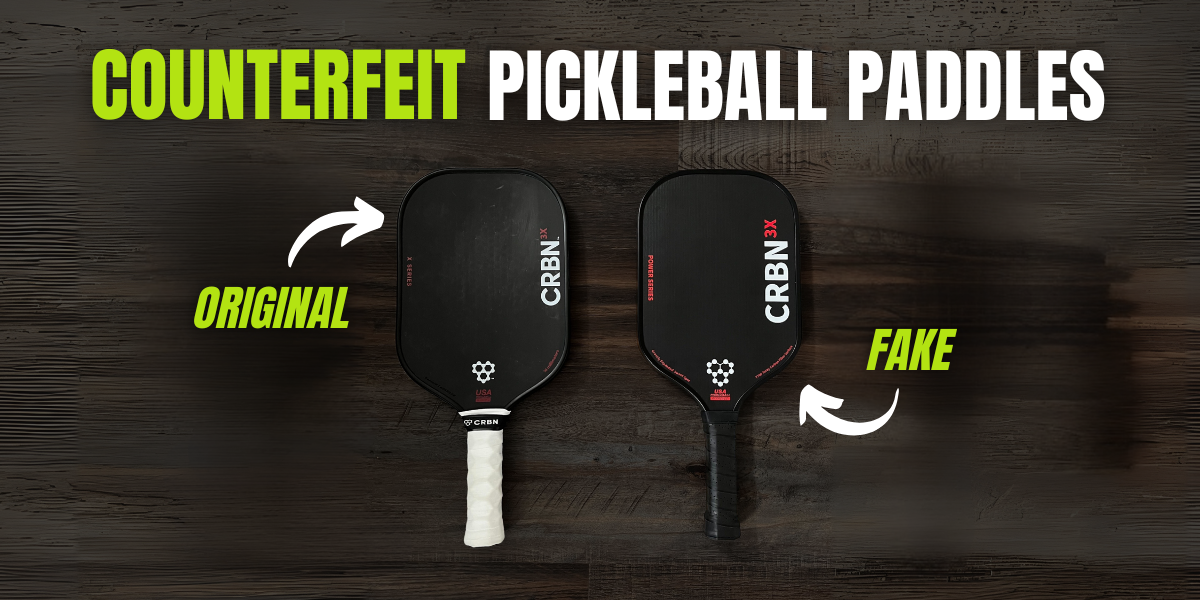
The Counterfeit Pickleball Paddle Black Market Explained
Inside the pickleball paddle black market that’s confusing consumers, costing brands, and undermining the sport’s ability to innovate
 The Dink PickleballAlex E. Weaver
Both sides would have to budge
Aspes also acknowledges UPA-A’s commercial connections to the professional leagues it serves. His proposal would require both organizations to surrender some authority.
“Each would have to give up control,” he writes.
That is the real test of this proposal. Agreeing that pickleball needs clarity is easy. Agreeing on who sets the limits, who enforces them and who answers for mistakes is considerably harder.
For everyday players, the desired outcome is refreshingly uncomplicated: Buy an approved paddle, show up and play. The certification debate belongs in the testing room—not in an argument before the first serve.
Read Aspes' full piece in full here: "How USA Pickleball Quietly Lost Their Credibility"
💡
Need some new pickleball gear? Get up to 15% off select paddles, shoes, and more with code THEDINK at
Midwest Racquet Sports.
Anuncie Aqui / Advertise Here
Sua marca para o mundo Pickleball! / Your brand for the Pickleball world!





 English (US) ·
  Portuguese (BR) ·