
 English
  Spanish
  Portuguese
  German
  Italian
  Japanese
  French
  Polish
  Russian
  Netherlands
  Hungarian
  Turkish
  Videos
  Thedink Pickleball

The midcourt is where points – and games – are won or lost... this shot decides if you're on the winning or losing end
Connor Garnett's latest pickleball coaching video tackles one of the most frustrating problems in the game: the midcourt forehand reset.
If you've ever felt like your reset shots are either popping up or landing too soft, you're not alone.
Garnett breaks down exactly what's going wrong and how to fix it in just five minutes, working with a player to diagnose and correct the mechanical issues that plague so many players.
Love pickleball? Then you'll love our free newsletter. We send the latest news, tips, and highlights for free each week.
The Three-Part Reset Fix
Garnett identifies three key mechanical adjustments that transform a struggling reset into a reliable, repeatable shot. These aren't complicated fixes, but they do require intentional practice to ingrain.
- Lead with the paddle tip. The paddle tip should move through the contact point first, with your arm following behind. This prevents the common mistake of using your arm and wrist to generate power instead of letting your body do the work.
- Lock your wrist. Keep your wrist stable throughout the stroke. Avoid flicking or rotating motions, as they can cause inconsistency and loss of control.
- Rotate your hip. Your power comes from your lower body, not your arm. As you move through the reset, turn your right hip to generate force from the bigger muscle groups rather than relying on smaller arm muscles.
The beauty of this approach is that it shifts the reset from an arm-dominated motion to a body-driven one. This is what makes the shot more repeatable and, frankly, more reliable under pressure.
Why Your Backswing Matters Too
Garnett also addresses the backswing, which many players overlook. The tendency is to take the paddle tip too far back, which creates a longer swing path and more room for error. Instead, keep your paddle in a more neutral position during the backswing. This shorter, tighter motion makes it easier to move through the ball smoothly and maintain control.
It's a small adjustment, but it compounds with the other mechanics to create a much cleaner stroke.
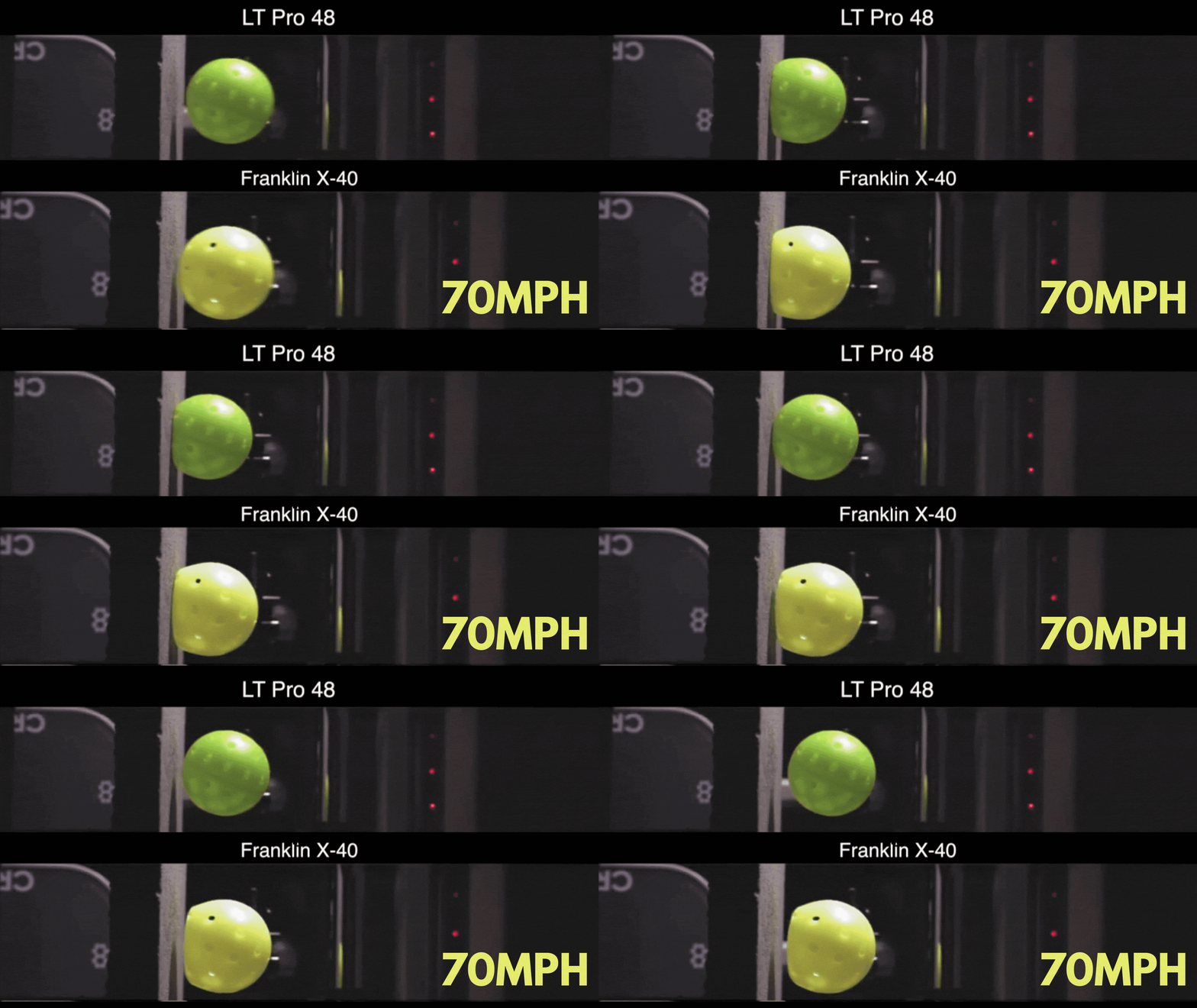
Comparing Life Time and Franklin Pickleballs in Slow Motion
“The Lifetime Pro 48 stood out right away. It snapped back into a round shape very fast, almost before it even left the cinder block.”
 The Dink PickleballAlex E. Weaver
Contact Point and Swing Speed
Two more details round out the coaching session. First, hit the ball lower on the paddle face, not higher up near the handle. Hitting higher on the paddle can cause you to lose power and consistency. Second, slow down your swing speed. A softer, more controlled reset is almost always better than a faster one, especially when you're trying to keep the ball low and soft in the kitchen.
Rohrabacher's feedback after the drill is telling: the reset felt softer and more controlled. That's the goal. You're not trying to hit a winner; you're trying to neutralize an aggressive drive and regain control of the net.
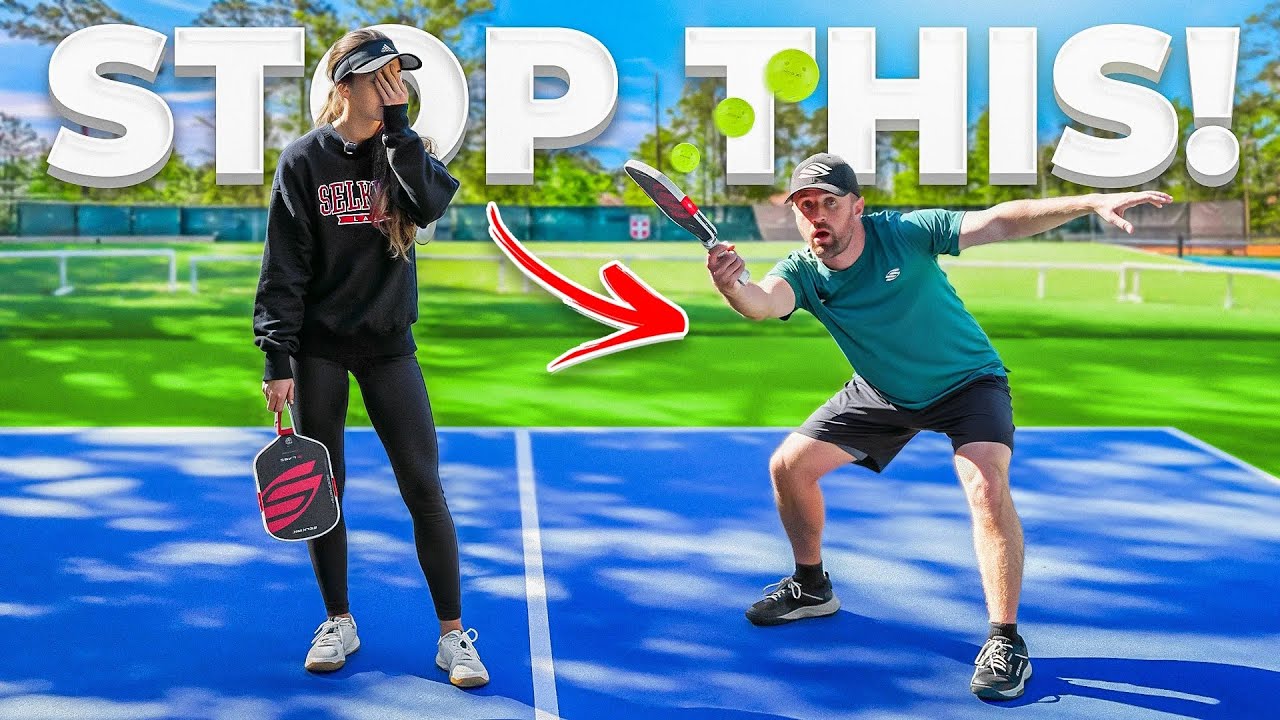
4 Fixes to Stop Popping the Ball Up in Pickleball
Soft grip, planted feet, early preparation, and smarter resets — the four fixes that keep the ball down and the point rolling on
 The Dink PickleballThe Dink Media Team
The Bigger Picture
The midcourt reset is one of the most important shots in pickleball because it's where so many rallies are decided.
If you can't reset effectively, you're stuck in a reactive position. Master this shot, and you'll find yourself controlling more points and winning more games.
Garnett's five-minute breakdown gives you the roadmap to get there.
Heads up: hundreds of thousands of pickleballers read our free newsletter. Subscribe here for cutting edge strategy, insider news, pro analysis, the latest product innovations and more.
Anuncie Aqui / Advertise Here
Sua marca para o mundo Pickleball! / Your brand for the Pickleball world!



 English (US) ·
  Portuguese (BR) ·