
 English
  Spanish
  Portuguese
  German
  Italian
  Japanese
  French
  Polish
  Russian
  Netherlands
  Hungarian
  Turkish
  Videos
  Thedink Pickleball

Pickleball lessons for beginners speed up the parts of the game self-taught players get wrong for years: legal serve mechanics, kitchen discipline, and shot selection. Here's how to pick a coach and make the reps stick.
Pickleball lessons for beginners get sold as a shortcut, and that framing is exactly why so many players waste them.
You book an hour, a coach feeds you balls, you leave feeling good.Three weeks later you're still popping up the third shot and still stepping into the kitchen on your follow through.
The lesson wasn't bad. You just didn't know what to ask it for.
Here's the thing: the players who get the most out of pickleball lessons for beginners aren't the ones who take the most of them.They're the ones who walk on with a specific problem and walk off with a specific fix.
Love pickleball? Then you'll love our free newsletter. We send the latest news, tips, and highlights for free each week.
Why Do Pickleball Lessons for Beginners Beat Just Playing More?
Structured coaching with immediate feedback builds skills faster than open play, because open play never tells you what you did wrong.
You hit a ball into the net. Was it your paddle face? Your contact point? Rec play gives you the outcome and hides the cause.Research on skill learning in court sports has found that structured practice with immediate feedback speeds up stroke consistency, skill retention, and tactical decision making compared to unstructured self-directed practice.
The mechanism isn't complicated. Feedback that arrives seconds after the rep attaches to the rep.
Feedback that arrives three weeks later, as losing again, attaches to nothing.
That's the whole case for pickleball lessons for beginners. Not talent. Not secret drills. Just a faster loop between doing the thing wrong and finding out.Which is also why a coach who feeds you comfortable balls for an hour is stealing from you.
Read up on the mistake you didn't know you were making before your first session and you'll already be asking sharper questions.
What Should Pickleball Lessons for Beginners Actually Cover?
Pickleball lessons for beginners should fix three things:
- legal mechanics
- kitchen discipline
- shot selection
Everything else can wait. Spin, power, fancy resets, all of it. Beginners who chase shot variety before owning the basics build habits that take years to unlearn.
💡
Need some new pickleball gear? Get 20% off select paddles, shoes, and more with code THEDINK at
Midwest Racquet SportsThe Serve and the Rules You'll Break Without Knowing It
Most self-taught beginners are serving illegally and nobody has told them.
USA Pickleball's rules require the serve to be struck underhand with contact below waist level, plus non-volley zone foot discipline and the double bounce before anyone volleys.Learn those wrong and you'll get called in your first tournament, on a point that mattered.
Good pickleball lessons for beginners start here, because rules and mechanics are the same conversation.
Your serve grip sets your contact height, and contact height decides whether the serve is legal.Start with whether you have a serve grip at all, then work out where to return serve so the double bounce rule stops feeling like a trap.
Kitchen Discipline Is Where Pickleball Lessons for Beginners Pay Off Fastest
Nothing moves a beginner's win rate more than holding the line at the non-volley zone.
Not a better serve. Not more power. Just getting to the kitchen and staying there without faulting.It's the hardest thing to self-teach, because your feet do it wrong while your eyes track the ball. A coach standing behind you catches it in one rep.
Pair the lesson with our guide on how to position yourself at the kitchen and the concept of becoming unattackable, and you'll have language for what your coach is showing you.
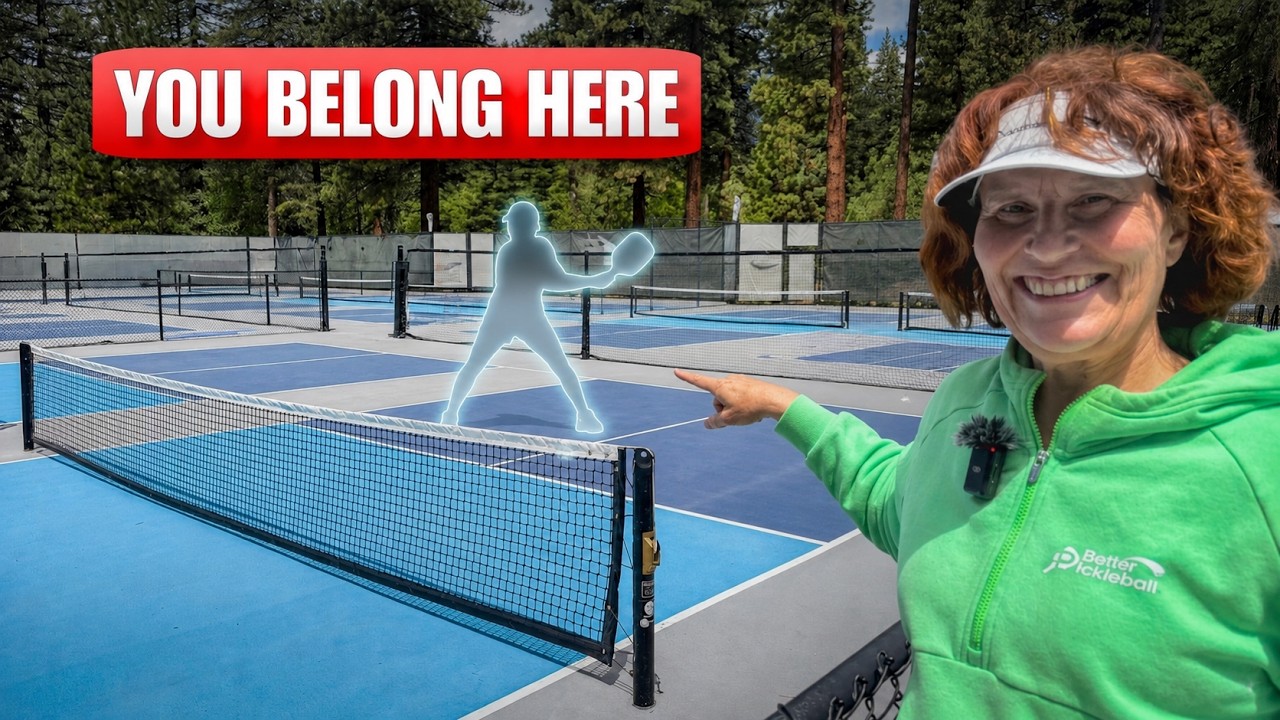
Pickleball Open Play: A Beginner’s Complete Guide
Walking into pickleball open play for the first time can feel intimidating, but it doesn’t have to be. Here’s exactly what you need to know to show up confident and fit right in.
 The Dink PickleballThe Dink Media Team
So What Exactly Is the Kitchen?
The kitchen, officially the non-volley zone, is the seven-foot area on each side of the net where you can't hit the ball out of the air.
You can stand in it. You just can't volley from it, and your momentum can't carry you in after a volley either. That second half catches beginners.Think of it this way: the line isn't a wall, it's a tripwire.
Most kitchen faults happen after the shot, not during it, which is why good pickleball lessons for beginners drill the recovery step and not just the volley.
Once that clicks, the three tips every beginner needs to know stop sounding like generic advice and start sounding like instructions.
How Much Do Pickleball Lessons Cost?
Private beginner lessons run higher per hour than group clinics, and clinics usually deliver more court time per dollar for a first-timer.
Pricing varies by market, coach certification, and whether court rental is bundled in, so treat any national average as a rough guide rather than a quote.
Honestly, format matters more than price. A beginner in a small group gets to watch other people fail at the same shot, which is underrated learning.Programs like this startup offering pickleball lessons for everyone exist precisely because group instruction scales in a way private coaching doesn't.
The sport's growth explains the demand.
Pickleball reached 13.6 million participants in 2023, and in plenty of markets coaching supply still hasn't caught up.
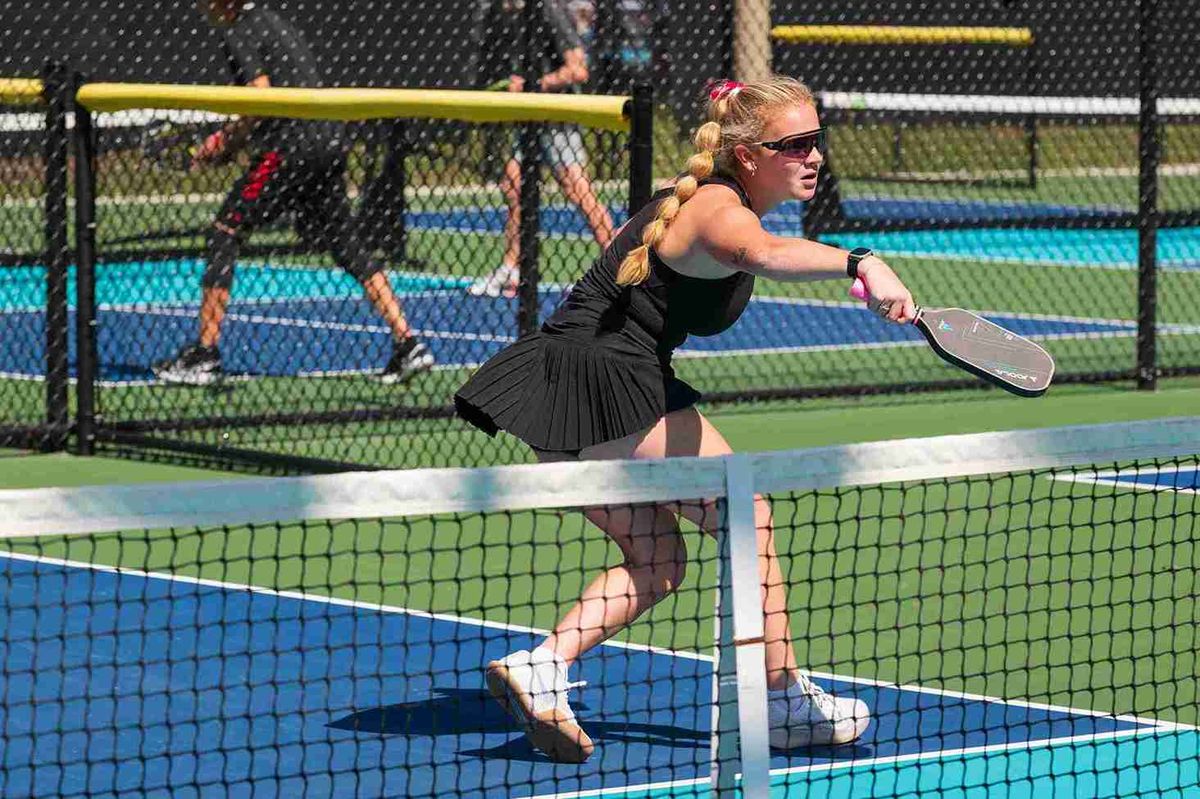
Kitchen Strategy 3.5 Pickleball: What to Focus On First
Kitchen strategy 3.5 pickleball players need is less complicated than you think, the gap between a 3.0 and a 3.5 comes down to a handful of repeatable habits at the non-volley zone. Here’s exactly where to focus first so you stop losing points you should be winning.
 The Dink PickleballThe Dink Media Team
How Do You Pick a Coach Who's Worth It?
Pick the coach who asks you questions before handing you a paddle.
That's the tell. Anyone feeding balls before they understand your background is running a template, not a lesson.Ask these five things before you book:
- What do you teach beginners first? If the answer is "we'll see how you hit," keep looking.
- Do you record video? Seeing your own footwork beats being told about it.
- What's your group size? Anything over six and you're getting supervised rec play.
- What should I be able to do after four sessions? A good coach has an answer. A great one has a specific answer.
- What do I practice between lessons? No homework means they're monetizing your return visit.
That last one separates instruction from entertainment. The best pickleball lessons for beginners end with an assignment, not a compliment.
Our breakdown of three skill investments that elevate your game covers where the returns actually are.
What Pickleball Lessons for Beginners Can't Promise
No lesson package guarantees a timeline. Improvement depends on practice frequency, feedback quality, and where your athletic baseline started.
Anyone selling a fixed rating jump by a fixed date is selling you a feeling.Be skeptical of rating promises especially. DUPR's ratings move on match results, not lessons attended. Lessons change the inputs. You still have to go play.
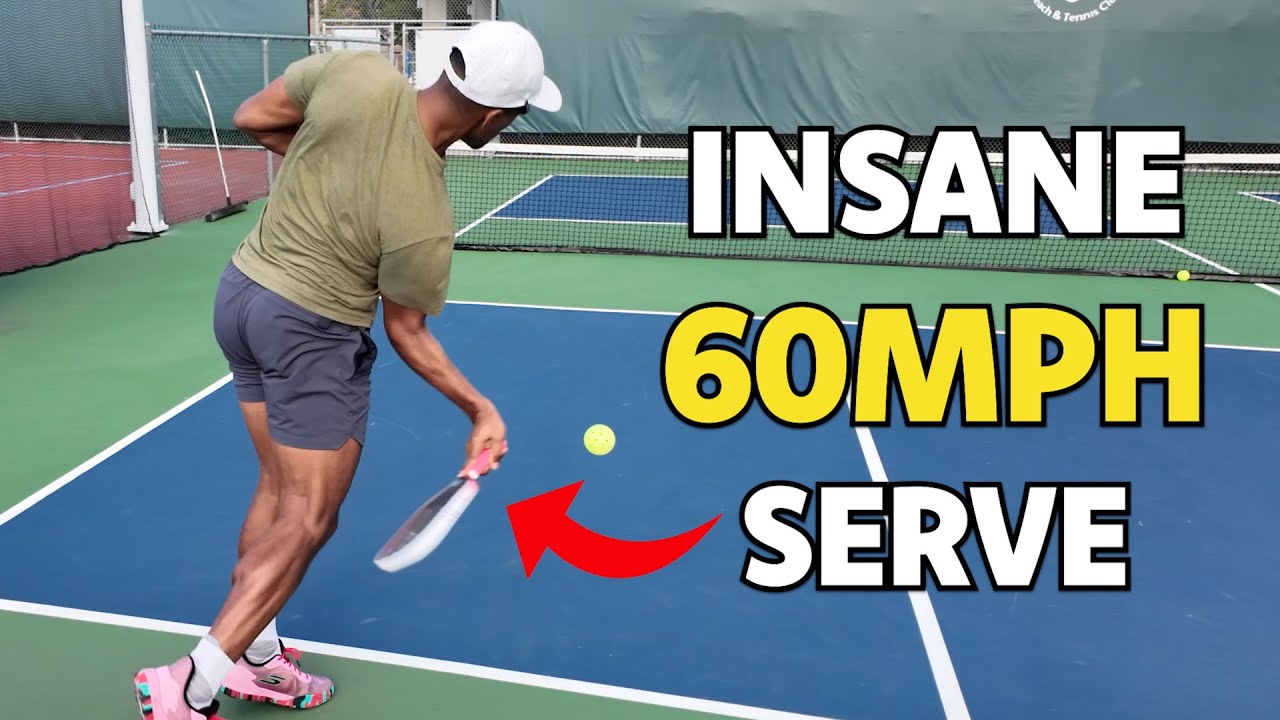
Pro Coach Reveals How to Hit 60+ MPH Pickleball Serves
Get low, take your time, and focus on driving forward. Add the mental edge once the mechanics feel natural.
 The Dink PickleballThe Dink Media Team
Making the Reps Stick Between Sessions
The lesson is the diagnosis. The week after is the treatment.
Players who improve fastest treat pickleball lessons for beginners as the smallest part of the process, not the whole of it.
Solo work carries more weight than beginners expect.
Our guide to solo pickleball drills you can do by yourself is the place to start, and the figure 8 drill plus the fridge and toaster drill both build the paddle control your coach keeps pointing at.Add a better stance and you've fixed the base that everything else sits on.
Warm up first.
Dynamic movement prep and cleaner footwork have been associated with lower rates of sprains and strains in court sports research, which argues for five minutes on warm-up routines before hunting the perfect drop.
One gear note beginners get wrong constantly: everyday sunglasses and prescription glasses aren't tested for ball impact, while ASTM F803 rated eyewear is eye safety guidance.At kitchen range that matters.
Once the fundamentals hold, the fun opens up.
Make your third shot spicy, learn doubles positioning on the T and sideline, and study the seven tips that took one player from 3.0 to 3.5. That's the ladder.
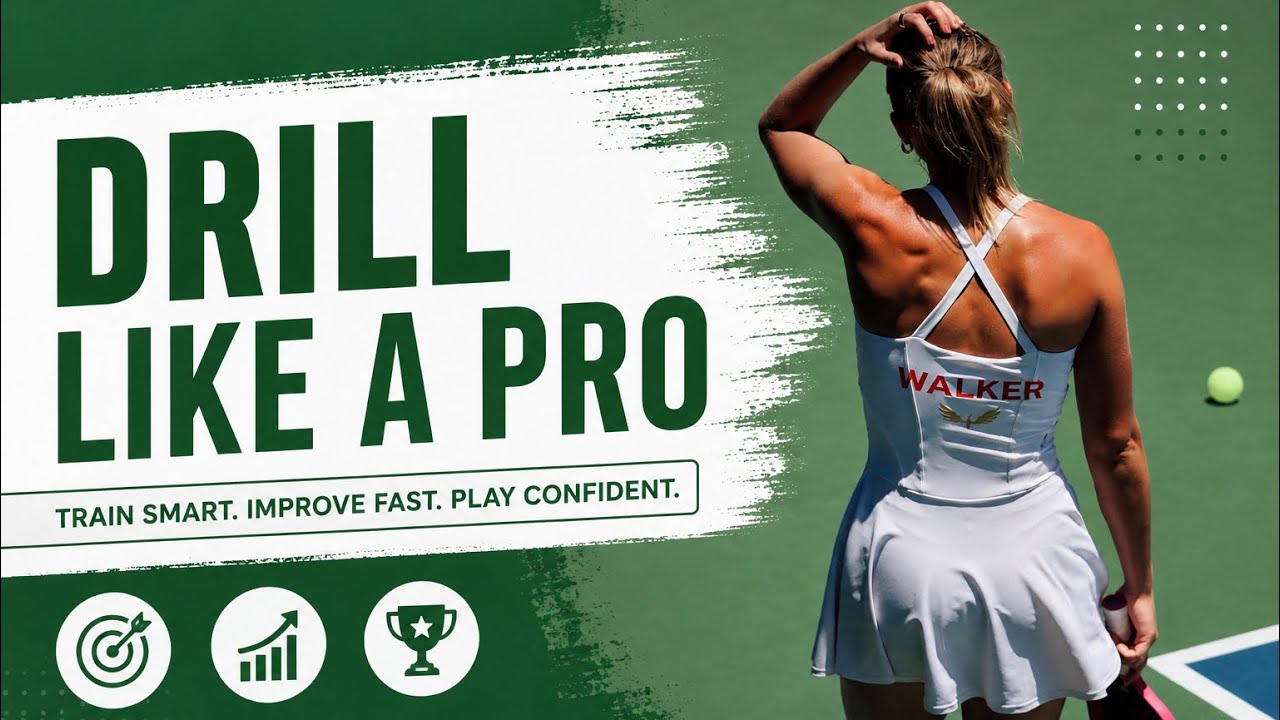
The 7-Step Pickleball Drill Session Guide
A pickleball drill session doesn’t have to be random hitting. The Walker Sisters break down a proven 7-step framework that transforms practice into measurable improvement.
 The Dink PickleballThe Dink Media Team
Key Takeaways
- Pickleball lessons for beginners work best when you arrive with a specific problem, not a vague wish to improve.
- Structured coaching with immediate feedback has been linked to faster skill retention than unstructured play.
- Your first sessions should cover legal serve mechanics, kitchen discipline, and shot selection. Nothing else.
- Most self-taught beginners are breaking the serve or double bounce rules without knowing it.
- A coach who sends you home with homework beats one who sends you home happy.
- No lesson package can promise a timeline. Practice volume and feedback quality drive the rate of change.
💡
Heads up: hundreds of thousands of pickleballers read our free newsletter.
Subscribe herefor cutting edge strategy, insider news, pro analysis, the latest product innovations and more.
Frequently Asked Questions
How many pickleball lessons do beginners need?
Most beginners get the core mechanics in three to five sessions, then shift to drilling and play. There's no fixed number, since progress depends on how often you practice between lessons. A useful test: once you can serve legally, hold the kitchen line, and choose between a drive and a drop on purpose, you've gotten what beginner lessons are for.
Are group clinics or private pickleball lessons better for beginners?
Group clinics are usually the better first step. More court time per dollar, plus you watch other beginners make the same errors. Private lessons make more sense once you have a specific flaw you want removed, since that's where one-on-one attention pays off.
What should I bring to my first pickleball lesson?
Court shoes with lateral support, water, and impact rated eyewear. You don't need your own paddle, since most coaches provide loaners and trying a few weights before buying beats guessing. Leave the expensive gear until you know what you like.
Can I learn pickleball without lessons?
Yes, plenty of people do. It's just slower, and you're more likely to build illegal or inefficient habits that get expensive to fix later. Serve mechanics and kitchen footwork are where self-teaching goes wrong most often.
What's the fastest way to improve after beginner lessons?
Drill more than you play. Most rec players flip that ratio and wonder why they plateau for years. Pick one shot per week, do focused reps, then test it in games.
Anuncie Aqui / Advertise Here
Sua marca para o mundo Pickleball! / Your brand for the Pickleball world!

 English (US) ·
  Portuguese (BR) ·