
 English
  Spanish
  Portuguese
  German
  Italian
  Japanese
  French
  Polish
  Russian
  Netherlands
  Hungarian
  Turkish
  Videos
  Thedink Pickleball

Knowing the pickleball terms every beginner should know is the fastest shortcut to playing smarter and talking the talk on court. This complete glossary covers every essential word, shot name, and rule concept you'll hear in your first few months of play.
Knowing the pickleball terms every beginner should know is the first real skill you pick up, before you even step on the court.
You'll hear "stay out of the kitchen," "hit the third shot drop," and "that was an erne" in your first week of play.If you nod along hoping context saves you, you're already behind. This pickleball glossary changes that.
Here's every term, explained the way a fellow player would explain it, not the way a rulebook would.
Check out our beginner's fundamentals guide if you want the bigger picture before you get into the vocabulary.
Love pickleball? Then you'll love our free newsletter. We send the latest news, tips, and highlights for free each week.
Court and Zone Terms Every Beginner Needs First
The court vocabulary is where it all starts. These are the pickleball terms every beginner should know before their first game.
Before you can understand a single tactic, you need to know what part of the court people are talking about.
- The Kitchen (Non-Volley Zone / NVZ): The kitchen is the 7-foot zone on each side of the net where you cannot volley the ball. Volleying means hitting the ball before it bounces. Step into the kitchen and volley, and it's an automatic fault. The kitchen is arguably the most important piece of court real estate in the game. Positioning yourself correctly at the kitchen line is the single fastest way to improve your doubles results. The "Non-Volley Zone" is the official USA Pickleball term; "kitchen" is what everyone actually calls it.
- The Baseline: The back line of the court, 22 feet from the net. You start your serve from behind it. In doubles, you'll spend less time here than you think. The goal is always to get to the kitchen line.
- The Transition Zone: The no-man's land between the baseline and the kitchen line. Every beginner gets stuck here. Pros move through it fast. Understanding this pickleball vocabulary helps you avoid the amateur mistakes that keep most players stuck at 3.0.
- The Centerline: Divides the service boxes. Serves must land in the diagonally opposite service box, past the kitchen.
Serve and Return Terms: Where Every Rally Begins
The Two-Bounce Rule: This is the most-misunderstood rule in pickleball for new players.
After the serve, the ball must bounce once on the receiving side before the returner hits it.
Then it must bounce once more on the serving side before the server can hit it. Both teams must let the ball bounce on their first shot.
After those two bounces, volleys are legal.
According to the official USA Pickleball rulebook, this rule exists to prevent serve-and-volley dominance and to make rallies more competitive.
- The Serve: In pickleball, the serve must be hit underhand, below the waist, with the paddle moving in an upward arc. Where you place your return of serve matters as much as the serve itself. Deep returns are gold. Serve from behind the baseline, diagonally cross-court.
- Fault: Any rule violation that ends the rally and results in a point or side out. Common faults: volleying from the kitchen, failing to clear the net, serving out of bounds, or the ball bouncing twice before being hit.
- Let: A serve that clips the net and lands in the correct service box. Under current USA Pickleball rules as of 2025, a let serve is replayed. (Note: some recreational games play "no let," keeping the ball in play.)
- Side Out: When the serving team loses the rally, the serve passes to the other team. In traditional scoring, only the serving team can score. This makes side outs incredibly important strategically.
💡
Need some new pickleball gear? Get 20% off select paddles, shoes, and more with code THEDINK at
Midwest Racquet SportsDink, Drop, and Rally Terms: The Pickleball Terms Every Beginner Should Know Cold
This is the vocabulary that separates players who just swing from players who actually play the game.
These are the terms you'll hear most often in competitive recreational play.
- The Dink: A soft, arcing shot hit from near the kitchen line that lands in the opponent's kitchen. The dink is not a passive shot. It's a precision weapon. It forces your opponent to hit up on the ball, which limits their offensive options. JW Johnson's dinking technique is worth studying even at a beginner level. Want to get reps in? Try the hardest dinking drill in pickleball when you're ready.
- The Third Shot Drop: The third shot drop is the most important shot in doubles pickleball. After the serve (shot 1) and the return (shot 2), the serving team hits a third shot: a soft, dropping arc into the kitchen to neutralize the net advantage the returning team has established. Understanding the drive vs. drop decision on the third shot will dramatically change how you see the game. Most beginners skip learning this shot. Don't be most beginners. Need to spice it up? Read about making your third shot dangerous.
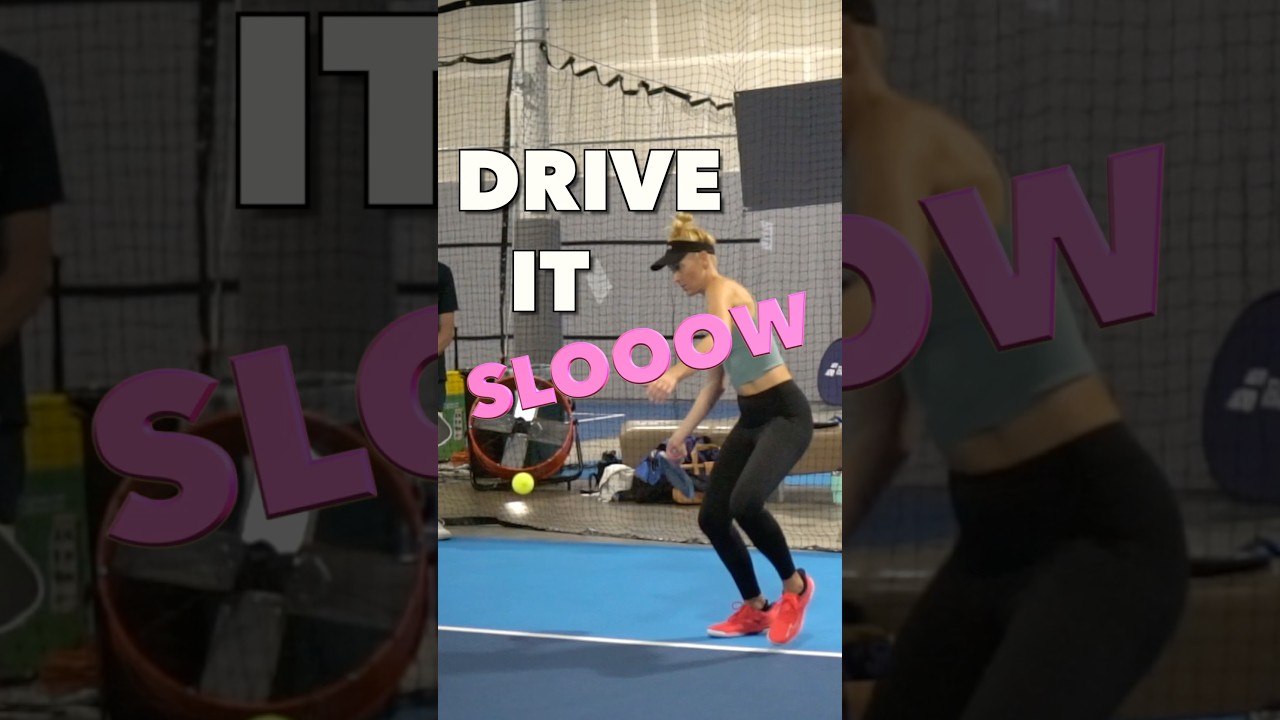
- The Drive: A hard, flat groundstroke hit with pace. The drive is the opposite of the drop. It's aggressive, not subtle. Beginners overuse it. The slice dink and the drop are usually more effective at the net, but knowing when to drive keeps opponents honest.
- The Reset: A reset is a soft, controlled shot used to neutralize an opponent's attack and restart the dinking exchange. When you're on defense and getting pressured, the reset is your escape valve. Learning to reset under pressure is one of the fastest ways to stop losing points you should be winning.
- The Lob: A high, arcing shot hit over your opponents' heads toward the baseline. When executed well, the lob forces your opponents back from the kitchen line and buys time. When executed poorly, it's a setup for an overhead smash. The Lob Doctor breaks down when to use it and when to leave it in the bag.
- The Volley: Any shot hit before the ball bounces, taken out of the air. Volleys are only legal outside the kitchen. The backhand volley is one of the most important skills at the net. The swing volley is the most powerful version, and one of the hardest to master.
- Topspin: Forward spin applied to the ball that causes it to arc downward faster and bounce higher. Topspin on dinks and drives gives you more margin over the net while still keeping the ball in bounds.
Pro Pickleball Rulebook: 70 Words You Need to Know
The PPA Tour and Major League Pickleball have a new rulebook, which includes an extensive glossary. Here are 70 pickleball words and phrases you need to know.
 The Dink PickleballAlex E. Weaver
Scoring Terms and Game Format
- Rally Scoring: Part of the broader pickleball vocabulary you'll need for competitive play, rally scoring is a format where either team can score on any rally, regardless of who is serving. Traditional pickleball uses side-out scoring (only the server scores). Rally scoring is used in MLP (Major League Pickleball). Per USA Pickleball's 2025 competitive structure, most sanctioned events still use traditional scoring.
- Pickled: Getting "pickled" means losing a game 11-0 without scoring a single point. Yes, it's as painful as it sounds. The term comes from the game's original name.
- Stacking: A doubles strategy where both players arrange themselves on the same side of the court before the serve, then reposition after the ball is struck. Stacking is used to keep a team's stronger forehand in the middle or to control which player covers which side. It confuses beginners. Once you understand it, you'll see it everywhere.
- Stagger: Similar to stacking, staggering means players position themselves at slightly different depths rather than side by side. Understanding what stagger means adds a layer of court coverage that most recreational players miss entirely.
Pickleball Scoring Explained: How to Keep Score
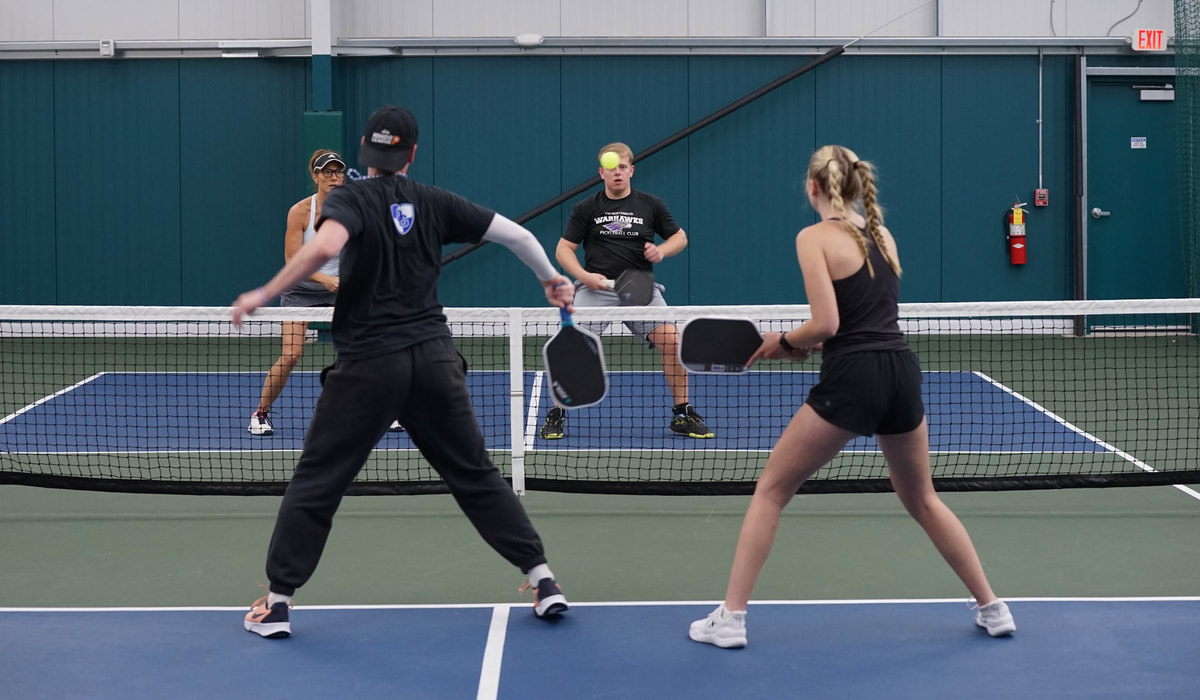
Pickleball scoring can trip up even experienced players, especially with rally scoring changing the game at the pro level. Here’s everything you need to know about how pickleball scoring works in every format, recreational doubles all the way to Major League Pickleball.
 The Dink PickleballThe Dink Media Team
Advanced Pickleball Terms Worth Knowing Early
These are the pickleball terms every beginner should know if they want to move past recreational play, and the pickleball lingo that separates casual players from serious ones and understand what they're watching on TV or hearing from more experienced partners.
- The Erne: An erne is an advanced shot where a player jumps around the kitchen post (not through the kitchen) to volley a ball near the sideline at a sharp angle. It's named after Erne Perry, who popularized it. Watch how the erne is winning points at competitive levels to understand why it's so effective.
- The ATP (Around the Post): An around-the-post shot is hit around the outside of the net post, below the net's height, landing in the opponent's court. It's completely legal. No height requirement when going around the post. It's one of the most spectacular shots in pickleball when it works. The five shots you need to know gives you the full picture on priority shot development.
- Bert: Similar to an erne, a bert is when a player crosses in front of their partner to hit an erne on the partner's side of the court. Think of it as an erne plus a poach. High-risk, high-reward.
- Shake and Bake: A doubles strategy where the serving team sends a hard drive (the "shake") to the opponent, then the partner at the kitchen line attacks the predictable pop-up (the "bake"). It's coordinated aggression.
- Poach: When one doubles partner crosses to the other side to intercept and attack a shot intended for their partner. 3 tips every beginner needs to know covers court communication, which is essential before you start poaching.
- Pulled Wide (NVZ): When a player is pulled out wide near the kitchen, opening up the middle of the court. Understanding the NVZ positioning when pulled wide is a situational awareness skill that takes most players months to develop.
Pickleball Stacking: Complete Guide to Both Court Positions
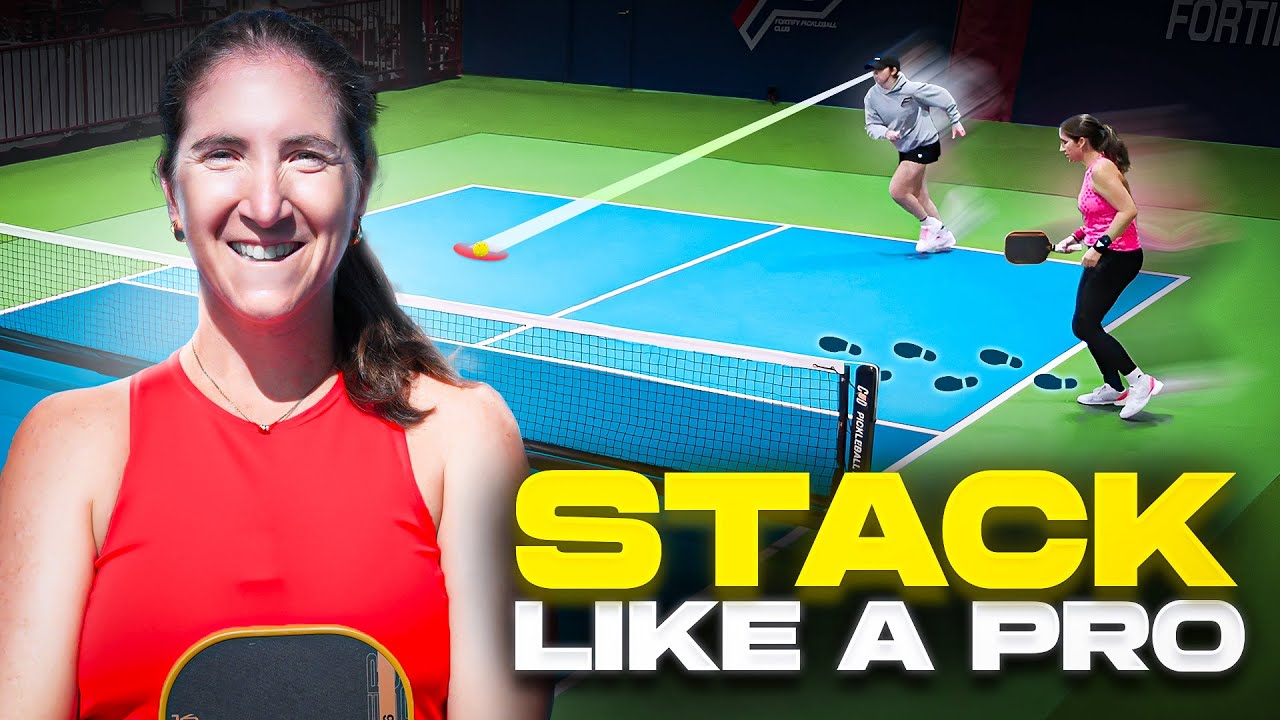
Pickleball stacking is a game-changing doubles strategy that lets you position your forehands in the middle of the court. Whether you’re playing mixed doubles or teaming with a lefty, understanding both off-court and on-court stacking methods will transform your competitive edge.
 The Dink PickleballThe Dink Media Team
Key Takeaways
These are the pickleball terms every beginner should know, grouped by how they'll actually come up in your game.
- The kitchen (Non-Volley Zone) is the most important piece of real estate on the court. Master it early
- The two-bounce rule defines the start of every rally and is the most commonly misunderstood rule for new players
- Dinking is not a defensive fallback. It's a core offensive tactic used by pros at every level
- The third shot drop is the single most important shot in doubles pickleball
- Terms like erne, ATP, Bert, and shake and bake separate players who just play from players who actually understand the game
💡
Heads up: hundreds of thousands of pickleballers read our free newsletter.
Subscribe herefor cutting edge strategy, insider news, pro analysis, the latest product innovations and more.
Frequently Asked Questions
What Are the Most Important Pickleball Terms Every Beginner Should Know First?
When it comes to the pickleball terms every beginner should know, start with the kitchen (Non-Volley Zone), the two-bounce rule, the dink, and the third shot drop. These four concepts appear in nearly every point of every pickleball game. Once you understand the kitchen and the NVZ rules, the rest of the vocabulary builds naturally on top.
What Is the Kitchen in Pickleball?
The kitchen is the Non-Volley Zone, a 7-foot area on each side of the net where you cannot volley the ball. If your foot touches the kitchen line or any part of the kitchen while volleying, it's a fault. You can enter the kitchen to hit a ball that has bounced. The kitchen is officially defined in Section 2.B.8 of the USA Pickleball rulebook.
What Is the Two-Bounce Rule in Pickleball?
The two-bounce rule requires that the ball must bounce once on each side before either team can volley. The receiving team lets the serve bounce, then the serving team lets the return bounce, and only then can volleys begin. This rule is one of the most commonly misunderstood aspects of pickleball for new players and is fundamental to how the game's strategy is structured.
What Is the Difference Between a Dink and a Drop?
Both are soft shots, but they're used at different moments. A dink is hit from the kitchen line into the opponent's kitchen during an extended soft-game exchange. A drop (as in the third shot drop) is hit from deeper in the court, usually near the baseline, to arc the ball softly into the kitchen and neutralize the net advantage. Think of the drop as how you get to the dinking game, and the dink as how you play it.
What Does "Pickled" Mean in Pickleball?
Getting "pickled" means you lost a game 11-0, without scoring a single point. The term is a nod to pickleball's quirky vocabulary and its origin story. It's one of the more colorful pieces of pickleball slang, and one of the most motivating concepts to avoid if you're new to competitive play.
Anuncie Aqui / Advertise Here
Sua marca para o mundo Pickleball! / Your brand for the Pickleball world!




 English (US) ·
  Portuguese (BR) ·