
 English
  Spanish
  Portuguese
  German
  Italian
  Japanese
  French
  Polish
  Russian
  Netherlands
  Hungarian
  Turkish
  Videos
  Thedink Pickleball

Whether you're pushing from 3.5 to 4.0 or grinding toward 4.5, this week-by-week system gives you the structure to get there.
A pickleball training plan competitive players can stick to looks nothing like the advice most people get at open play. It's not "just drill more" or "watch the pros."
It's structured, progressive, and built around the handful of skills that separate 3.5 players from 4.0 players from 4.5 players.
Ninety days is enough time to make real, measurable progress.
Not a complete reinvention of your game, but a meaningful jump in your DUPR rating if you put the work in consistently.
Here's what that looks like, broken down by phase.
Love pickleball? Then you'll love our free newsletter. We send the latest news, tips, and highlights for free each week.
Why Most Competitive Players Stop Improving
Most competitive players plateau for one reason: they play without a plan.
They show up to open play, run the same patterns, win against the same people, and wonder why they're stuck.
The real reason you aren't improving isn't effort. It's that unstructured play reinforces your current habits instead of challenging them.
You need a system that targets weaknesses, builds specific skills, and tracks progress over time.
A proper competitive pickleball training plan solves that.
It separates skill work from match play, builds physical capacity alongside shot mechanics, and gives your practice sessions an actual purpose.
What Does a Pickleball Training Plan for Competitive Players Actually Require?
A competitive pickleball training plan requires four components: structured drilling, intentional match play, physical conditioning, and video review.
Most amateur players do none of these consistently. Elite amateurs do all four.
Here's the honest breakdown of what each week in a solid plan should contain:
- 2 dedicated drill sessions (technical skill work, isolated and partner)
- 2 match play sessions (competitive games with specific tactical goals)
- 1 conditioning session (footwork, agility, court movement)
- 1 review/analysis session (film, mental game, strategic preparation)
That's roughly 6 sessions per week. If that's too much, prioritize drilling and match play. The drills produce the fastest gains.
💡
Need some new pickleball gear? Get 20% off select paddles, shoes, and more with code THEDINK at
Midwest Racquet SportsPhase 1: The Foundation (Weeks 1–3)
Phase 1 is about building a baseline and ruthlessly identifying weaknesses. Not just the ones you already know about. The hidden ones.
The goal: Diagnose before you prescribe.
Before you run a single drill, get the most out of your court time by recording yourself playing. Watch two full matches. You're looking for:
- Third shot selection: Are you dropping when you should be driving? Driving when you should be dropping?
- Reset percentage: How often are you successfully resetting attacks from the transition zone?
- Kitchen arrival: Are you arriving at the kitchen line with a good position or scrambling?
Once you've identified your weaknesses, rank them. Fix your worst problem first.
A 90-day competitive pickleball training plan only works if you're training the right things.
10 Pickleball Tips That Transform Your Game
A 5.0 pickleball player shares 10 game-changing pickleball tips that took years to learn. From grip fundamentals to wrist strength, these insights will transform your game.
 The Dink PickleballThe Dink Media Team

The Week 1–3 Drill Focus
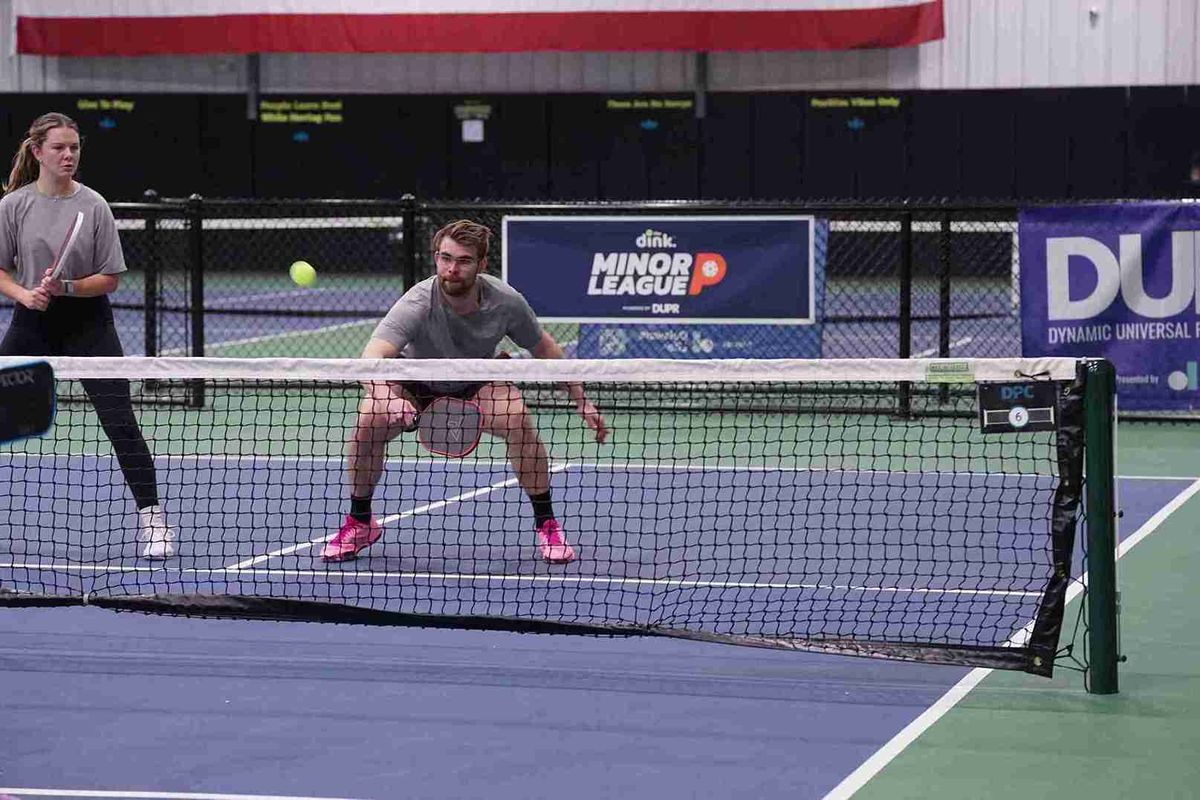
Third shot drops. They are the single highest-leverage skill in doubles pickleball. If your drop isn't landing soft and low, everything downstream suffers.
According to research on rally patterns in competitive doubles, most rallies in the 4.0–4.5 range are decided by which team controls the kitchen line first, and the third shot drop is the primary vehicle for getting there.
Run the fridge-and-toaster drill three times per week for the first three weeks.
Stand at the baseline, drop 50 balls cross-court, 50 down the line, tracking how many land in the kitchen.
Your target is 70% in the kitchen before you move to Phase 2. The fridge and toaster drill is one of the best for this exact problem.
Third Shot Drop Pickleball: 3rd Shot Guide
The 3rd shot pickleball play is the most important shot you’ll hit on every single rally. This step-by-step guide breaks down the mechanics, common mistakes, and drills to help 3.0 to 4.0 players master it fast.
The Dink PickleballThe Dink Media Team
Phase 2: Skill Stacking (Weeks 4–7)
You've got a baseline. Now you start building on top of it. Phase 2 is where the real skill investments that elevate your game happen. You're adding layers.
The three skills that move the needle fastest at the 3.5–4.0 transition:
1. Transition Zone Movement
Most players treat the transition zone (between the baseline and kitchen line) like it's radioactive. They want to sprint through it or avoid it entirely. The reality: competitive players who win are the ones who handle the transition zone under pressure.
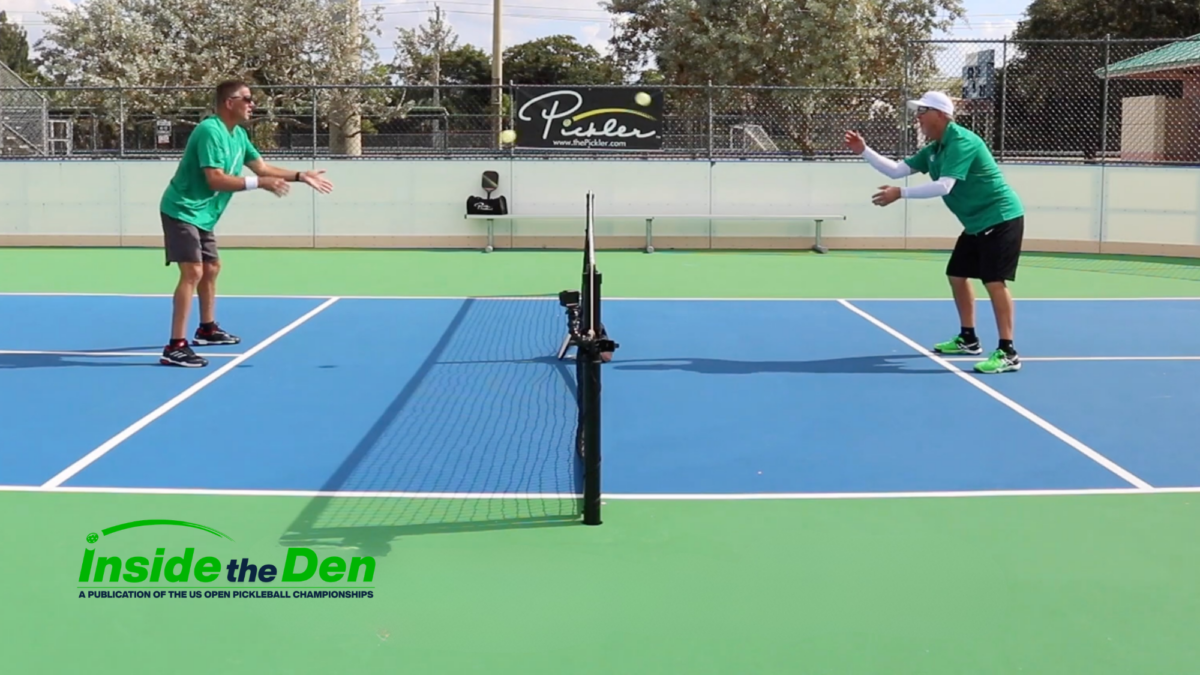
The drill: have a partner feed balls from the kitchen while you move forward from the baseline, resetting each ball soft and low before advancing. The goal isn't to attack. The goal is to become unattackable on your way to the line.
2. Dinking with Intent
Random dinking is practice. Intentional dinking is training. The difference: every dink exchange should have a target. You're building pressure, pulling opponents off the line, setting up the speed-up. Pickleball's hardest dinking drill forces you to hit precise targets consistently. Do it with a partner until 15-ball rallies feel routine.
3. Return of Serve Depth and Placement
The return is underrated in most amateur training plans. Making the most of your return of serve is how you neutralize a strong serving team and get to the kitchen on your terms. Target specific return zones: deep cross-court, deep down the line, and at the server's feet as they advance. Track your miss rate. Get it below 10%.
3 Skills That Turn a 4.5 Pickleball Player Into a 5.0
Like this one: enter a tournament or league within the next 60 days. After all, if you don’t have a test coming up, you won’t study as hard.
The Dink PickleballThe Dink Media Team

How Often Should You Drill vs. Play Matches?
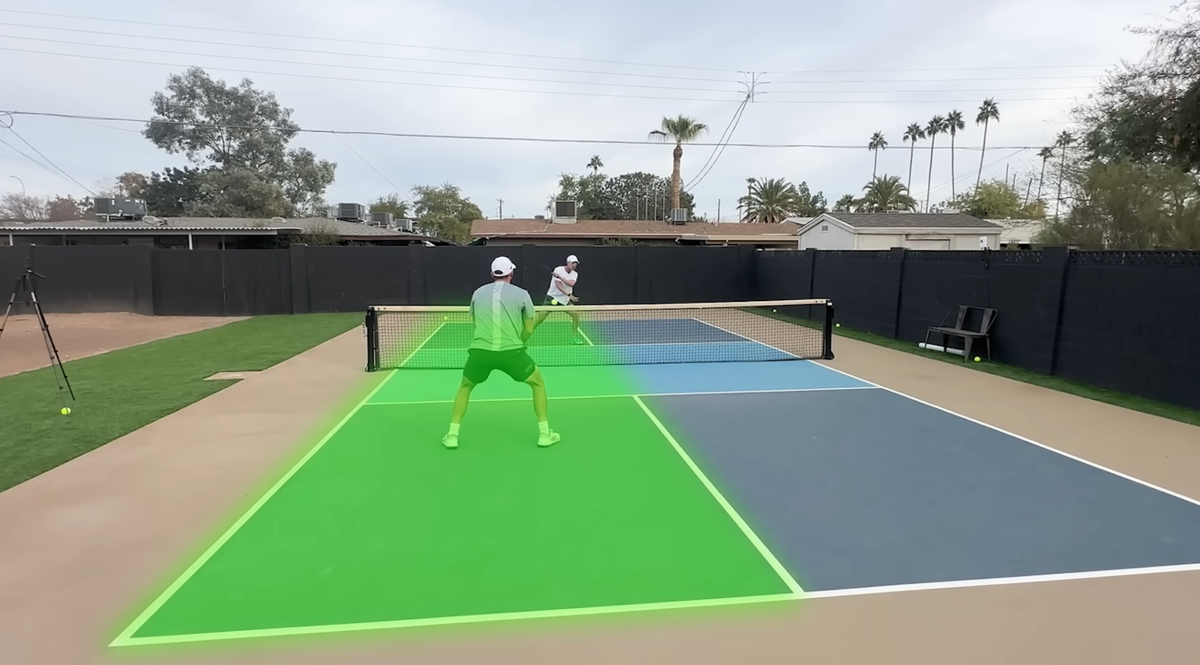
Competitive players should spend roughly 60% of their practice time drilling and 40% in match play. This is the opposite of what most amateurs do.
Drilling builds the technical skills. Match play tests them under pressure. Without enough drilling, you reinforce old patterns.
Without enough match play, your technical skills don't transfer when points are on the line.
The good news: solo pickleball drills mean you don't need a partner to get reps.
Wall work, drop-feeding, and shadow footwork can fill gaps when court time is scarce.
How Much Should You Drill in Pickleball? A Pro’s Math
Drilling teaches your body how. Games teach your brain when. You need both — but intention matters more than just reps.
The Dink PickleballThe Dink Media Team
Phase 3: Competitive Integration (Weeks 8–11)
By week eight of your pickleball training plan competitive schedule, your individual skills have improved.
Now you need to make them work in actual matches.
This phase shifts focus to game intelligence and decision-making. Not what your paddle does but what your brain does.
Two areas to prioritize:
Does Playing the Percentages Change Everything?
Yes. Playing the percentages in pickleball is the clearest indicator of a player leveling up. A 3.5 player goes for the winner when they're 60% to make it.
A 4.0 player waits for a 90% ball. The math is brutal and the math is right.
In Phase 3, track your unforced errors by category in match play. Attacks on low balls, shots into the net from the kitchen, missed returns.
Most competitive players find they're giving away 5–7 points per game on decisions, not execution.
Court Coverage and Positioning
Partner positioning is a major separator at the 4.0 level. Middle coverage and court positioning in doubles prevents the open-court attacks that end rallies. Practice the stagger principle: when one player goes wide, their partner shifts toward the middle.
Learn what stagger means and why to use it, it's a concept most 3.5 players have never consciously applied.
Make Practice Skills Stick: The 70% Rule for Match-Proof Pickleball
Smooth, repeatable drills can make you look great in the moment, but they often create fragile skills that do not hold up when the ball, timing, opponent, and stakes change
The Dink PickleballThe Dink Media Team
Phase 4: Tournament Preparation (Week 12)
The final week before your target event is about sharpening, not grinding. You've done the work. Now you're preparing your mind and routines.
The week 12 checklist:
- One full match-play session with your partner (tactical, not physical)
- Review your three biggest technical improvements from the 90 days
- Identify one opponent profile you struggle against and rehearse your adjustment
- Practice your on-court rituals, your between-point reset, your timeout protocol
One of the most underrated parts of any competitive pickleball training plan is building a champion mindset to go with the technical skills. The mental game decides more matches than players realize.
Zane Navratil, one of the sport's top competitors, explains why even the average player benefits from playing tournaments, the competitive pressure reveals things that drills never will.
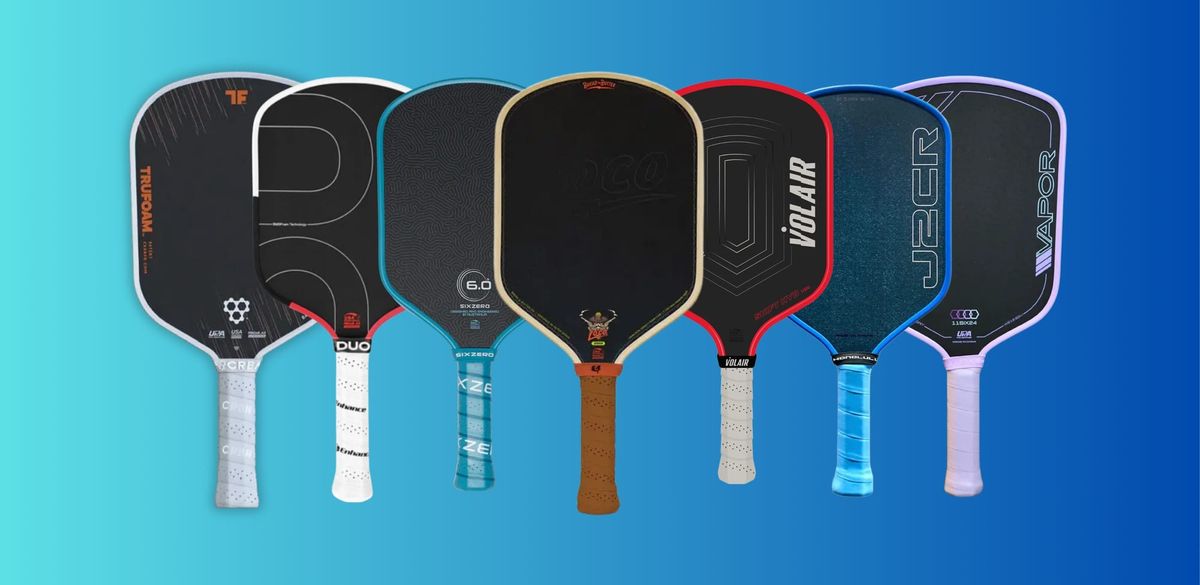
7 Hybrid Pickleball Paddles that Blend Power and Control
None of these are lacking in the oomph department. But their foam cores and hybrid shapes combine to offer more stability, control, and feel when it matters most.
The Dink PickleballAlex E. Weaver
The Off-Court Component of a Competitive Pickleball Training Plan
This section gets ignored. Don't. Physical conditioning directly impacts your performance in a 90-day training block.
A 2019 study published in the Journal of Sports Sciences found that lower-body agility and reaction time were among the primary predictors of performance in racquet sports at the recreational-competitive level.
For pickleball specifically, lateral shuffles, split-step training, and the clockwork lunge are the highest-value movement drills.
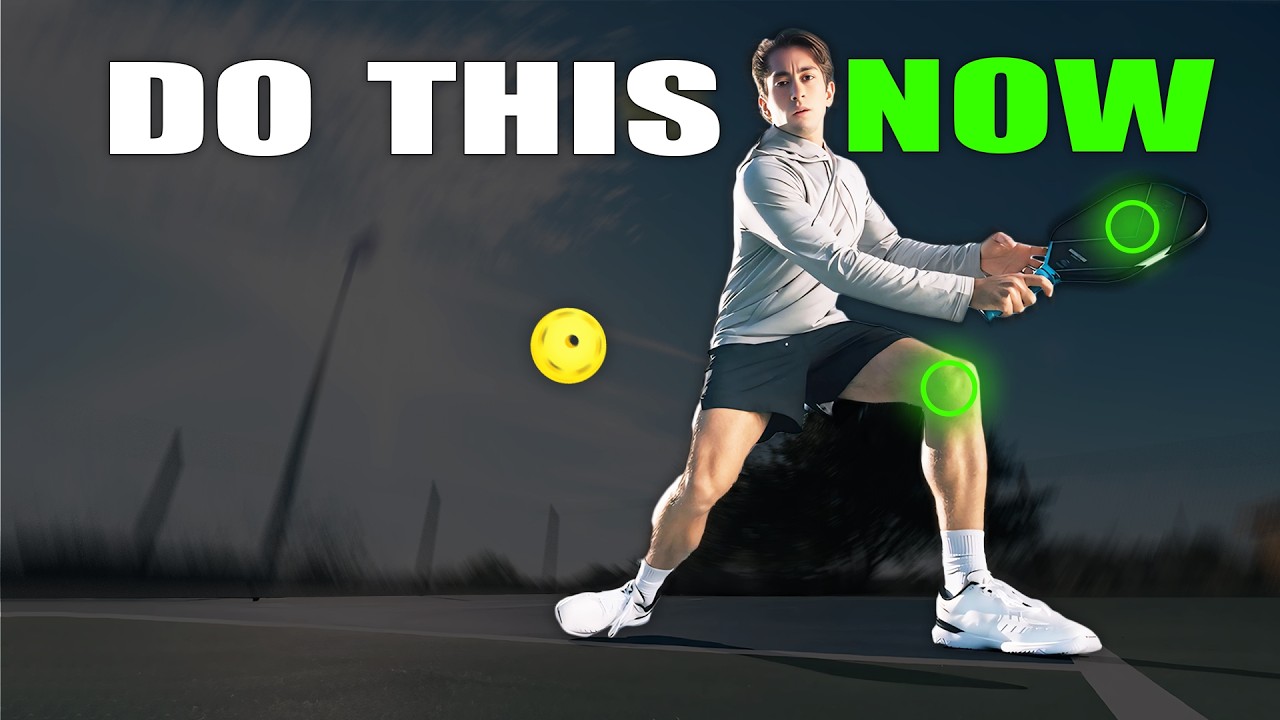
Bulletproofing your knees reduces injury risk and keeps you on the court through the full 90 days.
And don't underestimate recovery, pickleball players require more water consumption than most realize during extended training blocks.
8 Easy Tips to Play More Consistent Pickleball
Maintain complete visual focus on the ball through contact, hit unattackable shots, and always recover back to neutral.
The Dink PickleballThe Dink Media Team
Key Takeaways
- A pickleball training plan competitive players actually benefit from is structured around phases, not random drilling
- The third shot drop and transition zone are the highest-leverage skills for 3.5–4.5 players to work on
- 60/40 drilling-to-match-play is the target split; most players invert this accidentally
- Video review is the fastest way to identify weaknesses you can't see from the court
- Physical conditioning and mental game work are non-negotiable components of a real competitive plan
- 90 days of deliberate, structured practice is enough to produce measurable DUPR improvement
💡
Heads up: hundreds of thousands of pickleballers read our free newsletter.
Subscribe herefor cutting edge strategy, insider news, pro analysis, the latest product innovations and more.
Frequently Asked Questions
How do I build a pickleball training plan for competitive play?
A pickleball training plan for competitive play should be divided into phases: assessment, skill building, competitive integration, and tournament prep. Each week should include at least two dedicated drill sessions, two match play sessions, and one conditioning session. The key is targeting specific weaknesses rather than practicing your strengths.
How many hours a week should competitive pickleball players practice?
Most competitive amateur pickleball players improve fastest with 8–12 hours of court time per week, split between drilling and match play. Quality matters more than quantity. Six focused sessions of 90 minutes each will produce faster gains than 10 sessions of casual open play with no intentional goals.
What skills matter most in a competitive pickleball training plan?
At the 3.5–4.5 skill level, the third shot drop, transition zone resetting, return of serve placement, and kitchen-line dinking are the highest-impact skills to develop. Court positioning and decision-making (shot selection) are the skills that separate 4.0 players from 4.5 players more than raw technique.
Can I follow a competitive pickleball training plan without a coach?
Yes, but video review becomes essential. Record your match play and drill sessions, watch them critically, and compare your form and decisions to what you see from high-level amateurs. Solo drilling, partner drilling, and structured match play can all be self-directed if you set clear objectives for each session.
How do I know if my pickleball training plan is working?
Track your DUPR rating over the 90-day block, but also track internal metrics: drop-shot accuracy percentages, unforced error counts per match, and reset success rates in transition. Rating moves can lag behind actual skill improvement by weeks. The internal metrics tell you whether the plan is working before the rating reflects it.
Anuncie Aqui / Advertise Here
Sua marca para o mundo Pickleball! / Your brand for the Pickleball world!


 English (US) ·
  Portuguese (BR) ·