
 English
  Spanish
  Portuguese
  German
  Italian
  Japanese
  French
  Polish
  Russian
  Netherlands
  Hungarian
  Turkish
  Videos
  Thedink Pickleball

Taking the ball out of the air is the quickest way to turn a passive dink rally into offense. Here is the Protect the Line drill that builds your effective range at the kitchen.
Taking the ball out of the air is the fastest way to turn a passive dink rally into offense, and most recreational players do it far too rarely.
You let balls drop that you could have cut off at the kitchen line, and every one you let bounce hands time, space, and angles back to your opponent.
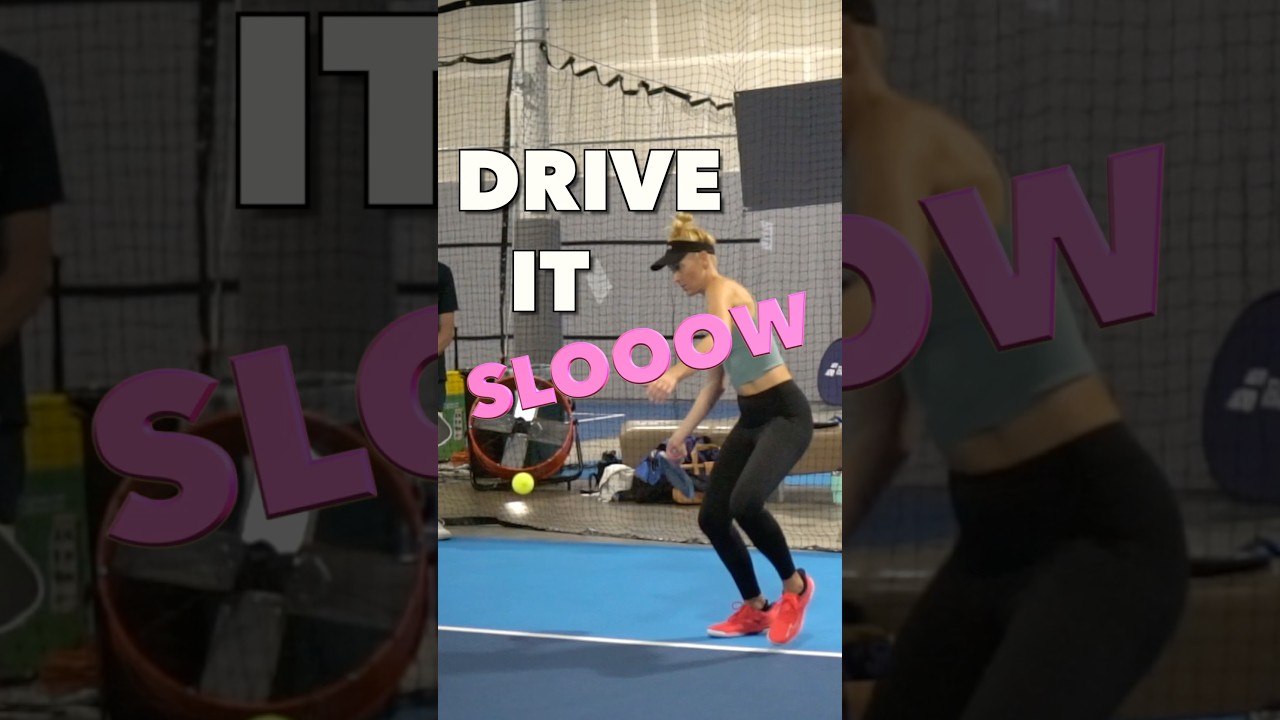
Pro player Zane Navratil put it bluntly in a recent video: "Here's what the pros do and here's what you do, and it's costing you points."His fix is a drill called Protect the Line, and it rewires how aggressive you are at the net.
Below is how the drill works, the three things taking the ball out of the air does for your game, and how to find the personal range that tells you exactly when to reach and when to let it bounce.
Love pickleball? Then you'll love our free newsletter. We send the latest news, tips, and highlights for free each week.
What Is the Protect the Line Drill?
The Protect the Line drill is a dinking game where your only job is to keep your opponent from landing a ball on or behind your kitchen line.
If a ball gets back there, it is on you.
Navratil explains the logic plainly: anything that lands on or behind your kitchen line only got there because you did not cut it off in the air first.That single idea reframes the whole rally.
The kitchen, or non-volley zone, is where points are won and lost in modern doubles.
You cannot volley standing inside it, but you can step to the line and take a ball out of the air the instant it crosses, before it ever drops to your feet.
Most players wait. They watch the ball, let it bounce, and then dink it back.
The drill trains the opposite instinct: reach forward and take the ball out of the air while it is still a threat to your opponent.
Why Letting the Ball Bounce Is Costing You Points
Every ball you let bounce gives your opponent a free reset. When you take the ball out of the air, you erase the time they were counting on to recover and get set.
Navratil frames it as a three-part theft: "I take away space, I take away time, and I take away angles for my opponents while also giving me those offensive opportunities."That is the entire value of the shot in one sentence. You are not just being aggressive for the sake of it.
You are stealing the seconds your opponent needs to stay in a neutral kitchen control position.
This is the same pressure that powers the best speed-up drills to win kitchen battles.
The difference is that Protect the Line builds the habit before the speedup, so you are already in front of the ball when the chance to attack arrives.
Intercepting the ball early is one of the core separators between 3.5 and 4.5 play.If you are serious about reaching the next rating band, mastering the shots that break the 5.0 ceiling starts with this exact habit at the line.
💡
Need some new pickleball gear? Get 20% off select paddles, shoes, and more with code THEDINK at
Midwest Racquet Sports3 Things Taking the Ball Out of the Air Does for Your Game
Navratil promises three specific payoffs if you commit to the drill. Each one maps to a real moment you will recognize from your own matches.
- More attacking opportunities. When you take the ball out of the air, you meet it higher and earlier, which means more balls sit in your strike zone instead of dying at your shoelaces.
- More pressure on your opponent. Opponents who feel you crowding the line miss more shots into the net or float up easier dinks you can attack as dead dinks.
- A clear sense of your range. The drill teaches your own personal range, meaning what you should take out of the air and what you should let bounce. That awareness is what separates rushed errors from smart aggression.
Notice that two of the three benefits are about your opponent, not you.
Taking the ball out of the air is as much a pressure tactic as it is an offensive one, and that is exactly what advanced players do differently.
This forward-court aggression is also a pillar of modern pickleball strategy heading into 2026.The game is moving faster, and players who can cut the ball off early are dictating rallies from the first dink.
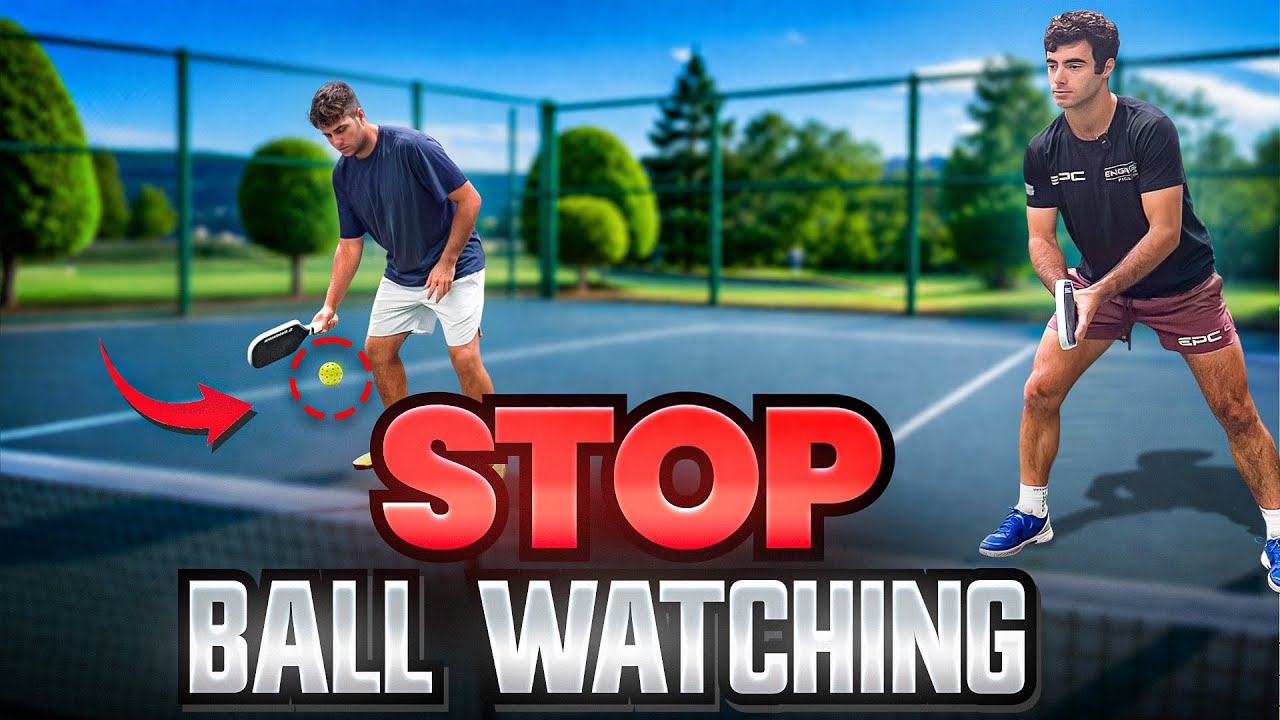
Off-Ball Positioning in Pickleball: Stop Ball Watching
Most pickleball players think the point is decided by whoever hits the ball, but at higher levels, off-ball positioning is what actually controls the court. Master this skill and you’ll transform how you play at the net.
 The Dink PickleballThe Dink Media Team
How Do You Actually Run the Protect the Line Drill?
Setting Up the Protect the Line Drill for Taking the Ball Out of the Air
The setup is the mirror image of a normal dinking game.
You and a partner dink only, but the scoring is flipped: you win the point if you get the ball to bounce on or behind the other player's kitchen line.
Here is the progression Navratil lays out, from simplest to hardest:
- Straight ahead, dinks only. Stand at the line and try to land a ball that forces your partner to let it bounce behind their kitchen line. If they take it out of the air, no point.
- Go crosscourt. Once straight-ahead feels comfortable, switch to crosscourt dinks. The longer diagonal stretches your reach and your footwork.
- Add speedups. Now allow speedups into the rally. This forces you to choose, in real time, between resetting and taking the ball out of the air for an attack.
The drill is essentially the opposite of the standard dinking-only kitchen game, where the goal is to keep the ball soft and in.
Here, a ball that bounces deep is a loss, so you are punished every time you let one drop that you could have cut off.If you want a structured way to build this into a session, pair it with a live-ball drilling progression so the skill carries into points instead of staying stuck on the practice court.
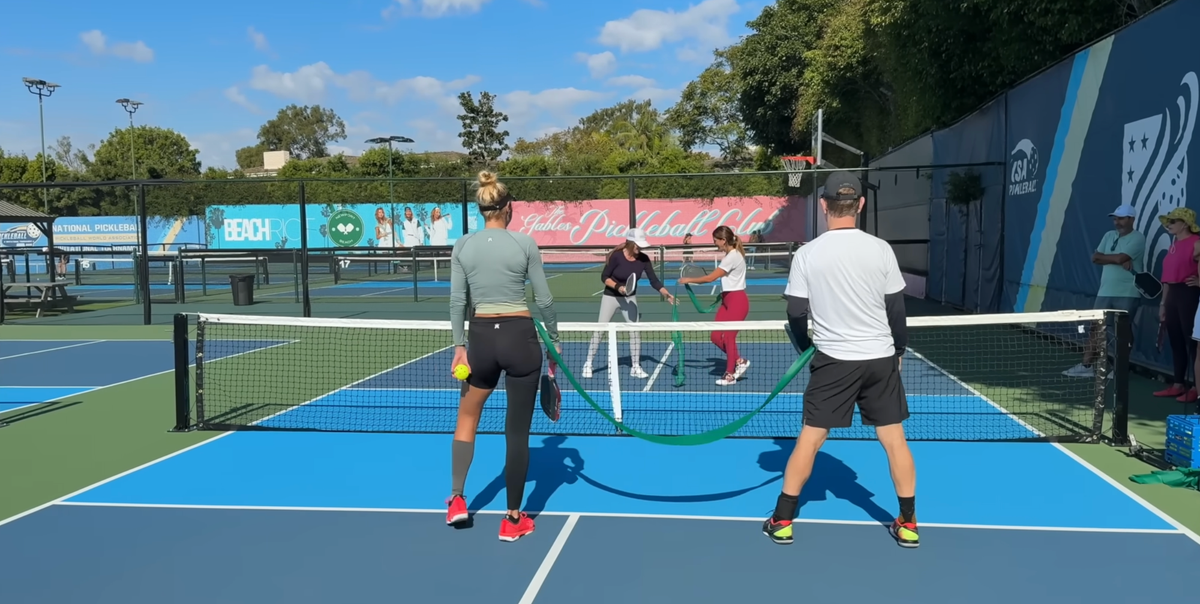
Middle Court Control: Want the Ball, Hunt the Ball
The middle is the most valuable real estate on the court, and controlling it isn’t all about power — it’s about awareness, positioning, and the willingness to hunt.
 The Dink PickleballThe Dink Media Team
What Taking the Ball Out of the Air Looks Like at the Top
How Pros Like Anna Leigh Waters Use Aggressive Volleys to Control the Kitchen
Watch Anna Leigh Waters at the kitchen line and you will see how rarely she lets a dink bounce when she can reach it.
Her paddle lives out in front, and she meets balls early so often that opponents never get a clean reset.
That posture is the whole point of the drill.
You are training the same forward, paddle-up readiness that lets pros turn a neutral dink into a scorpion shot or a quick forehand counter the moment a ball floats.It also feeds directly into your hands battle habits.
The earlier you take the ball out of the air, the closer you are to your opponent and the faster the exchange becomes, which rewards the player with the better-prepared paddle.
Drilling, not just playing, is what builds this.
As ESPN has reported on the sport's rapid rise in competitive play, players who reach 4.5 and 5.0 are the ones who truly practice rather than only competing.The gap between recreational and competitive play is built in training sessions, not just games.
According to CBS Sports coverage of pickleball's growth, the sport added millions of players in 2025 alone, making the skill gap between those who drill and those who only play wider than ever.
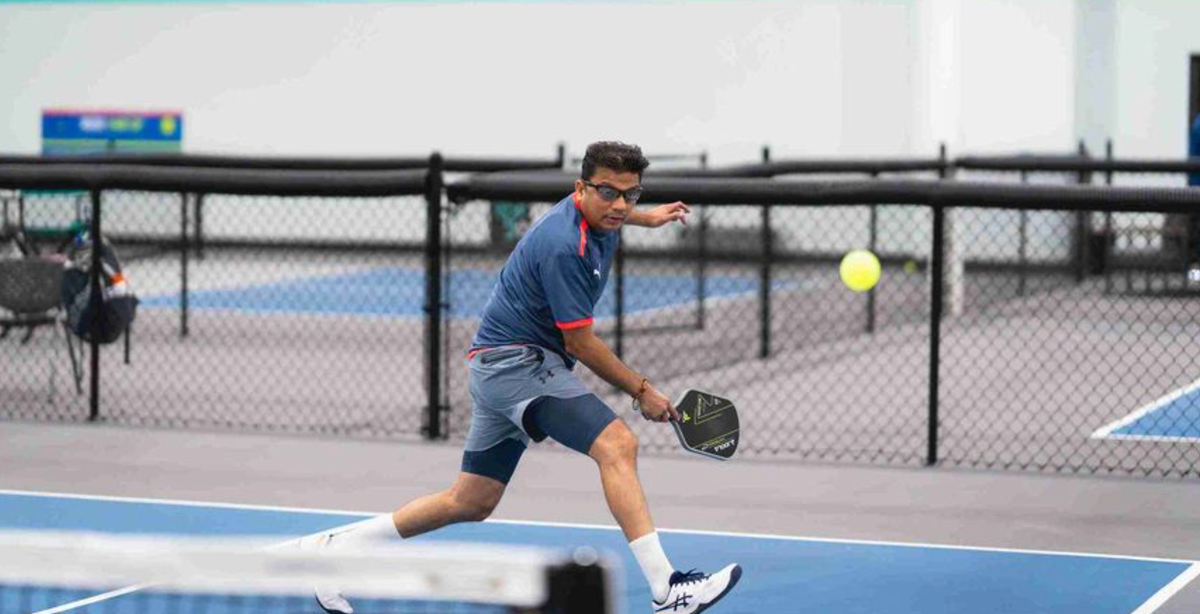
Block Volley Pickleball: Absorb Pace and Reset the Point
The block volley in pickleball is one of the most effective defensive tools you can add to your game, allowing you to absorb pace and neutralize hard attackers at the kitchen line. Learn the exact technique, grip adjustments, and drills to make the block volley a reliable reset weapon.
 The Dink PickleballThe Dink Media Team
How Do You Find Your Effective Range for Taking the Ball Out of the Air?
Training Your Personal Range to Intercept the Ball Out of the Air
Your effective range is the zone in which taking the ball out of the air is a smart play rather than a forced error.
The drill finds it for you by pushing you past your comfort zone on purpose.
Navratil is direct about this: "This drill will make you reach for more balls than you've ever been comfortable reaching for before."That discomfort is the lesson, not a flaw in the rep.
When you reach too far and shank it, you have found the outer edge of your range. When you let one bounce that you easily could have cut off, you have found wasted offense.
Over a few sessions, the line between the two gets clear.
The goal is not to take every ball out of the air.
It is to stop missing the ones you should be taking, while learning which deep balls are smarter to let bounce and reset instead.Pickleball uses plenty of shorthand for these net skills.
If a teammate throws around terms like the volley, the erne, or the dink, a quick pickleball vocabulary guide covers what each one means at the kitchen.
Once your range is dialed in, you will notice the habit bleeding into everything else.
Your 4-step system for winning more games gets faster and more precise because you are making contact earlier in every rally.Taking the ball out of the air also pairs naturally with understanding why professional players abandoned certain passive shots in 2025.
The modern pro game rewards aggression and early contact, and this drill is the foundation for both.
💡
Heads up: hundreds of thousands of pickleballers read our free newsletter.
Subscribe herefor cutting edge strategy, insider news, pro analysis, the latest product innovations and more.
Frequently Asked Questions
When Should I Take the Ball Out of the Air Instead of Letting It Bounce?
Take the ball out of the air any time you can reach it comfortably in front of your body at or above net height. If reaching it would pull you off balance or force a stretch you cannot control, let it bounce and reset instead. The Protect the Line drill is built to help you feel that exact dividing line.
Is Taking the Ball Out of the Air the Same as a Volley?
Yes. A volley is any ball you strike before it bounces, so taking the ball out of the air at the kitchen line is simply a soft volley or a punch volley. The only rule to remember is that you cannot make contact while standing inside the non-volley zone.
What Level Player Is the Protect the Line Drill For?
It works from roughly 3.0 up through advanced play. Beginners use it to build the habit of meeting the ball early, while 4.0 and 5.0 players use it to sharpen their range and add pressure. The crosscourt and speedup progressions keep it challenging at any level.
How Often Should I Run This Drill?
Ten to fifteen minutes at the start of a practice session is plenty, two or three times a week. Treat it as a warmup that doubles as skill work, then carry the forward, paddle-up posture straight into your games so the habit sticks.
Will Reaching for More Balls Make Me Commit More Errors at First?
Almost certainly, and that is expected. Reaching past your current range exposes the edge of your control, which is the whole point of the drill. The early misses shrink quickly as your footwork and timing catch up, and you are left with more offense and fewer free resets for your opponent.
Anuncie Aqui / Advertise Here
Sua marca para o mundo Pickleball! / Your brand for the Pickleball world!




 English (US) ·
  Portuguese (BR) ·