
 English
  Spanish
  Portuguese
  German
  Italian
  Japanese
  French
  Polish
  Russian
  Netherlands
  Hungarian
  Turkish
  Videos
  Thedink Pickleball

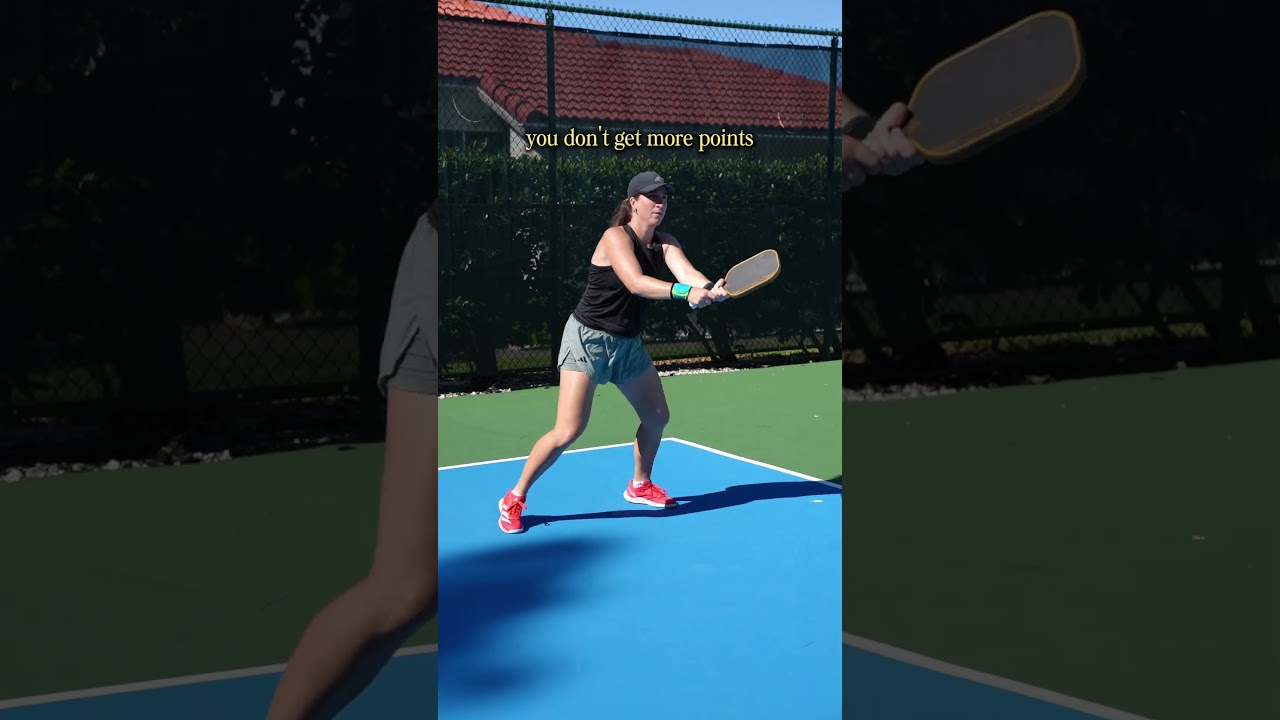
The forehand speed up is one of the most effective offensive weapons in pickleball, but most players never learn how to build it correctly. Here are the two steps that make it work every time.
If your forehand speed up keeps sailing out or floating back to your opponent, you are almost certainly skipping one of the two mechanics that make it actually work.
Most players try to muscle the ball with their arm alone.
The result is a swing that telegraphs too early and generates far less punch than you need to put the ball past someone standing two feet from the net.This breakdown covers the exact two-step method for building a reliable forehand speed up, including how to isolate each movement before putting them together.
The approach comes from Richard Pickleball on YouTube, and it is one of the cleaner teaching progressions you will find for this shot.
Love pickleball? Then you'll love our free newsletter. We send the latest news, tips, and highlights for free each week.
What Is a Forehand Speed Up, Exactly?
A forehand speed up is an aggressive attacking shot hit from the kitchen line area, typically out of a dinking exchange.
Instead of continuing the soft game, you accelerate the ball sharply at your opponent's body or shoulder, forcing a pop-up or a missed block.
It is not a drive and it is not a roll volley. The speed up is designed to change the pace of a slow rally in a fraction of a second.The problem is that most recreational players hit it like a drive, swinging from the elbow or shoulder and telegraphing the whole thing.
Your opponent reads it and is ready to counter before you make contact.
The two-step method fixes this by generating speed through paddle drop and wrist snap, not brute arm swing.
Why Does Paddle Position Matter So Much?
When your paddle is already up and flat, you have nowhere to go. There is no coiled energy, no loading phase, and no way to generate real acceleration.
Dropping the paddle creates a loaded position.
From there, the upward arm motion and the wrist snap have distance to travel, and distance is where the pace comes from.
Think of it like a rubber band. If it is already stretched, it does nothing. The paddle drop is your pull-back.This is also why a well-hit forehand speed up looks so deceptive.
Drop the paddle smoothly without a big windup and your opponent gets almost no visual cue until the ball is already on them.
Poor paddle positioning and hand speed are the two habits that quietly kill this shot.
💡
Need some new pickleball gear? Get 20% off select paddles, shoes, and more with code THEDINK at
Midwest Racquet SportsStep One: The Paddle Drop
Step one is the paddle drop, practiced with arm only and no wrist involvement.
Here is how to isolate this movement correctly:
- Hold your paddle in a relaxed forehand grip at kitchen line height.
- Let the paddle head fall downward, pointing toward the court surface.
- Drive your arm upward quickly from that low position, keeping your wrist locked and neutral.
- Focus entirely on the speed of the arm motion, not where the paddle face is pointing.
The goal in step one is to feel how much acceleration your arm alone can generate from a dropped position.
You are not worrying about spin or direction yet. You are just training your arm to fire fast from low to high.Practice this repetition until the drop and upward drive feel like one fluid movement, not two separate actions.
A lot of players skip this isolated practice and go straight to the full shot. That is why they never actually feel the difference between a speed up and a regular swing.
Fixing your swing mechanics with isolation drills like this is one of the fastest ways to correct bad habits.
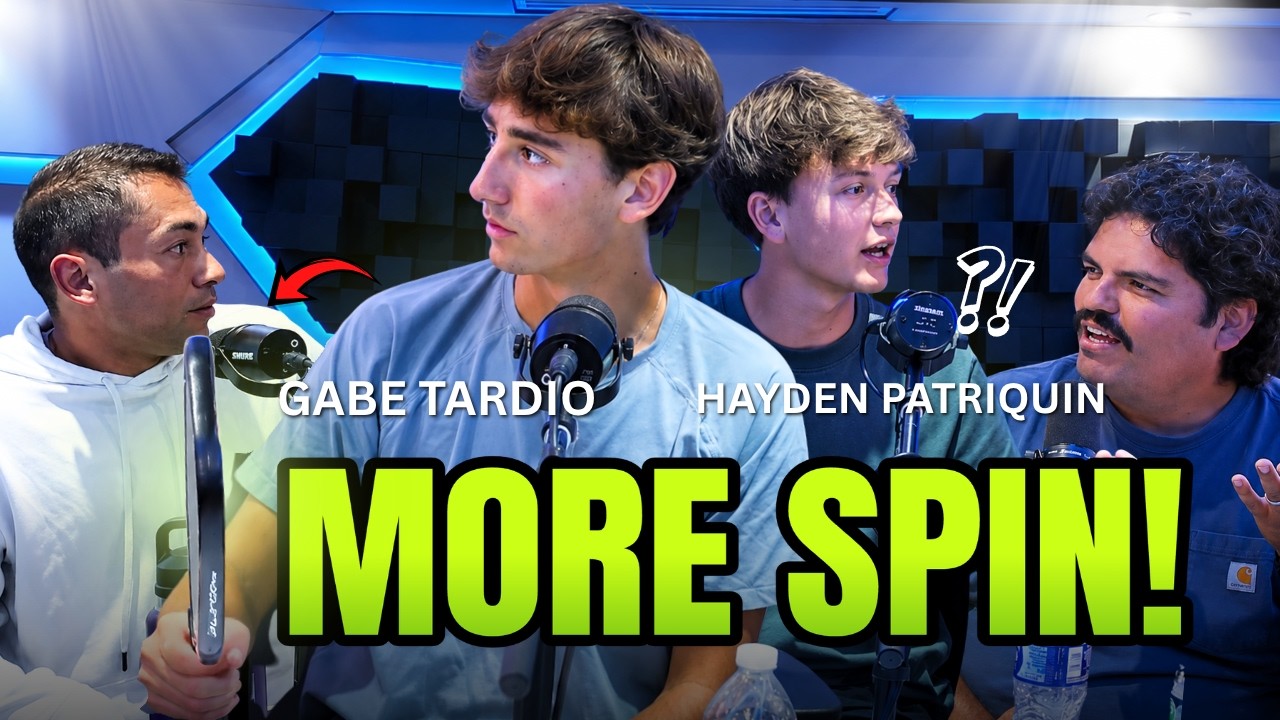
Paddle Grip Technique: Gabe Tardio’s Choking Up Secret
Gabe Tardio’s paddle grip technique of choking up on the paddle is revolutionizing how pro pickleball players approach hand speed and spin. The method, which involves positioning your index finger near the throat of the paddle, is spreading across the professional circuit.
 The Dink PickleballThe Dink Media Team
Step Two: The Wrist Snap
Step two is the wrist snap, practiced with no arm movement at all.
This is the part most players either skip entirely or get completely wrong. The wrist is not a fine-tuning element on this shot. It is a primary power source.Here is how to isolate it:
- Hold your paddle with your arm still, locked at your side or in front of you.
- Drop the paddle head using only your wrist.
- Snap the wrist upward quickly, like a windshield wiper moving from low to high.
- Keep your arm completely out of it. This is wrist only.
The windshield wiper cue is exactly right.
Your wrist is not rolling over the ball or flicking sideways. It is snapping upward in a tight arc, adding acceleration at the very end of the swing cycle.When isolated, the wrist snap alone can generate a surprising amount of pace on the ball. That is important because it tells you this element is not optional.
If you are leaving your wrist out of the forehand speed up, you are leaving significant power on the table.
This connects closely to what makes the flick in pickleball so effective.
The tip position of your paddle and the snap of your wrist are the same basic concept applied here to the forehand speed up.
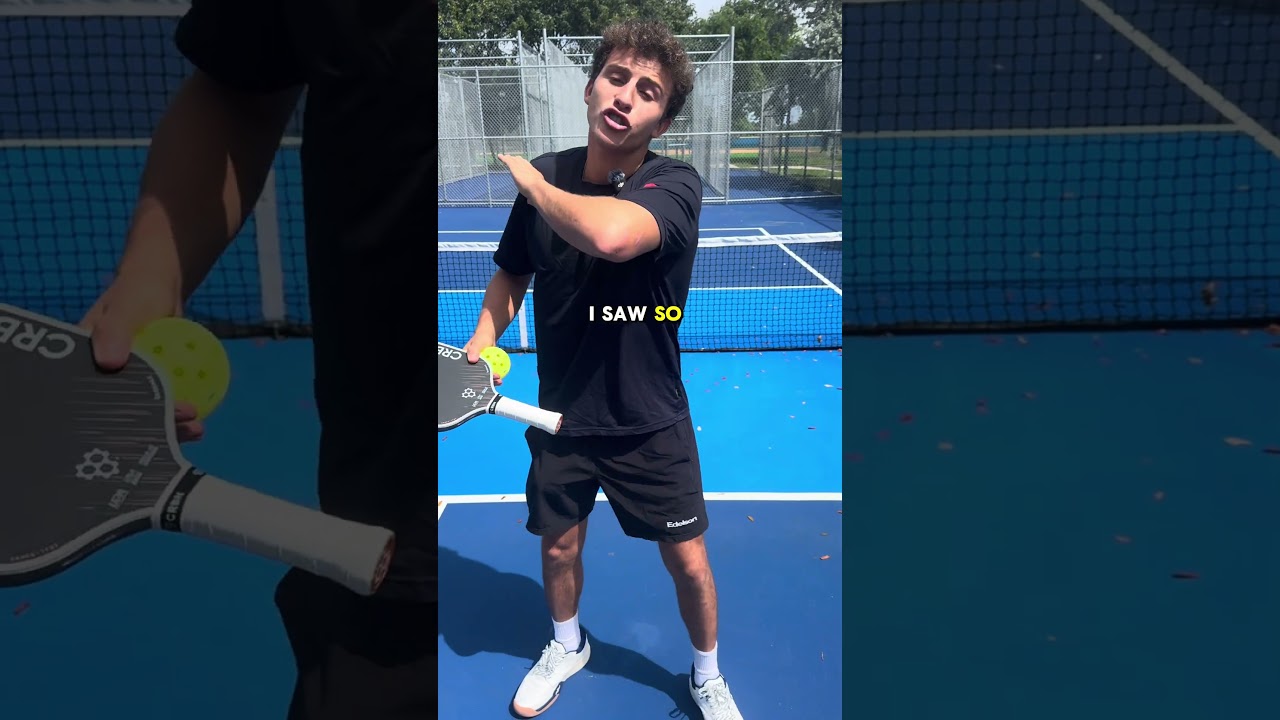
Fix Your Forehand Speedup: Stop the Wrist Mistake
Almost every amateur player makes the same critical error on their forehand speedup. A pro coach reveals the exact wrist technique that separates winners from the rest.
 The Dink PickleballThe Dink Media Team
Putting the Two Steps Together
Once you have trained both movements in isolation, the combination is straightforward.
Drop the paddle, then move your arm and wrist at the same time.
That simultaneity is the key. This is not a sequential movement where you drop, then swing, then snap. Everything fires together in one coordinated burst.
Here is a simple way to think about it: the drop is your setup and the arm plus wrist is your release.The setup happens first, but the release is one unified action, not two.
When you get this right, the shot feels compact and explosive. It does not feel like you are swinging hard. It feels like the ball just jumps off the paddle.If it still feels like you are muscling the ball, go back and do three repetitions of each isolated step before combining them again.
Your nervous system needs those grooves to be deep before it can fire both together cleanly.
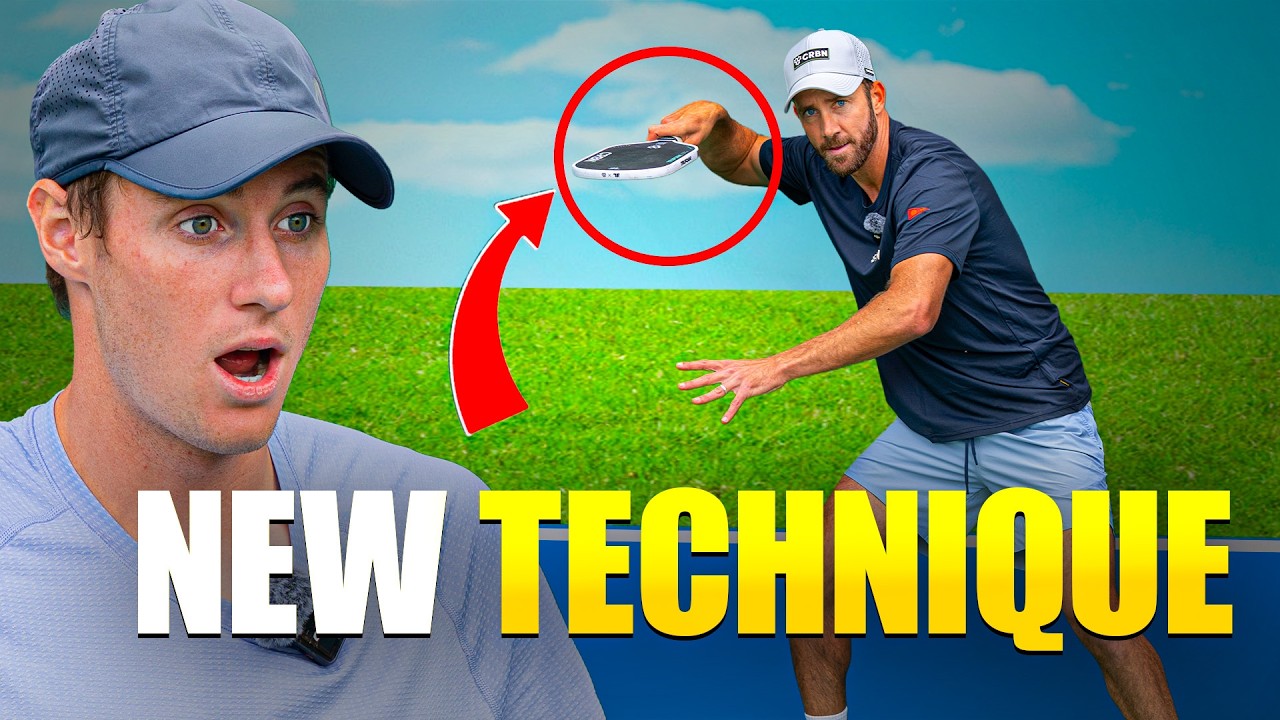
Forehand Speedup: Master the Winning Attack
Mastering is about understanding when to attack, positioning yourself for success, controlling your pace, and thinking two shots ahead.
 The Dink PickleballThe Dink Media Team
How Do You Know If You Are Doing It Right?
There are a few clear signs that your forehand speed up mechanics are working the way they should.
- The ball feels light on your paddle. When the drop and snap are synchronized, you are not pressing into the ball. You are accelerating through it, and the contact feels crisp rather than heavy.
- Your opponent is late. A properly loaded speed up with wrist snap generates pace that arrives faster than your opponent expects, especially out of a slow dinking exchange. If they keep countering you comfortably, the shot is too telegraphed or too slow.
- You can hit it without a big backswing. The whole point of this two-step system is compactness. If you are still taking a wide swing, you have not fully trusted the drop and the snap to do their jobs.
Watching how top pros generate fast hands will show you exactly this pattern. The swing is short, the wrist is involved, and the preparation is almost invisible.
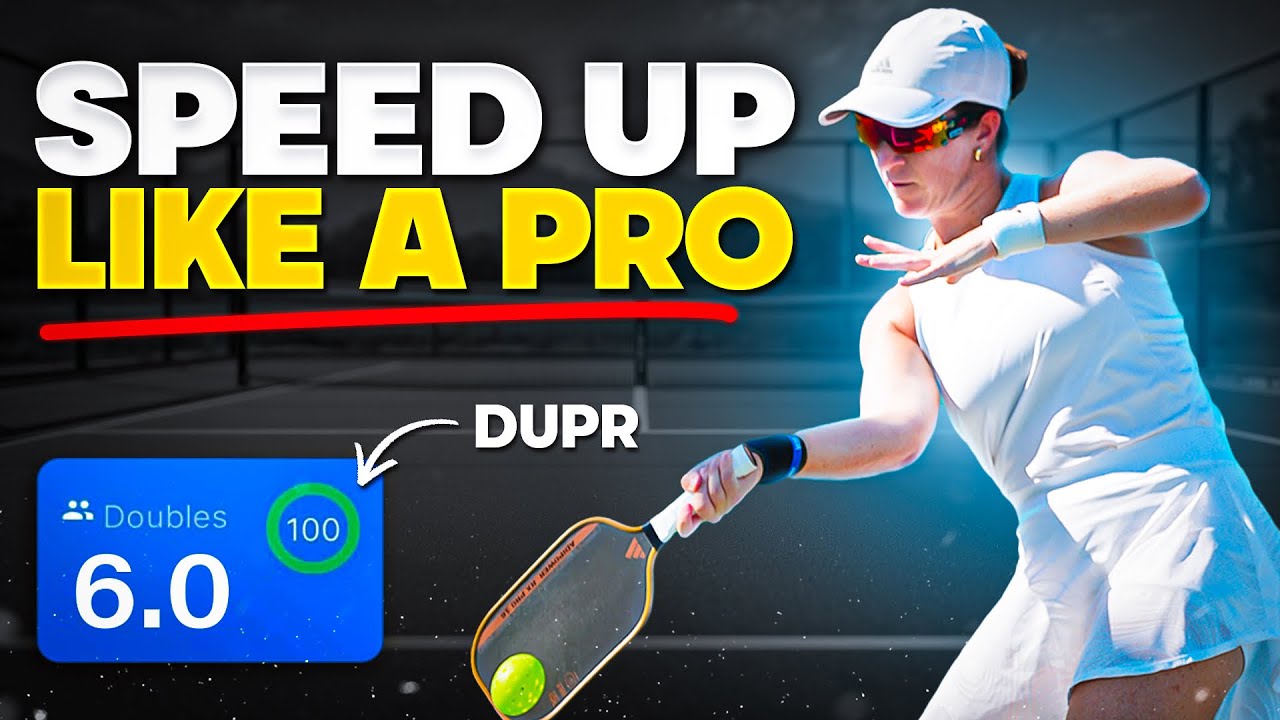
How to Hit a Forehand Speed Up in Pickleball
Pro Mari Humberg breaks down the three essential guidelines for hitting a forehand speed up that actually works in matches: disguise, positioning, and timing.
 The Dink PickleballThe Dink Media Team
Common Mistakes That Kill This Shot
Even with a clear two-step breakdown, players find ways to revert to old habits.
Here are the most common errors to watch for.
- Skipping the drop and swinging flat. If your paddle never drops, you have no loaded position and no acceleration curve. The ball will be slow or will float high.
- Using only the arm with a locked wrist. This is the single most common issue. The arm alone cannot generate the kind of sharp, late acceleration that makes a speed up unpredictable. You need that wrist snap at the end.
- Rushing the contact. Some players panic when they decide to speed up and start their swing before the ball is in the right position. Take a breath, let the ball get to the right height, then execute.
- Hitting from too high a contact point. Speed ups work best when the ball is at or below net height and you are driving it upward. If you are catching it too high, the angle changes and you lose the element of surprise. Check out how ball height affects shot selection to make smarter decisions about when to speed up.
Understanding what causes frustrated speed ups can also help you recognize when you are attacking from a position of panic rather than control.
Master the Forehand Speed-Up: Fix Common Mistakes (Infographic)
Your forehand speed-up doesn’t have to sail long or crash into the net. A forehand speed-up requires precise mechanics, body positioning, and timing to become a reliable weapon in your game.
 The Dink PickleballThe Dink Media Team
When Should You Use the Forehand Speed Up?
The forehand speed up is an offensive weapon, which means it should be used from a position of at least neutral, not from a defensive spot.
If you are scrambling or reaching, this is not the right shot.
The best moments to attack with the forehand speed up include:
- When your opponent hands you a slightly high ball during a dinking exchange.
- When your opponent is out of position or leaning the wrong direction.
- When you have established a rhythm in the dink rally and want to break it unexpectedly.
- When you are targeting the opponent's backhand shoulder or hip, where countering is most difficult.
Targeting the right side of your opponent's body with a speed up is a highly effective strategy, especially against players who struggle with the backhand counter.
One more point: the forehand speed up works best when it is not your only weapon. If you speed up every single ball, your opponents adjust.Mix it with resets, dinks, and lobs so they can never settle into a comfortable read on what you are going to do next.
Learning how to disguise your shots will make the speed up even harder to read.
Understanding when to speed up off the bounce versus out of the air is another layer that will make your offense far more complete.
The mechanics are simple. Two steps, done in isolation, then combined.Build them correctly and the forehand speed up becomes one of the most reliable weapons in your game. Pairing it with attack combinations takes it even further.
💡
Heads up: hundreds of thousands of pickleballers read our free newsletter.
Subscribe herefor cutting edge strategy, insider news, pro analysis, the latest product innovations and more.
Frequently Asked Questions
What is a forehand speed up in pickleball?
A forehand speed up is an aggressive shot hit from the kitchen area that suddenly accelerates the ball at your opponent during a soft dinking exchange. It is designed to be compact and explosive, catching opponents off guard rather than overpowering them with a long swing. Think of it as a controlled burst of pace, not a full drive.
Why does my forehand speed up keep floating or going out?
The most common cause is using only your arm without involving your wrist, which limits your ability to generate sharp, downward acceleration through contact. You also may not be dropping your paddle before swinging, which removes the loaded position that creates real pace. Practice each movement in isolation before combining them.
Should I use my wrist on the forehand speed up?
Yes, absolutely. The wrist snap is not optional on this shot. Isolate it and practice snapping your wrist upward like a windshield wiper with no arm movement, then add it into the full swing once the motion feels natural and quick.
Where should I aim my forehand speed up?
Aim at your opponent's backhand shoulder or hip, where it is hardest to counter cleanly. Targeting the body forces an awkward block and reduces their ability to redirect the ball with pace. Avoid aiming directly at their forehand, where they can counter with full power.
How do I practice the forehand speed up without a partner?
Use a wall or a ball machine to simulate incoming dinks, then practice dropping your paddle and snapping your wrist through contact on each repetition. Start by isolating the arm-only drill and the wrist-only drill against a wall before combining them. Consistent solo repetition builds the muscle memory faster than occasional drilling with a partner.
Anuncie Aqui / Advertise Here
Sua marca para o mundo Pickleball! / Your brand for the Pickleball world!




 English (US) ·
  Portuguese (BR) ·