
 English
  Spanish
  Portuguese
  German
  Italian
  Japanese
  French
  Polish
  Russian
  Netherlands
  Hungarian
  Turkish
  Videos
  Thedink Pickleball

Fast hands aren't magic. They're the result of anticipating attacks, preparing your body, reacting efficiently, and staying stable through the exchange.
You've probably heard it a thousand times: fast hands in pickleball are all about reaction time. But here's the thing - that's only about 20% of the equation.
If you want to dominate aggressive exchanges, win more hands battles, and feel confident at the kitchen line, you need to train all four pillars of fast hands.
Roscoe Bellamy breaks down exactly what those pillars are and how to build them in his latest video.
Love pickleball? Then you'll love our free newsletter. We send the latest news, tips, and highlights for free each week.
Before Your Paddle Even Moves, Your Brain Is Already Working
The first pillar is anticipation, and honestly, it's the most important one. If you don't see the speed-up coming, your hand speed won't matter at all.
Anticipation is about reading the play and understanding when your opponent is likely to attack. There are a few key tells to watch for:
- A dead dink from your opponent is a green light for an attack. If the ball sits up or lacks spin and pressure, they're probably coming at you.
- Your opponent's body position matters. If they're lined up well behind the ball, they can hit a solid speed-up. If they're reaching or off-balance, the attack is less likely.
- Watch their paddle position. At lower levels, a bigger backswing often signals an incoming speed-up.
The goal here is situational awareness. You're not just reacting; you're predicting.
Modern Pickleball: The Four Key Strategies to Winning in 2026
Reach aggressively, back up when there’s a dead ball, hunt for opportunities to speed up, and use the hybrid third shot to get to the net with control. Easy enough, right?
 The Dink PickleballThe Dink Media Team
Get Your Body Ready Before the Ball Arrives
Anticipation is step one, but if you're not set up to handle the attack, recognition won't help. That's where preparation comes in.
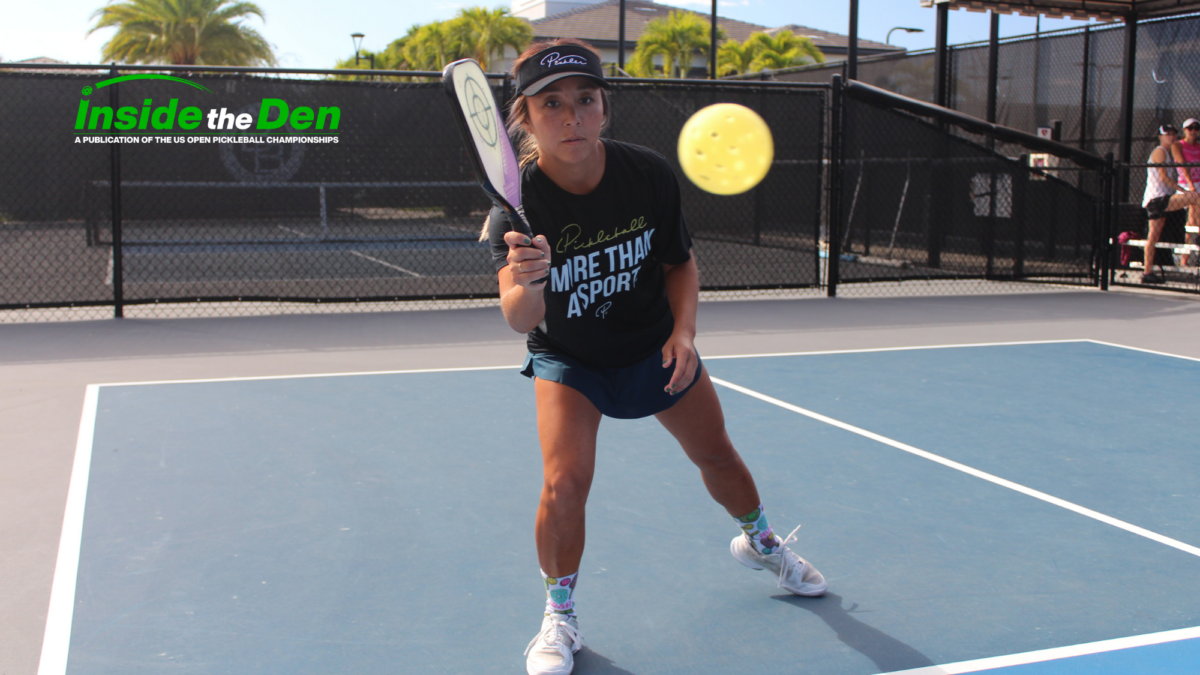
Your foundation matters. Focus on four things: paddle position, elbow bend, stance, and grip.
- Paddle position: Use the tracking technique. Follow the ball with your paddle tip after each dink. This keeps you in the right position every single time.
- Elbow bend: Keep your elbows slightly bent so you have room to extend your arm when the attack comes. If you're already fully extended, you've got no power.
- Stance: Stay in a strong, wide athletic base with bent knees. Don't bounce up and down. This gives you stability and lets you generate power from your legs.
- Grip: Hold the paddle relaxed. When you make contact with the counter, you'll naturally tense up for stability. Starting relaxed lets that natural tension do the work.
Preparation is simple, but it's 100% necessary.
The Simple Drill to get Lightning-Fast Hands in Pickleball
You’re not just getting quicker hands. You’re getting smarter hands. And in pickleball, that’s the real difference.
 The Dink PickleballThe Dink Media Team
React by Doing Less, Not More
Here's the truth about reaction: it's not about swinging harder or faster. It's about doing less.
Our natural instinct when something fast comes at us is to jump, flinch, or overcommit. But that's the opposite of what you want. Instead, focus on staying calm and compact.
- Lock your legs down. Don't jump. You can step out of the way, but jumping kills your timing and balance.
- Keep your swings compact. Imagine there's a wall in front of you. Don't take your paddle back past it. Tuck your elbow in to keep the paddle in front of you.
- Stay squared with your opponent. Don't turn your shoulders for extra power. You don't have time for that. Keep your chest facing the ball and punch through.
- Stabilize your core. When someone speeds up at you, your reaction should be to stabilize your core, not jump. A strong, stable core with a fast upper body beats a big swing every time.
The key is a calm lower body and a fast upper body.
Stability Wins Hands Battles, Not Speed
You've seen the attack and reacted. Now comes the part that separates good players from great ones: what happens next.
Speed doesn't win hands battles. Stability does. This is the efficiency and stability pillar, and it's what gives you the edge.
When you're in a hands battle, stay leveled. A lot of players counter the first shot with a nice low position, then get taller as the exchange continues. That's a mistake. Stay balanced and leveled throughout.
💡
Need some new pickleball gear? Get 20% off select paddles, shoes, and more with code THEDINK at Midwest Racquet Sports
Also, don't over-swing. If you hit a good counter and your paddle ends up way out to the side, your opponent can just counter right back and you're not ready for the next one. Hit your counter and keep your paddle in front of you for the next ball.
Don't try to hit a one-shot winner either. Expect that if you counter, they might counter back. Focus on getting the ball down with clean contact, then win the point over the next few shots.
6 Stubborn Pickleball Habits Costing You Points
The definition of insanity is doing the same thing over and over and expecting a different result. These six habits are patterns that repeat, and they’re costing you points.
 The Dink PickleballThe Dink Media Team
Three Drills to Transform Your Hand Speed
Now that you know the four pillars, how do you actually practice them? Roscoe shares three drills that work:
- Wall drill: Find a wall and measure 7 feet from it (the distance between the kitchen line and net). Start slow with compact swings, staying leveled. Gradually pick up the pace and test your reaction time. The wall always wins, but that's the point; it forces you to stay technical.
- Dead dink speed-up drill: Feed a dead dink to your partner, they speed it up, and you play out the rally. Focus on all the traits that make a good counter: anticipation, preparation, reaction, and stability. Look for their tells before they attack.
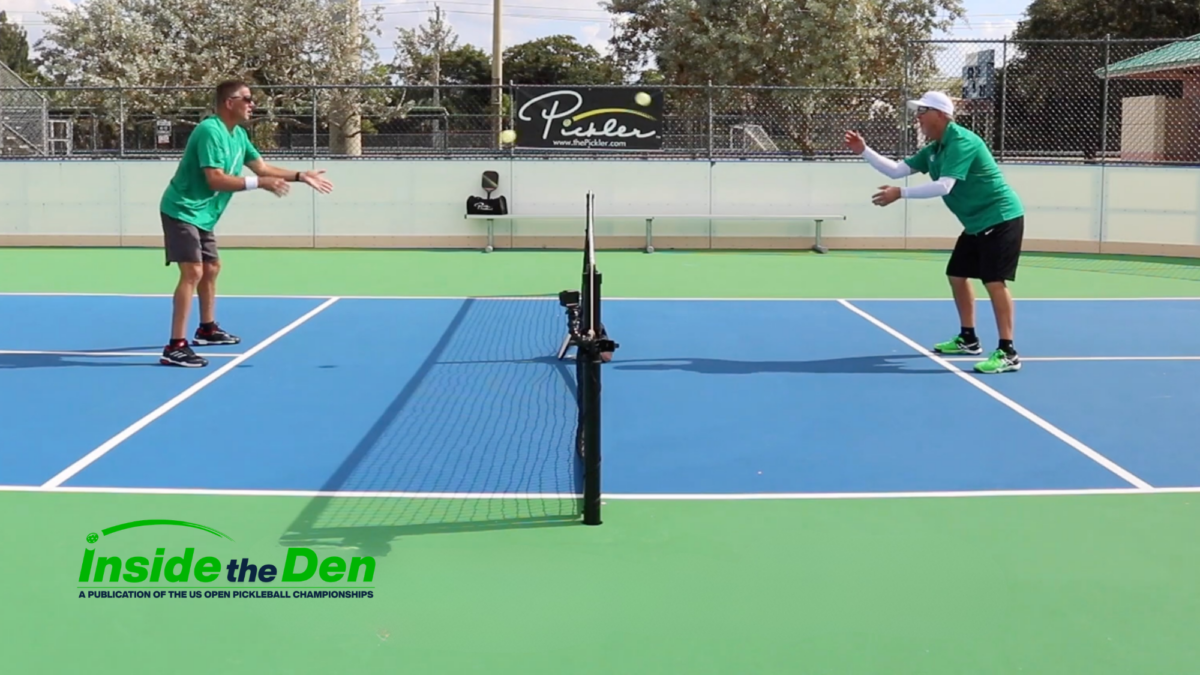
- Heels on the line drill: Start 14 feet apart (both kitchen lines). Step in and put your heels on the line to get closer. The ball will feel much faster. Do this for a few minutes, then step back to the original distance. Suddenly, normal distance feels easy.
These drills build muscle memory and confidence in the situations where fast hands matter most.
How to Set Realistic, Achievable Pickleball Goals
Your pickleball future isn’t decided by how much you play. It’s decided by how well your body holds up. Build a schedule you can live with, not one that destroys you.
 The Dink PickleballThe Dink Media Team
The Real Secret Is Preparation
Fast hands aren't magic. They're the result of anticipating attacks, preparing your body, reacting efficiently, and staying stable through the exchange.
Most players focus only on reaction time. But if you nail the other three pillars, your reaction time becomes almost irrelevant. You're already in position, already balanced, already prepared.
Start with anticipation. Watch your opponent's body and paddle. Then get your foundation right: track the ball, keep your elbows bent, stay in a strong stance, and hold the paddle relaxed. When the attack comes, react with a compact swing and a calm lower body. And when you're in the hands battle, stay leveled and don't over-swing.
That's the real secret to fast hands in pickleball.
Heads up: hundreds of thousands of pickleballers read our free newsletter. Subscribe here for cutting edge strategy, insider news, pro analysis, the latest product innovations and more.
Anuncie Aqui / Advertise Here
Sua marca para o mundo Pickleball! / Your brand for the Pickleball world!



 English (US) ·
  Portuguese (BR) ·