
 English
  Spanish
  Portuguese
  German
  Italian
  Japanese
  French
  Polish
  Russian
  Netherlands
  Hungarian
  Turkish
  Videos
  Thedink Pickleball

Changing your pickleball mindset around patience can fix multiple problems you didn't even know were connected. One player tracked the results over a month, and the transformation was undeniable.
Your pickleball mindset might be the reason your footwork, shot selection, and court positioning all feel broken at the same time.
Most players treat those as separate problems. They're not.
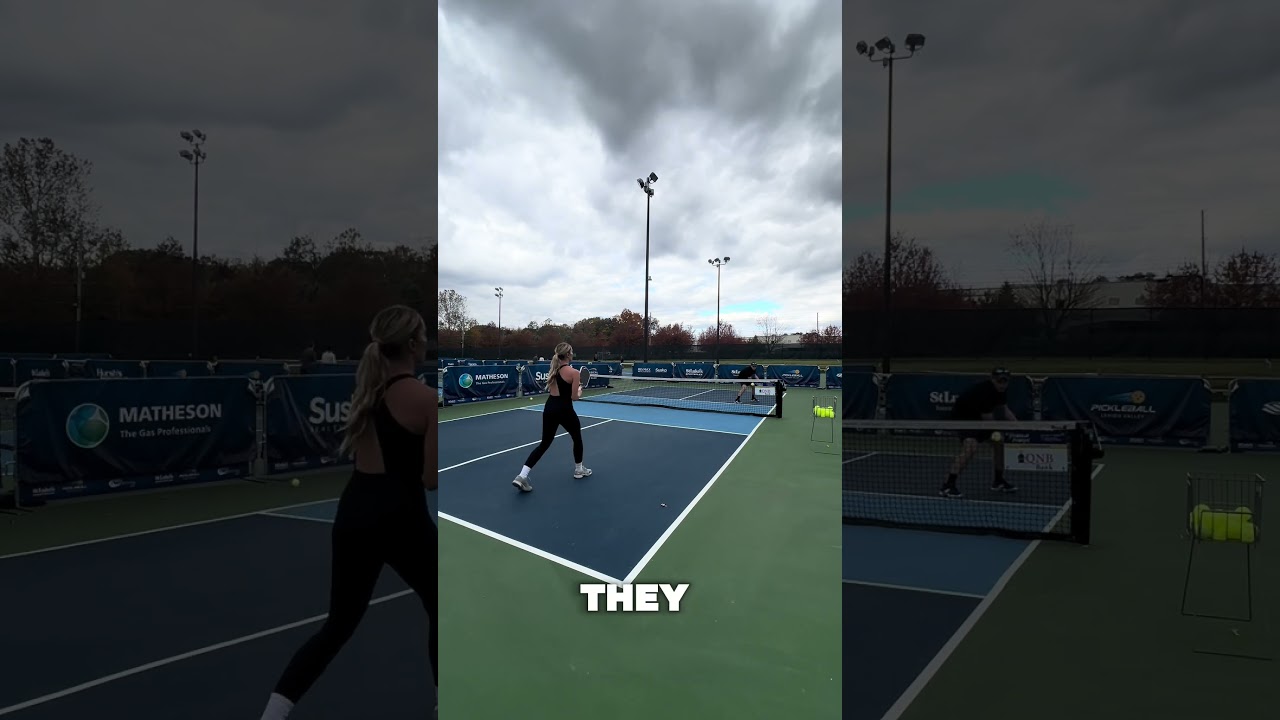
One player spent a month doing nothing but playing more patiently. No new drills. No technical overhaul.Just a different approach to how they showed up each rally.
The results were striking enough to verify with AI analysis comparing their footage from before and after.
This experiment comes from picklepairpro on YouTube, who recorded games before and after the change, then ran the footage through an AI tool to measure what actually shifted. Here's what the data showed, and what you can take from it.
Love pickleball? Then you'll love our free newsletter. We send the latest news, tips, and highlights for free each week.
What Actually Changed After One Month of Patience
The short answer: almost everything. Not because of new technique, but because the approach to each rally shifted from forcing to reacting.
Before the experiment, the player already knew what shot they wanted before the ball arrived.
That kind of pre-decided thinking is a trap. You stop reading the point and start performing a plan that has nothing to do with what's in front of you.After a month of staying patient, the decisions started coming naturally. The game felt slower.
That slower feeling is not accidental.
Why Does Patience Make the Game Feel Slower?
When you're reactive instead of pre-decided, you're processing information in real time. That keeps your brain in the present moment instead of two shots ahead.
The player noticed this directly. They described feeling like they had more time, more options, and more control. None of that came from hitting a new shot.It came from waiting an extra fraction of a second to see what was actually there.
This is one of the core ideas behind mindset shifts that help players break out of 3.5.
The technical stuff matters, but it only works when the mental approach supports it.
💡
Need some new pickleball gear? Get 20% off select paddles, shoes, and more with code THEDINK at
Midwest Racquet SportsThe 5 Things That Improved Without Direct Focus
This is the most important part of the experiment.
The player never worked on any of the following directly, which means the pickleball mindset change did the work by itself.Here's what improved anyway:
- Getting set before hitting. When you're not rushing, you naturally arrive at the ball with your body in a better position. You stop reaching and start moving.
- Recovery after shots. Rushing a shot often means you're still finishing the motion when the return comes back. Slowing down gave the player time to reset after each ball.
- Reaching the kitchen line more consistently. Patience in shot selection means fewer attackable balls gifted to opponents. That means more time to move forward without pressure.
- Decision making under pressure. Instead of defaulting to a pre-planned response, the player started reading the point and picking the right shot for what was actually happening.
- Overall composure. The player simply looked calmer. That visual calm is not cosmetic. It reflects reduced tension in the swing and better weight distribution throughout the rally.
Each of these would take months of focused practice to improve individually. Fixing the mindset fixed all of them together.
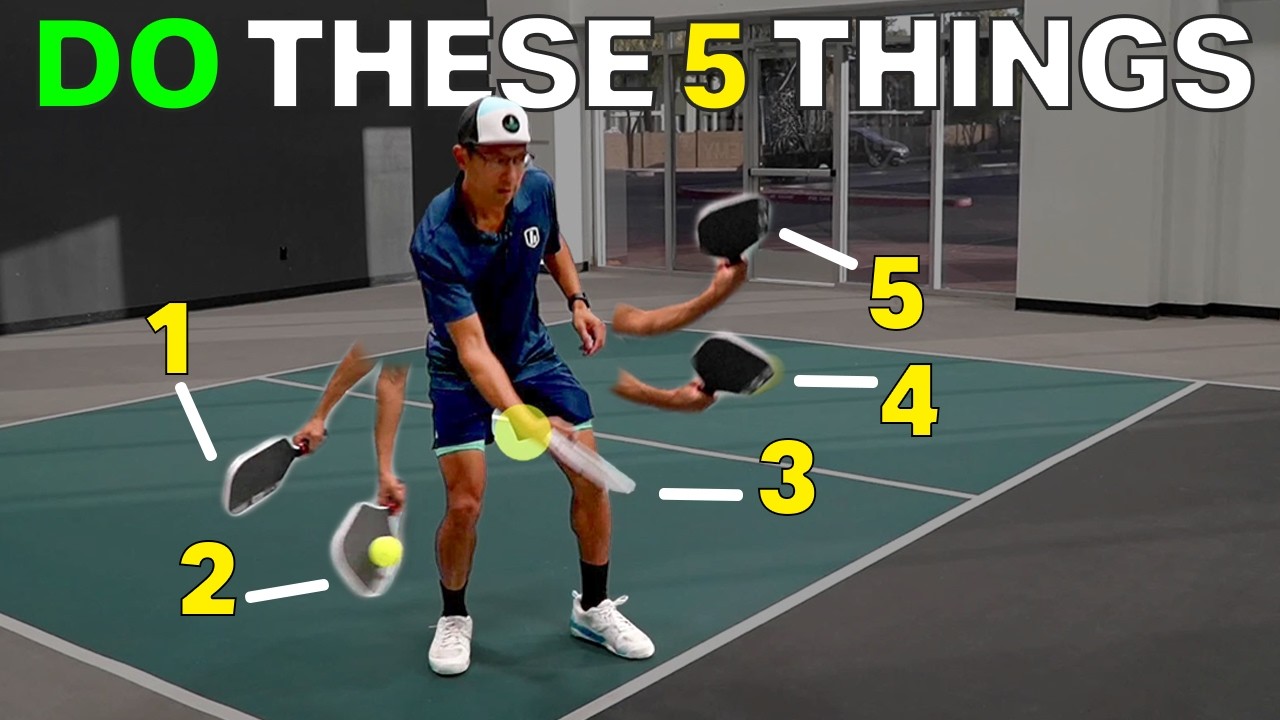
5 Simple Tweaks That Will Instantly Improve Your Pickleball Game
Take them to the court today and you’ll feel the difference within minutes – both in consistency and confidence
 The Dink PickleballThe Dink Media Team
What the AI Analysis Actually Said
The most striking line from the AI review was blunt: "This is a completely different player than a month ago."That's not the result you get from tweaking your backhand grip.
It's proof that a pickleball mindset change shows up on video, not just in how the game feels.
The AI also flagged something the player hadn't considered. Shot selection was correct about 80% of the time after the change.
That sounds solid, but reaching the next level requires being right closer to 95%.The gap between 80% and 95% is not about making better shots. It's about knowing when to pass on a good opportunity because a better one is coming.
If you want to see how shot quality ratings work in practice, this breakdown of the 1 to 10 shot selection scale puts it in concrete terms.
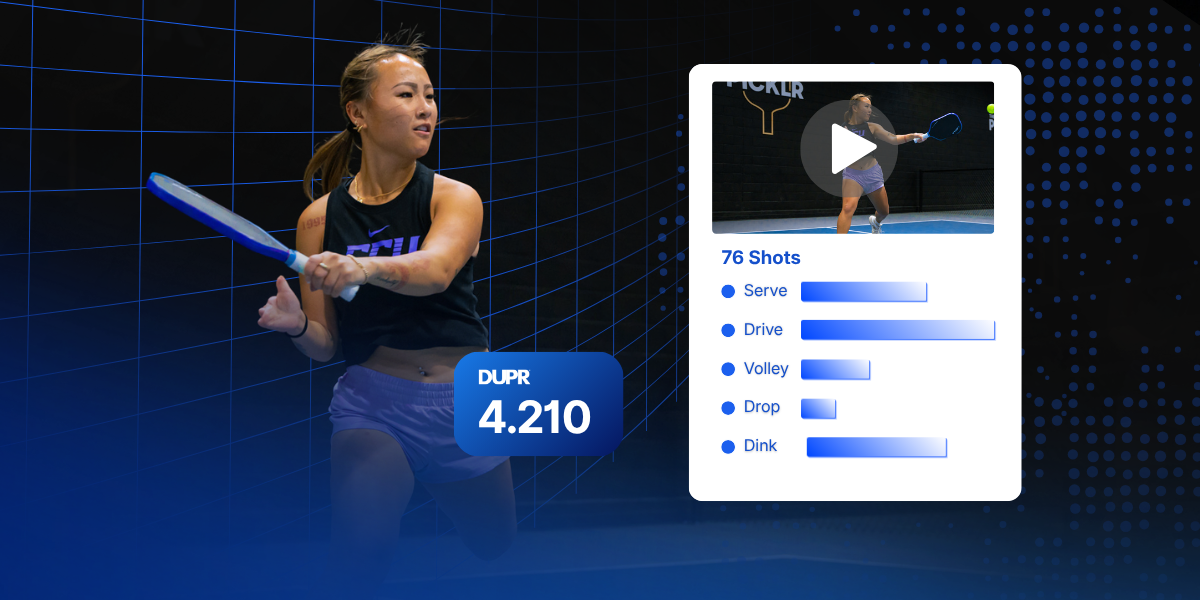
AI-Powered Video Analysis Now Impacts Your DUPR Rating
Starting in August, your rating will be calculated using additional AI intelligence
 The Dink PickleballThe DUPR Team
What Still Needs Work
Patience fixed a lot, but it didn't fix everything. Three issues remained:
- Paddle drop during rallies. This is a mechanical habit that requires direct attention. Patience helps you see it happening, but correcting it takes deliberate repetition.
- Attacking too early. Even with better patience, the player still attacked some balls before the setup was ideal. The instinct to attack good balls is an improvement. The next step is waiting for the best ball.
- Inconsistent split step. A split step that isn't timed properly limits your first-step quickness on every single ball. It's one of those things that pays off on every point when it's right.
These aren't failures. They're the natural next layer of problems that become visible once the bigger issues are cleared away.
That's exactly how improvement works in this sport.For help cleaning up bad habits that tend to persist even as you improve, this list of bad pickleball habits you don't know you have is worth going through honestly.
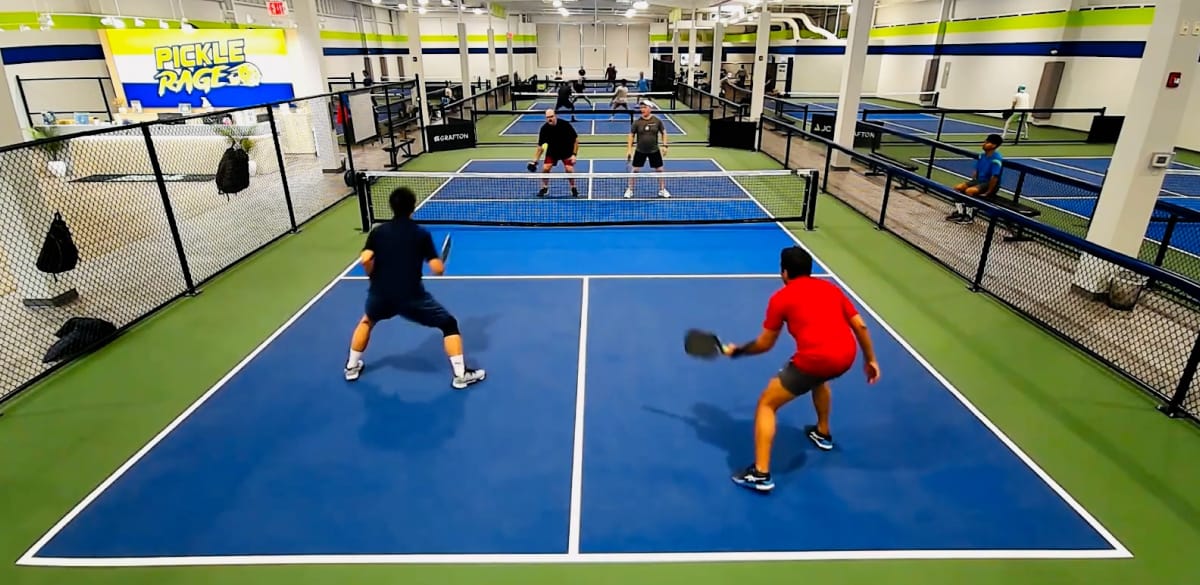
Pro Breakdown: Pickleball Match Strategy That Wins Points
A pro breaks down 3.0/3.5 pickleball match strategy point by point, revealing what each team did well and how to win more at competitive rec play.
 The Dink PickleballEric Roddy
Good Opportunity vs. Best Opportunity: The Real Next Step
Here's where the experiment points toward something most recreational players never consider.
Attacking good balls is a real improvement over attacking bad ones.
But elite-level decision making means passing on good balls because you recognize a better one is one exchange away.That requires pattern recognition.
You have to understand how points build, what setups each shot creates, and where the genuine high-percentage attack is likely to appear.
That's not instinct. It's trained awareness.A month ago, the player was attacking balls they had no business attacking. Now they're attacking good balls.
The next step is seeing two shots ahead and letting the good ball go in favor of the great one.
This is also where the shot selection rules most players keep getting wrong become relevant. Most of those mistakes come from acting too soon, not too late.
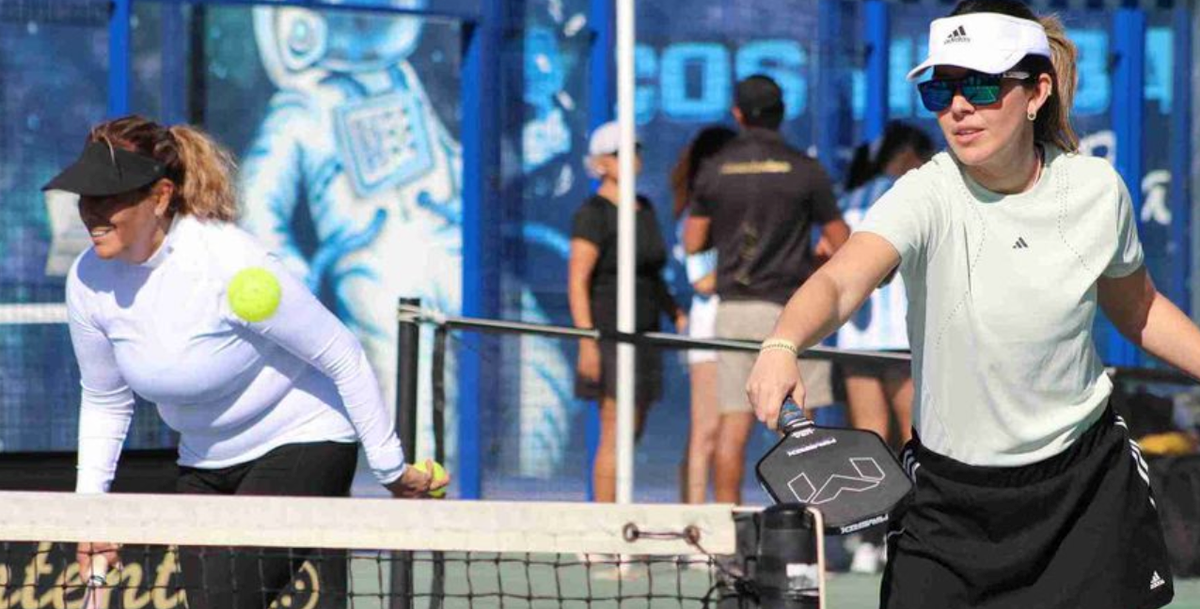
How to Win Recreational Pickleball Games Right now
Most players who struggle to win recreational pickleball games aren’t losing because of talent, they’re losing because of fixable tactical habits. These 7 adjustments target exactly what’s going wrong in rec play and give you a blueprint to start winning tonight.
 The Dink PickleballThe Dink Media Team
How to Apply This to Your Own Game
You don't need an AI tool to run this experiment. You need one clear intention before you play: stop deciding before the ball gets to you.
Here's a practical framework to try over the next month:
- Set a single mental cue before each point. Something like "see it, then decide." That's it. Don't overcomplicate the instruction.
- Film yourself. You will not see what you're doing wrong in real time. Filming yourself playing pickleball lets you catch the moments where you're rushing without realizing it.
- Notice when the game feels fast. That feeling is a signal. Fast usually means you're ahead of the ball, not with it. Slow down your internal clock deliberately.
- Count your forced errors vs. unforced errors. Patience tends to reduce unforced errors faster than any technique drill. Track it over several sessions to see the pattern.
- Use your practice time to build the patience muscle. A smarter practice plan built around decision-making scenarios will accelerate the process.
The player in this experiment didn't overhaul their game. They changed how they thought about each rally, and nearly everything else followed.
If you've been grinding on your backhand, your third shot drop, or your court positioning without seeing results, the problem may not be technical at all.It may be that you're trying to execute before you've actually read what's in front of you.
Patience isn't passive. It's one of the most active choices you can make on a pickleball court.
These pickleball IQ tips for outsmarting better players go deeper into what it actually looks like to play a smarter game.The goal for the next phase of this experiment is clear: move from identifying good opportunities to identifying only the best ones.
That 15-percentage-point gap in shot selection is where the real rating improvement lives.
For players who've been stuck at the same level for months, this is the experiment worth running. One change. One month.Watch what else improves without you trying to fix it.
If you want to understand the difference between how players at different levels see the court, what 6.0 players see that 4.0 players miss gets specific about the gap in perception, not just execution.
And if you're making decisions in rallies that keep costing you, these decision-making fixes for 3.5 players are a good place to start before your next session.
The mindset shift is free. The improvement is real. The only question is whether you're willing to stop forcing and start seeing.
💡
Heads up: hundreds of thousands of pickleballers read our free newsletter.
Subscribe herefor cutting edge strategy, insider news, pro analysis, the latest product innovations and more.
Frequently Asked Questions
What does pickleball patience actually mean in a real game?
Pickleball patience means waiting to react to what the ball is actually doing instead of deciding your shot before it arrives. It does not mean playing slow or passive. It means staying present in the rally long enough to see a genuine opportunity rather than manufacturing one.
Can changing your mindset really improve your pickleball rating?
Yes, and this experiment shows it clearly. A player went from making good decisions about 80% of the time after one month of focusing only on patience, with no technical work added. The AI analysis described them as a completely different player compared to a month earlier.
Why does pickleball feel fast when I'm playing badly?
When the game feels fast, it usually means you're anticipating instead of reacting. You've already decided what you're going to do before the ball gets to you, which means you're responding to a plan rather than to what's actually happening. Slowing down your mental pace is the fix, not speeding up your feet.
What is the difference between a good pickleball opportunity and the best one?
A good opportunity is a ball you can attack with reasonable success. The best opportunity is a ball where you have high control, ideal positioning, and a clear angle. Elite players pass on good balls regularly because they recognize the setup for a better attack is only one or two shots away.
How do I know if my pickleball problems are mental or technical?
If multiple unrelated parts of your game are struggling at the same time, the root cause is often mental rather than technical. Rushing, pre-deciding shots, and poor recovery tend to travel together and usually trace back to mindset rather than mechanics. Fix the approach first, then see what technical issues remain.
Anuncie Aqui / Advertise Here
Sua marca para o mundo Pickleball! / Your brand for the Pickleball world!



 English (US) ·
  Portuguese (BR) ·